













































































































































































































































































































































































































































































































































































































Nat Habit Eyes Rs 250 Cr Revenue With Sustainability At Its Core


With revenues rising from about Rs 80 crore in FY24 to nearly Rs 130 crore in FY25, Nat Habit is now eyeing Rs 250 crore while trying to hold its sustainable practices.
Nat Habit, a premium personal care brand built around ‘hardcore natural’ formulations and in-house manufacturing, is targeting Rs 250 crore in revenue in the next financial year, up from about Rs 80 crore in FY24 and nearly Rs 130 crore in FY25.
As it prepares for a larger scale of operations, the company says sustainability will remain integral to its product design, packaging and factory processes rather than an add-on to its growth strategy.
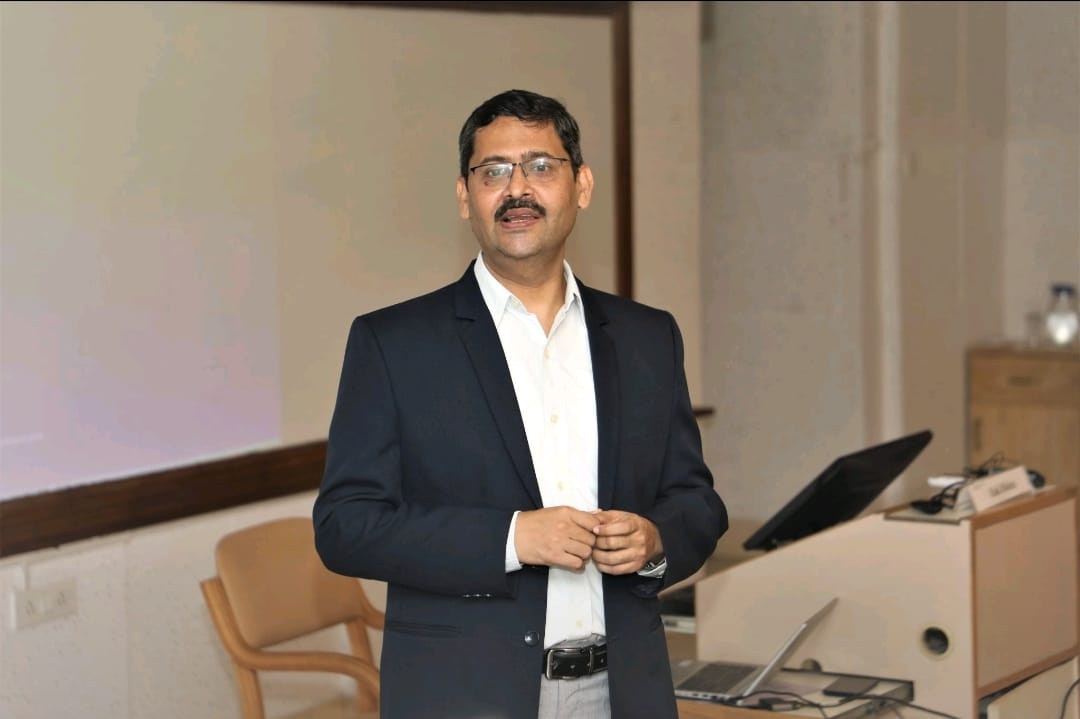
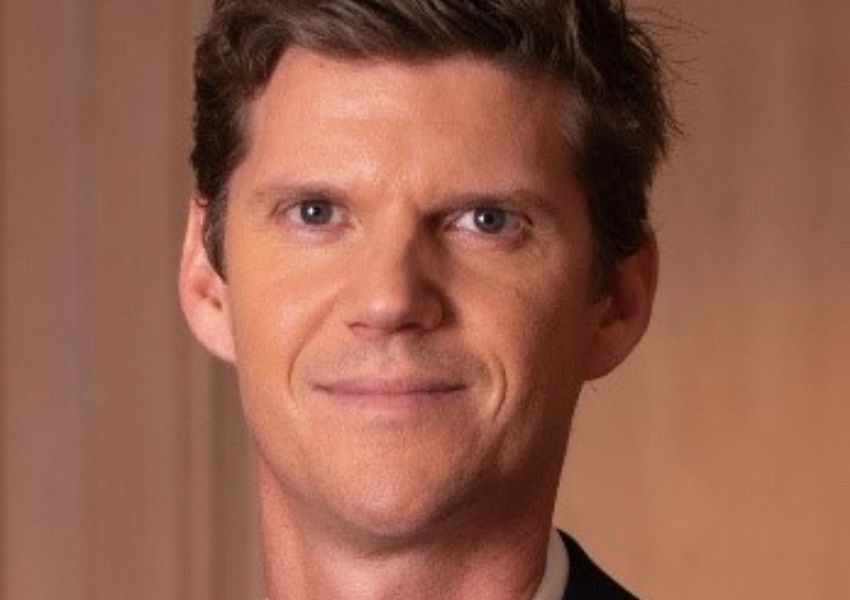
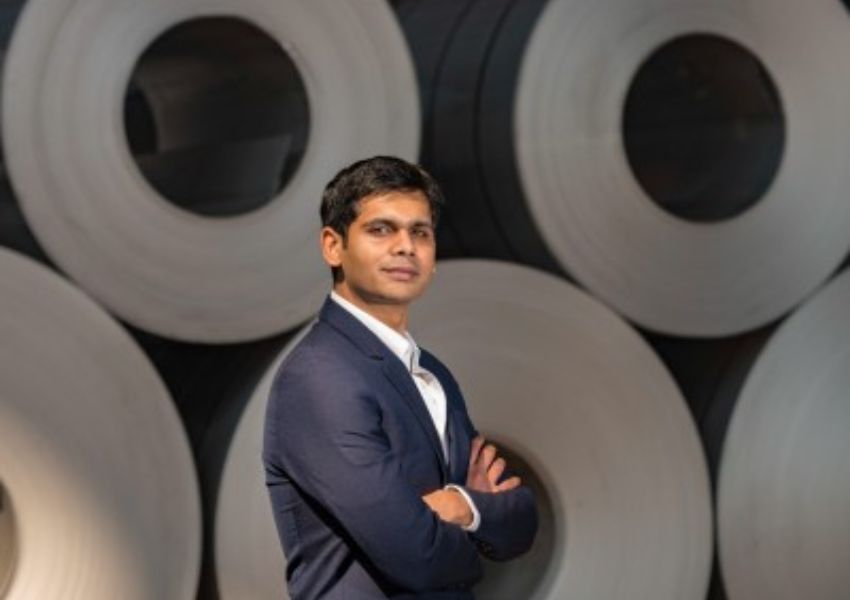
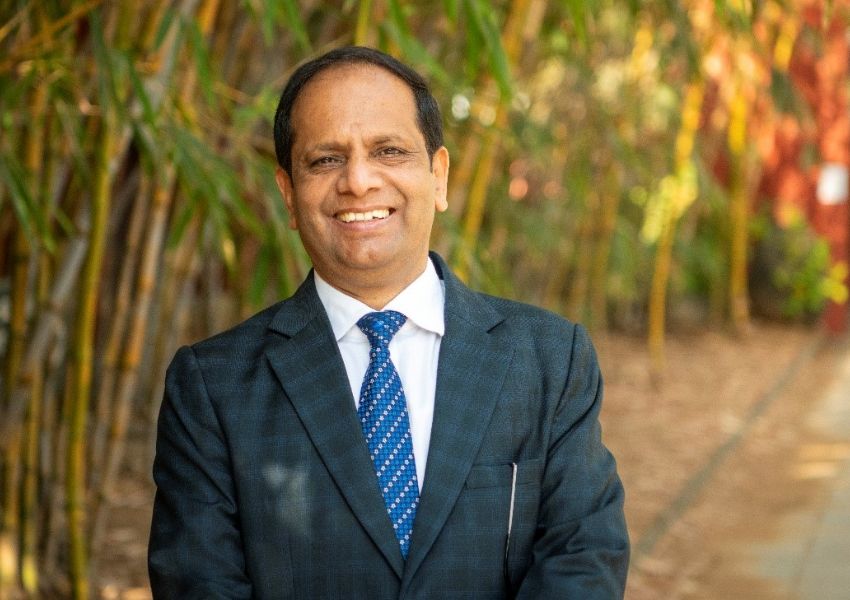
In a conversation with BW Sustainability World, Co-founder and CEO Swagatika Das spoke about the economics of sustainable packaging, the sector’s biggest sustainability gaps and the kind of regulatory push that could help younger brands maintain environmental commitments while chasing growth.
Edited excerpts:
Nat Habit is targeting Rs 250 crore in revenue for the next financial year. How different is this growth journey going to be for you, given that you are committed to scaling in a more sustainable way? How will you stay sustainable at that scale?
If you look at our runway, it is already very strong. The Rs 250 crore figure is the internal target for the coming financial year, but even at a much larger scale we believe sustainability can continue to stay at the core of what we do.
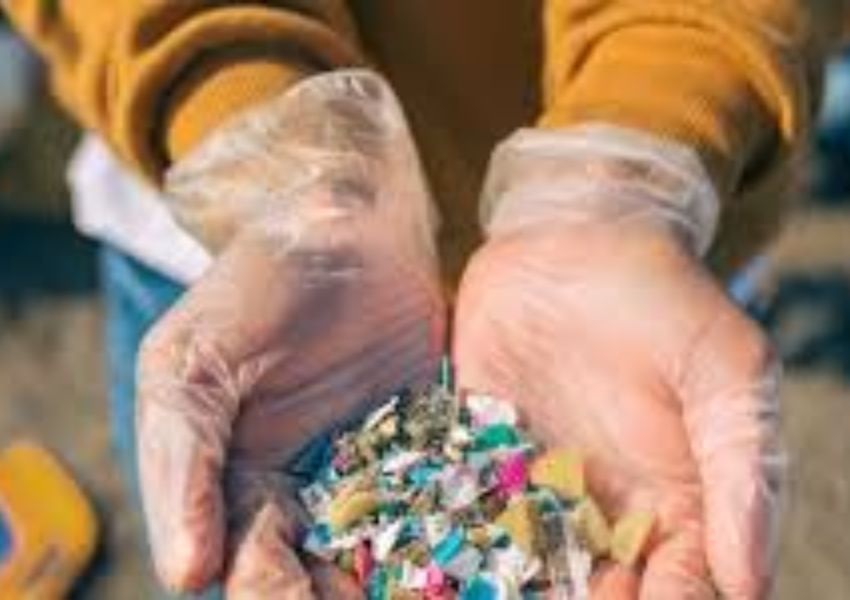
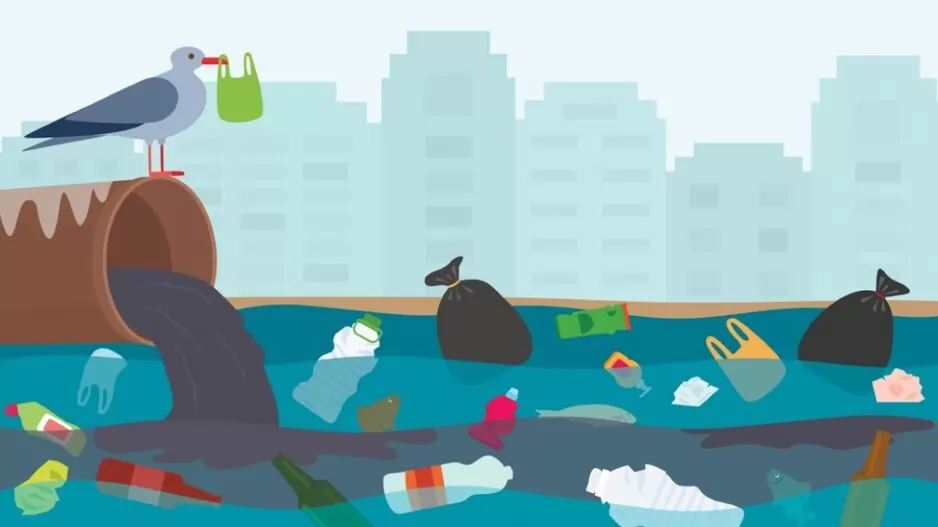
In FMCG, a large part of the sustainability challenge lies in the product and the packaging. Products often contain synthetics, including microplastics, which severely contaminate the water table. The waste from such manufacturing is highly toxic. The second big issue is packaging, where a lot of the material is still virgin plastic.
For us, the bigger part is the product itself, because we are “hardcore natural”. Our waste is primarily natural and perishable. Even then, we make sure that elements such as oil do not enter the water table, because oil should never be allowed to seep into it. Since we own our own manufacturing, we can implement robust waste management and treatment systems that do not get compromised as we scale.
On packaging, we work closely with our vendors and partners to develop more sustainable solutions. For instance, with rPET and HDPE plastics, recycled PET is available but comes at a higher cost. Our approach is to absorb that cost instead of passing it on to the consumer, because our gross margins are higher due to in-house manufacturing and process efficiencies.
With HDPE, our commitment to sustainability has led us to innovate with partners. Virgin HDPE typically has a strong odour and reacts with the product, so brands avoid it. We are working on a layered structure where a thin layer of virgin HDPE sits over recycled HDPE, which allows us to use a high proportion of recycled material without compromising product integrity.
We consciously invest in these innovations because we see sustainability as central to a natural lifestyle. If we do not set those examples ourselves, it would be difficult to claim that we are genuinely promoting a healthy way of living.
Can you share how much packaging contributes to your overall product cost and how you are maintaining margins despite using sustainable materials?
For a mass-premium brand like ours, packaging typically accounts for anywhere between 20 per cent and 40 per cent of the product cost, depending on the SKU. The premium for sustainable packaging can sometimes be 20–30 per cent higher than conventional options.
We are able to absorb that because we have advantages in processing, in raw material utilisation and in waste control, and because we make our own products. This allows us to control costs on both the raw material and finished goods sides. Even after paying a premium for sustainable packaging, our overall economics remain viable.
In some cases, our co-development work with vendors actually helps reduce their costs as well. As a result, certain sustainable packaging formats that we use are now at par, cost-wise, with regular plastic packaging.
Your brand communication talks about “small batch, zero-effluent” manufacturing. As you scale up and increase production, will you continue with this model or are you planning to change it?
I would like to clarify that we do not promise “small batches” as a claim in itself. Small batch sizes are more of an outcome of our daily manufacturing model.
Because we do not produce for a one-year or three-year shelf life, we manufacture more frequently and for shorter consumption windows. Daily or frequent production naturally keeps batch sizes smaller compared with many other brands.
If you scale up, your batch size may increase from, say, 500 kg to 1,000 kg at a time, but the principle remains that we manufacture frequently for limited shelf life. So the model of regular, fresher production continues even as scale goes up.
Around 52 per cent of your customers are repeat buyers. In your view, what drives this retention the most: sustainability, product performance or price?
The three key factors are product efficacy, brand perception and pricing.
Let me address pricing first. We are not a luxury brand, but we are mass-premium and on the higher side within that segment. So our prices are not accessible to everyone in the middle-class bracket. Despite that, customers repeat, which tells you that they value the quality of the product.
Brand also plays a very significant role. Even in the early days, when we had a small but very loyal base of customers, some of them stopped buying from us because we were using plastic tubs for our fresh products. They loved the formulations but could not identify with a brand that used so much plastic.
Those were experimental days when our packaging was not yet final, but it clearly showed us how important sustainability has become to consumers today. It strongly influences brand imagery and, in turn, both short-term and long-term retention. Products have to be good, but brand values, including sustainability, matter a great deal.
In India’s personal care sector, especially for products like yours, what are the biggest sustainability gaps you see? What are the main challenges for brands like Nat Habit in balancing sustainability and cost-effectiveness?
The two biggest problem areas are product and packaging, with packaging being the more immediate challenge.
On the packaging side, the shift to larger packs, especially for online channels, is helping reduce impact to some extent. Bigger sizes mean less packaging per unit of product. At the same time, government regulations are increasingly pushing brands to adopt more sustainable packaging solutions, which is a positive step.
However, the larger, long-term problem lies inside the pack. The ingredients and formulations used in many personal care and fashion products contribute significantly to water table contamination. The full impact often shows up over time, in the form of rising cancer incidence, microplastics detected in human bloodstreams and other health issues.
This is a serious problem that is still under-quantified and under-discussed. The fashion industry and the beauty and personal care sector are major contributors to it.
You have mentioned moving towards more degradable, compostable and circular materials. Do you have specific two-year, three- or five-year sustainability targets for the company?
We have not yet laid out a formal long-term roadmap with specific two-, three- or five-year sustainability or circularity targets.
What we do instead is work with our partners and investors to set annual improvement goals. Our focus at this stage is on inputs. Wherever we operate and wherever there is potential environmental damage, we ask how we can minimise that.
Because we already have a relatively large base of sustainable manufacturing practices and a significant portion of our packaging is sustainable, the incremental improvements over the next five years are more about deepening and widening this footprint rather than making a dramatic pivot.
Do you have any internal mechanism or framework to evaluate whether you are meeting your sustainability goals across manufacturing, packaging and workforce practices?
Yes. We conduct ESG audits that are co-drafted and co-executed with Fireside Ventures, one of our investors.
An external auditor evaluates multiple aspects of our ESG performance and identifies progress as well as gap areas. Based on this assessment, we create our internal reports and action plans. That becomes the basis for how we measure ourselves and decide on next steps.
What policy changes would you like to see from the government to encourage sustainability in brands like Nat Habit?
For brands like ours, there should be tangible incentives for building a more sustainable business, beyond consumer appreciation and brand goodwill.
Today, there is some advantage when conscious consumers choose you, but that benefit can feel intangible, especially for smaller, early-stage brands that do not have large budgets for sustainable packaging. Targeted incentives from government bodies or startup-focused agencies could help such brands invest in sustainable practices from the beginning.
For larger companies, there should be clear and binding commitments around sustainability, somewhat similar to mandatory CSR spends. Sustainability mandates for beauty and personal care, health, pharma and related sectors would push the wider industry to act more decisively.