













































































































































































































































































































































































































































































































































































































































































































































































































































































































































Most Firms Now See Climate Tech As Essential, Survey Shows


A new ACCA study shows rising corporate investment and interest in climate technology, though data gaps, policy uncertainty and limited skills continue to slow progress
Two-thirds of organisations believe climate technology is, or will soon become, essential to their operations, according to a new study published by the Association of Chartered Certified Accountants (ACCA). The research notes that 66 per cent of respondents see such technologies as necessary for achieving net zero and broader sustainability goals, reflecting a shift from long-term aspiration to present-day corporate priority.
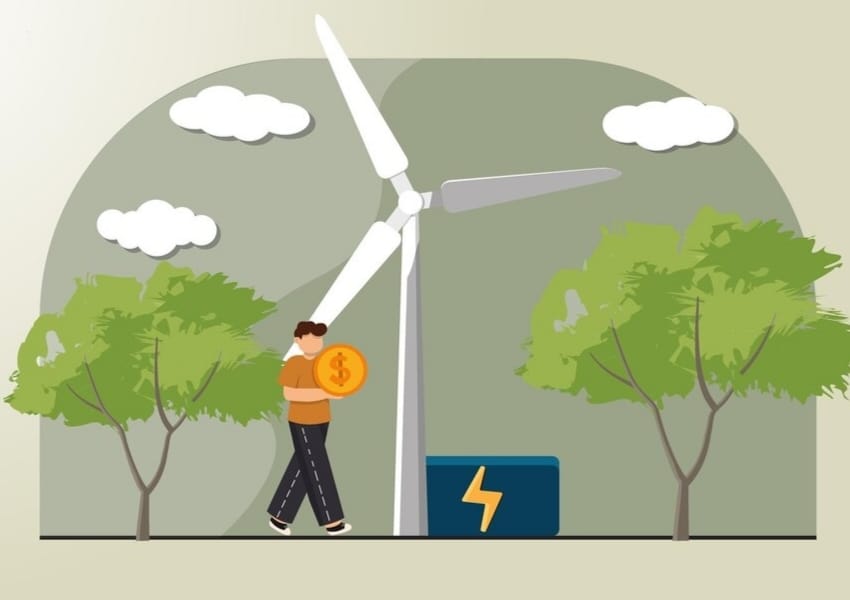
The report indicates emerging financial commitments. Twenty-one per cent of respondents are already investing within existing budgets, while another 21 per cent plan to do so in the next two to three years. However, a significant proportion of firms remain in early planning, highlighting what the study terms a readiness gap.
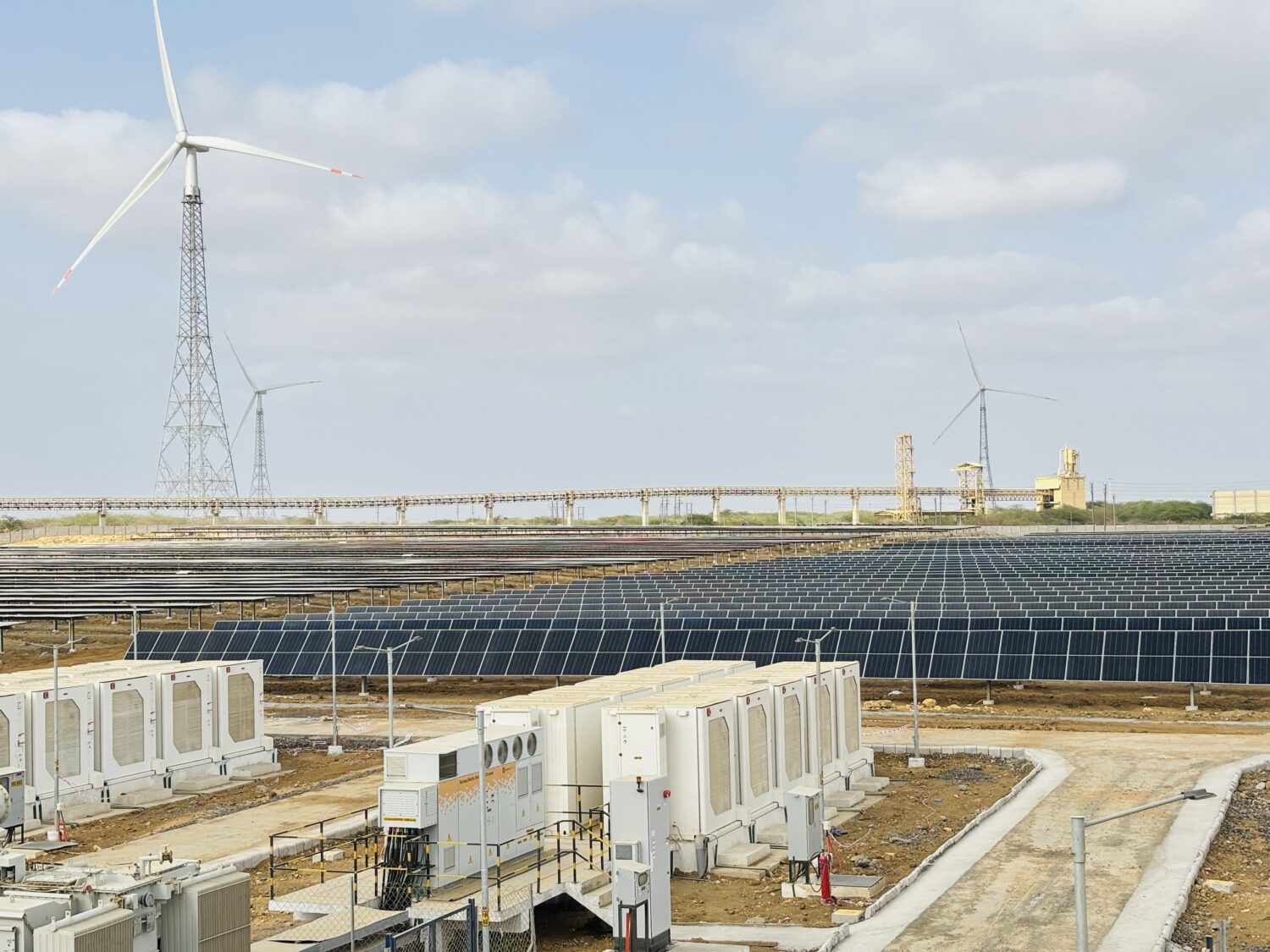
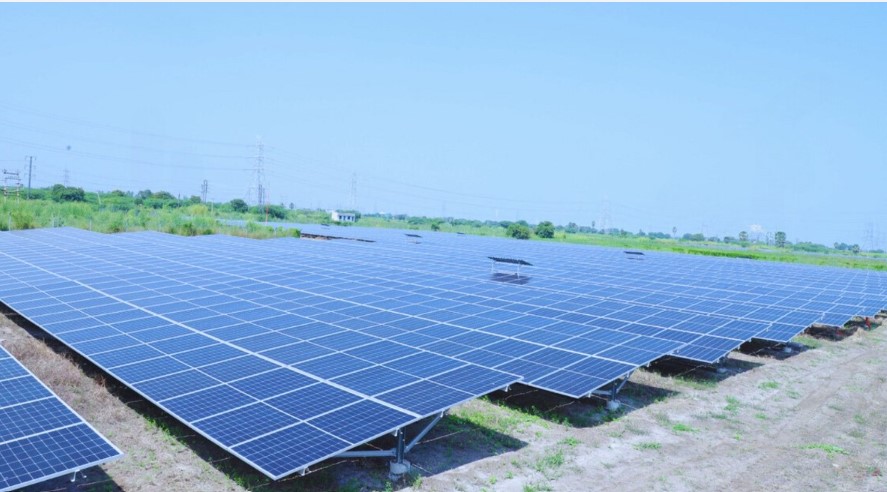
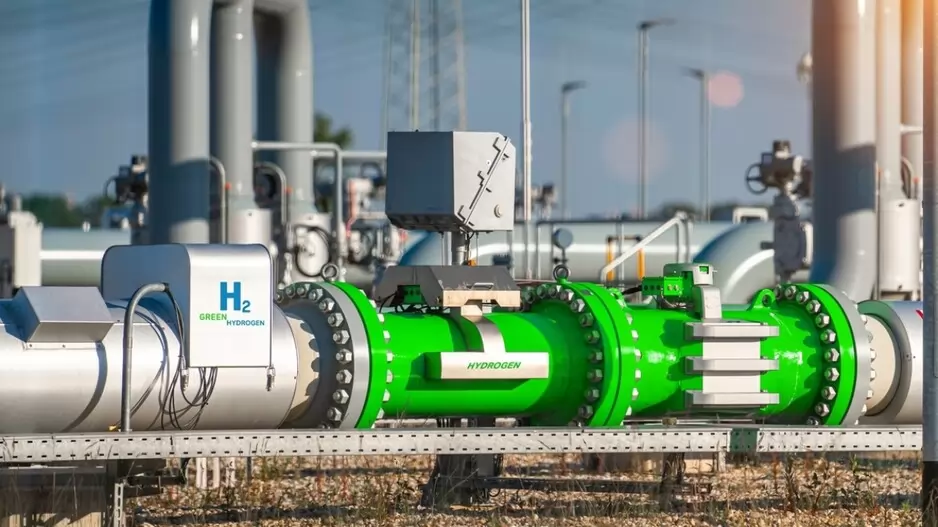
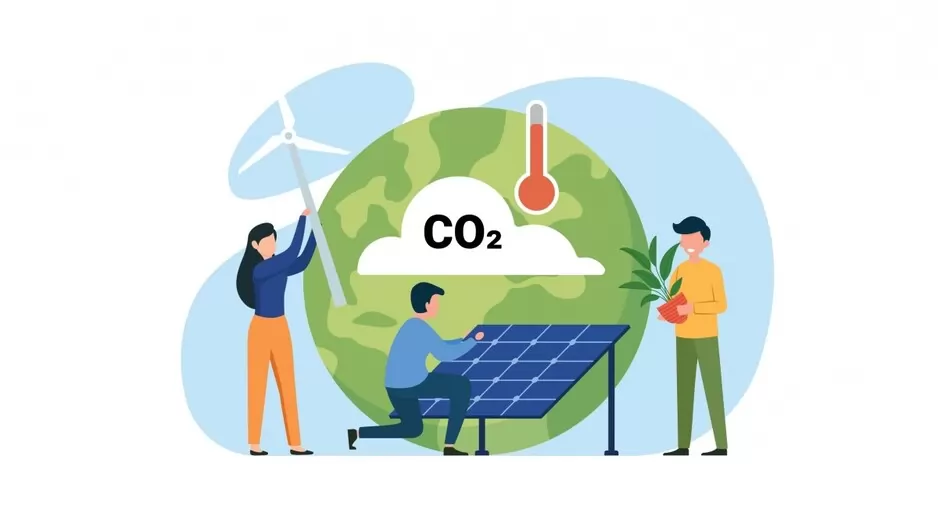
Climate technology encompasses a range of solutions designed to reduce greenhouse gas emissions and mitigate climate impacts. These include renewable energy, carbon capture and storage, energy management systems, and tools for monitoring environmental performance. Adoption is currently strongest in energy efficiency, regulatory compliance and sustainable supply chain management, with green finance and climate risk planning gaining ground.
Data and Capability Gaps
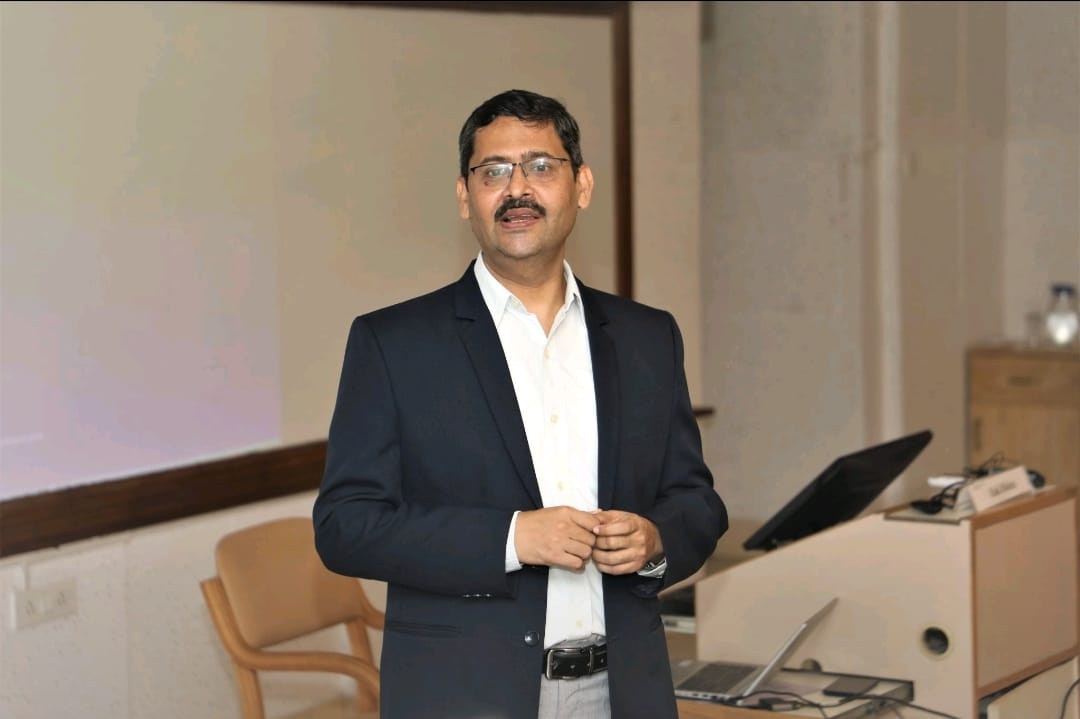
ACCA head of sustainability Emmeline Skelton said many investments demand high upfront spending and long payback periods, often yielding benefits that are environmental or strategic rather than immediately financial. She said the true return lies in resilience, risk reduction and sustainable value creation in a low-carbon economy.
The study highlights the central role of accounting and finance teams in assessing investments, integrating climate priorities into company strategy and ensuring credible reporting. Data remains a major impediment. Seventy-two per cent of organisations report fragmented or inconsistent information, while 15 per cent are unable to measure return on investment from climate-related spending.
The report argues that strong data systems, clearer public policy and improved capabilities are necessary to scale adoption. It also introduces a Climate Technology Readiness and Investment Toolkit, intended to guide organisations from goal setting to ongoing assurance.