


























































































































































































































































































































































































































































































































































































































WMO Predicts Weak La Niña Through Early 2026, Cooler Winters Expected In India

Forecast suggests a short-lived La Niña could still influence India’s winter, with cold waves more likely in northern regions
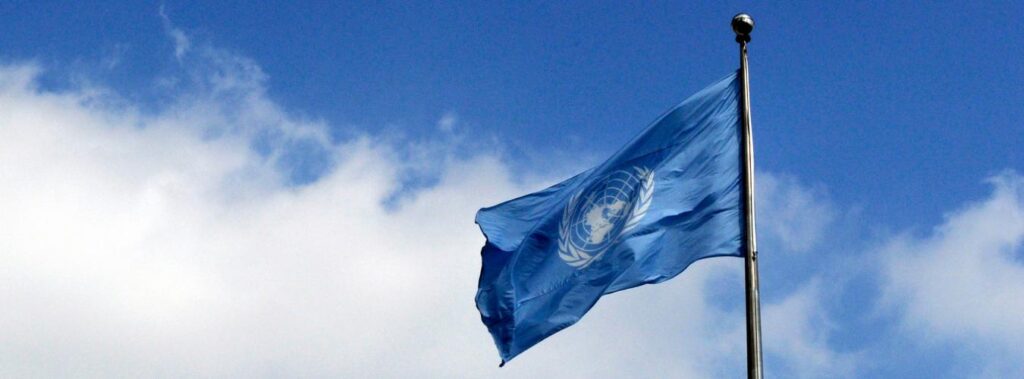
There is a 55 per cent chance of a weak La Niña developing between December and February 2026, according to the World Meteorological Organisation (WMO). Indian meteorologists had earlier indicated that La Niña conditions could return later this year and influence global weather patterns, including cooler winter temperatures in India, The Times of India reported in September.
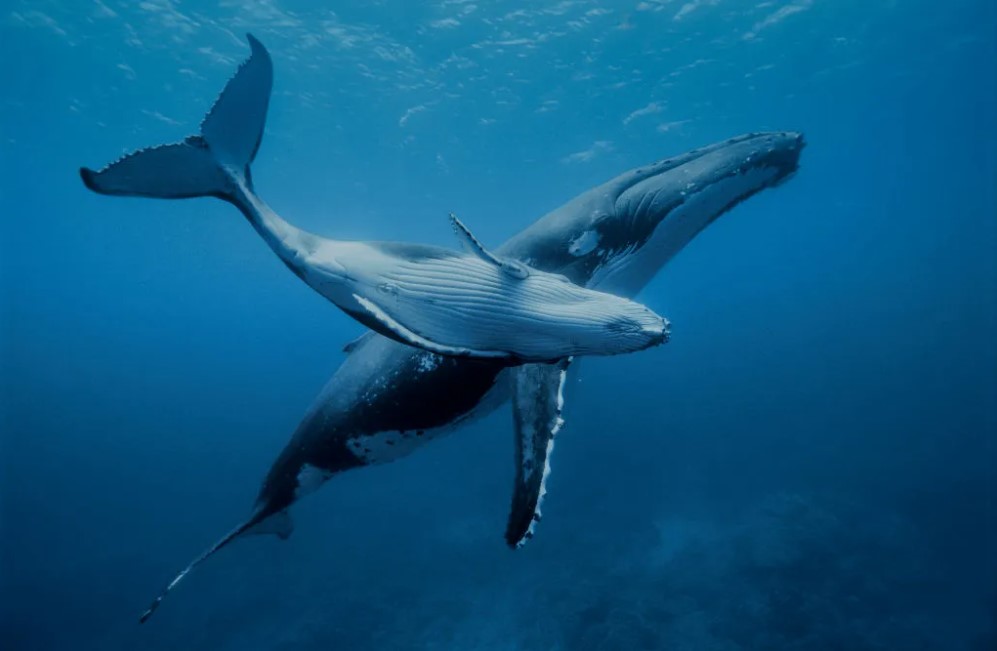
La Niña is the cool phase of the El Niño–Southern Oscillation (ENSO), a climate system in the equatorial Pacific that alternates between warm, cool, and neutral phases every two to seven years. The US National Oceanic and Atmospheric Administration describes La Niña as a period when colder, nutrient-rich water rises off the west coast of the Americas, strengthening trade winds and pushing warm water towards Asia.
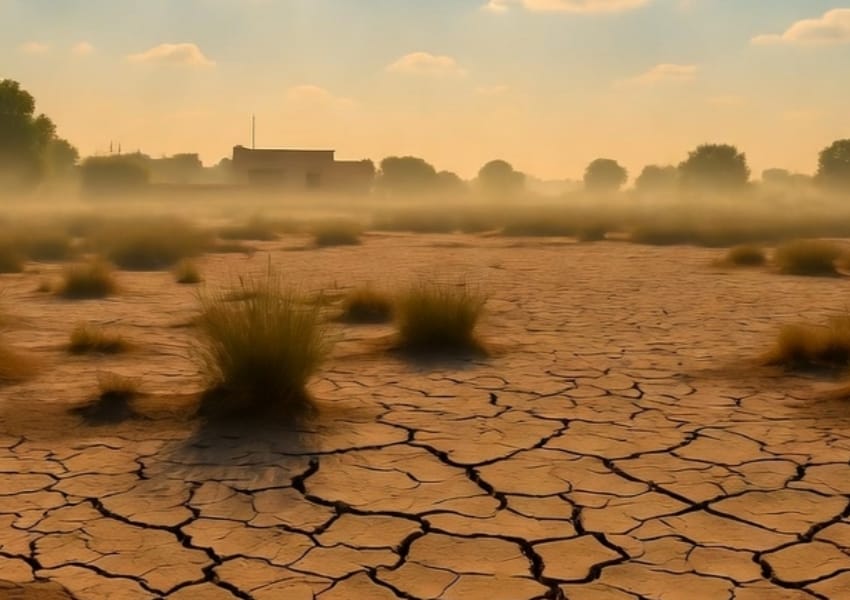
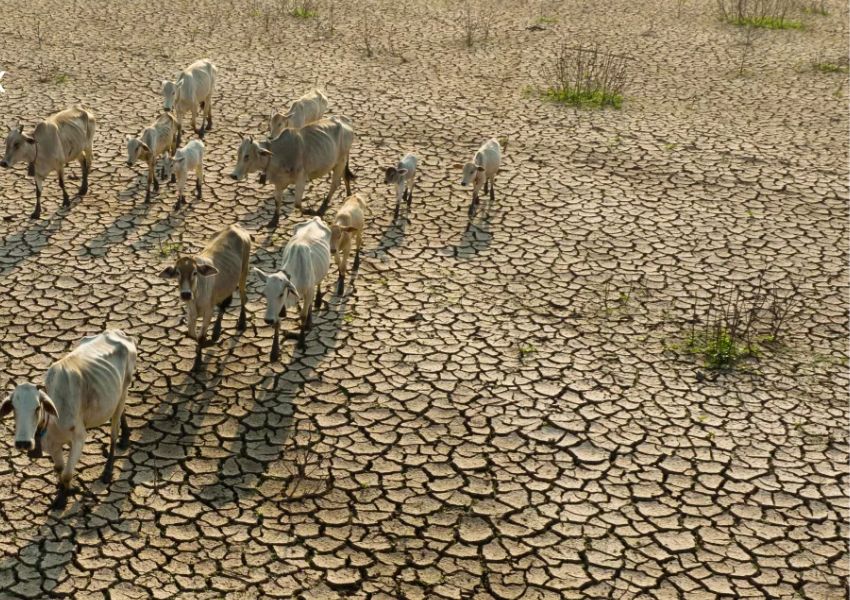
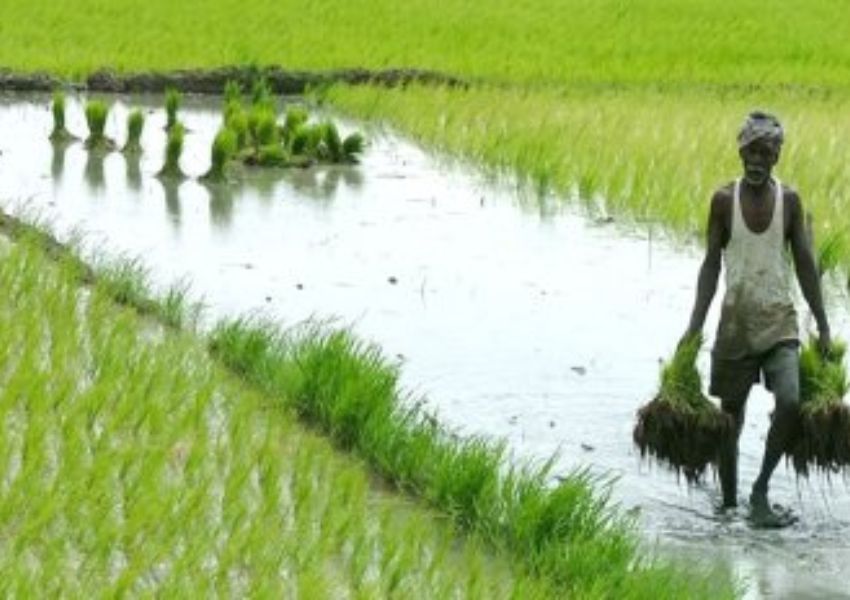
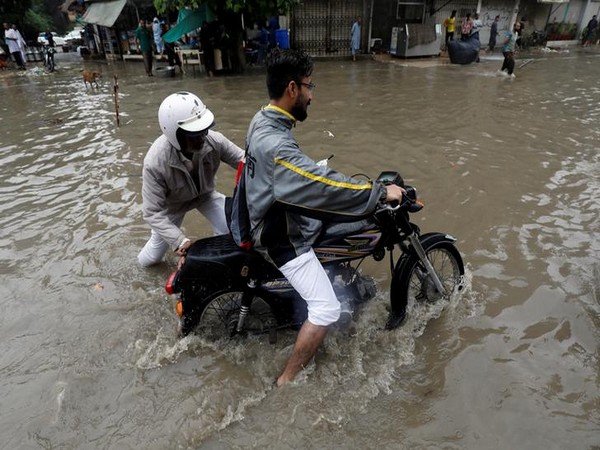
Although La Niña involves temporary cooling in the central and eastern Pacific, global temperatures do not necessarily fall. Many regions may still be warmer than normal, raising the risk of both floods and droughts, with potential consequences for agriculture.
The Indian Express reported that the Indian Ocean Dipole (IOD), ENSO’s counterpart in the Indian Ocean, is expected to return to a neutral phase, according to the India Meteorological Department (IMD). Global models also indicate that sea surface temperatures will move back towards ENSO-neutral after March 2026. The WMO noted a 65 per cent to 75 per cent likelihood of neutral conditions between January and April 2026, while ruling out a return of El Niño in the near term.
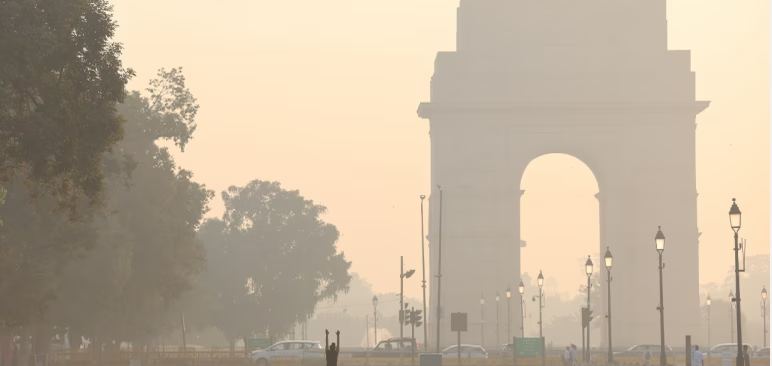
Even if La Niña is weak and short-lived, India may still experience cooler winters and more frequent cold waves, particularly in the north.
A 2024 study by the Indian Institute of Science Education and Research, Mohali, and the National Institute for Space Research, Brazil, found that La Niña conditions play an important role in triggering intense cold waves over northern India. The researchers observed that during La Niña, a strong low-level cyclonic anomaly transports cold air from higher latitudes into the region. They also reported that cold waves are more frequent and last longer in La Niña years than during El Niño or neutral periods.