






























































































































































































































































































































































































































































































































































































































































































































Air Pollution Kills 9 Mn People Each Year As Warming Intensifies Global Health Risks


UNEP’s GEO-7 report warns that climate change and rising pollution are reinforcing a dangerous cycle affecting health, food security and ecosystems
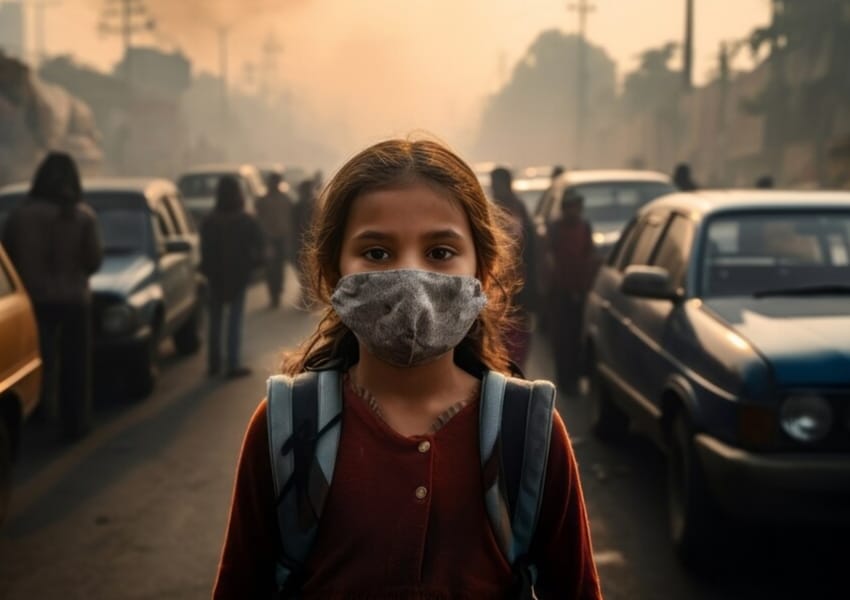
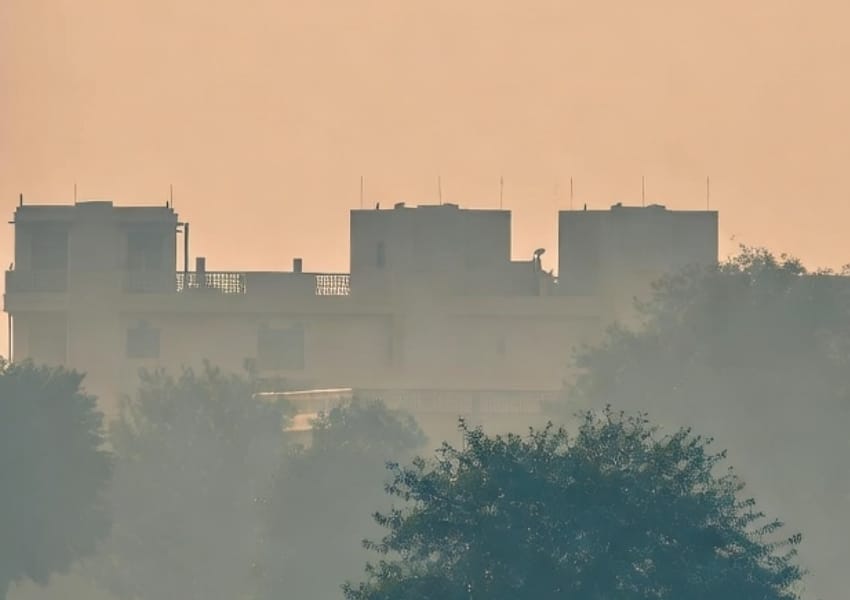
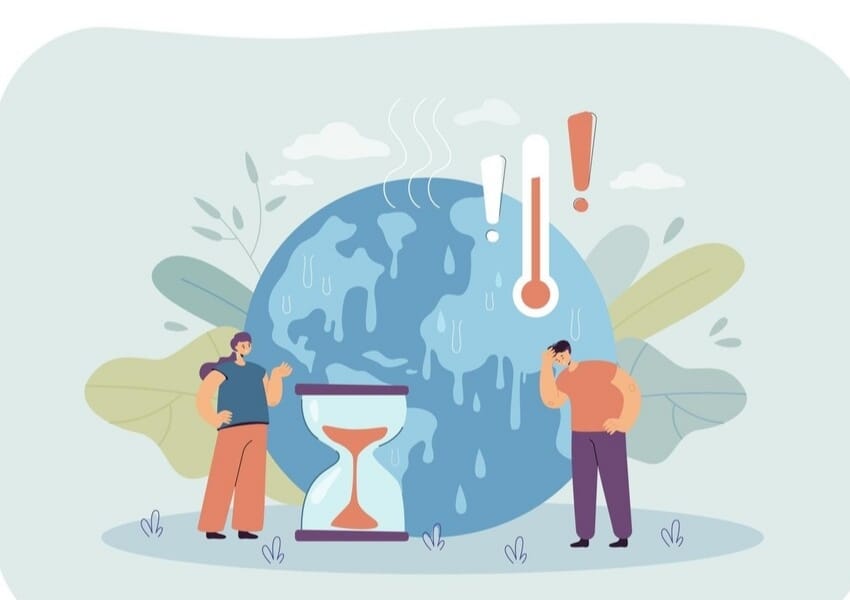
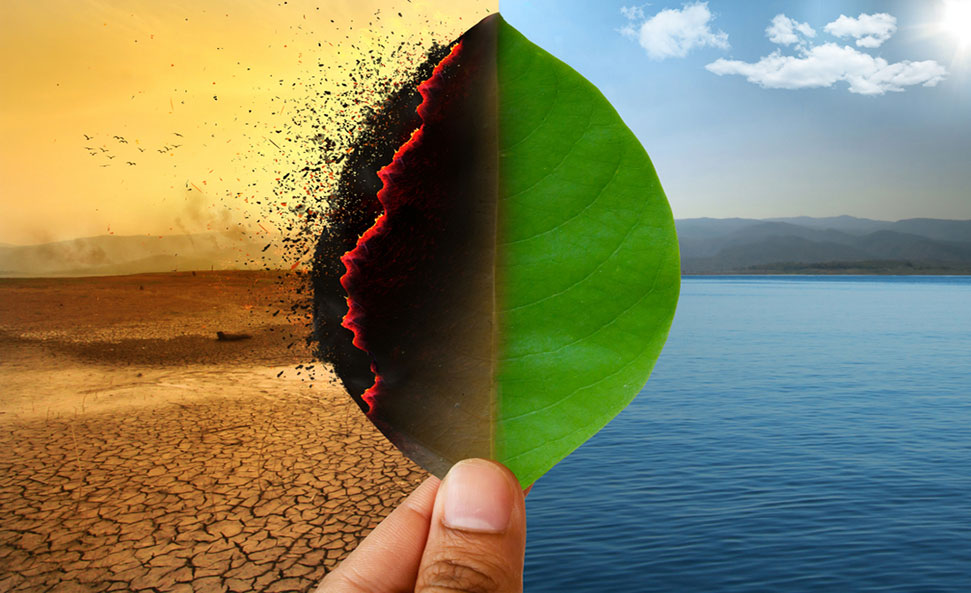
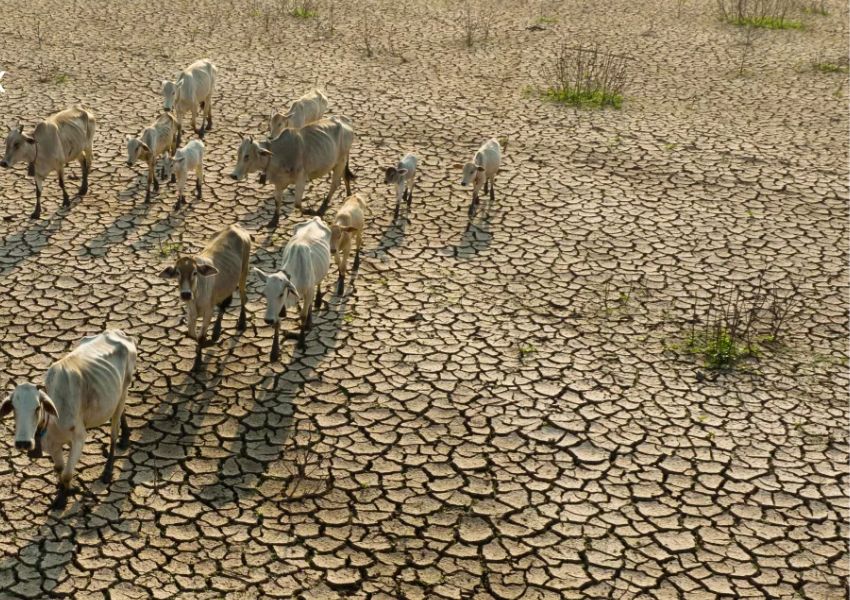
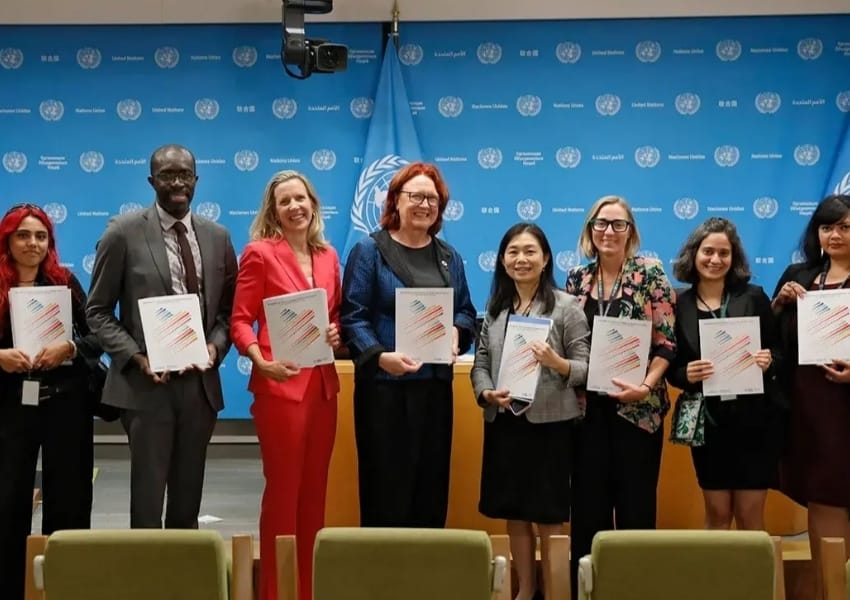
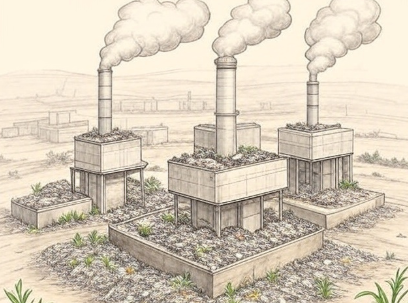
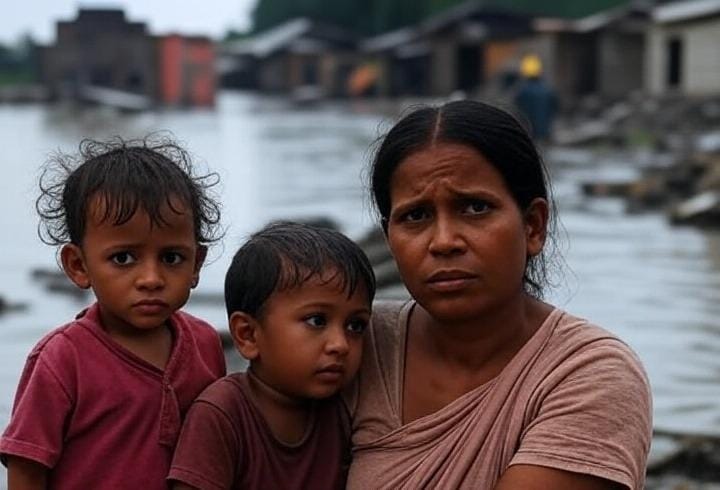
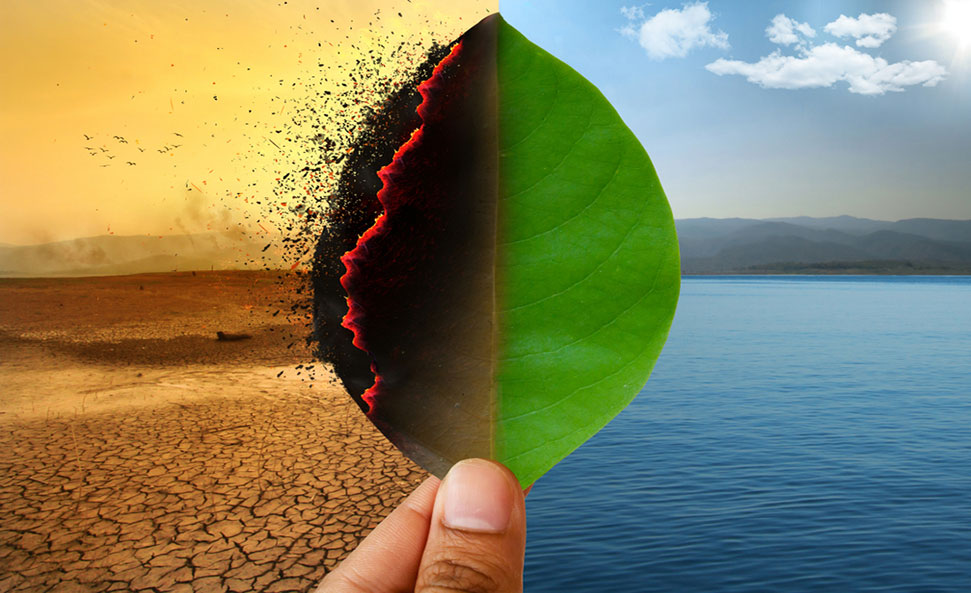
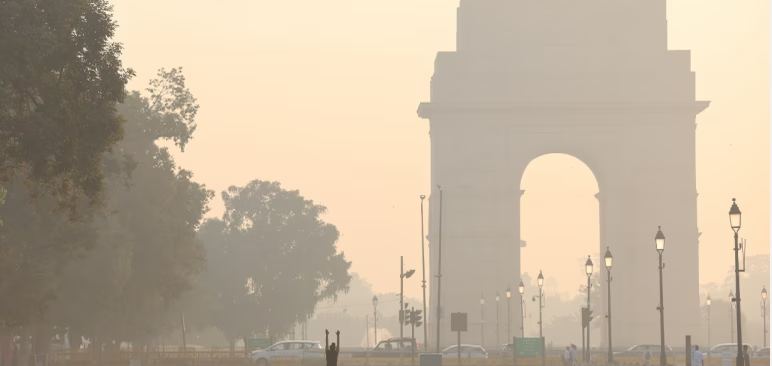
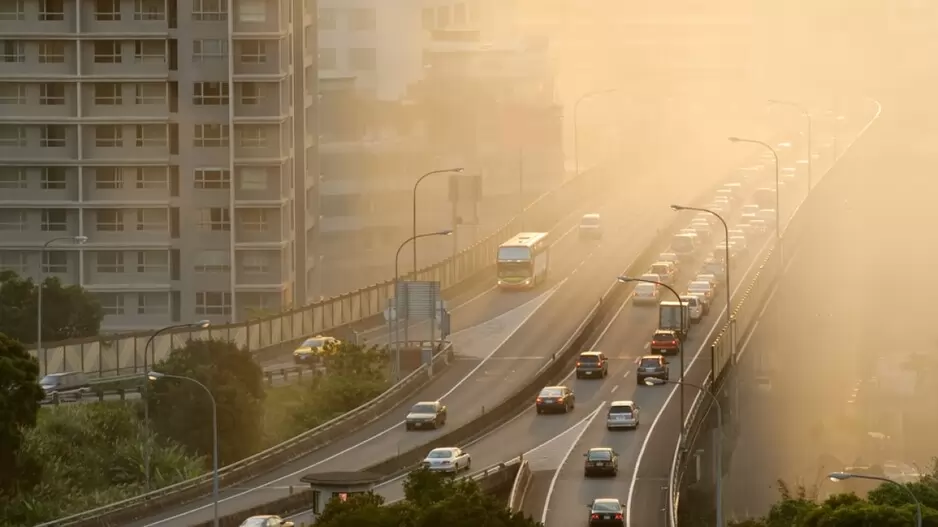
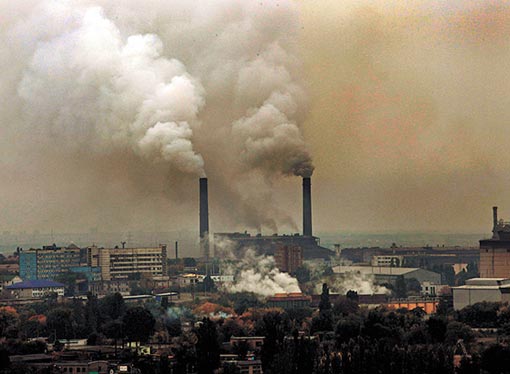
Air pollution and climate change are reinforcing a “vicious cycle” that is driving rising illness, ecosystem damage and mounting economic losses across the world, according to the Global Environment Outlook-7 (GEO-7) report released on 9 December by the UN Environment Programme (UNEP). The report warned that air pollution now contributes to nine million deaths every year, with more than 90 per cent of these occurring in low and middle-income countries.
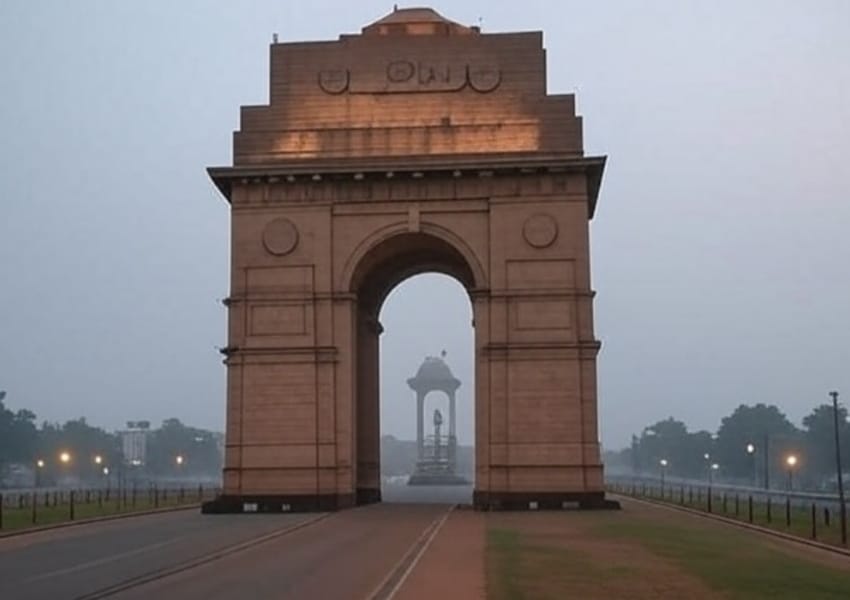
UNEP said 99 per cent of the world’s population is exposed to some form of air pollution, as warming temperatures, rising greenhouse gas emissions and improper waste management worsen existing health burdens. The report noted that “substantial adverse health effects and related economic losses” are being fuelled by the combined pressures of extreme heat, declining air quality and increasing concentrations of pollutants.
Warming Intensifies Pollution
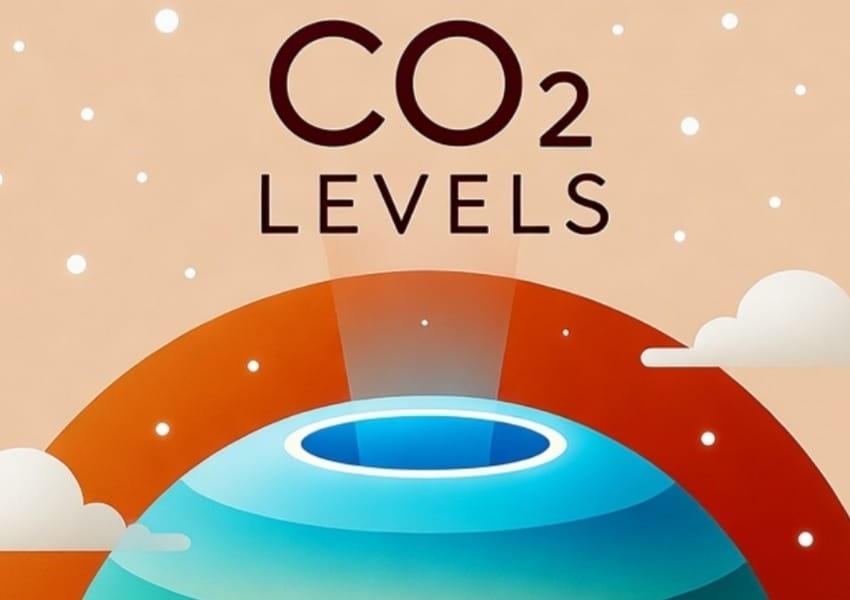
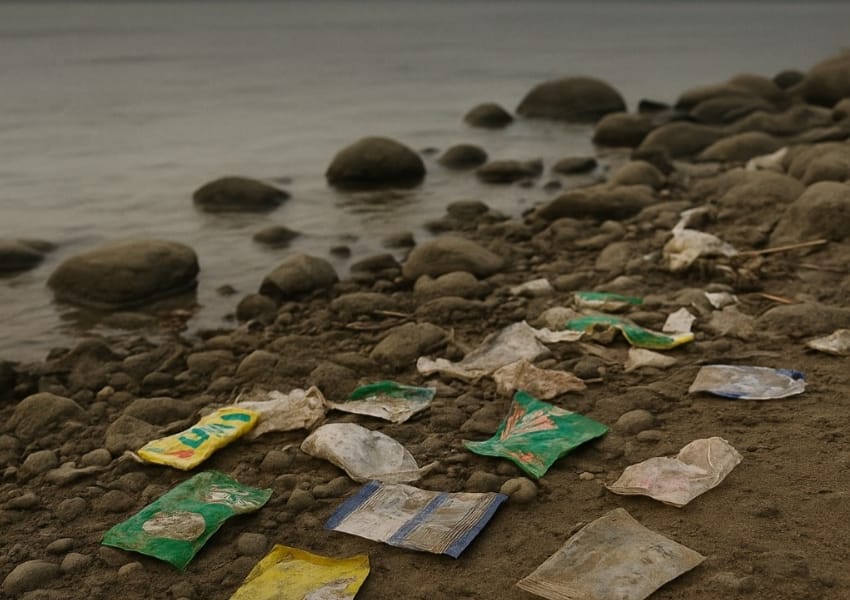
The report found that almost the entire global population is exposed to harmful pollutants ranging from trace gases and particulate matter to heavy metals, plastic particles and greenhouse gases. It highlighted the growing impact of both long-lived gases such as carbon dioxide and nitrous oxide, and short-lived pollutants including methane, ozone and some hydrofluorocarbons, which are altering the Earth’s radiative balance.
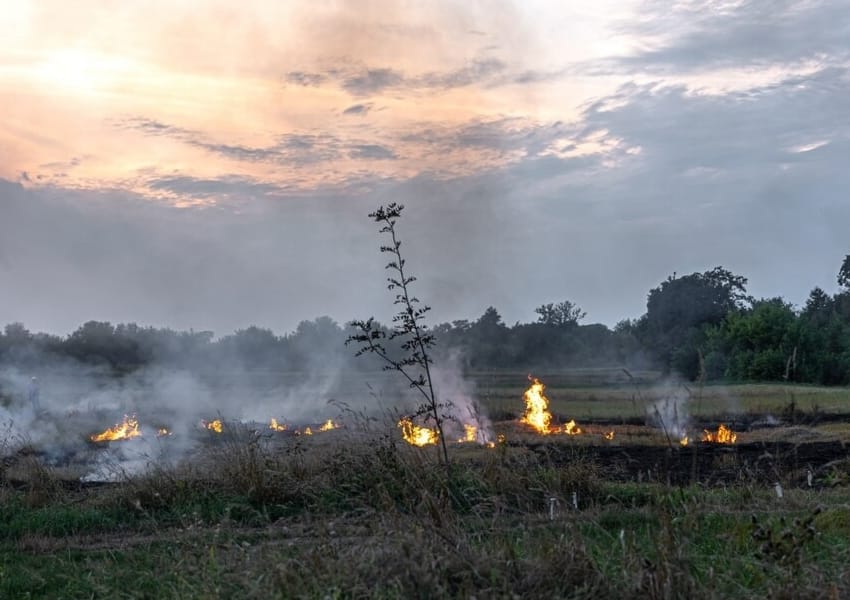
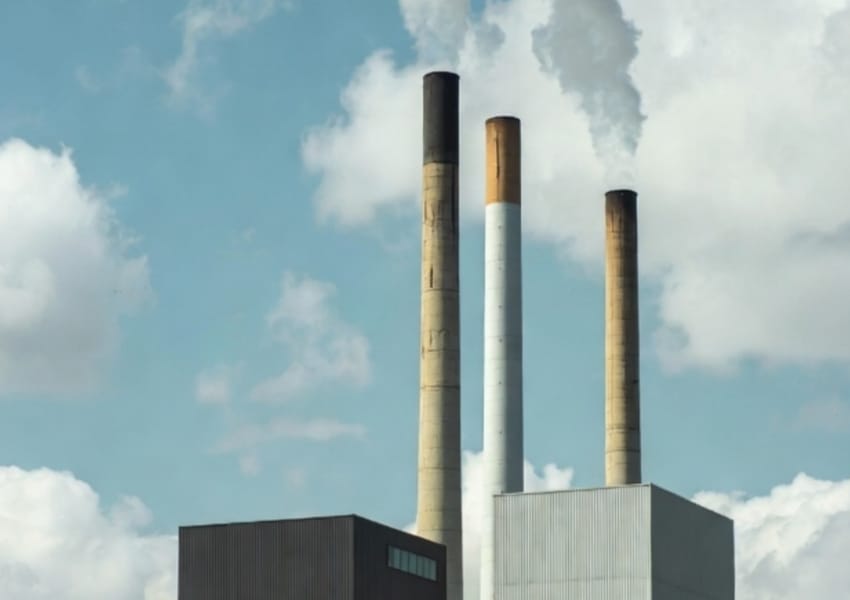
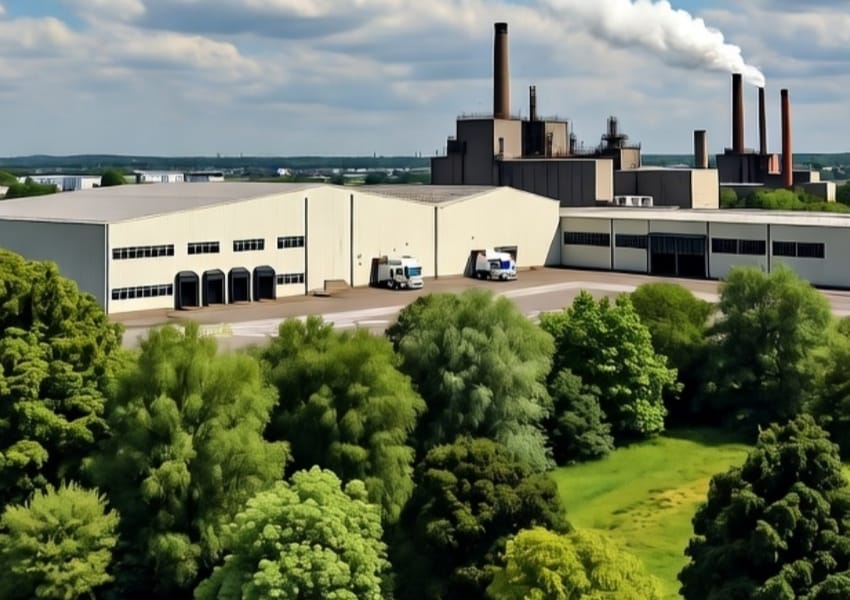
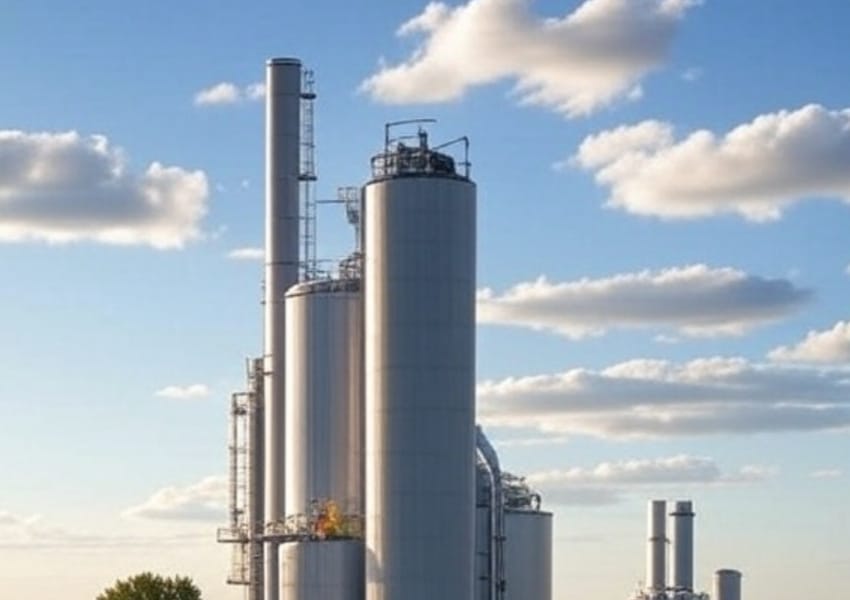
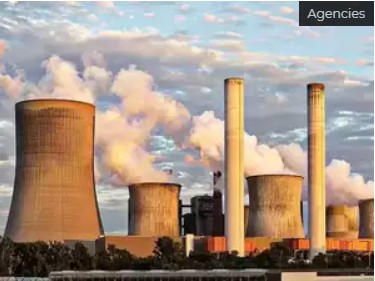
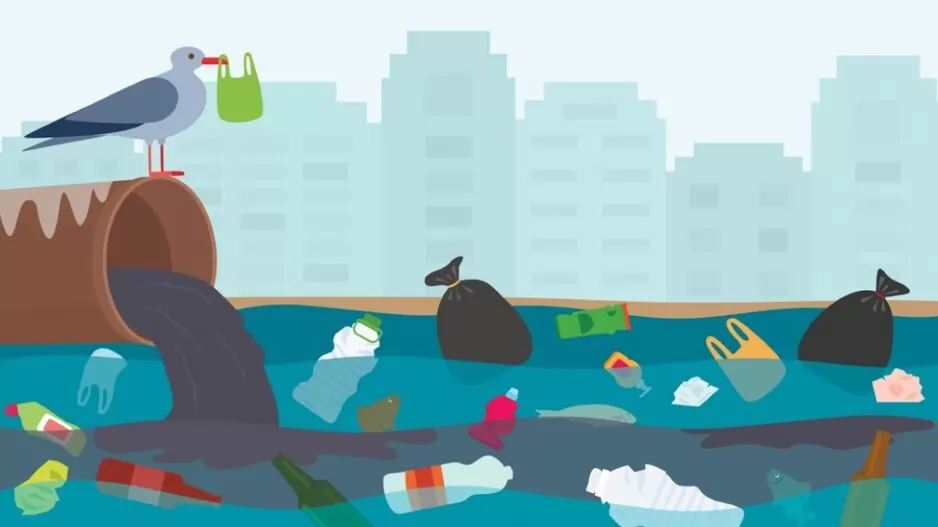
Polluting particles are being released from combustion, industry, transport, fires and dust, or formed secondarily from gases such as sulphur dioxide, nitrogen oxides, ammonia and non-methane volatile organic compounds. Between 2000 and 2019, concentrations of nitrogen dioxide and sulphur dioxide increased across parts of Asia but declined in Western Europe and North America.
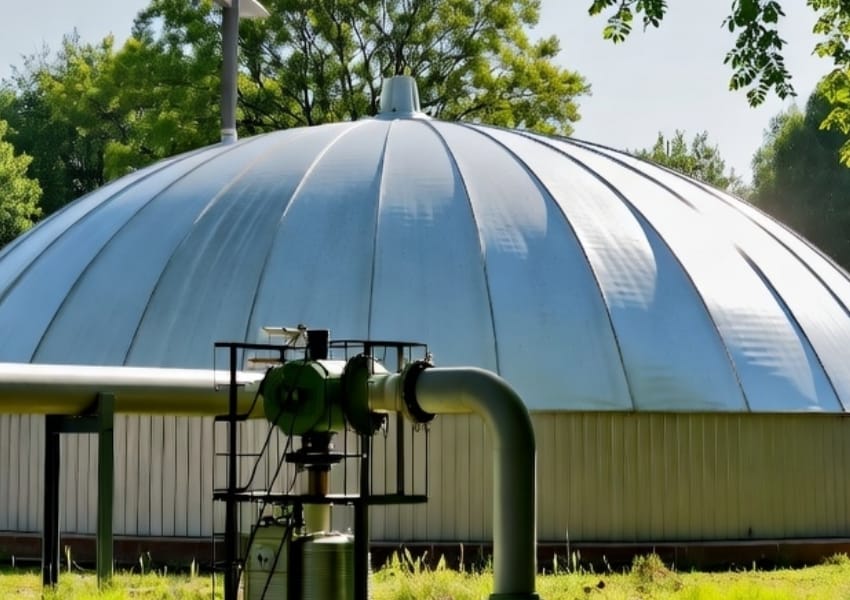
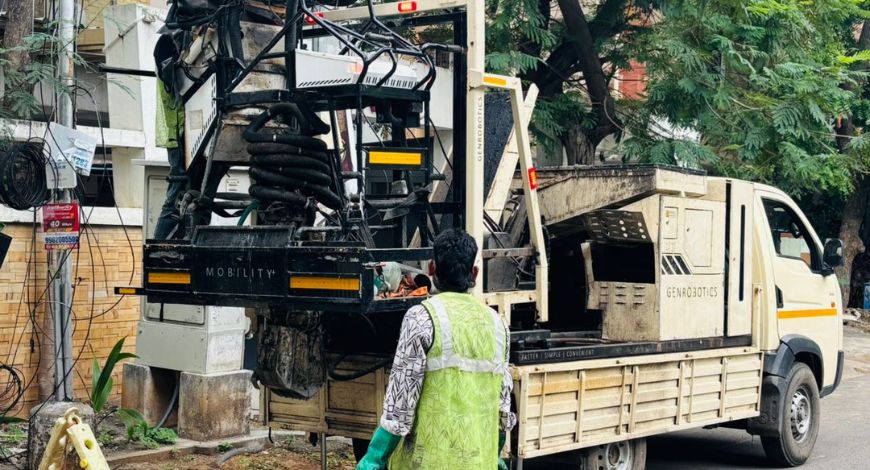
Satellite measurements show global sulphur dioxide emissions have fallen since 2005, but methane emissions linked to human activity rose by about 20 per cent between 2000 and 2020. The report said landfills and waste management facilities remain among the top three sources of methane globally, with emissions frequently two to three times higher than reported due to leaks and legacy dumps.
Heat, Food Insecurity and Disease Risks Rising
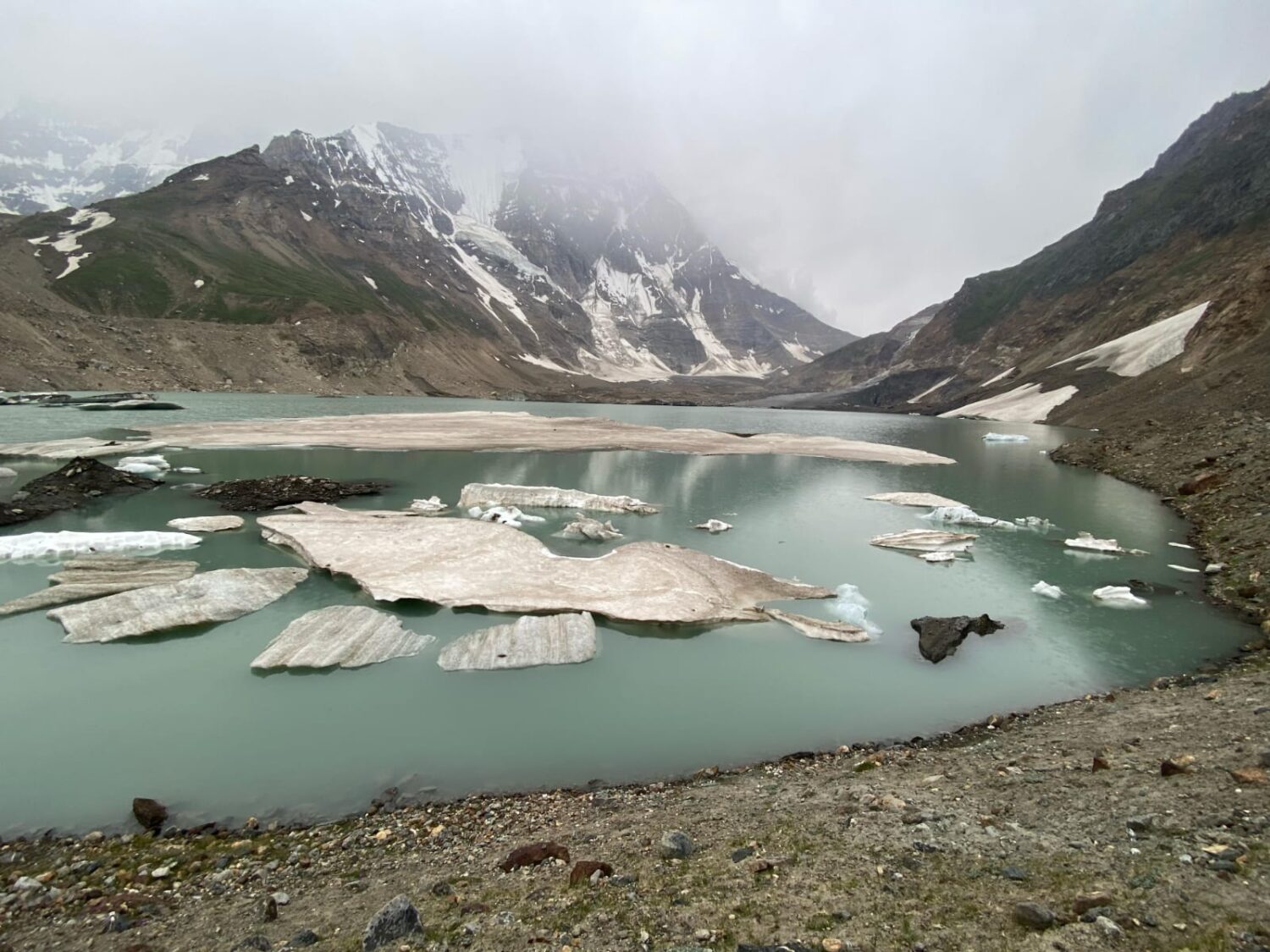
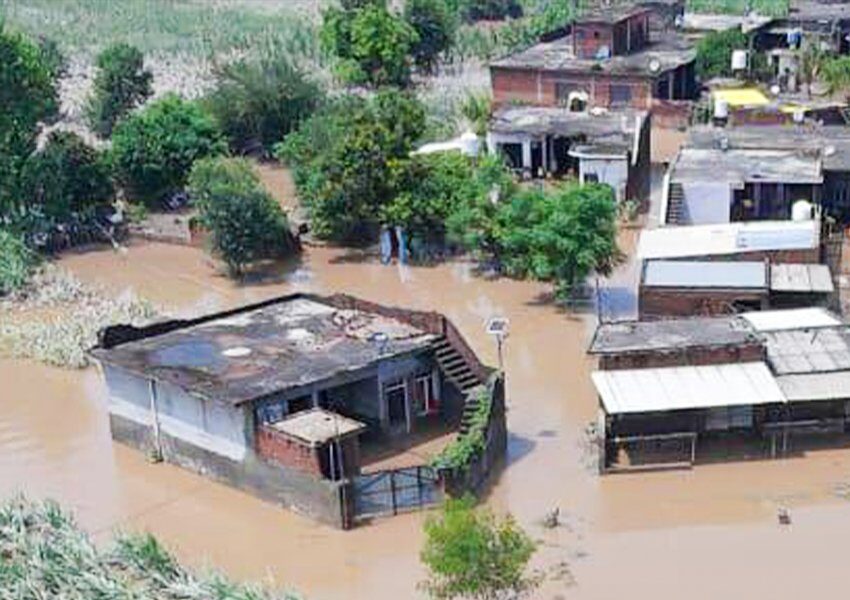
The UNEP findings reinforce earlier warnings from the World Health Organization (WHO) and the Intergovernmental Panel on Climate Change. According to a 2022 WHO study, rising heatwaves, wildfires and tropical storms are increasingly connected to compounded air pollution and climate impacts.
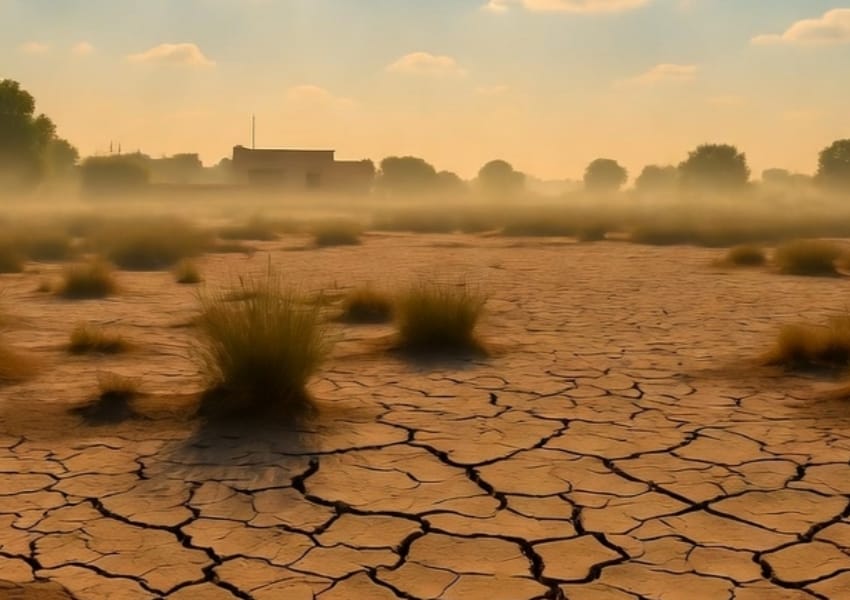
A separate WHO report published in 2023 attributed 37 per cent of heat-related deaths to human-induced warming. Heat-related mortality among people over 65 has risen by about 70 per cent over two decades. In 2020, 98 million more people faced food insecurity compared to the 1981-2010 average.
WHO projections indicate climate-linked diseases such as malaria and coastal flooding could result in an additional 2,50,000 deaths annually by the 2030s. The agency said modelling remains challenging due to gaps in tracking drought impacts, migration pressures and cascading environmental risks.
The UNEP report urged governments to scale up mitigation measures, improve waste management and reduce pollution from energy, industry and agriculture to avoid rising long-term losses.