India To Face $200 Bn Annual Climate Adaptation Bill By 2050, Warns Report
BW Online Bureau / 14 hours
December 16, 2025
0
4 min read
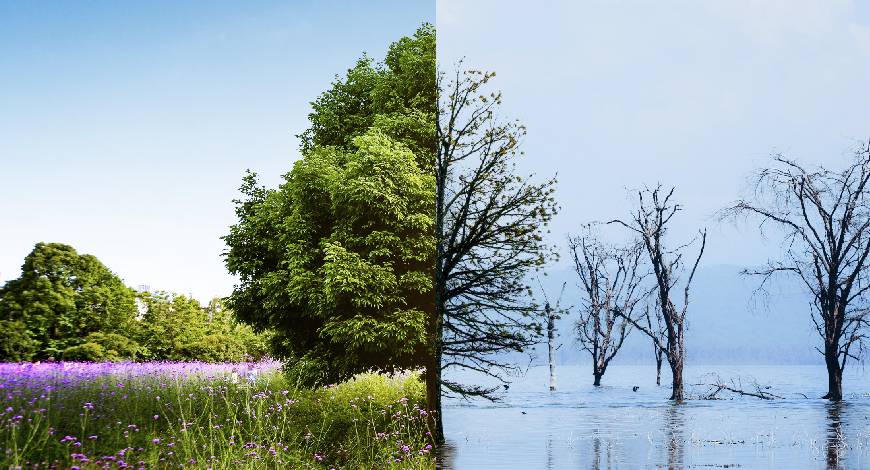
A report warns that rising temperatures could push India’s climate adaptation costs beyond USD 200 billion a year, with large protection gaps leaving most of the population exposed to extreme weather risks
India could face annual climate adaptation costs of more than USD 200 billion through 2050 if global temperatures rise by two degrees Celsius, according to a new report by the McKinsey Global Institute.
The report, titled ‘Advancing adaptation: Mapping costs from cooling to coastal defenses’, uses pixel-level geospatial data to assess adaptation needs linked to heat, flooding, drought and wildfires. It finds that India and Greater China are among the regions likely to bear the highest financial burden as warming intensifies.
The study highlights a wide global protection gap. About 4.1 billion people worldwide are exposed to climate hazards, but current spending levels provide protection, measured against developed-economy standards, to only 1.2 billion people.
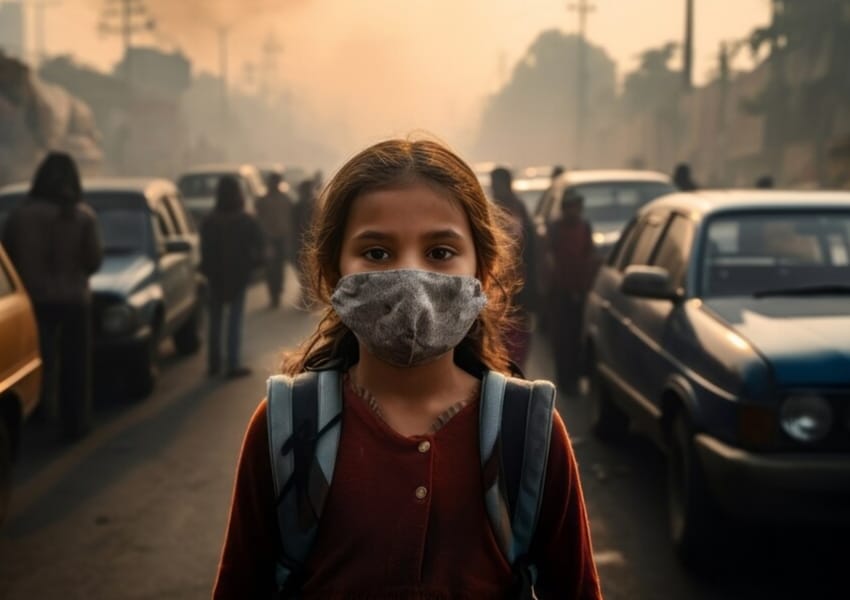
Protection Gaps Remain Wide India already spends about USD 15 billion a year to defend against extreme weather, but this amounts to only around 13 per cent of what is required to protect the people living in areas exposed to at least one major climate hazard, Business Today reported citing the McKinsey analysis. Around 90 per cent of India’s population falls into this category.
The report warns that even if lower-income regions such as India and Sub-Saharan Africa maintain current levels of protection under a two-degree warming scenario, they would cover only about 15 per cent of the costs needed to effectively shield their populations.
India’s high adaptation bill is driven largely by the number of people at risk. The report notes that much of the overall cost, which is higher than in many other regions, reflects the scale of population exposure rather than unusually high per capita spending. Even so, the estimated per capita requirement of USD 125 a year is more than one-third of the amount budgeted per person in India’s 2025 central government budget. Costs Shift to Households From an implementation standpoint, more than half of the projected adaptation costs would fall on private actors. These include households and firms investing in measures such as air conditioning, flood-proofing of buildings and crop shading. Public investment, including sea dikes and early-warning systems, would account for about 30 per cent, with the remaining 20 per cent directed towards hybrid initiatives such as irrigation systems.
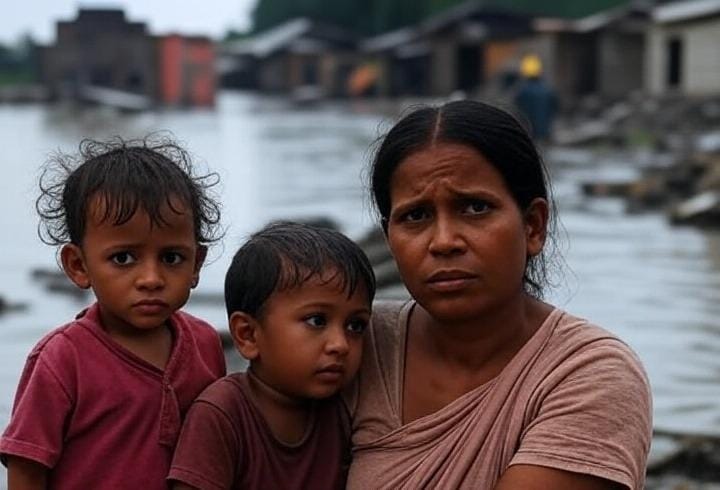
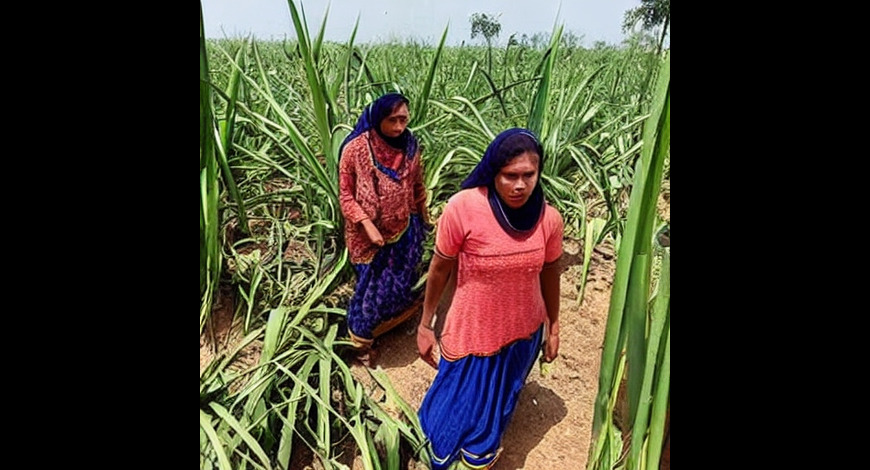
Independent assessments by the World Bank and the Intergovernmental Panel on Climate Change have also warned that climate adaptation costs in India could place a disproportionate strain on households. Informal workers and small farmers, who often lack insurance, resilient housing and access to affordable credit, are particularly vulnerable, raising the risk of widening socio-economic gaps as climate impacts deepen.
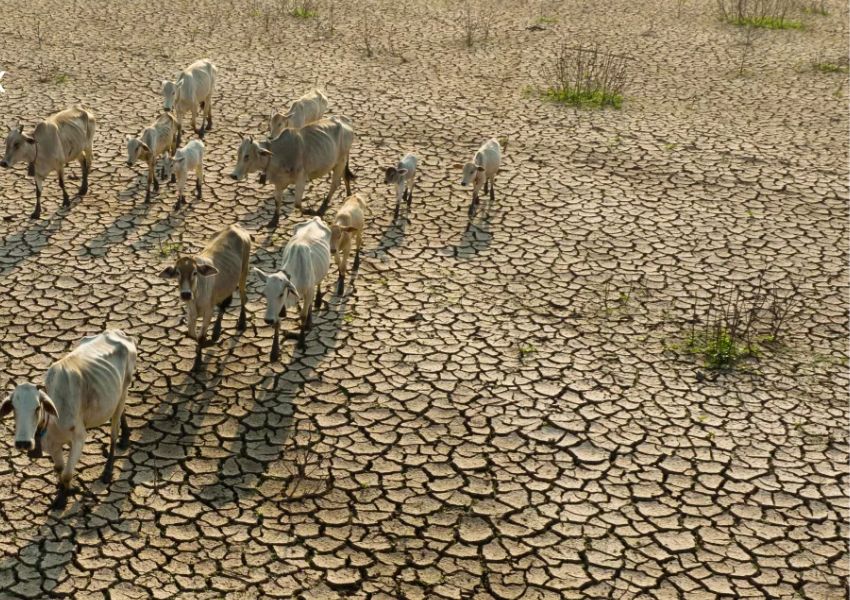
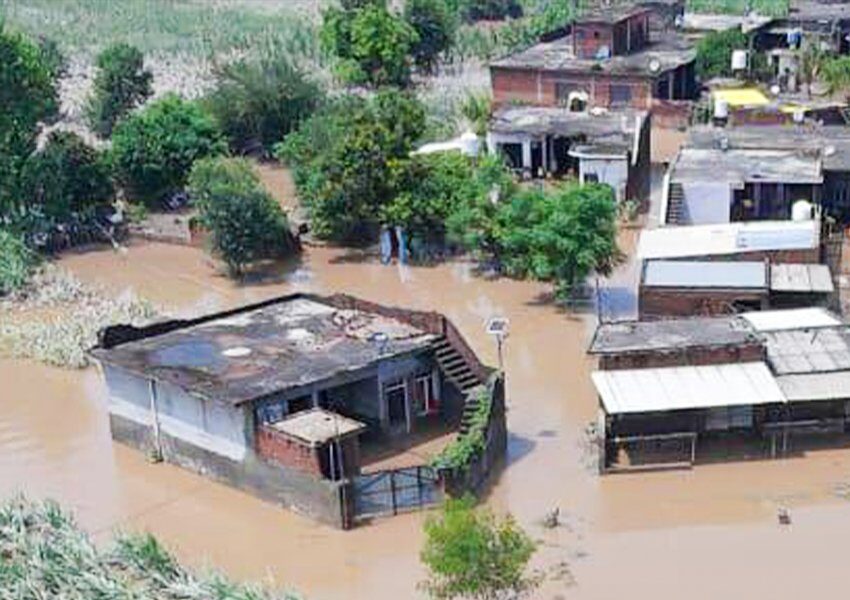
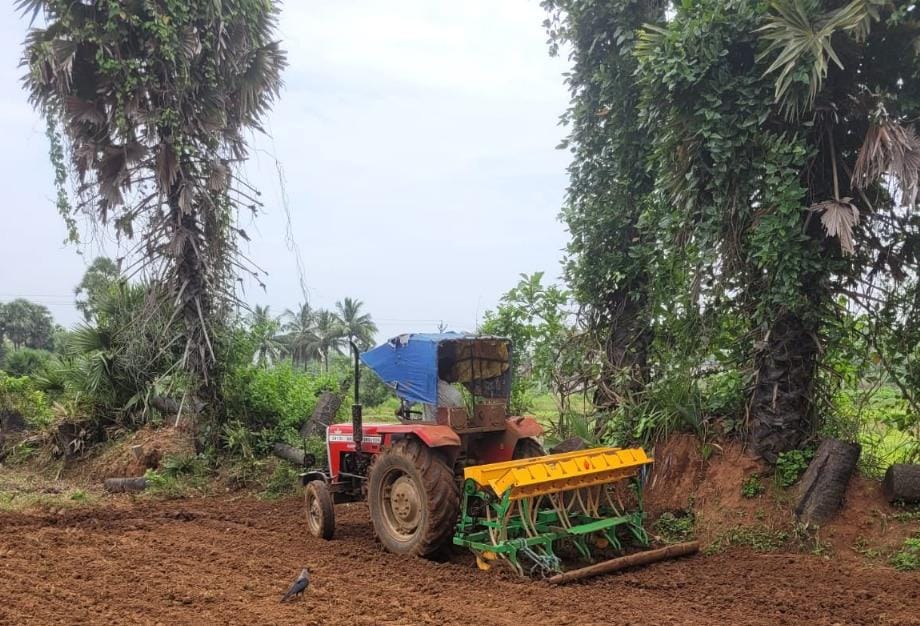
The economic costs of extreme weather are already visible. Between 2015 and 2021, India lost 33.9 million hectares of crops due to excess rainfall and a further 35 million hectares due to drought. In 2021 alone, several sectors, including agriculture, suffered economic losses of USD 159 billion as extreme climate conditions reduced working hours.
By 2030, heat stress is projected to cut working hours in India by 5.8 per cent, equivalent to about 34 million full-time jobs. The report cautions that these pressures are likely to intensify as temperatures continue to rise.
Climate-driven displacement could add to the strain. If 45 million people are forced to migrate within India by 2050 because of climate change, the resulting population shifts could weaken local economies, including through lower tax revenues and added pressure on urban infrastructure.
The findings underline the scale of investment required for India to adapt to a warmer climate and point to the need for a mix of public funding, private action and targeted support for vulnerable groups as climate risks accelerate.