India’s Battery Storage Costs Drop 80% In Two Years: Govt
BW Online Bureau / 13 hours
December 16, 2025
0
3 min read
Battery energy storage tariffs have fallen sharply to Rs 2.1 per unit from over Rs 10, the government tells Parliament, improving the economics of renewable power and grid stability
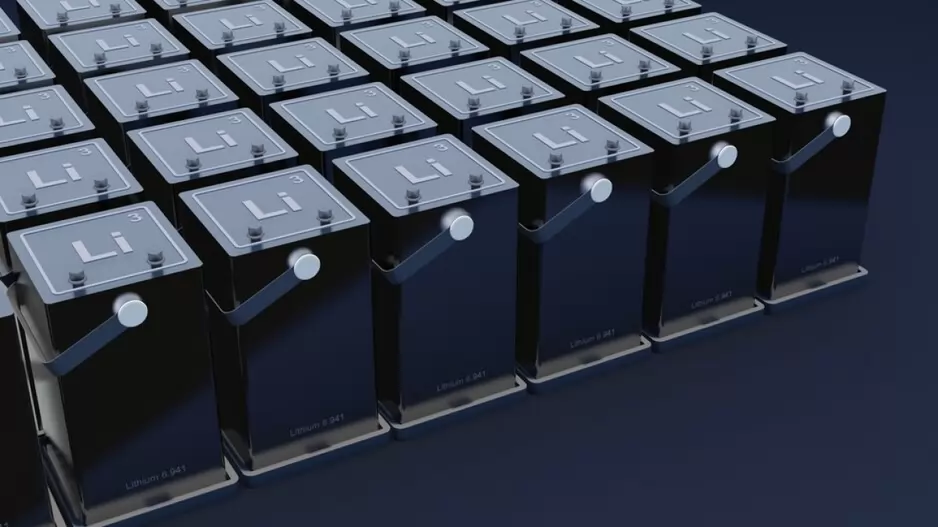
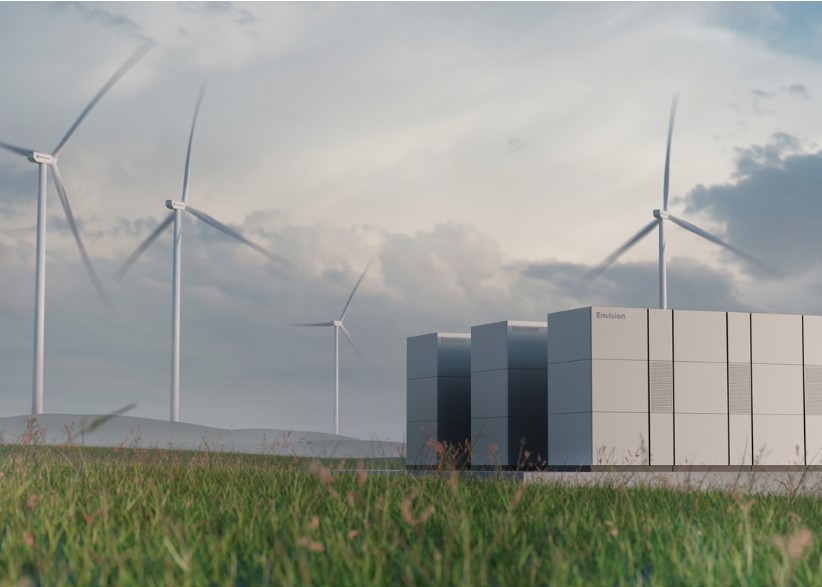
Battery energy storage costs in India have fallen by nearly 80 per cent over the past two years, dropping to as low as Rs 2.1 per unit from about Rs 10.18 in 2022–23, the Ministry of Power told Parliament on Monday.
The sharp decline reflects tariffs discovered through competitive bidding for battery energy storage systems and marks a significant shift for India’s renewable energy sector, where storage has long been seen as a costly constraint.
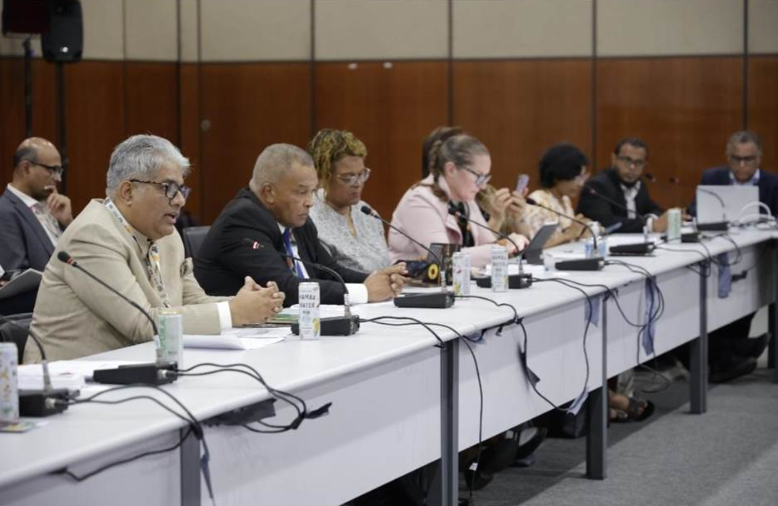
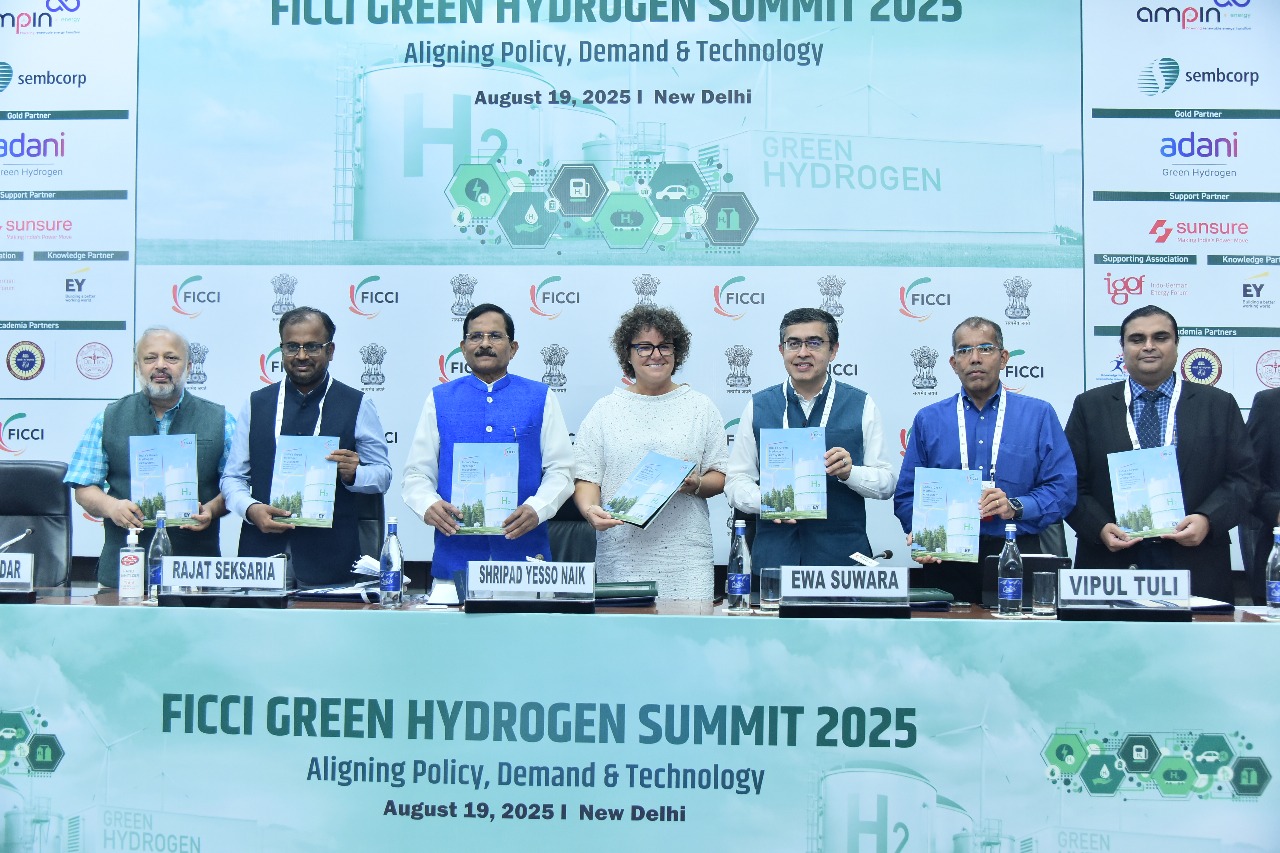
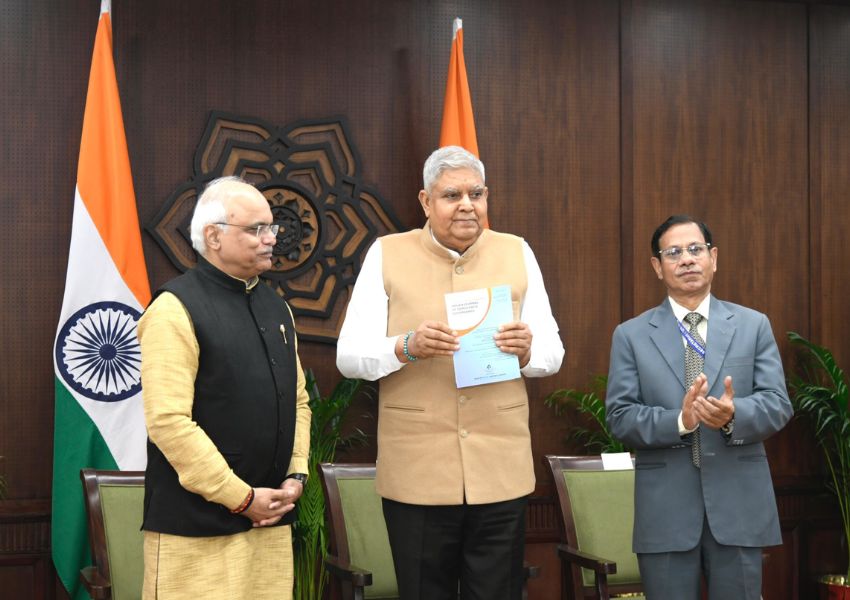
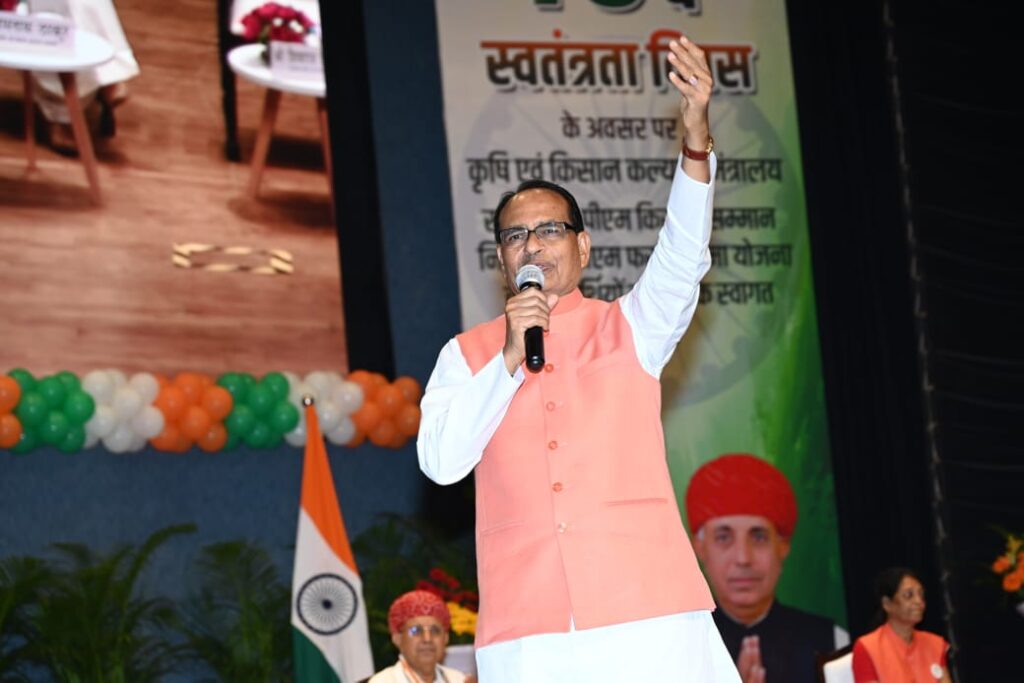
In a written reply to the Rajya Sabha, Minister of State for Power Shripad Yesso Naik said the lowest tariffs were based on two charging and discharging cycles a day. Under more realistic operating conditions of around 1.5 cycles daily, the effective storage cost works out to about Rs 2.8 per unit.
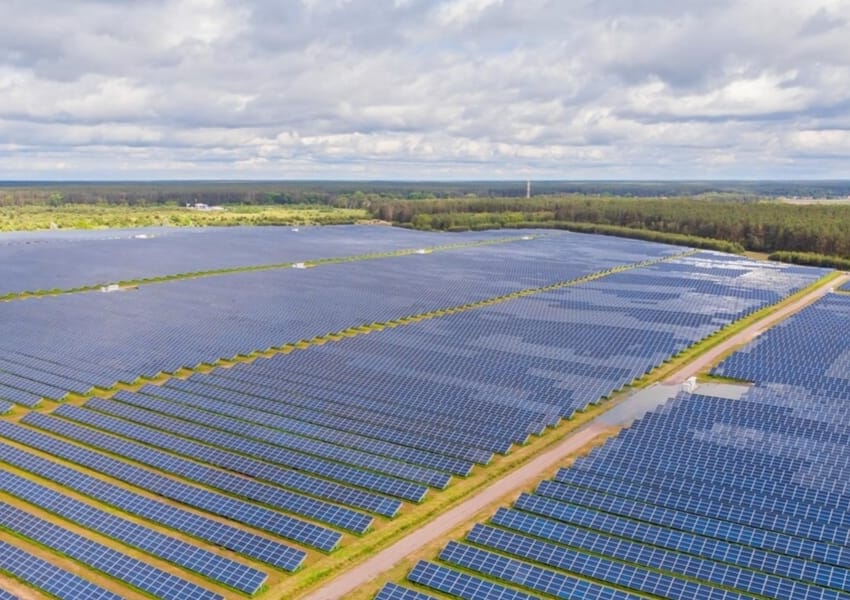
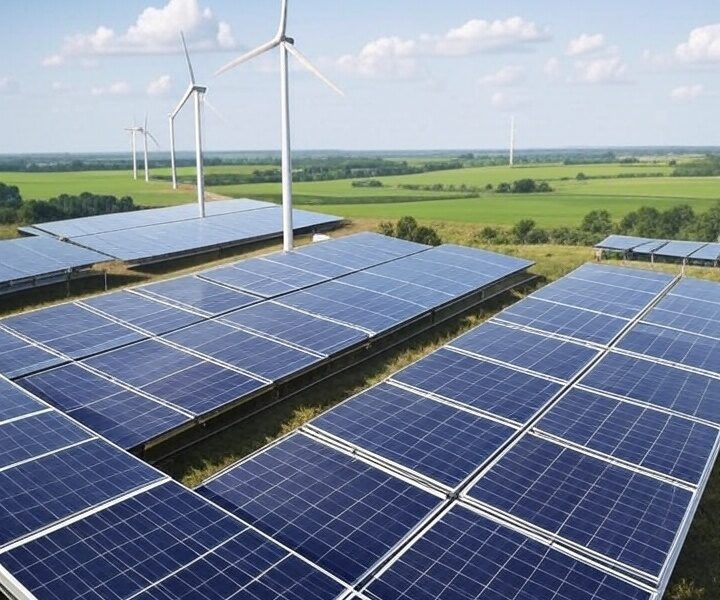
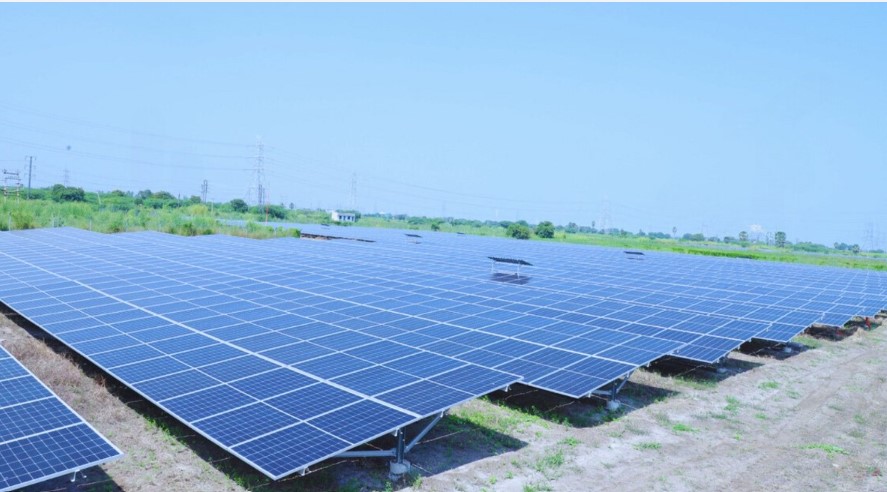
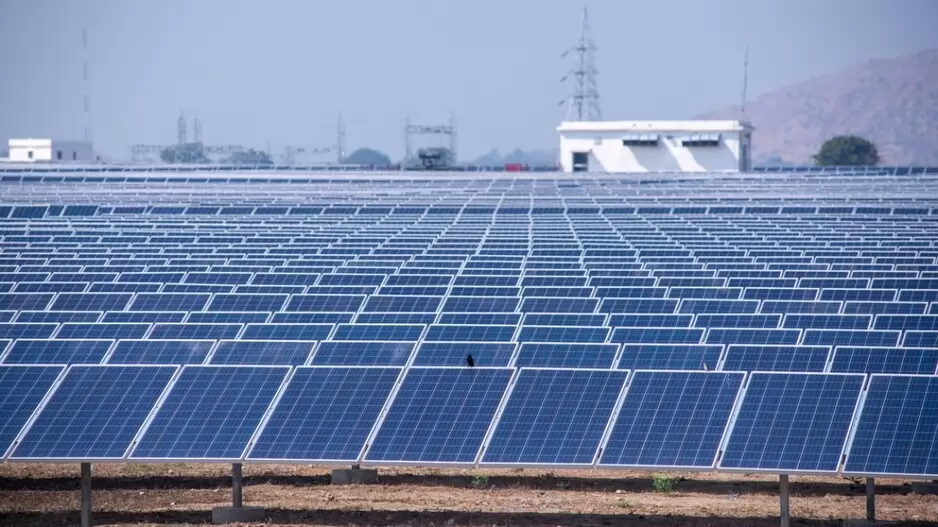
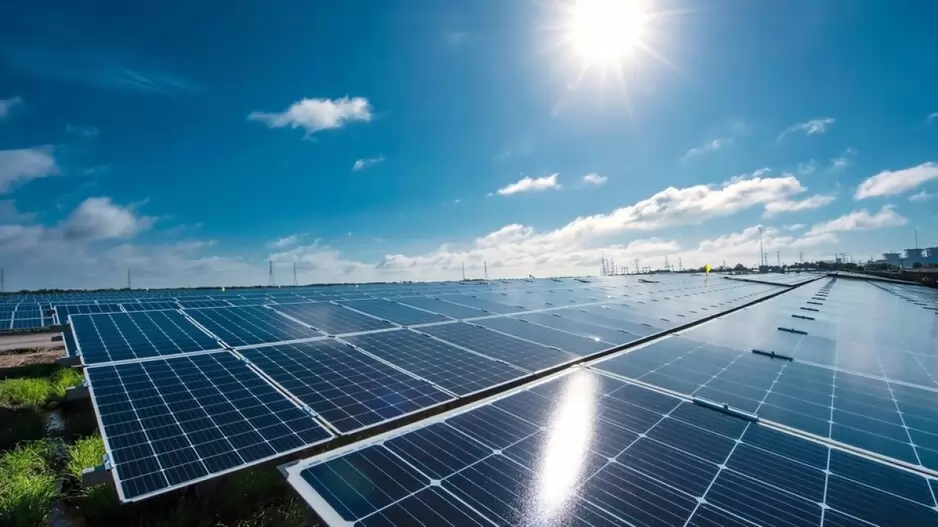
At these levels, battery storage is approaching the cost of solar power generation, which averages around Rs 2.5 per unit, improving the case for round-the-clock renewable electricity.
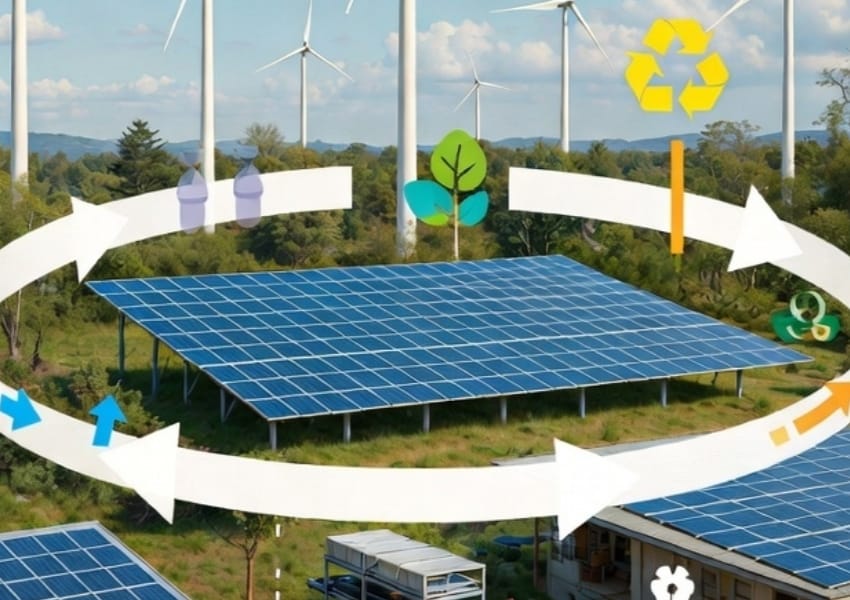
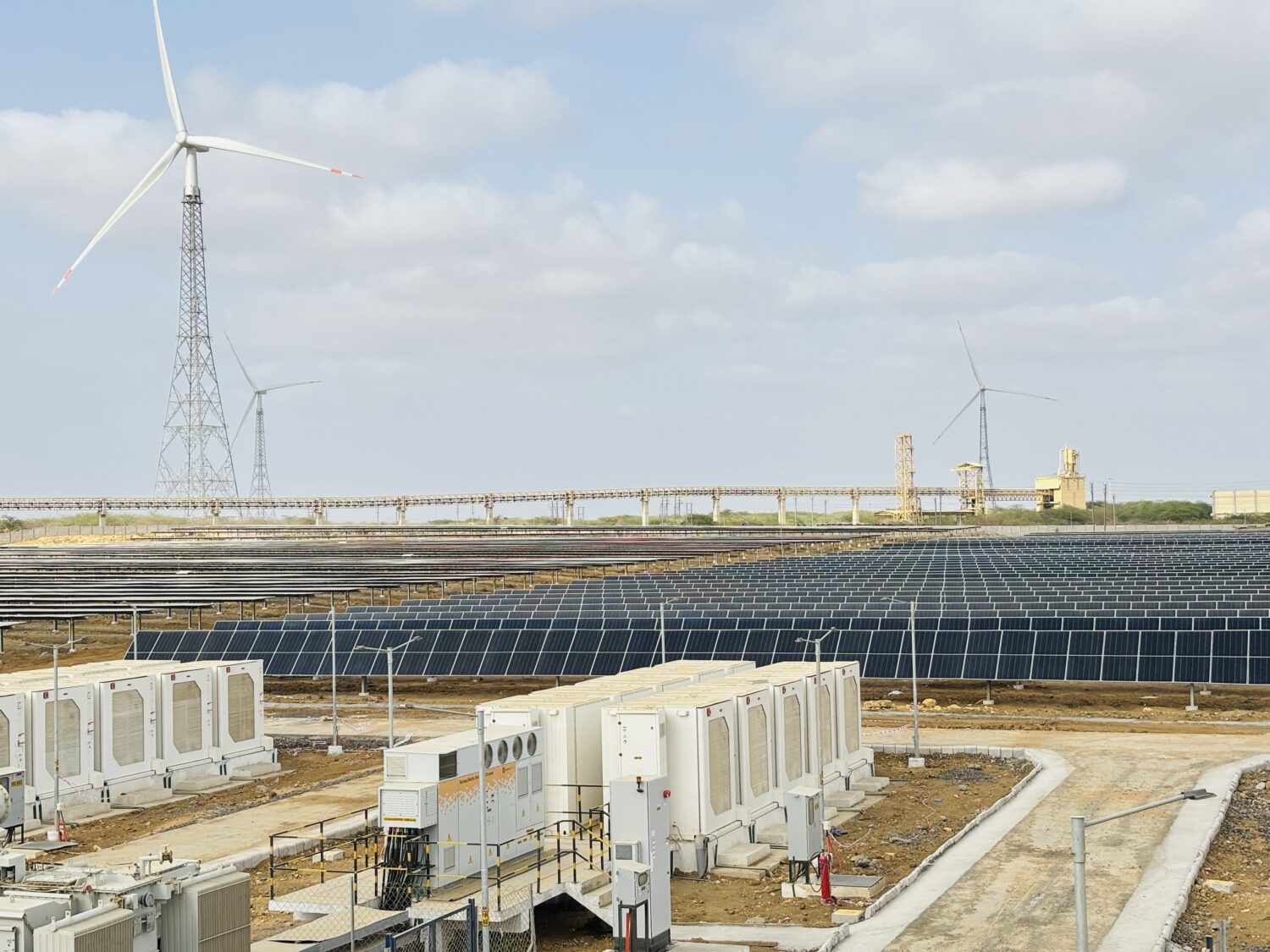
The ministry said the decline in storage costs is critical for managing the intermittency of solar and wind power and for meeting peak electricity demand. Battery energy storage systems help store excess power generated during periods of high renewable output and supply it when generation falls, strengthening grid reliability.
Policy Support Drives Costs Down The government attributed part of the cost reduction to targeted policy and financial support aimed at scaling up battery storage deployment.
The Ministry of Power is implementing a viability gap funding scheme to support 13,220 megawatt hour of battery energy storage capacity, backed by Rs 3,760 crore in budgetary support. In June 2025, a second viability gap funding scheme was launched to support around 30 gigawatt hour of storage capacity, with Rs 5,400 crore allocated from the Power System Development Fund.
“The sharp decline in battery storage tariffs, supported by policy interventions, will help strengthen grid stability and facilitate large-scale integration of renewable energy,” the ministry said in its reply.
Additional measures include a waiver of inter-state transmission system charges for up to 12 years for battery storage projects co-located with renewable energy plants, provided they are commissioned by June 2028. This is intended to lower overall project costs and encourage developers to pair storage with solar and wind capacity.
Battery projects are also eligible for incentives under the production-linked incentive scheme for advanced chemistry cell manufacturing. The Ministry of Heavy Industries is implementing the scheme to establish 50-gigawatt hour of domestic battery manufacturing capacity, with Rs 18,100 crore allocated since its approval in May 2021.
Global Trend, Local Impact India’s falling storage costs mirror global trends. According to Bloomberg New Energy Finance, stationary storage battery pack prices declined to USD 70 per kilowatt hour globally in 2025, a 45 per cent drop from the previous year, making it the cheapest lithium-ion battery category for the first time.
The global decline has been driven by manufacturing overcapacity in China, intense competition and a shift towards lower-cost lithium iron phosphate batteries.
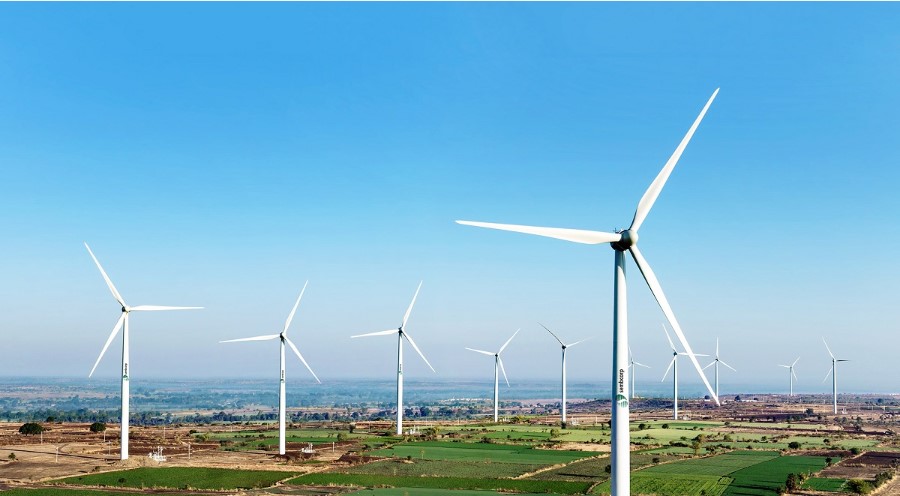
In India, cheaper storage comes as renewable capacity has expanded rapidly, rising from under 35 gigawatt in 2014 to more than 197 gigawatt in 2025, excluding large hydro. The country has set a target of 500 gigawatt of non-fossil fuel capacity by 2030.
As renewable capacity grows, falling storage costs are expected to play a central role in enabling higher renewable penetration while maintaining grid stability, supporting India’s broader clean energy transition.