Higher Ethanol Blending Can Unlock Rs 2 Lakh Cr In Forex Savings: GEMA
BW Online Bureau / 13 hours
December 16, 2025
0
2 min read
Industry body says existing ethanol capacity is a strategic asset built on policy signals, calls for tax rationalisation and demand expansion
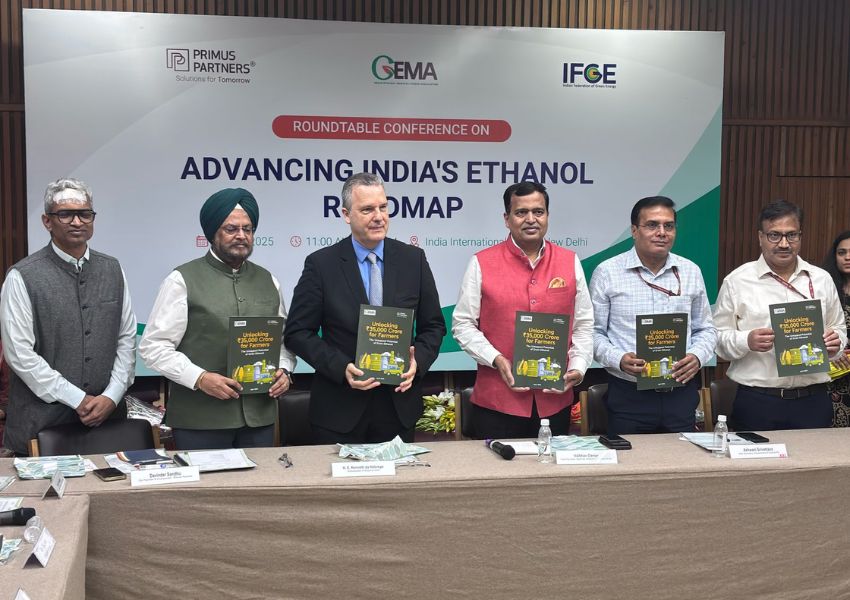
India could save up to Rs 2 lakh crore annually in foreign exchange by increasing ethanol blending levels and rationalising taxes on ethanol, the Grain Ethanol Manufacturers’ Association (GEMA) said on Wednesday, arguing that the country’s ethanol manufacturing capacity should be viewed as a strategic national asset rather than surplus infrastructure.
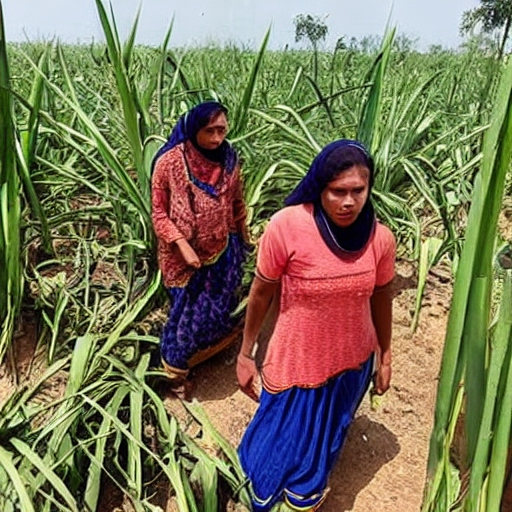
In a statement, GEMA said India has already saved about Rs 40,000 crore in foreign exchange in FY25 through ethanol blending, while also channelling nearly Rs 50,000 crore into the rural economy via higher farm incomes, employment generation and stronger agri-based value chains.
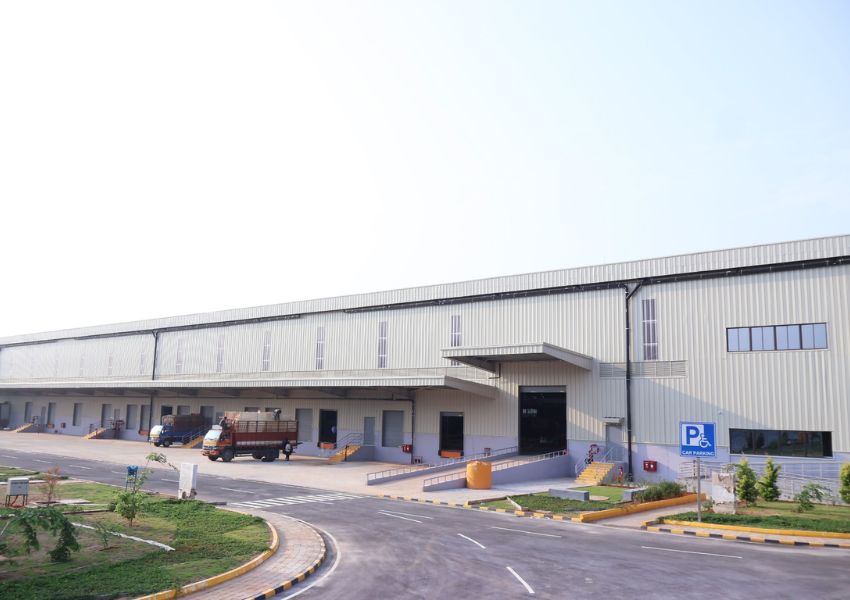
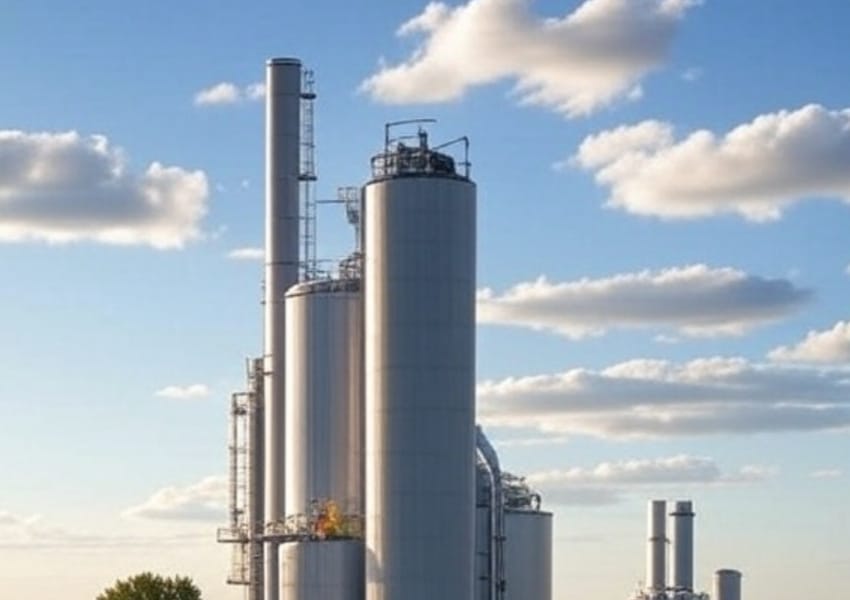
The industry body said the current ethanol capacity, often labelled as “overcapacity”, was created in response to clear and consistent policy direction from the government and was aligned with a long-term transition towards higher blending levels, flex-fuel vehicles and reduced dependence on imported fossil fuels.
“The ethanol blending programme was never designed to stop at 20 per cent. That level was envisaged as a checkpoint to assess feedstock availability, system readiness and rural impact,” GEMA said, adding that investments were made based on repeated policy signals pointing towards higher blends and global benchmarks such as Brazil, where ethanol accounts for more than half of petrol consumption.
India, it said, remains a surplus grain nation and is capable of supporting both food security and clean fuel production. According to the association, ethanol blending has already demonstrated tangible benefits without compromising food availability.
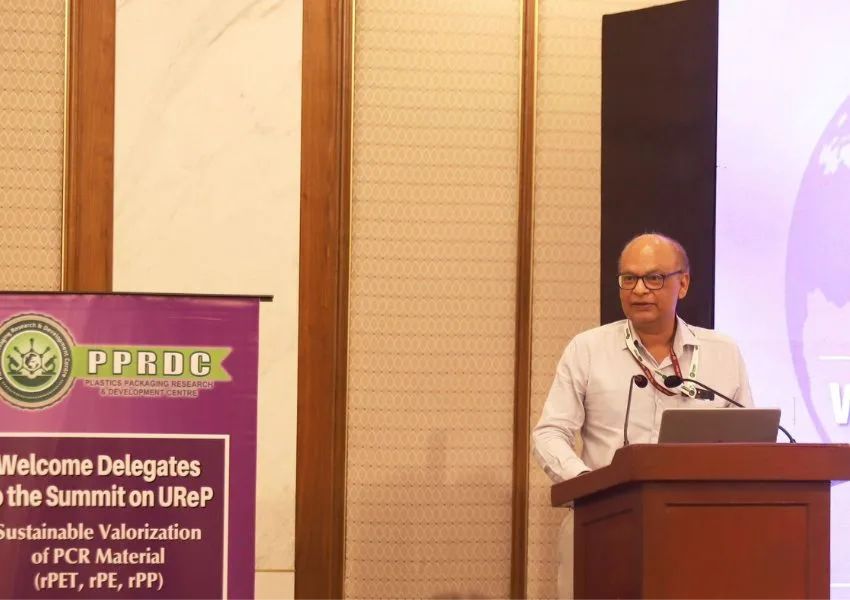
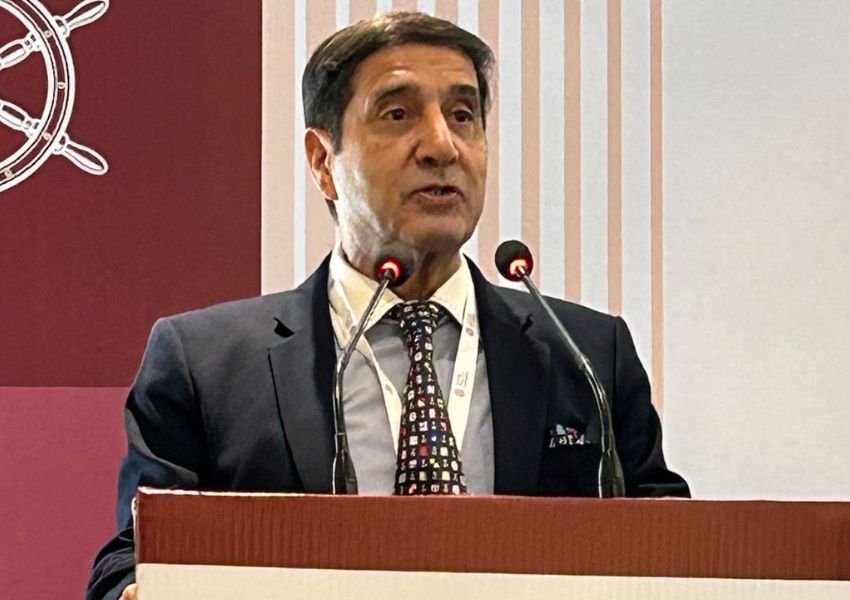
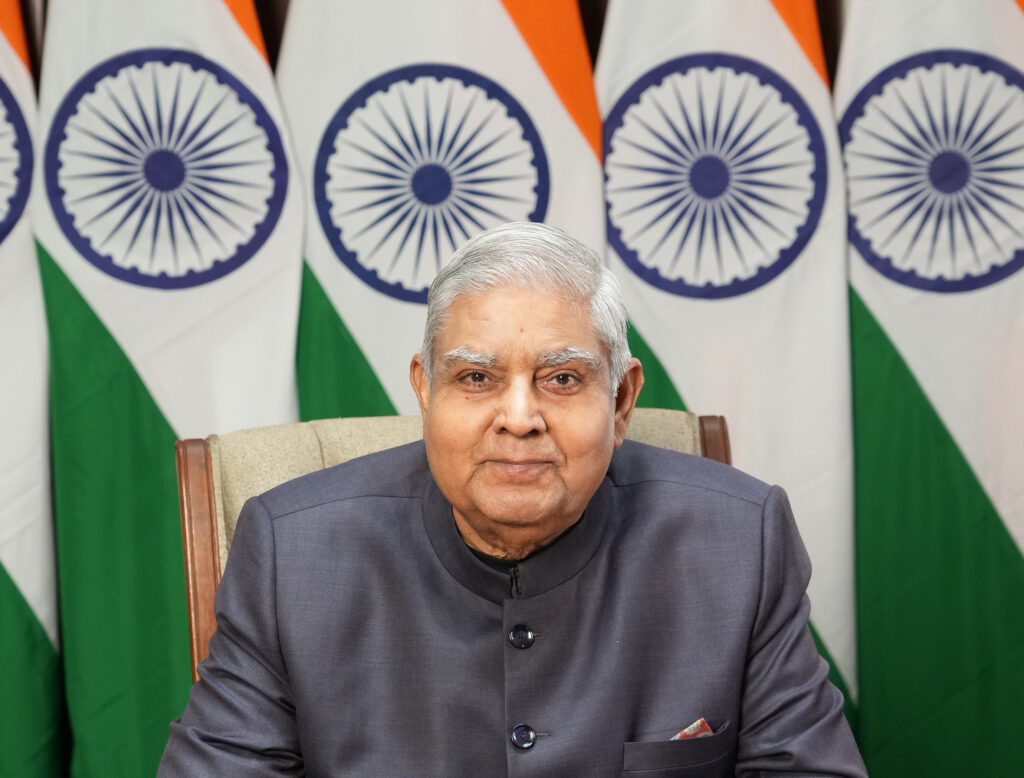
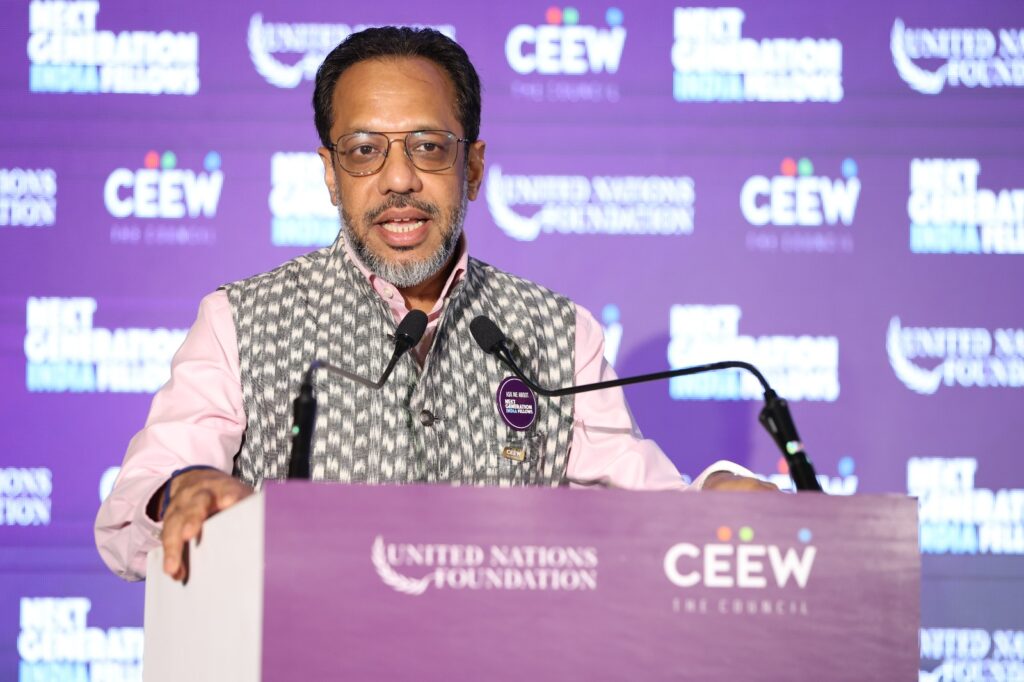
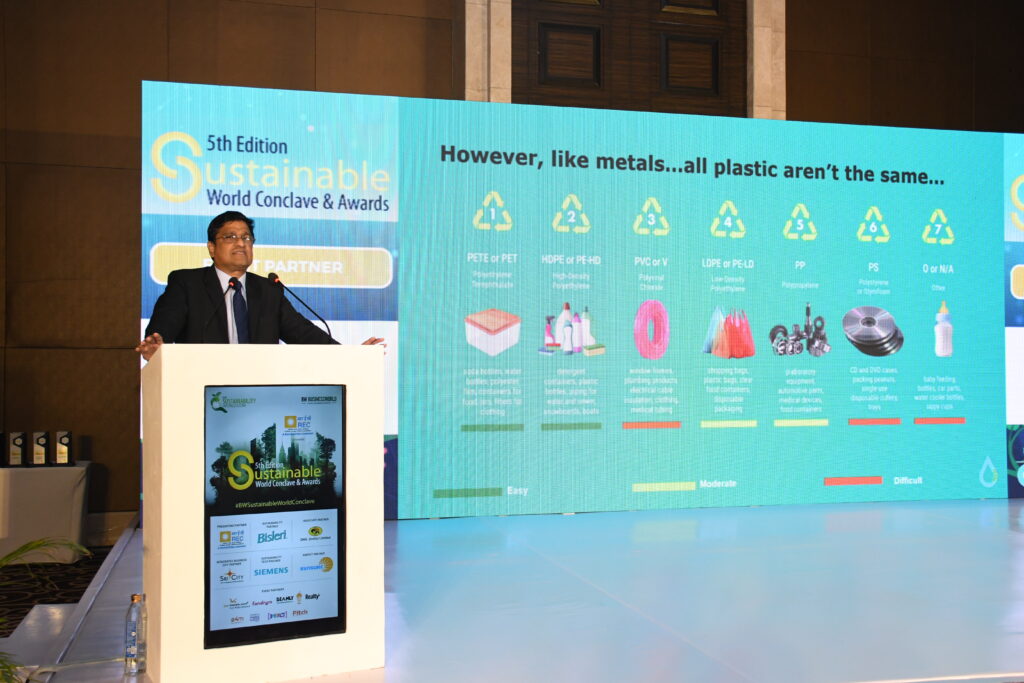
Commenting on the issue, Dr C K Jain, president of the Grain Ethanol Manufacturers’ Association, said the focus should now shift to expanding demand rather than constraining capacity.
“Ethanol capacity was created in response to a clear national mandate. The need of the hour is to expand demand, not contract capacity, so that the full economic, rural and environmental benefits of the programme can be realised,” Jain said.
GEMA said higher blending levels, faster rollout of flex-fuel vehicles, rapid expansion of ethanol dispensing infrastructure and rationalisation of GST and VAT on ethanol could significantly reduce India’s oil import bill, which stands at nearly Rs 22 lakh crore annually.
“The capacity exists. The investment is made. Now the policy must unlock consumption,” the association said, calling for measures that would allow ethanol to play a larger role in India’s energy and transport mix.