












































































































































































































































































































































































































































































































































































































































































How Residential Electrical Systems Are Gaining Ground In India’s Energy Conservation Debate

Household Electrical Efficiency Gains Ground In India’s Energy Conservation Push
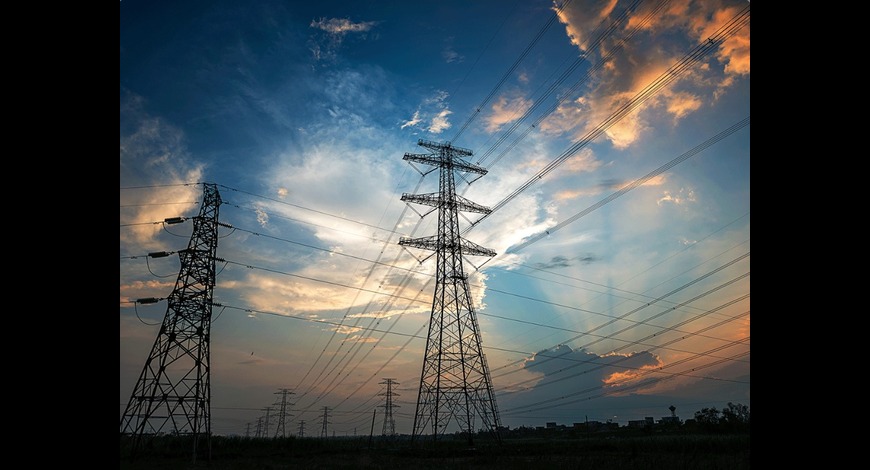
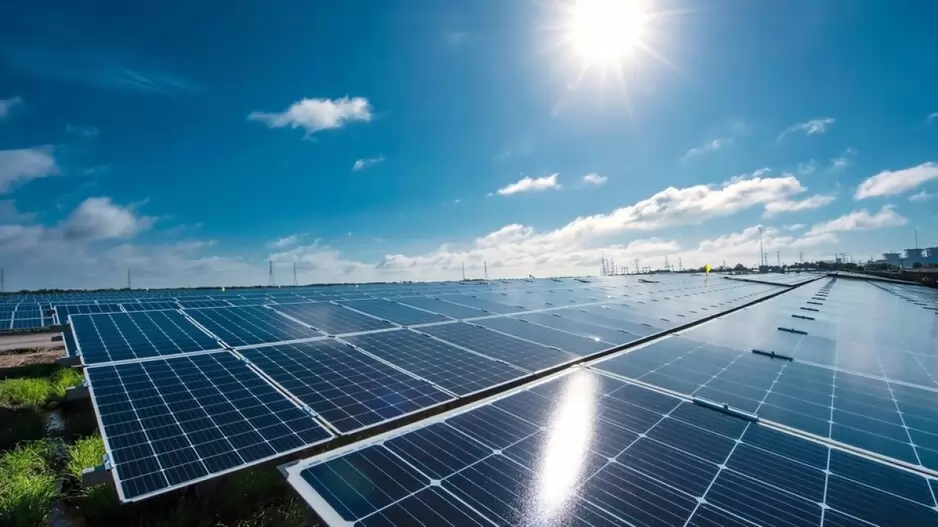
Energy conservation discussions in India have traditionally focused on power generation, renewable capacity additions and large infrastructure investments. Industry participants say attention is now gradually shifting towards residential electricity use, as urbanisation and changing lifestyles make households a growing contributor to overall demand.
As cities expand and homes become more dependent on electrical systems for lighting, cooling and appliances, efficiency, safety and durability at the domestic level are gaining prominence. On World Energy Conservation Day, manufacturers and energy professionals highlighted the role of everyday household choices in shaping broader conservation outcomes.
Lighting As a Key Intervention Point
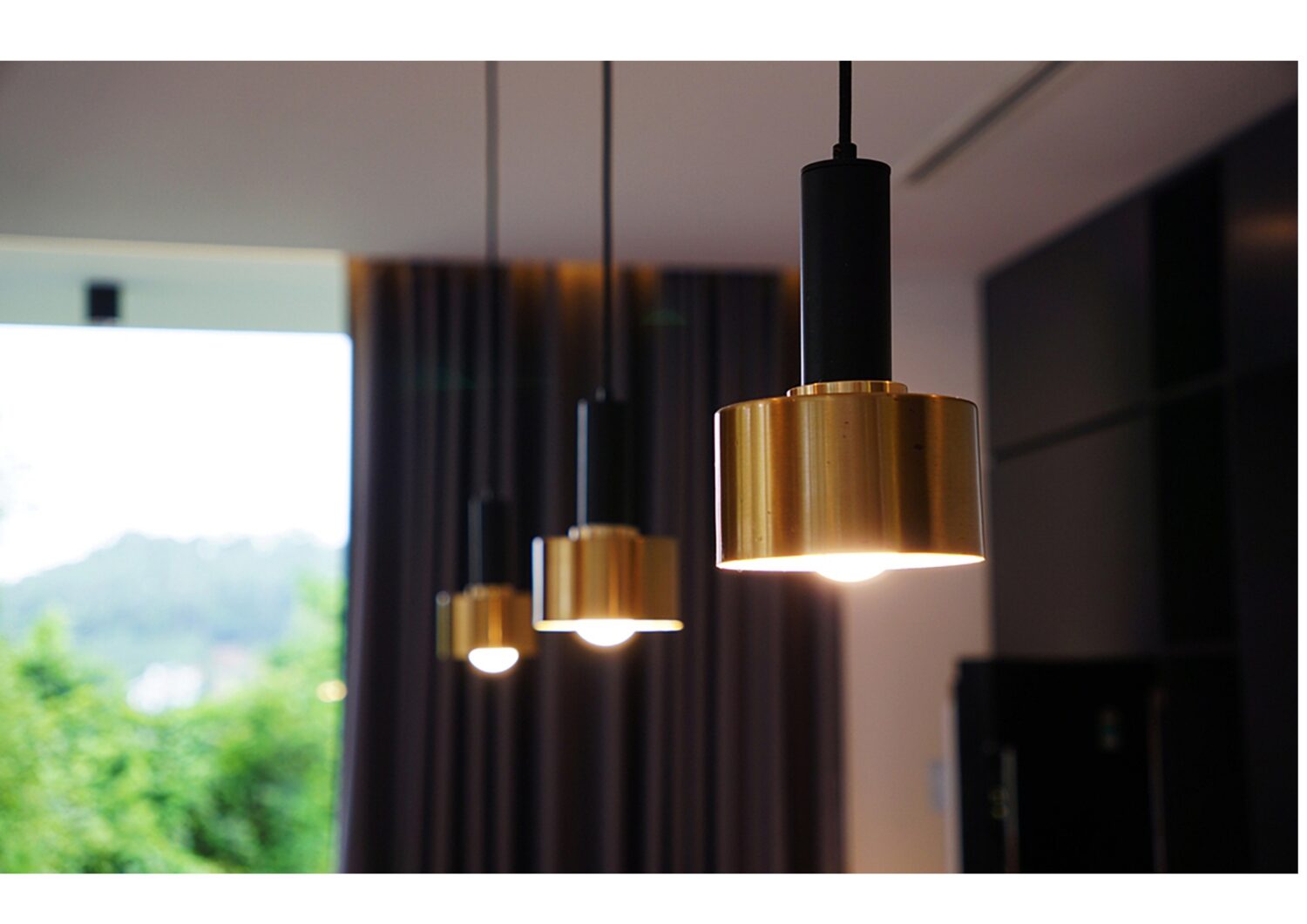
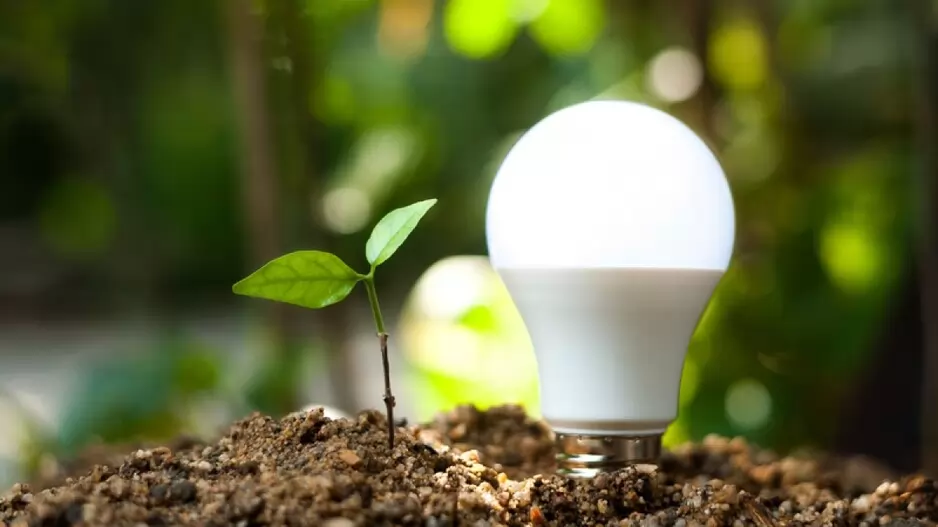
Lighting remains one of the most visible and frequently used sources of electricity in Indian homes. While the transition from incandescent and fluorescent lamps to light-emitting diode technology delivered significant energy savings, industry executives say the next phase focuses on optimising performance rather than merely replacing older technologies.
Modern residential lighting systems are increasingly designed to provide consistent illumination with lower energy draw through improved optics, stable drivers and effective heat management. Features such as controlled beam angles, aluminium housings and enhanced reflectors help maintain brightness while limiting wastage and performance degradation over time.
Consumer preferences are also evolving. Homeowners are adopting layered lighting approaches, using warmer tones in living spaces, focused lighting for work areas and softer illumination in bedrooms. The use of motion sensors in corridors, dimmers in common areas and task-specific lighting is becoming more common in new residential projects. According to industry observers, such measures help moderate electricity consumption without affecting comfort.
Manufacturers including VYNA Electric say they are aligning product design with these trends, focusing on efficiency alongside aesthetic and functional requirements in modern homes.
Durability and Embedded Energy Costs
Industry participants note that energy efficiency extends beyond electricity consumption at the point of use. Poor-quality electrical products that fail prematurely lead to frequent replacements, increasing embedded energy costs associated with manufacturing, transport and disposal.
Long-life electrical components are therefore increasingly viewed as part of conservation strategies. Products designed for Indian operating conditions are better equipped to handle heat, dust and voltage fluctuations. Stronger internal contacts, reinforced terminals and heat-resistant materials reduce stress on appliances and lower the risk of overload.
Reliable switchgear and distribution boards also play a role in maintaining stable load distribution and preventing frequent tripping. According to industry executives, such stability reduces energy losses caused by electrical faults and helps avoid damage to connected equipment, which can otherwise raise consumption over time.
VYNA Electric says its switchgear and modular systems are designed with durability and fault response in mind, aiming to support longer service life under regular household use.
Safety, Design and Predictable Energy Use
For years, efficiency and safety were often seen as trade-offs against design. Industry sources say this perception is changing as manufacturers integrate performance, protection and appearance into a single offering.
Well-designed electrical systems contribute to predictable energy use by maintaining stable circuits and dependable protection mechanisms. Over time, this consistency supports better energy planning at both household and grid levels. Products that are visually compatible with modern interiors and comfortable to use are also more likely to remain in service longer, reducing waste and replacement cycles.
Manufacturers argue that combining design, safety and efficiency encourage responsible use without requiring behavioural compromises, as reliable systems reduce the need for temporary fixes or inefficient alternatives.
Incremental Gains Across Millions of Homes
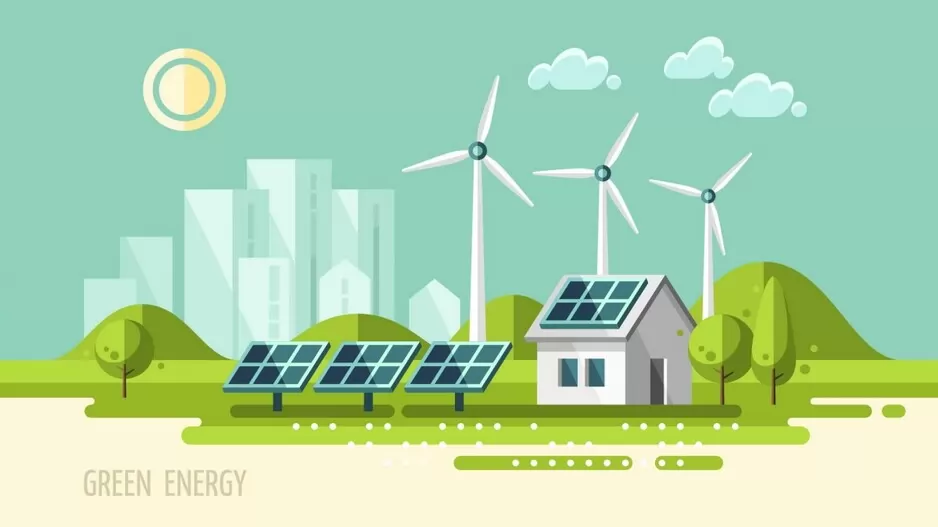
As government agencies increasingly rely on monitoring and data to manage electricity demand, industry participants believe household-level efficiency will become more significant. While grid upgrades and renewable capacity expansion remain critical, incremental improvements across millions of homes can influence national consumption patterns.
Energy experts note that conservation does not depend solely on large interventions. Choices such as efficient lighting, durable switchgear and reliable protection devices reduce pressure on the grid and contribute to safer living environments. Over time, these small decisions accumulate into measurable demand reduction.
Industry executives say that as awareness grows, domestic electrical systems are likely to play a larger role in India’s broader energy strategy, positioning residential efficiency as a practical complement to national conservation goals.