





















































































































































































































































































































































































































































































































































































































































































Precision From The Sky: How Drones Are Changing Crop Care

Drone technology is reshaping Indian agriculture by enabling precision crop care, improving input efficiency and supporting sustainable, data-driven farming practices
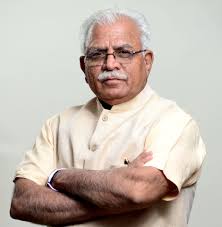
By: M.K. Dhanuka, Chairman, Dhanuka Agritech
Agriculture in India is undergoing a profound transformation. With the twin challenges of climate variability and the need to feed a growing population, farmers are looking for solutions that make their work more efficient, sustainable, and profitable. Among the many innovations driving this change, drone technology has emerged as one of the most promising tools in modern crop care.
From Traditional Methods To Precision Agriculture
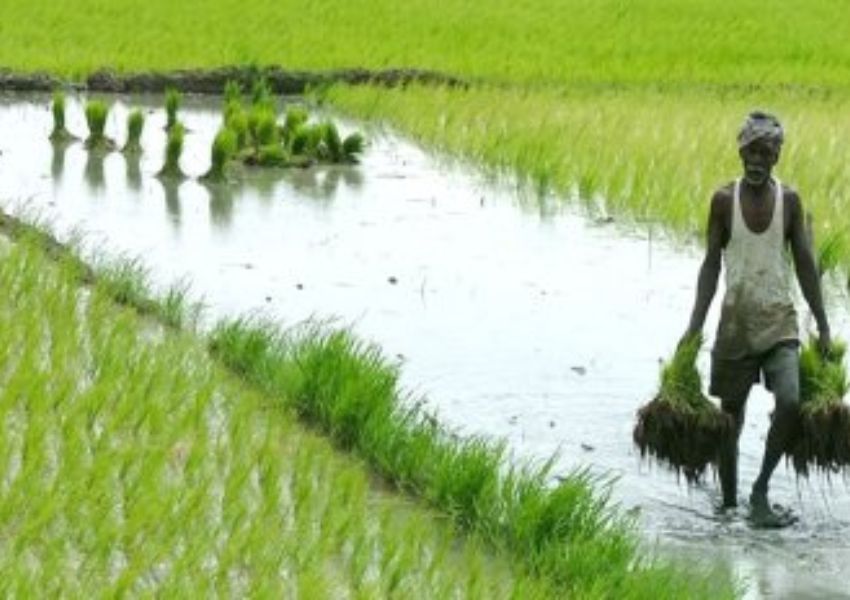
For decades, farmers have used manual methods to spray pesticides and fertilisers. These practices are time-consuming, uneven, and often wasteful. The introduction of drones signals a move from traditional farming to precision agriculture, where every input is applied with scientific accuracy.
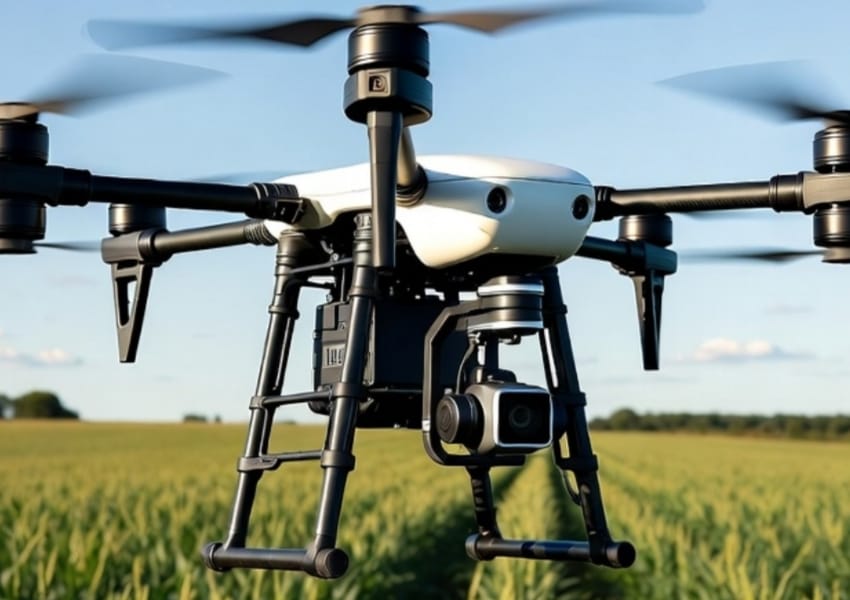
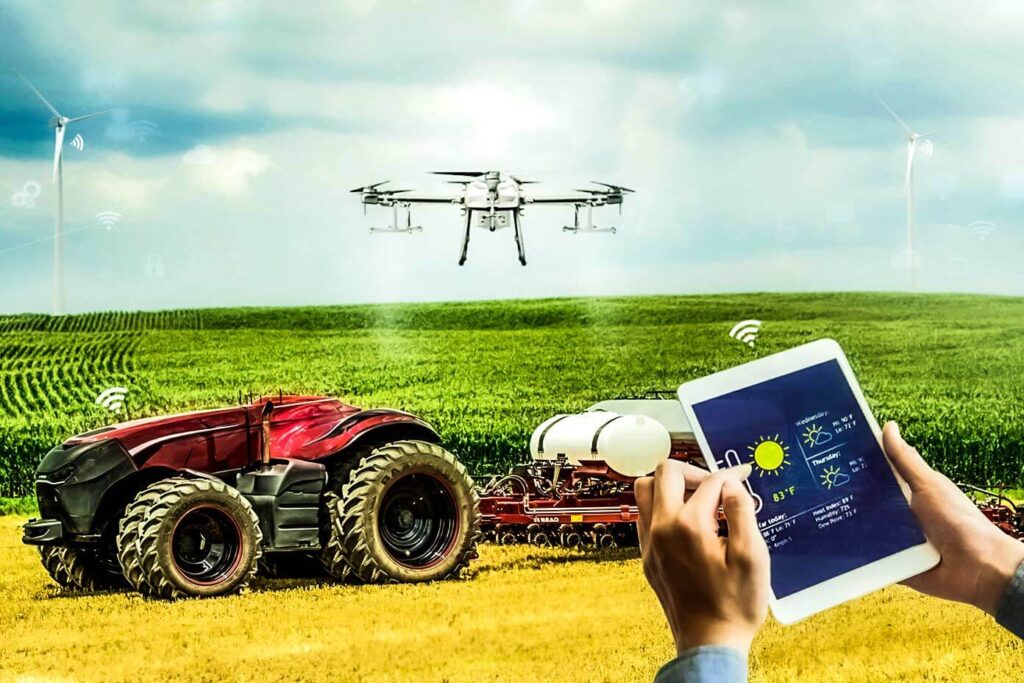
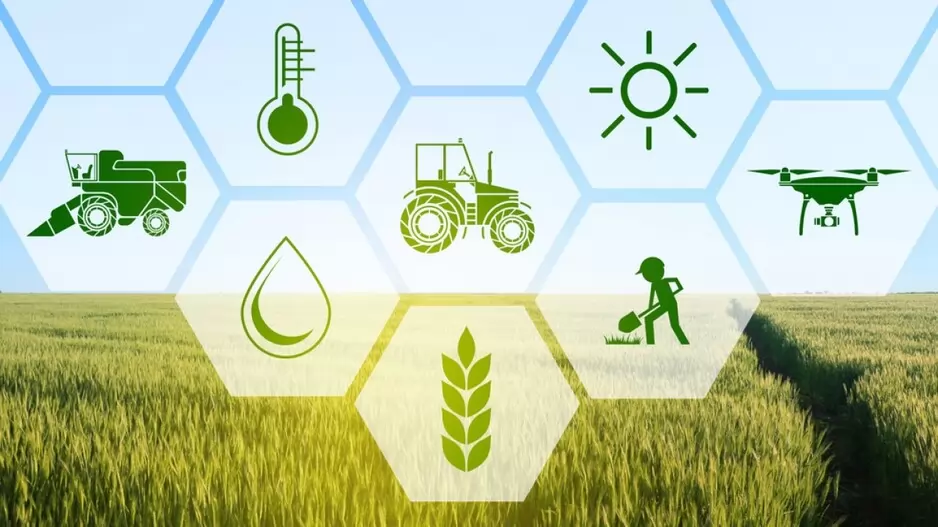
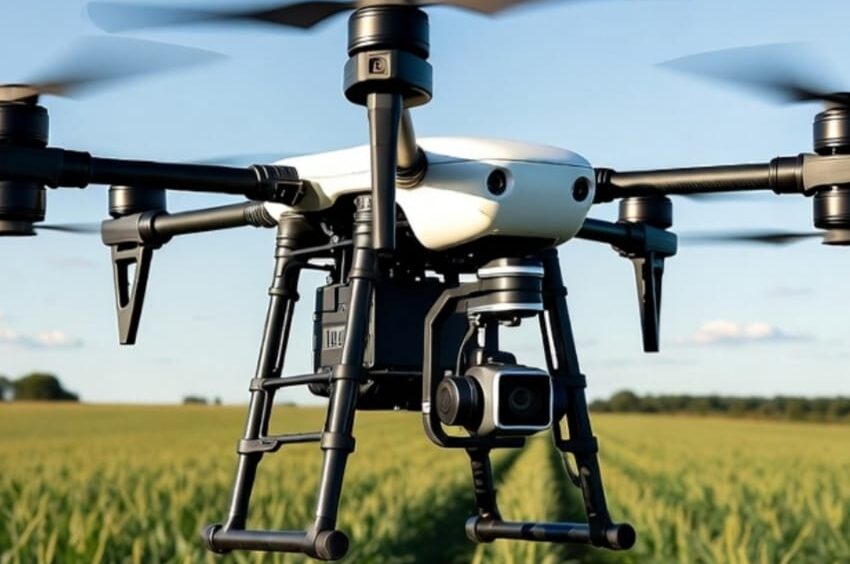
Drones equipped with multispectral cameras and advanced sensors can scan fields, detect nutrient deficiencies, monitor crop growth, and spot pest or disease outbreaks long before they are visible to the naked eye. When spraying, drones ensure even distribution of crop protection products and nutrients, reducing waste and increasing effectiveness. This leads to healthier crops, higher yields, and better resource use.
Driving Efficiency And Sustainability
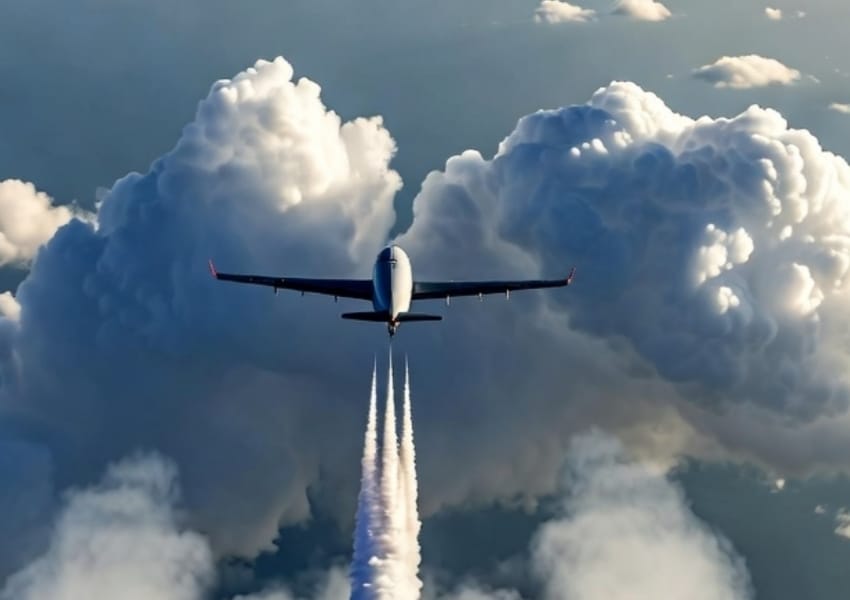
Drones offer speed, precision, and safety three important factors that shape the future of agriculture. One drone can cover acres of farmland in minutes, which cuts down on time and labor. This is especially helpful during crucial stages of crop growth, where timely input application can make or break the harvest.
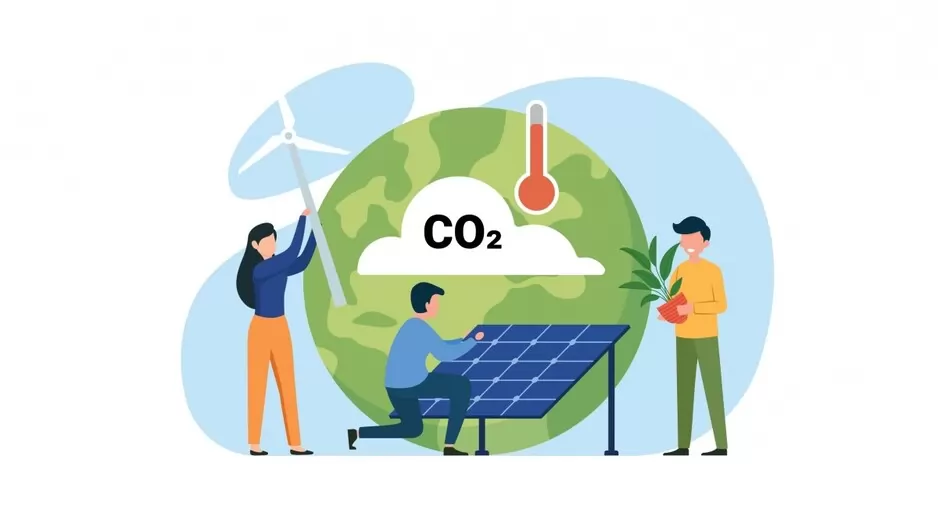
Environmentally, drones reduce chemical drift, soil contamination, and water waste by allowing targeted application. They ensure that fertilizers and pesticides only reach affected areas, supporting sustainable farming practices that protect ecosystems while maintaining productivity.
Additionally, drone spraying greatly lowers farmers’ direct exposure to chemicals, creating safer working conditions and promoting better health.
Empowering Farmers through Technology
The increasing use of drones is helping farmers make informed and timely decisions. With real-time aerial mapping, farmers can now see crop stress areas, examine plant health, and choose where to intervene. This data-driven method improves efficiency and builds farmers’ confidence, guiding them from intuition-based to analytics-based farming.
Field demonstrations, government pilot projects, and private partnerships have shown that drone spraying can increase crop yields and lower input costs by 20 to 30 per cent. As more people become aware of these benefits, drones are expected to become essential tools for progressive farmers.
Challenges And The Path Forward
Even with their great potential, drone use in agriculture faces some challenges. High initial costs, limited financing options, and a shortage of trained operators are obstacles to widespread adoption. Additionally, regulatory requirements, such as needing permissions for drone use and meeting safety standards, can slow down implementation.
However, recent policy changes are promising. Government subsidies for agricultural drones, the establishment of drone training centres, and relaxed operational guidelines have boosted acceptance in rural areas. As infrastructure improves and awareness increases, drone technology will become more affordable and widespread.
Integration With Data And AI: The Next Leap
The real power of drones comes from their connection with artificial intelligence (AI), machine learning, and the Internet of Things (IoT). Drones can collect large amounts of field data, from soil moisture and nutrient levels to pest patterns. When analysed with AI tools, this information provides actionable insights that help farmers make predictive and preventive choices.
Imagine a future where drones automatically survey fields, identify problems through AI-driven image recognition, and suggest targeted interventions through a connected mobile platform. This level of automation could reduce losses, optimise input use, and promote climate-resilient agriculture. In the upcoming years, drones will also be crucial for precision irrigation, seed broadcasting, and even crop insurance verification, changing the way agriculture is managed and monitored.
Building A Collaborative Ecosystem
Policymakers, agri-tech companies, research institutions, and farmers all need to come together to unlock the comprehensive potential of drone technology. Public-private partnerships would enable the development of localised drone solutions that would better address the diverse crop patterns and smallholder farms of India. Demonstration projects, awareness programs, and capacity-building programs will further foster trust and adoption among the farming community.
Further, the development of drone-compatible agrochemical formulations together with standardised operating guidelines will ensure drone spraying is effective and safe in a wide variety of crop systems.
Conclusion: Empowering Agriculture From Above
Drones are much more than an upgrade in technology; they represent a movement towards smarter, safer, and more sustainable farming. By bringing precision from the sky, drones empower farmers on the ground to judiciously use resources, protect the environment, and increase profitability.
As India journeys into a future comprising digital and data-driven agriculture, drones will continue to be at the leading edge of this transformation, enabling farmers not only to grow crops but also to nurture resilience and development.
Disclaimer: The views expressed in this article are those of the author and do not necessarily reflect the views of the publication.