































































































































































































































































































































































































































































































































































































































































































































































































Pledges To Proof: India Inc’s Sustainability Reset In 2025

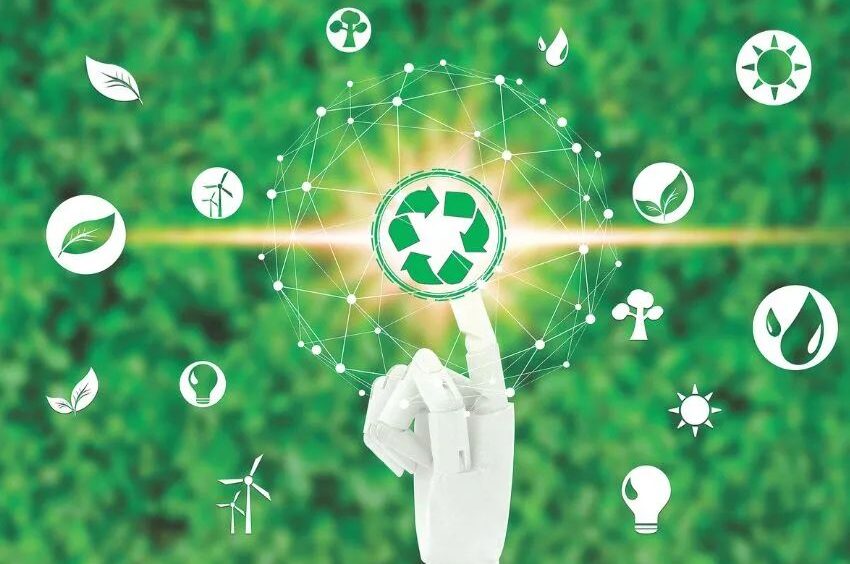
In 2025, corporate India moved beyond climate pledges, driven by regulation, trade pressure and risk, anchoring sustainability in operations, targets, energy security and measurable execution
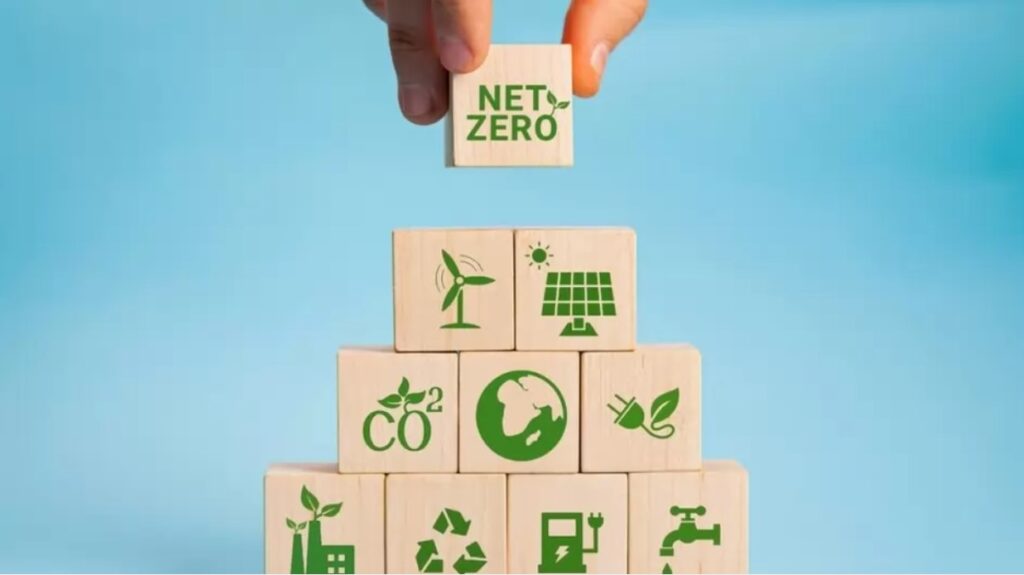
India Inc closed 2025 at a clear inflexion point in its sustainability journey, with climate action moving from aspirational commitments towards measurable execution. Across manufacturing, energy and technology, companies recalibrated strategies in response to tighter regulation, global trade pressures and rising climate risk, signalling a more pragmatic and mature approach to net-zero.
Across boardrooms, there was growing acceptance that disclosure alone was no longer enough. Firms began linking climate goals more closely with operations, supply chains and long-term business priorities. This shift was driven by wider adoption of science-based targets, concerns around energy security and stronger regulatory scrutiny of climate performance.
Targets Over Intent
For manufacturing-led companies, 2025 marked a decisive move away from broad climate pledges towards defined, science-aligned pathways. “The most defining sustainability shift in 2025 was the accelerated adoption of the Science Based Targets initiative across India Inc,” said Havells, Vice President, Risk Management and Sustainability, Nitin Singh. He noted that companies moved “from broad commitments to science-aligned, time-bound decarbonisation pathways”, reflecting a more mature phase of climate responsibility.
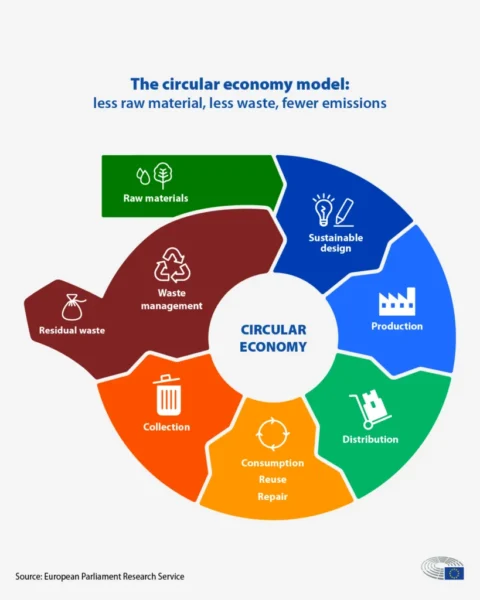
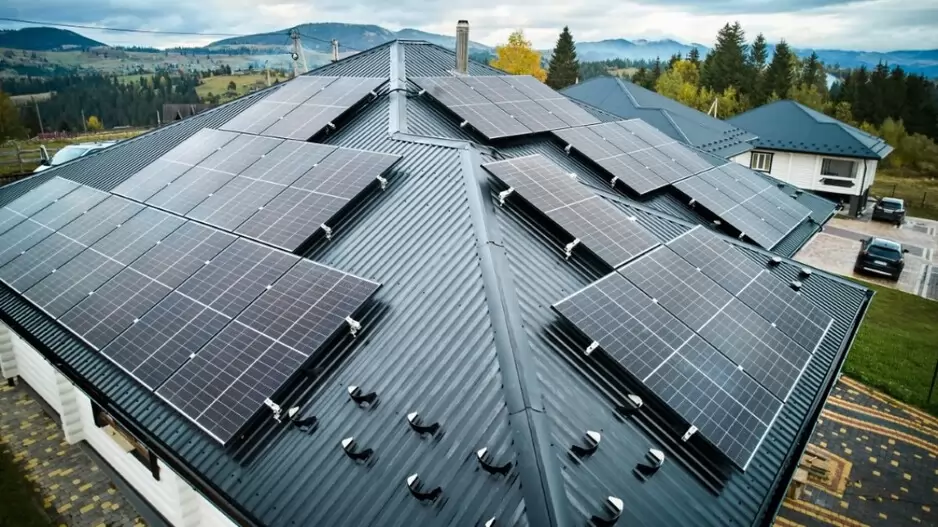
At Havells, this translated into deeper operational action. Singh pointed to strengthened Scope 3 inventorisation, expanded solar deployment and progress towards zero-waste-to-landfill certifications across key plants. The shift, he said, reflected “a wider move from BRSR-driven reporting to real investments in circularity, renewable energy and supply-chain accountability”.
External pressures reinforced this transition. Singh noted that trade measures such as the European Union’s Carbon Border Adjustment Mechanism pushed Indian manufacturers to align with 1.5-degree pathways to remain competitive. Together, these developments indicate that India Inc’s commitment to net-zero is increasingly measured “not by intent, but by credible targets, consistent execution and the operational integration of sustainability as a core business priority”.
Disclosure Meets Reality
Even as disclosure standards improved, companies acknowledged gaps that must be addressed in 2026. Singh said the most prominent challenges lay in Scope 3 tracking and financing, particularly across SME-led supply chains. While Business Responsibility and Sustainability Reporting improved transparency, “independent verification of emissions data remained uneven”, and smaller suppliers struggled with the cost of low-carbon technologies.
Technology adoption also lagged. Singh pointed to fragmented use of Internet of Things systems, limited real-time data and low integration of artificial intelligence-based abatement tools. Green financing instruments, he added, have yet to reach SMEs at scale, creating a bottleneck for end-to-end decarbonisation. For the year ahead, he argued that India Inc needs “standardised third-party Scope 3 validation, targeted green finance solutions for suppliers, and more accessible digital platforms for monitoring and reduction”.
Net-zero With Energy Security
For energy and infrastructure players, 2025 reinforced the need to balance climate ambition with reliability and affordability. Honeywell India, Vice President and General Manager, Energy and Sustainability Solutions, Ranjit Kulkarni, said the most meaningful shift was the growing acceptance that India’s net-zero pathway must progress alongside energy security.
“In our engagement with customers across energy, manufacturing and infrastructure, we saw a move away from narrow decarbonisation targets toward more balanced, system-level thinking,” Kulkarni said. Rising power demand from data centres, manufacturing electrification and mobility underscored the need for what he described as an “all-in” energy approach.
Honeywell’s response focused on improving the efficiency of existing infrastructure while preparing for alternative and lower-carbon fuels. “We focused on enabling customers to reduce emissions intensity today, rather than waiting for long-term capacity additions,” Kulkarni said, adding that digitalisation and connected solutions became central to this effort.
Policy stability also emerged as a critical factor. Kulkarni said discussions in 2025 highlighted the importance of long-term, predictable frameworks over short-term incentives. This, he argued, reflected a pragmatic commitment to net-zero, with companies prioritising technologies that are “proven, scalable and compatible with existing assets”.
Regulation Tightens The Net
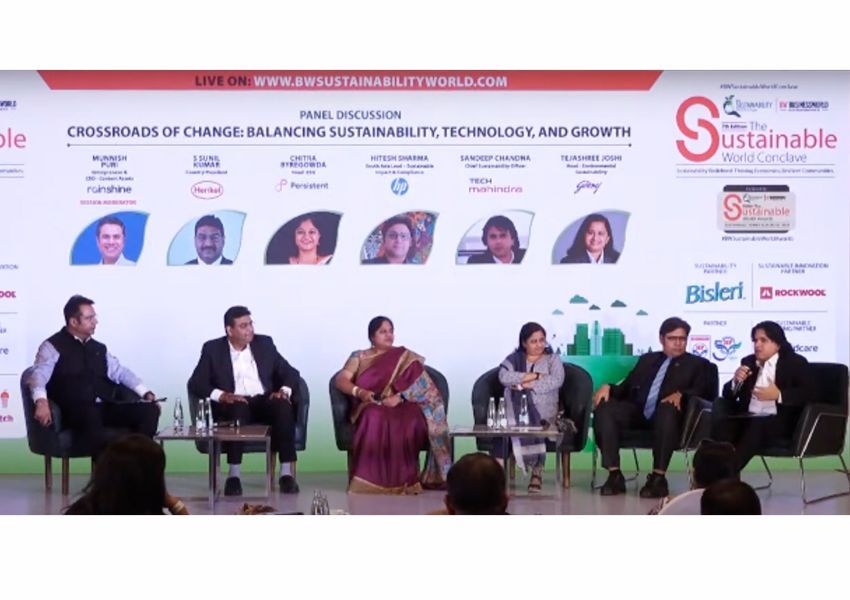
For the technology sector, regulation proved to be a defining force. Tech Mahindra, Chief Sustainability Officer, Sandeep Chandna said the formalisation of climate accountability through enhanced ESG regulation, led by SEBI’s BRSR Core, marked the most meaningful shift of the year. The framework raised standards for climate disclosures, data assurance and greenhouse gas reporting, requiring third-party verification.
“This shift not only strengthened investor confidence but also accelerated India’s broader transition towards clean energy, resilient supply chains and robust governance,” Chandna said. He described 2025 as a decisive year in which corporate India moved from commitments to “credible, measurable delivery”.
Sustainability performance, he added, is now embedded into risk management, access to capital and executive KPIs. “It reflects a maturing ecosystem in which sustainability is viewed as a core expectation of business leadership and long-term value creation.”
The Scope 3 Challenge
Despite progress, Scope 3 emissions remain a weak link. Chandna said many large companies rely on data from SME suppliers that lack the resources and technical capacity for accurate reporting. As a result, Scope 3 disclosures continue to depend on assumptions and third-party estimates.
Citing a recent study, he noted that 79 per cent of companies identify supplier data gaps as their top concern. At Tech Mahindra, this has led to greater emphasis on supplier engagement programmes, audits and capability-building initiatives aimed at improving data quality and shared decarbonisation outcomes.
AI Steps In And The Year Ahead
Across sectors, artificial intelligence emerged as a key enabler for the next phase of sustainability. Singh described AI as evolving “from analytical tools to strategic decision engines”, enabling real-time emissions measurement, supply-chain transparency and climate-risk modelling. AI-driven predictive energy management, he said, could reduce manufacturing intensity by 20 to 30 per cent through dynamic load balancing and equipment monitoring.
Kulkarni echoed this view, calling AI the “connective tissue” across the energy value chain. He said AI-powered solutions are helping organisations move from static reporting to actionable intelligence, while supporting predictive maintenance, energy management and workforce effectiveness.
Chandna said AI will become central to decision-driven action in 2026, improving audit readiness, enabling near real-time emissions tracking and delivering asset-level climate-risk insights. He added that AI can help large enterprises decarbonise Scope 3 emissions while supporting MSME suppliers through targeted interventions.
As India Inc enters 2026, the sustainability narrative has clearly shifted. Climate action is no longer framed as a compliance exercise, but as a strategic lever tied to competitiveness, resilience and growth.
The year ahead will test whether companies can convert improved disclosures, digital tools and regulatory momentum into sustained emissions reductions across operations and supply chains. Execution, rather than ambition, will now define the credibility of India Inc’s net-zero transition.