



































































































































































































































































































































































































































































































































































































































































































































































































































Coal-fired Sulphur Drives Delhi’s Deadliest PM2.5 Burden: Study

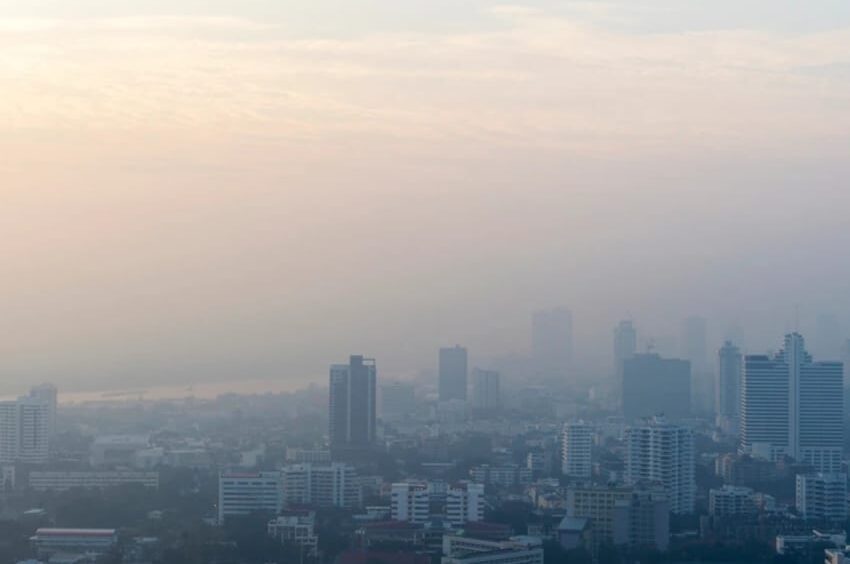
Secondary particles from regional power plants, not local dust, dominate the capital’s worst air pollution days
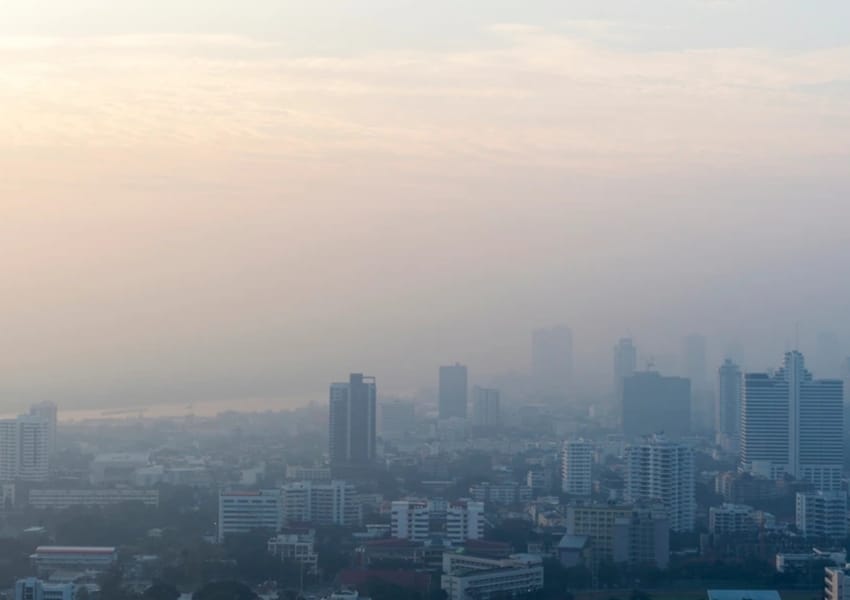
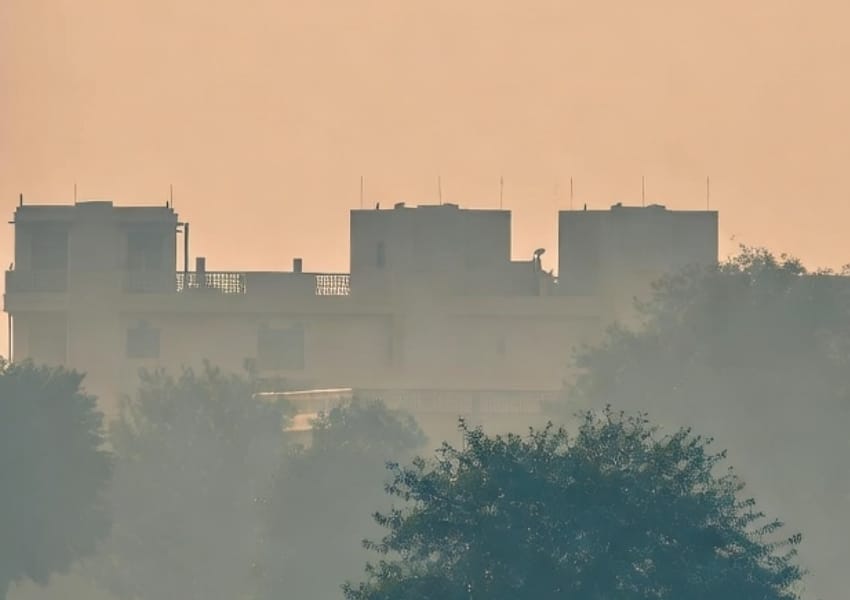
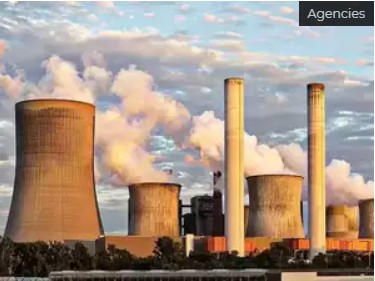
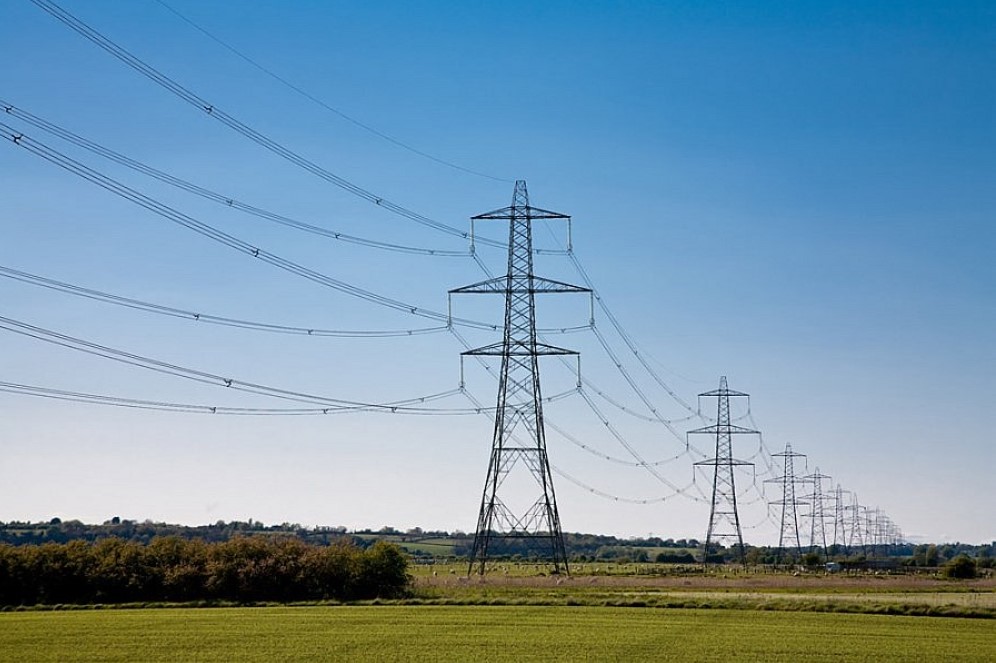
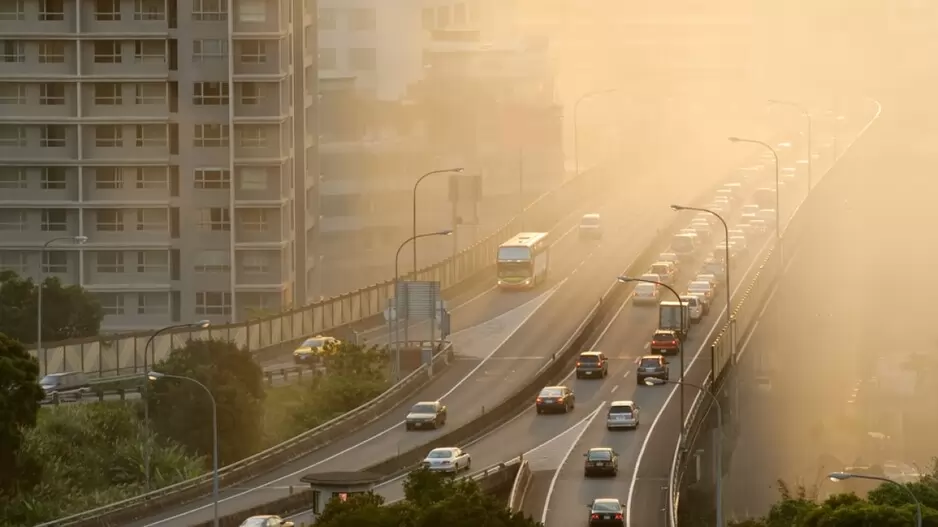
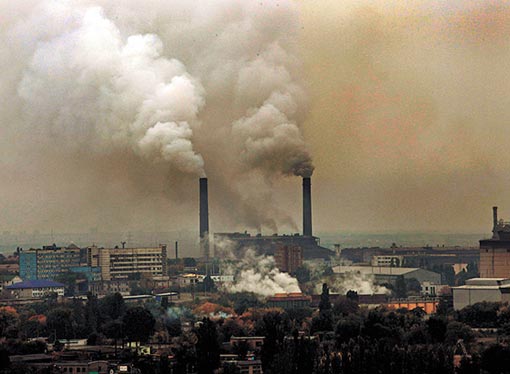
Delhi’s most dangerous air pollution episodes are being driven less by local dust and more by invisible secondary particles formed from coal-linked emissions, according to a new study cited by Down to Earth.
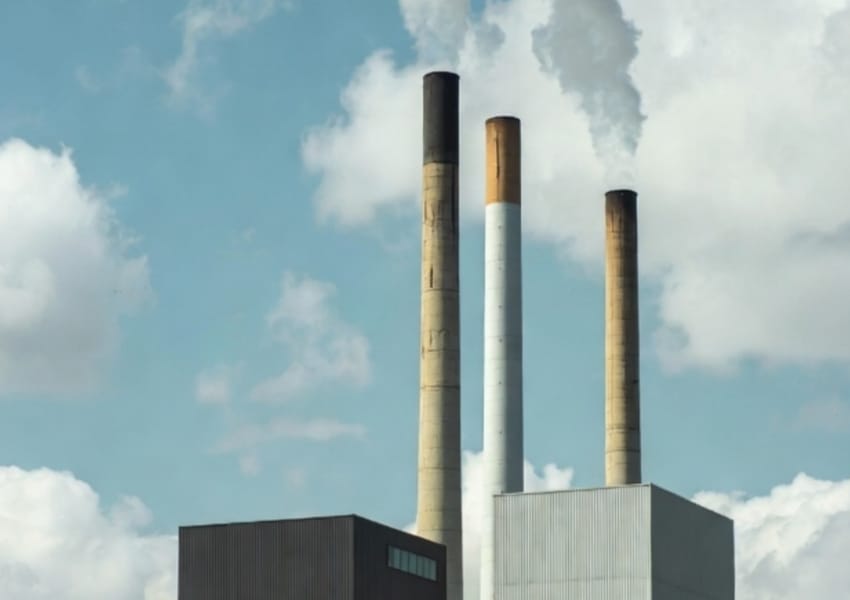
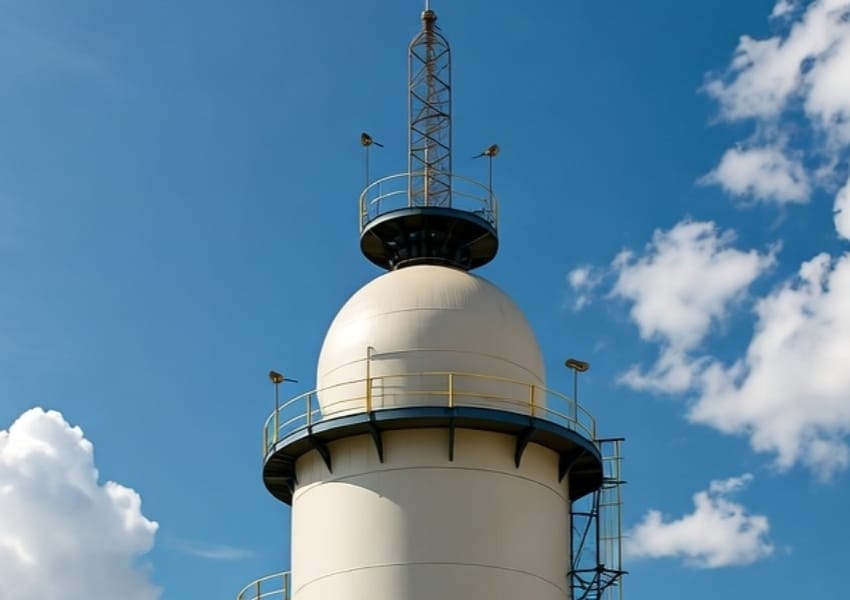
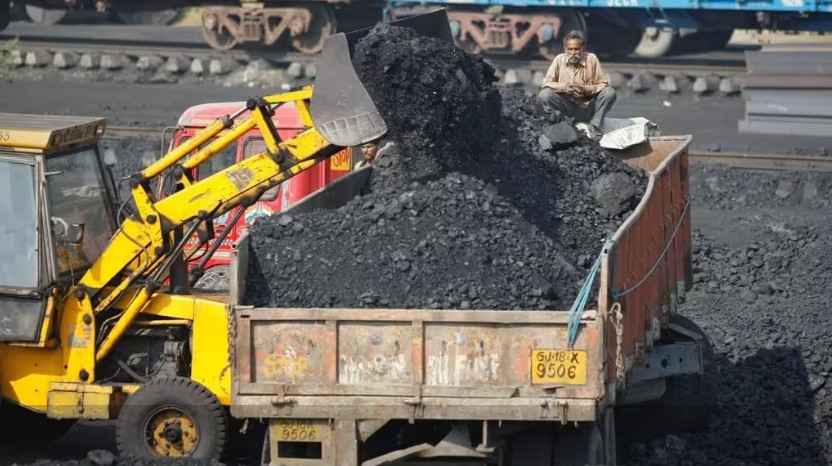
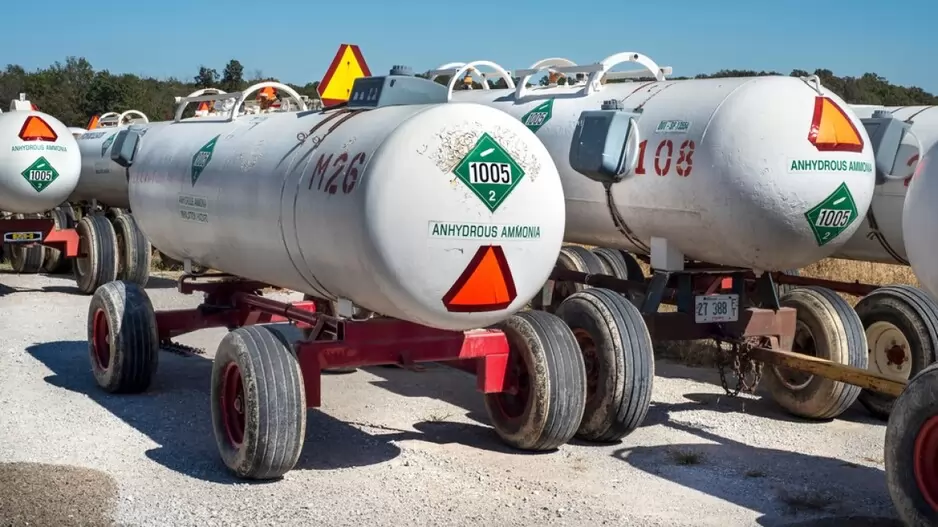
The assessment, published by the Centre for Research on Energy and Clean Air (CREA), finds that around one-third of the capital’s annual PM2.5 load consists of ammonium sulphate, a fine particulate formed when sulphur dioxide from coal-based thermal power plants reacts with ammonia in the atmosphere. During severe winter smog episodes, this share rises to nearly half of total PM2.5 pollution.
Based on satellite-derived data for 2024 using NASA’s MERRA-2 reanalysis, the study shows that ammonium sulphate contributes 49 per cent of PM2.5 during the post-monsoon period and 41 per cent in winter, compared with about 21 per cent during summer and monsoon months. CREA said this pattern underlines that Delhi’s worst pollution days are shaped by region-wide sulphur dioxide emissions and secondary chemical formation, rather than only by local primary sources such as road dust.
“During the city’s most polluted periods, ammonium sulphate dominates the PM2.5 load,” the study noted, adding that secondary particulate matter should be treated as a central driver of India’s air pollution problem rather than a seasonal or marginal issue.
The findings also raise questions over the current policy focus of the National Clean Air Programme (NCAP), which places greater emphasis on PM10 reduction. CREA warned that this approach overlooks sulphur dioxide emissions from coal-fired power plants and other regional sources that contribute disproportionately to extreme pollution events in Delhi.
Beyond the capital, the study found that ammonium sulphate accounts for between 17 per cent and 42 per cent of PM2.5 mass across Indian states, with most clustering between 30 and 40 per cent annually. States such as Chhattisgarh reported particularly high contributions, indicating that secondary sulphate formation is widespread rather than confined to a few hotspots.
Experts said the findings echo earlier assessments by IIT Kanpur and align with conclusions from the Global Burden of Disease study, which has flagged coal-based power generation as a major regional pollution source. They stressed the need for tighter sulphur dioxide controls, faster installation of flue-gas desulphurisation systems and stronger coordination across states, arguing that city-centric clean air plans alone will not address the root of India’s PM2.5 crisis.
The study’s conclusions come as cities including Delhi and Mumbai marked National Pollution Control Day amid renewed concerns over deteriorating air quality, underscoring the gap between policy intent and the scale of regional emissions driving India’s worst air pollution episodes.