
















































































































































































































































































































































































































































































































































































































































































































































































































































































Carbon Pricing, Value-chain Scrutiny Changed ESG In 2025


Carbon prices, tighter disclosures and value-chain accountability turn climate action into a boardroom and balance-sheet imperative for India Inc
India Inc’s sustainability narrative in 2025 marked a clear departure from aspirational pledges towards compliance-driven action. What distinguished the year was not the announcement of new targets, but the tightening of rules that placed emissions, disclosures and value chains under regulatory and financial scrutiny. Carbon pricing, mandatory reporting and enforceable sectoral targets reshaped how companies viewed climate action, less as reputation management, more as a boardroom and balance-sheet concern.
Carbon And Compliance
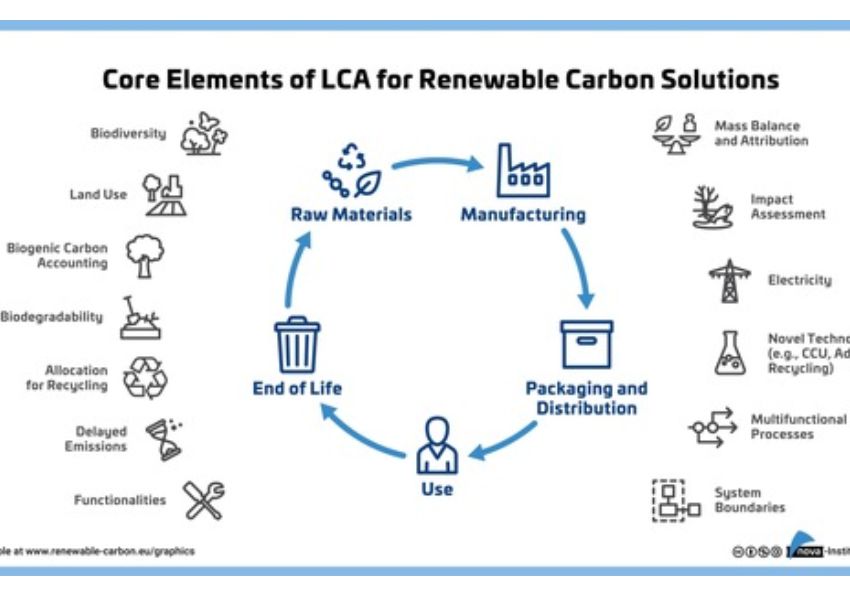
For Vipul Arora, Global Head of Sustainability at HCLTech, the most consequential shift was the widening of accountability beyond corporate boundaries. “Business Responsibility and Sustainability Reporting as a framework is getting integrated across the industrial ecosystem in India, including the value chain,” he said. The Securities and Exchange Board of India’s move to require listed companies to disclose up to 75 per cent of their total value-chain purchases and sales, Arora noted, would “create a cascade effect across the value-chain partners”. Sustainability oversight, once limited to owned operations, is now extending deep into procurement, logistics and supplier networks.
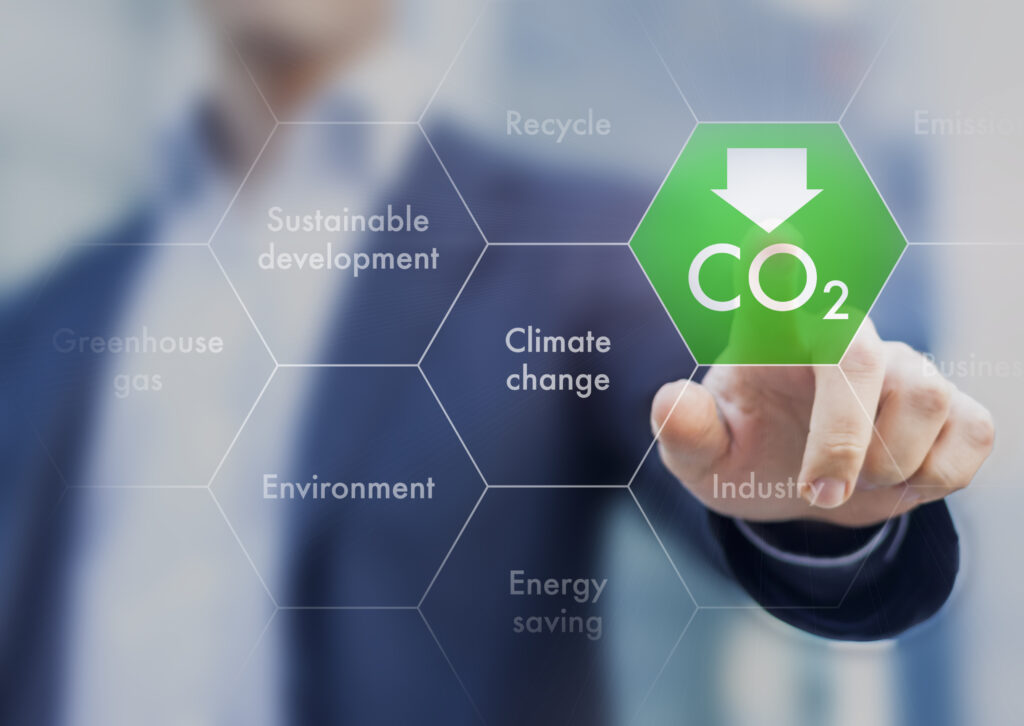
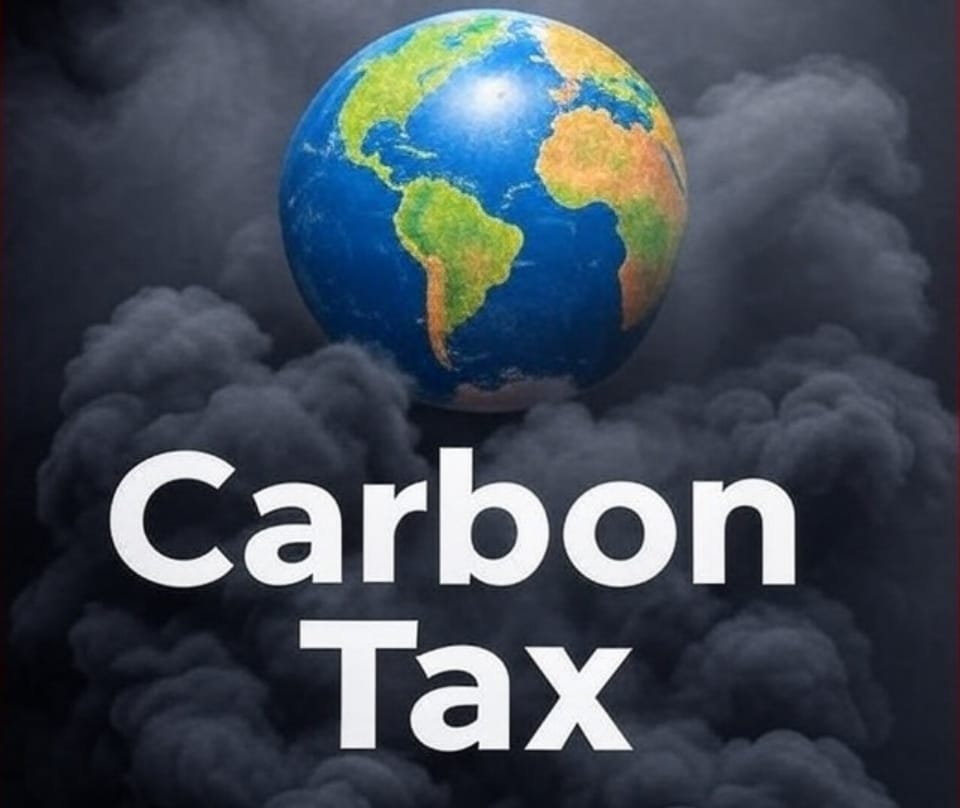
Another defining development, Arora said, was India entering its first compliance window under the Carbon Credit Trading Scheme. “This will establish a domestic carbon pricing mechanism and provide financial incentives for emission reductions,” he said. The shift was reinforced by the Environment Ministry’s decision to impose mandatory greenhouse gas emission intensity targets for heavy industries such as cement, pulp and paper, and aluminium, backed by penalties for non-compliance. “This will move emissions management from a ‘good to do’ thing to something that has an operational and financial impact, putting it squarely on the agenda of corporate leadership,” Arora said.
External pressures amplified these domestic changes. According to Arora, the European Union’s Carbon Border Adjustment Mechanism and rising market expectations are pushing Indian manufacturers “to pursue credible decarbonisation strategies, not just symbolic pledges”. As a result, companies are increasingly turning to more rigorous validation of climate commitments. “The most mature companies are already moving to Science Based Targets initiative validation of their Net Zero targets,” he said, adding that in 2025 HCLTech became “one of only three companies in the IT sector to have both our short and long-term targets validated by Science Based Targets initiative”.
Funding And Technology Gaps
As disclosure expands, execution gaps have become harder to ignore. Arora argued that climate reporting itself risks becoming a distraction. “We need to move away from disparate climate reporting demands from multiple regulations, standards and frameworks into ideally one and only one single standard,” he said. The current “regulatory race”, he warned, forces multinational firms to report overlapping ESG data across jurisdictions, driving up costs of collection, validation and assurance. “We can either use the management time to report the same metric in multiple places, or we can use it to solve for decarbonisation,” he said.
Financing presents a parallel challenge. Arora pointed to a mismatch between the long-term nature of industrial decarbonisation and the short investment horizons of venture capital. “Short-term research backed by short-term funding has very low chance of solving some of the biggest challenges we are facing,” he said, calling for more sustained funding for research that can “transform the underlying foundations of the current industrial ecosystem”.
Technology, particularly artificial intelligence, is often presented as the bridge between ambition and execution. Arora described 2025 as “a very exciting time for new technologies” but cautioned against siloed deployment. “If built with a narrow-siloed approach, artificial intelligence will only aggravate the problems of the older industrial ecosystem we have currently,” he said. Real impact, he argued, requires artificial intelligence solutions that integrate entire value chains and embed sustainability by design, while also accounting for the environmental footprint of artificial intelligence itself.
From Targets To Markets
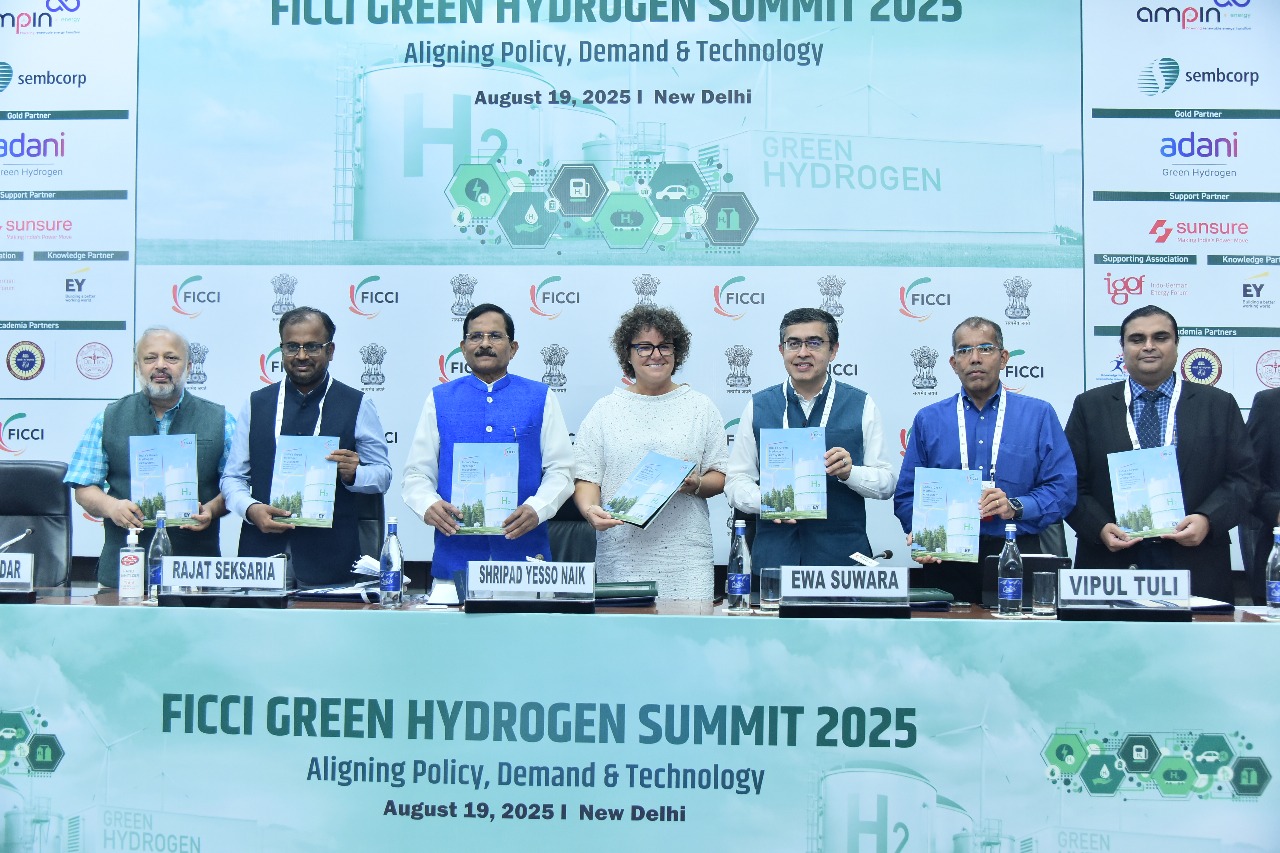
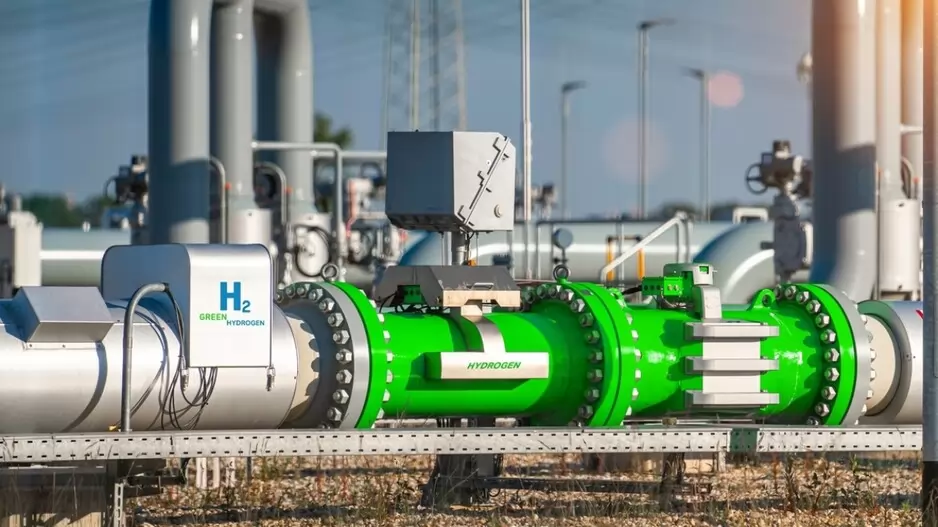
A similar shift from intent to enforcement was visible across manufacturing and energy. Subramanian Chidambaran, Chief Strategy Officer at Cummins India, described 2025 as “a clear inflection point”, with policies moving “decisively from announcement to execution”. Progress under the National Green Hydrogen Mission, early steps on green steel, record renewable energy additions and groundwork for carbon markets, he said, collectively signalled momentum.
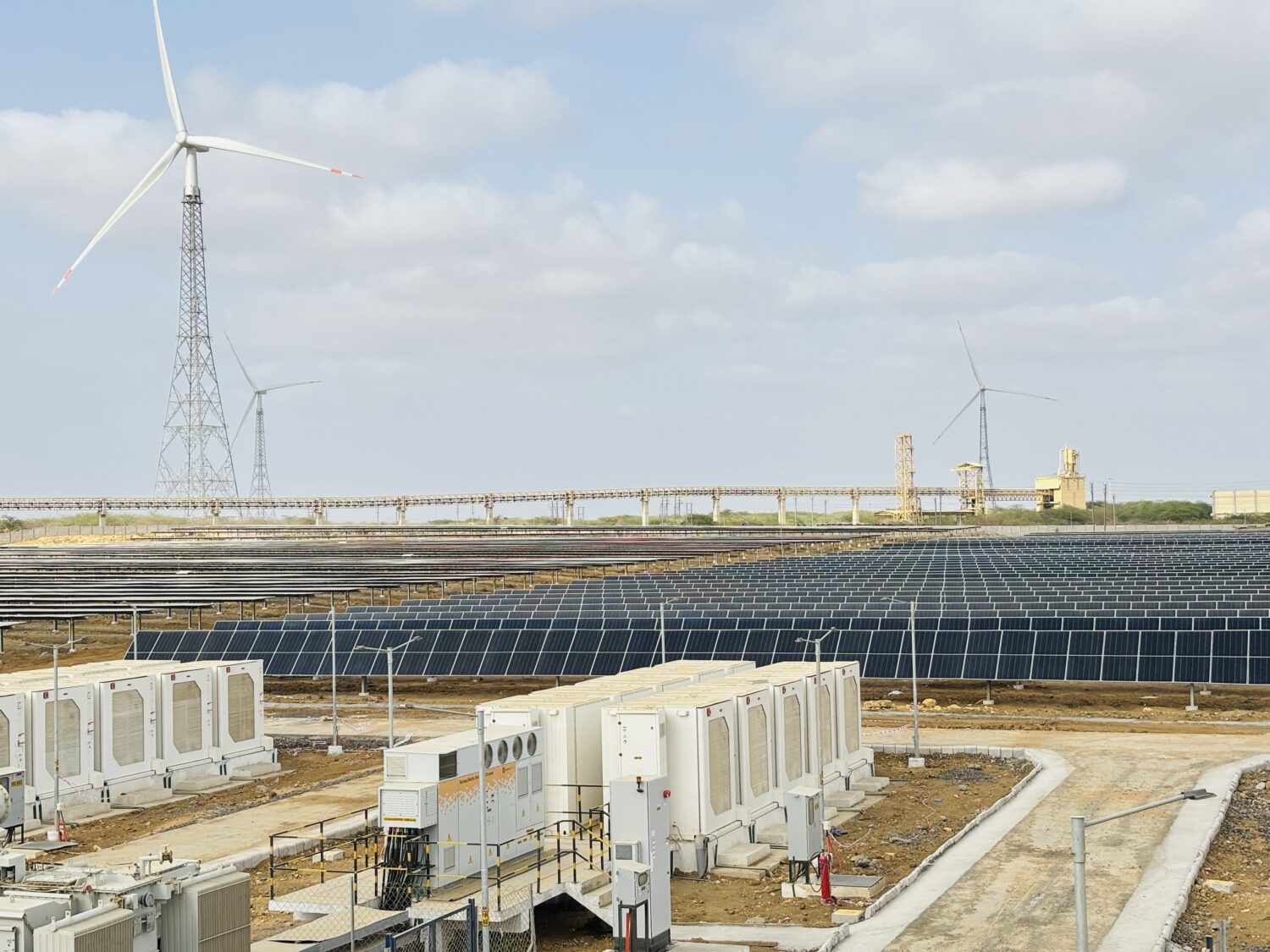
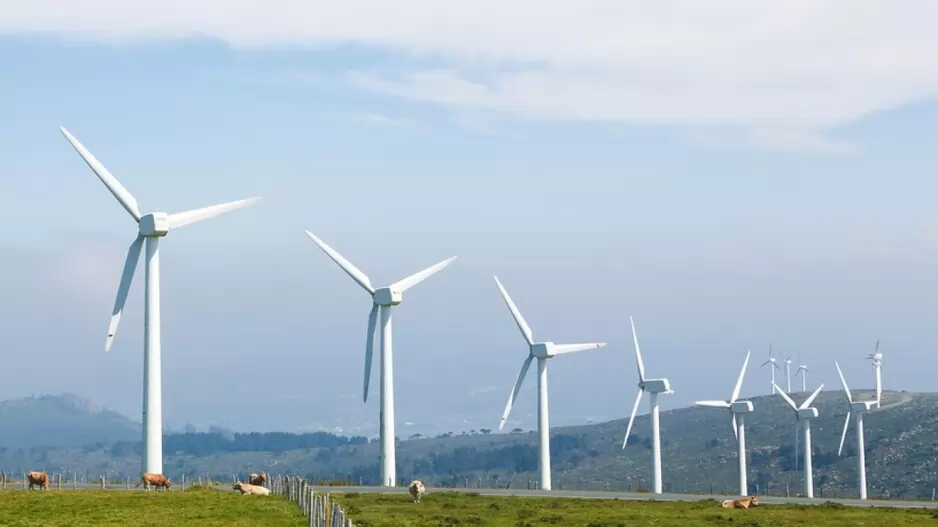
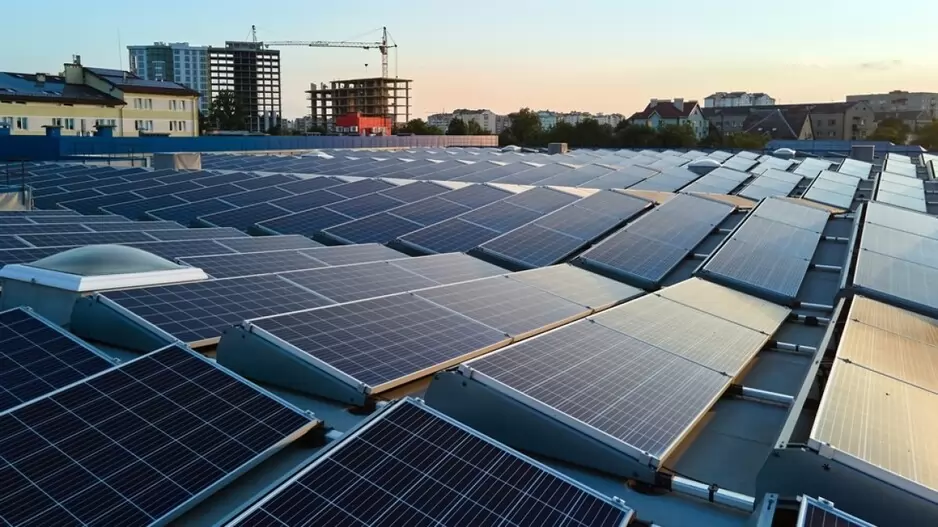
Two developments stood out. First, India reached nearly 50 per cent renewable energy share in installed power capacity, five years ahead of schedule. At the same time, Chidambaran noted, renewables account for only about 30 per cent of actual power generation, exposing challenges around grids, storage and efficiency. Second was tangible movement on carbon markets. “This represents something more fundamental, the shift from aspirational targets to enforceable market mechanisms,” he said, adding that the real test would come in 2026, when companies decide whether to treat carbon pricing as compliance or “a strategic lever for competitive advantage”.
Chidambaran highlighted persistent gaps, particularly around Scope 3 emissions. While Business Responsibility and Sustainability Reporting mandates value-chain disclosures for top listed firms, “the infrastructure to verify this data remains underdeveloped”. Companies still rely on generic emission factors and fragmented supplier disclosures, with visibility dropping sharply beyond Tier 1 suppliers. Financing constraints further complicate matters. “The gap is not just about rupees deployed, it’s about democratising access to affordable climate financing,” he said, especially for mid-sized manufacturers embedded in larger supply chains.
From Voluntary To Law
From a legal and governance perspective, Amit Bhasin, Chief Legal Officer and Group General Counsel at Marico, said 2025 marked the moment ESG became “business-critical law and market structures”. He pointed to tighter Securities and Exchange Board of India norms on sustainability disclosures and green credit reporting, alongside amendments to the Plastic Waste Management Rules that strengthened extended producer responsibility and mandated packaging traceability. “This changed the game for India Inc,” Bhasin said.
He noted that advances in carbon market frameworks and the Green Credit Programme created both risks and opportunities. “These developments bring risks, stricter scrutiny of offset claims, and opportunities, monetising verified environmental actions,” he said. For Marico, this translated into adhering to tighter standards while exploring investments in circularity and landscape restoration.
However, Bhasin cautioned that disclosures also revealed uncomfortable truths. “While leading companies showcased ambition, Business Responsibility and Sustainability Reporting disclosures highlighted persistent gaps in addressing emissions across entire value chains,” he said. True net-zero progress, he argued, depends on “a blend of ambition, transparency, and mandatory action”, supported by governance structures that embed climate targets into business key performance indicators and executive accountability.
Across all three perspectives, 2025 emerges as the year ESG shed much of its voluntary character. Carbon acquired a price, disclosures acquired consequences, and value chains moved into regulatory focus. The challenge now, as India Inc enters 2026, is whether companies can convert this compliance pressure into durable decarbonisation, measured not in intent, but in audited numbers, capital allocation and operational change.