

























































































































































































































































































































































































































































































































































































































































































































































































Beyond Net-zero: Doing More Than “Less Harm” Will Matter In 2026


As targets give way to action, Indian companies are being judged on nature-positive execution, water stewardship, circularity and their ability to restore ecosystems while sustaining long-term business resilience
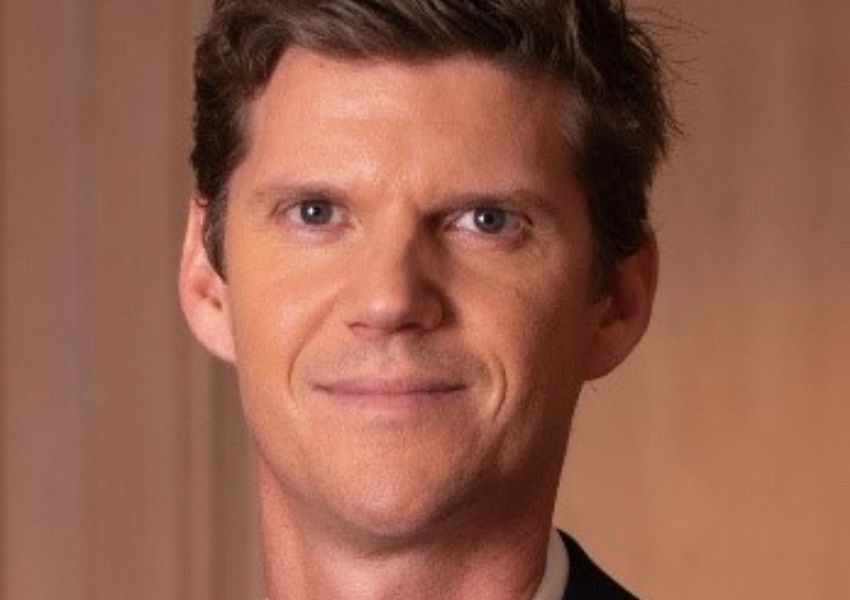
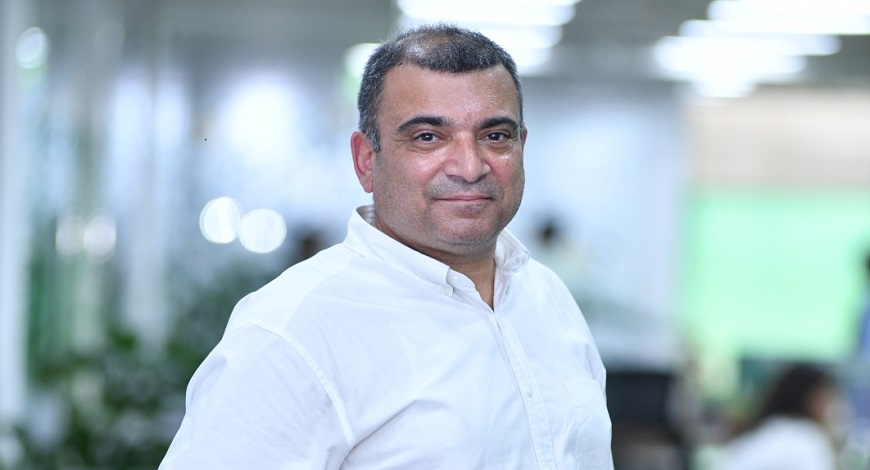
By: K Ganesh, Director, Sustainability & Corporate Affairs, Bisleri International
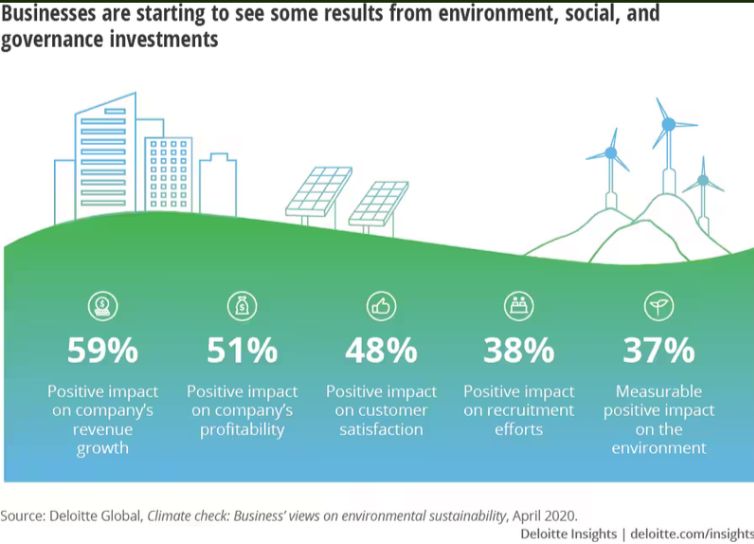
Many companies began with sustainability targets like net-zero dates, percentage reductions, long-term plans. This phase is necessary. It helped organizations understand their impact and brings in environmental issues into conversations which were often absent. As we step into 2026, it is becoming clear that targets alone do not change realities on the ground, execution of plan is vital.
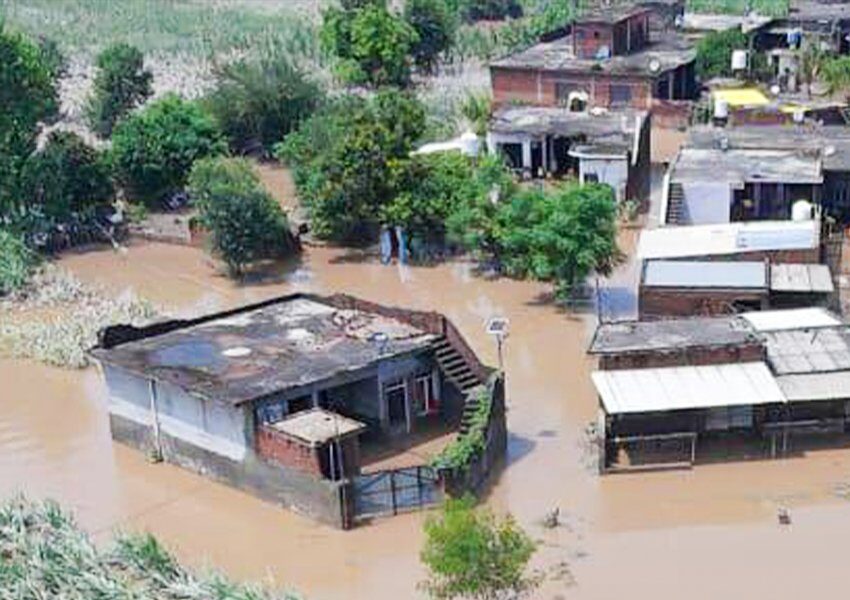
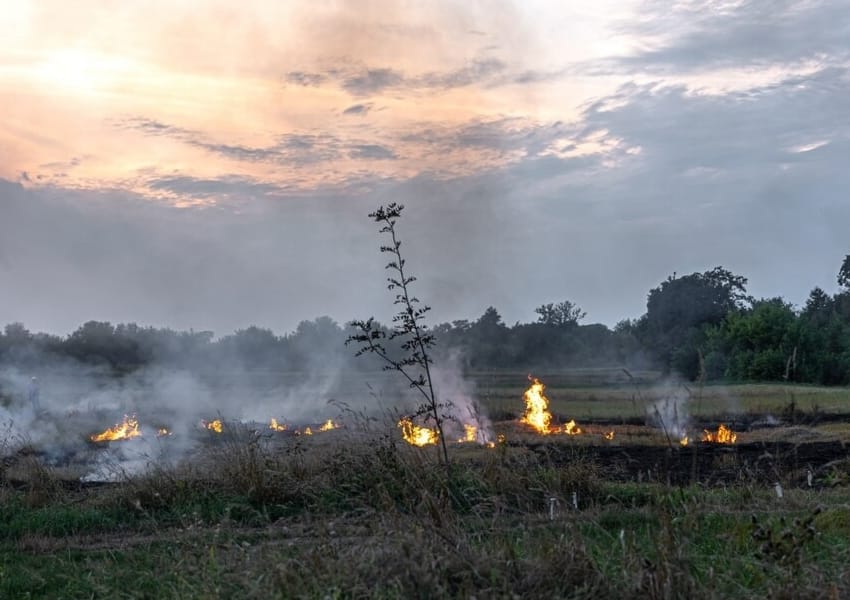
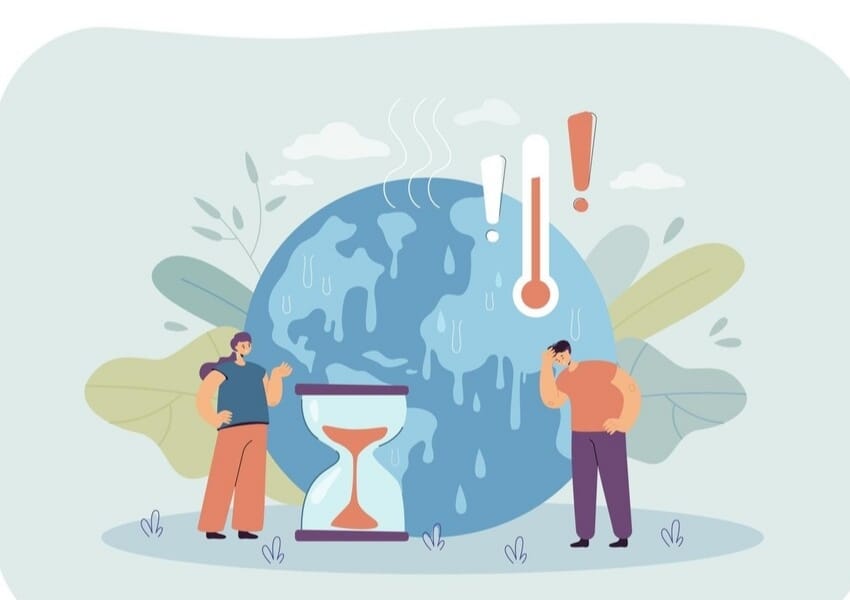
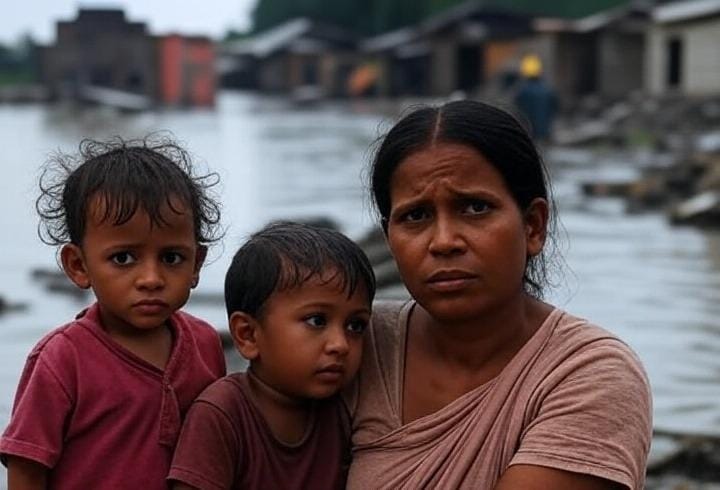
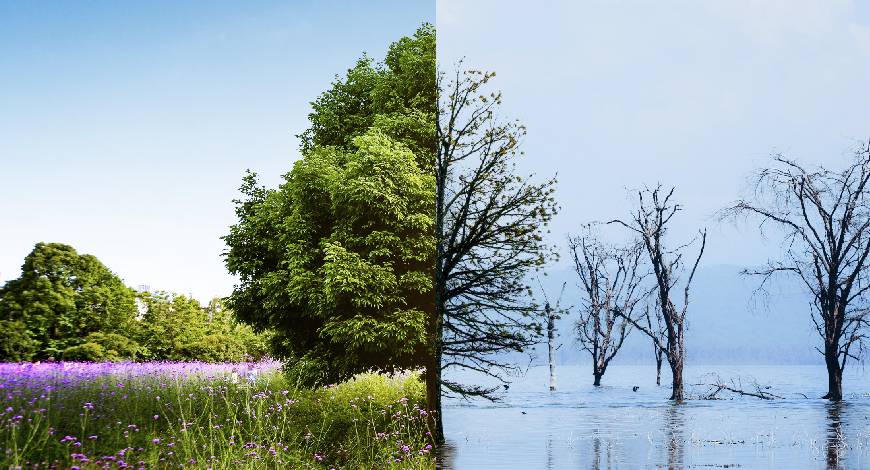
Across India and globally, environmental stress is already showing up in everyday life. Groundwater levels are falling, air quality decorating, waste systems struggle to cope, weather patterns have become unpredictable, and communities feel the strain. For businesses, these are not abstracts, they are operational realities & risk.
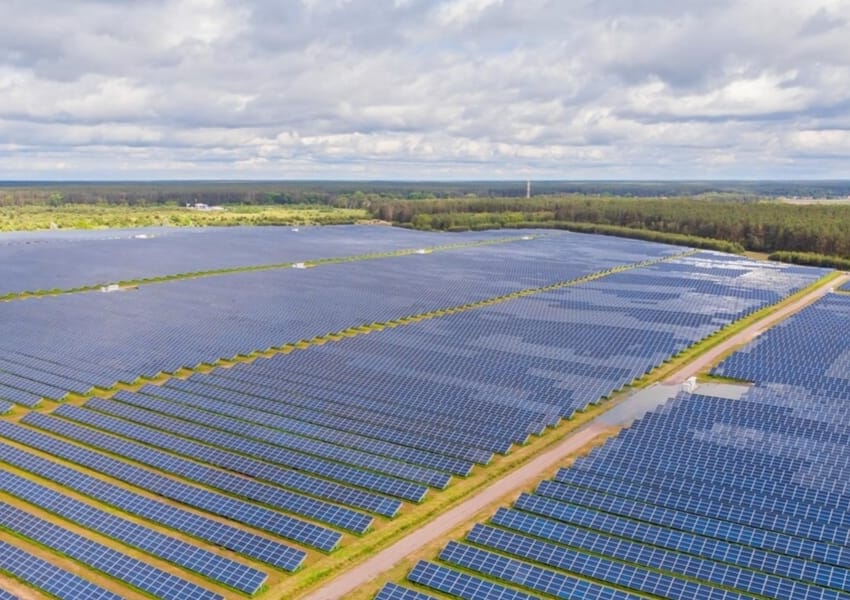
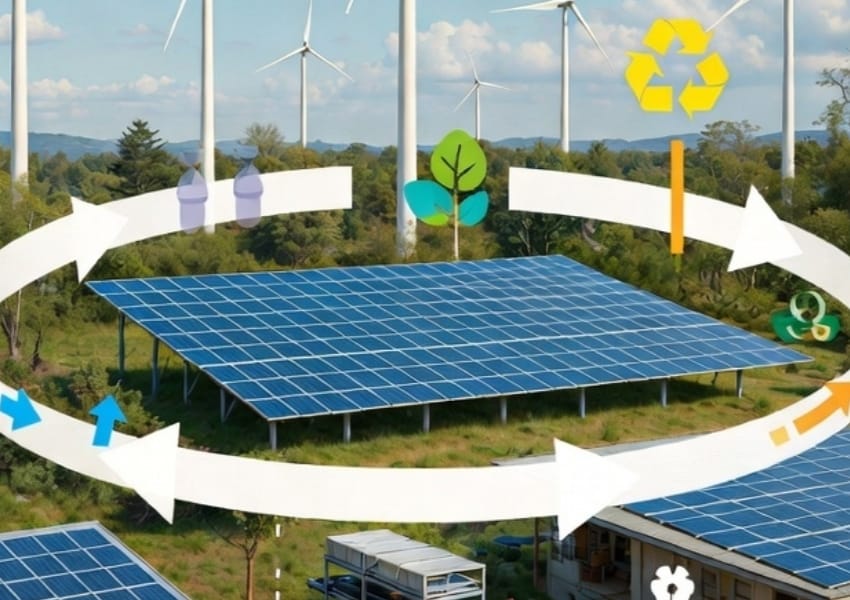
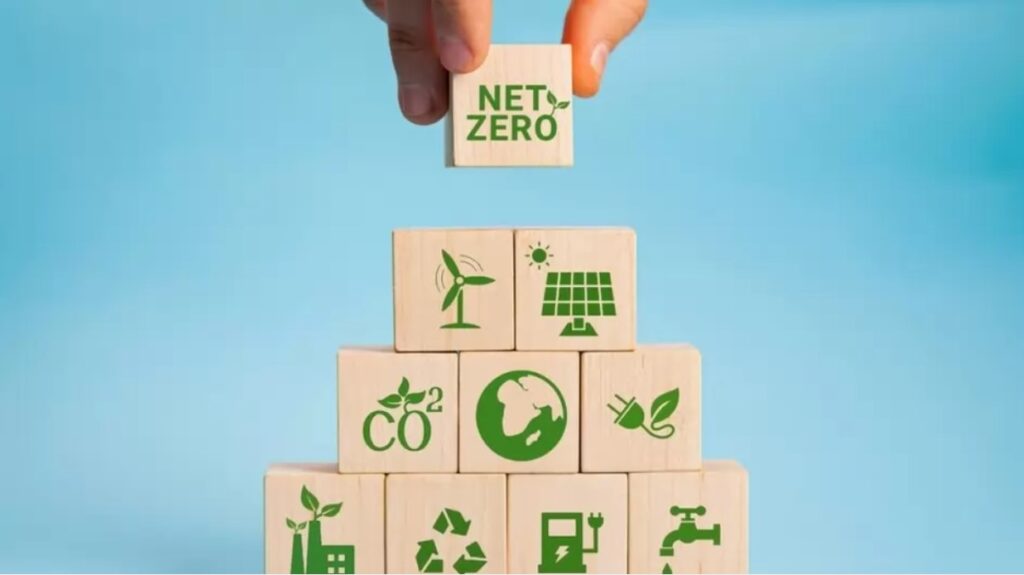
This is why the conversation is slowly moving beyond net-zero towards what many now call climate-positive and nature-positive action, strategies that not only do less harm but actively contribute positively to ecosystems and communities. Studies and practitioners argue that net-zero must be a steppingstone rather than a destination in our quest to sustain natural systems and long-term economic resilience.
Why “Less Damage” Is Not Enough
Reducing emissions and improving resource efficiency will always matter. These actions are essential first steps. But in a country like India’s, where natural resources are already stretched thin, simply slowing the rate of emission and improving resource efficiency is not enough. In many cases, it only prolongs the decline of ecosystems that communities and businesses alike depend on.
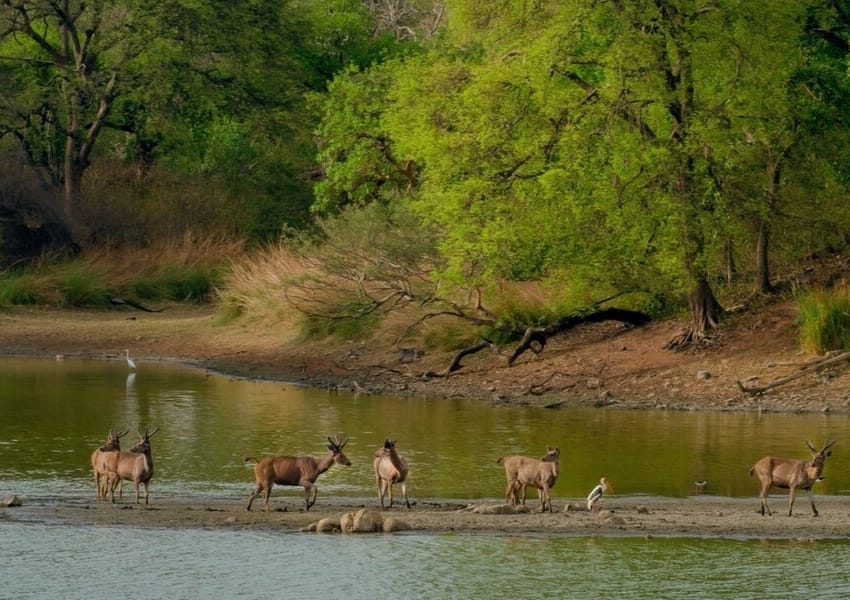
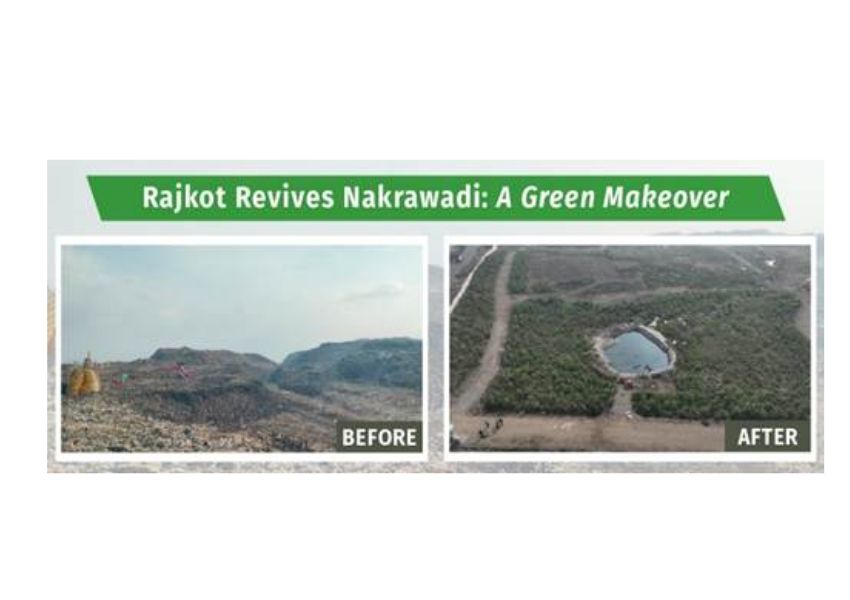
Nature-positive thinking asks a more fundamental question: Are businesses helping restore what they depend on? This means not only reducing impact but actively participating in regeneration, whether that is revitalizing watersheds, rebuilding soil health, or enhancing biodiversity. Globally, organizations are increasingly recognizing that nature-positive strategies push companies to make decisions that give more to nature than they take away.
This shift requires a different mindset. Sustainability can no longer sit on the margins as a reporting exercise. It needs to influence everyday operational choices, even when the answers are not simple.
Water Brings The Challenge Into Sharp Focus
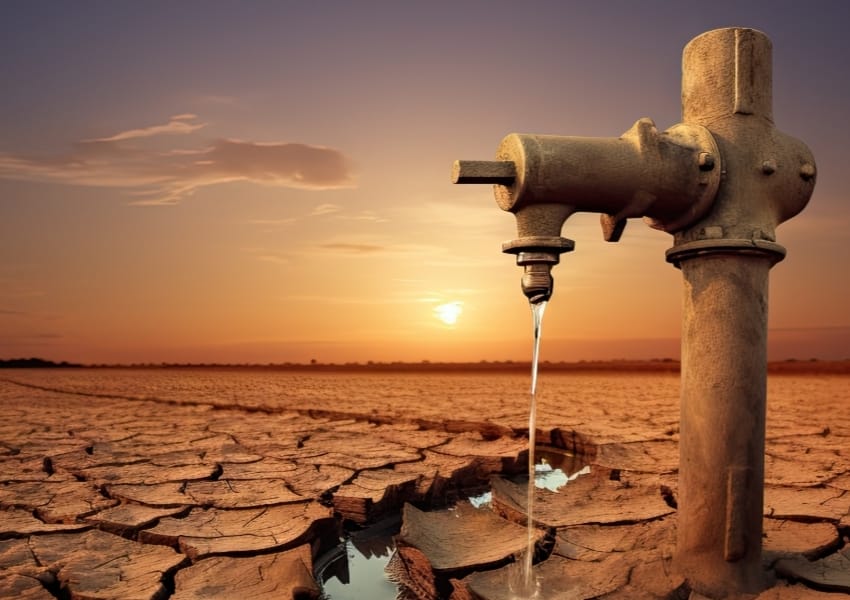
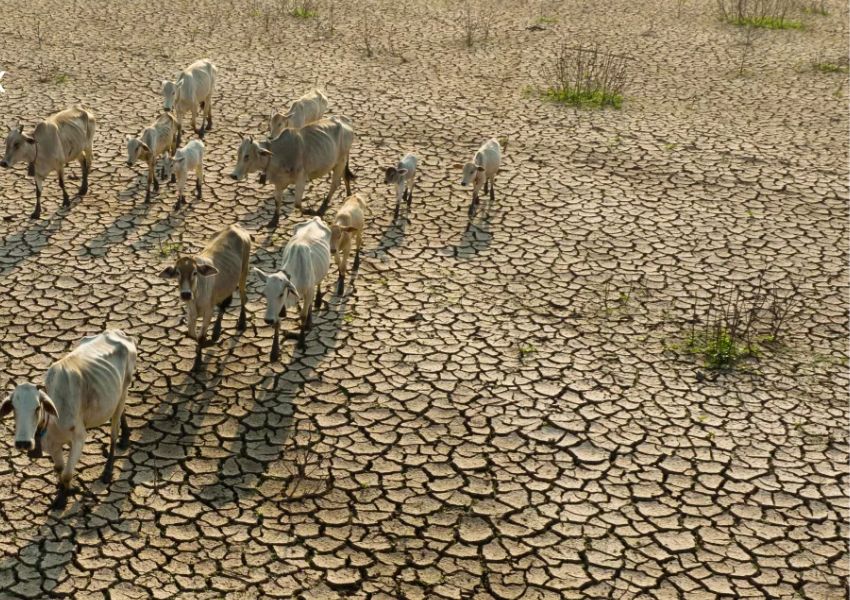
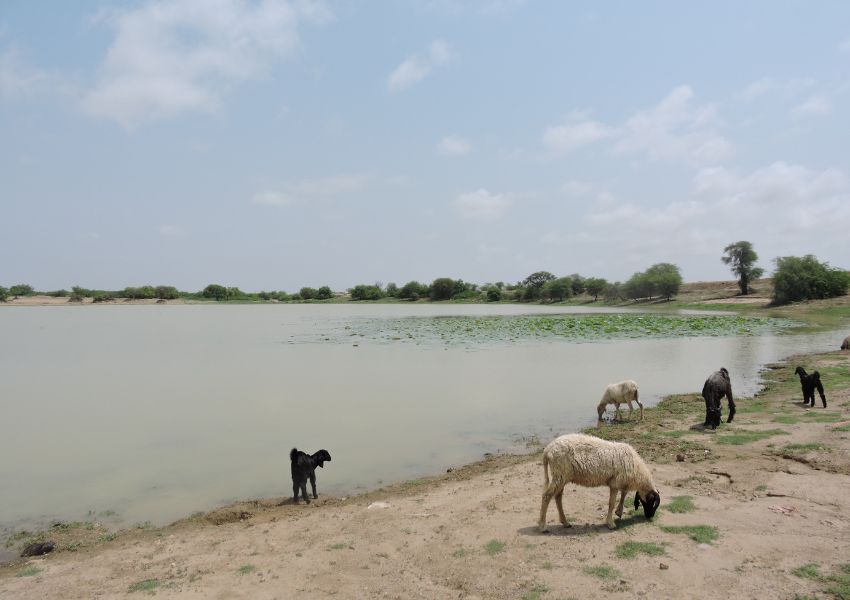
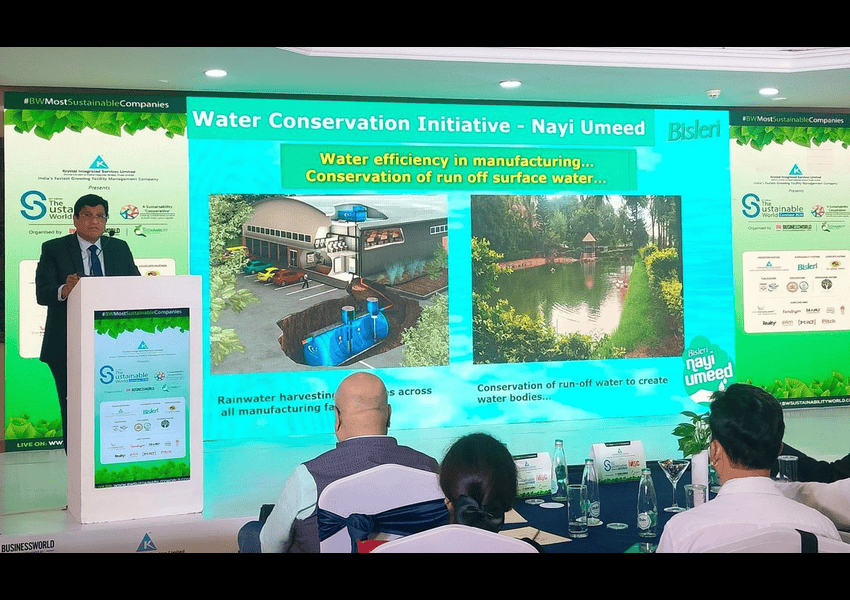
In parts of India, water scarcity directly affects agriculture, communities, and industrial operations. Internal plant efficiency and reduced consumption are necessary, but they do not address the larger issue of declining aquifers and seasonal water stress.
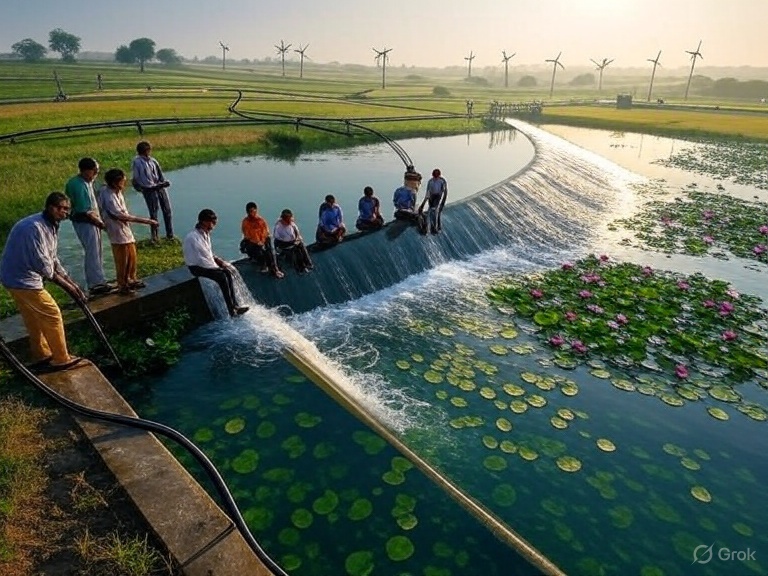
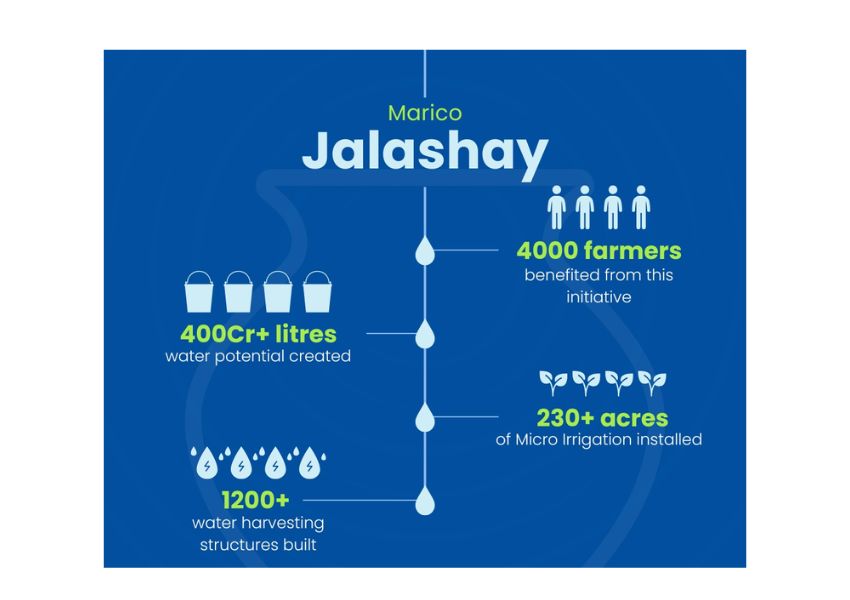
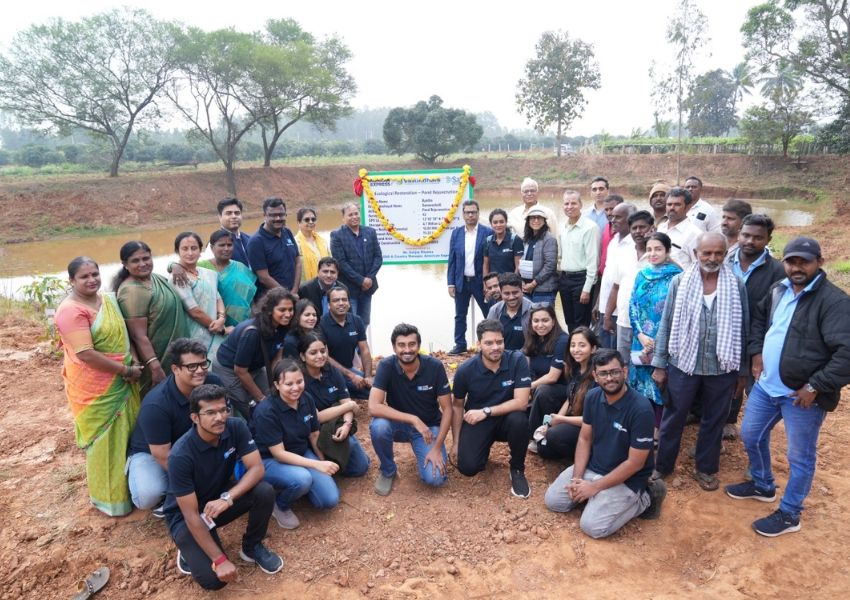
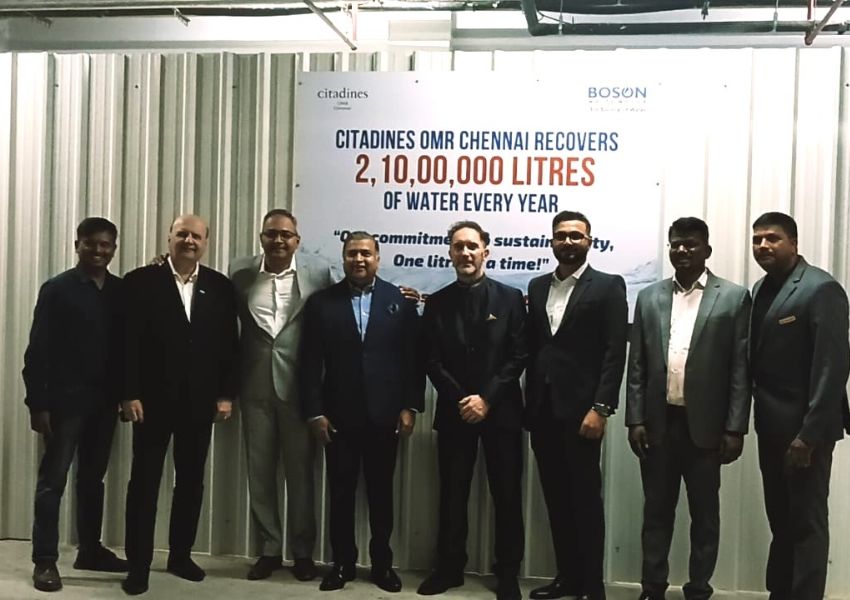
What matters is whether companies are contributing to improving water availability in the areas where they operate. This means investing in recharge and restoration and building long-term water security in partnership with local communities and institutions. Such work is slow and sometimes invisible, but it builds resilience in a way short-term fixes cannot.
In 2026, water stewardship along with sustainability add-on and more as a core business issue. Experts emphasize that nature-positive strategies must factor in the protection and restoration of vital resources in order to be credible and long-lasting.
Plastic Circularity Is About People As Much As Systems
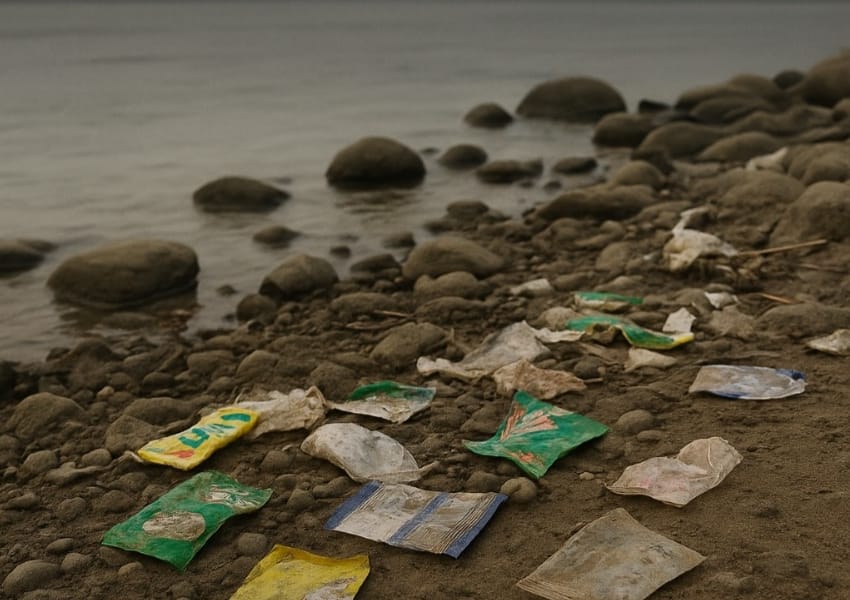
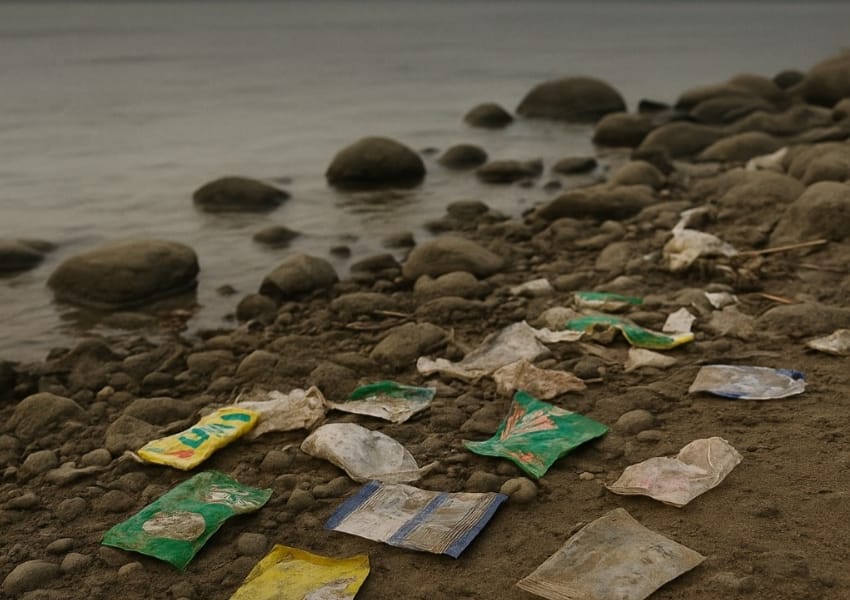
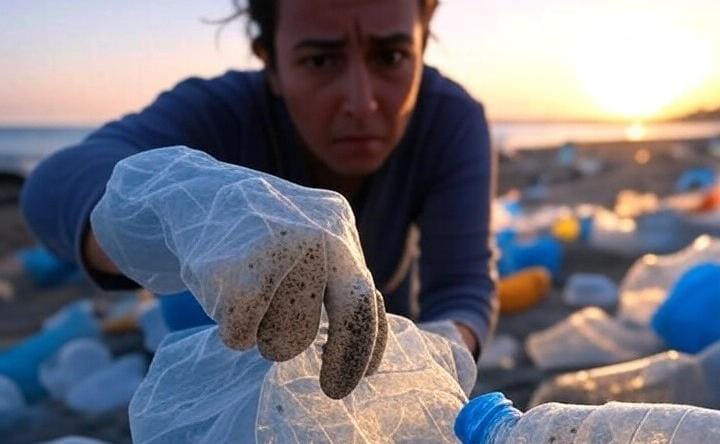
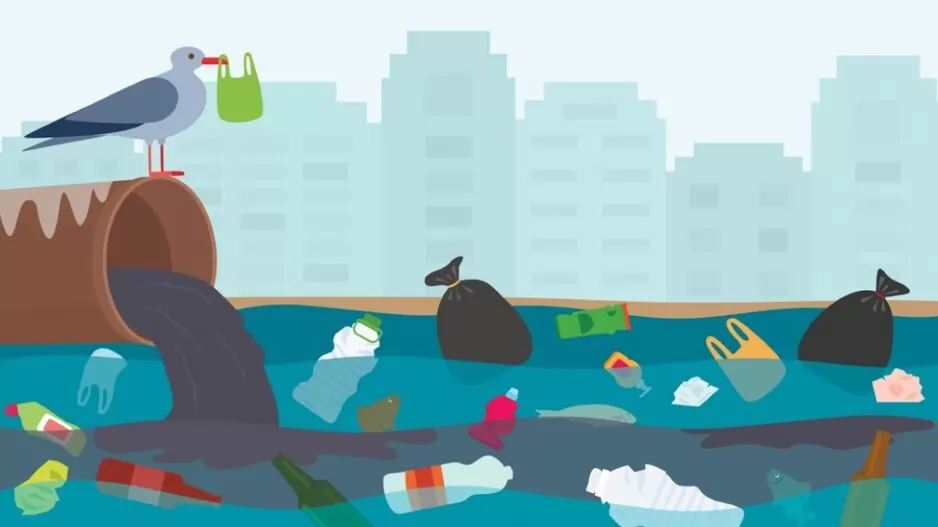
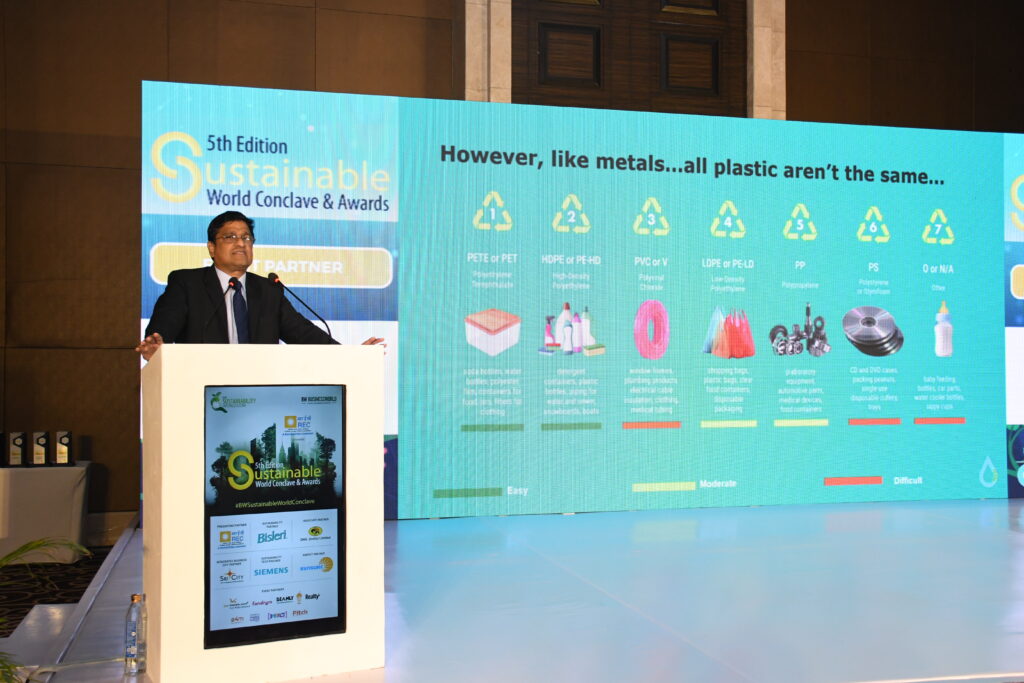
Plastic waste remains a visible global environmental challenge. While single-use plastics are banned, the management of recyclable plastics such as PET is also necessary to tackle pollution.
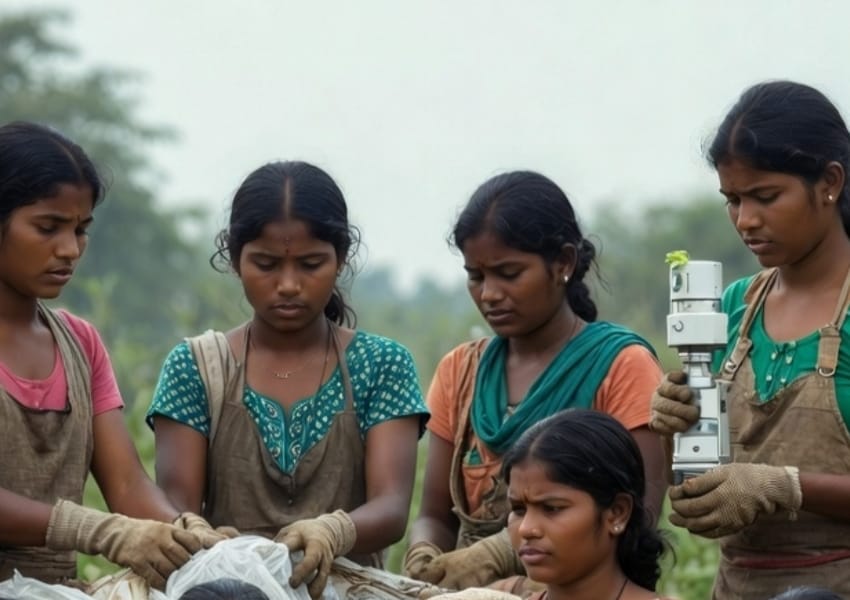
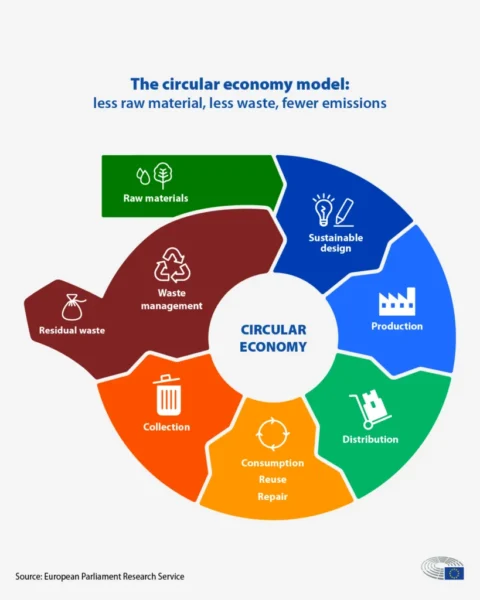
Nature-positive action in this space means building systems that work on the ground. It means working with citizens, waste workers, local bodies, and institutions to make segregation possible, and recycling viable. It also means recognizing that and behavioral change takes time and trust.
When recycled materials return to communities as fabric, benches, furniture, or everyday products, the narrative shifts. People can see the outcome of their effort. Waste stops being invisible. Its value becomes tangible. These small, practical results often matter more to people’s behavior than campaigns or broad messaging.
Leadership Will Be Judged Quietly
One of the most significant shifts expected by 2026 is the evaluation of leadership. Proclamations and objectives will hold less significance than steady and practical measures.
Nature-positive strategies do not always offer quick wins. They require patience, collaboration, and a willingness to navigate ambiguity. But this is where real change happens. Long-term, systemic resilience cannot be measured only through short-term metrics or one-off headlines. It is validated through progress, impact and target achievement. Many business schools and sustainability thought leaders now emphasize that organizations need to be “net-positive” i.e. doing better for the environment than harm.
Looking Ahead
As the sustainability conversation matures, Indian companies have an opportunity to lead in ways that reflect local realities. Moving beyond net-zero is not about ambition for its own sake. It is about recognizing that growth, resilience, and environmental responsibility are deeply connected.
By 2026, corporate leadership will be defined less by how targets are framed and focus more on by how resources and natural systems are managed, whether water tables are stabilized, whether waste is kept in circulation rather than landfills, and whether communities feel the benefits of shared water & environment stewardship.
Trust is the most valuable assets any business can have in a world where environmental limits are now evident. Only companies that focus on restoring ecosystems, strengthening communities, and thinking long-term will earn it.