





































































































































































































































































































































































































































































































































































































































































































































































































































































































Sustainability As Strategy: How ESG Is Rewriting Large-deal Economics


ESG has become a decisive factor in billion-dollar technology deals, reshaping RFPs, pricing, governance and competitive advantage across the global IT services market
By: Rohit Madhok, SVP & Global Head of Large Deals, Strategic Solutions & Transformation, Tech Mahindra
The billion-dollar technology deal has a new gatekeeper: sustainability. In 2025, Environmental, Social, and Governance (ESG) criteria are no longer a footnote in a proposal; they are a boardroom dealbreaker. We see this shift firsthand—as in many procurements ESG is now an explicit scored criterion and, in some RFPs, it can account for up to low double-digit percentage points of evaluation weight. This isn’t a future trend; it’s today’s reality. A recent European outsourcing deal worth over half a billion dollars was contingent on a “green IT clause” mandating 100 per cent renewable-powered data centres within three years. The conversation has moved beyond scale and security to a crucial third pillar: strategic sustainability.
This focus is creating new, quantifiable metrics for success. Consider these mini-case studies from recent large-scale transformations:
Application Modernization with “Green Code”: Green code is software engineered for maximum computational efficiency, reducing the energy, processing power, and storage required to perform a task. In application-modernization engagements, re-engineering a material portion of the legacy estate (for example ~30 % in some projects) has been shown in vendor and industry case studies to produce mid-teens reductions in cloud compute costs and CO₂ savings measured in the low hundreds of tonnes annually.
Data Center Transformation: In data-centre consolidation and optimisation programmes, clients increasingly mandate bidders to quantify annual CO₂ reductions. Independent and vendor case studies demonstrate that optimised cooling, AI-driven efficiency, and staged renewable procurement can deliver savings that range from the hundreds to low-thousands of tonnes of CO₂ per year, depending on scale and the legacy footprint.
Why This Shift? From Compliance To Competitive Edge
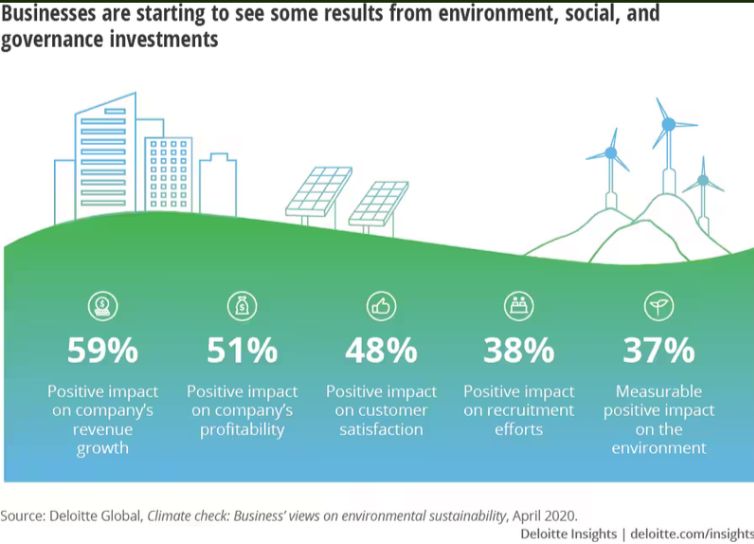
This isn’t just about regulatory pressure; it’s about shrewd deal economics. While mandates like Europe’s Corporate Sustainability Reporting Directive (CSRD) force enterprises to pass down compliance requirements across their vendor ecosystem, the real drivers are financial. Investors are rewarding top ESG performers with materially lower capital costs; empirical analyses show better ESG ratings are associated with lower cost of capital (often several dozen basis points on average in many studies, and in some markets/cases larger reductions have been observed.
Beyond compliance, ESG alignment is now a critical hedge against supply-chain disruptions and volatile energy prices, directly impacting operational margins. A partner’s ESG scorecard is no longer just a measure of corporate responsibility; it’s a direct factor in deal qualification, velocity, and long-term business resilience.
The New Deal Architecture: A Four-part ESG Framework
Sustainability is no longer an add-on — it is “baked in” to the architecture of large IT services contracts. We see a clear, four-step framework emerging for structuring these deals:
Design for Impact: Solutions are now architect around measurable sustainability goals from day one. This means low-carbon cloud migrations are evaluated not just on Total Cost of Ownership (TCO), but on “Carbon Cost of Ownership.” Data-centre SLAs increasingly request reporting on Power Usage Effectiveness (PUE) and renewable-energy share; leading operators regularly report campus-level PUE at or near ~1.1 and set high renewable-energy commitments via PPAs, although precise SLA targets vary by client and region.
Measure What Matters: Vague promises are being replaced by concrete KPIs embedded in Service Level Agreements. These include quantifiable targets such as achieving a 40 per cent reduction in IT-related emissions within five years or improving the circularity of hardware assets by 25 per cent.
Price for Performance: Innovative contracts now feature “sustainability-linked fee adjustments.” Financial instruments and vendor contracts increasingly include KPI-linked pricing. For example, margin step-ups/step-downs or bonuses/penalties tied to ESG performance; structures and levels differ by deal and by financing instrument.
Govern for Transparency: Governance extends beyond carbon. Social clauses mandate workforce reskilling for green jobs and the inclusion of diverse suppliers. Governance clauses require real-time ESG dashboards and transparent reporting aligned with global frameworks, ensuring accountability is built into the partnership.
The IT Services Edge
This shift challenges providers to evolve beyond being mere technology vendors. Clients are evaluating partners on their ability to deliver integrated digital and sustainable outcomes. This is where proprietary frameworks create a decisive advantage by embedding sustainability into the core of transformation. Providers that offer integrated ESG dashboards, measuring emissions reductions, diversity metrics, and governance compliance, are now clearly preferred.
The ROI Of Sustainability -A Strategic Advantage
The financial case for embedding ESG into large deals is undeniable. The benefits create a virtuous cycle of value:
· Cost Savings: Renewable-powered data centres, data-centre efficiency, and cloud/app optimisation including green-coding practices have produced double-digit reductions in energy and cloud bills in many vendor and industry case studies
· Access to Capital: Research shows stronger ESG profiles correlate with lower financing costs, empirical studies and market reports find average reductions of several dozen basis points in many contexts.
· Operational Efficiency: Tying ESG KPIs to contract terms can improve working capital, as performance bonuses and favourable payment terms are unlocked when shared sustainability goals are met.
A New Kind Of Leadership: Integrating Sustainability, Technology, And Outcomes
This shift is rewriting corporate governance models. Boards are establishing dedicated ESG committees that have veto power over large capital expenditures that don’t meet sustainability criteria. Deal desks now require an “ESG sign-off” alongside financial and legal approvals. CFOs are no longer just reporting on ESG; they are actively leveraging strong ESG performance to secure favourable financing, demonstrating a direct link between sustainable governance and the bottom line. This convergence makes it clear that business transformation and societal responsibility are inseparable.
The Road Ahead: From Differentiator To Default
As this trend accelerates, sustainability will no longer be a differentiator — it will be the baseline expectation. Advanced tools like AI-driven ESG risk modelling and blockchain-enabled ethical sourcing are already shaping the next wave of contracts.
The direction of travel is clear. Organizations that lead this change will not only win more deals but will set the business standards for the next decade. Those who lag will find themselves excluded from the conversations that matter.
Your Next 12 Months: An Action Plan
To stay competitive, enterprises must act now:
Audit Your RFPs: Mandate that at least a meaningful portion of the scoring criteria in all major technology bids be tied to specific, measurable ESG outcomes. Many procurement guides now advise embedding ESG as a scored category, with the exact weight determined by sector and strategic priorities.
Demand Integrated Dashboards: Require potential partners to provide real-time, transparent dashboards for tracking progress against ESG KPIs.
Train Your Deal Teams: Equip your procurement, finance, and technology teams with the knowledge to evaluate ESG proposals as rigorously as they assess technical and financial ones.
The message is clear: If your next multi-million-dollar RFP has zero ESG-linked KPIs, you are not only behind the curve, you risk forgoing the measurable cost and financing advantages that ESG-enabled bidders can deliver, and you may find yourself less competitive in score-driven procurements that now factor sustainability into evaluations.
Disclaimer: The views expressed in this article are those of the author and do not necessarily reflect the views of the publication.