





















































































































































































































































































































































































































































































































































































































































































































































































Climate Competence At Board Level: Governance To Deal With The Raging Rhino


Boardroom climate empathy without competence risks business continuity, asset value and survival, as Indian companies face climate change not as a moral concern but a core strategic risk
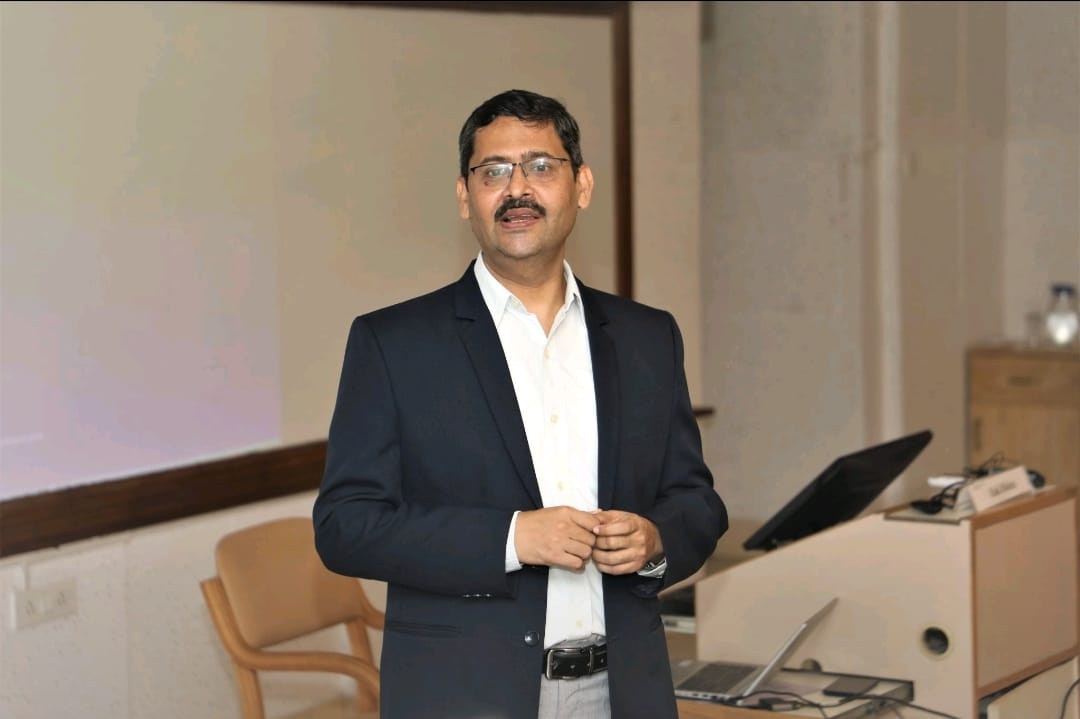
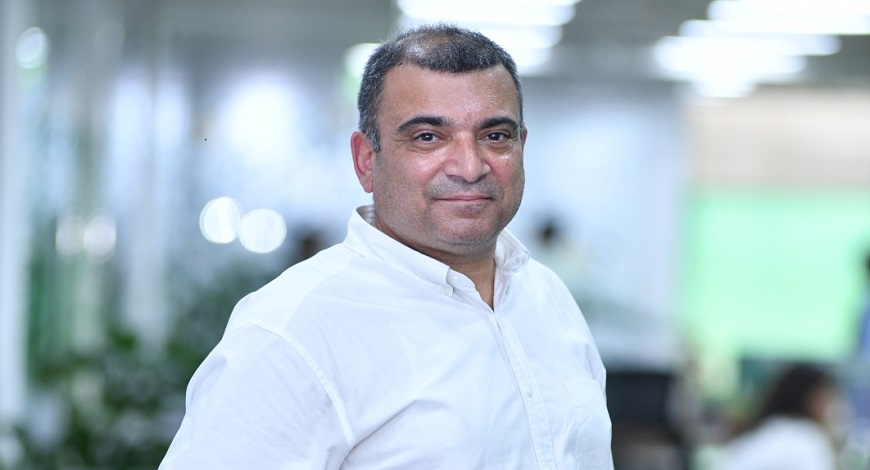
By: Santhosh Jayaram, Adjunct Professor of Practice, Amrita School for Sustainable Futures
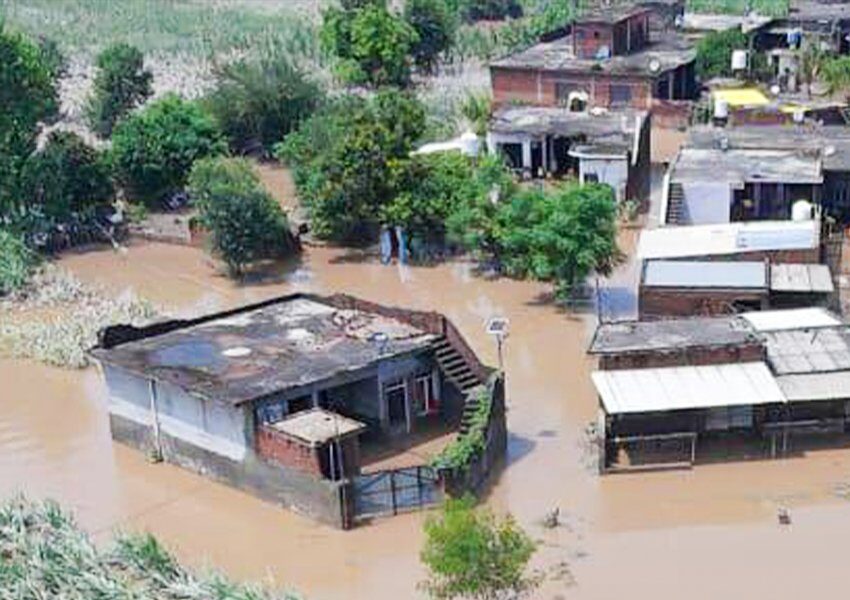
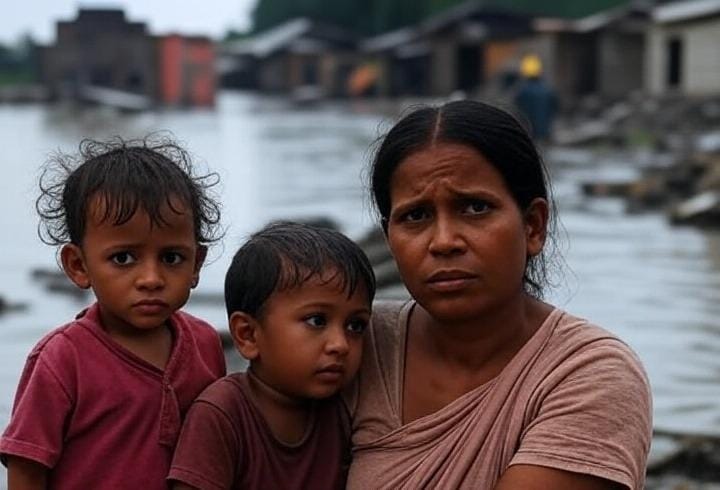
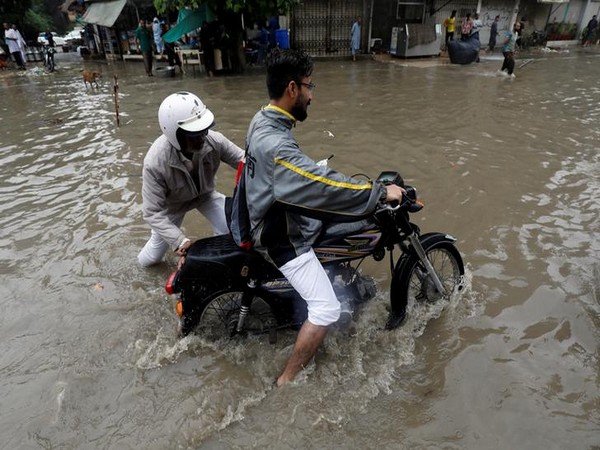
Boards today speak about climate change with remarkable empathy. They feel bad about melting glaciers. They express concern for farmers, forests, and future generations. They nod gravely at photographs of floods and heatwaves.
Then, it is business as usual.
This is not leadership. It is sympathy without accountability. The underlying assumption is dangerous: that climate change is a moral issue, not a material one.
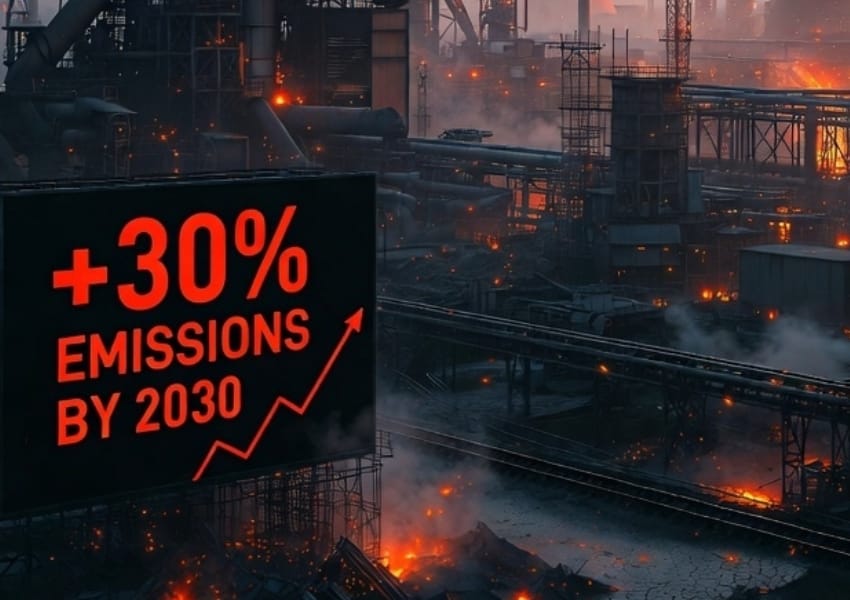
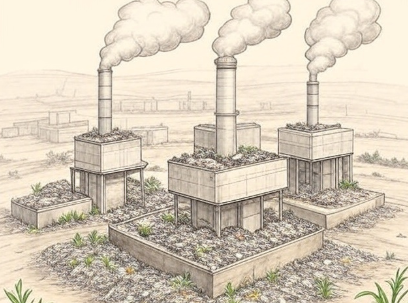
Boards go about framing climate change just like the broader environmental response of protecting nature. That framing is not just naïve, but strategically fatal. Climate change is about business continuity, asset viability, and survival. And it is not sneaking up on us. It is a raging rhino, visible, unstoppable, and charging straight at the foundations of the economy.
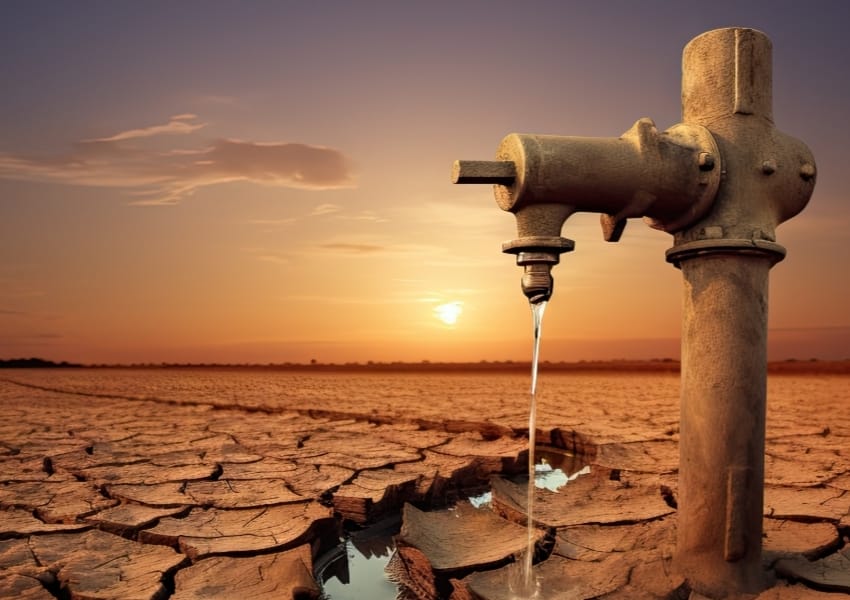
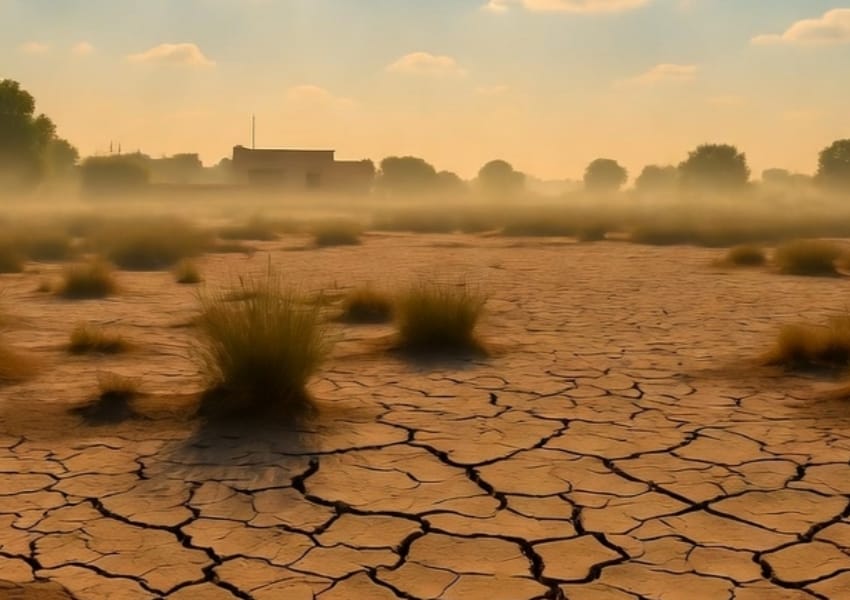
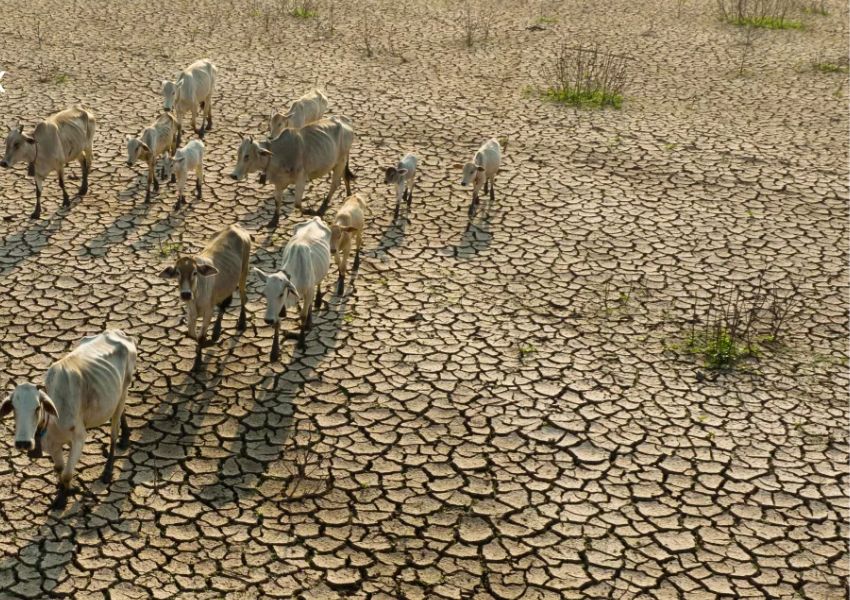
Especially for Indian businesses, climate change is a strategic constraint. India sits at the intersection of extreme climate vulnerability and aggressive economic ambition. Heat stress, water scarcity, erratic monsoons, coastal risk, floods and droughts are no longer future projections; they are active constraints on productivity, infrastructure, labour health, and supply chains.
Yet many boards still speak of climate change as if it were a humanitarian issue external to the firm, something to be acknowledged, sympathised with, and delegated to sustainability or CSR teams.
This is a profound misreading of reality. Climate change will not just “impact society” and politely stop at the factory gate. It will:
· disrupt logistics and raw material availability,
· increase energy volatility and cooling costs,
· erode workforce productivity through heat stress,
· impair asset life and infrastructure reliability,
· and reshape regulation, insurance, and capital flows.
Every sector will be affected. There are no exemptions. The raging rhino does not discriminate between sectors, intentions, or sentiments. The impact depends on your preparedness.
Empathy Isn’t Governance
Climate empathy and emissions reporting have become proxies for action in many boardrooms. Empathy without competence is the most expensive form of governance failure. Most boards have mistaken emotional alignment for governance readiness. Feeling bad about climate change has become a substitute for understanding it. As if acknowledging the problem absolves the board of responsibility for anticipating its consequences.
Even as boards expand their risk lens to include geopolitical uncertainty, they remain anchored to familiar categories like financial risk, legal compliance, competitive positioning etc., and uncomfortable confronting climate as a systemic business risk. Because it does not fit neatly into quarterly dashboards or traditional risk metrices.
There is also an unspoken arrogance at play. That boards feel that they can oversee climate risk without actually understanding it. This would be unthinkable for finance or law, yet entirely acceptable for climate, the single largest systemic risk businesses face.
There is also the fashionable insistence on framing climate change primarily as an opportunity. Boards are repeatedly told that climate risk is an “opportunity”, a chance to innovate and win. While this is not entirely false, it is dangerously incomplete. Opportunity language, when overused, becomes a sedative. It allows boards to skip the hard work of risk recognition and jump straight to optimism. Not every company will find opportunity; many will first encounter loss, disruption, and forced adaptation. For some sectors and geographies, climate change will destroy value long before it creates any. Treating climate risk as an opportunity by default is like calling an earthquake a real-estate prospect. Boards that rush to opportunity narratives without first confronting exposure, vulnerability, and downside risk are not being visionary; they are being evasive.
From Concern To Capability
Climate competence at board level is not about becoming environmental advocates. It is about fulfilling fiduciary responsibility in a world that has already changed. Directors are legally and ethically responsible for the long-term viability of the organisations they govern. Ignorance of climate risk is no longer defensible. The information is available. The impacts are visible. The warning signs are everywhere. Unpreparedness is not a defensible position when a raging rhino is in plain sight.
To govern competently in the age of climate disruption, boards must shift from feeling concerned to being capable. This requires uncomfortable moves. First, boards must accept that climate change is a core strategic risk, not a reputational side issue. If it can disrupt revenue, assets, supply chains, labour, or capital access, it belongs at the centre of governance. Second, boards must build climate literacy, not rely on filtered summaries. Directors do not need to be scientists, but they must understand physical risks, transition risks, and their sector-specific implications well enough to challenge management intelligently. Third, climate must be embedded into capital allocation and long-term planning. If boards approve investments without climate stress-testing, they are approving potential stranded assets. Fourth, boards must confront their own comfort with ambiguity. Climate change does not offer neat answers. It demands scenario thinking, humility, and curiosity, qualities often undervalued in traditional board cultures. Above all, boards must abandon the illusion that feeling bad is enough. History will not judge boards on their empathy. It will judge them on whether they acted while there was still room to manoeuvre.
The future will arrive – heated, volatile, and unforgiving, whether boards are ready or not. And when it does, they will be asked ask why they saw it coming and chose to stand still.
Disclaimer: The views expressed in this article are those of the author and do not necessarily reflect the views of the publication.