











































































































































































































































































































































































































































































































































































































































Women At the Centre of India’s Green Economy: How 2026 Will Redefine Workforce Participation


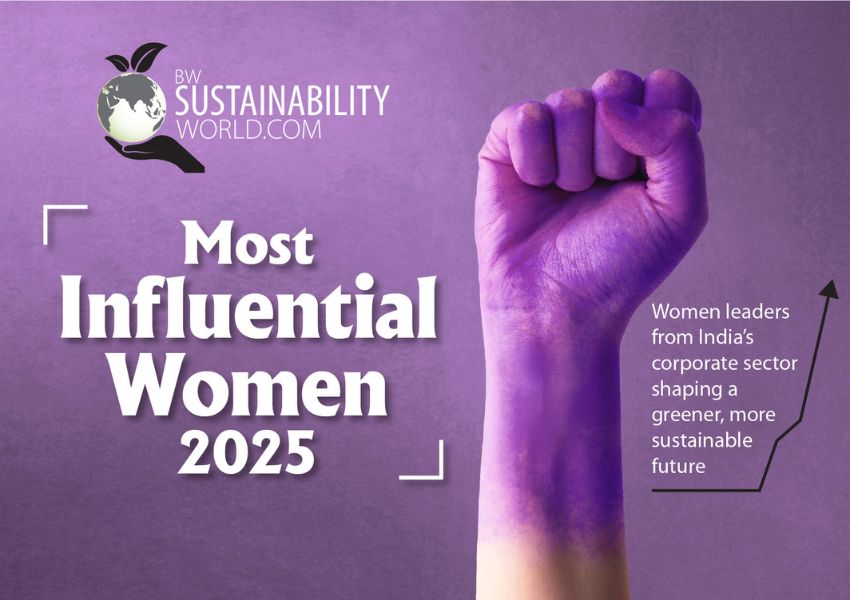
Women’s leadership is becoming central to India’s green transition, shaping talent, technology and the long-term economics of sustainable growth
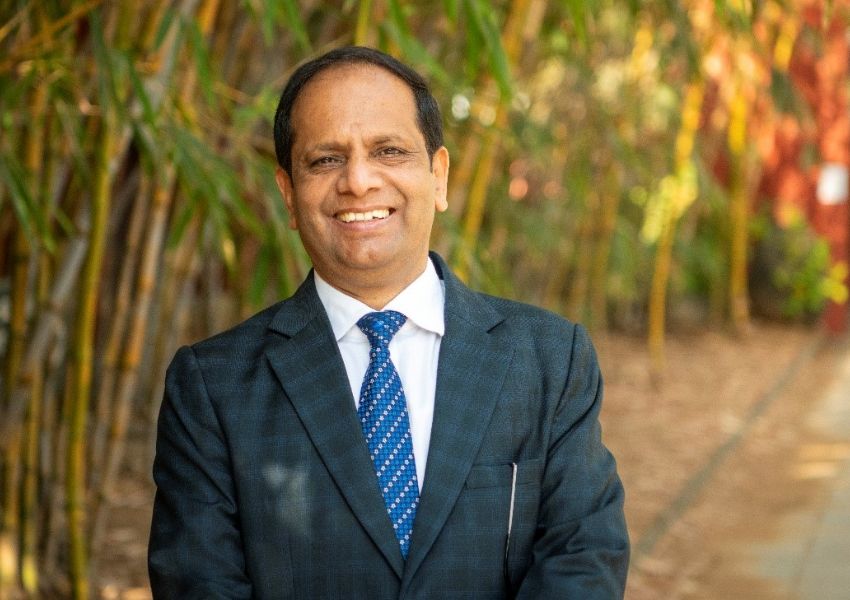
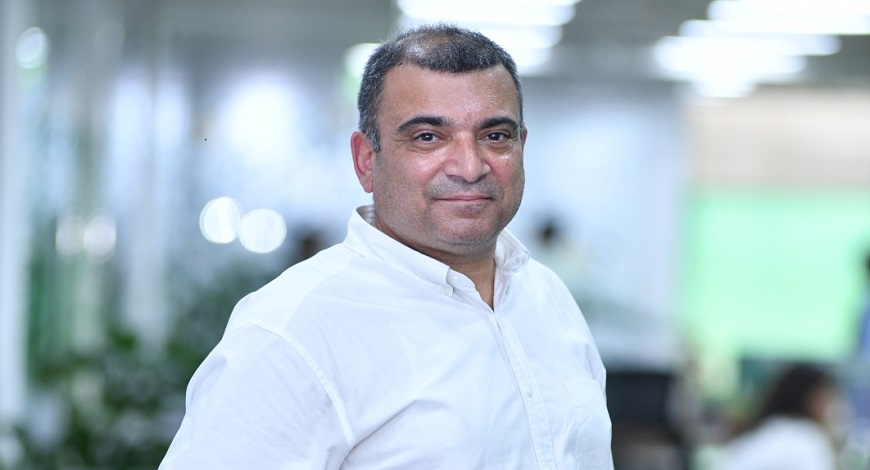
By: Chitra Byregowda, Senior Vice President and Head of Environmental, Social and Governance, Persistent Systems
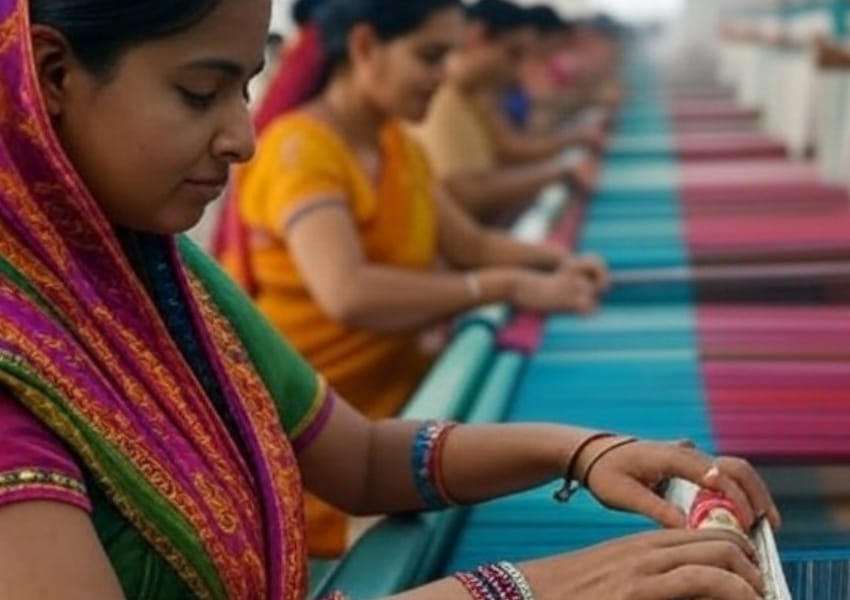
The year 2025 marked a decisive acceleration in India’s sustainability journey. Across industries, the transition to a low-carbon economy has moved from ambition to execution, anchored in renewable energy expansion, digital innovation and strong ESG governance. At the heart of this transformation stand women who are redefining the contours of sustainable growth. From policy design and finance to climate technology and circular value chains, women leaders are shaping a green economy that is both resilient and equitable. As someone deeply engaged in this journey, I am proud to be among the many women driving this change. The data affirms this momentum. According to industry reports, women account for 63 per cent of sustainability executives globally, with rising representation among Chief Sustainability Officers in leading corporations. In India, the Ministry of New and Renewable Energy (MNRE) reports a steady increase in women heading renewable-energy projects and sustainability initiatives.
India’s next phase of growth will depend on how effectively it embeds gender equity into the core of its green transition.
Breaking Barriers: Structural And Cultural Challenges
Despite clear progress, women’s representation across India’s green sectors remains limited. Industry reports show that women currently make up around 11 per cent of the renewable-energy workforce, compared with a global average of 32 per cent. The reasons are structural, ranging from uneven access to STEM education to limited mobility and safety in field roles.
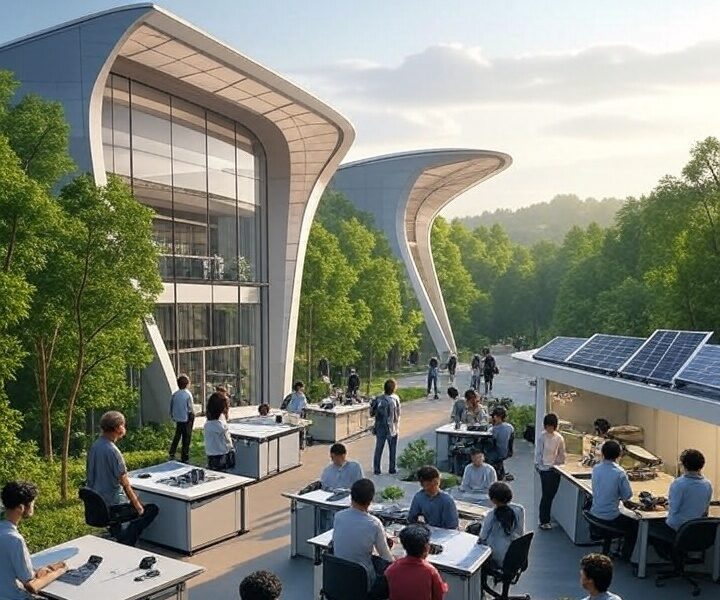
The response to these barriers, however, is gaining strength. Enterprises are re-architecting their talent strategies to integrate gender diversity targets, mentorship frameworks and re-entry programmes. Importantly, the technology sector is playing a catalytic role by promoting STEM education, investing in infrastructure for underserved schools and offering scholarships that build a future-ready, inclusive talent pipeline. These measures go beyond compliance; they establish inclusion as a source of innovation advantage.
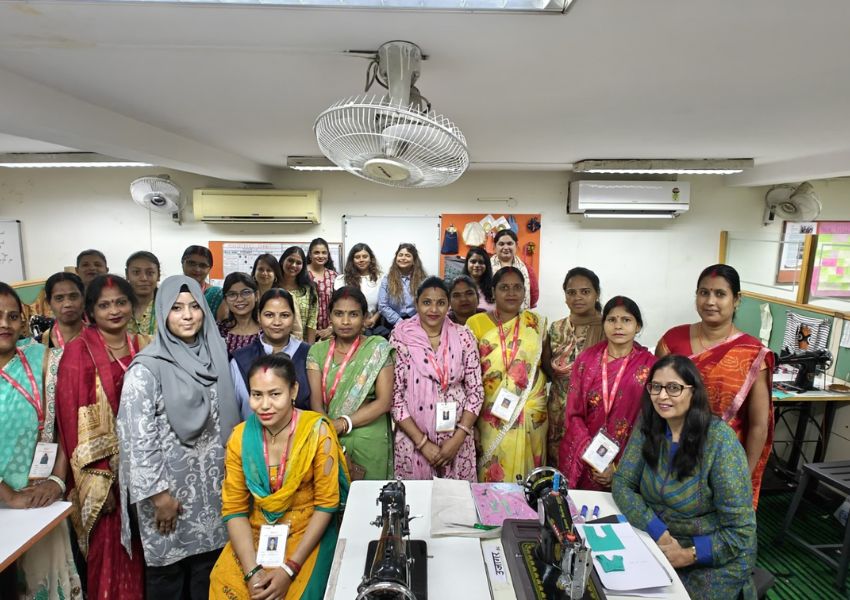
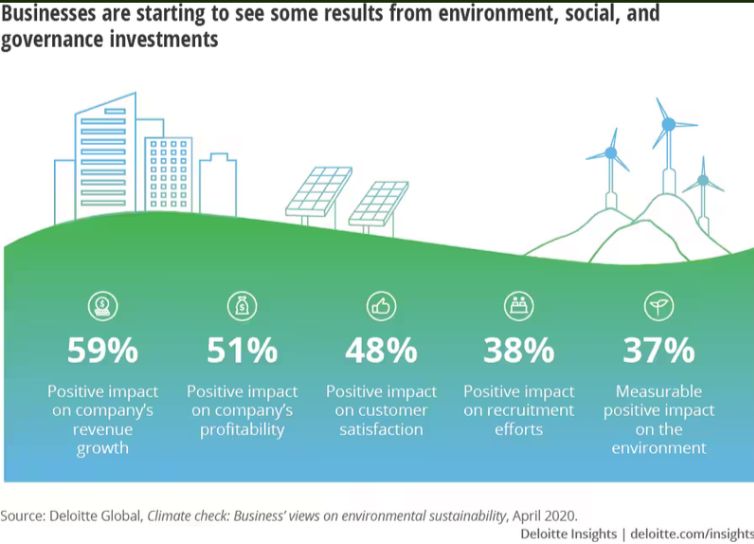
By creating transparent progression structures and investing in technical skilling, companies are enabling women to participate fully in high-growth domains such as solar engineering, waste-to-energy, ESG data reporting and assurance, and climate-finance analytics. This shift from awareness to accountability is already changing organizational DNA. Inclusion is no longer an adjunct; it is an essential lever of business and environmental performance.
Emerging Opportunities: Sectors Driving Women’s Inclusion
The green economy now spans a wide range of industries, each opening new possibilities for women’s participation.
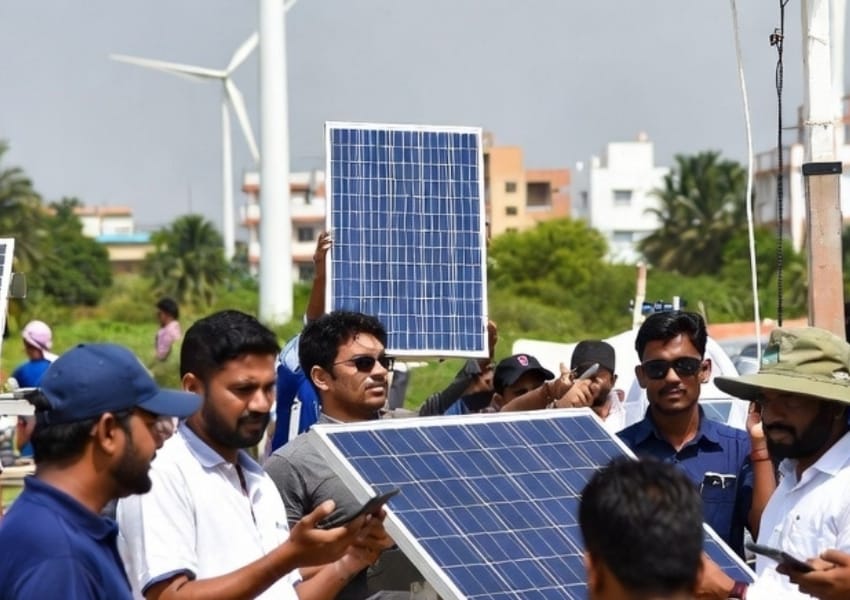
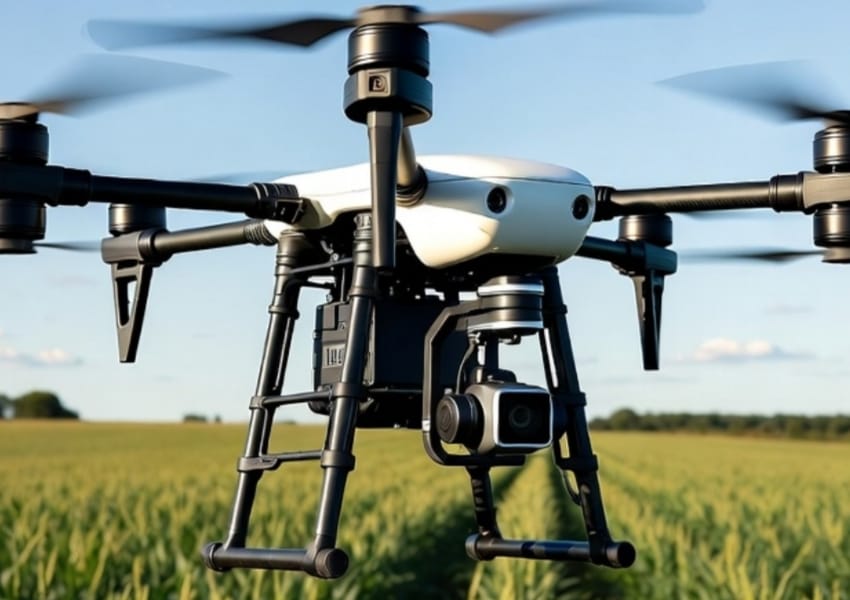
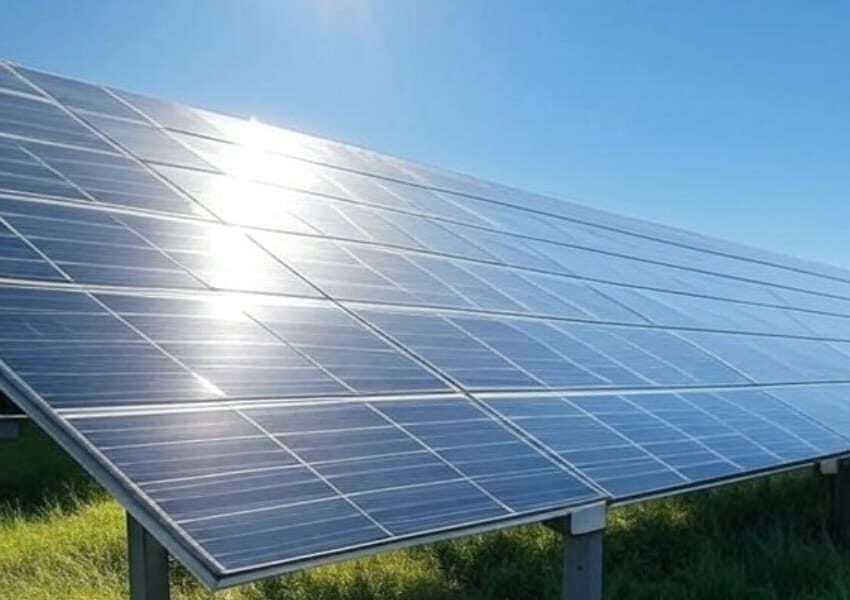
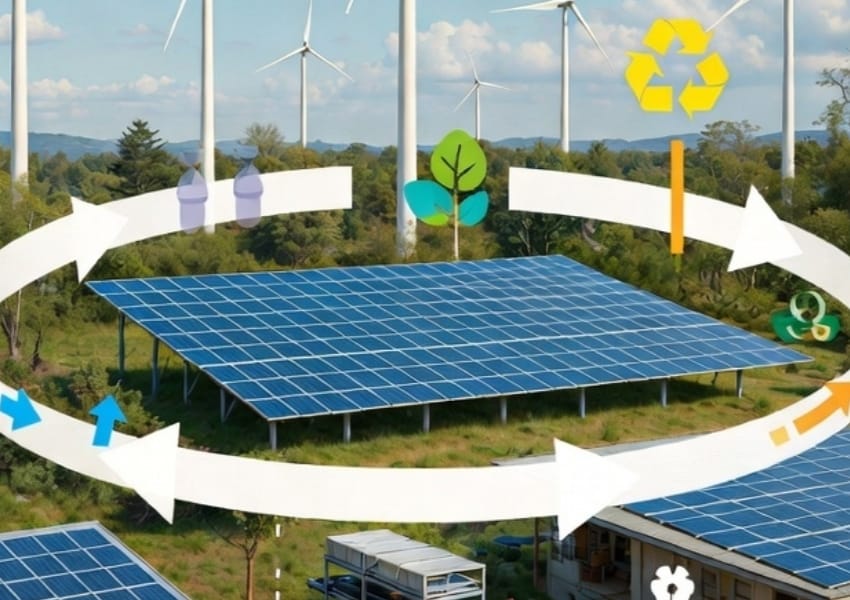
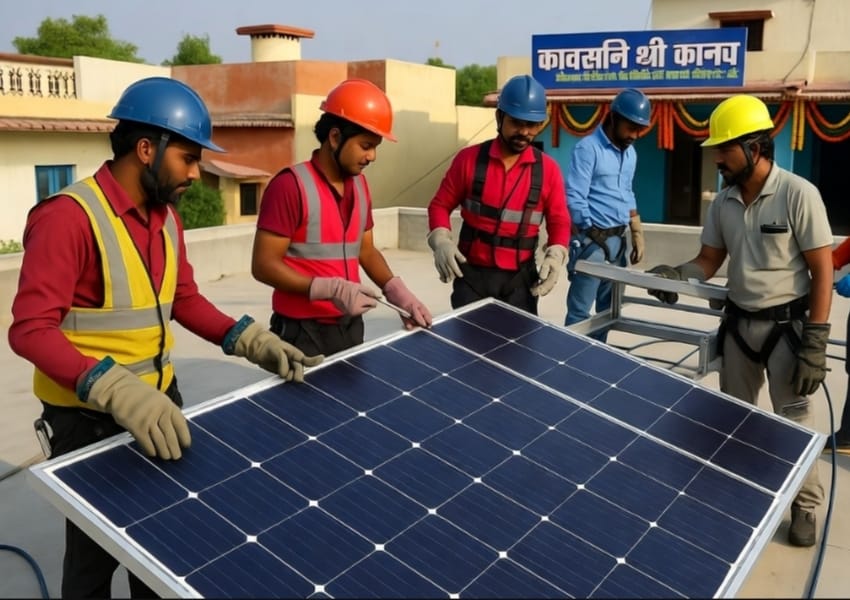
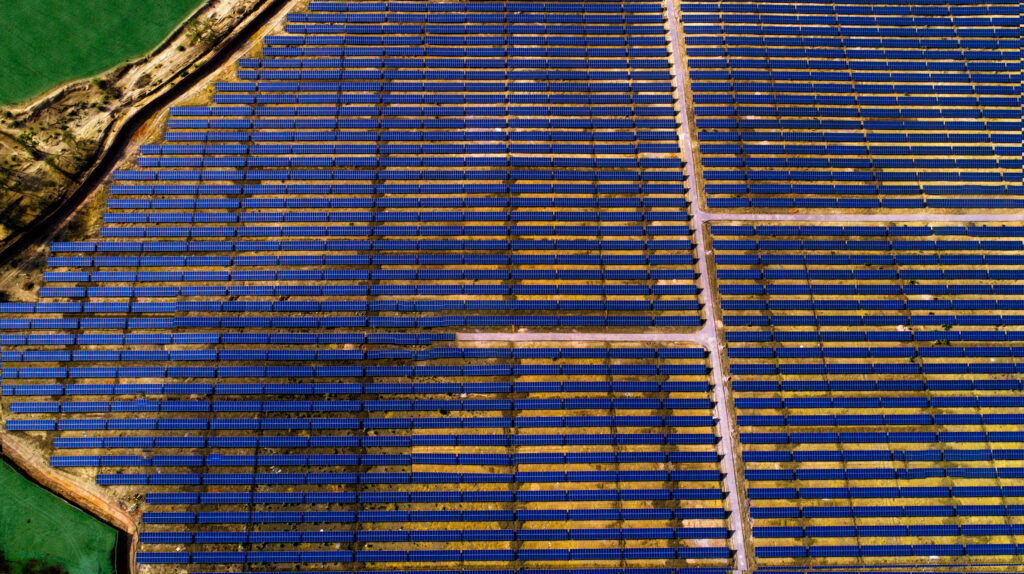
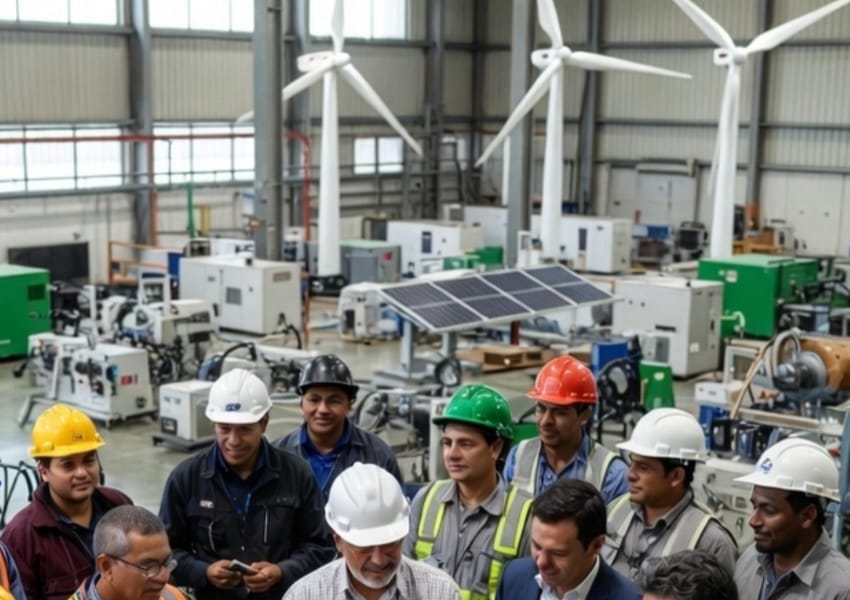
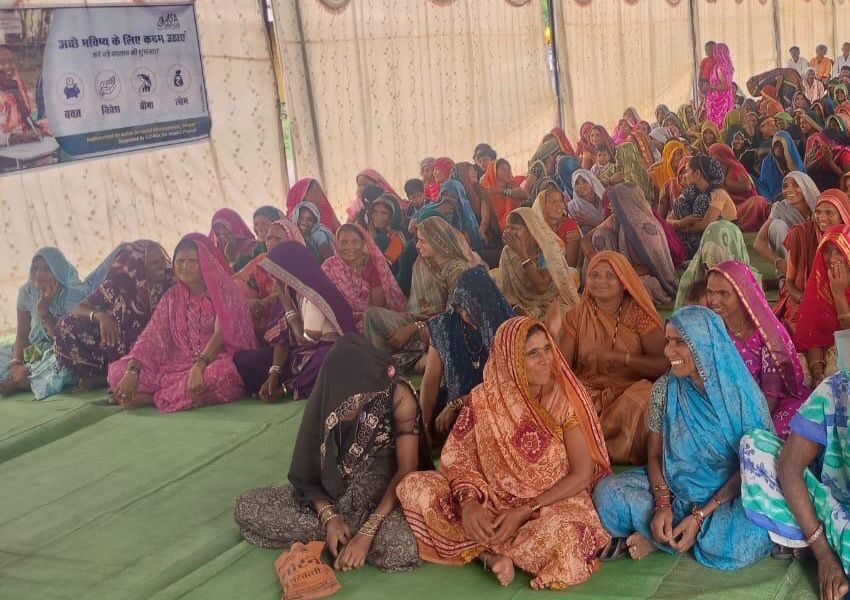
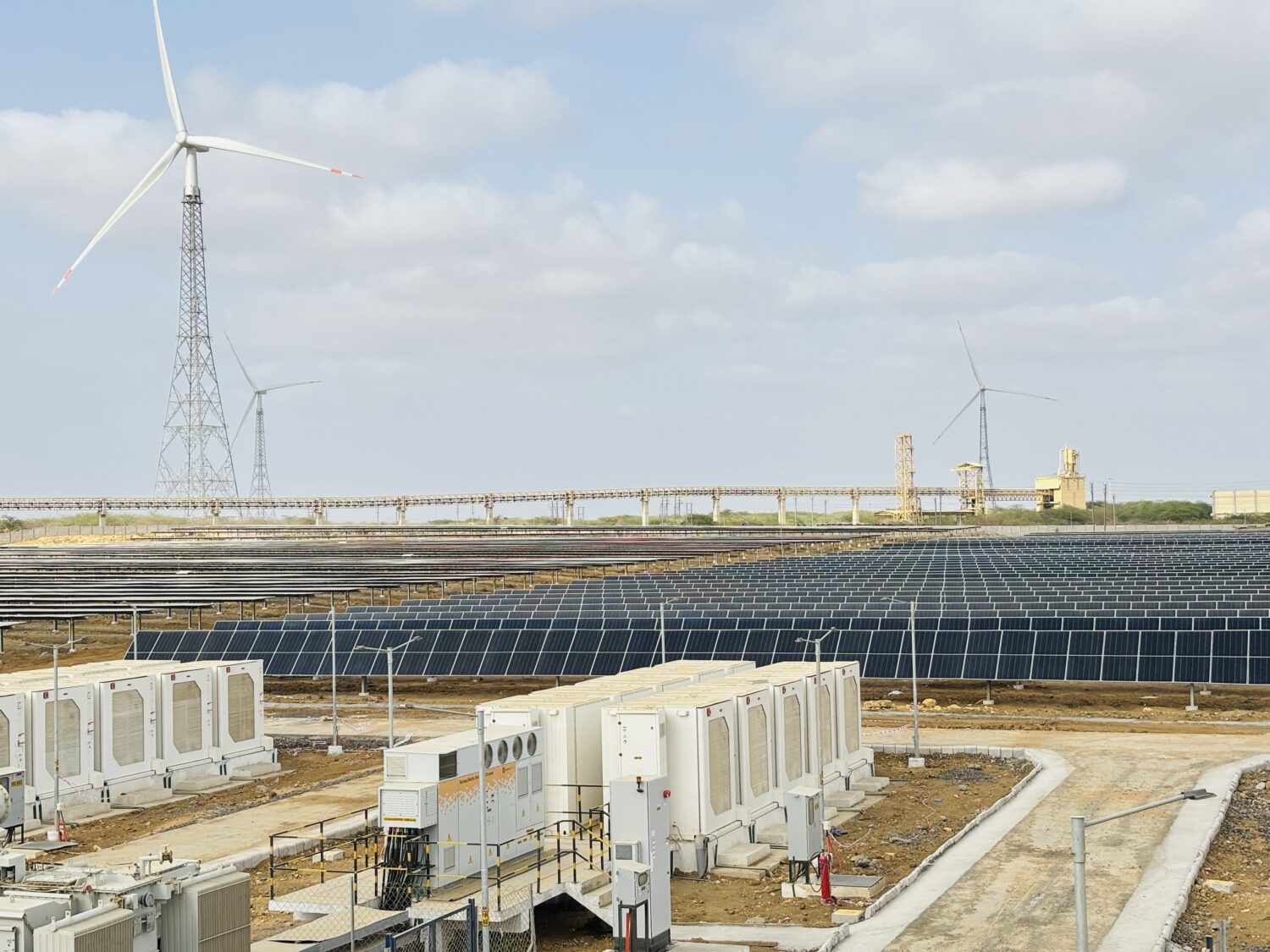
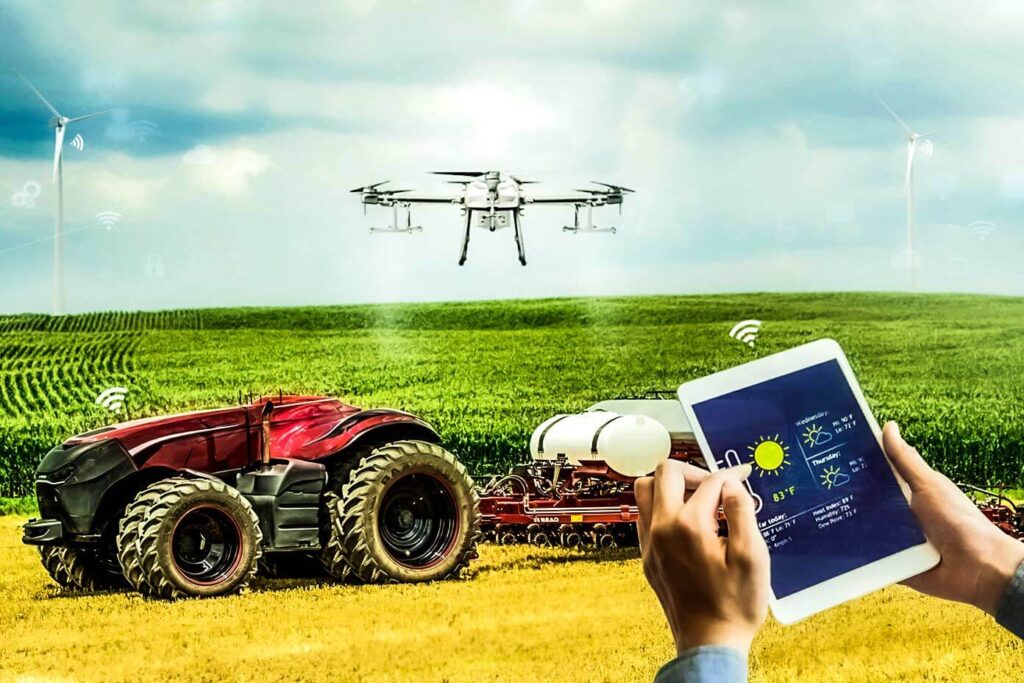
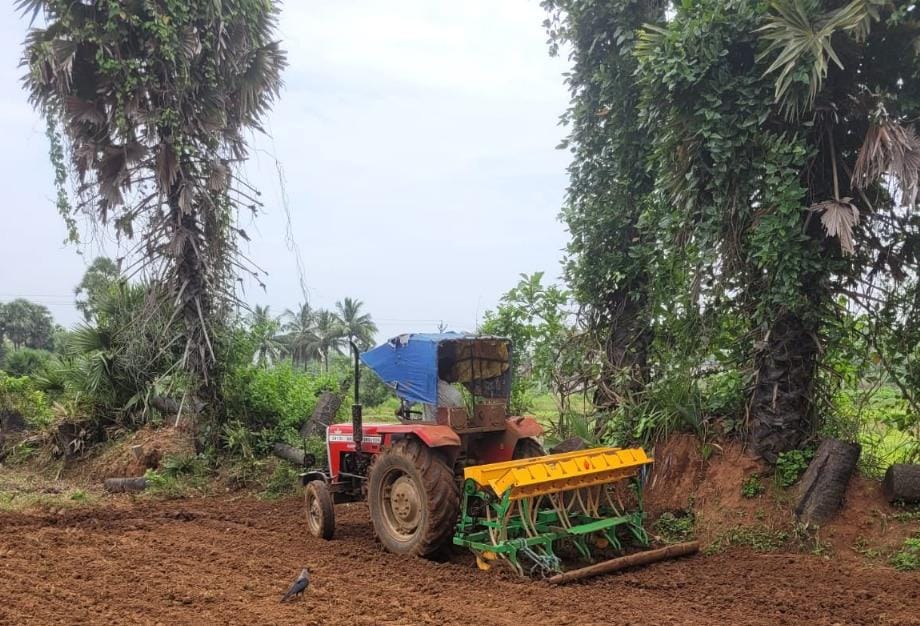
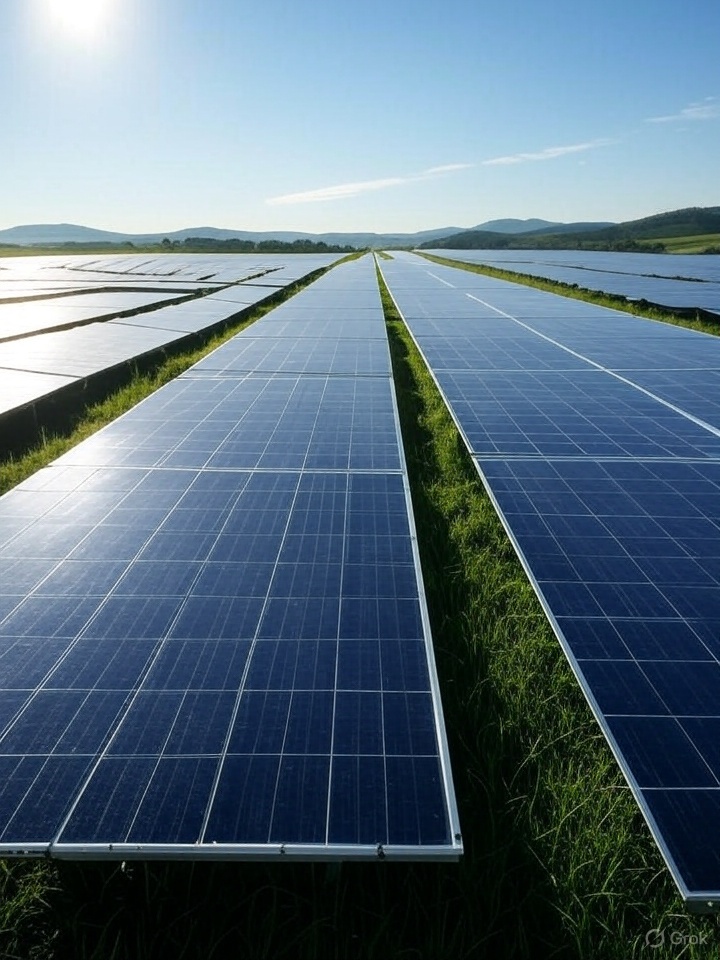
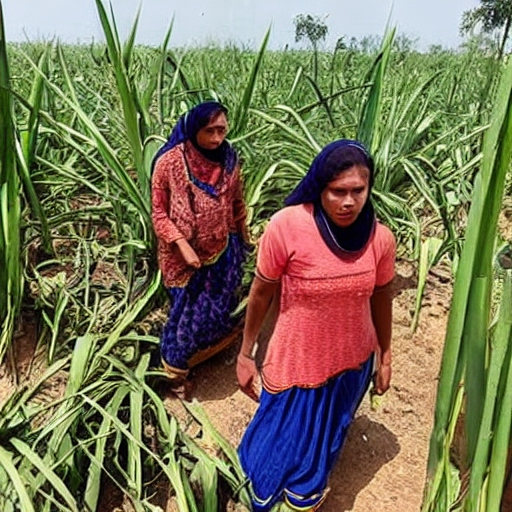
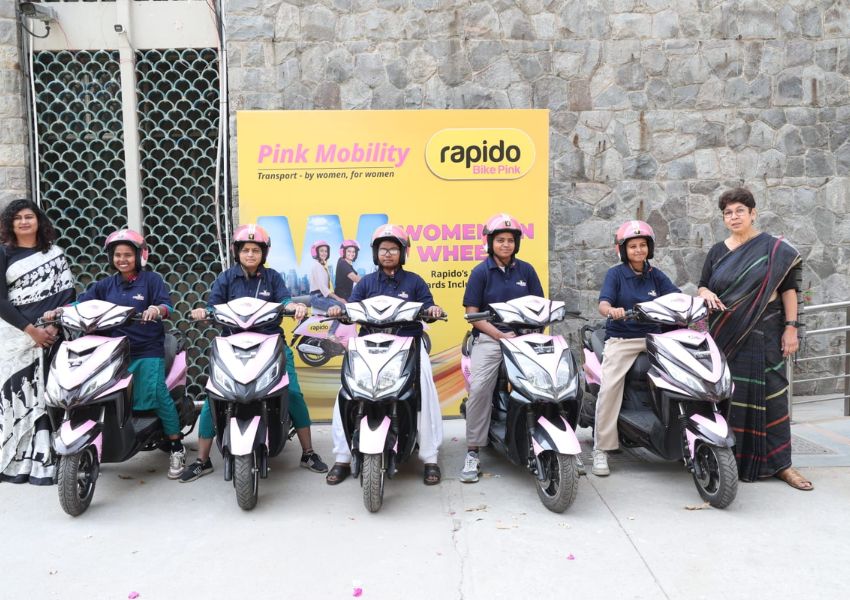
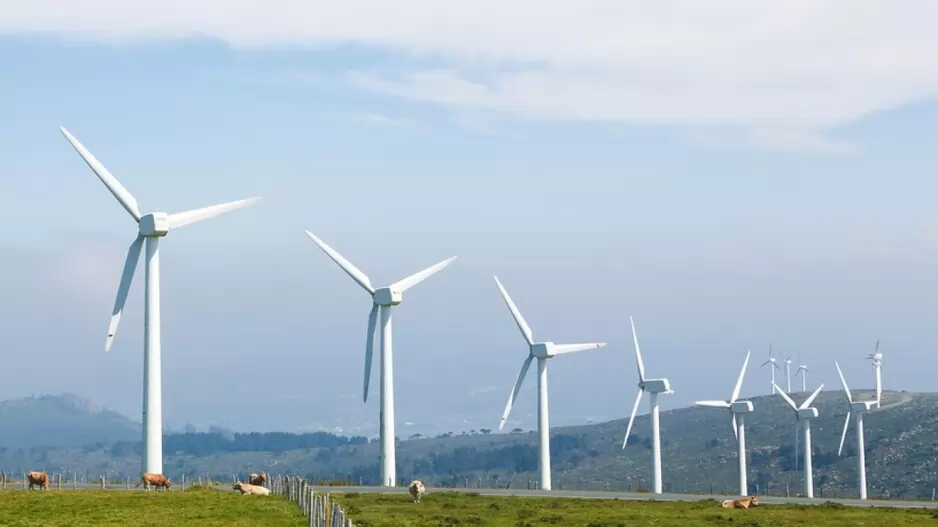
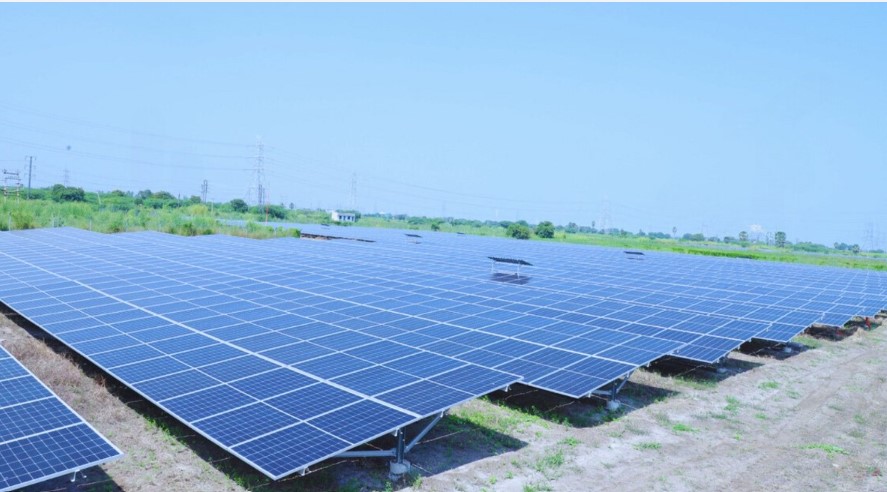
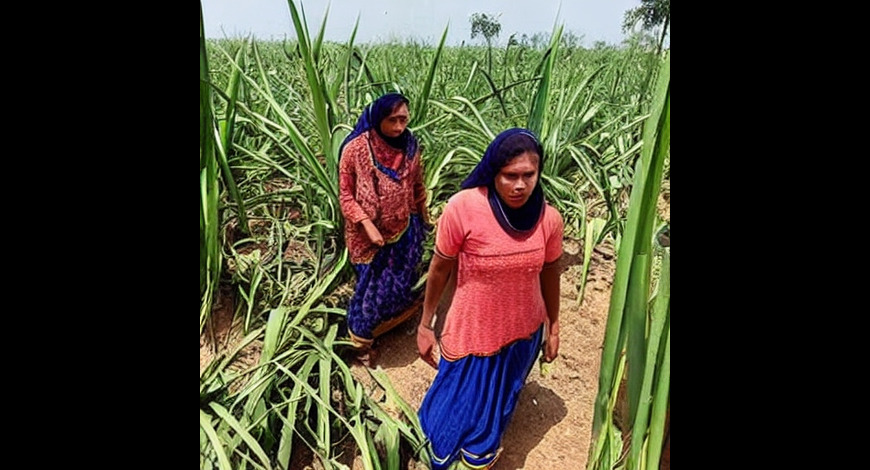
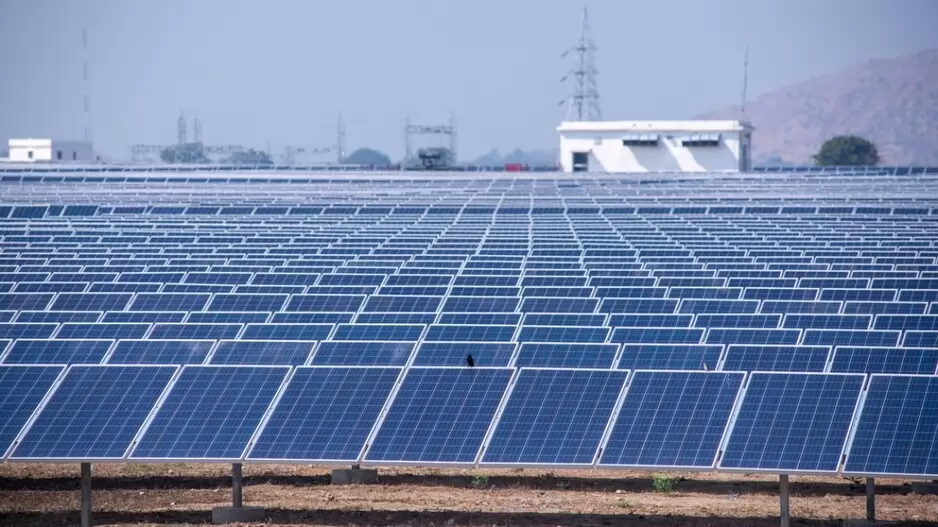
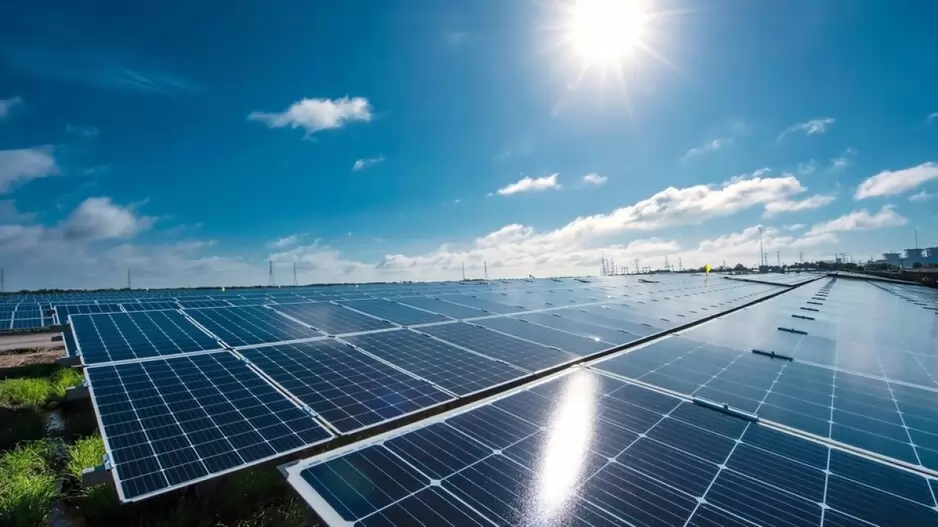
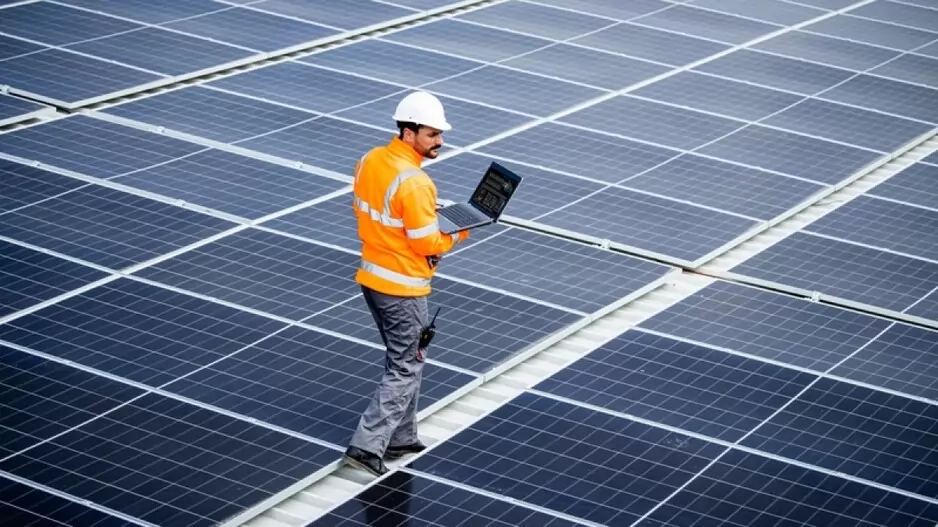
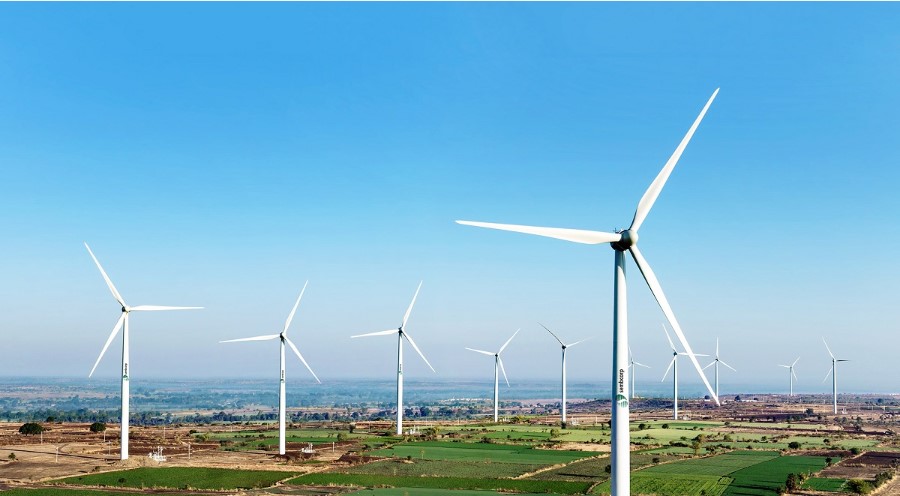
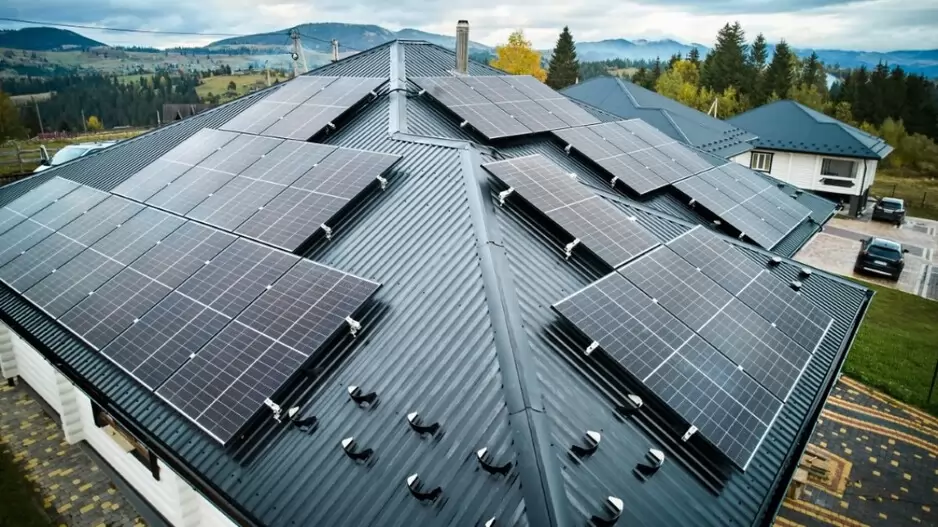
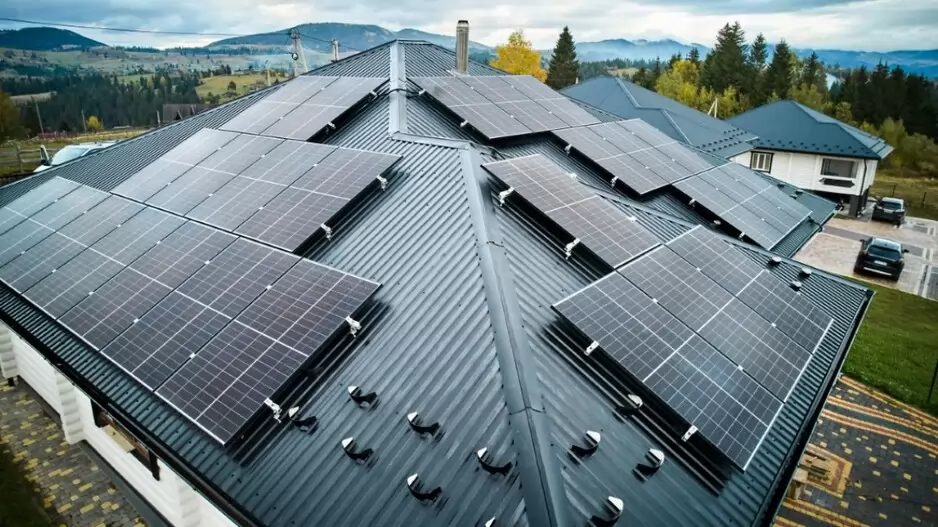
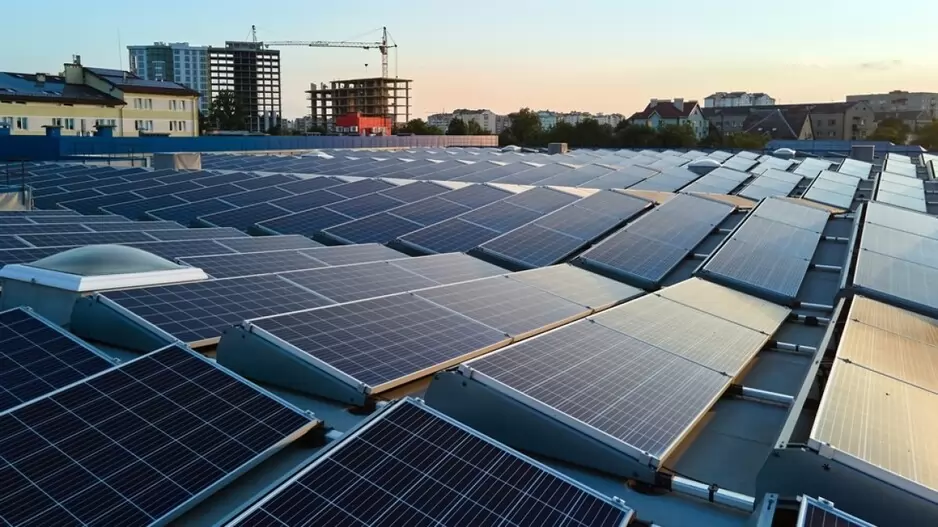
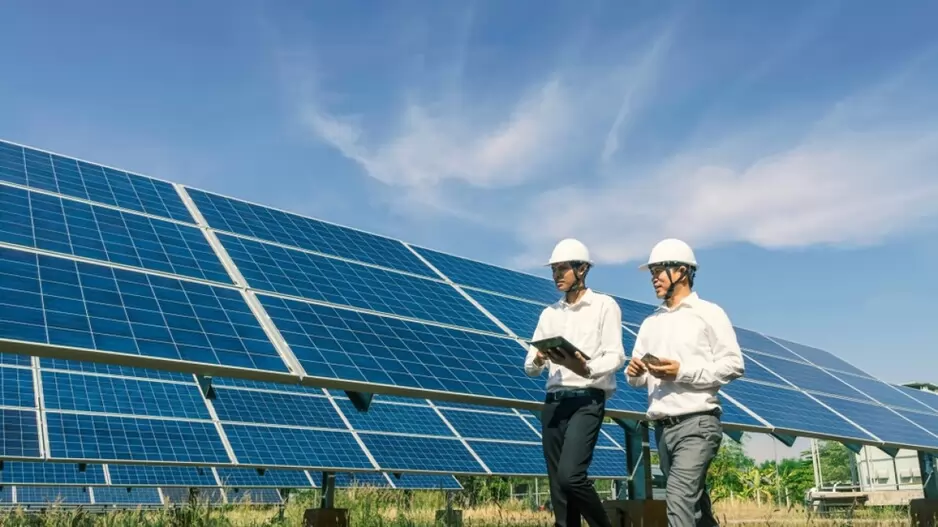
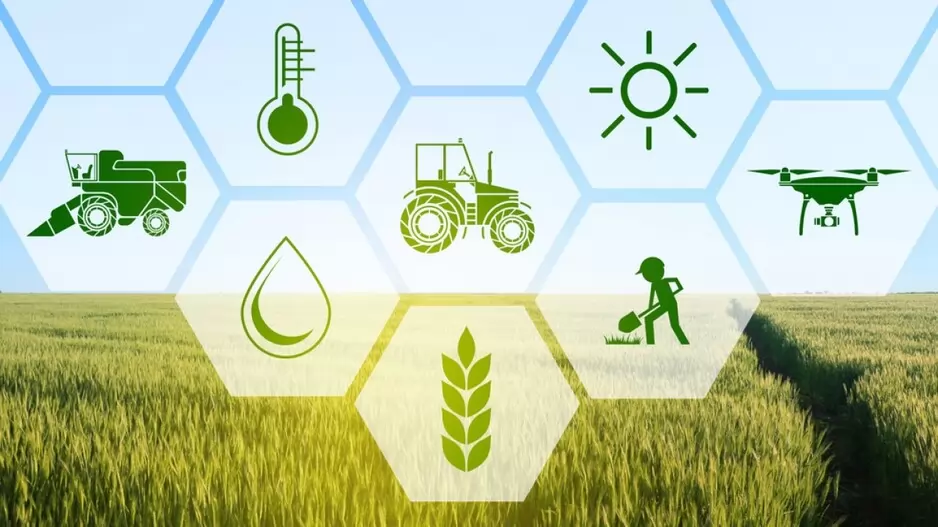
In clean energy, the rise of distributed solar and wind projects has created roles in design, project management and digital monitoring that align with women’s growing technical expertise. Programmes like Namo Drone Didi showcase how technology can empower women in precision agriculture, enhancing both productivity and sustainability outcomes.
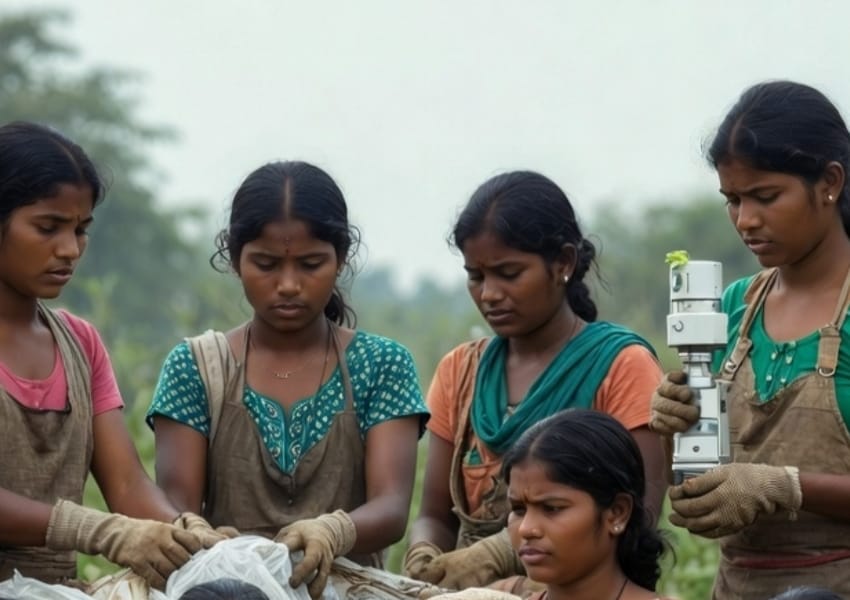
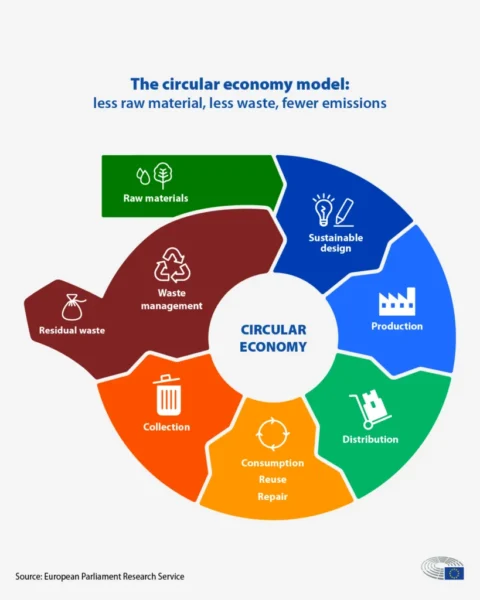
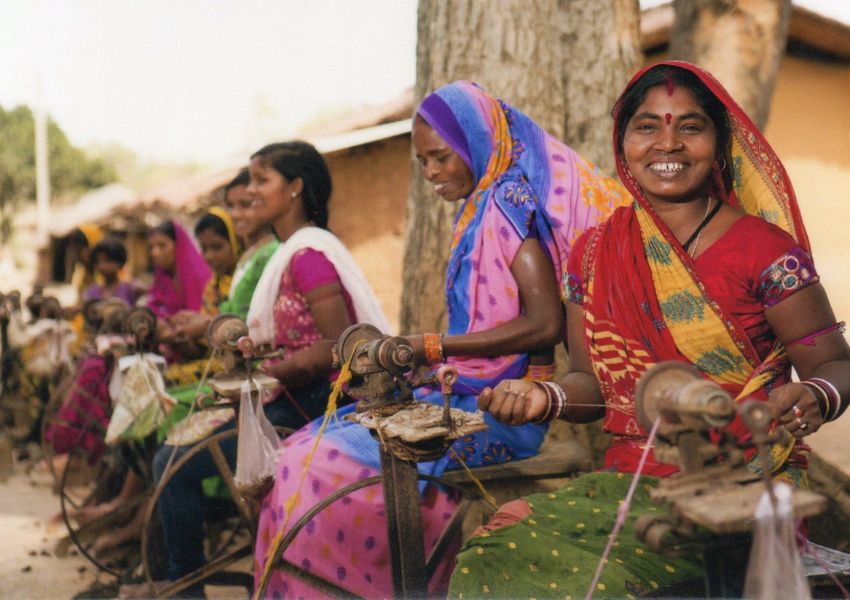
In the circular economy, women-led enterprises are transforming waste into value. Recycling, upcycling and resource recovery are becoming viable green-collar careers, supported by initiatives such as Powering Livelihoods, which link entrepreneurship with environmental and social impact.
By connecting these sectors through coordinated skilling and policy alignment, India can convert its demographic dividend into a gender-diverse, climate-ready talent base that fuels both growth and innovation.
Artificial Intelligence (AI) And Digital Transformation: The Great Equalizer
AI and digital platforms are emerging as powerful catalysts for sustainability and inclusion. AI-enabled ecosystems will redefine access, transparency and capability in the green workforce in the coming years.
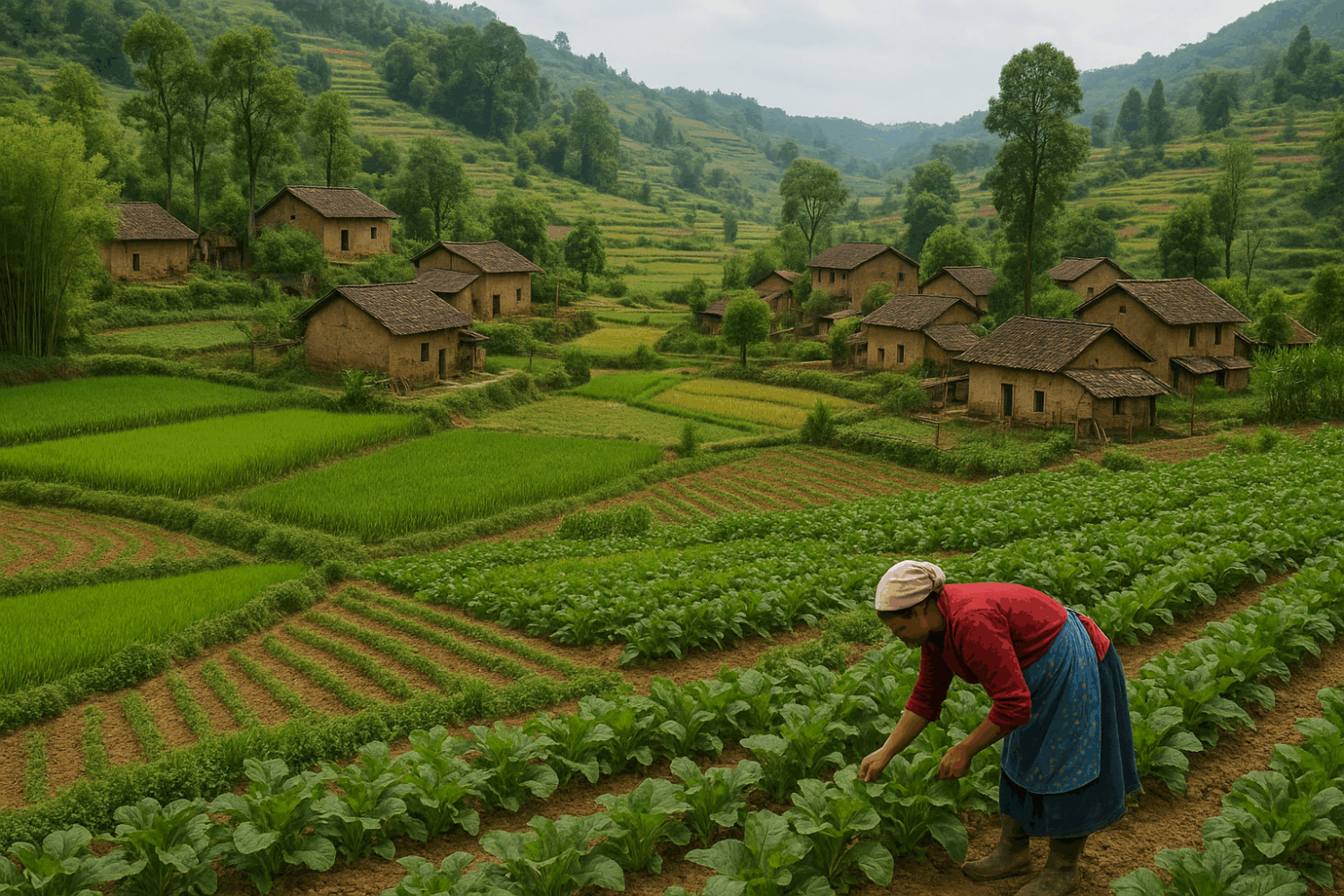
Virtual training and remote-learning platforms are expanding access to high-demand green skills and sustainability-focused education, allowing women in rural regions to acquire market-relevant capabilities. Predictive analytics in recruitment is minimizing bias, ensuring that opportunities are aligned with skills rather than stereotypes. Meanwhile, AI-driven ESG dashboards are driving gender equity by providing real-time insights into diversity metrics. This empowers inclusive and data-led decision-making across enterprises.
Globally, the deployment of digital technologies is increasingly being recognized as the equalizer that can democratize opportunity and accelerate gender parity in sustainability roles.
Beyond the Workplace: The Ripple Effect
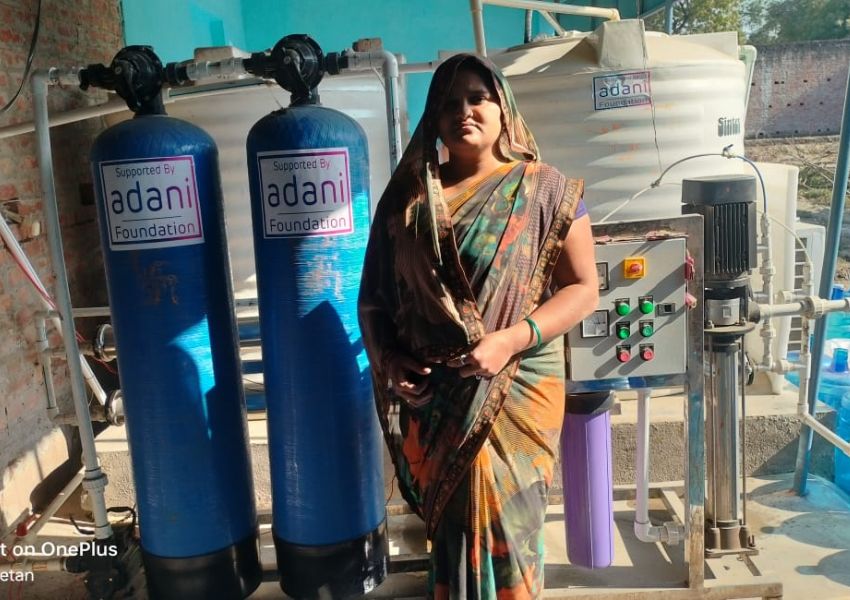
Women’s leadership in sustainability delivers measurable dividends across economic and social outcomes. Women-led renewable energy enterprises have reduced rural operating costs while improving local productivity and income stability. In parallel, women professionals and entrepreneurs are increasingly leading innovation in clean energy, circular economy and community resilience initiatives, advancing solutions that create long-term value for both people and the planet.
The Road Ahead: 2026 And Beyond
As India advances its green transition, the key question is how this wave of opportunity can evolve into meaningful pathways for women to lead and thrive. We see three imperatives emerging.
First, policy frameworks must embed gender inclusion across green incentives and the industry roadmap. Second, corporations need to link diversity metrics directly to ESG outcomes and leadership evaluations. Third, AI-enabled skilling must bridge access gaps across regions, ensuring that every capable woman can participate in the green workforce.
Placing women at the centre of this transition transforms inclusion into a strategy, turning gender equity from aspiration into India’s most powerful growth multiplier. As 2026 approaches, India has the opportunity to demonstrate that sustainability and inclusion are not parallel agendas, but two dimensions of the same competitive advantage.
Disclaimer: The views expressed in this article are those of the author and do not necessarily reflect the views of the publication.