
























































































































































































































































































































































































































































































































































































































































































India’s Polluted Air Is Quietly Eroding Growth, Jobs And Productivity


From lost lives to lost output, toxic air is eroding productivity, incomes and long-term growth while the real costs stay off the GDP ledger
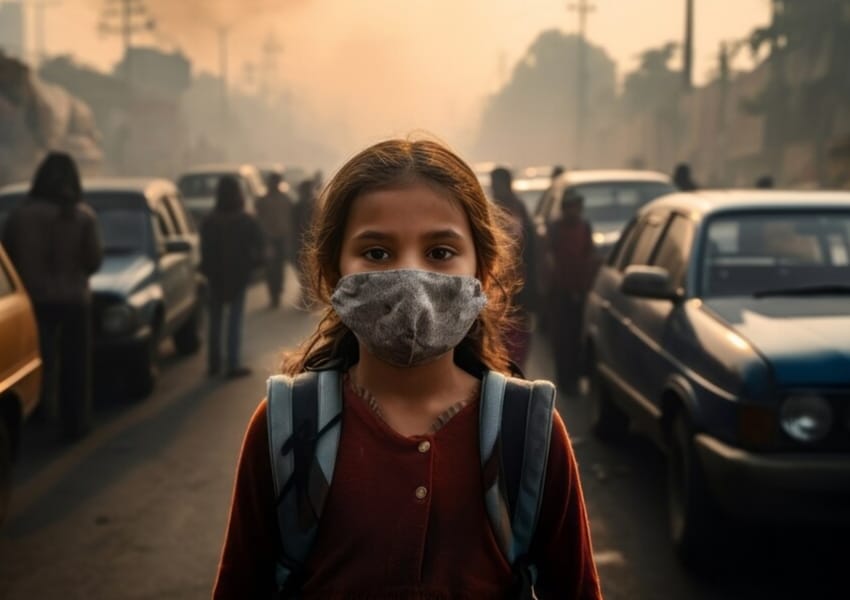
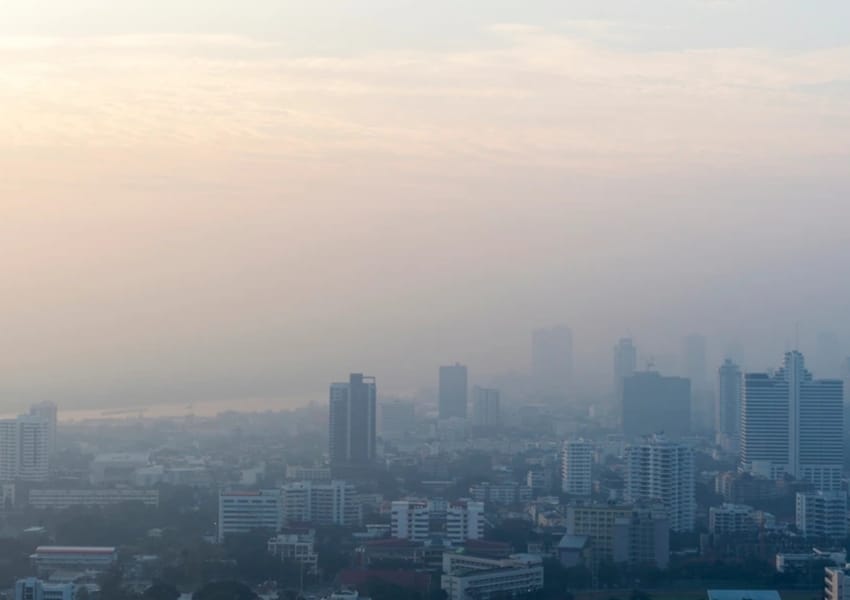
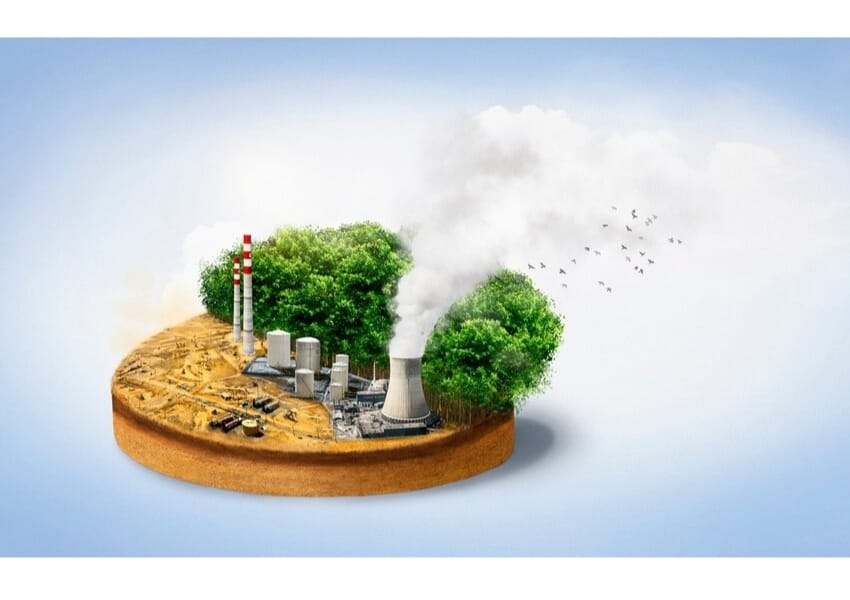
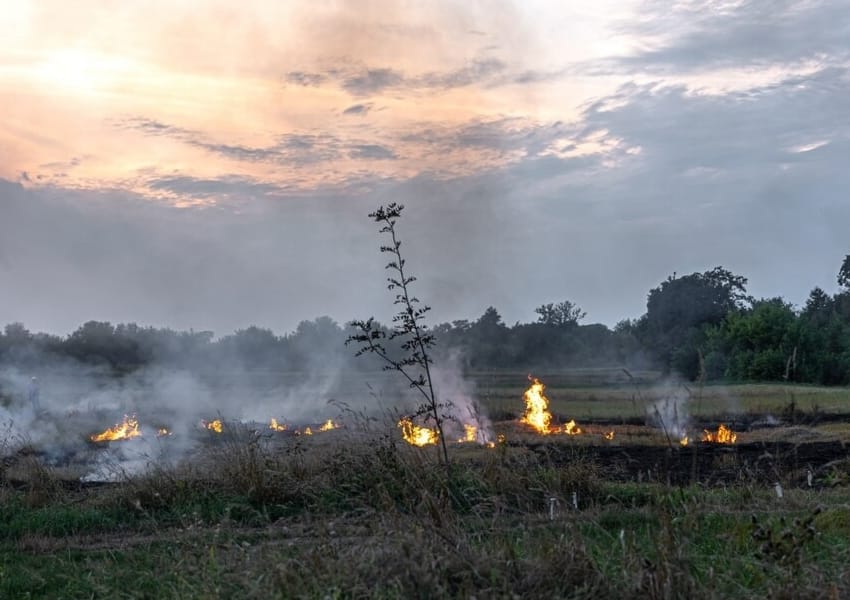
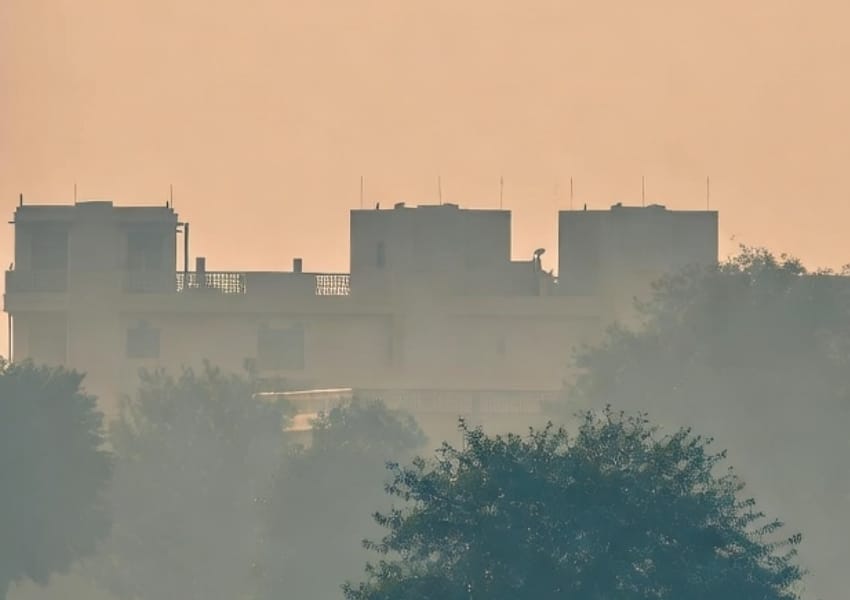
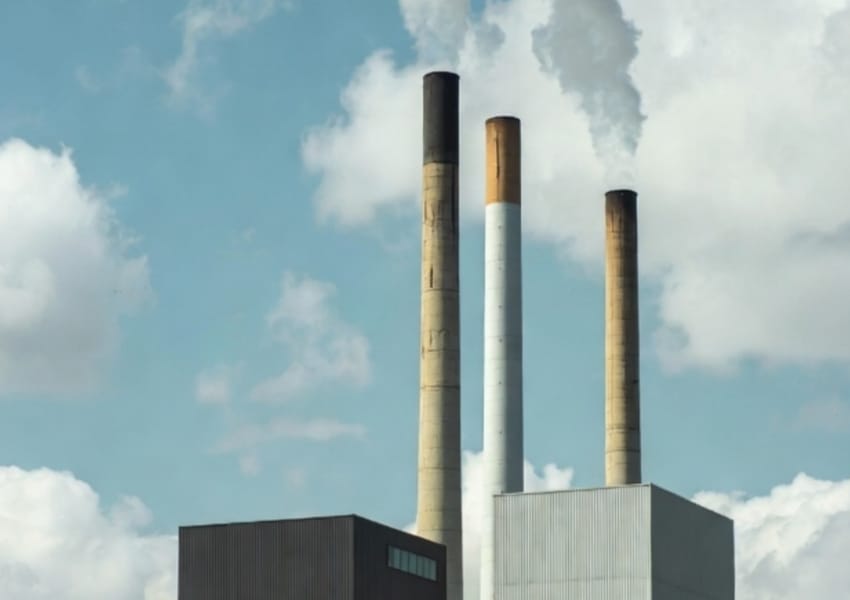
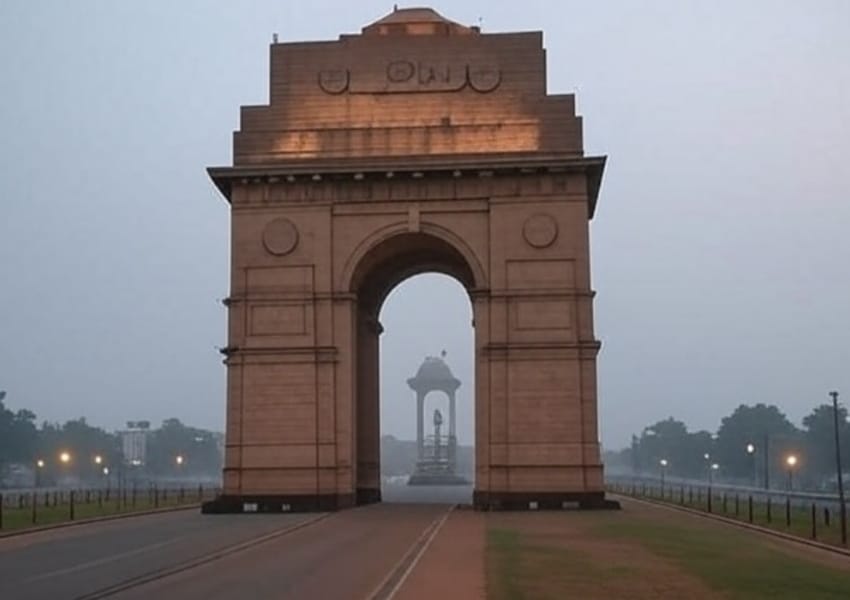
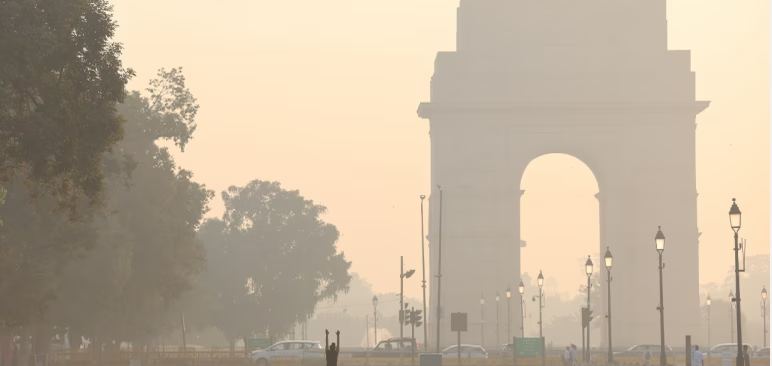
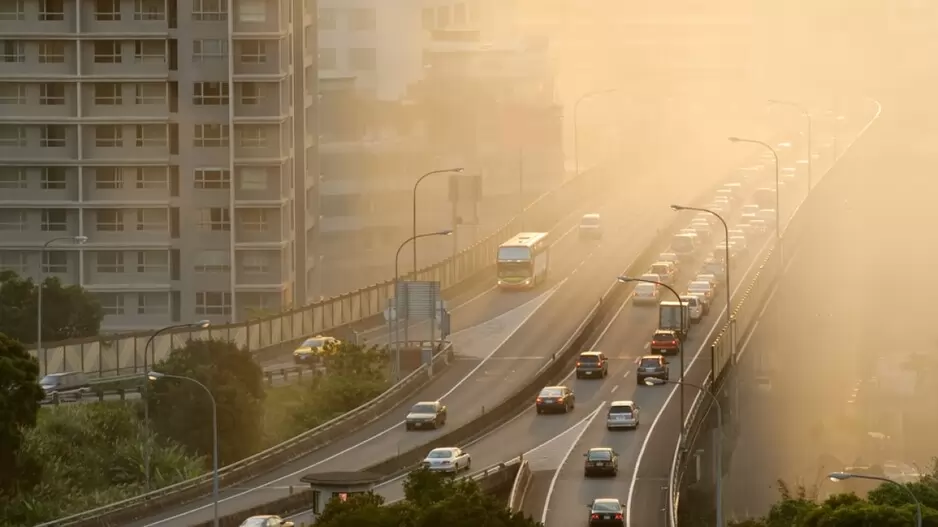
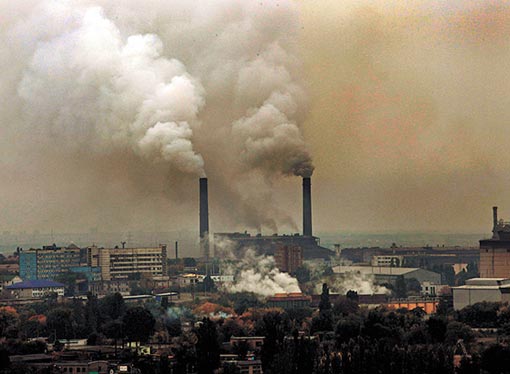
Air pollution is draining India’s economy and threatening productivity, incomes, and long-term growth. In cities like Delhi, the smog that hangs heavy over streets is more than just an eyesore. It is a national economic concern.
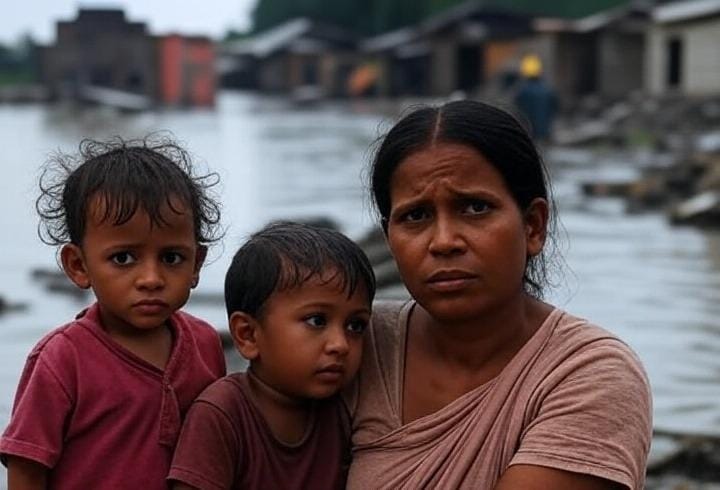
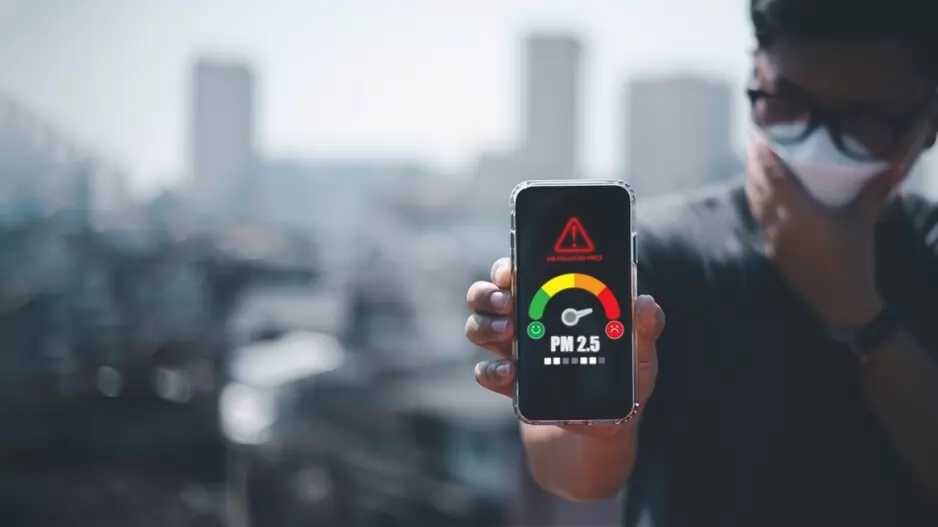
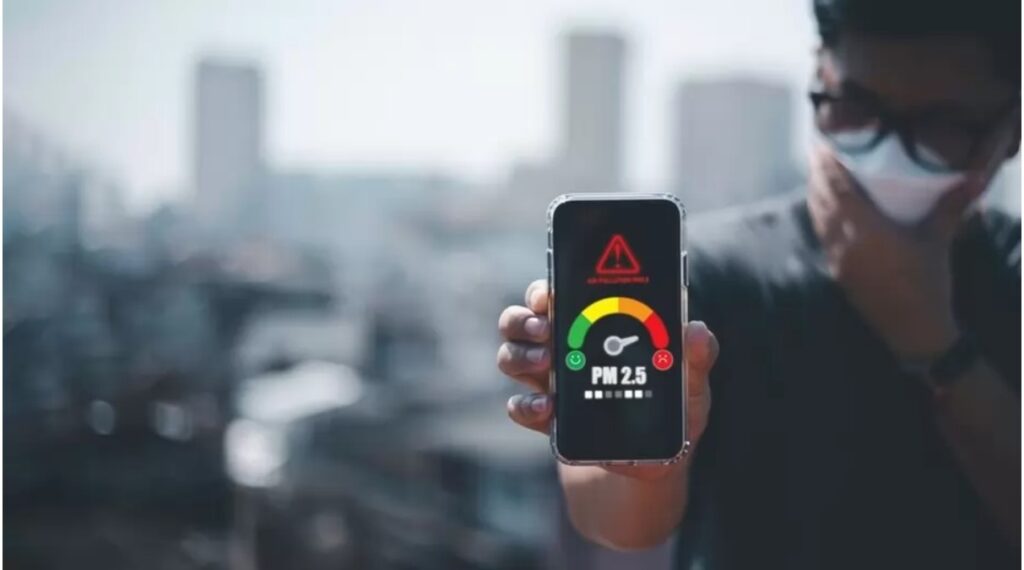
PM2.5 exposure alone killed 1.7 million people in India in 2022, according to the Lancet Countdown on Health and Climate Change. The fallout is not only human but financial. The report estimates that pollution’s economic cost in India amounts to 9.5 per cent of GDP, highlighting the hidden drag on the country’s growth.
Hidden Costs Of Polluted Air
“Air pollution distorts GDP by concealing productivity losses that conventional metrics fail to capture. While output may appear stable, workforce efficiency declines due to illness, absenteeism, higher healthcare spending, and premature mortality,” explains Pallavee Dhaundiyal Panthry, Chief Communication Advisor – Sustainability, World of Circular Economy (WOCE).
She notes that the World Bank estimates air pollution costs economies 4-7 per cent of GDP annually. Countries such as Germany and South Korea treat clean air as economic infrastructure by integrating air-quality indicators into transport planning, industrial policy, and fiscal assessments.
“Finance ministries must recognise that polluted air reduces the effective size and efficiency of the labour force, meaning headline GDP growth may mask long-term structural erosion,” she added.
Echoing the point, Jayesh Kariya, Leader – Transaction & Business Advisory, Bhuta Shah & Co. LLP, emphasises the financial toll on India’s economy. “Dirty air costs Indian businesses around USD 95 billion a year, about 3 per cent of GDP, through lower worker productivity, absenteeism and premature deaths. Yet headline GDP numbers ignore these hidden losses. Finance ministries should treat clean air like core infrastructure—on par with power, digital networks and logistics—by hardwiring air quality goals into public capex, industrial policy and urban transport plans,” he said.
Informal Workers Bear Brunt
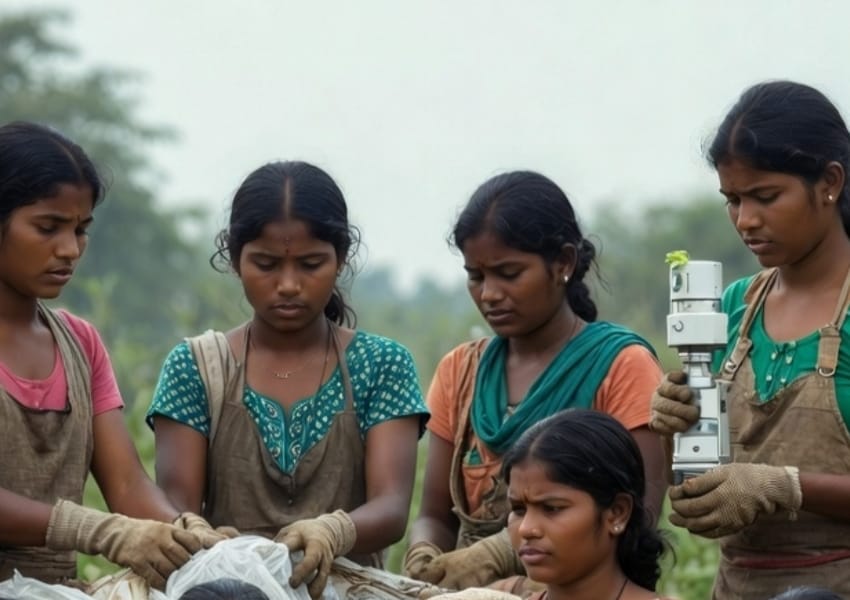
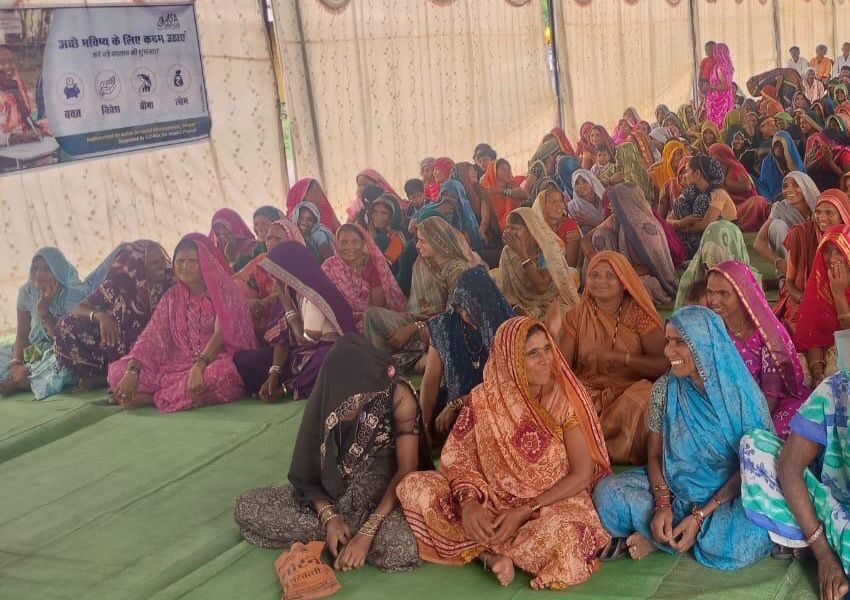
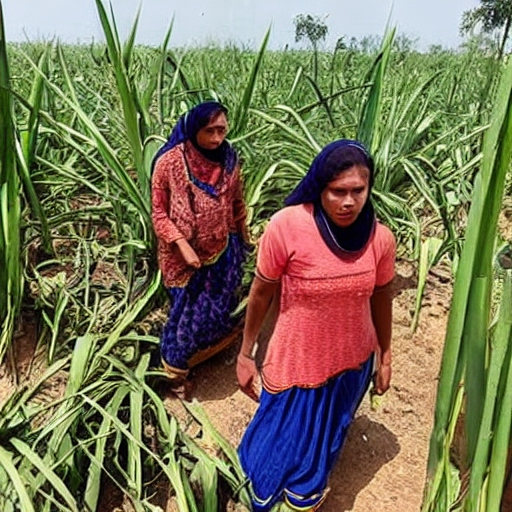
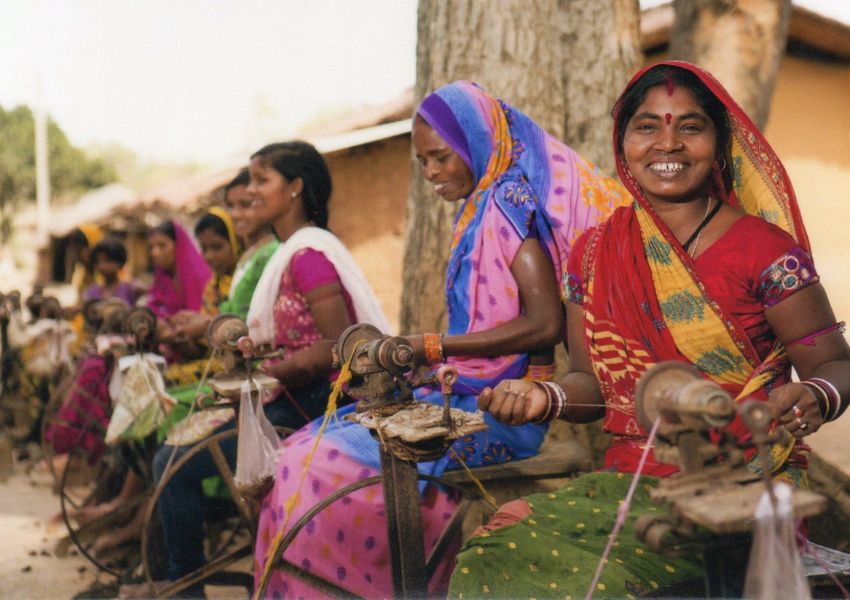
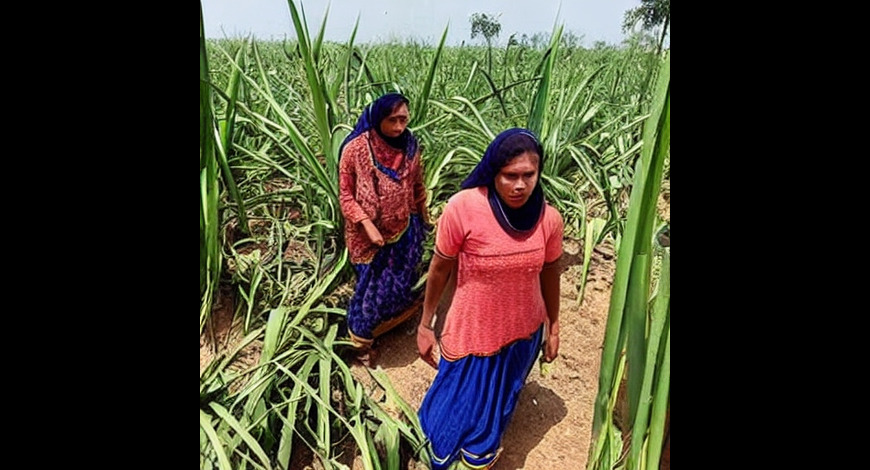
The burden is disproportionately borne by India’s informal workforce, which constitutes over 80 per cent of the labour market. “Air pollution acts as a regressive tax because informal workers face higher exposure, lack income security, and have limited healthcare access. Outdoor workers lose daily wages during pollution spikes and incur medical expenses, leading to long-term income loss,” says Panthry.
In cities such as London and Paris, measures like low-emission zones, clean public transport, pollution advisories, and workplace safeguards mitigate these risks. In India, similar interventions—shaded work zones, affordable healthcare, and pollution-risk insurance—could protect incomes without reducing employment.
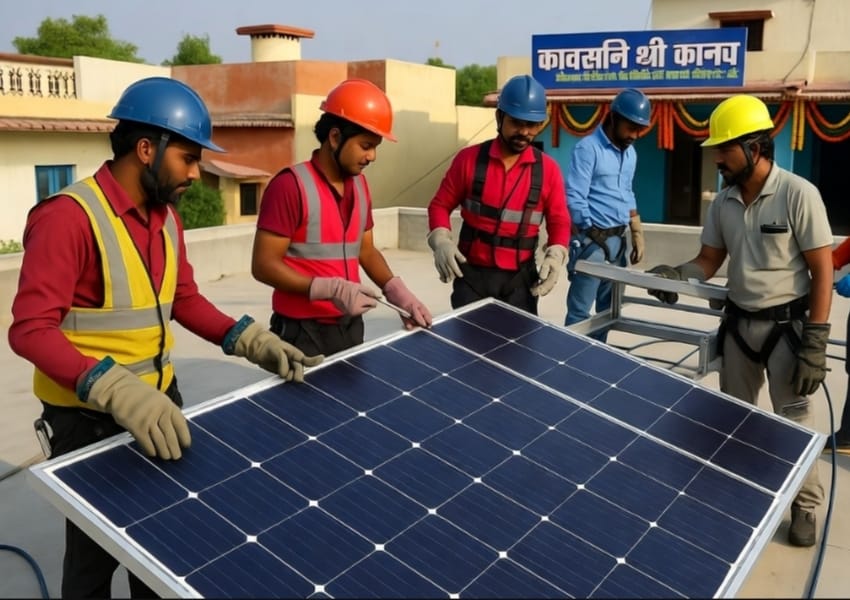
Kariya adds, “For India’s informal workers—street vendors, construction labourers, waste pickers, delivery staff—air pollution behaves like a regressive tax: those with the lowest incomes bear the highest exposure and the least protection. Women informal workers face a double burden, with long hours outdoors followed by unpaid care work at home, while worsening air quality aggravates chronic health damage. Targeted protections should include mandatory protective gear, shaded low-emission worksites, portable health insurance, and income-protection schemes during pollution-linked shutdowns.”
Enforcement Gaps Heighten Economic Toll
“Enforcement gaps arise from fragmented oversight, limited real-time monitoring, and weak economic incentives,” says Panthry. She points to China’s experience, where real-time emissions tracking, public disclosure, and performance-linked penalties reduced pollution.
Kariya elaborates on India’s situation: “Penalties are often too low or inconsistently applied, creating a de facto ‘license to pollute’. Governance reform needs three shifts: clarify accountability through a modern clean-air law; move from episodic crackdowns to continuous monitoring and align enforcement with growth by rewarding clean firms through cheaper credit, faster clearances, and preferential treatment in procurement.”
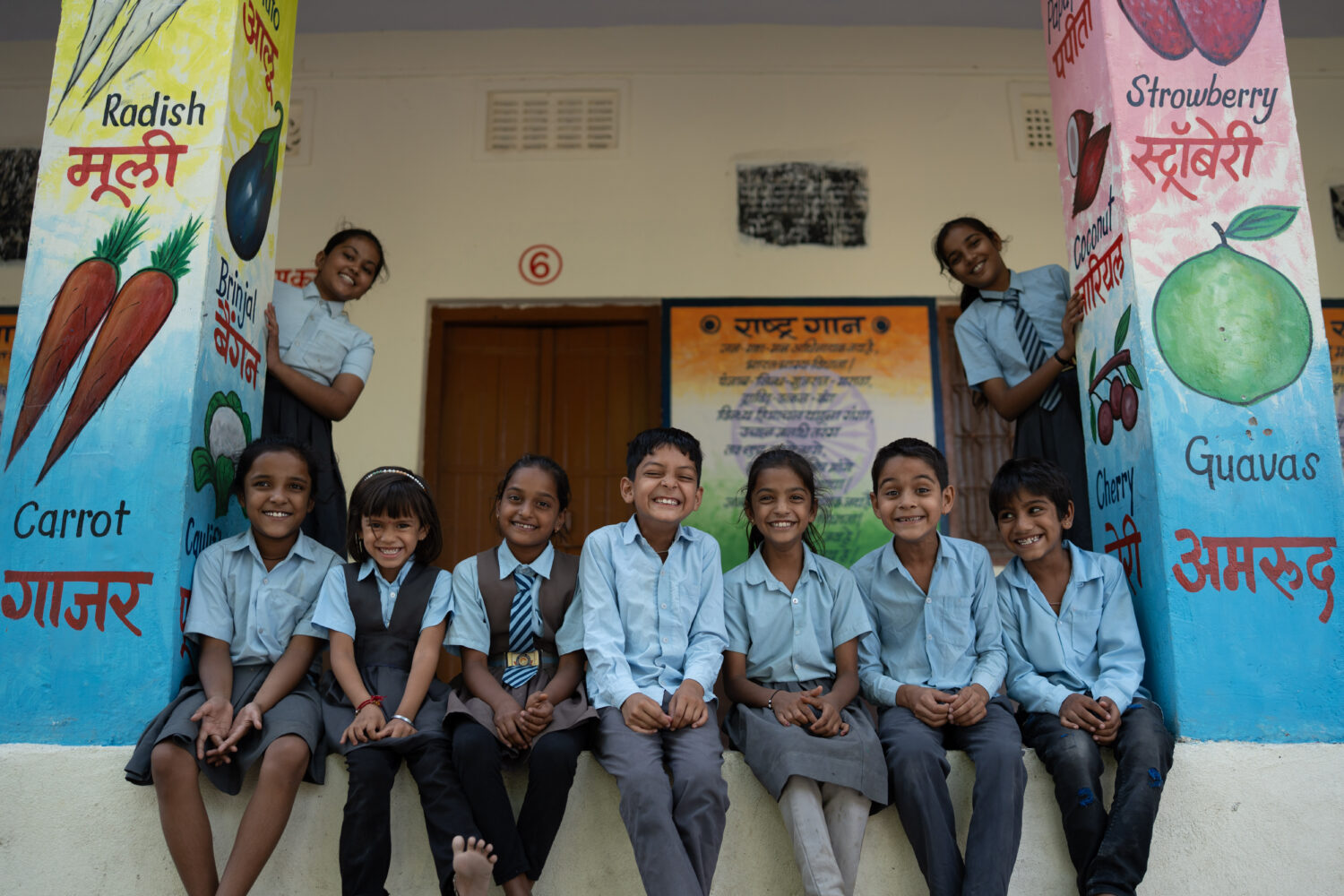
The economic impact is evident in the insurance sector. Data from Policybazaar shows pollution-related illnesses account for over 8 per cent of all hospitalisation claims, with children under 10 disproportionately affected at 43 per cent. Cities beyond Delhi, such as Bengaluru, Hyderabad, Pune, and Mumbai, are registering a sharp rise in pollution-linked claims, signalling the crisis has spread across urban India.
As India battles heat waves, declining urban greenness, and rising air pollution, the hidden cost on human capital and economic output is undeniable. Clean air is no longer a luxury; it is essential infrastructure critical to safeguarding productivity, protecting incomes, and ensuring sustainable growth.