






























































































































































































































































































































































































































































































































































































































































































































A Turning Point For Corporate Sustainability: How 2025 Pushed India Inc From Promises To Real Decarbonisation

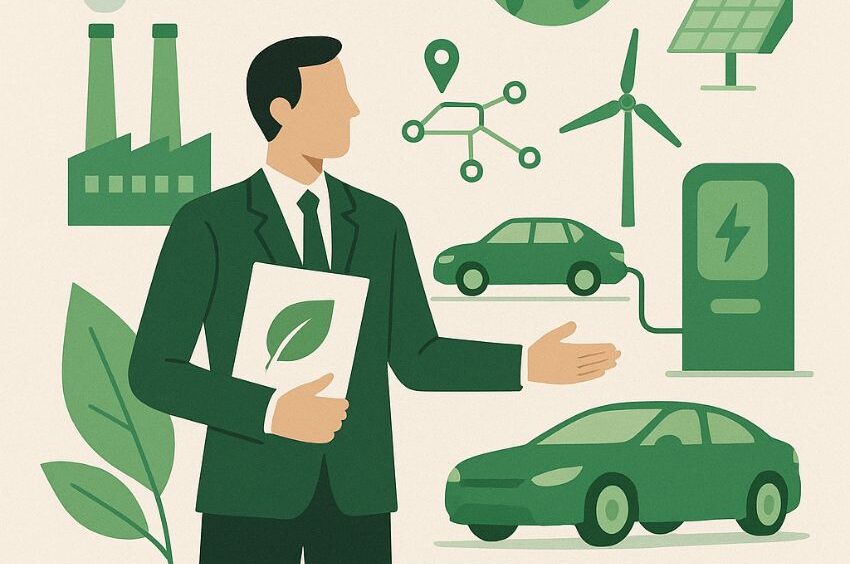
From hydrogen to EV-led mobility, biomanufacturing and stricter disclosure rules—2025 proved that sustainability is no longer a pledge but a strategic, investment-driven shift for India’s corporate sector
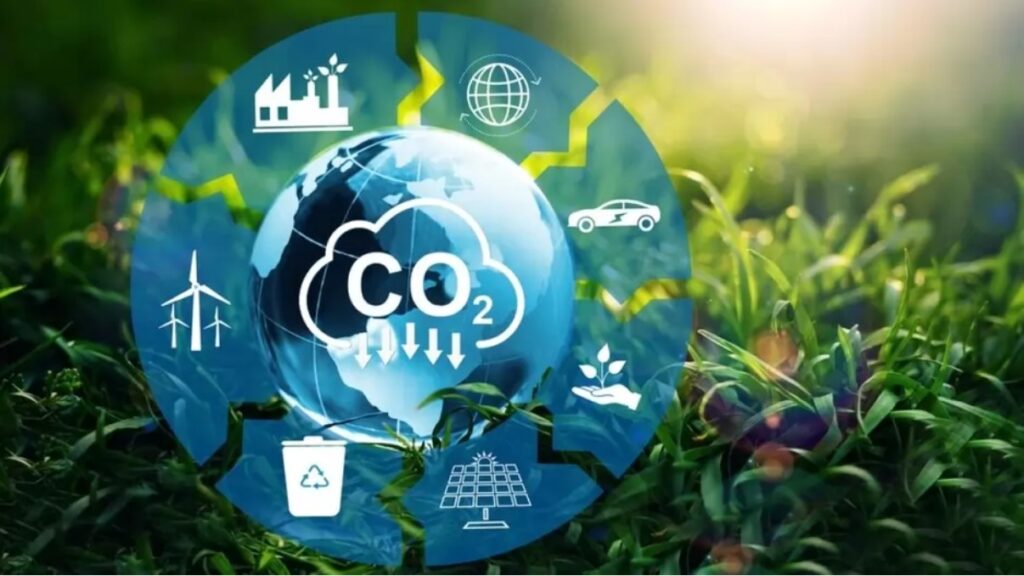
As 2025 draws to a close, sustainability has moved from the periphery of corporate planning to the centre of India Inc’s strategic decision-making. A mix of bold policy signals, tightened reporting frameworks, and the rise of new business models has pushed companies to move beyond declarations and take concrete steps toward decarbonisation.
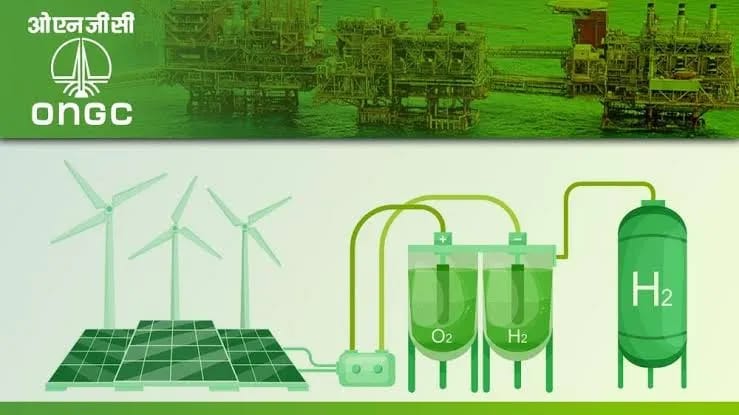
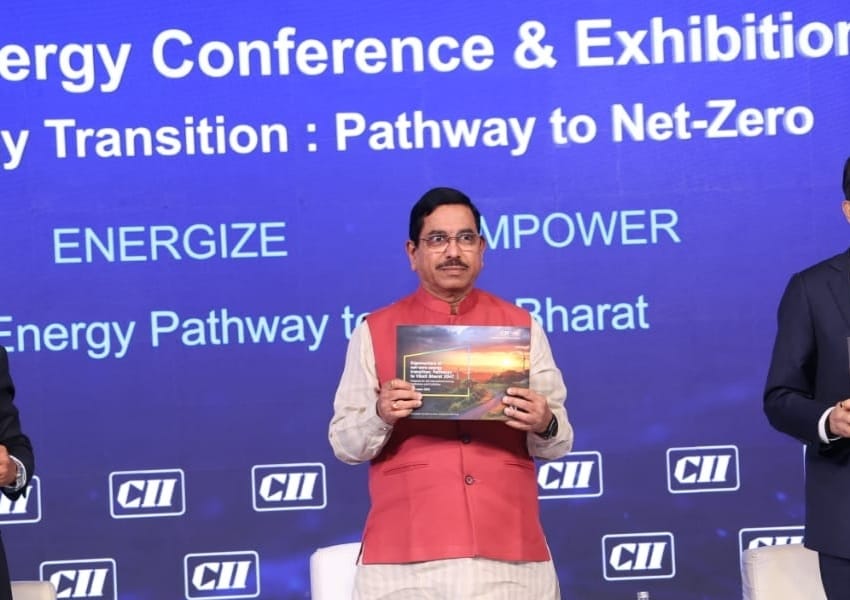
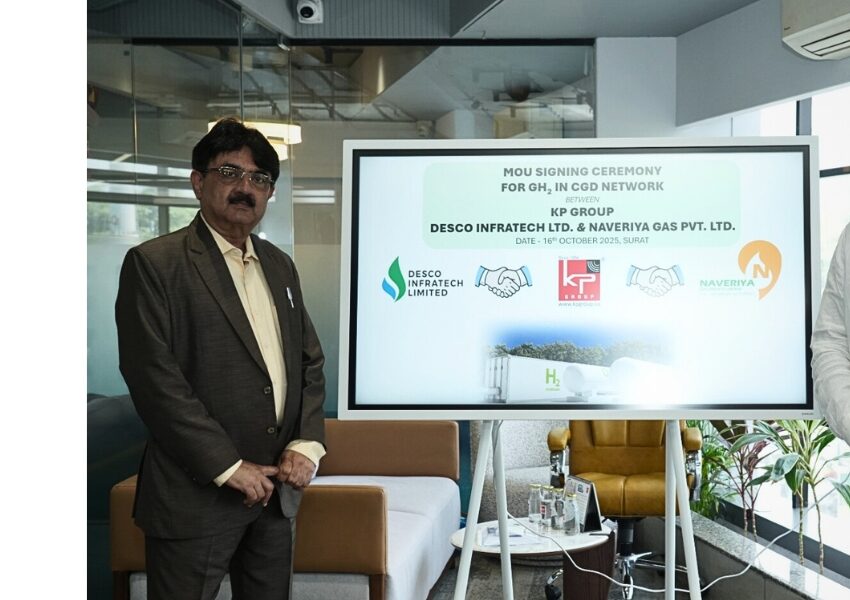
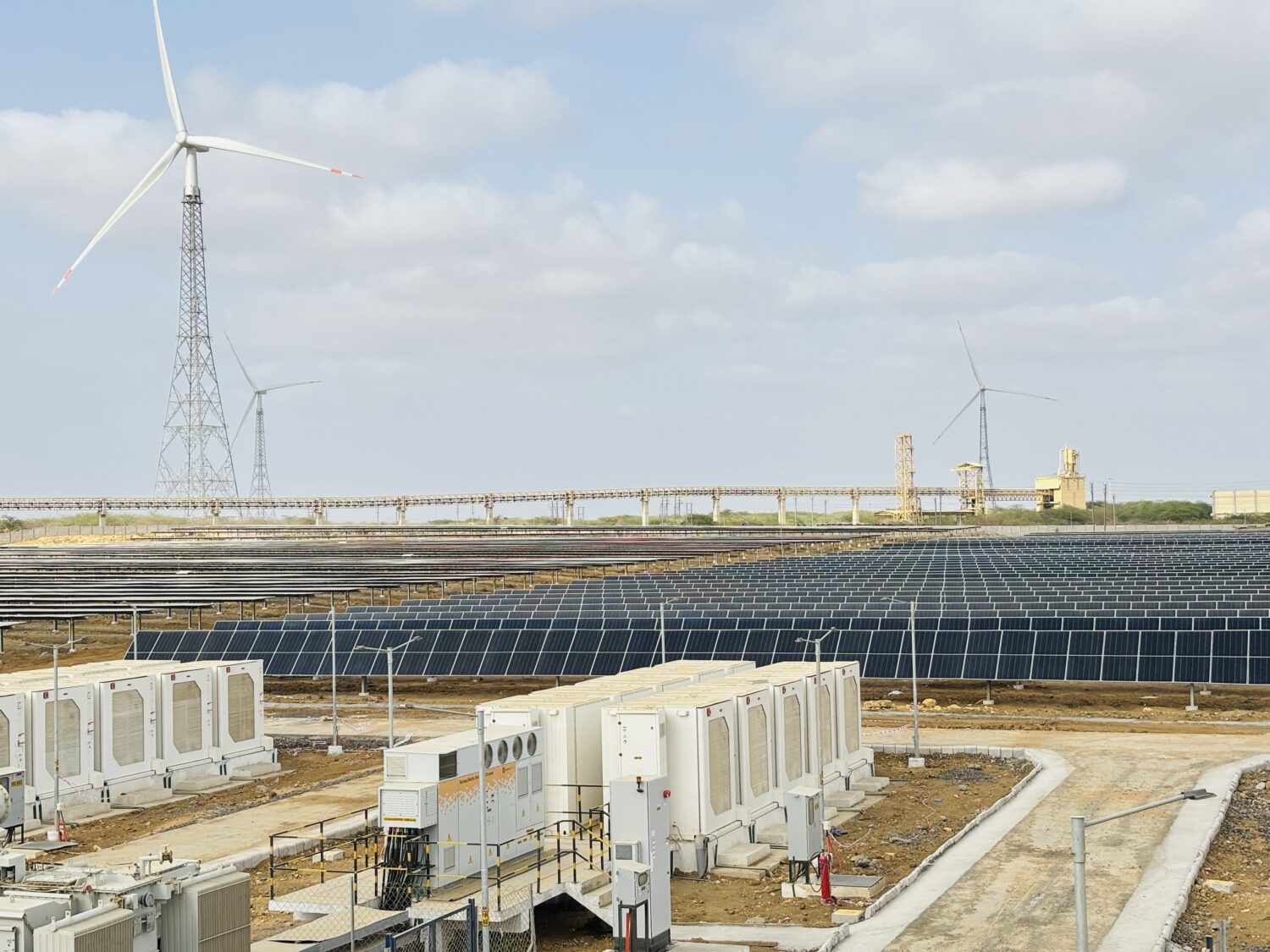
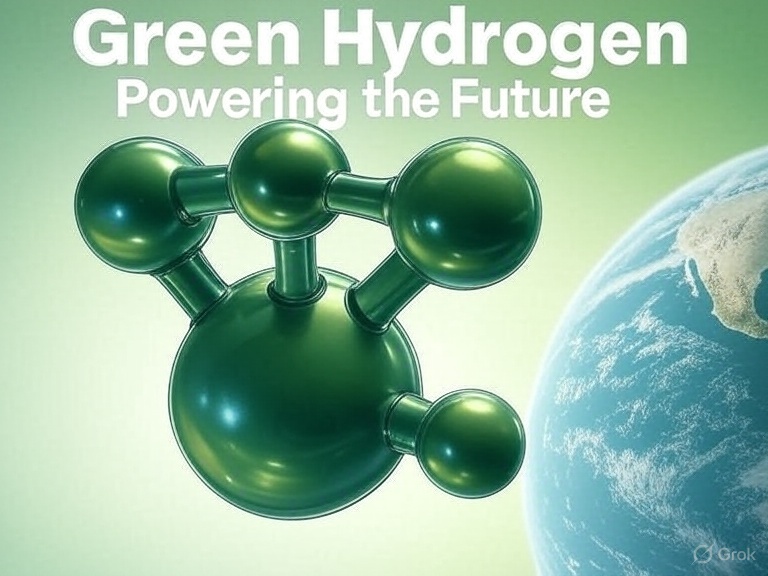
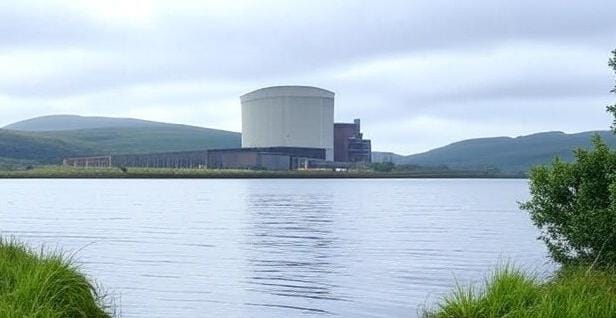
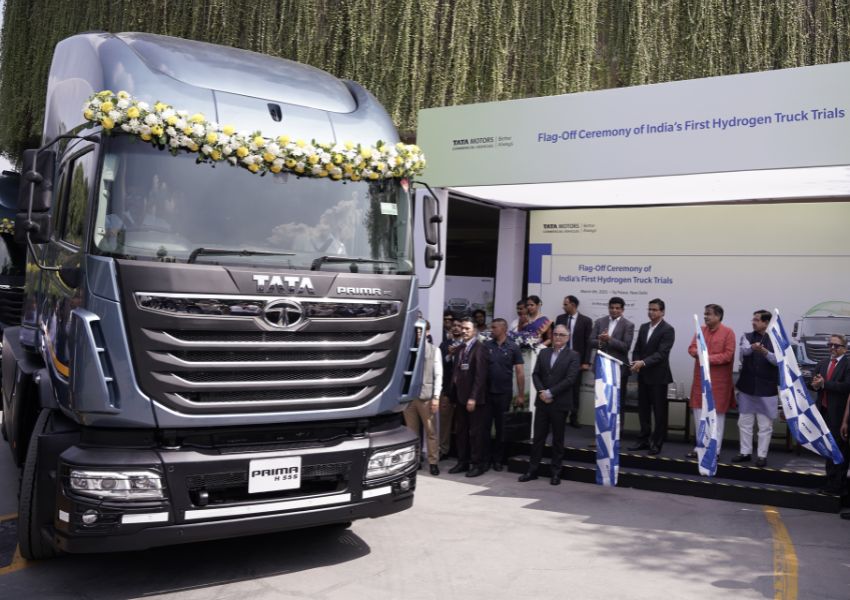
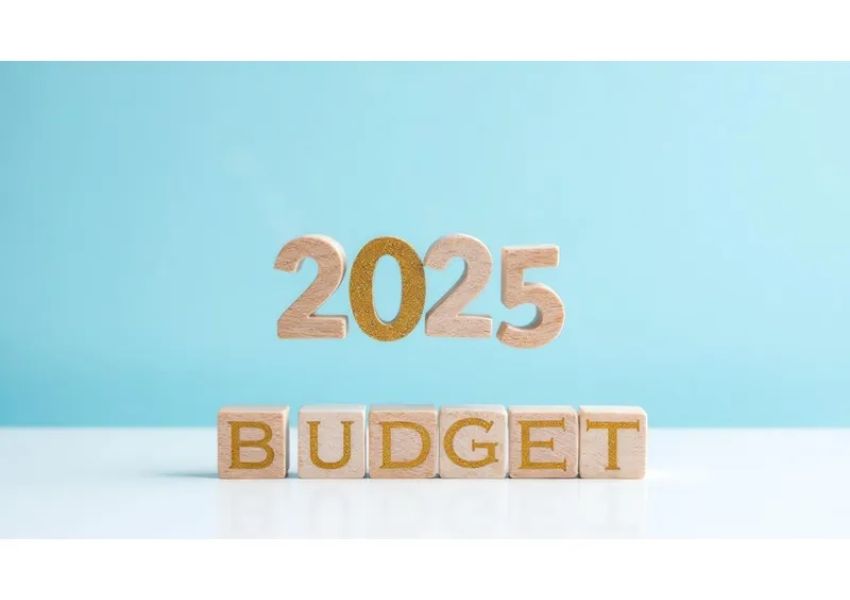
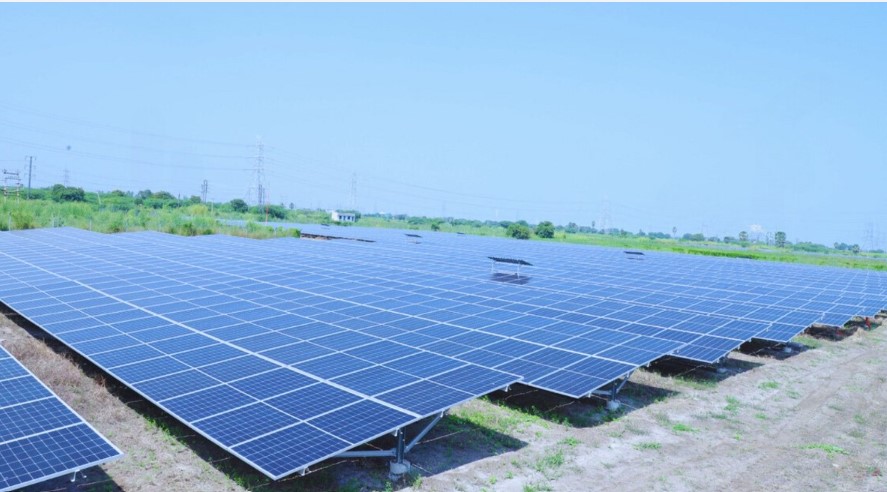
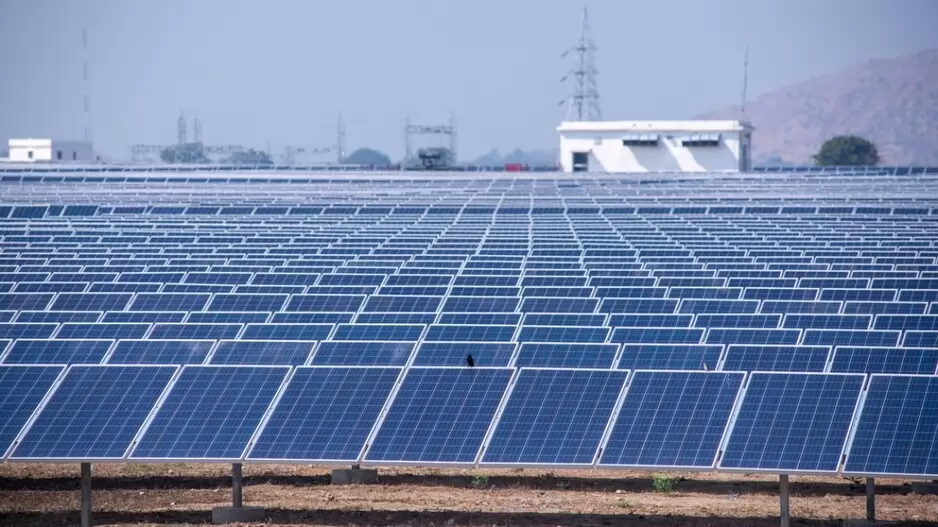
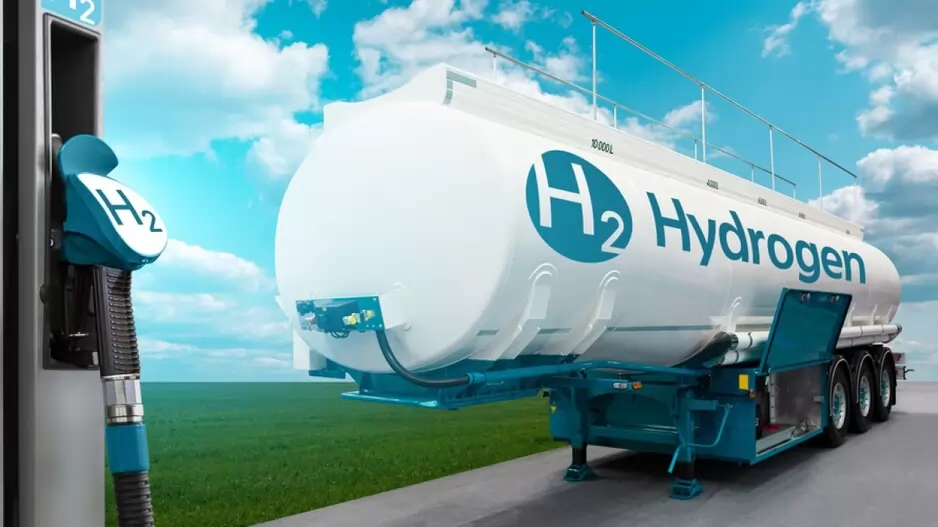
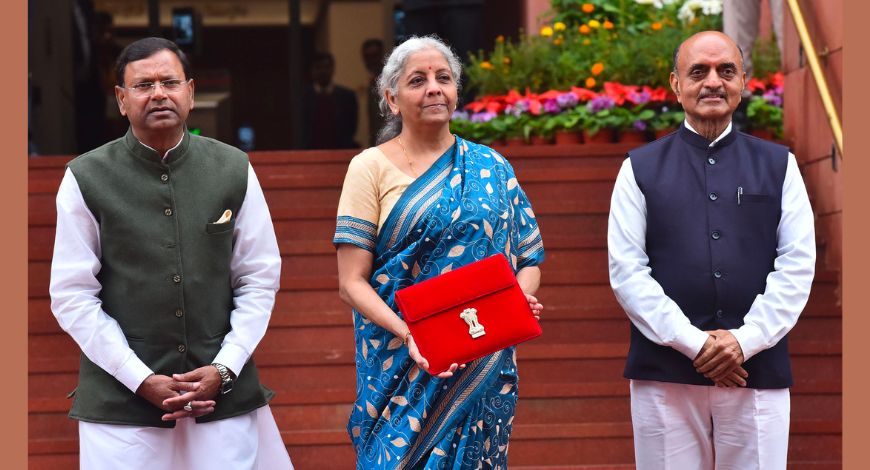
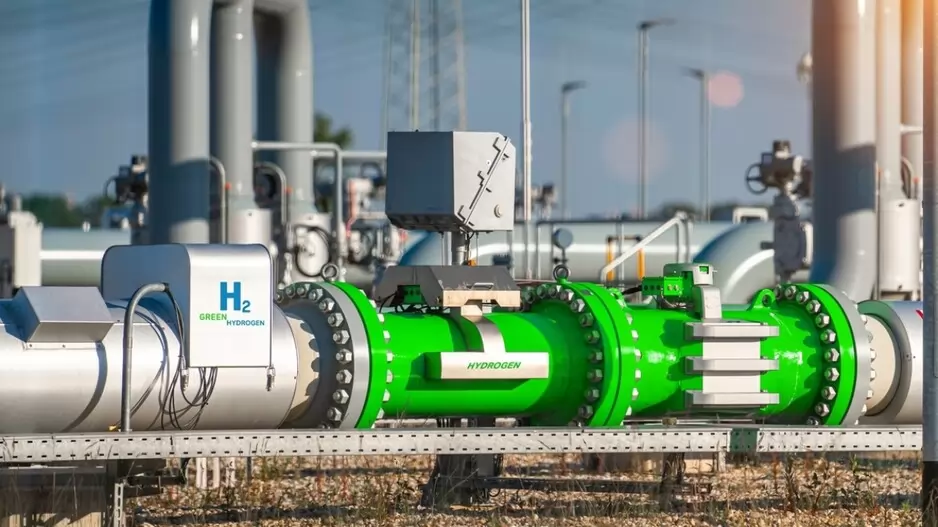
The 2025–26 Union Budget marked a major shift with sharply increased allocations for renewable energy, the National Green Hydrogen Mission and a new Nuclear Energy Mission. These signalled that India is moving from ambition to execution, backed by substantial public capital.
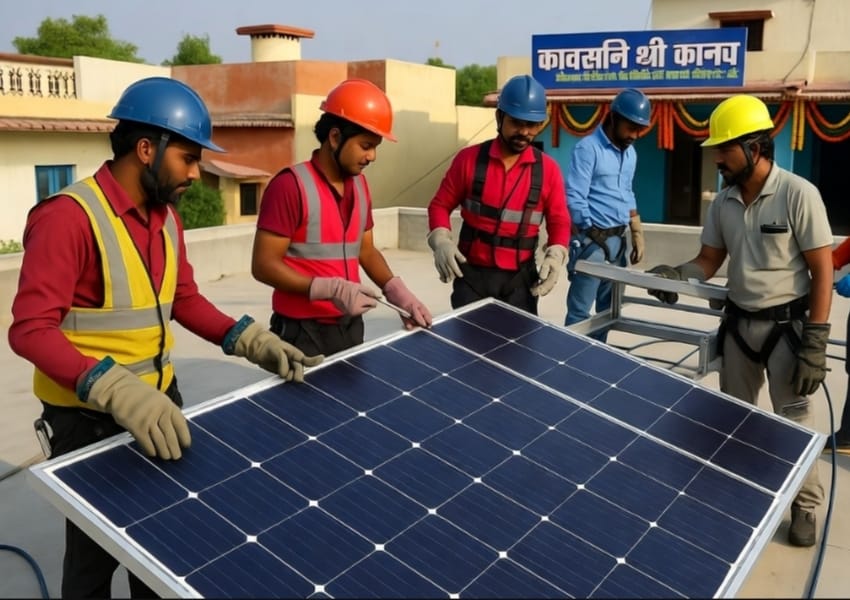
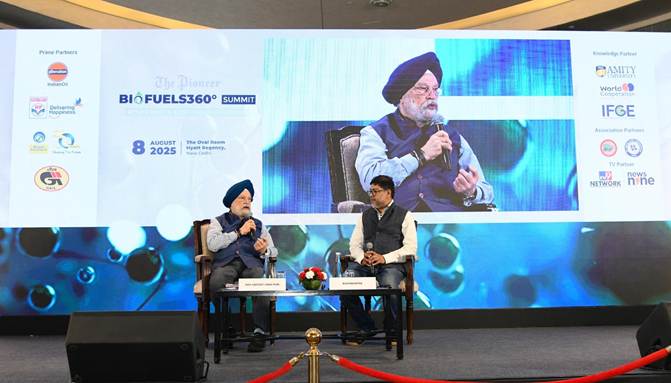
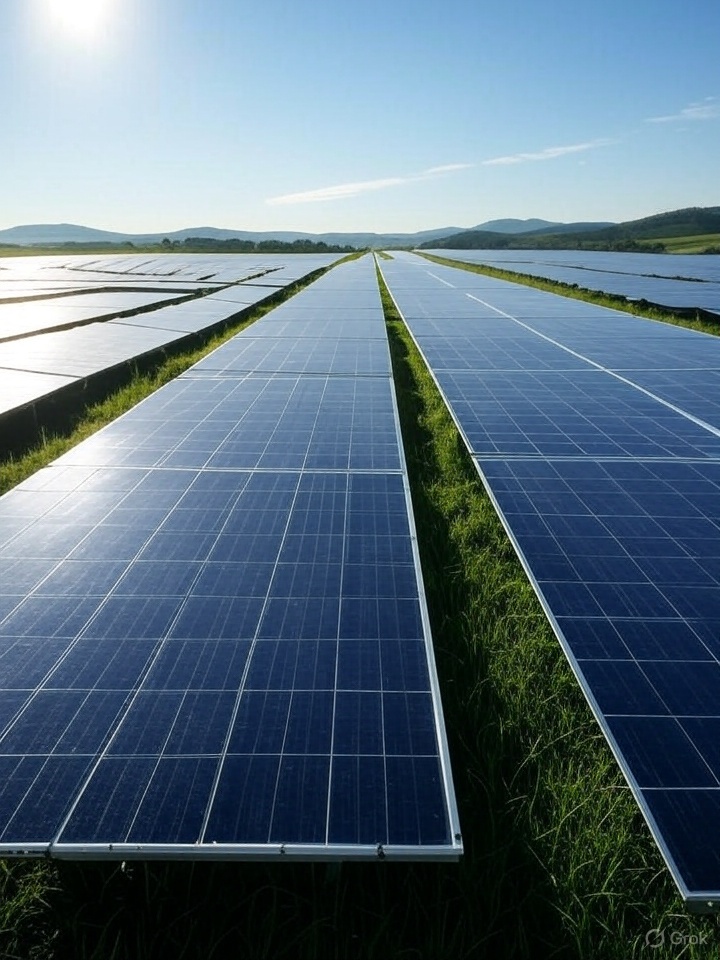
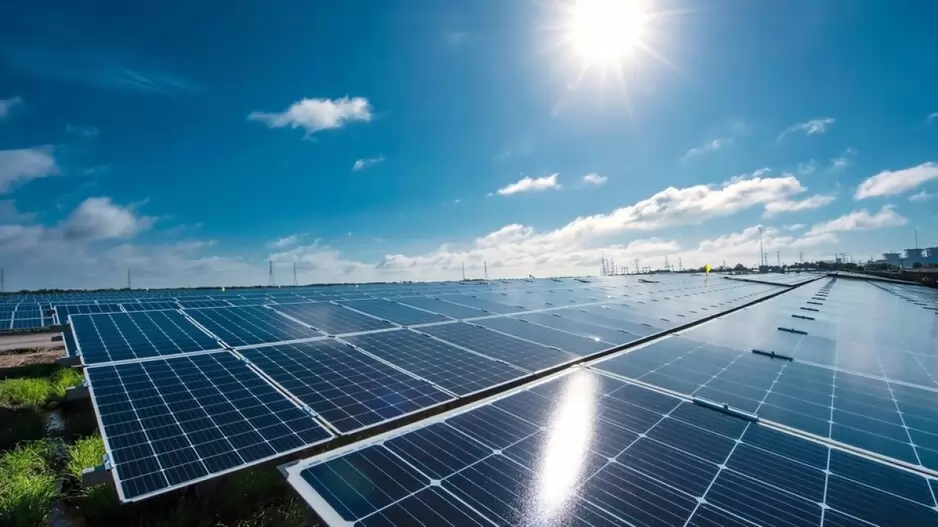
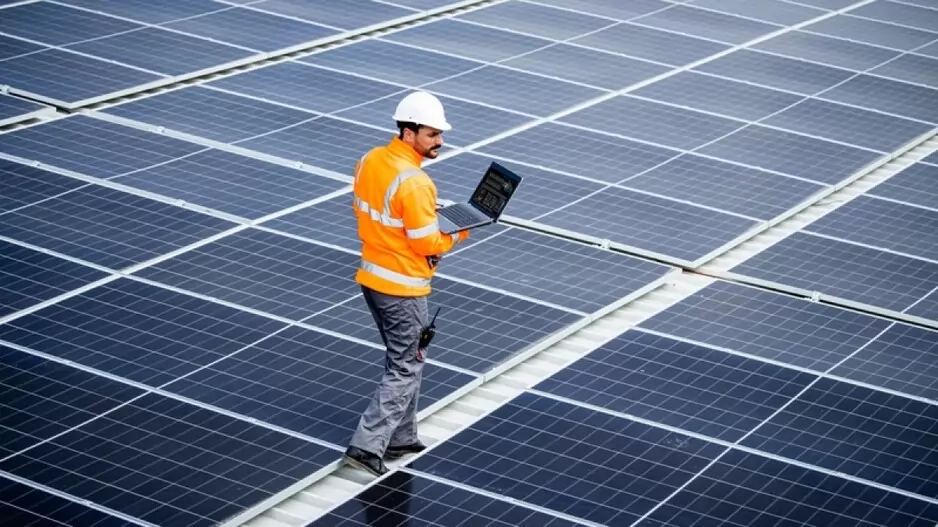
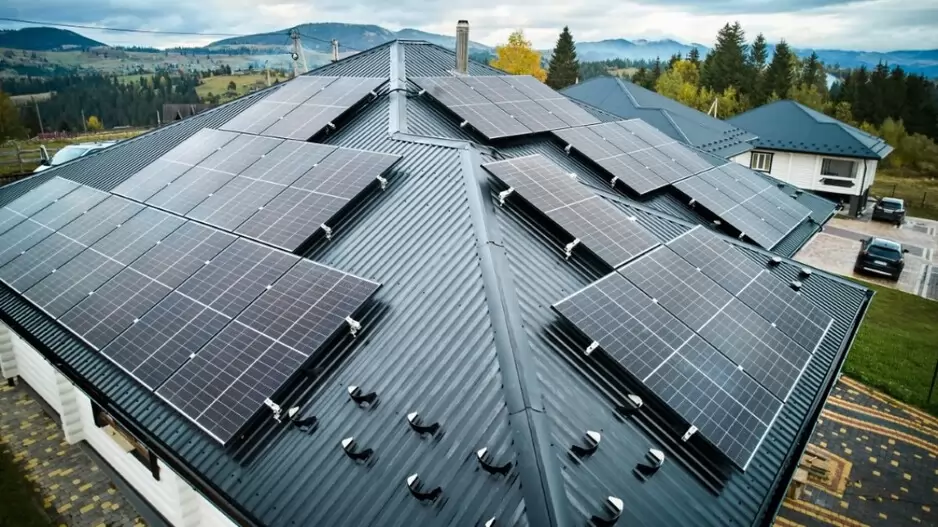
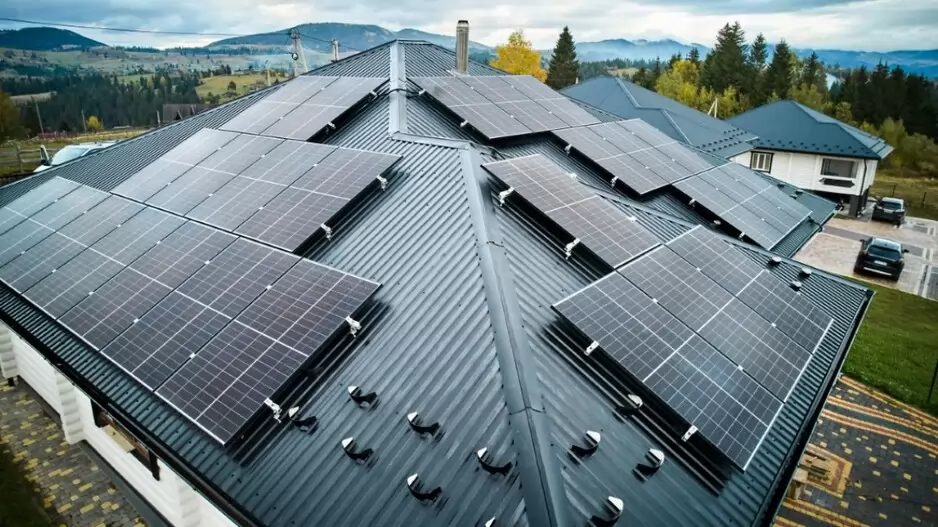
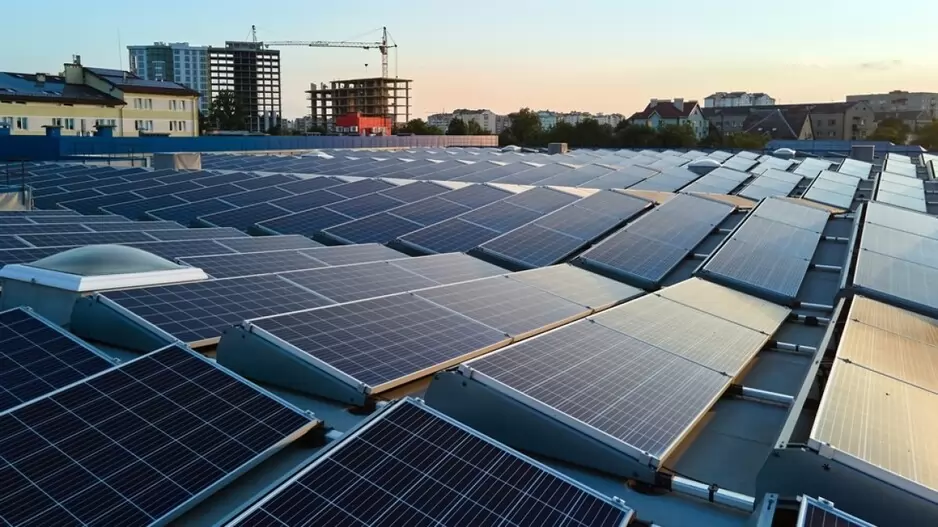
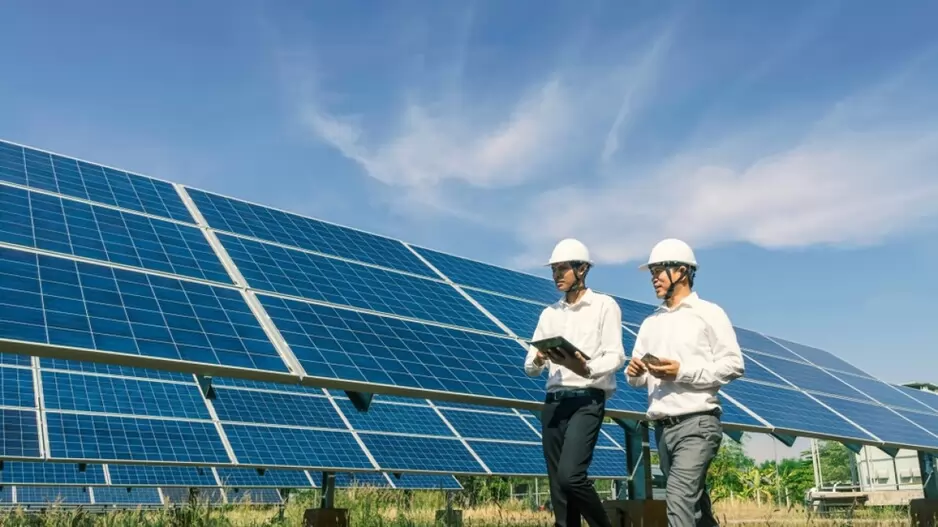
According to Gautam Mohanka, Director, Gautam Solar, these mission-led investments accelerated private-sector planning—from rooftop solar adoption to early green hydrogen pilots—showing that businesses are aligning their long-term strategies with national climate goals. The year, he says, showcased a stronger public–private partnership model where policy signals translated into real investments.
BRSR Strengthens Accountability; Corporate Mobility Becomes A Decarbonisation Lever
One of the most defining shifts of 2025 came from the regulatory front. Strengthened BRSR and BRSR Core requirements forced companies to treat Scope 3 emissions as a board-level priority.
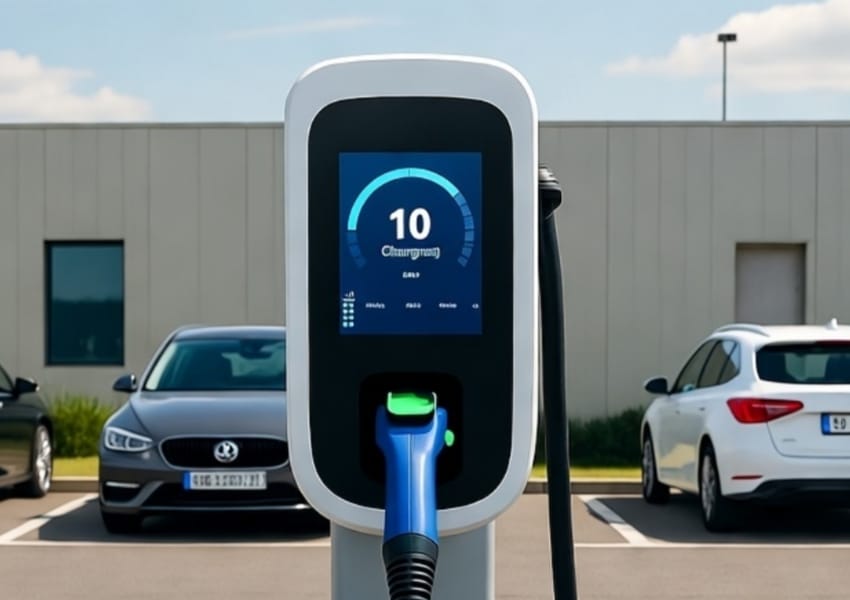
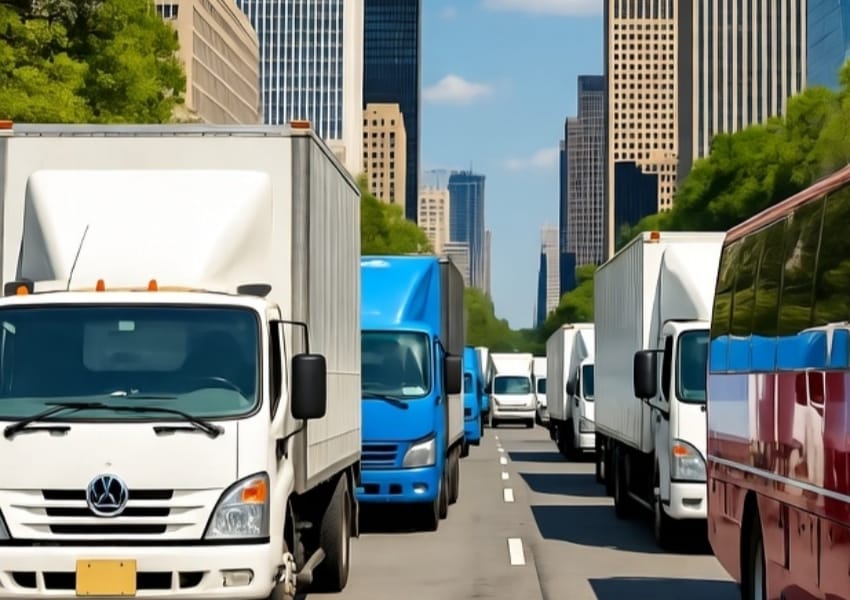
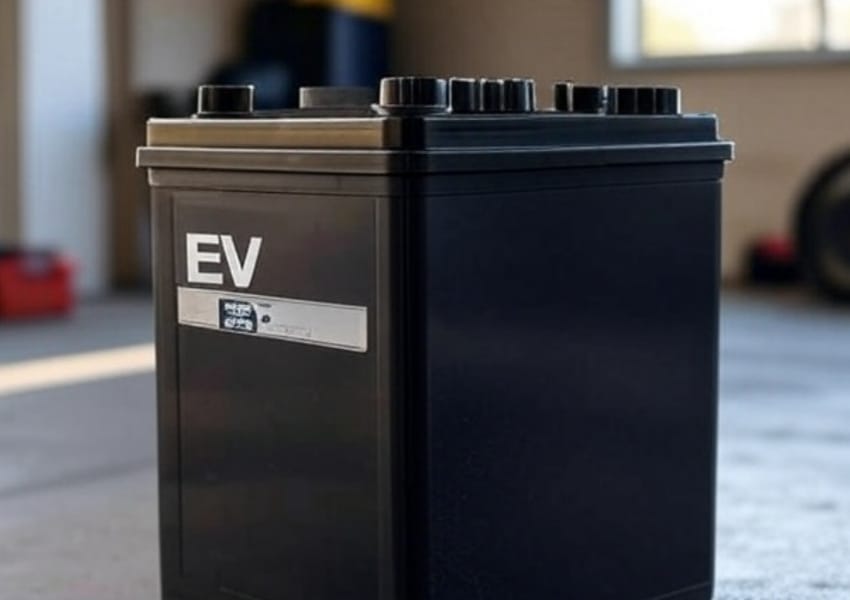
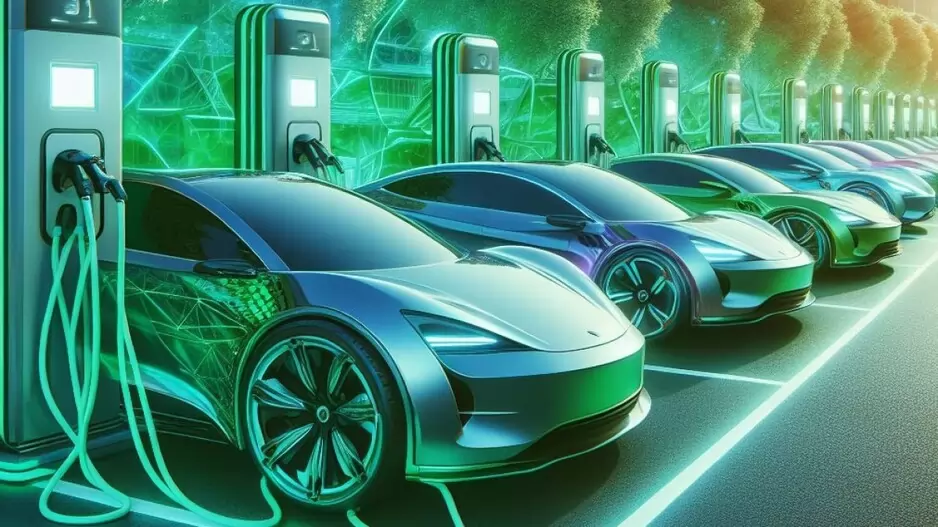
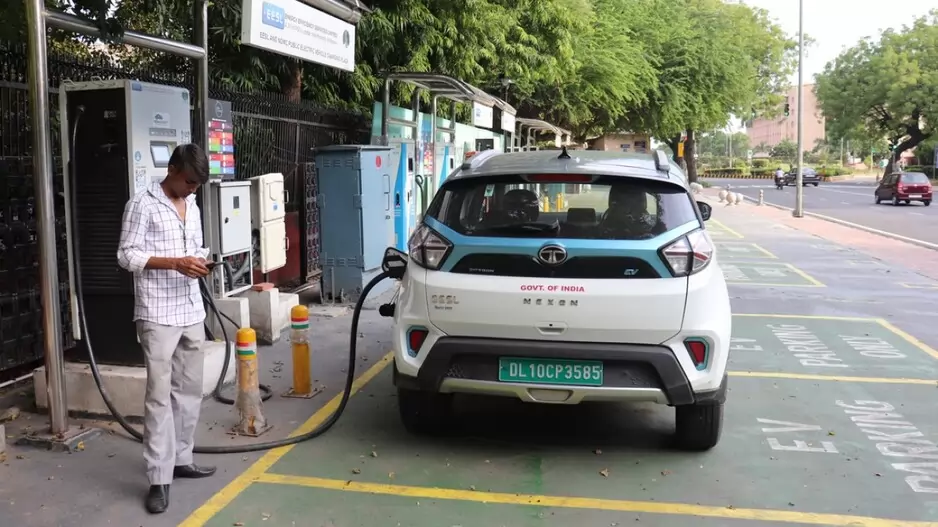
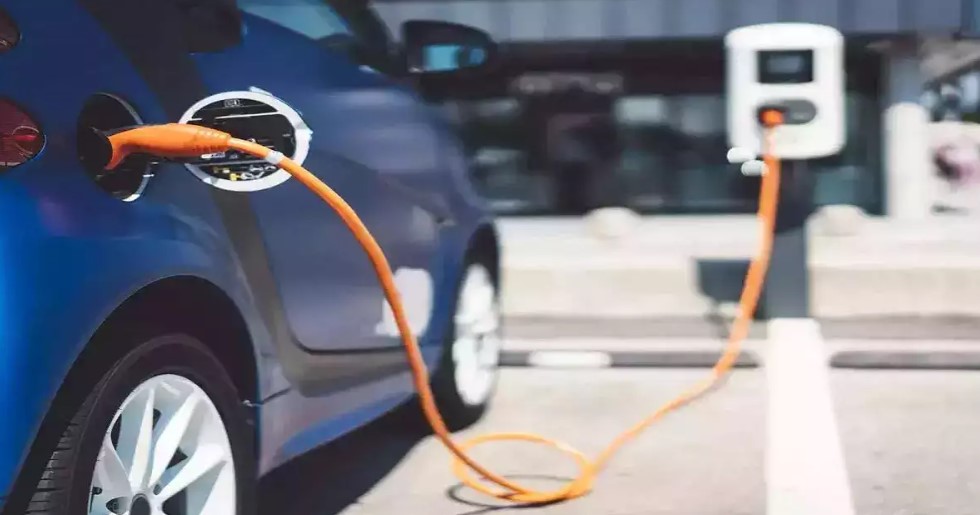
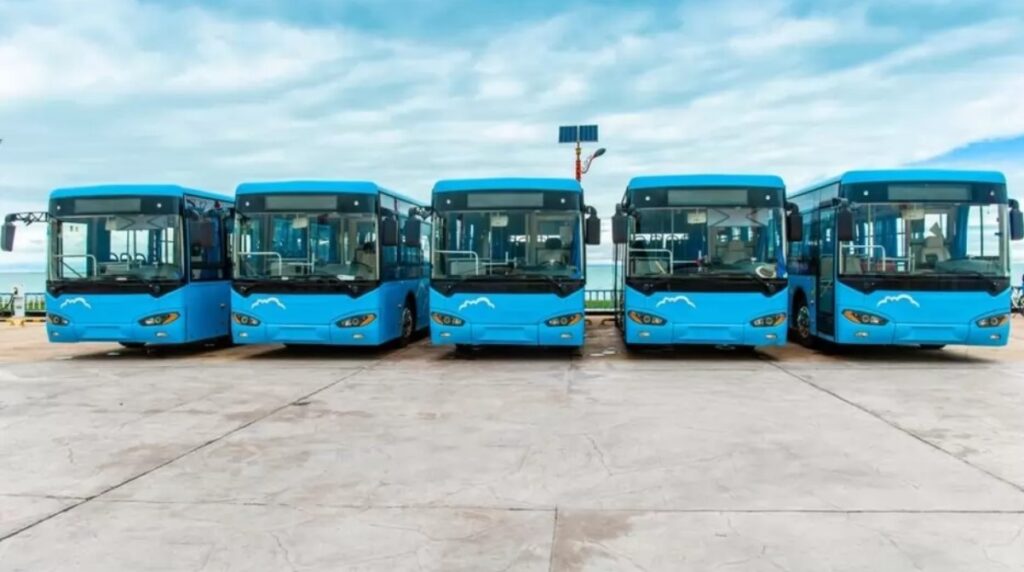
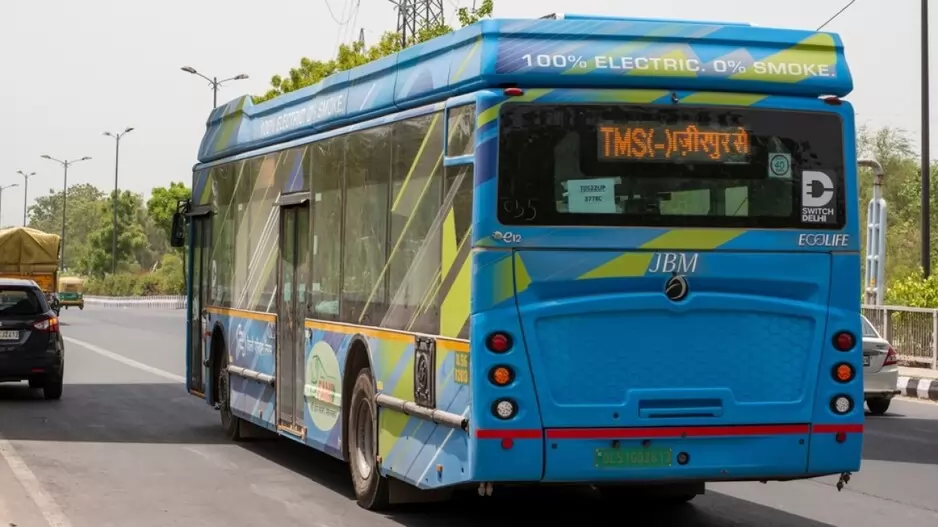
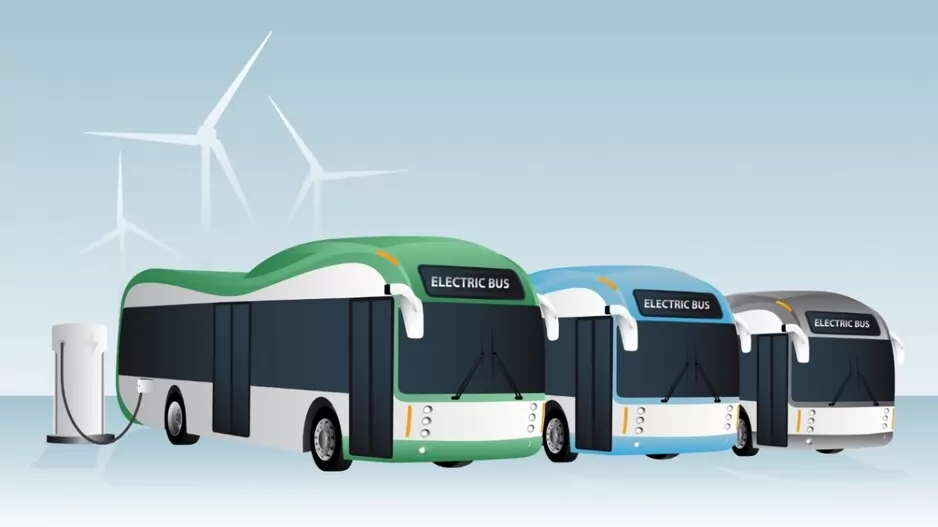
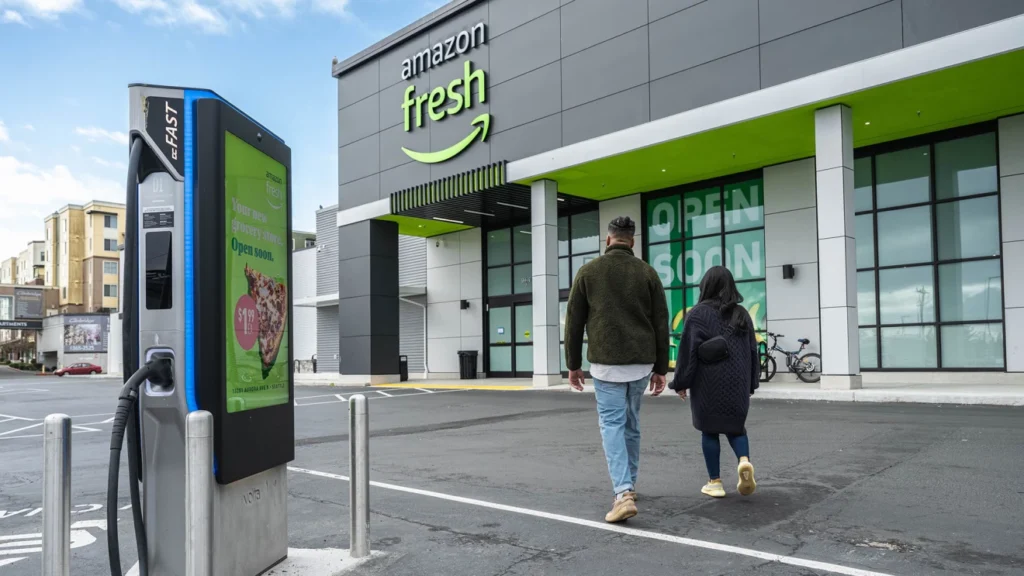
Sriram Kannan, Founder & CEO of Routematic, notes that organisations increasingly recognise commute-related emissions as one of the fastest, most measurable pathways to cut Scope 3 footprints. With even modest EV or shared-mobility adoption showing immediate carbon reductions in BRSR filings, demand for data-backed, AI-enabled electric mobility solutions surged across GCCs and tech firms.
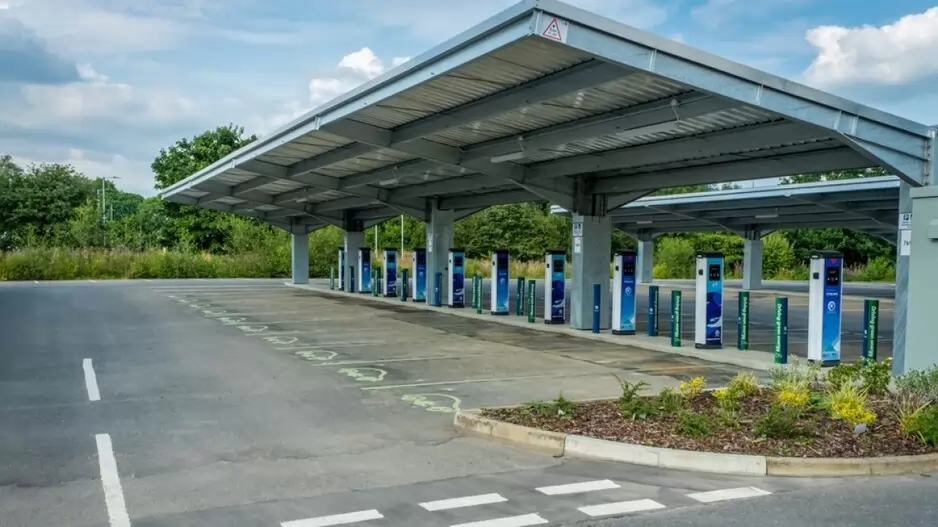
Despite improved disclosures, companies struggled with operational decarbonisation. Weak data systems, fragmented fleets, slow EV adoption and insufficient charging infrastructure created roadblocks—especially in mobility. Many firms continued operating small EV pilots without integrated transition plans linking mobility choices to climate goals.
Solar sector leaders also observed gaps in Scope 3 readiness, standardised measurement frameworks and bankable project pipelines. Mohanka says 2026 must focus on embedding climate targets into capital allocation, stronger reporting frameworks and upskilling operational teams to deliver low-carbon projects efficiently.
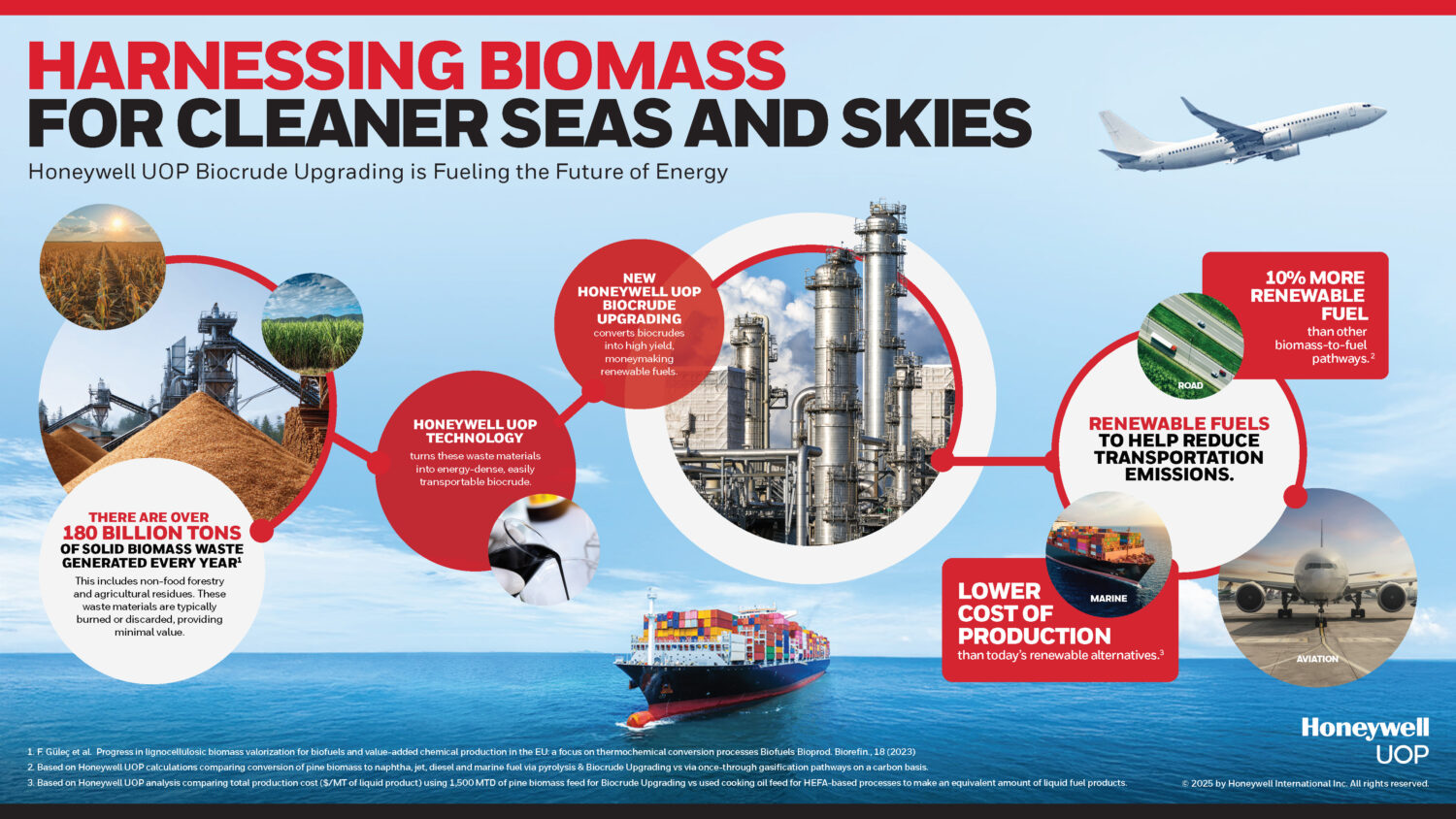
According to Ankit Aok Bagaria, CEO & Co-Founder, Loopworm, the BioE3 policy pushed India to rethink production itself—shifting from fossil-based inputs to algae, plant and insect-derived materials.
He argues that India sits on one of the world’s largest biomass reservoirs, yet only a fraction is being converted into chemicals, inputs and ingredients. The opportunity for 2026 lies in turning this biomass into local, affordable, low-carbon industrial inputs—strengthening supply chains, reducing import dependence and making sustainability economically competitive.
What Will Define 2026: Integrated, Measurable and Profitable Models
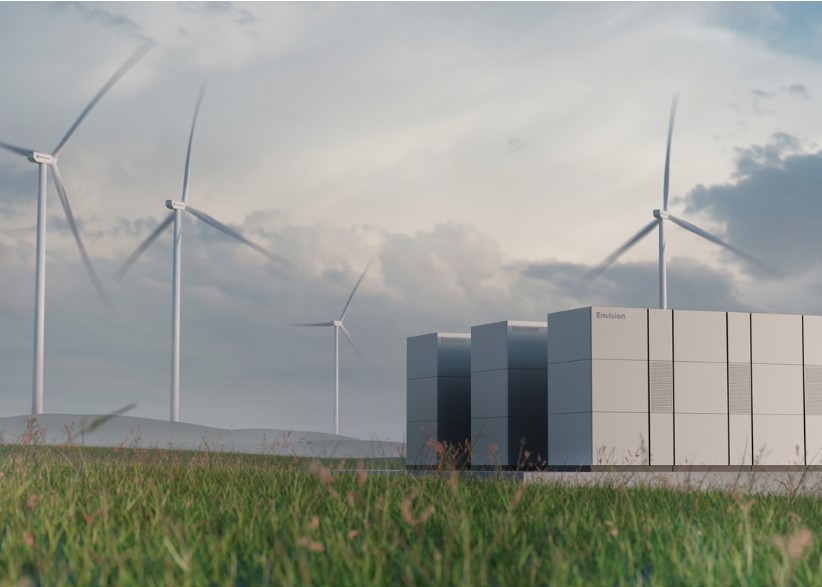
Across sectors, leaders expect 2026 to be a year of acceleration, marked by the rapid expansion of green hydrogen value chains and the mainstream adoption of product-level carbon accounting and supply-chain decarbonisation. The year is also likely to see scaled deployment of grid-scale storage and smart energy management systems, alongside wider acceptance of asset-light EV fleets, shared mobility, and AI-driven route optimisation. Organisations are set to use IoT and digital twins more extensively for precise emissions measurement, while waste-to-value models gain momentum by treating by-products as revenue-generating co-products. Additionally, sustainability is expected to move beyond standalone offerings towards platform-based ecosystems that integrate multiple solutions and stakeholders.
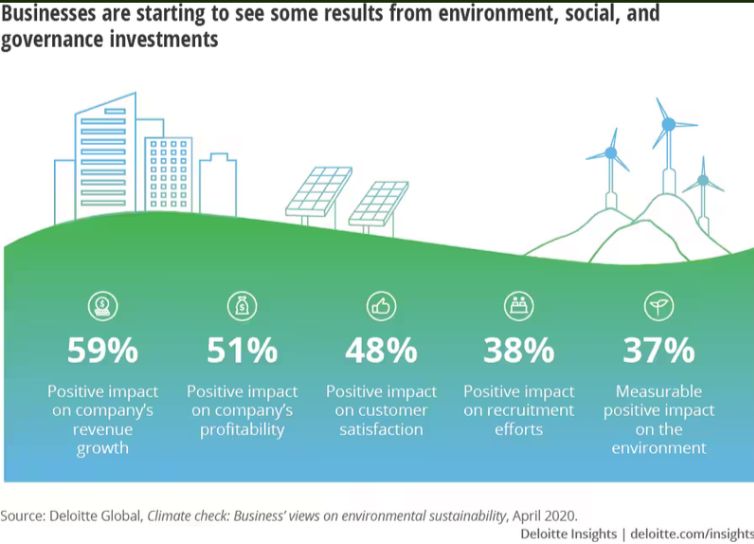
These trends reflect a broader shift: sustainability projects are no longer isolated CSR-led initiatives but financially viable, technologically integrated strategies tied to measurable outcomes.
If 2024 was the year of commitments, 2025 became the year of action. Stronger policies, a growing bioeconomy, EV-led mobility shifts and better corporate disclosures set the stage for a more credible, accelerated transition.
As India heads into 2026, sustainability is no longer simply a moral or compliance-driven agenda—it is a business imperative, a competitive advantage and increasingly, a catalyst for innovation and long-term value creation.