































































































































































































































































































































































































































































































Affordable Luxury In Tier 2 India: Expanding Access To Sustainable Premium Living


As Tier 2 cities redefine urban aspiration, sustainability-led township design is emerging as the new benchmark for premium living, blending long-term value, ecological balance and community-centric planning
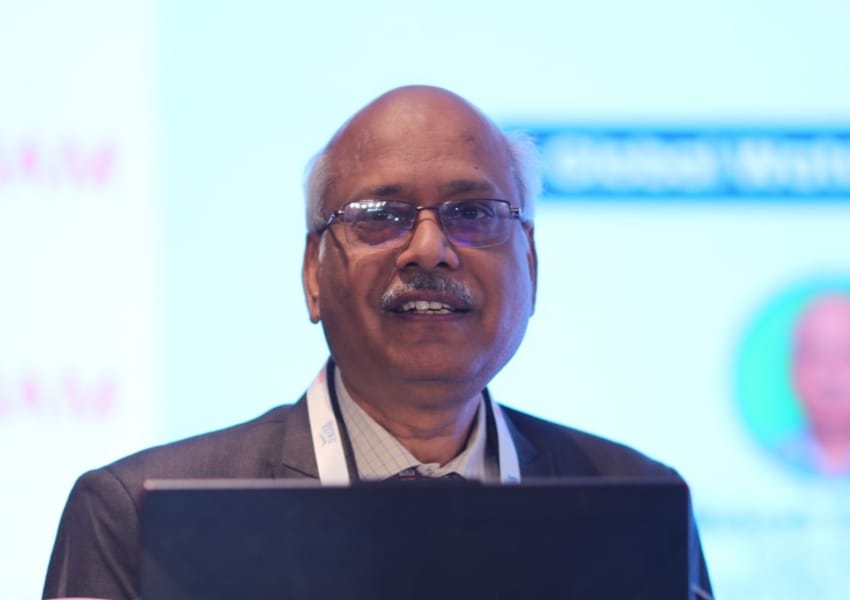
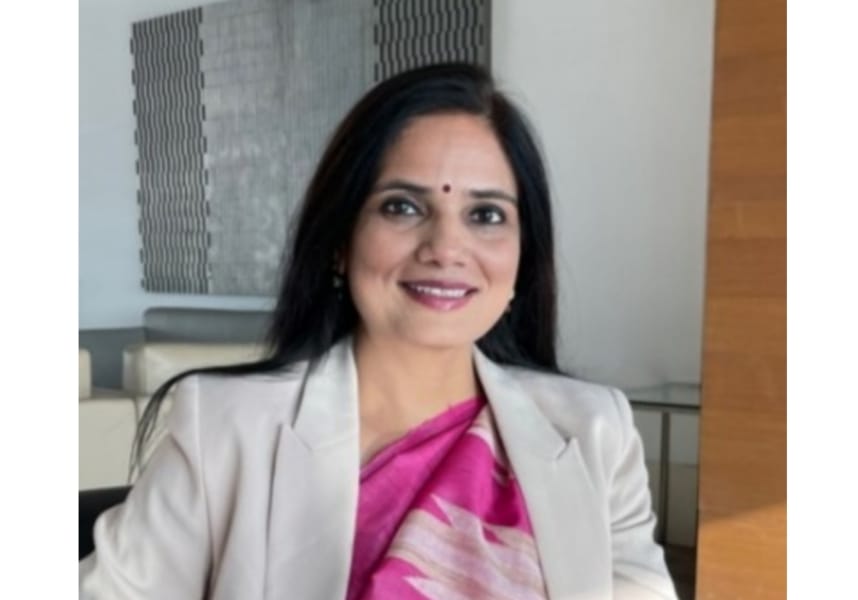
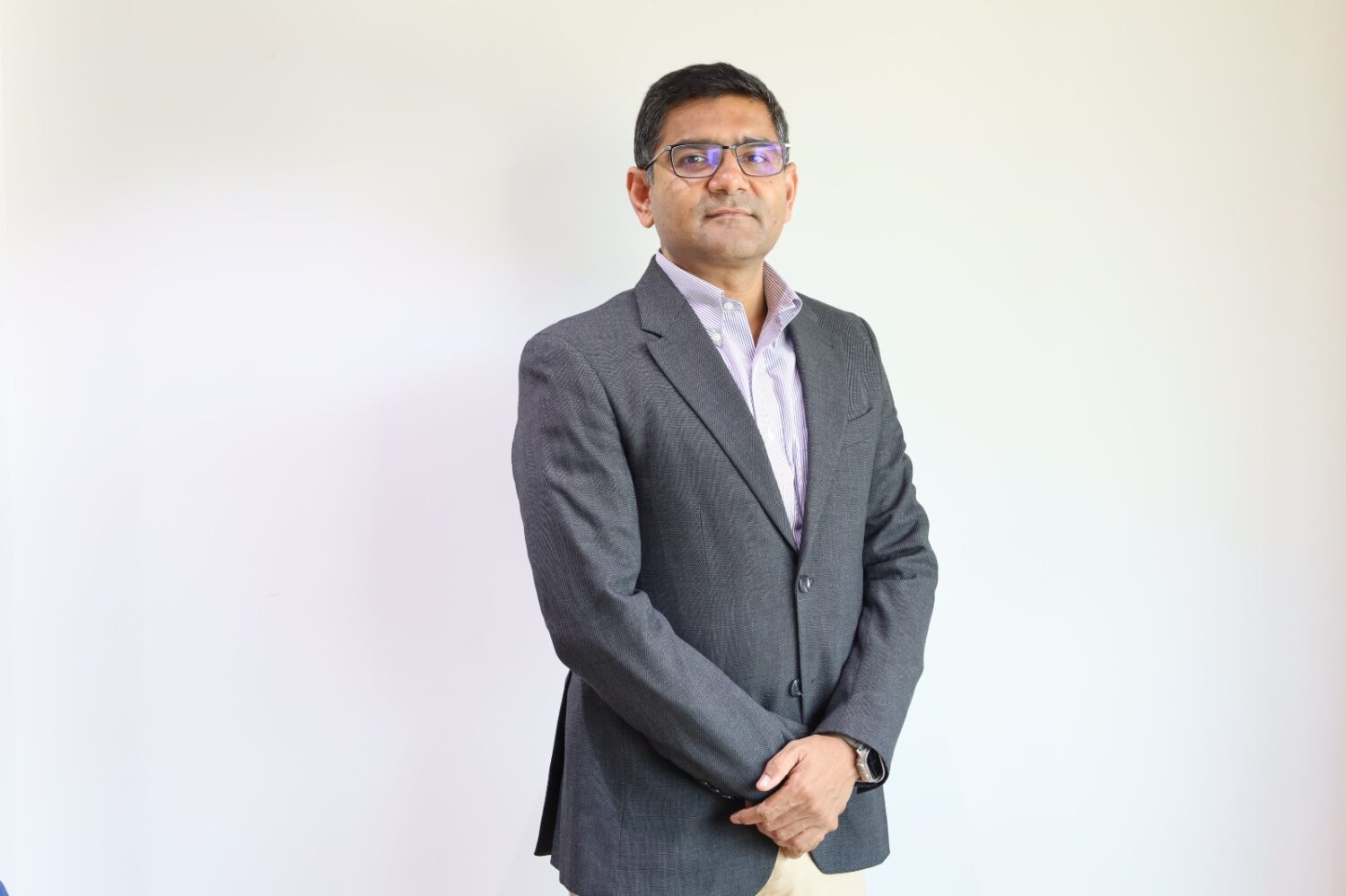
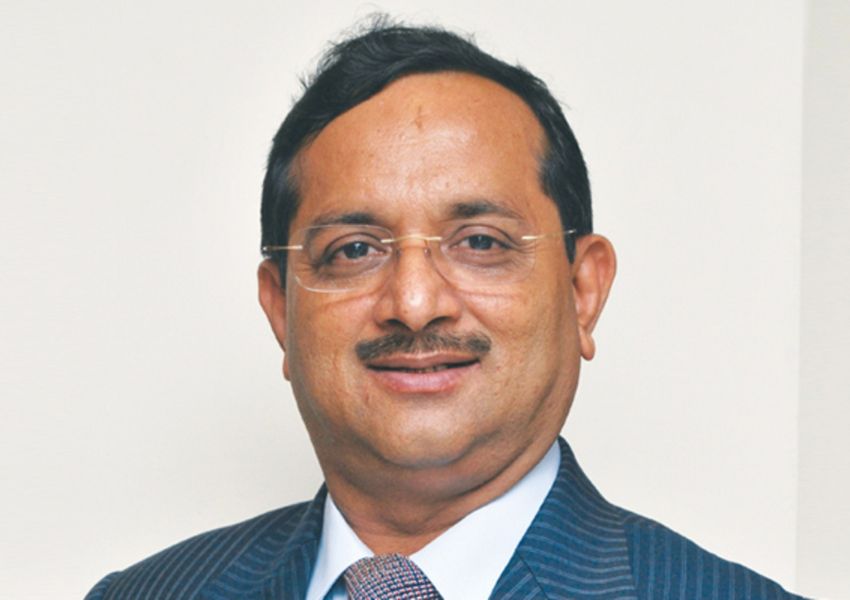
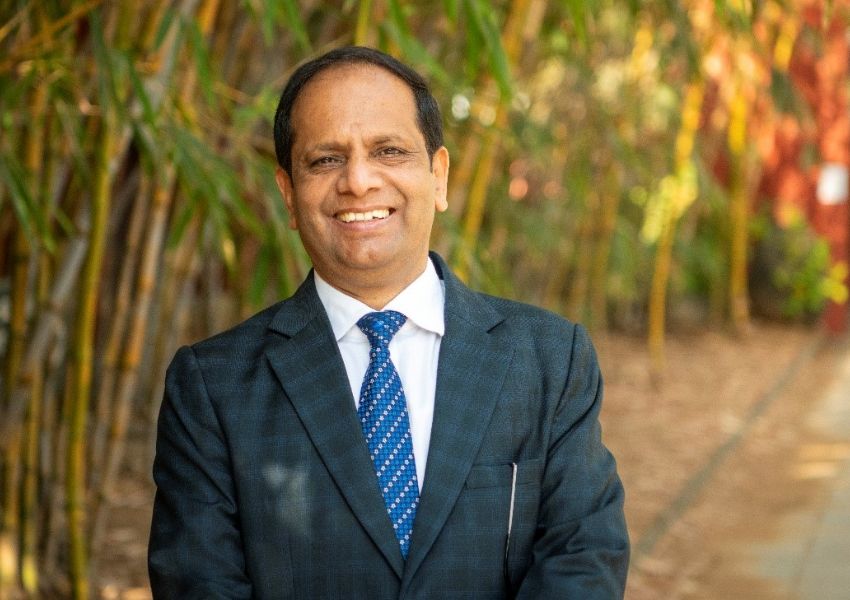
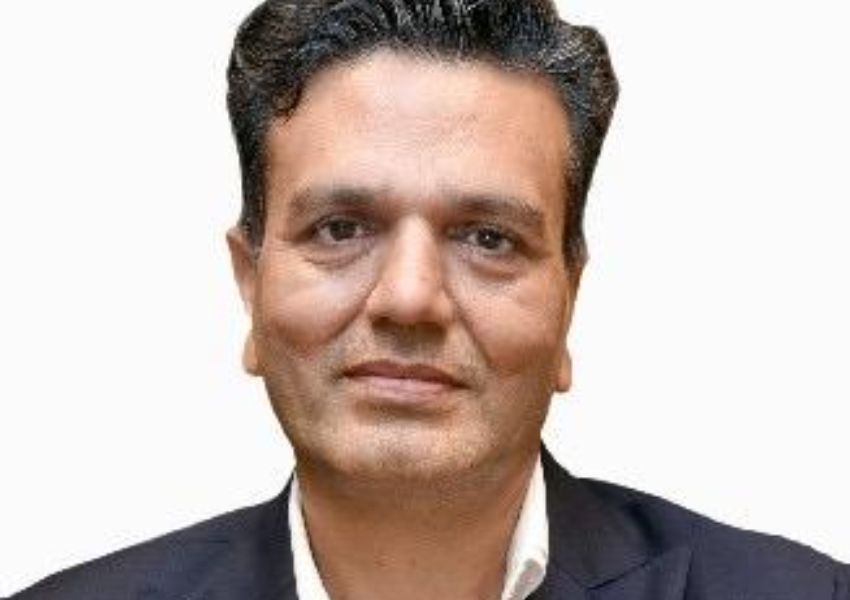
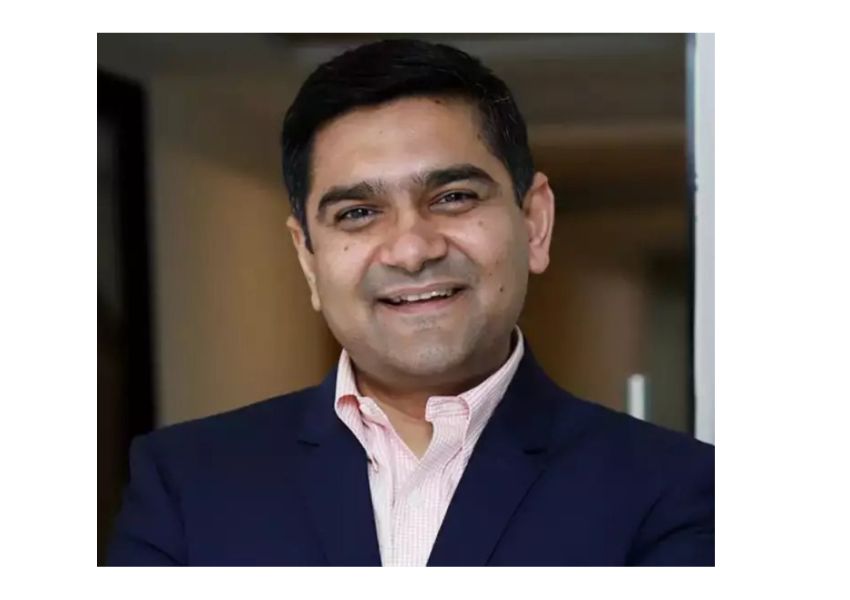
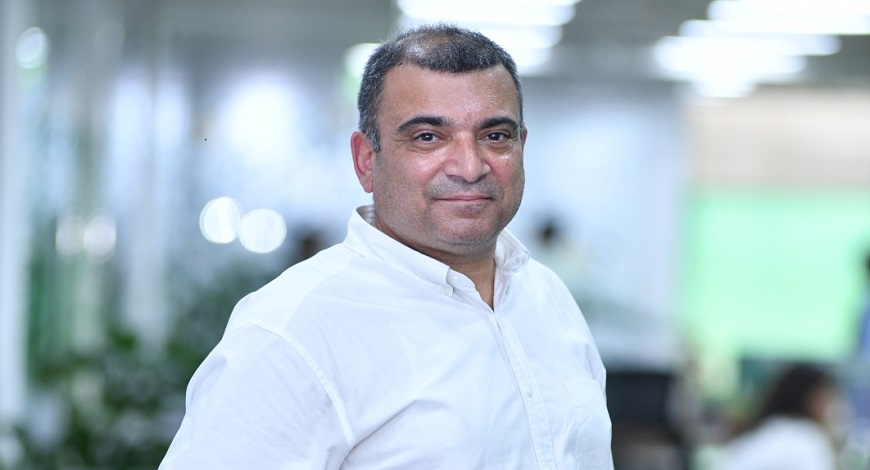
By: Rajesh Damani, Founder and Managing Director at Jamshri Realty.
The narrative of Indian urbanization is undergoing a fundamental transformation as the focus shifts toward tier 2 cities. For decades, the definition of premium living was confined to the vertical skylines of a few major metros. However, the year 2026 marks a turning point where the aspiration for a high-quality life is no longer geography dependent. People in cities like Solapur, Nashik, and Coimbatore are seeking environments that offer a seamless blend of modern infrastructure and ecological mindfulness. This shift is not a temporary trend. It is a structural evolution in how we conceive, plan, and build the townships of the future.
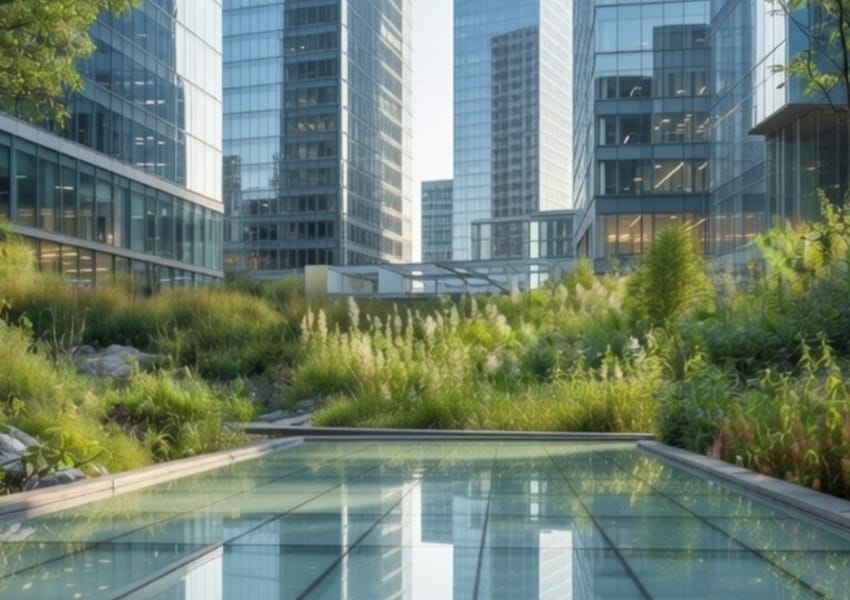
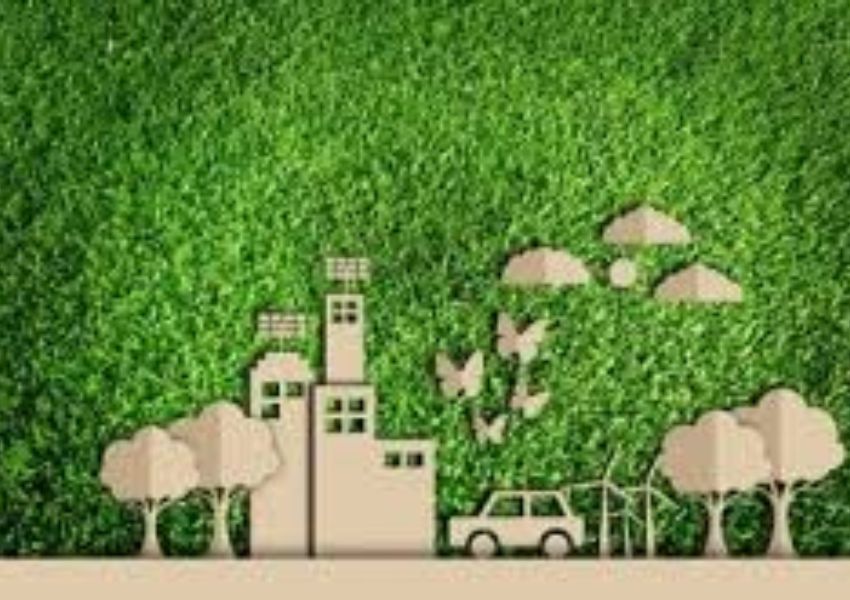
The benchmark for this new era of urban development is sustainability. In the past, green features were often treated as optional add-ons or marketing gimmicks to attract a specific niche of buyers. Today, sustainability is the very foundation of a long-term vision for any township that aims to be relevant in 2026 and beyond. A township that fails to integrate energy efficiency and resource management at its core is essentially an obsolete asset from the day it is built. True luxury in the modern context is defined by the purity of the air we breathe, the reliability of our water sources, and the intelligence of the spaces we inhabit.
Design Efficiency Matters
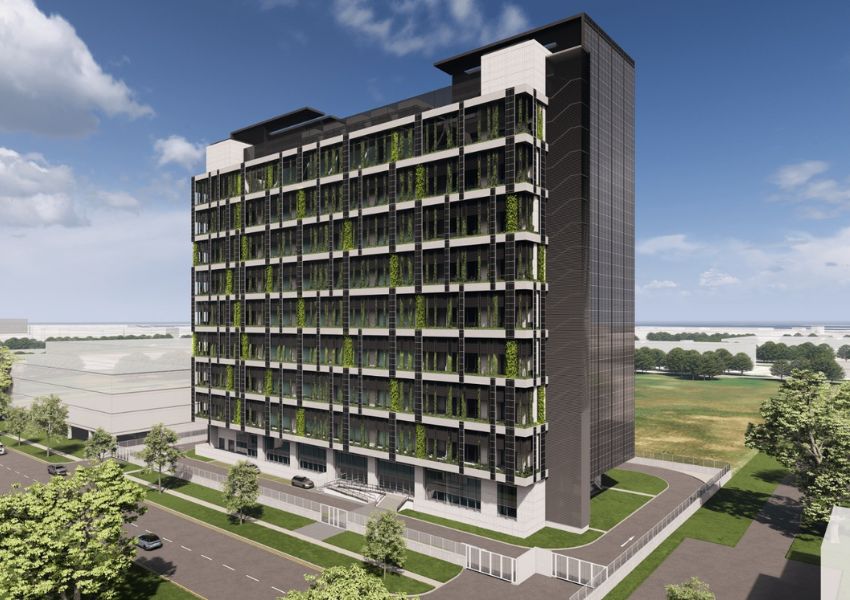
Expanding access to sustainable premium living in tier 2 India requires a radical rethink of design efficiency. We must move away from the resource-heavy models of the past and embrace a philosophy where every square foot serves a purpose. High-performance architecture allows us to create homes and workspaces that stay naturally cool in the summer and retain warmth in the winter. This is achieved through passive design strategies such as optimal building orientation and cross-ventilation. When we reduce the thermal load on a building, we naturally lower the energy consumption required for air conditioning. This makes energy-efficient living commercially viable for the developer and affordable for the resident.
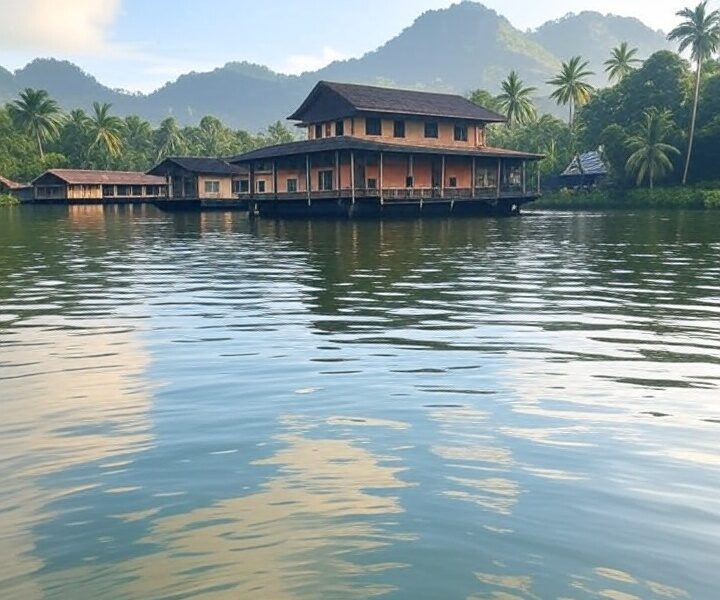
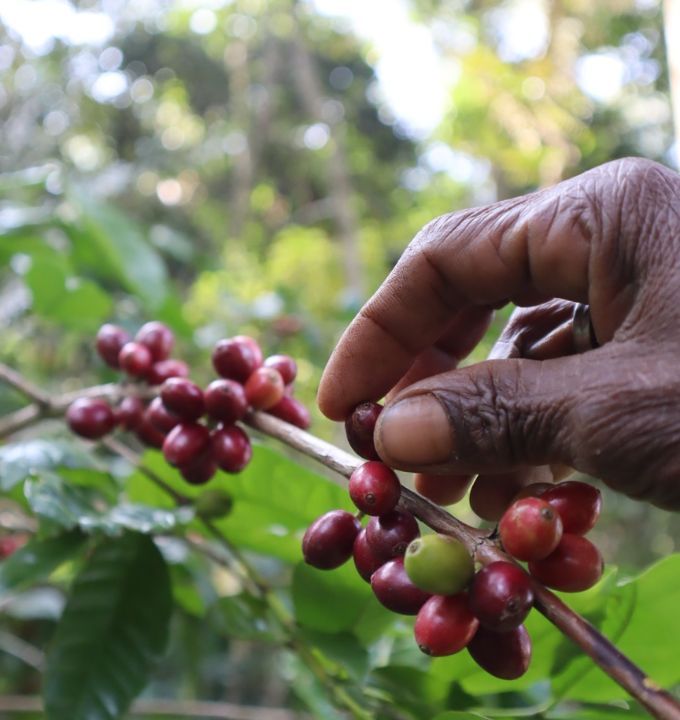
The commercial viability of sustainable housing in tier 2 cities depends heavily on the use of local materials. Transporting construction materials over long distances adds significant cost and a massive carbon footprint to any project. By utilizing locally sourced or even recycled materials, we can create structures that are deeply rooted in the local climate and culture. This approach honors the heritage of the region and supports the local economy. It also allows us to achieve a premium aesthetic that is authentic rather than a generic imitation of glass-and-steel structures found in metros.
Adaptive Reuse Meets Future
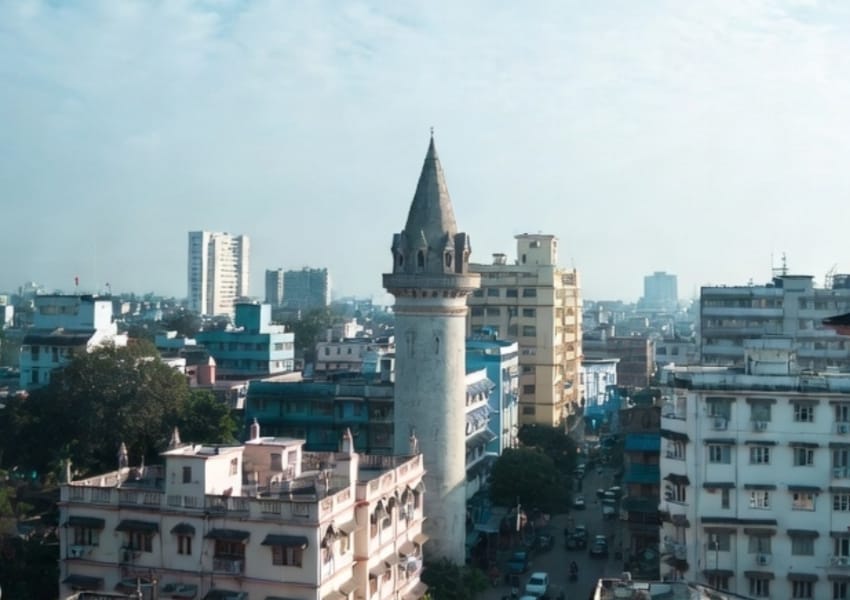
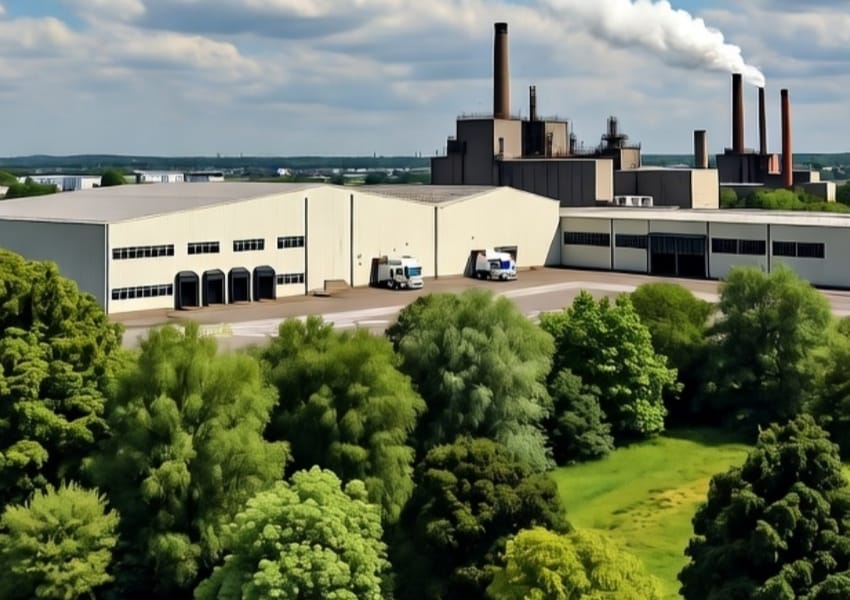
One of the most effective ways to lower the embodied carbon of a development is through the adaptive reuse of existing structures. Many tier 2 cities are home to old industrial sites and heritage buildings that possess immense architectural character. Instead of demolishing these structures, we can revitalize them into modern retail hubs, offices, or community spaces. This preservation of history acts as a bridge between the past and the future. It provides a unique sense of place that new construction alone cannot replicate. When we reuse materials and footprints, we significantly reduce the environmental impact of the development process.
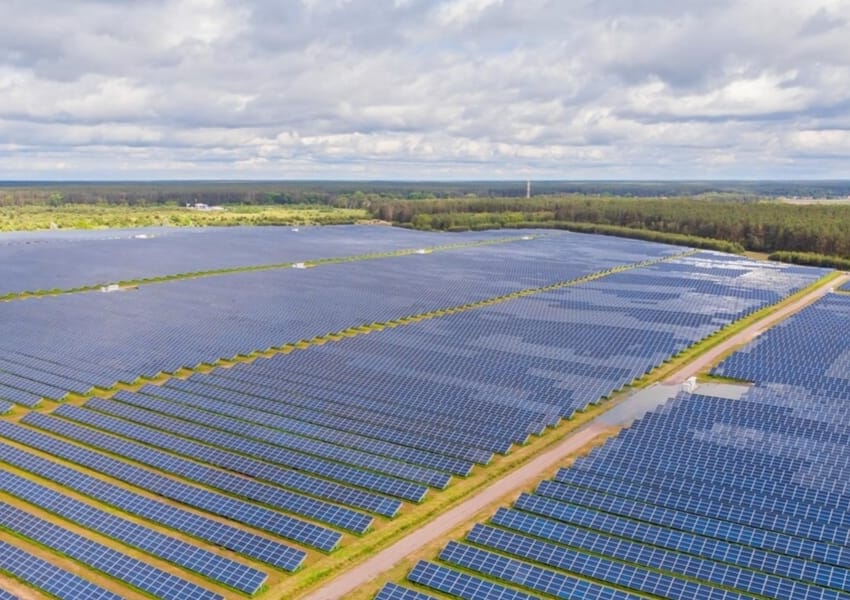
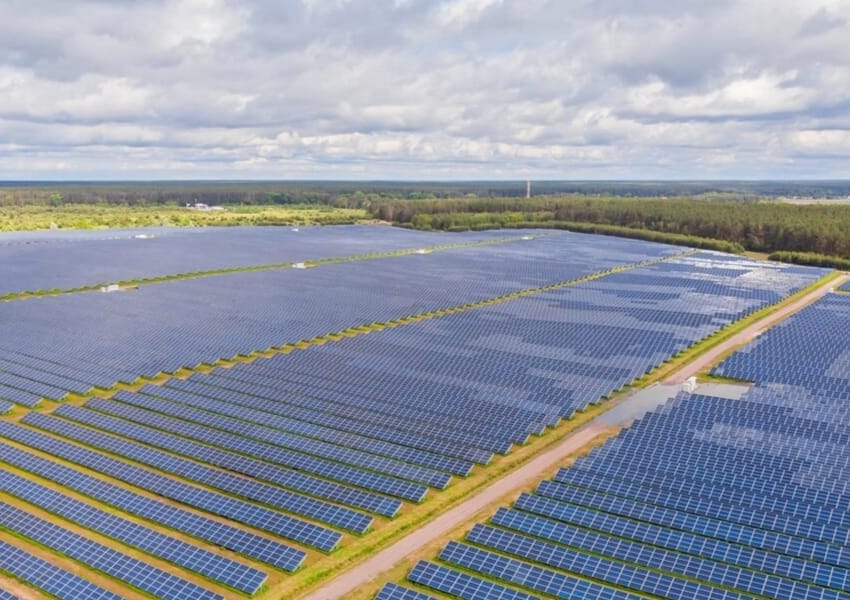
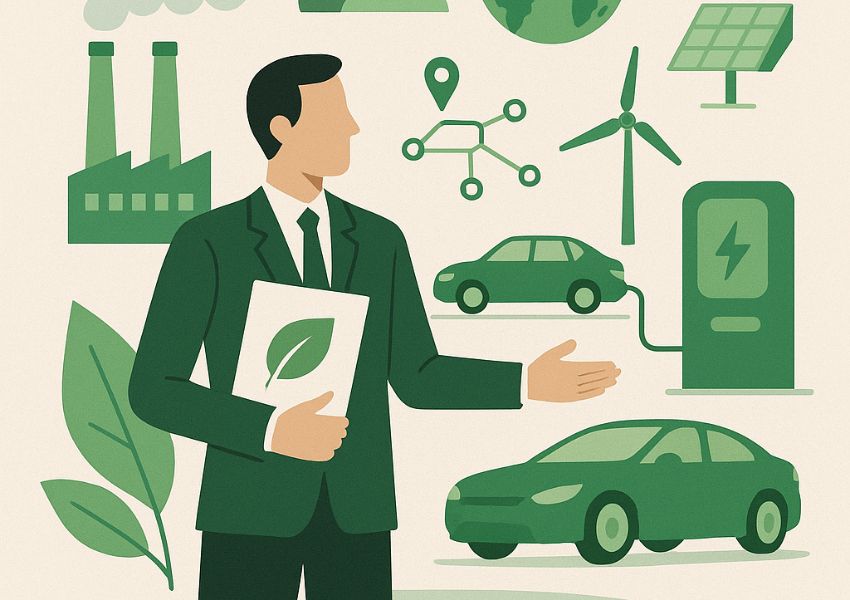
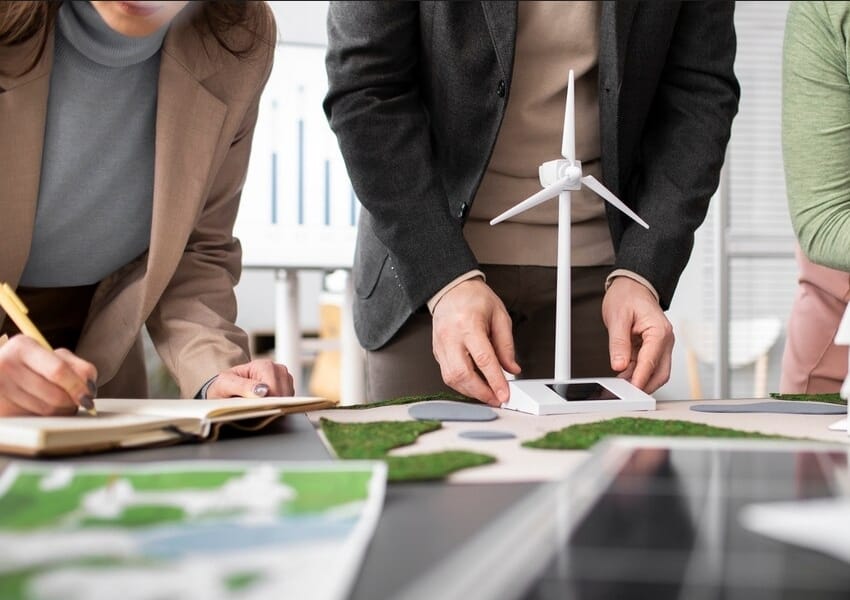
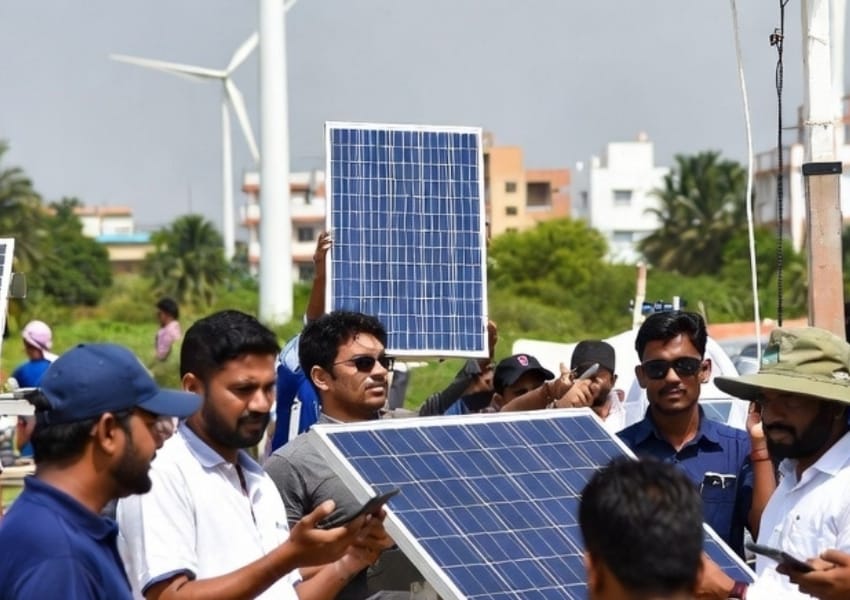
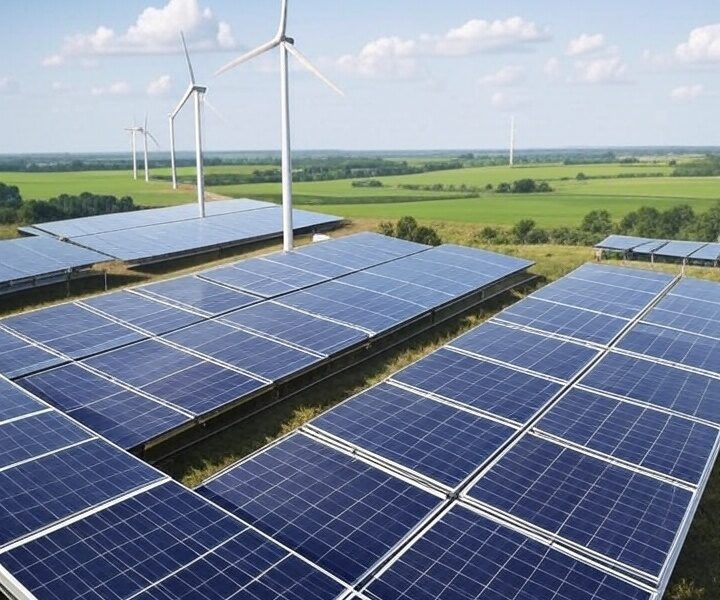
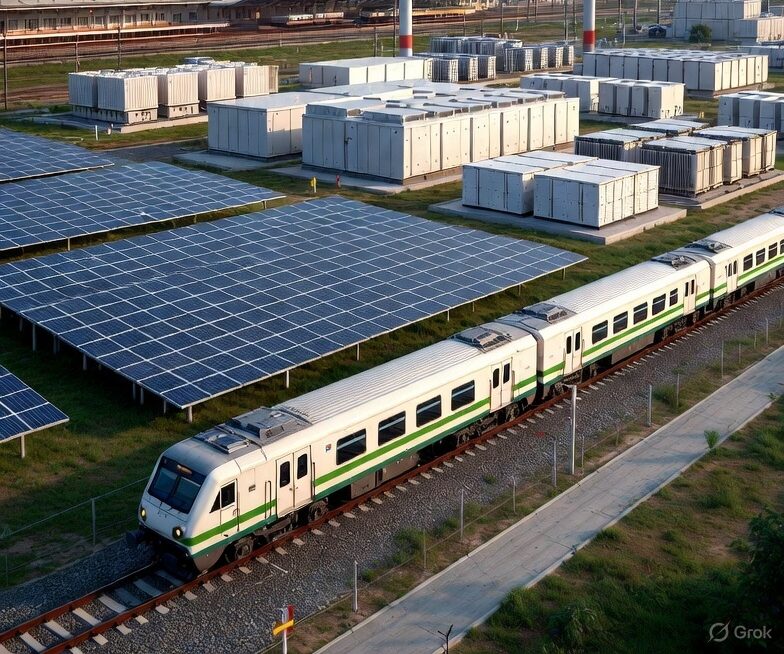
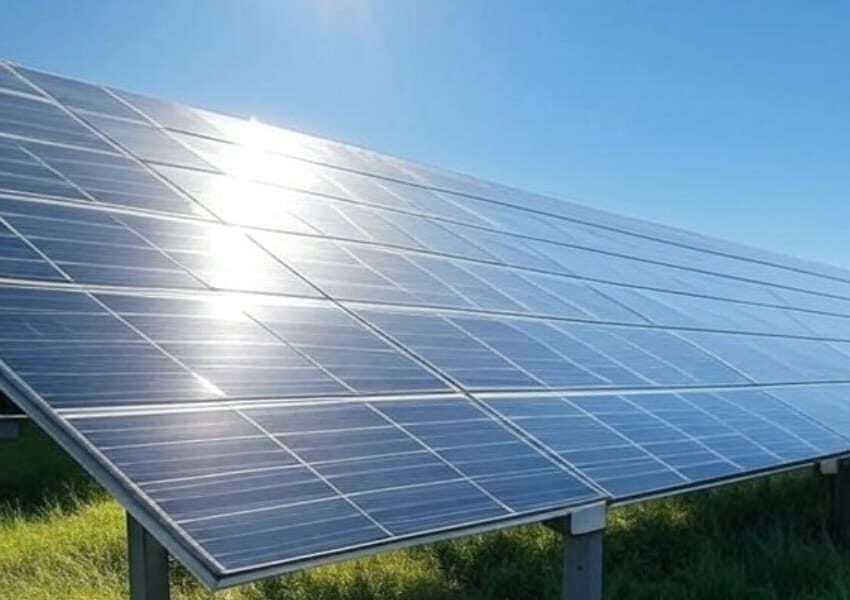
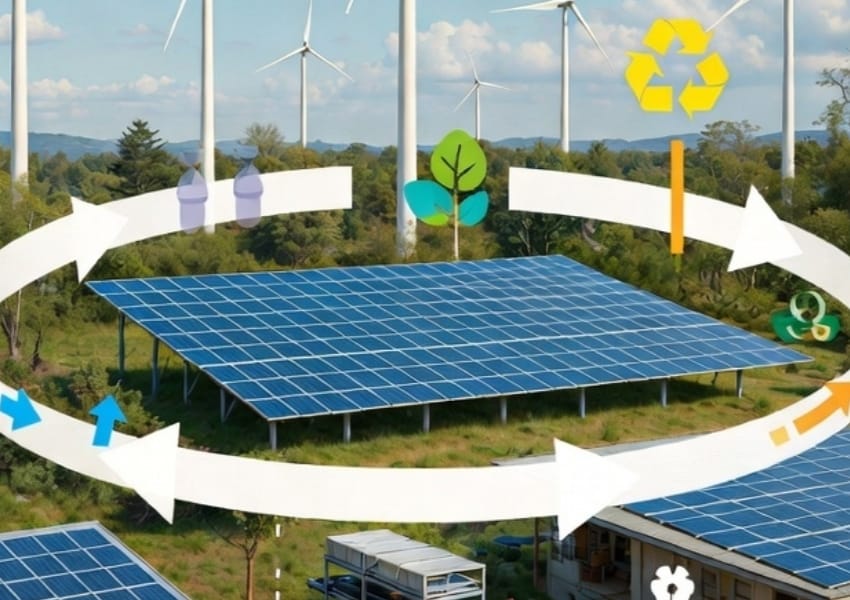
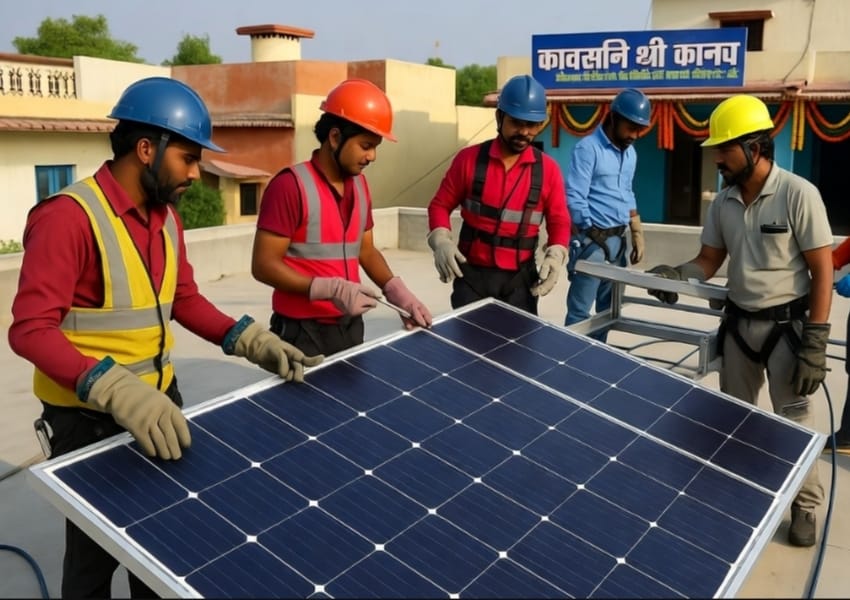
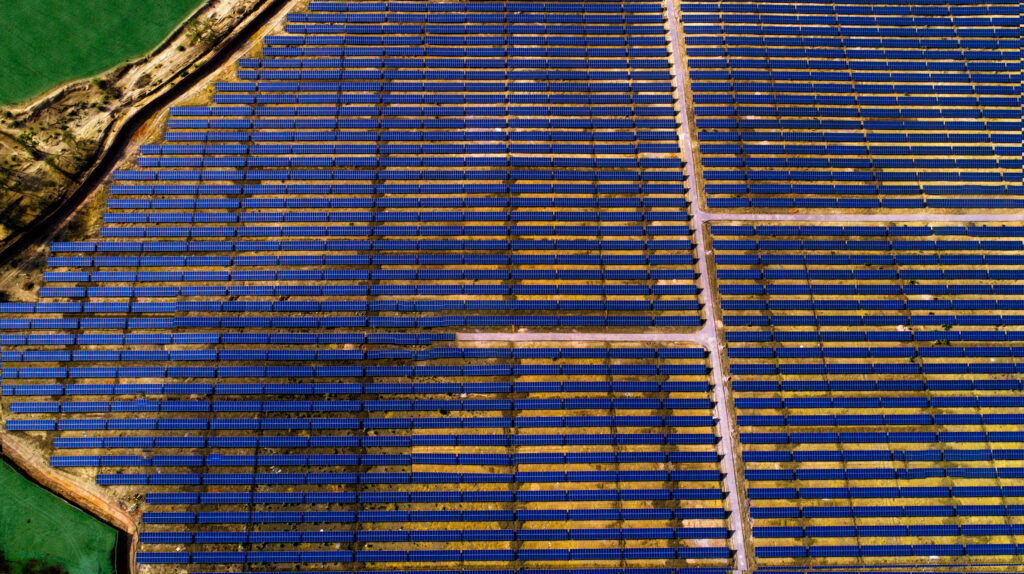
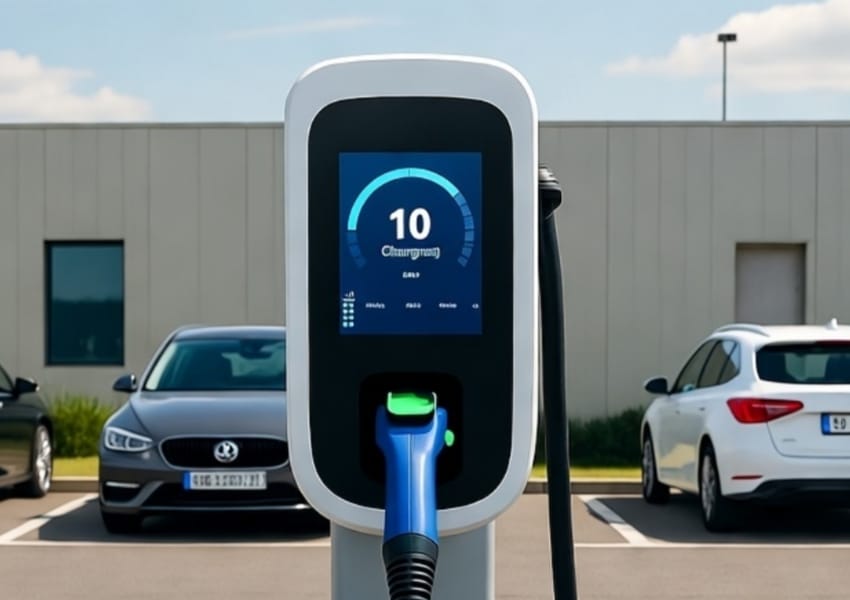
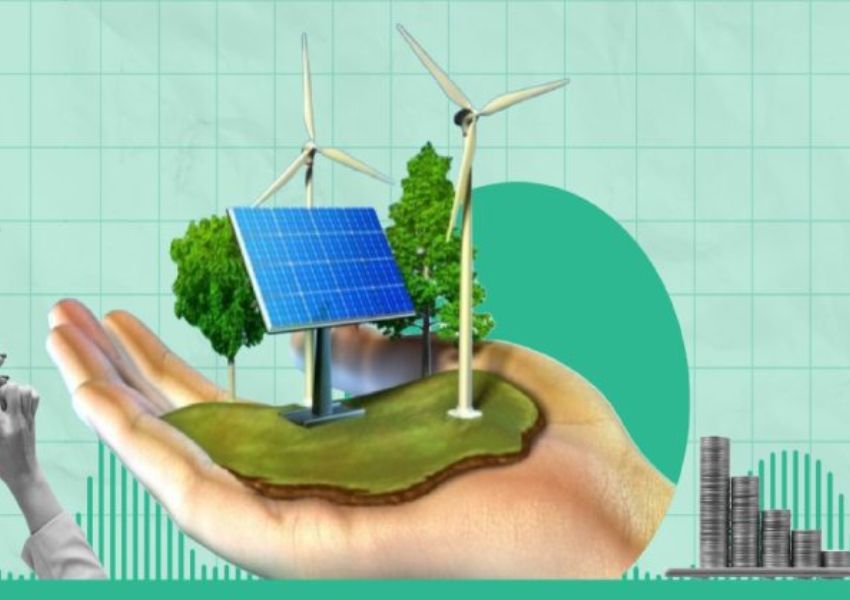
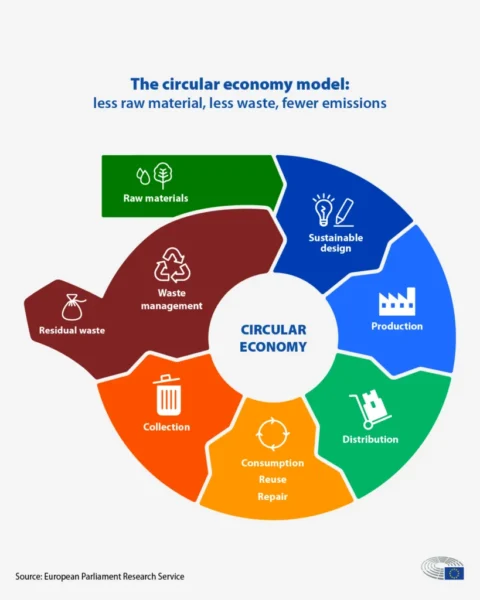
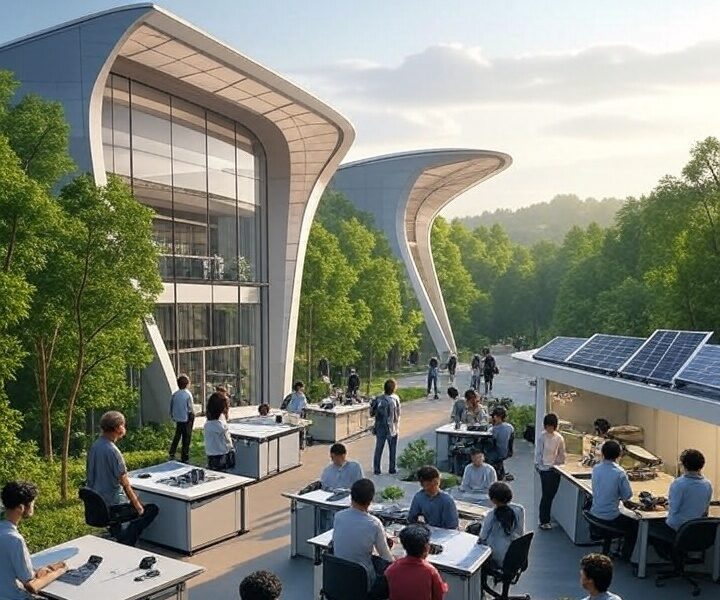
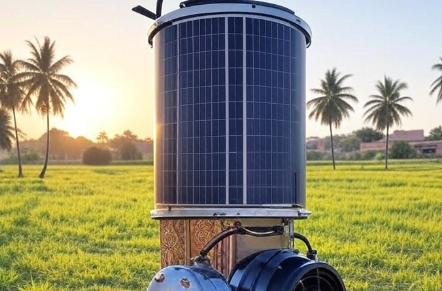
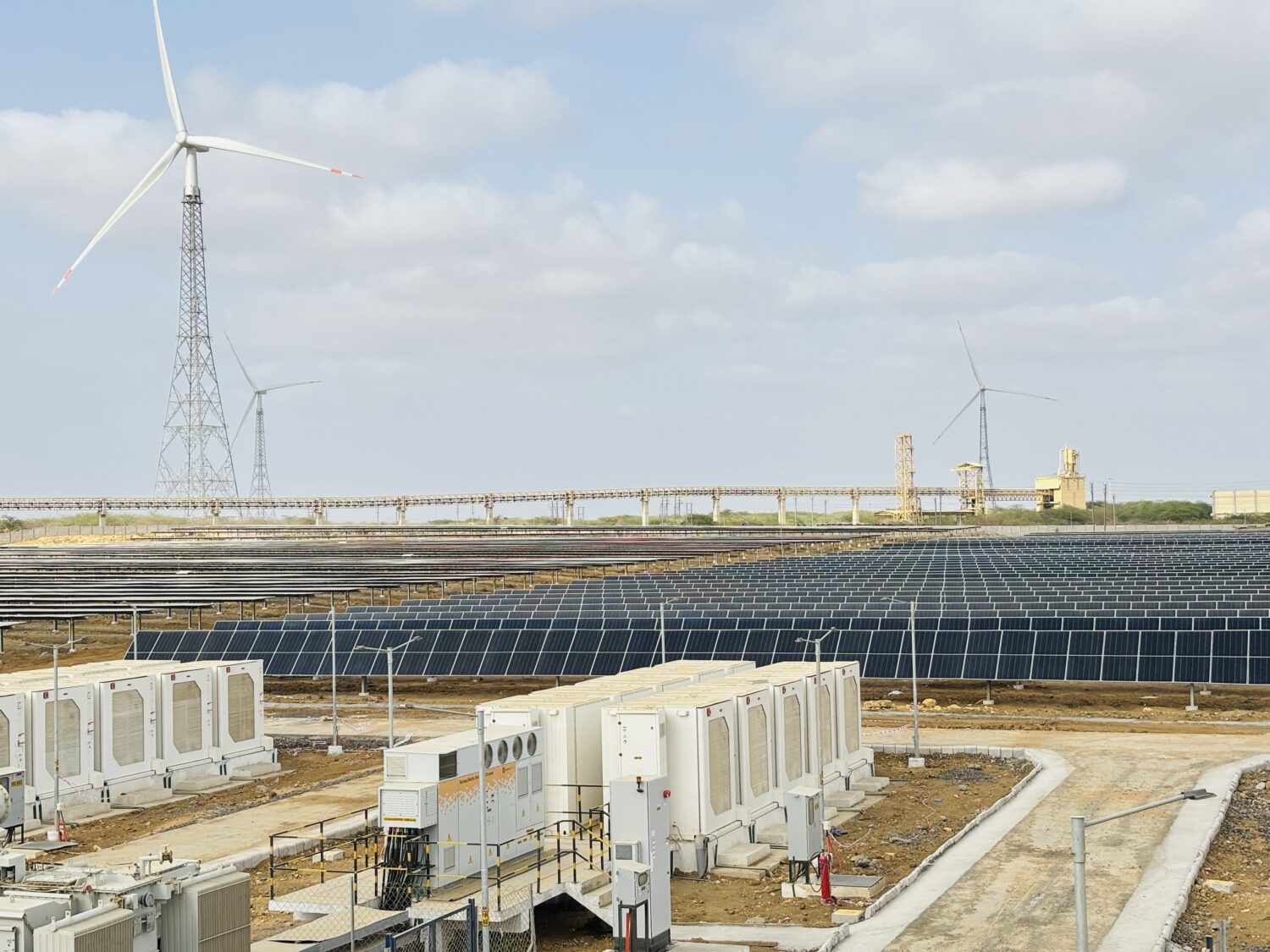
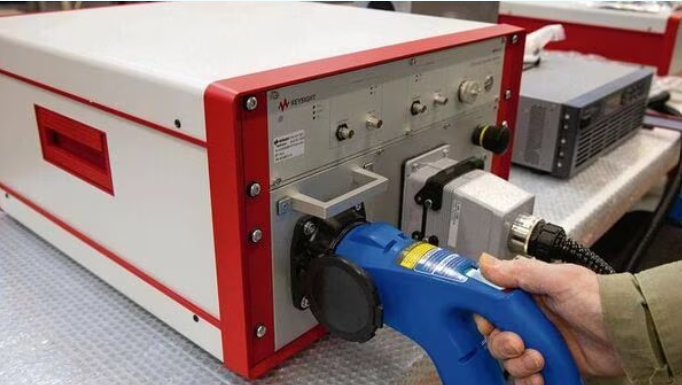
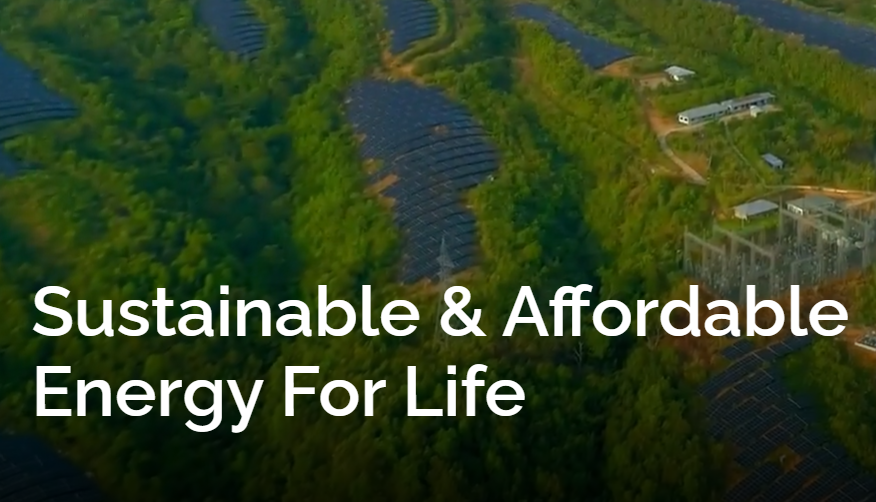
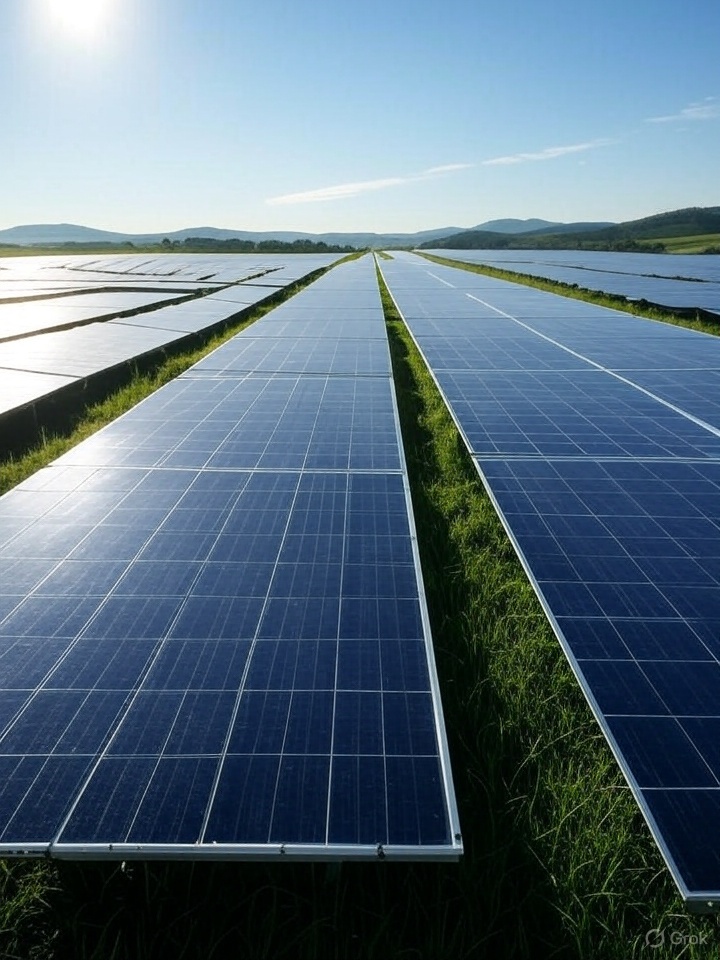
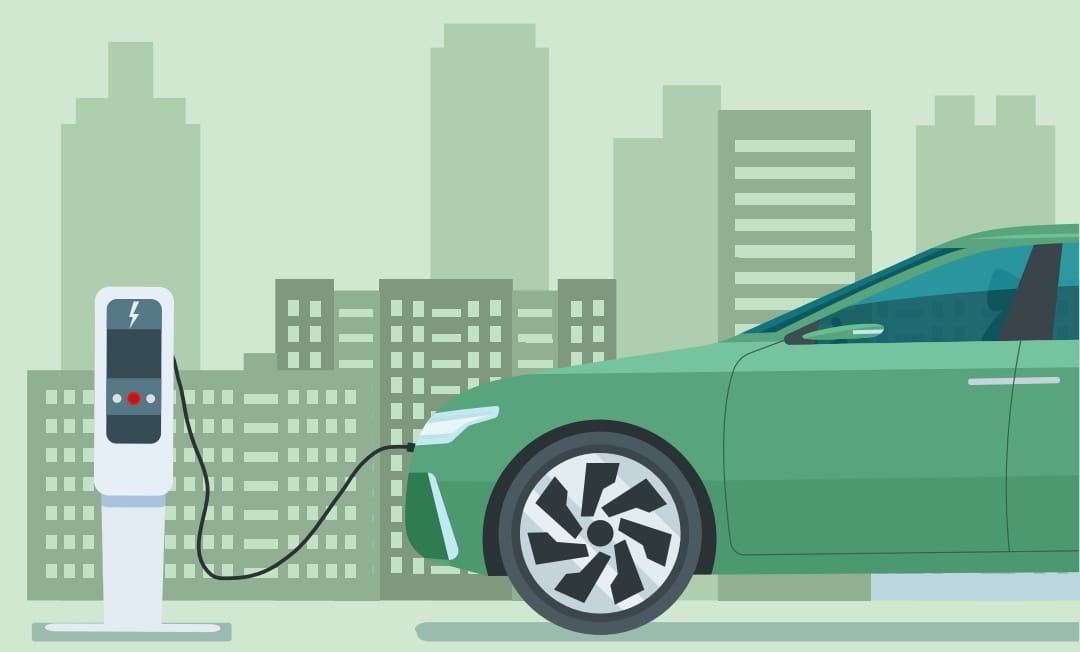
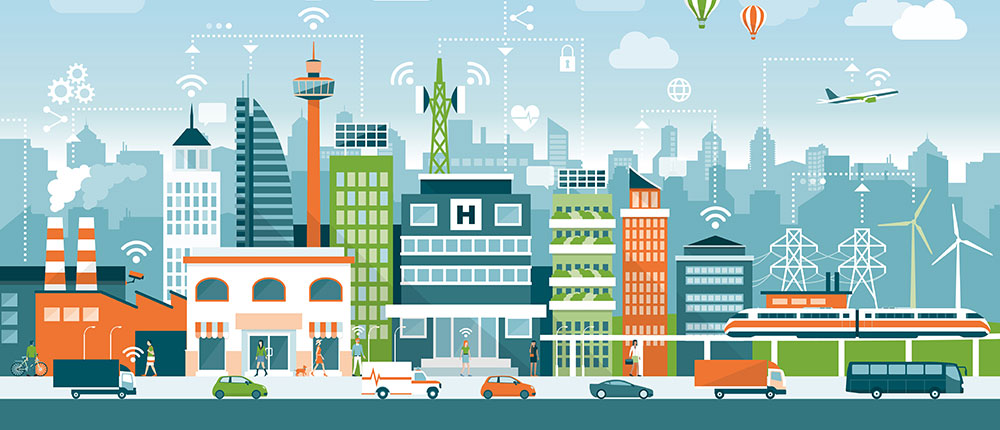
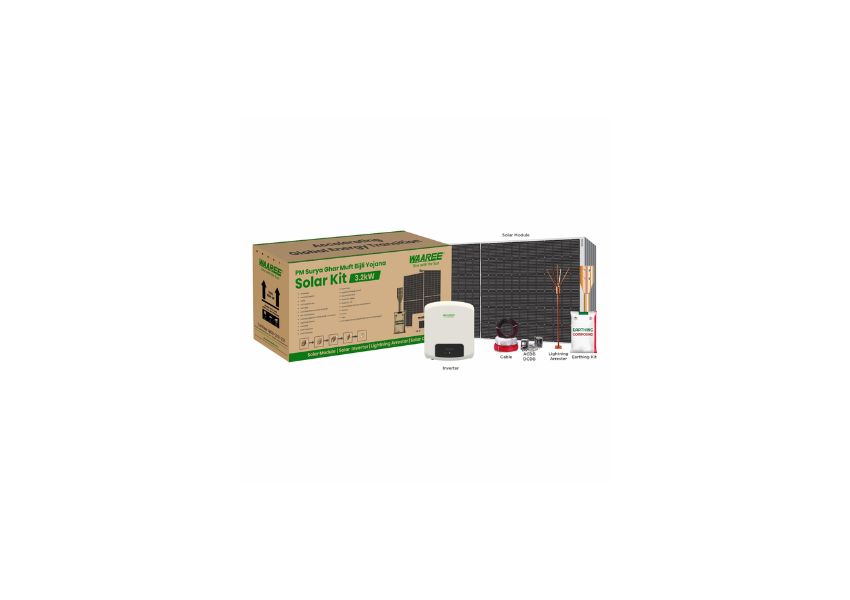
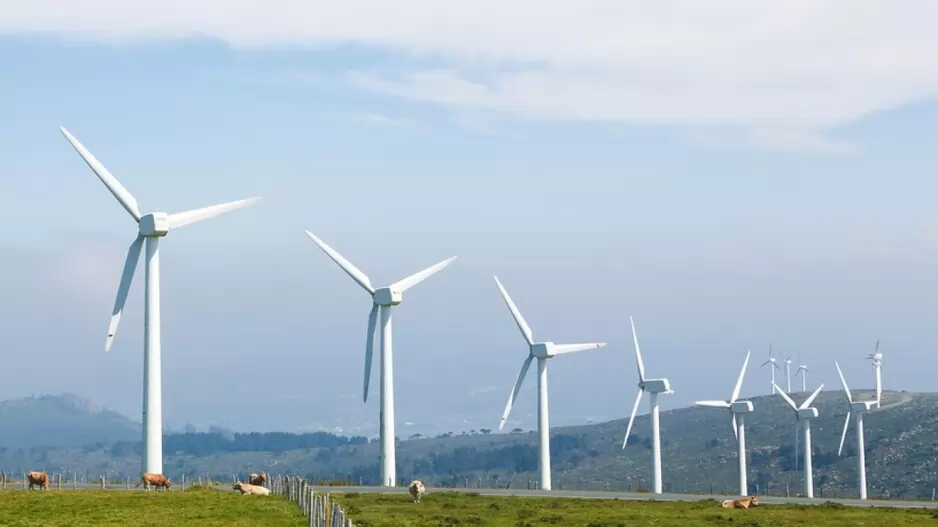
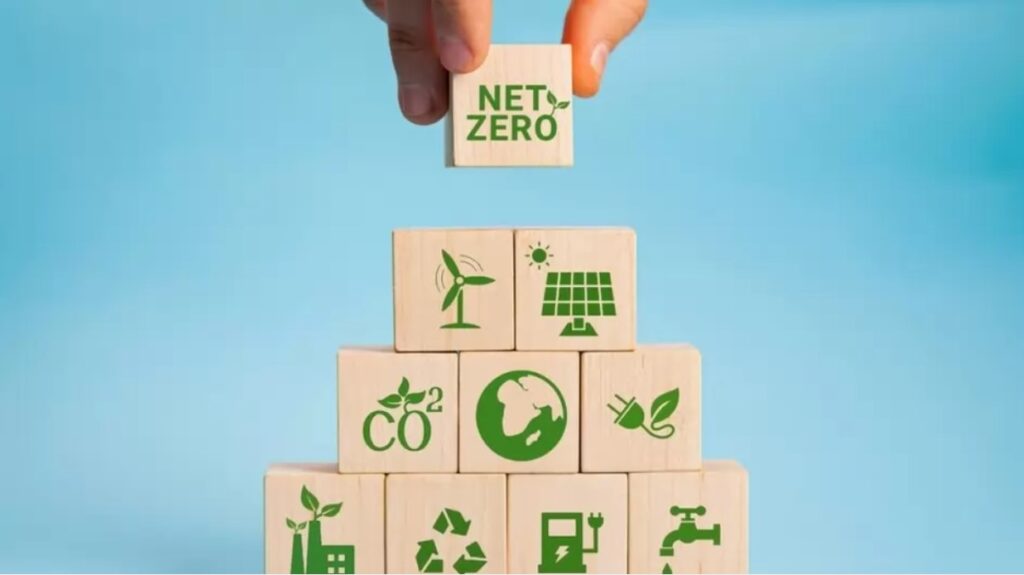
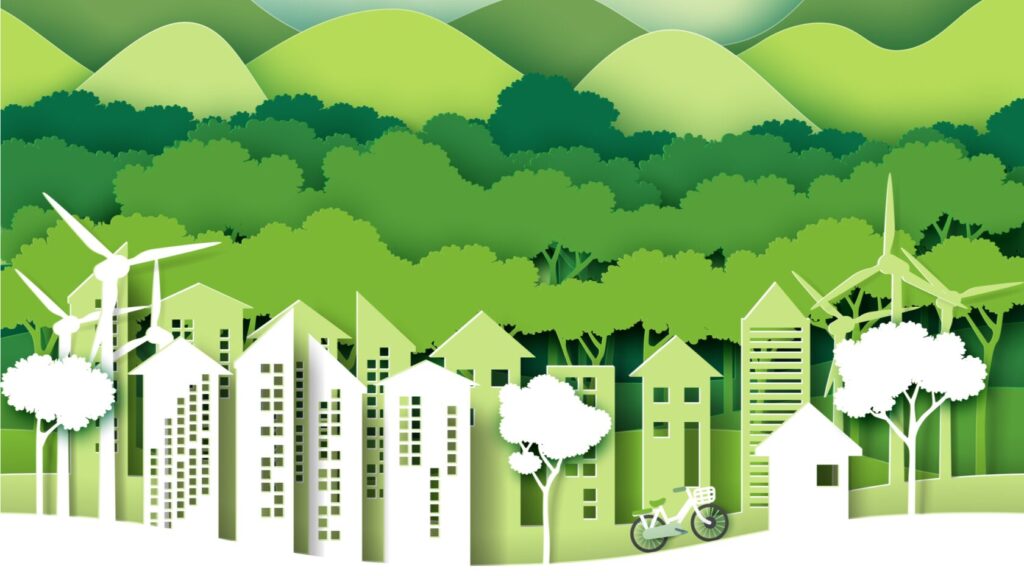
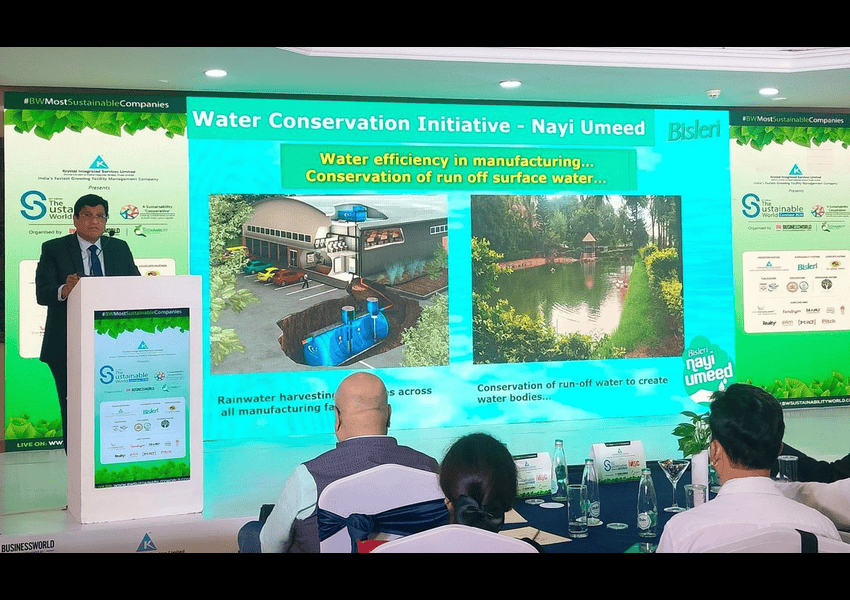
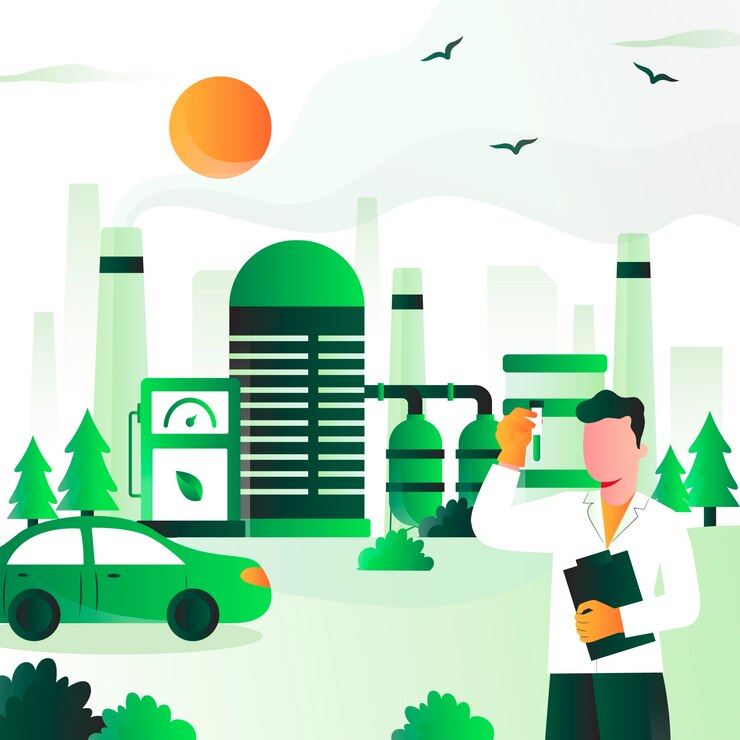
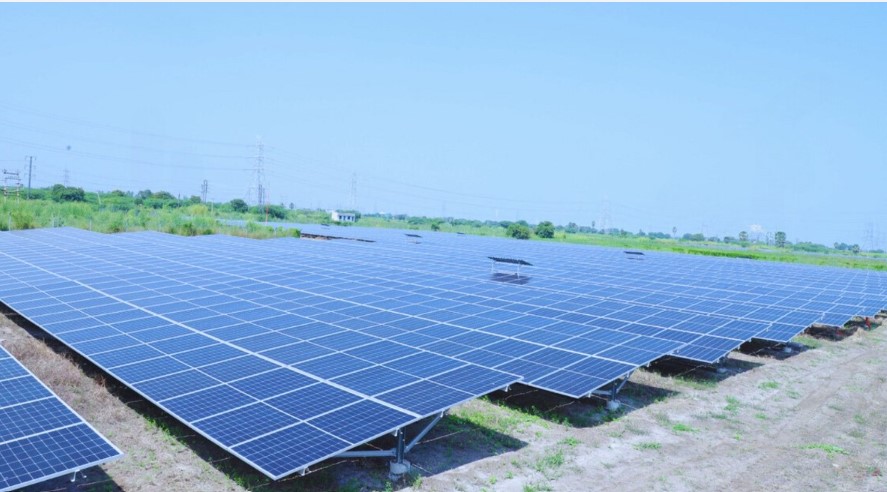
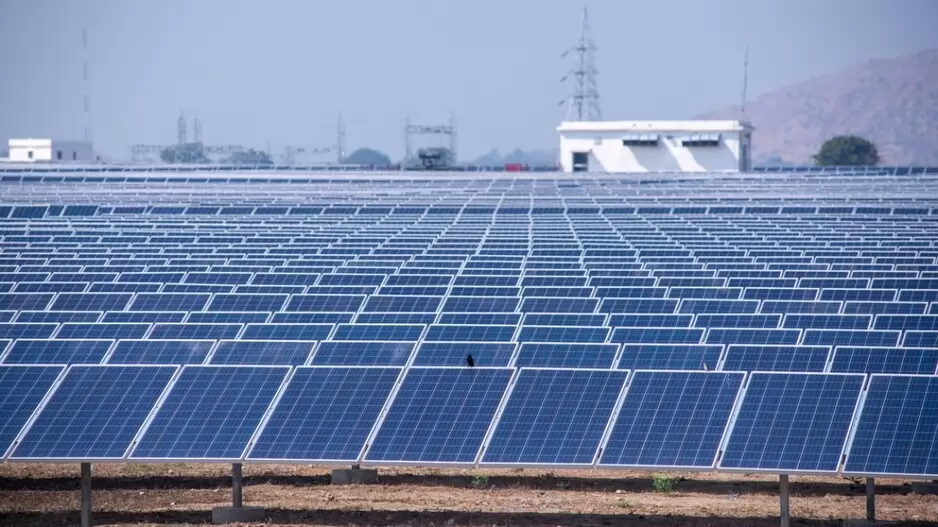
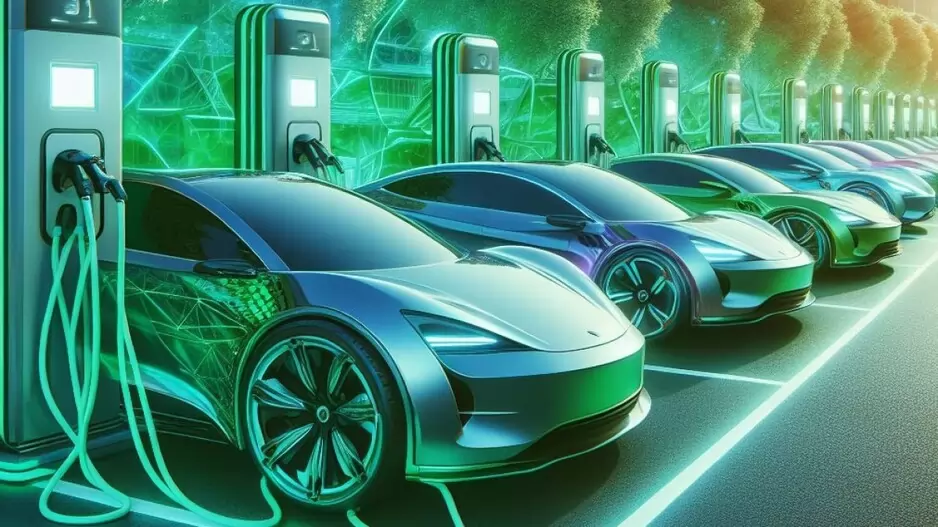
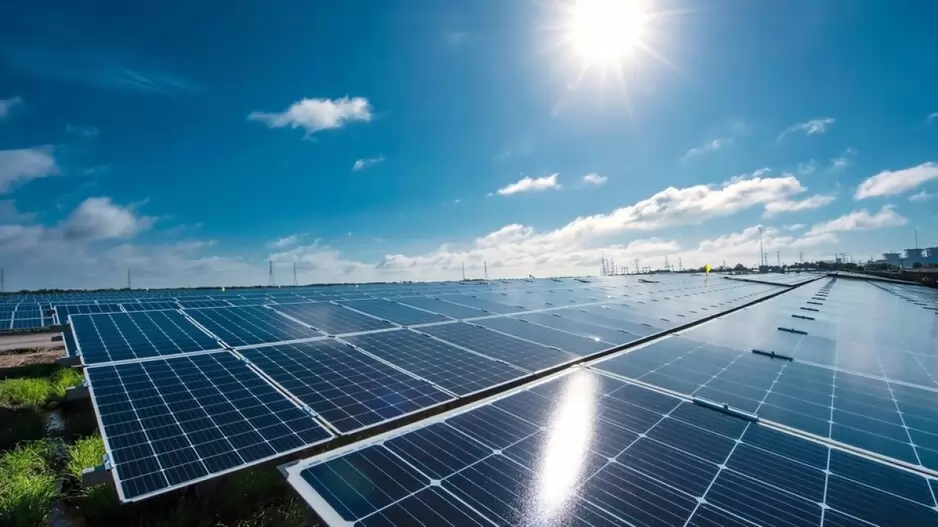
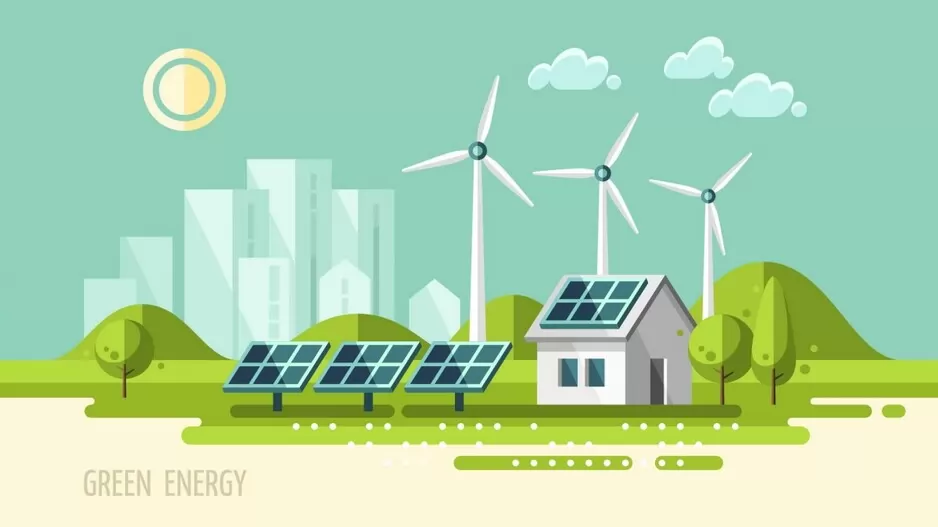
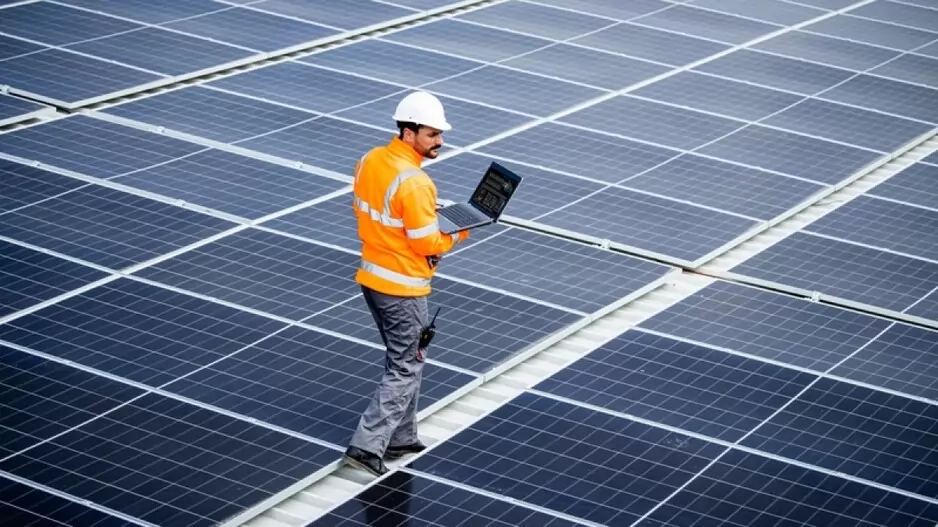
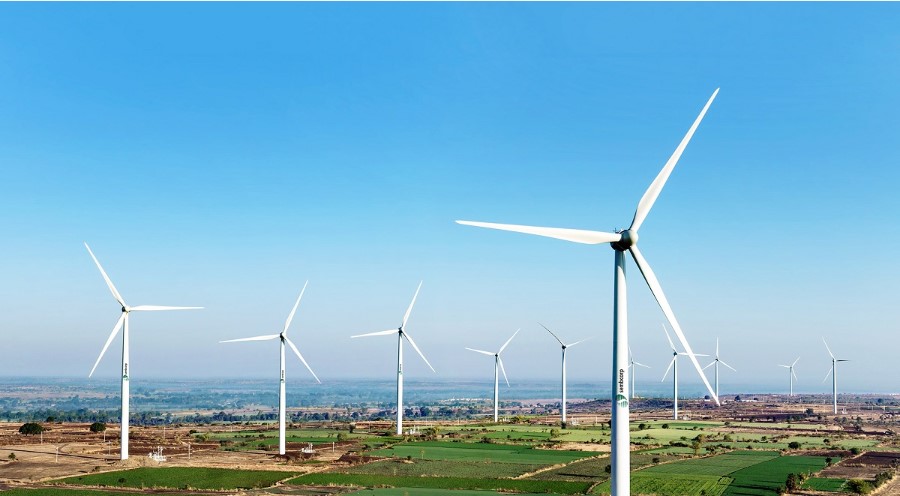
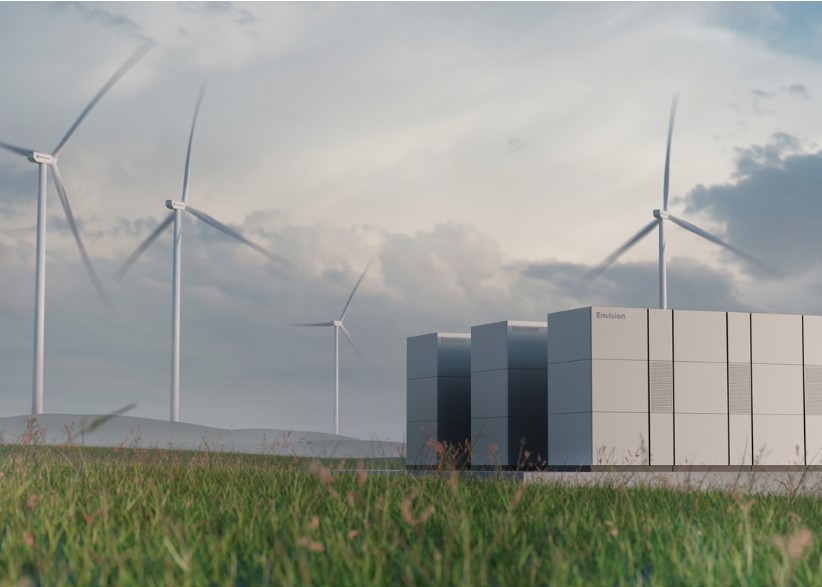
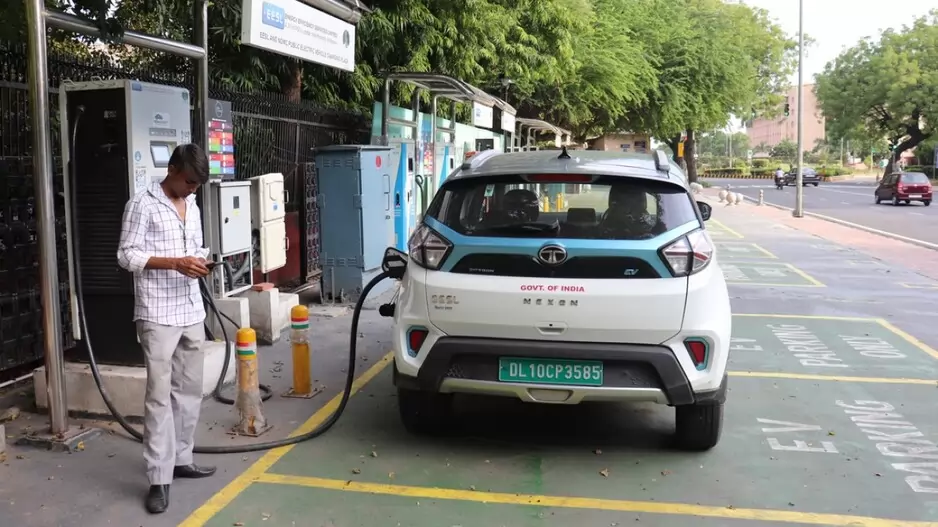
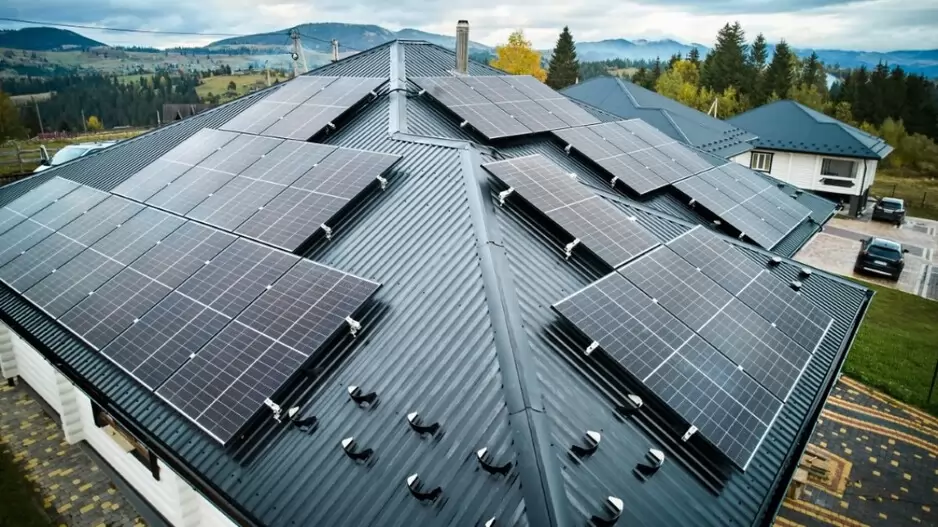
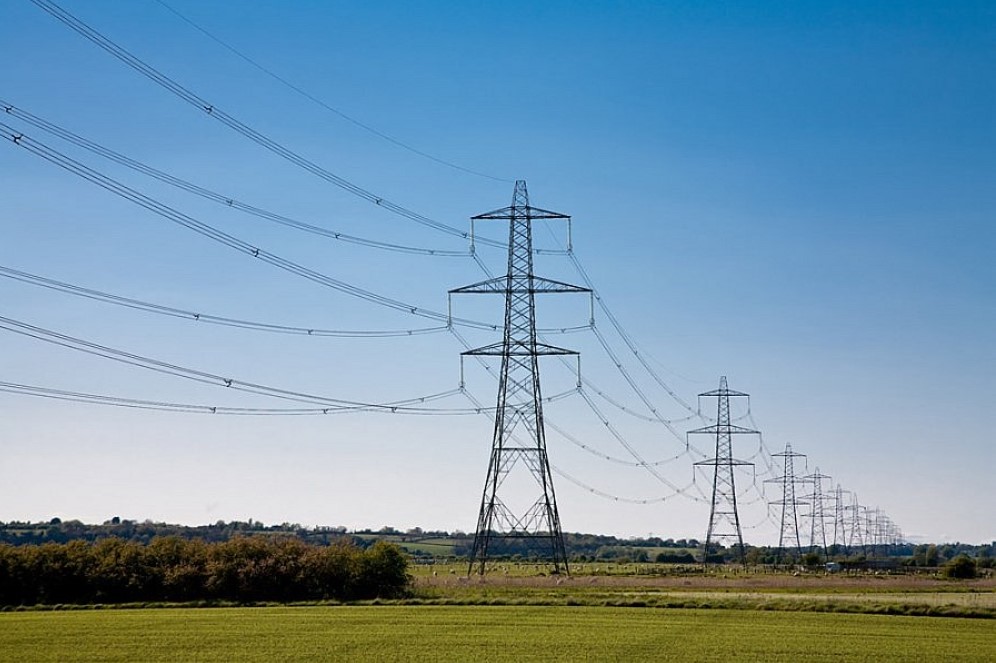
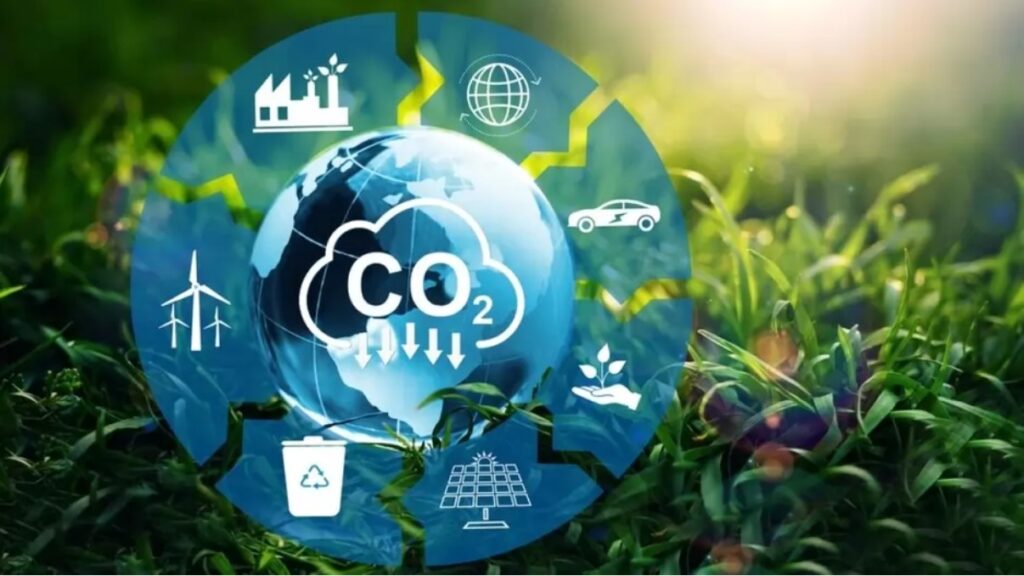
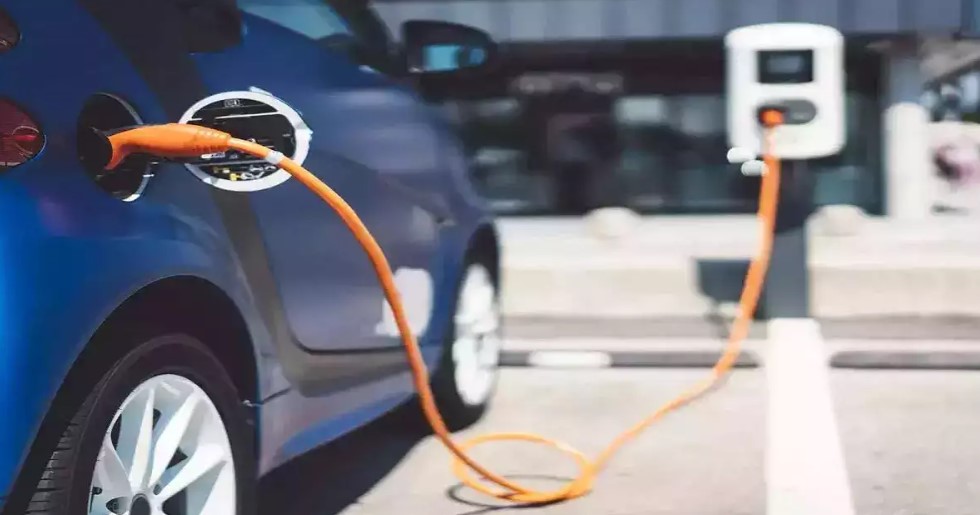
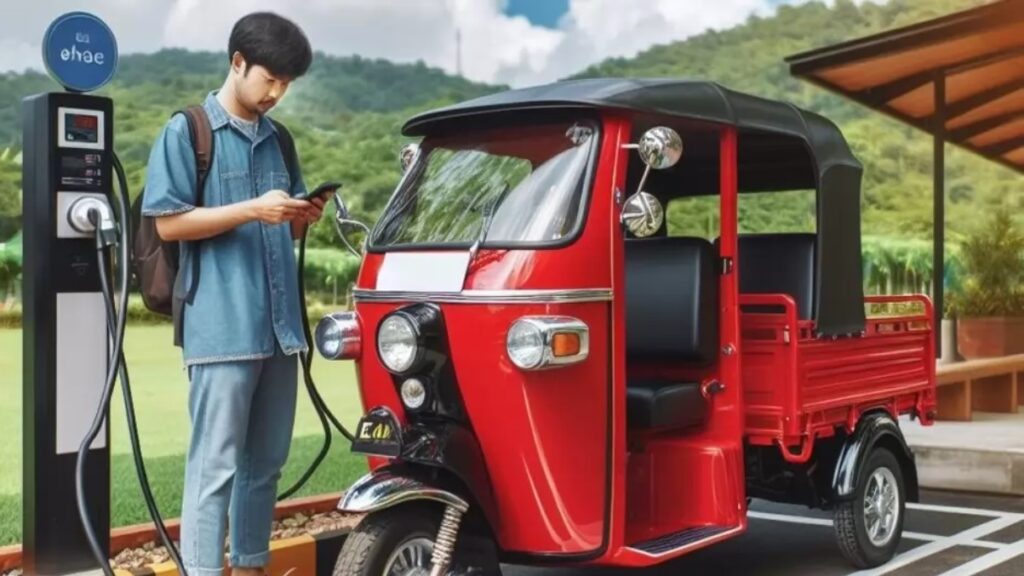
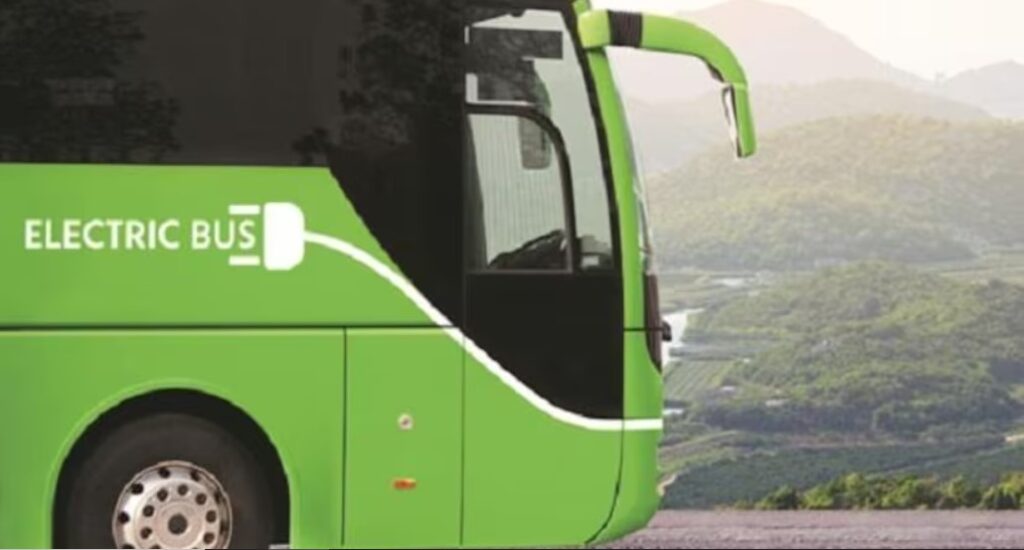
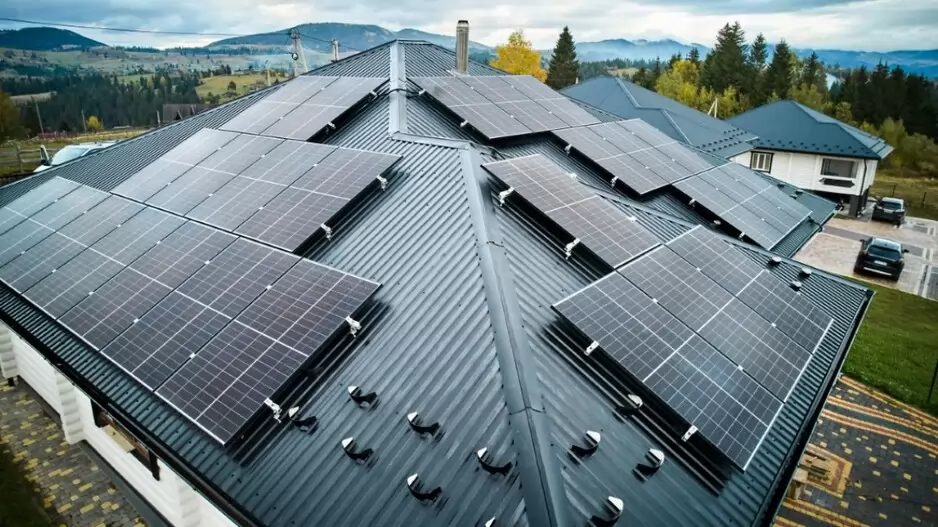
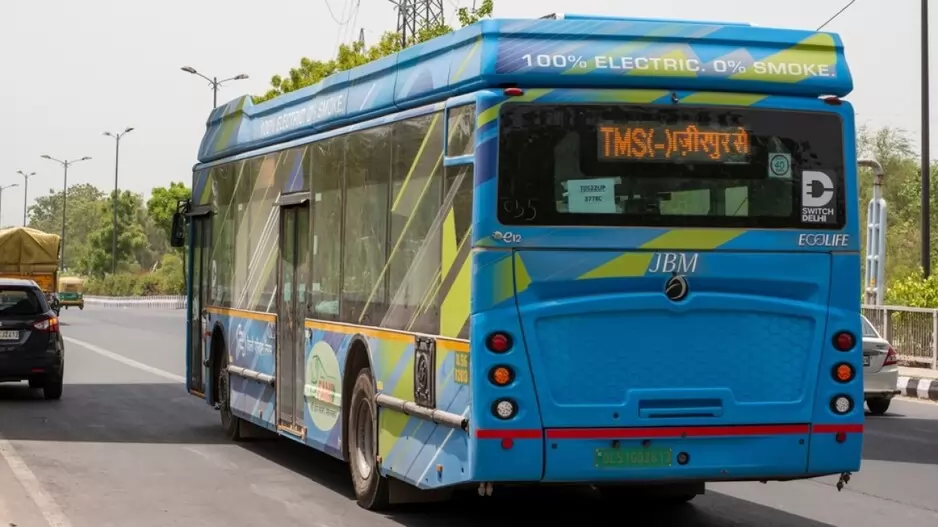
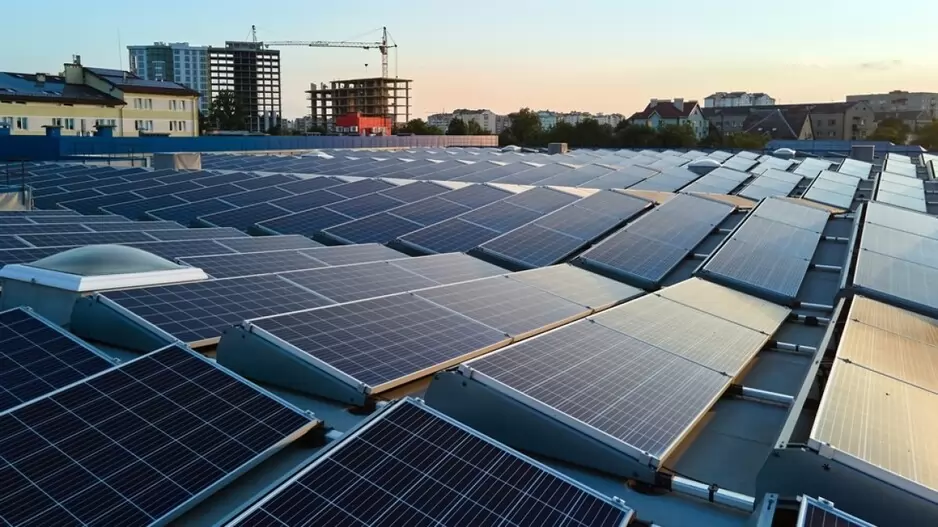
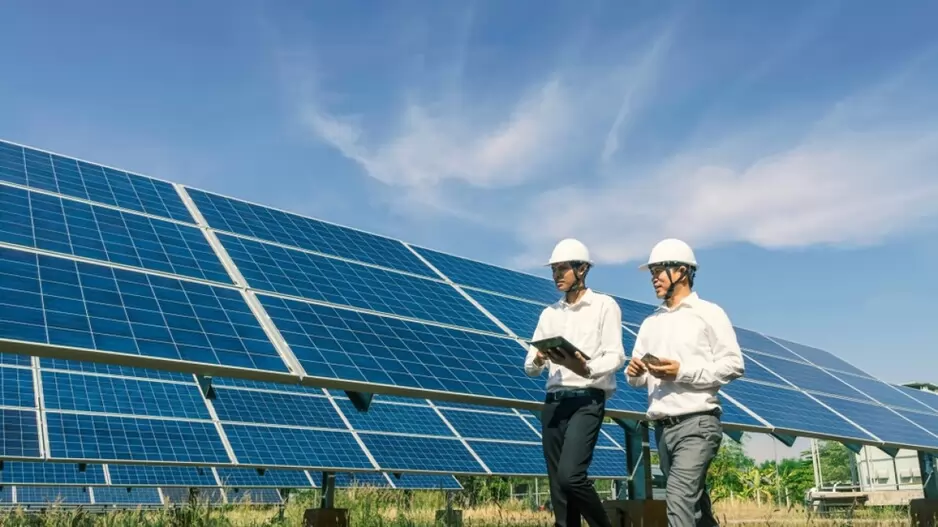
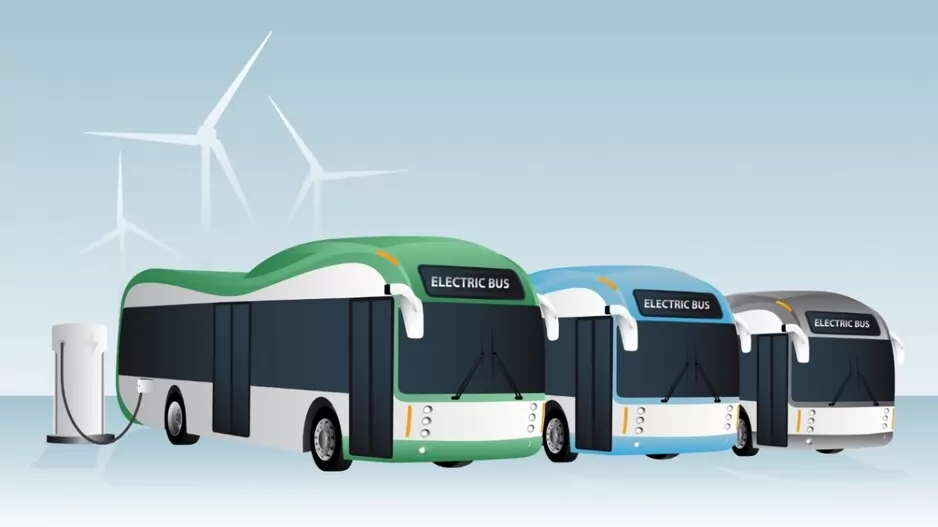
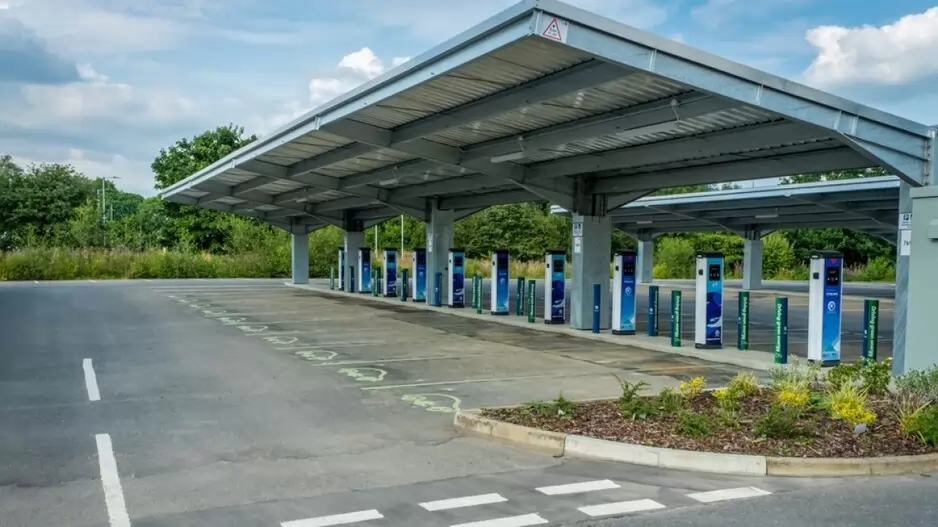
Sustainability in 2026 is also about the integration of technology and nature. A future-ready township must be equipped with smart grids and renewable energy systems like solar power to ensure long-term energy security. Rainwater harvesting and decentralized waste management systems should be standard features rather than exceptions. These systems ensure that the township operates as a circular ecosystem where resources are conserved and waste is minimized. Furthermore, the inclusion of EV-ready infrastructure is no longer a luxury. It is a necessity for a generation that is rapidly transitioning toward cleaner mobility.
People-centered Sustainable Living
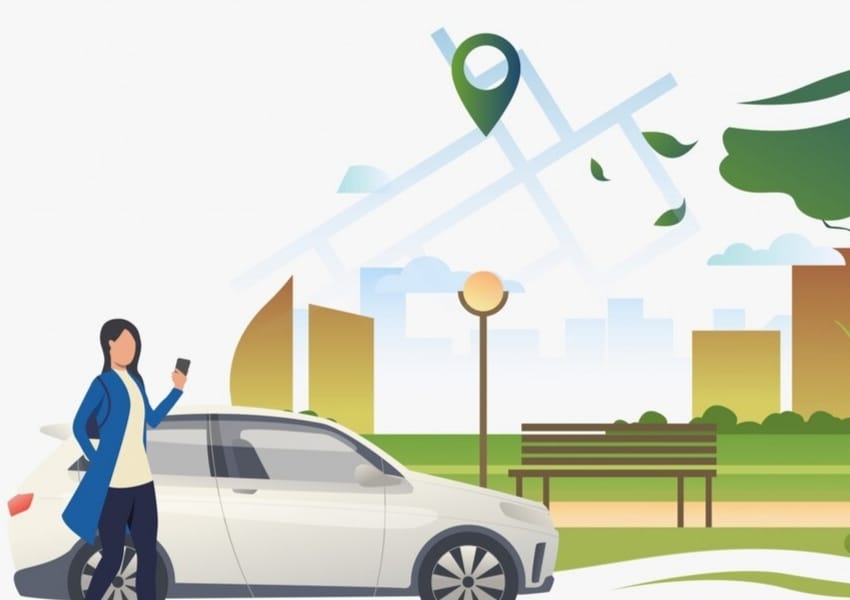
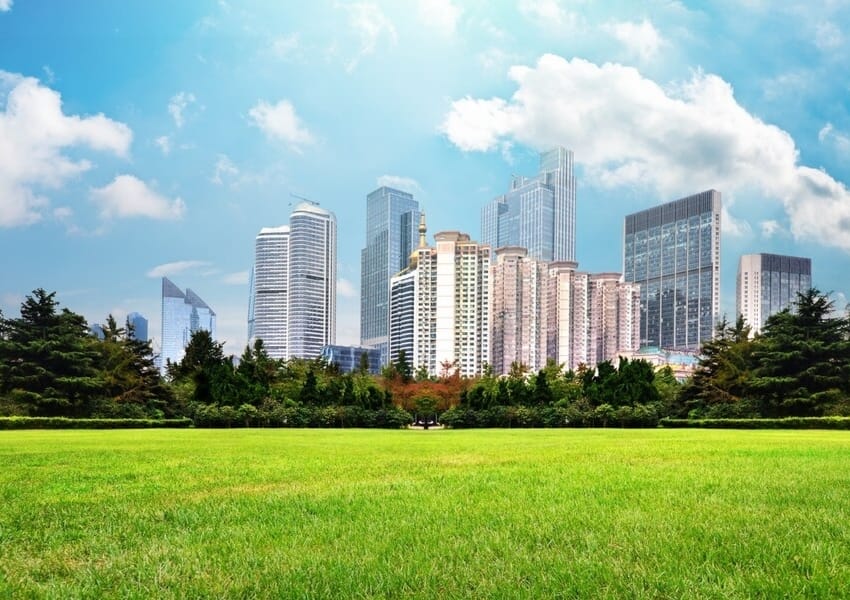
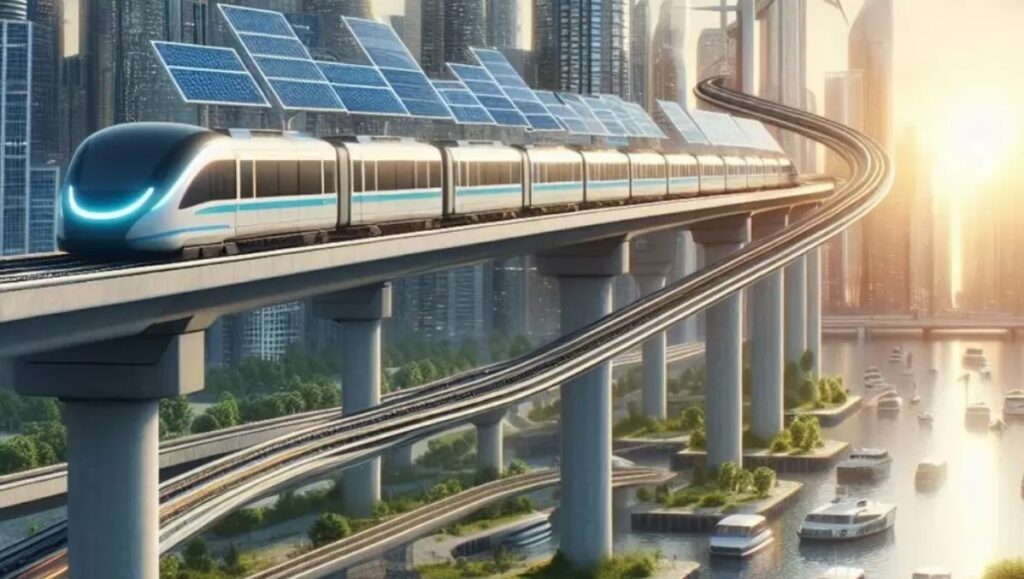
The social dimension of sustainability is equally important. A premium township should prioritize pedestrian-first streetscapes and abundant open spaces. When we design cities for people instead of cars, we foster a stronger sense of community and improve the overall well-being of the residents. High-quality lifestyle districts that combine residential living with wellness centers, sports facilities, and recreational zones create a holistic environment. This integrated approach ensures that people do not have to travel long distances for their daily needs. The “fifteen-minute city” concept is perfectly suited for the scale of tier 2 urban centers.
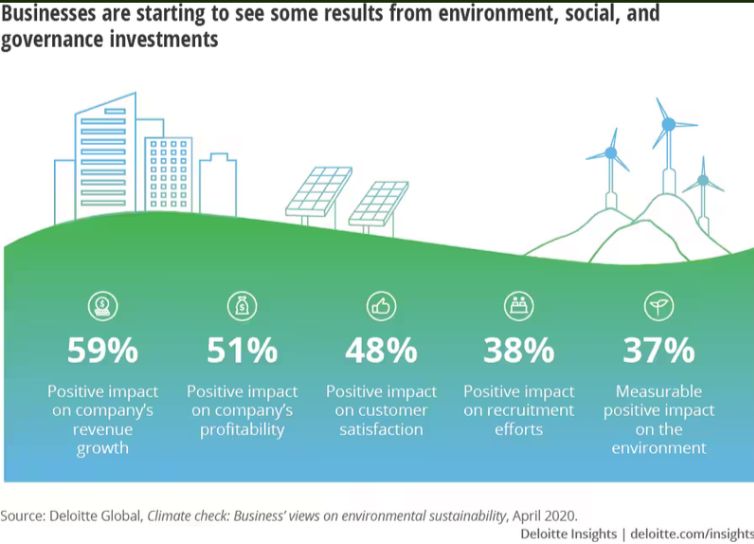
For developers and planners, the challenge lies in balancing the initial investment with long-term value. While sustainable technologies might involve a higher upfront cost, the operational savings over the life of the building are substantial. Reduced utility bills and lower maintenance costs make these properties highly attractive to informed buyers. Moreover, the asset value of a green-certified building tends to appreciate more reliably over time. We are seeing a new class of homeowners in tier 2 India who are well-researched and environmentally conscious. They view their home as an investment in their health and the future of the planet.
The growth of India depends on the success of its smaller cities. These urban centers are the new engines of economic opportunity. They provide the space and the talent required for the next wave of industrial and digital growth. By planning townships with a long-term vision for sustainability, we are ensuring that this growth is resilient and inclusive. We have the opportunity to avoid the mistakes of the past and build cities that are truly livable.
Sustainable premium living is not a contradiction in terms. It is the only way forward for a nation that is rapidly urbanizing in the face of climate challenges. As we look toward 2026, the goal is to democratize access to high-quality, low-carbon lifestyles. This will be achieved through a commitment to design excellence, resource efficiency, and a deep respect for the local context. The townships being planned today will define the urban character of India for decades to come. We must ensure they are built on a foundation of responsibility and vision.

