























































































































































































































































































































































































































































































































































































































































































































































































Atal At 100: How Vajpayee’s Environmental Vision Shaped India’s Climate Path To The Modi Era

From Atal Bihari Vajpayee’s Ecological Ethics to Narendra Modi’s Climate Execution
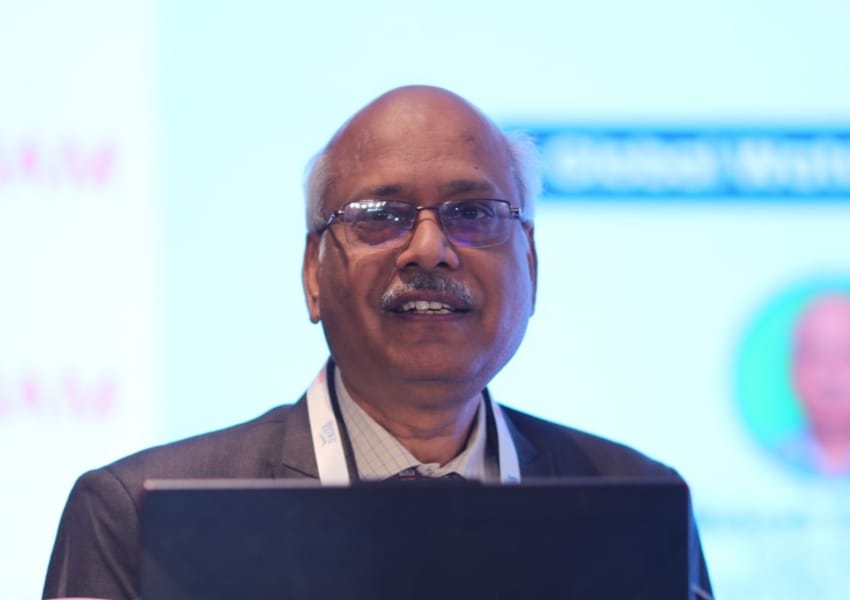
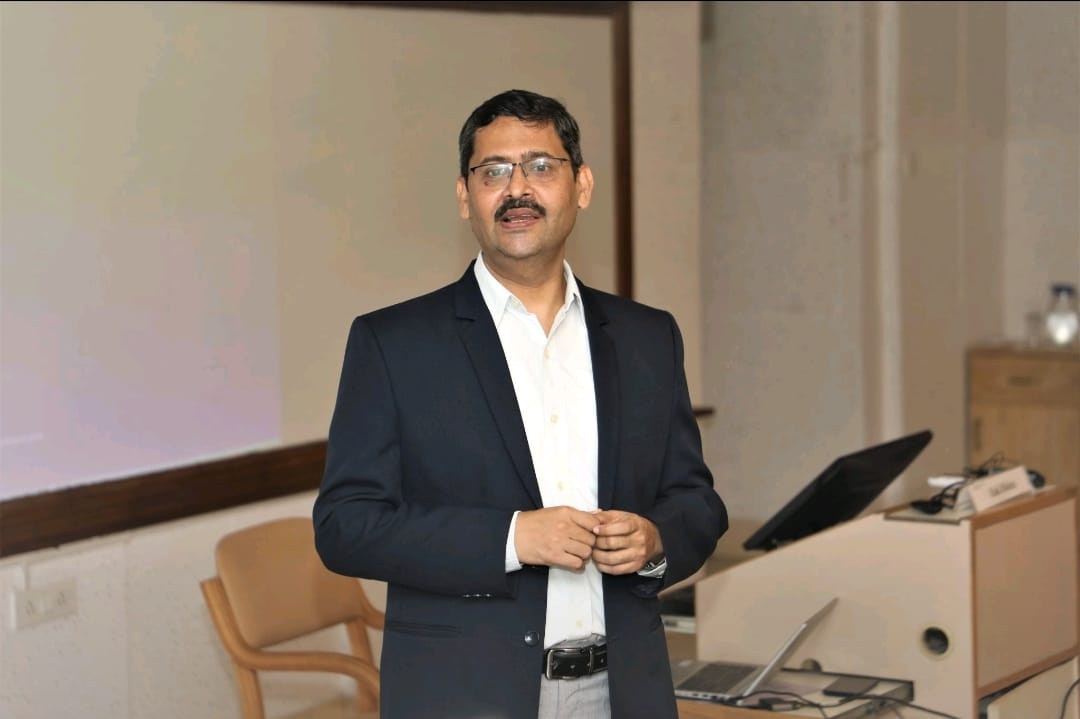
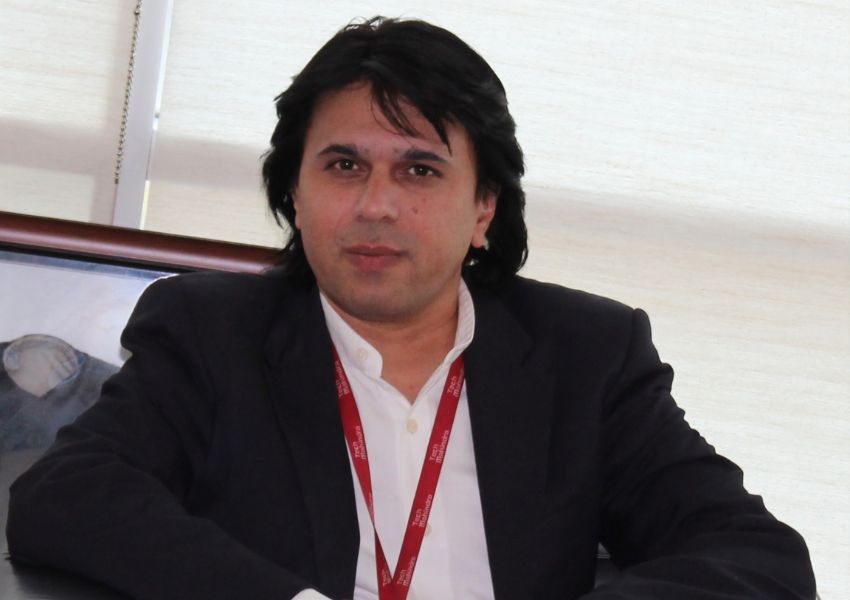
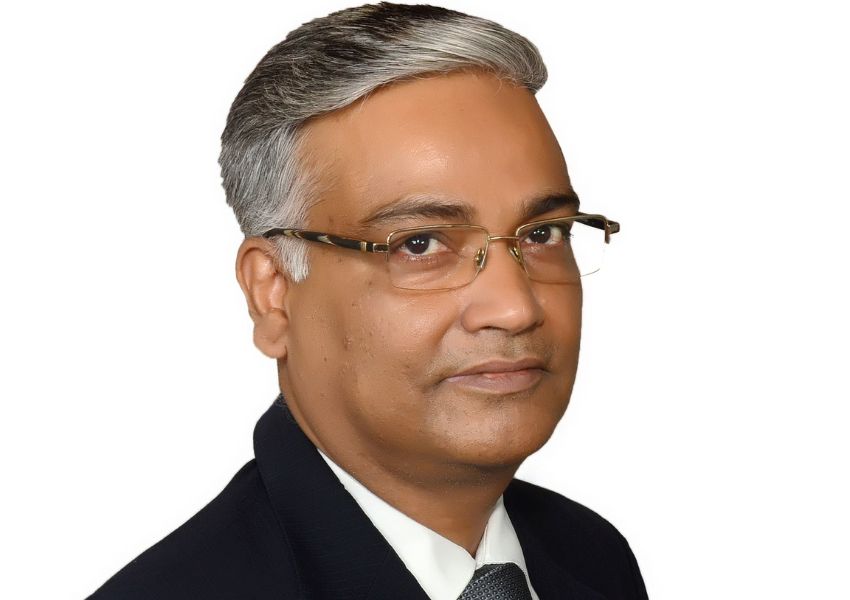
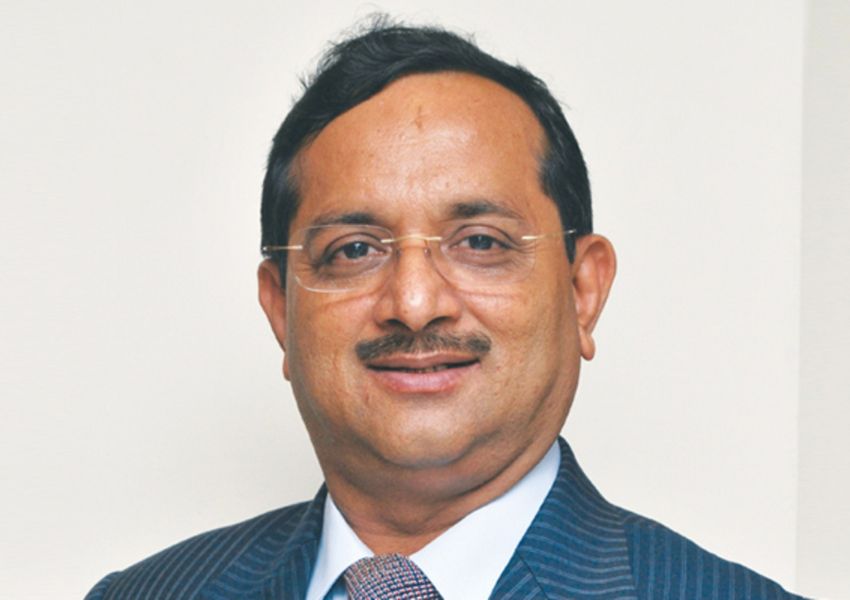
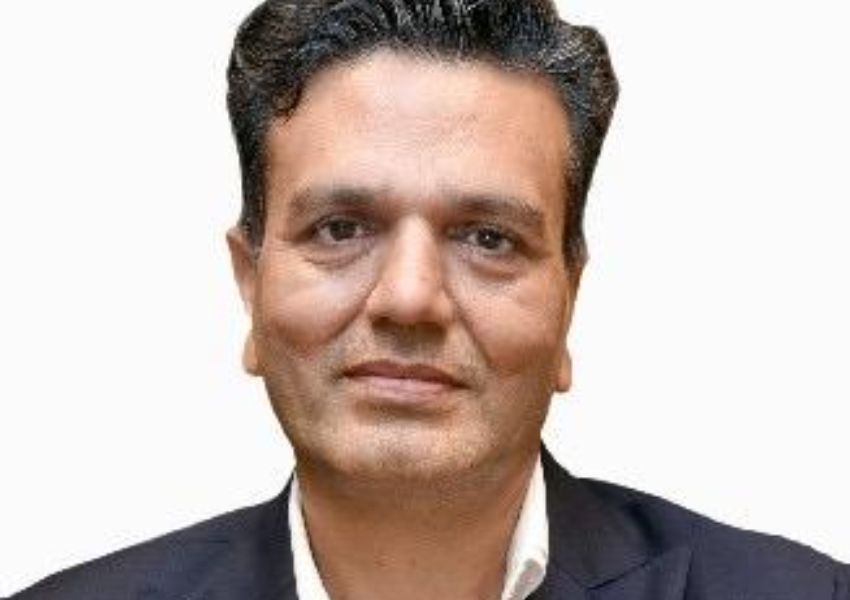
By: Dr. Kirit P Solanki, former Member of Parliament, Lok Sabha & Dr. Kaviraj Singh, CEO, Earthood
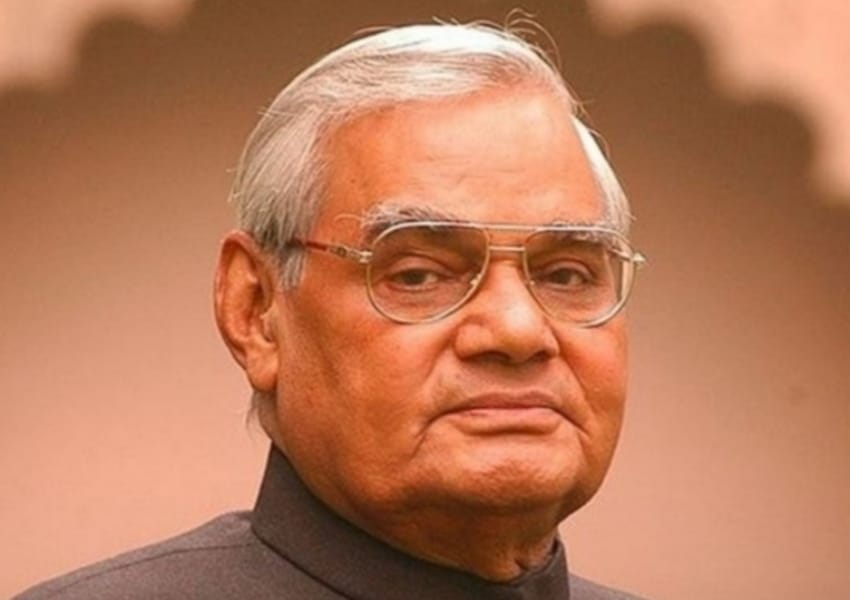
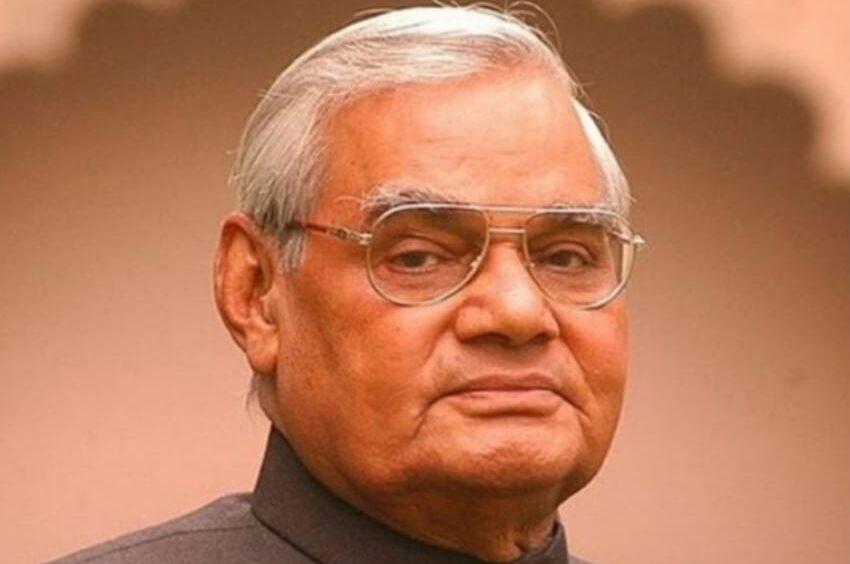
As India marks the 100th birth anniversary of Bharat Ratna Shri Atal Bihari Vajpayee, it is worth recalling that long before climate change entered the mainstream economic vocabulary, Atal ji framed environmental protection as a question of ethics, civilisation, and long-term prosperity. For him, the environment was not a constraint on development but its moral and material foundation.
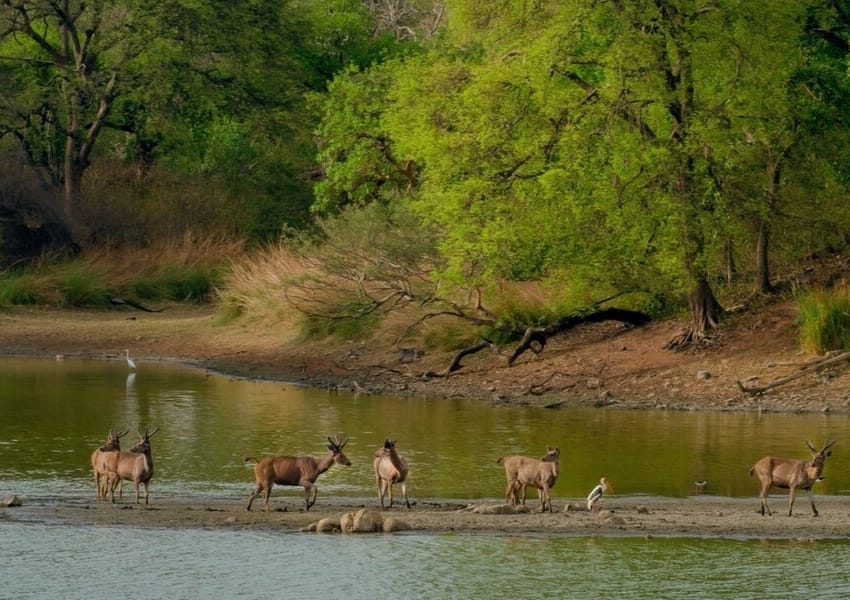
Atal Bihari Vajpayee consistently argued that environmental neglect exacts a heavy price. Speaking at global forums such as the Global Environment Facility Assembly, he warned that unchecked human activity, excessive consumption, and ecological imbalance would undermine economic gains. He believed that development divorced from nature was neither sustainable nor just. Drawing deeply from India’s civilisational ethos, he spoke of Panchatatva and the age-old philosophy of co-existence, not merely among humans, but among all living beings.
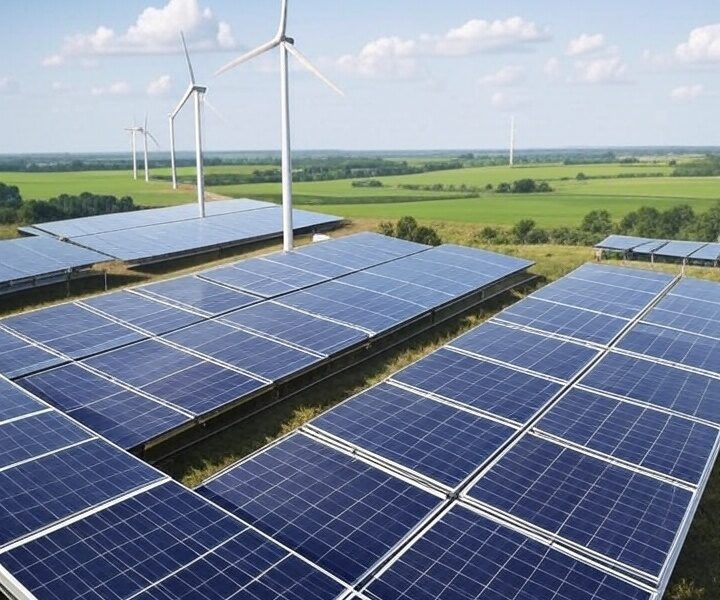
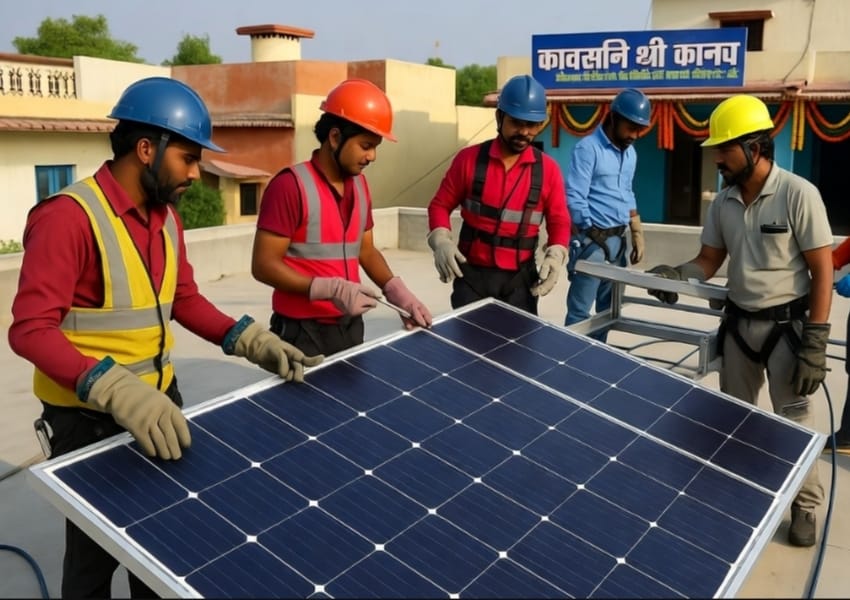
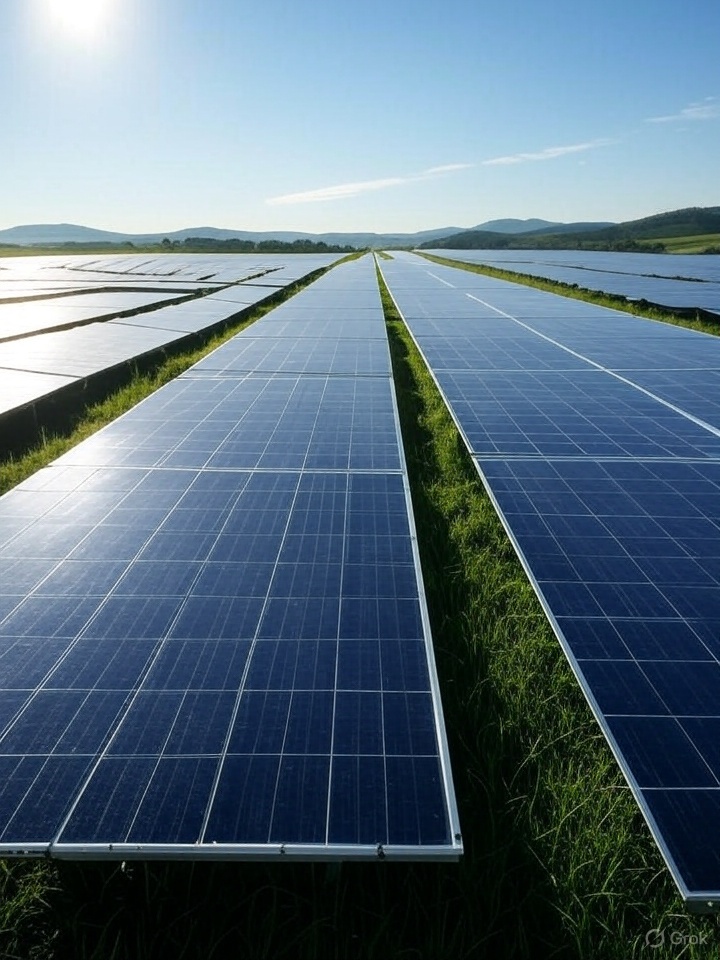
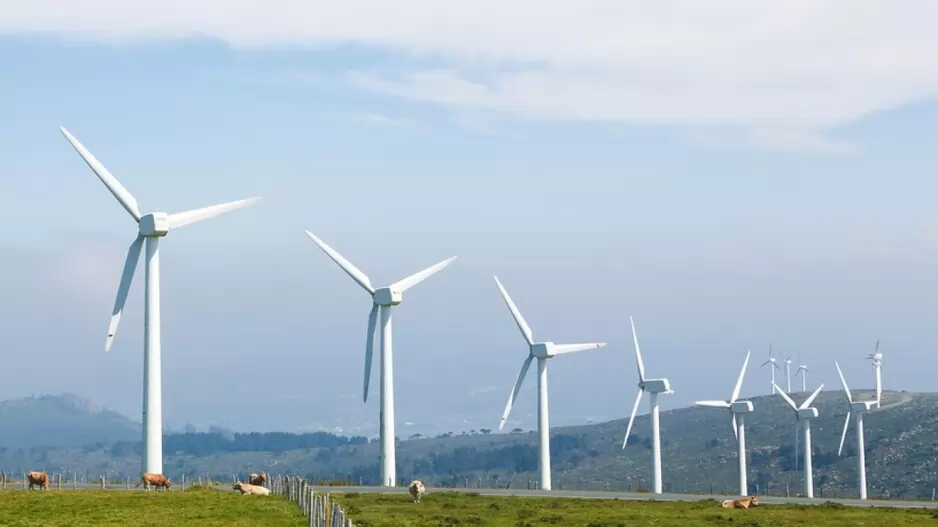
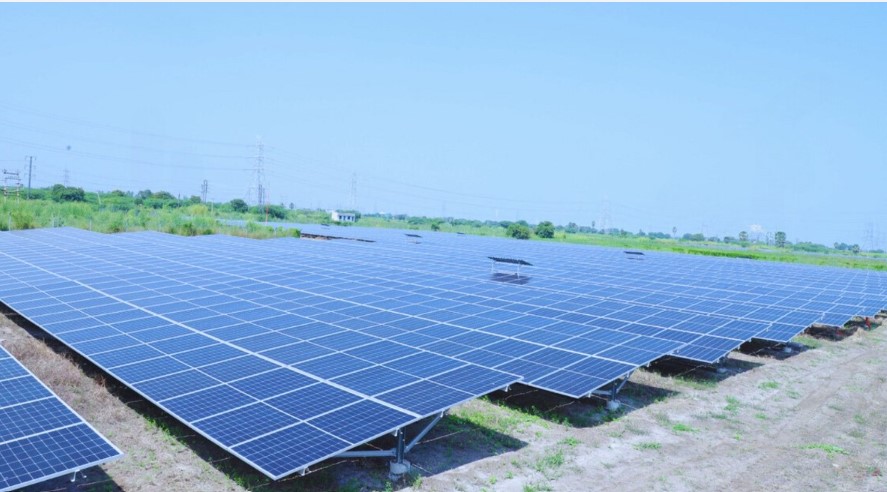
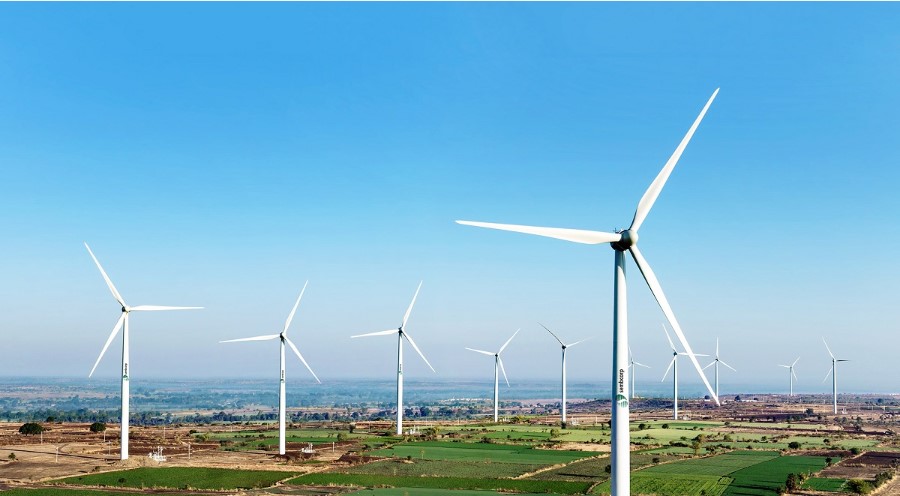
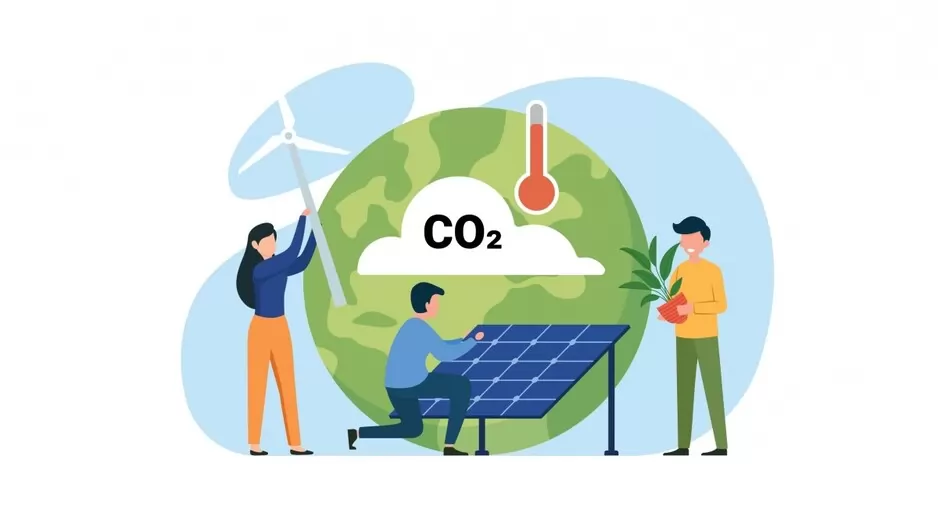
Crucially, Atal ji rejected the false binary between growth and conservation. He maintained that science and technology, when guided by ethical responsibility, could help fragile environments sustain economic activity. He cited examples where modern technology enabled development without ecological destruction and strongly advocated renewable energy, particularly solar and wind, long before they became global buzzwords. He called for sustained research and development to make clean technologies affordable for developing nations, while urging developed countries to curb excessive consumption and adopt stricter pollution norms.
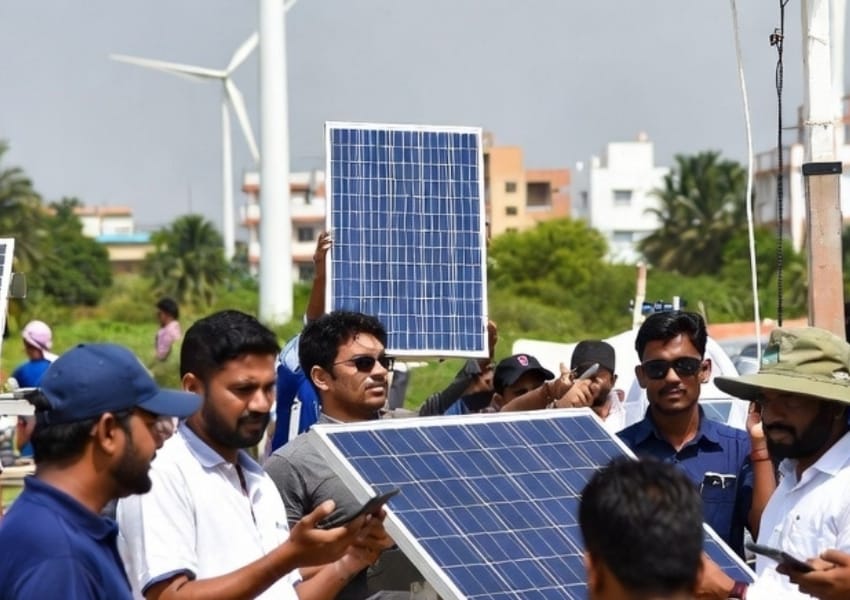
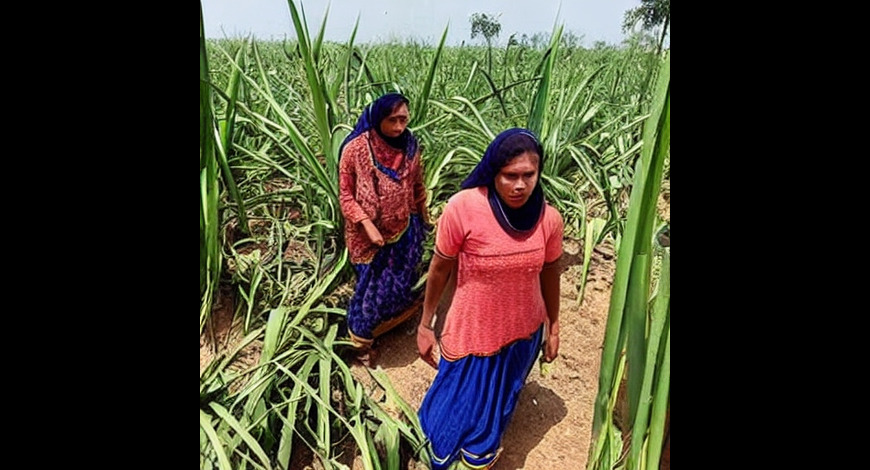
Community participation was central to his environmental vision. Atal ji emphasised the role of local communities and tribal populations in afforestation and conservation, recognising their traditional knowledge and lived relationship with nature. He believed that environmental protection could not succeed through top-down regulation alone and required mass participation, local stewardship, and respect for indigenous wisdom.
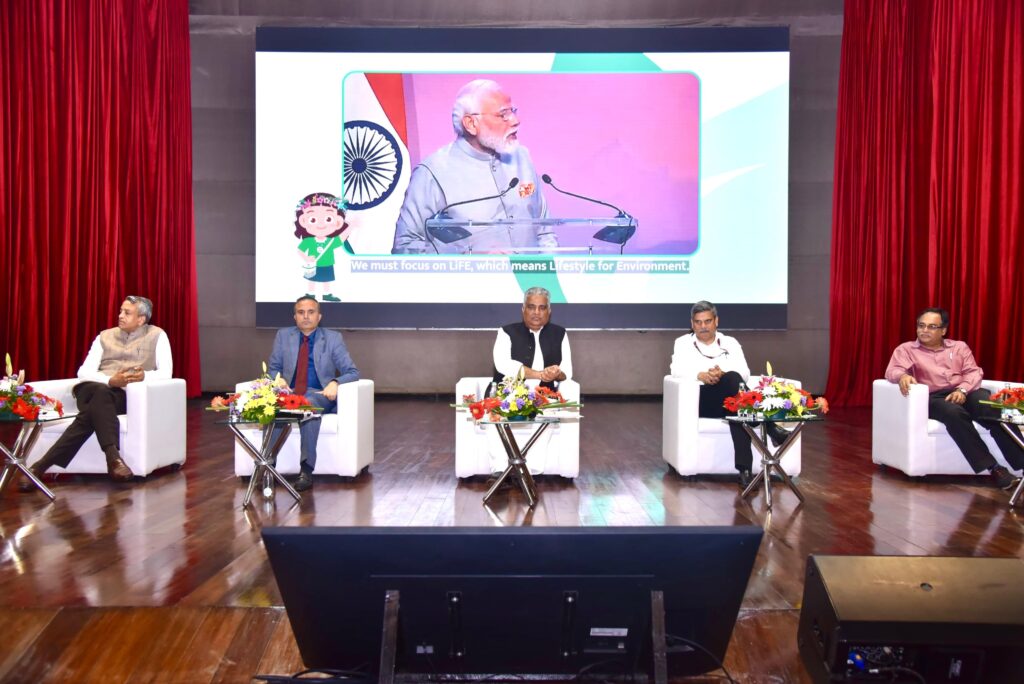
This philosophical clarity laid the groundwork for what has since evolved into India’s contemporary climate strategy. Under Prime Minister Narendra Modi, that ethical foundation has translated into scale, speed, and execution. Climate action today is no longer framed only as environmental responsibility but as a strategic economic imperative.
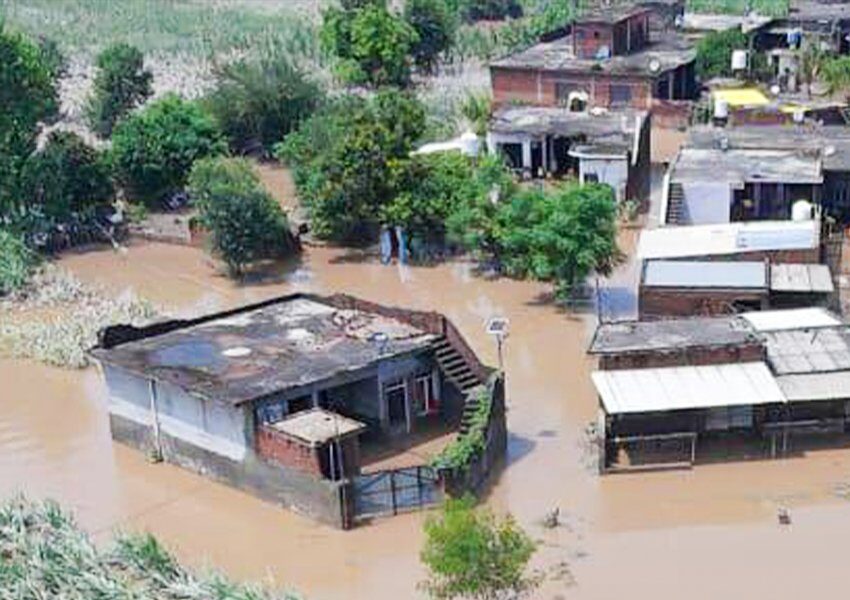
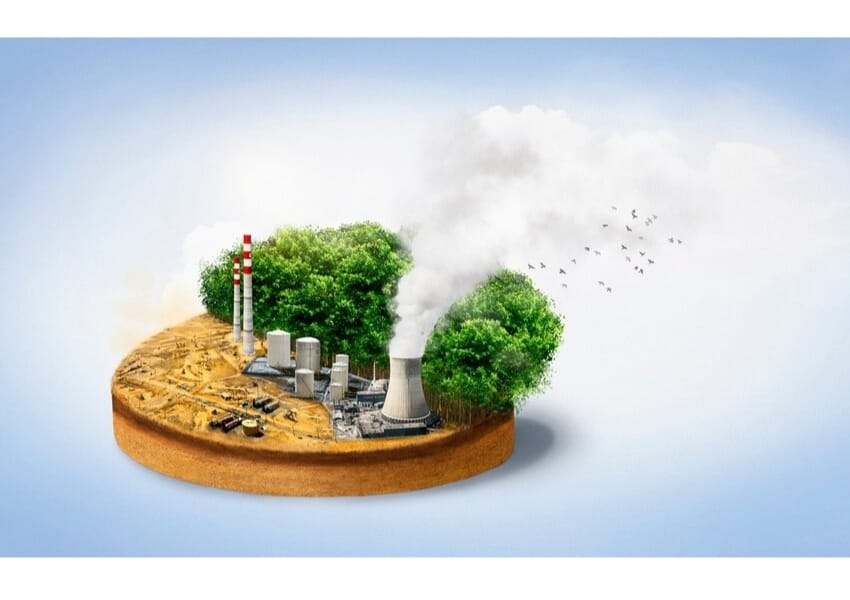
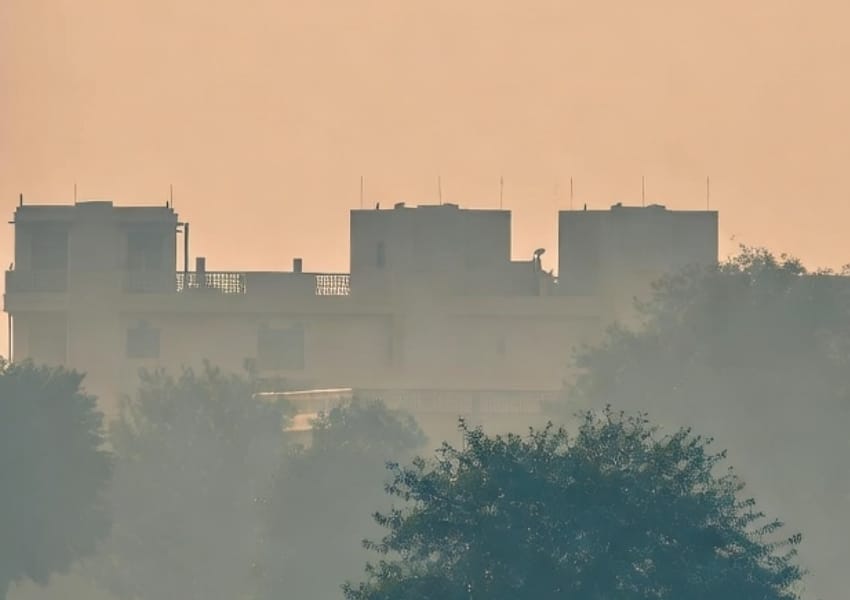
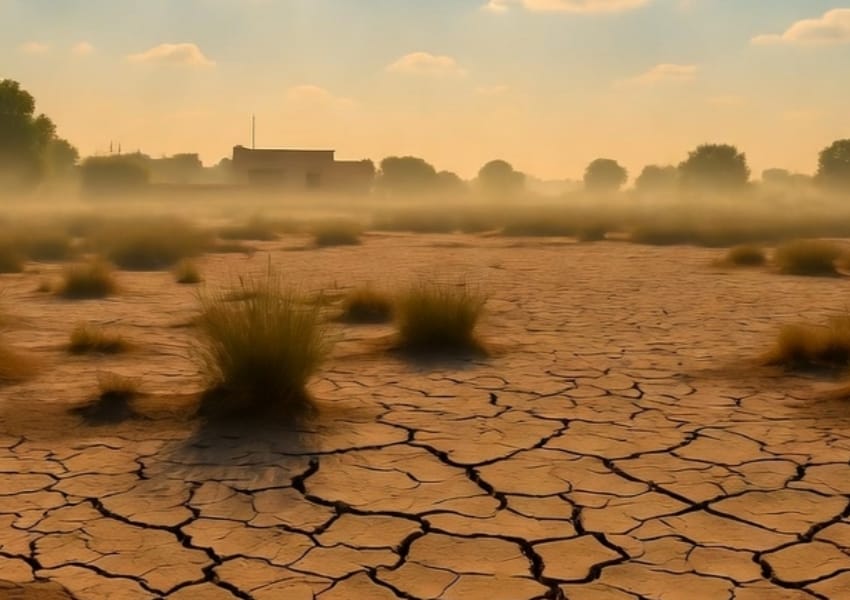
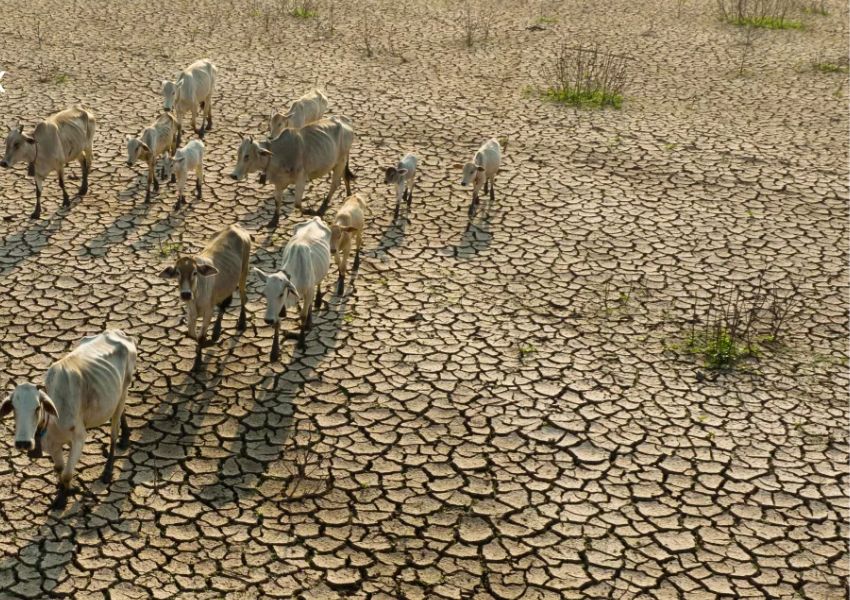
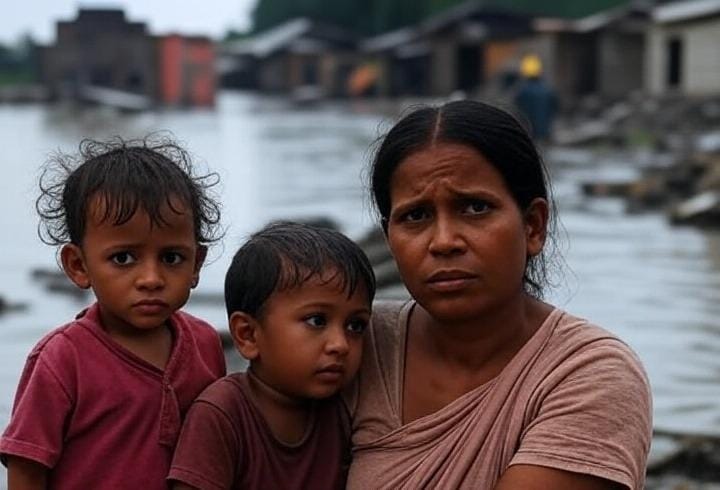
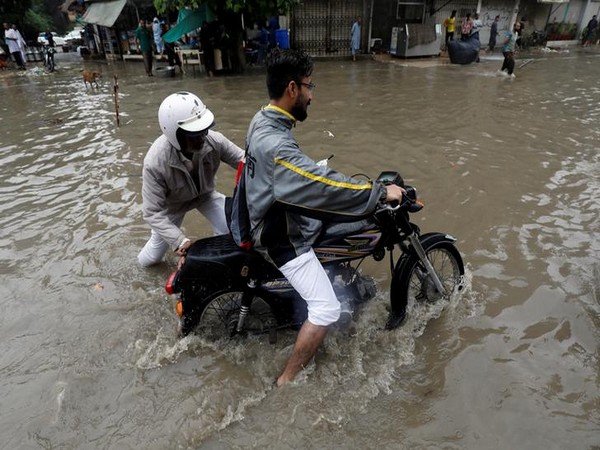
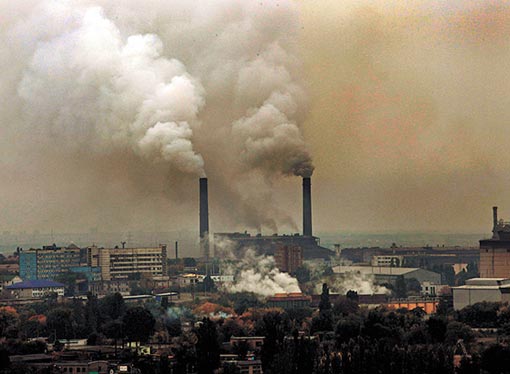
By the end of 2025, India is no longer confronting climate change as a distant ecological concern but as a measurable economic variable. Extreme heat waves, erratic rainfall, and urban flooding are already affecting productivity, infrastructure timelines, food prices, and insurance markets. Climate risk has entered balance sheets, credit assessments, and public expenditure planning. The cost of inaction, which Atal ji repeatedly warned against, is now visible in hard economic terms.
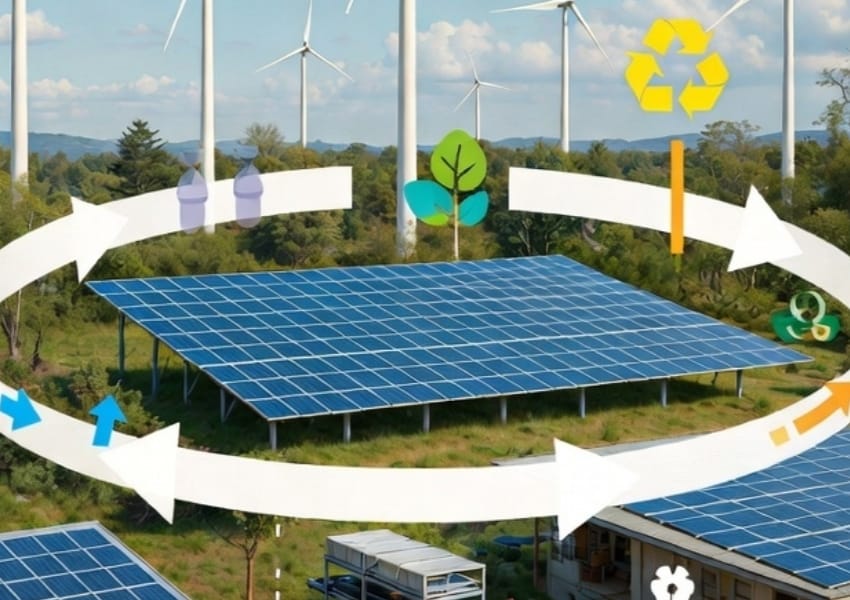
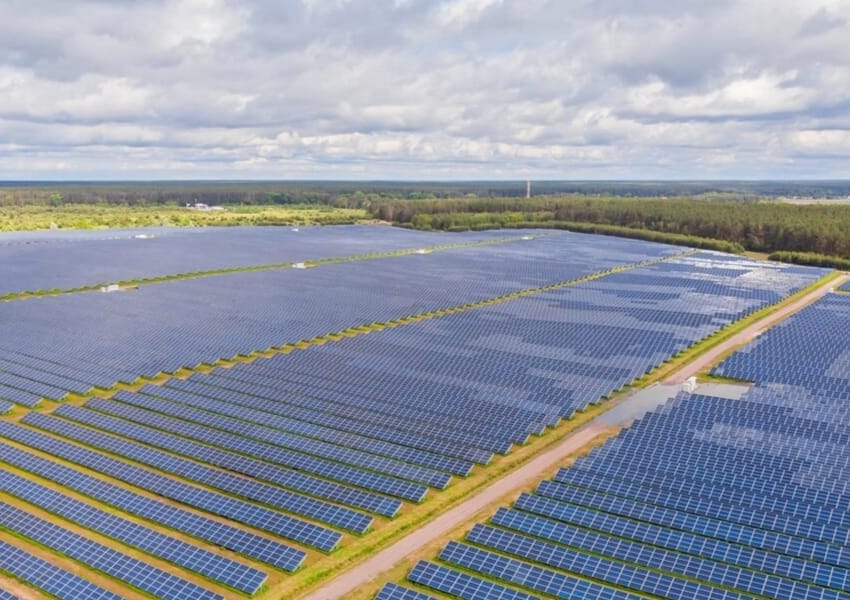
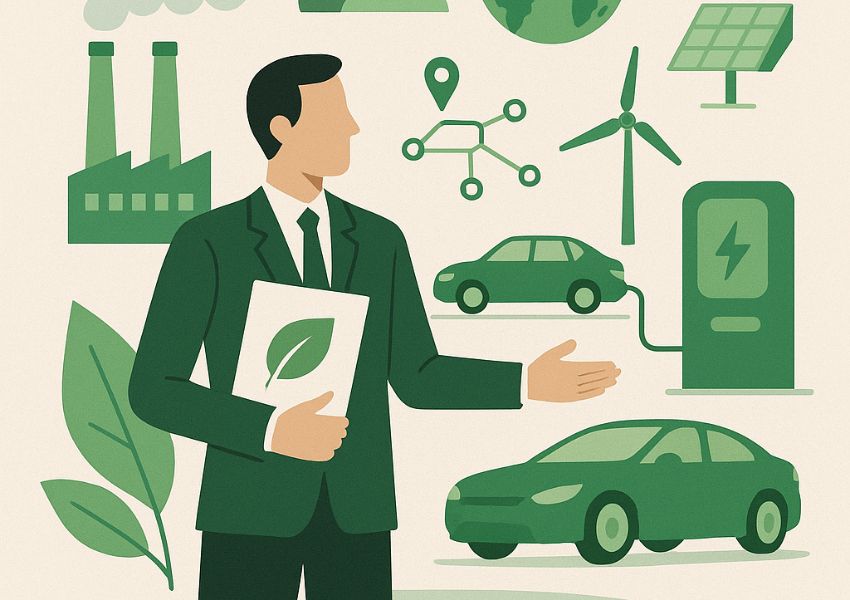
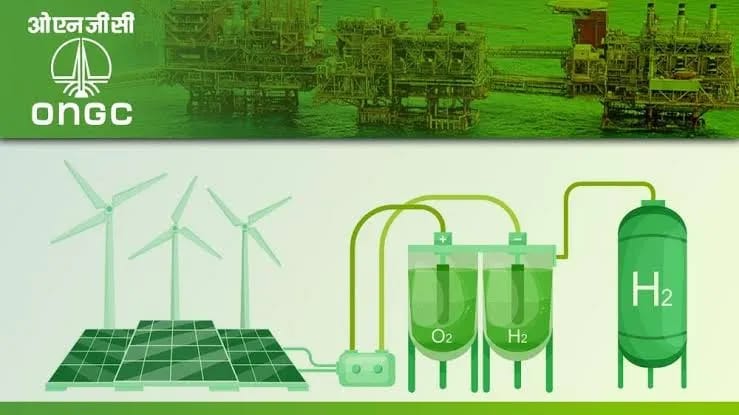
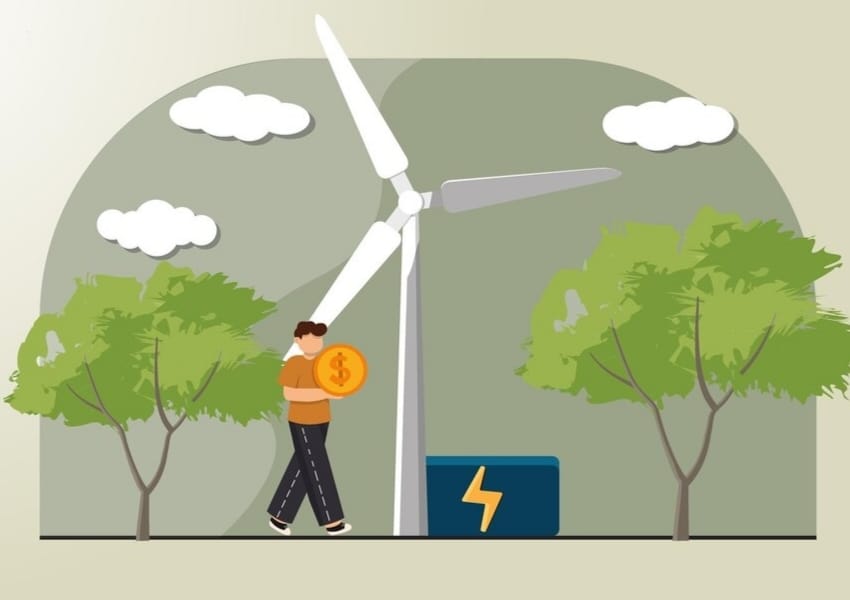
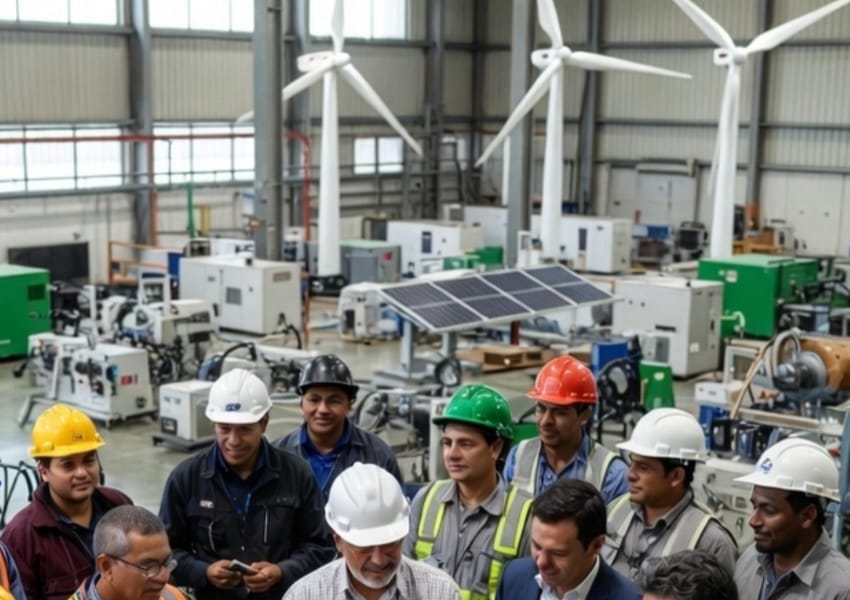
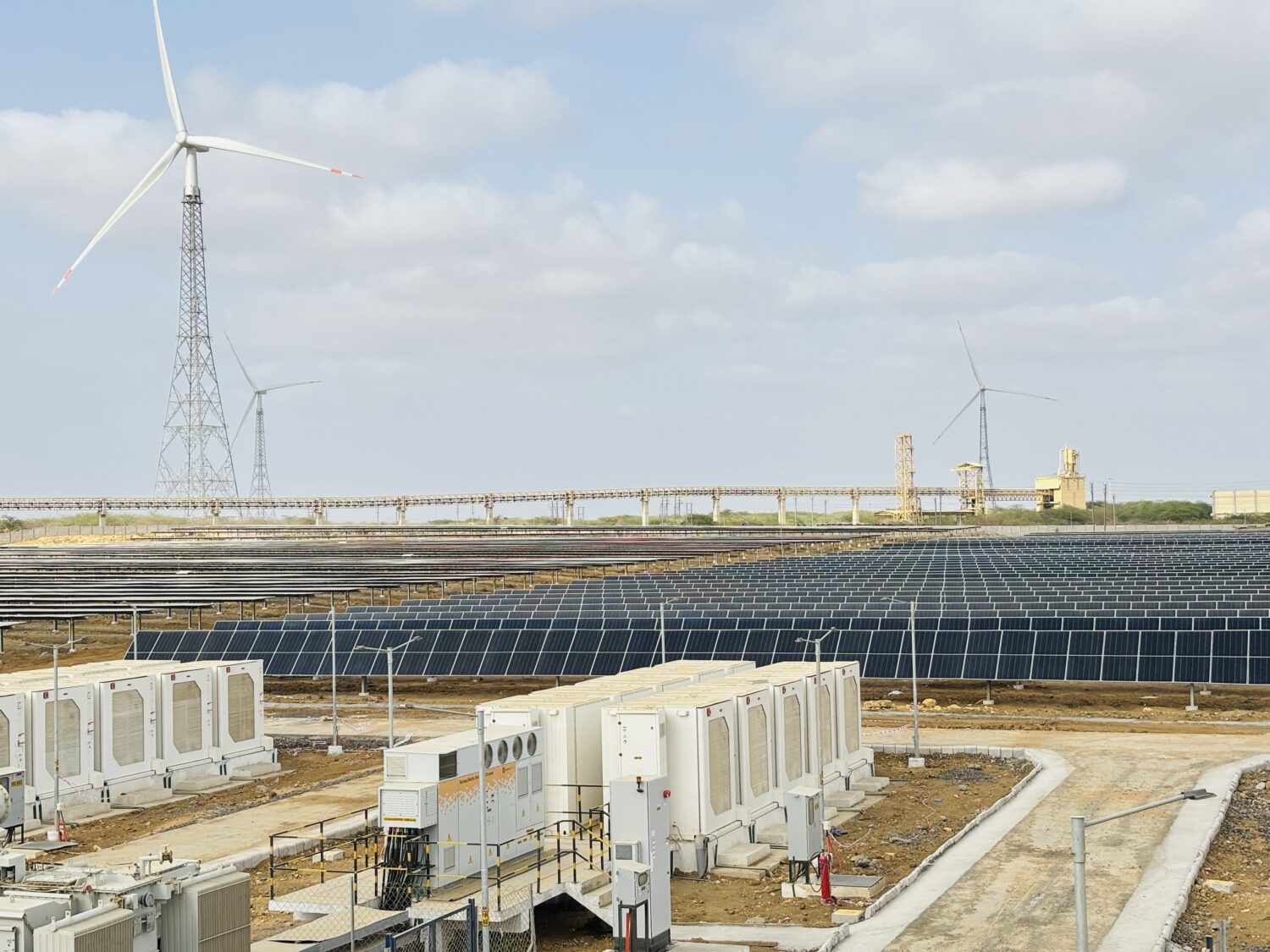
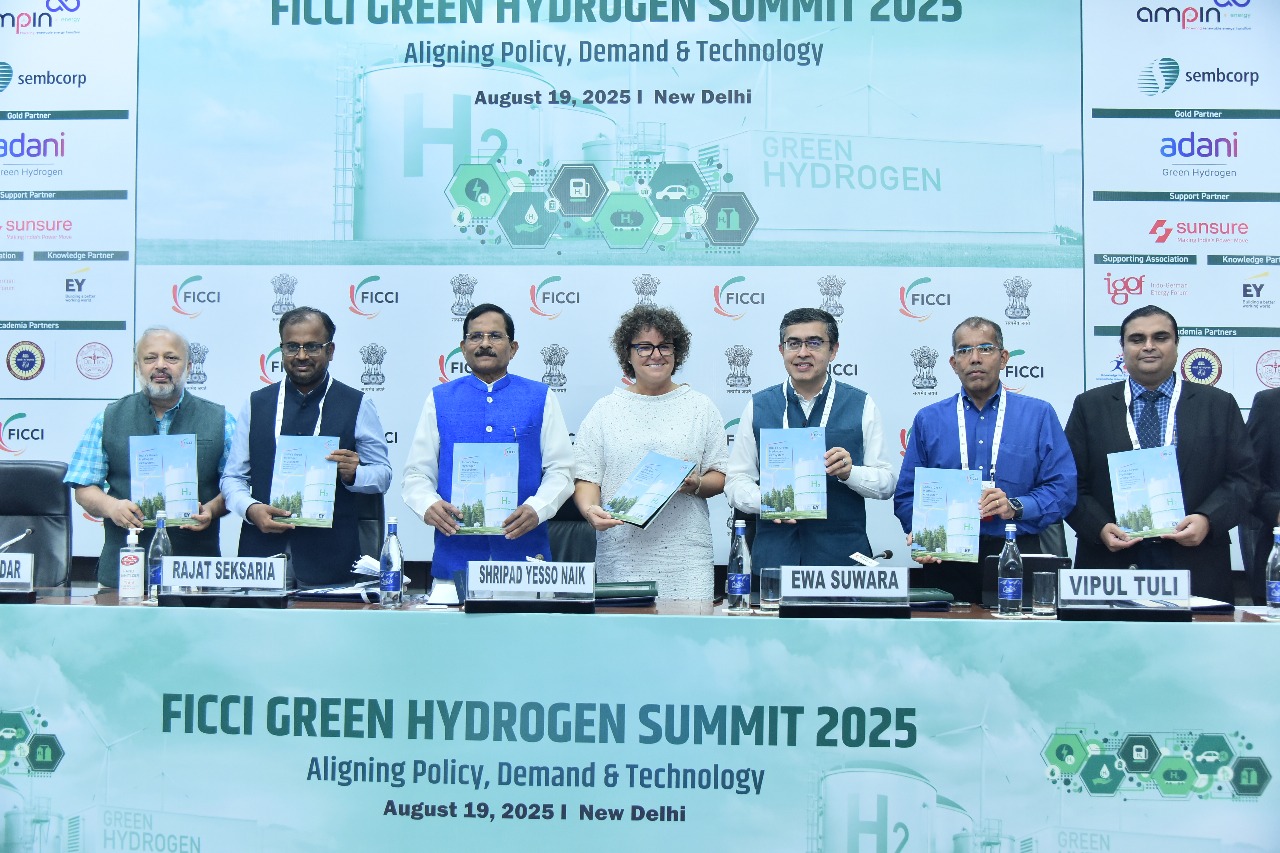
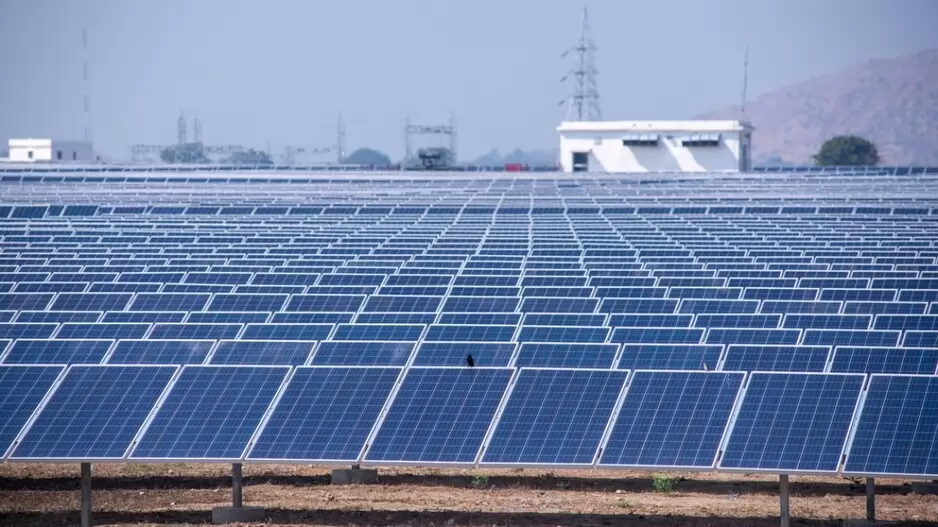
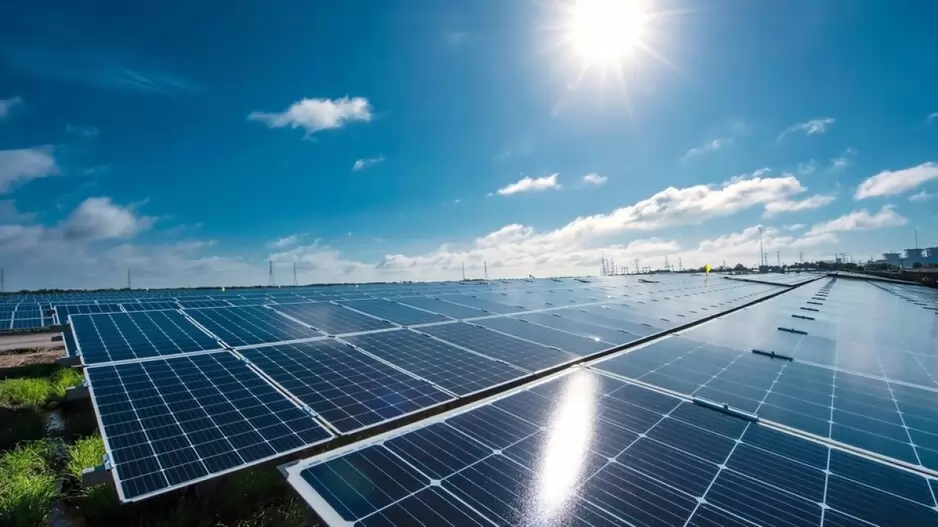
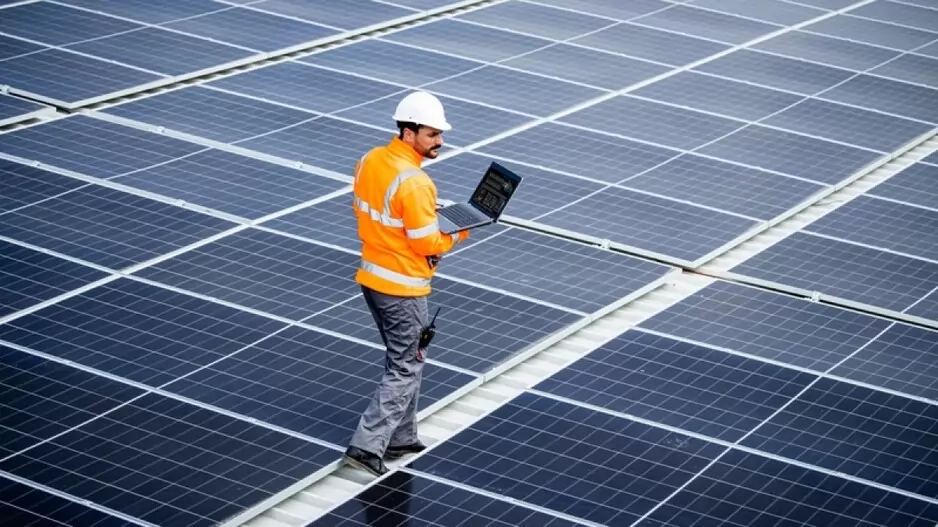
At the same time, India’s emergence as a climate solutions economy reflects continuity in thinking. Renewable energy capacity has expanded rapidly, domestic manufacturing of clean energy components has scaled up, and green hydrogen has moved from intent to pilot deployment. Sustainability is now tightly linked with energy security, industrial competitiveness, and self-reliance, echoing Atal ji’s belief that environmental responsibility and national interest must move together.
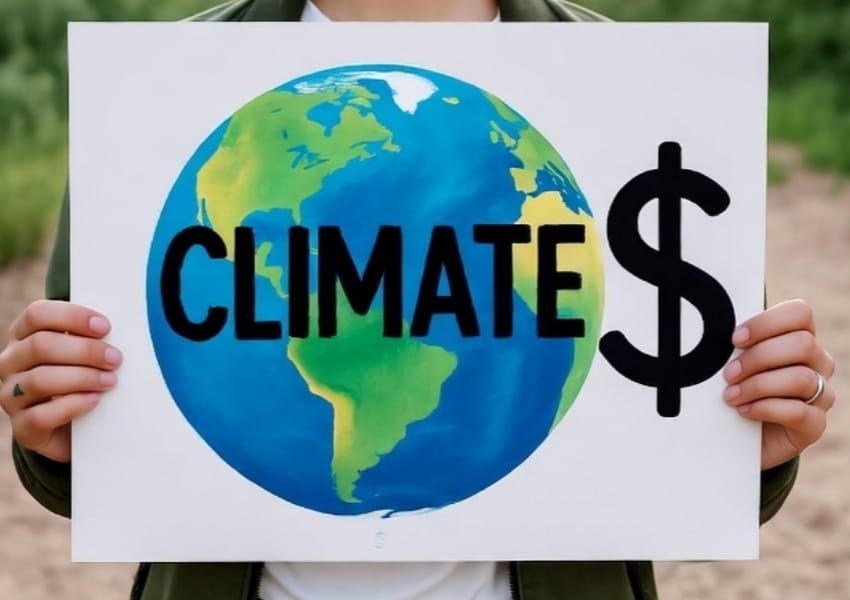
Yet, as Atal ji often cautioned, intent must translate into action. The challenge before India is no longer ambition but execution. Despite global capital availability, gaps remain in long-term finance, project readiness, and adaptation investments, particularly for cities and climate-vulnerable regions. Less than a quarter of climate finance currently flows into adaptation, even though India remains among the most exposed economies.
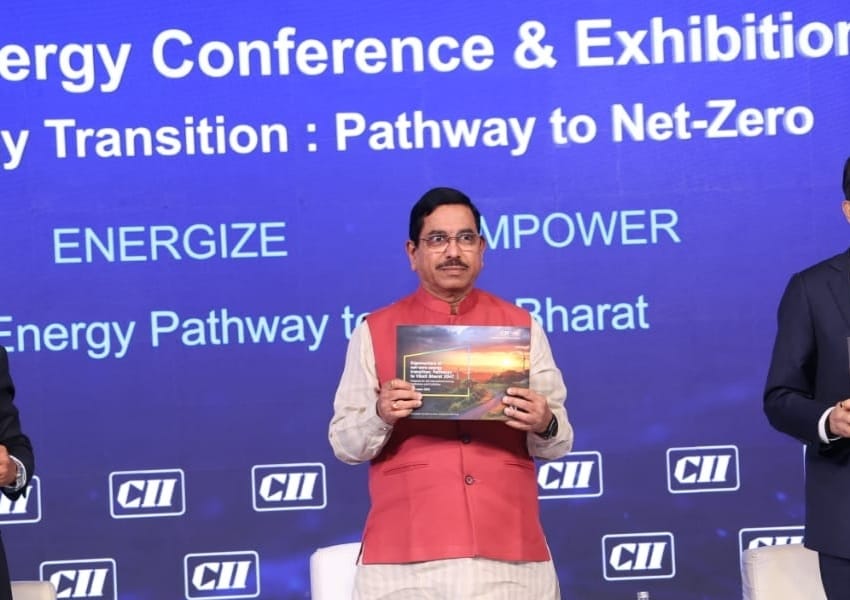
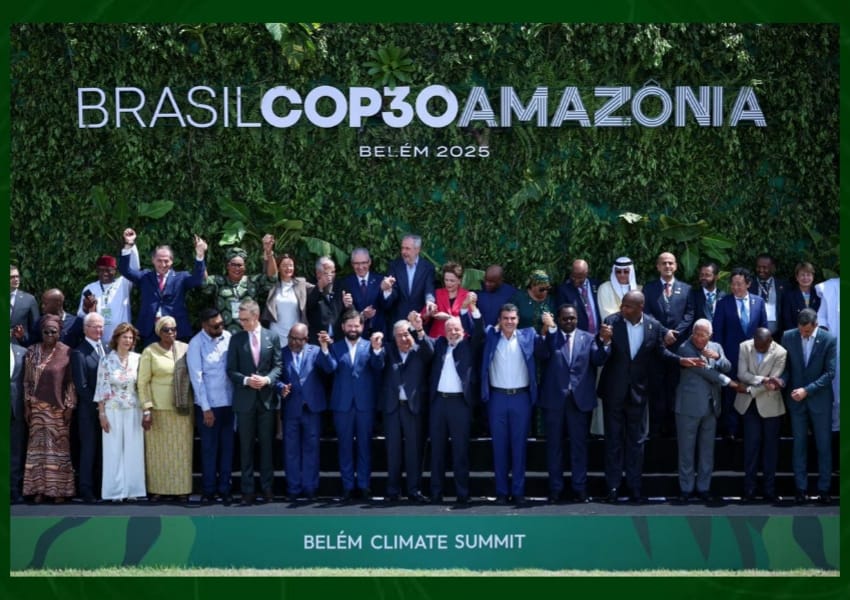
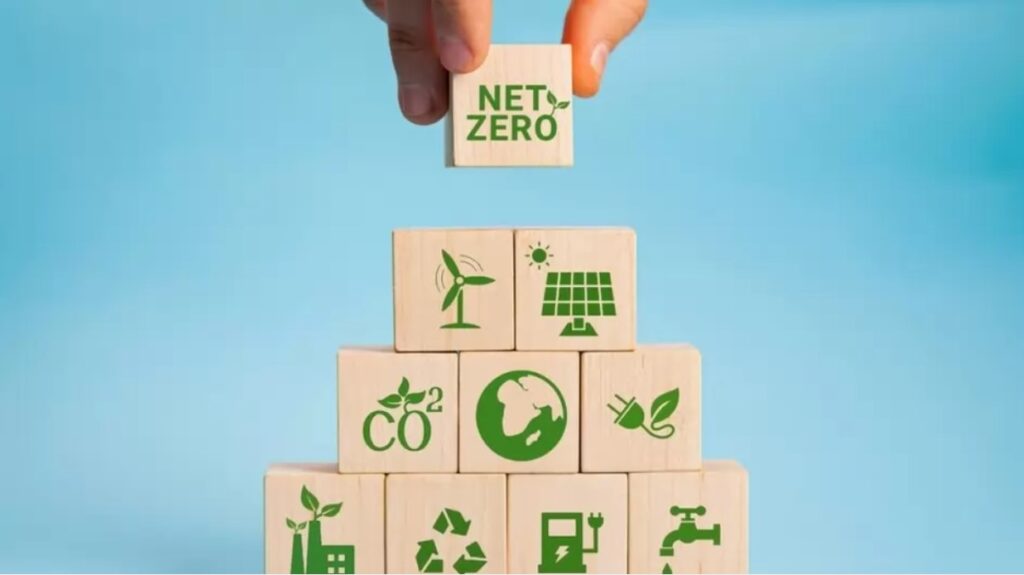
This is why 2026 assumes special significance. As global climate discourse shifts from commitments to delivery, India’s credibility will increasingly be judged by outcomes rather than announcements. Carbon markets, adaptation finance, urban resilience, and industrial transition must be anchored in strong governance, scientific integrity, and bankable execution frameworks.
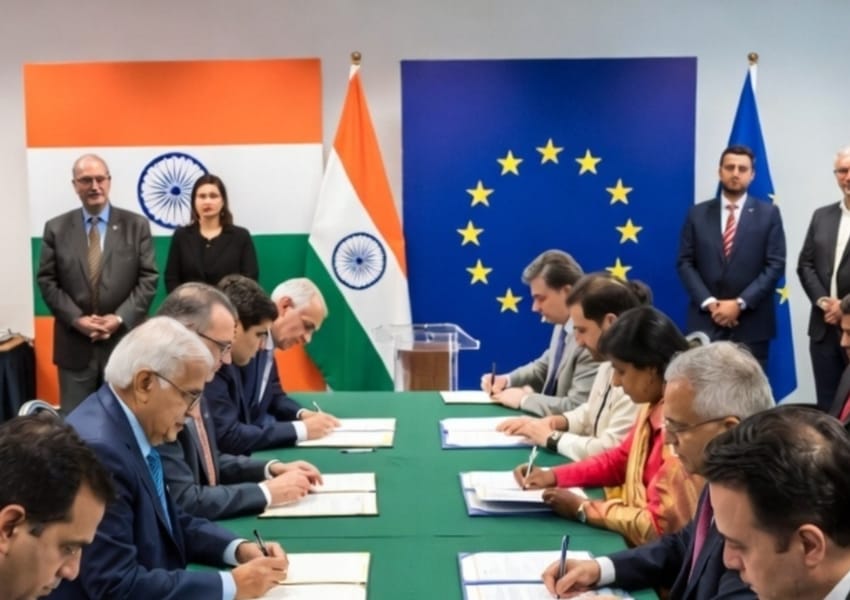
From Atal Bihari Vajpayee to Narendra Modi, India’s climate journey reflects a rare continuity of vision. Atal ji provided the moral compass, rooted in ethics, co-existence, and global responsibility. Modi ji has transformed that compass into a machinery of scale, implementation, and international leadership. Together, they represent a uniquely Indian climate approach that blends traditional wisdom with modern science, national development with global responsibility.
As India enters its decisive climate decade, Atal ji’s words resonate with renewed urgency. Environmental protection is not a cost to be avoided but an investment in the nation’s future. Climate action, grounded in ethics and executed with discipline, is not a burden on growth but a pathway to resilient and inclusive prosperity.
Disclaimer: The views expressed in this article are those of the author and do not necessarily reflect the views of the publication.
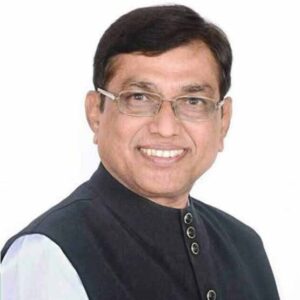
Dr Kirit P Solanki is a dermatologist and medical practitioner, former BJP MP from Ahmedabad West, elected thrice to Lok Sabha, serving multiple terms with focus on public health education.

Dr Kaviraj Singh is the chief executive officer of Earth Hood, a sustainability focused enterprise working on climate solutions, community engagement, and environmentally responsible practices.