



































































































































































































































































































































































































































































































































Bengaluru Starts Waste-to-value Park To Reduce Landfills, Produce Green Fuels

Public–private model aims to convert organic waste into biomethane, fertiliser and renewable power, with plans to scale integrated circular systems
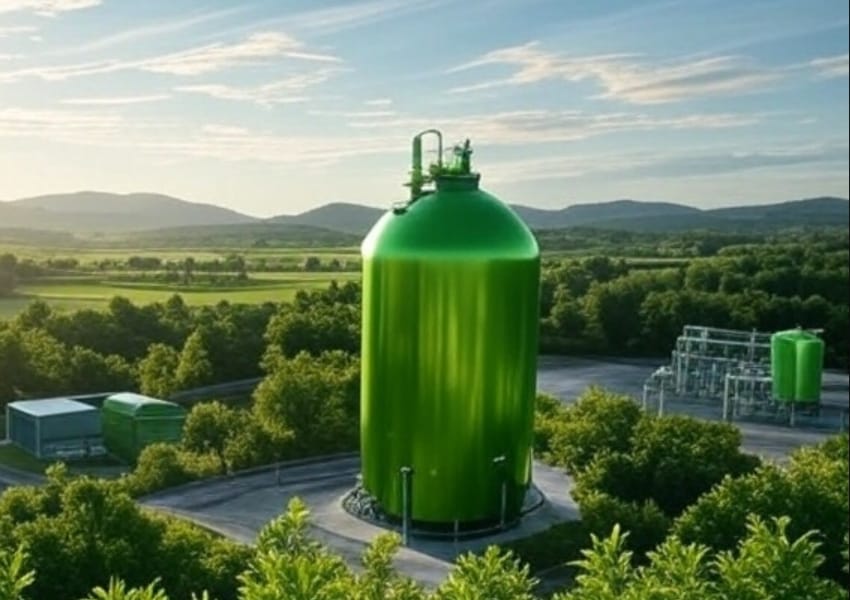
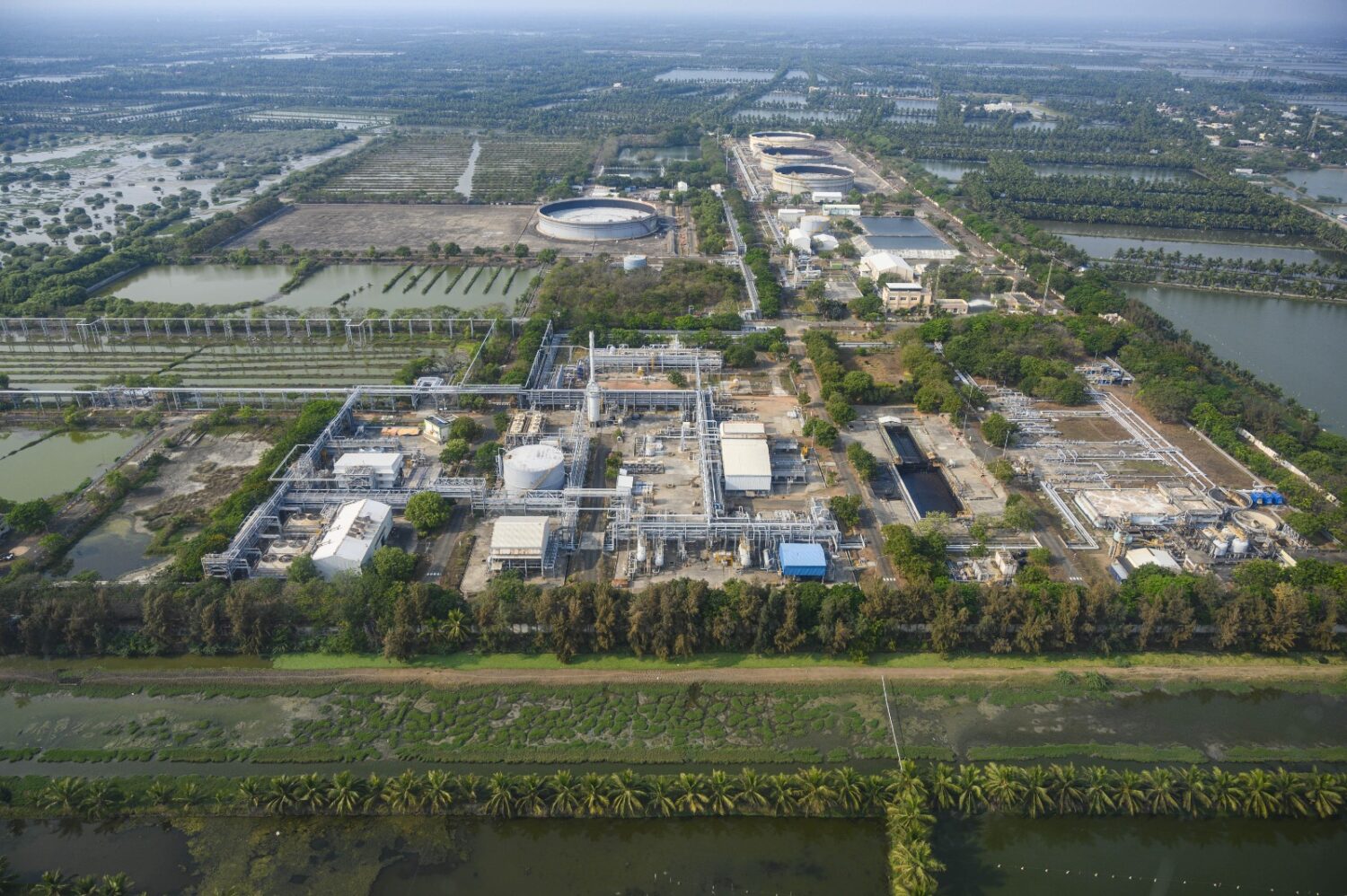
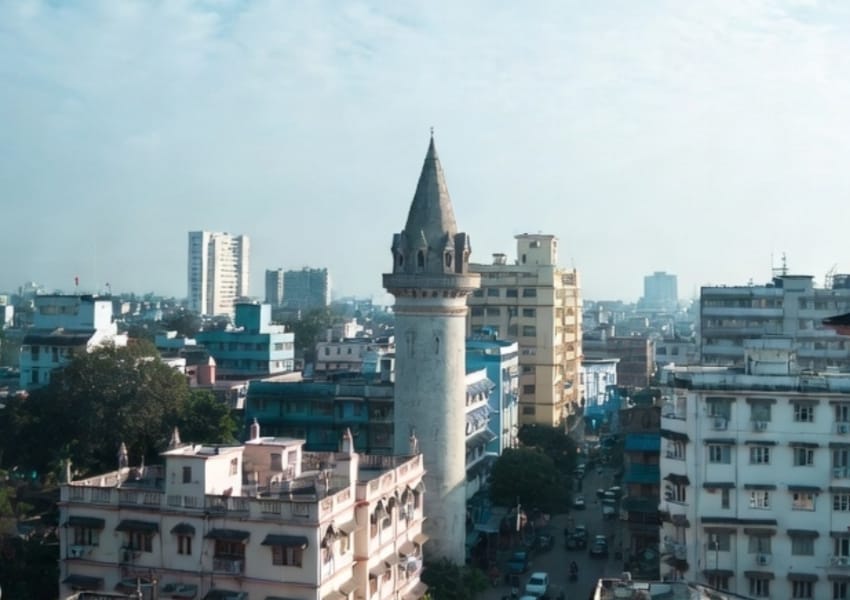
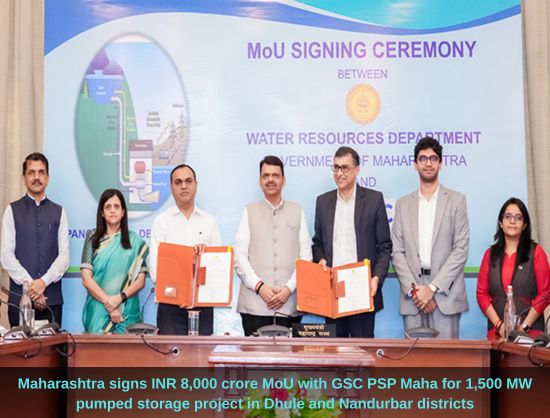
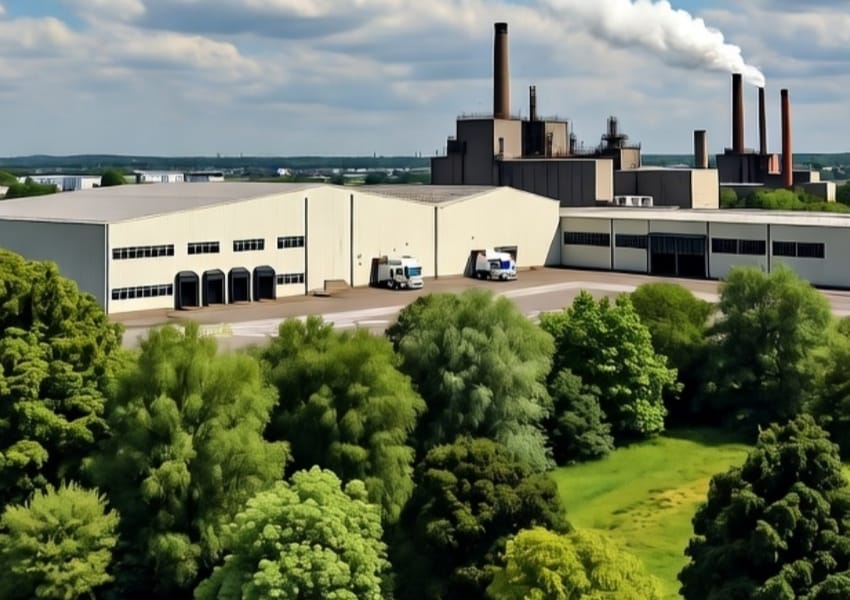
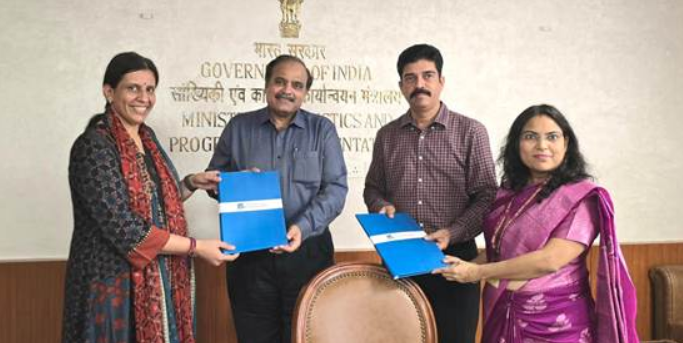
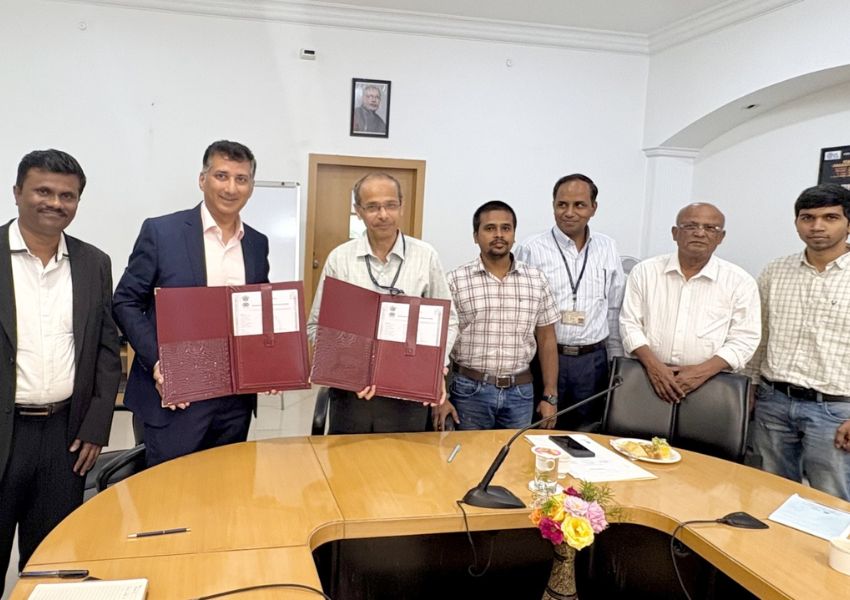
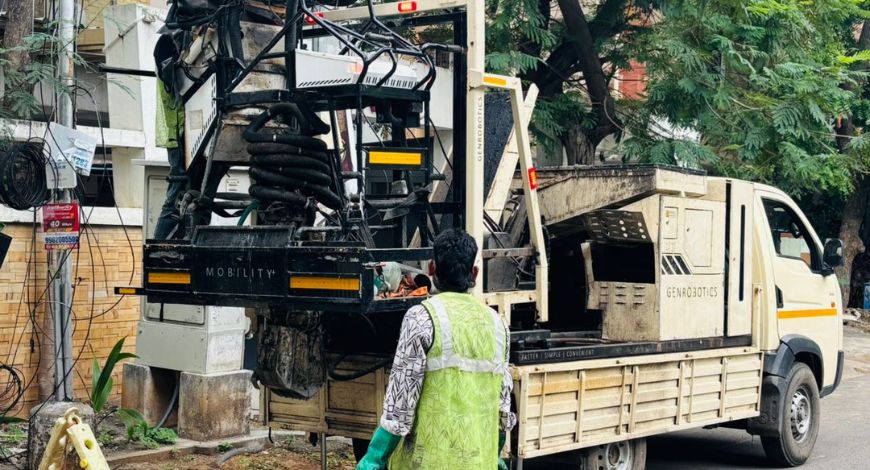
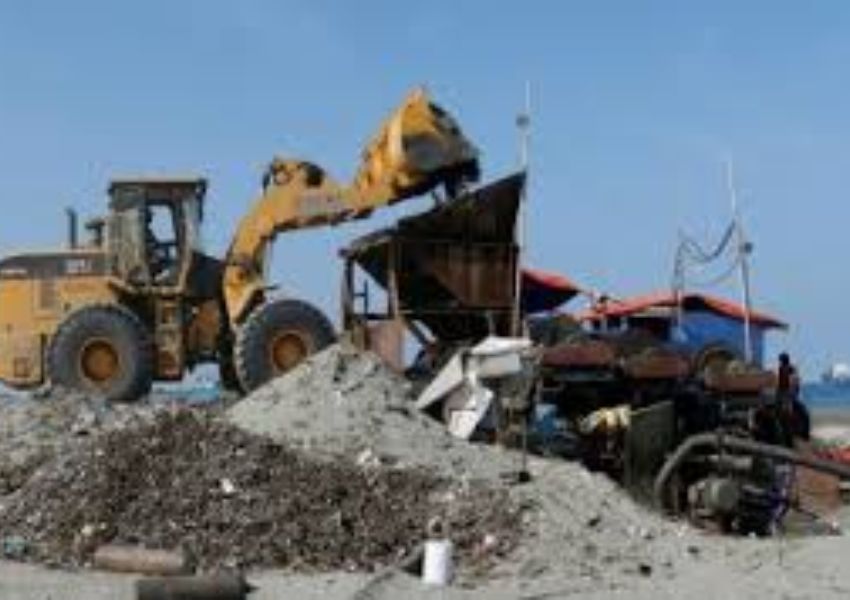
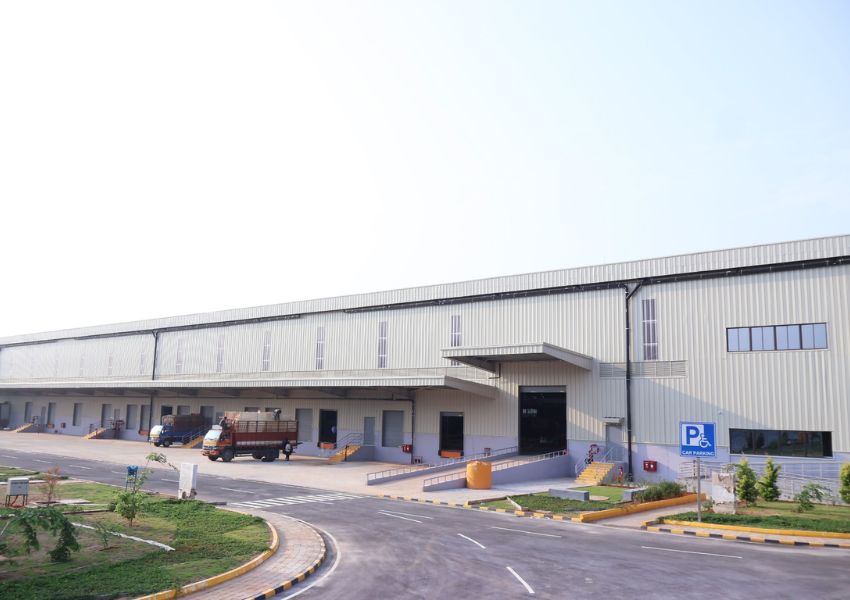
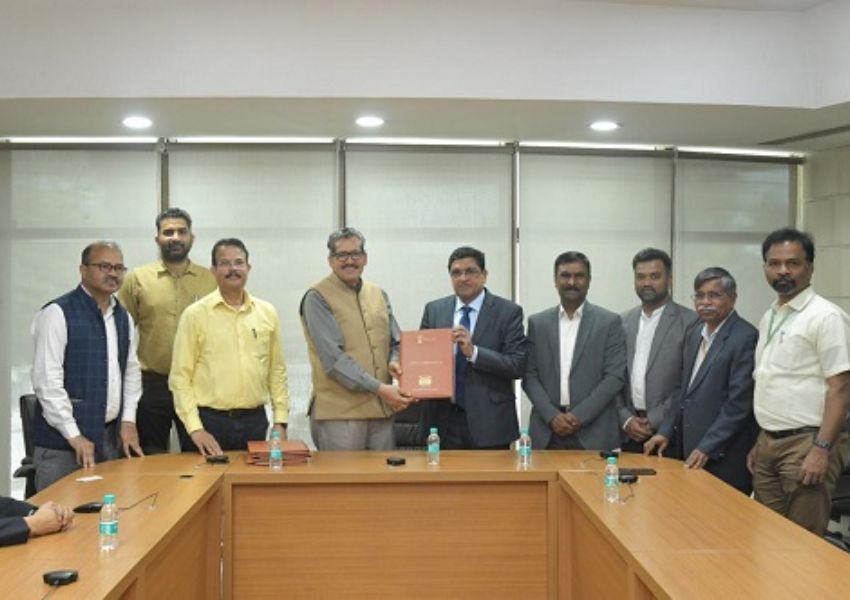
Bengaluru has begun work on what is expected to be its first integrated waste-to-value park, a facility designed to divert municipal waste from landfill and convert it into fuel, fertiliser and energy. Carbon Masters India, Bruhat Bengaluru Mahanagara Palike and Saatarem Alternative Fuel and Energy are leading the initiative under a public–private partnership at the Kannahalli Municipal Waste Plant in the city’s west.
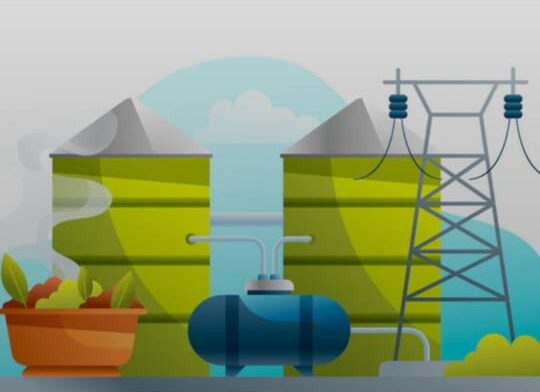
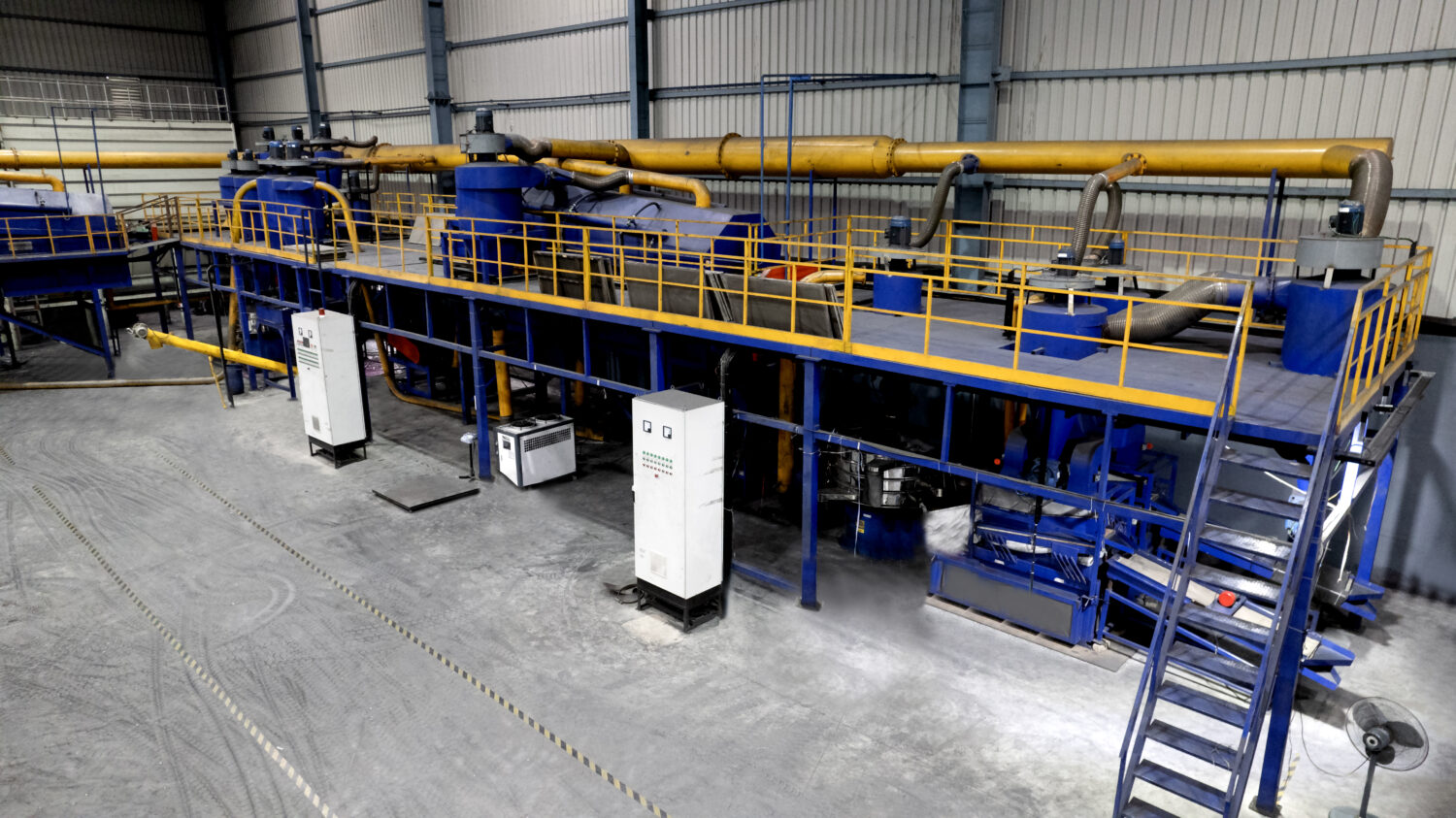
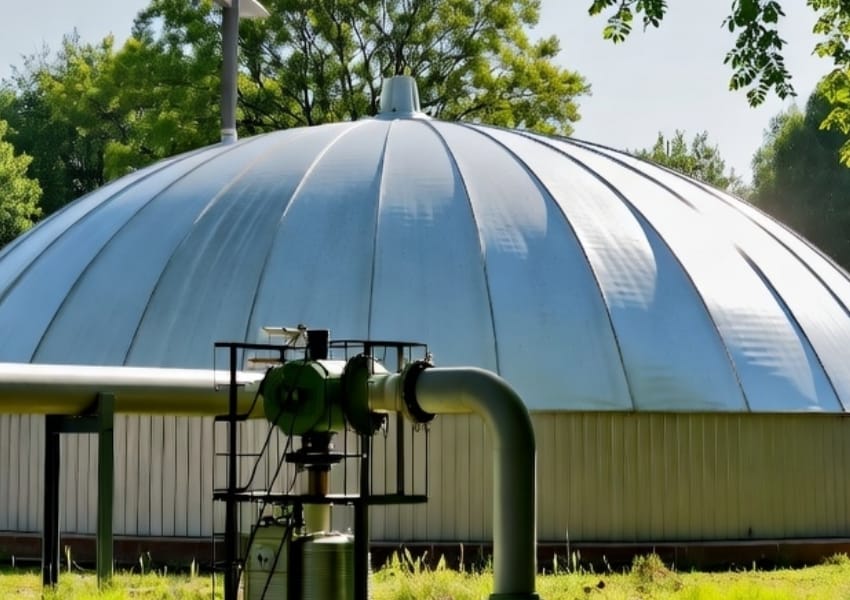
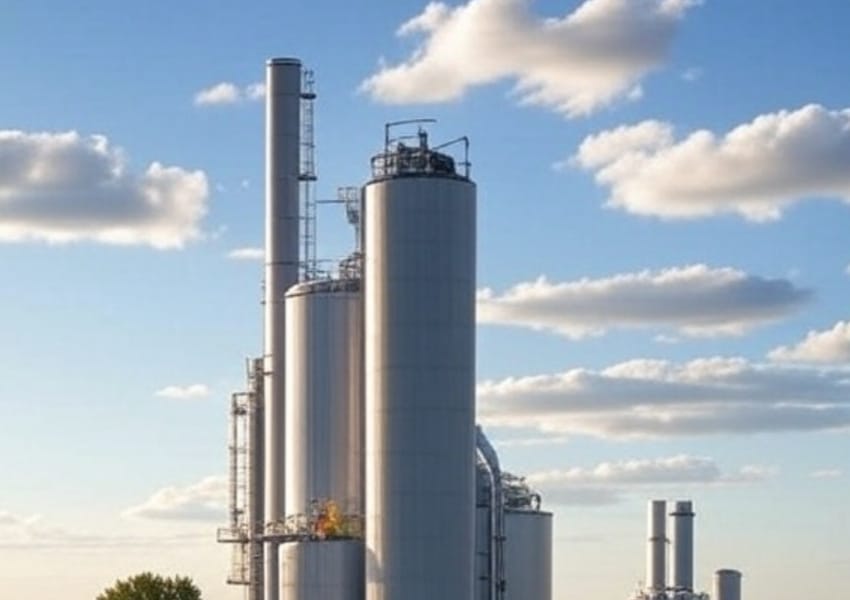
The site, owned by the municipal authority, currently processes around 350 tonnes per day of segregated waste into compost, with an installed capacity of 1,000 tonnes per day. The project aims to expand capacity and introduce multiple technologies to increase material recovery and minimise disposal. When fully developed, it is expected to process around 900 tonnes per day of organic waste, producing approximately 30 tonnes of biomethane and 750 tonnes of organic fertiliser daily.
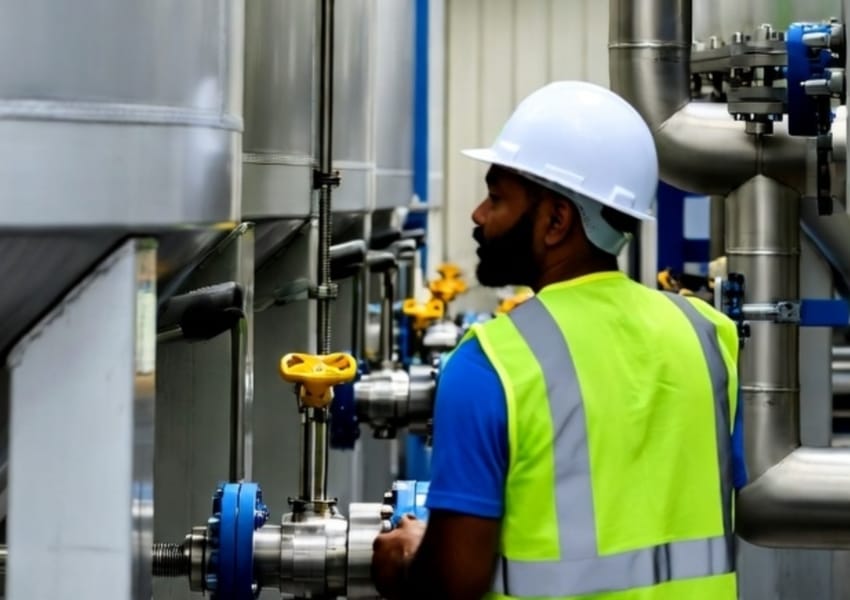
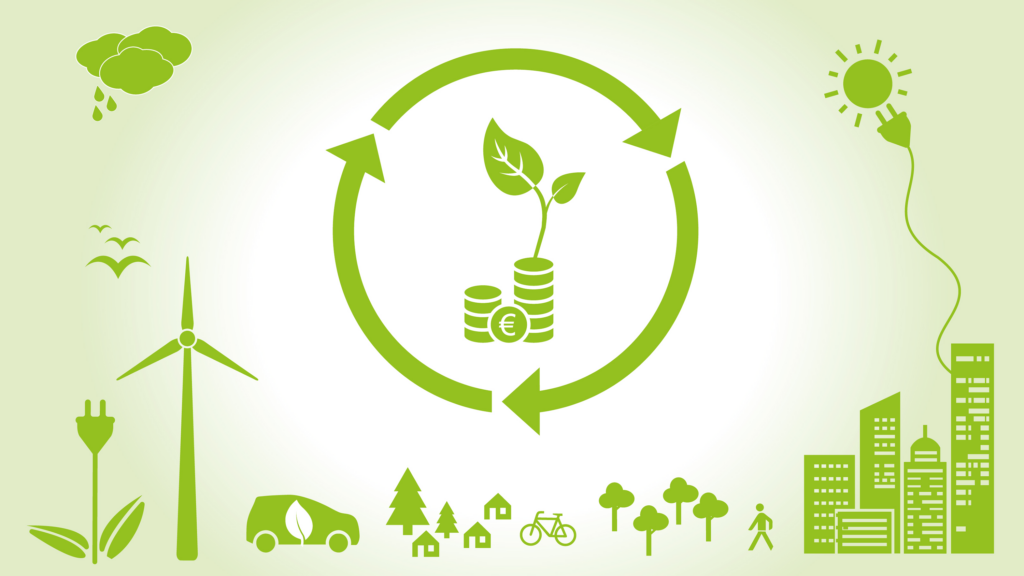
The first phase will install a biomethane plant capable of handling 300 tonnes of waste per day, generating 10 tonnes of biomethane and 250 tonnes of fertiliser. Carbon Masters said the model seeks to demonstrate financially viable circular systems at scale, where a municipal waste stream is converted into marketable products that replace fossil fuels, synthetic fertilisers and landfill disposal.
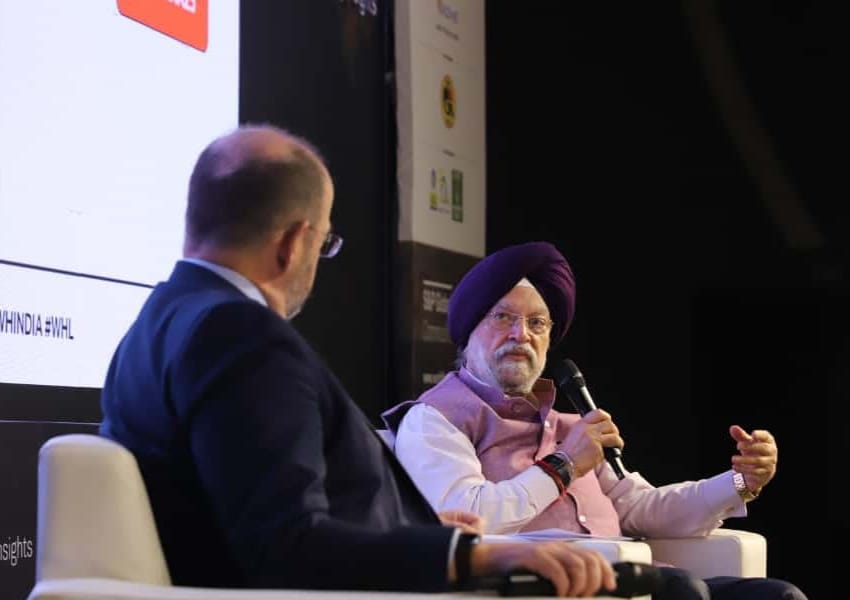
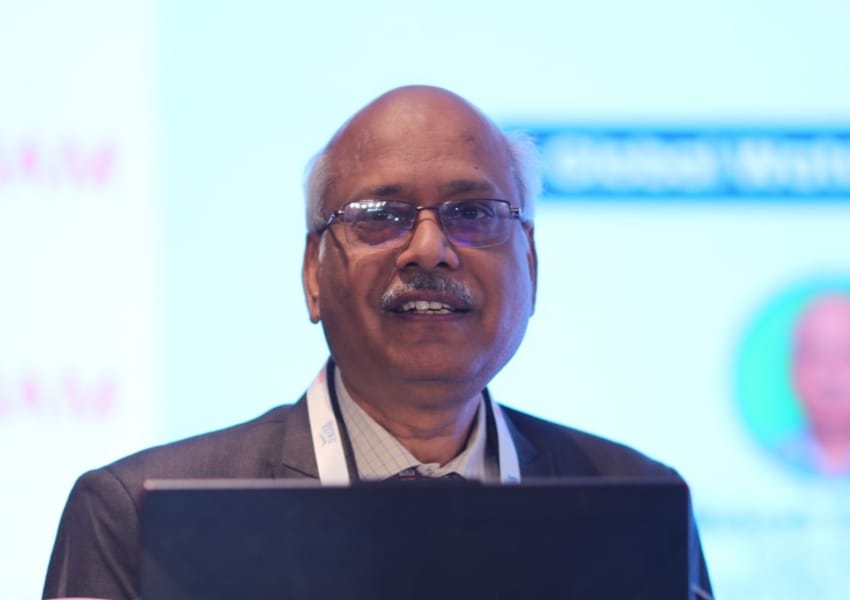
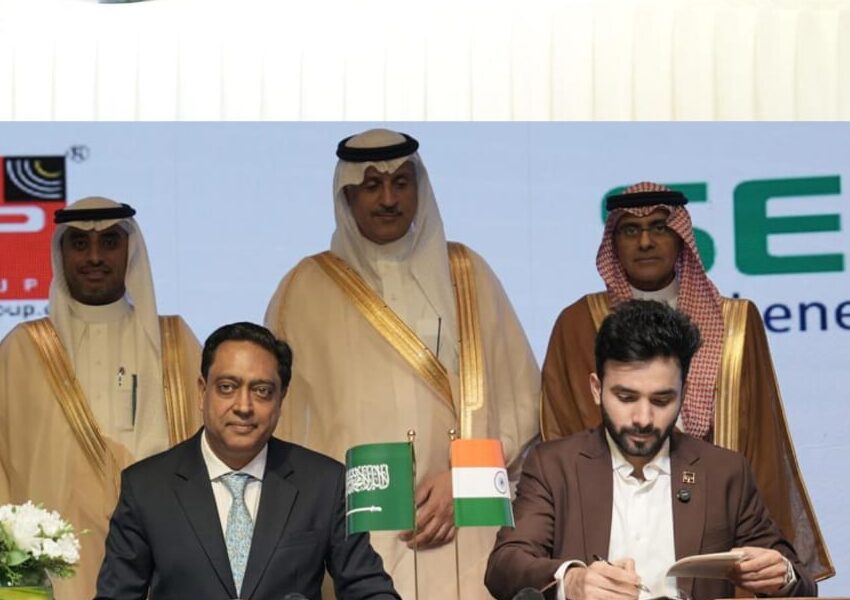
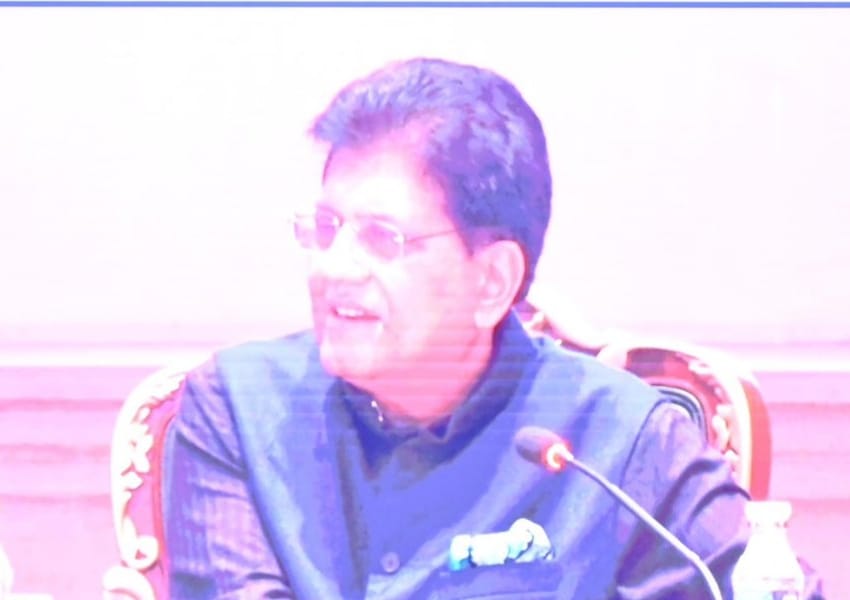
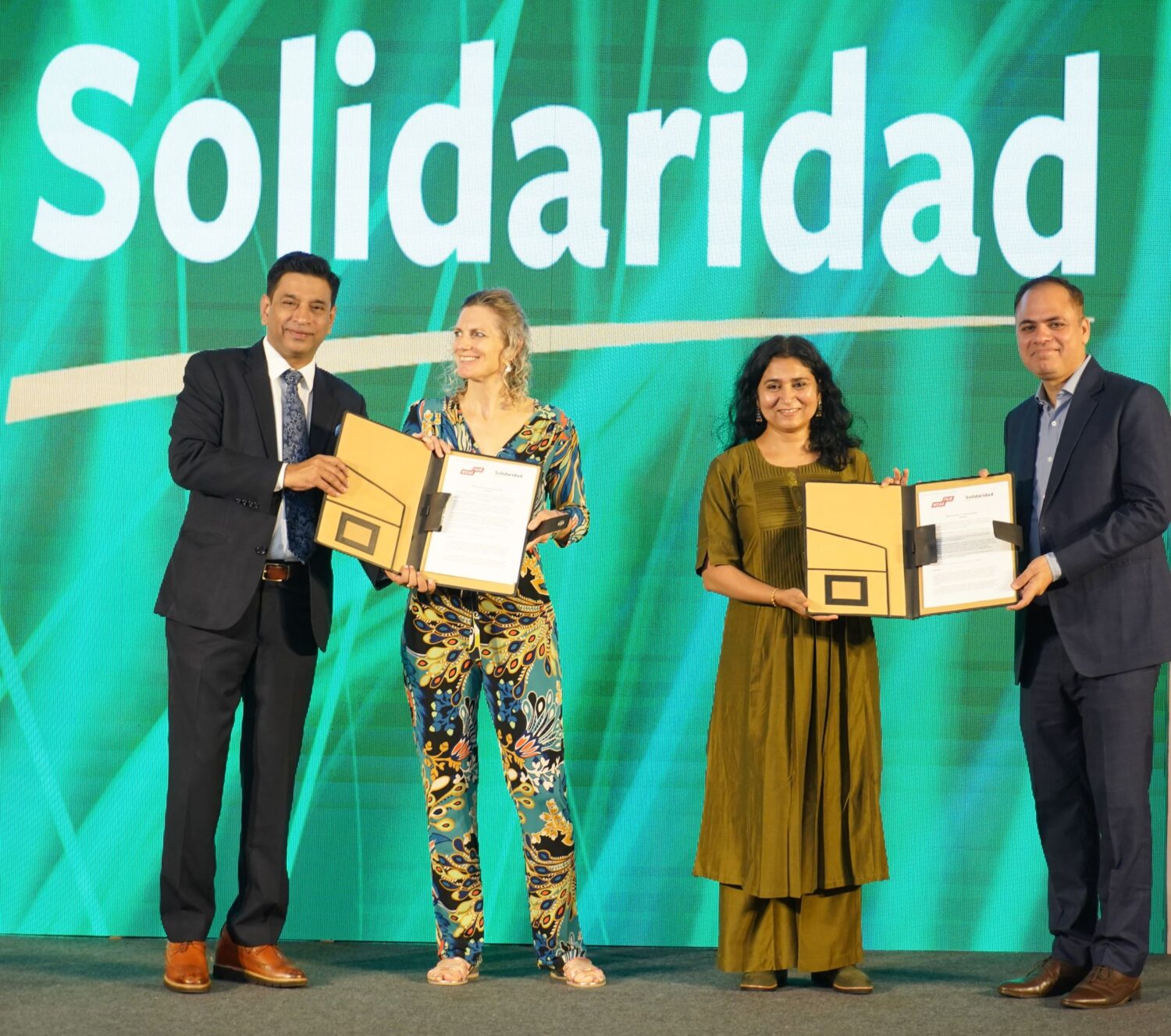
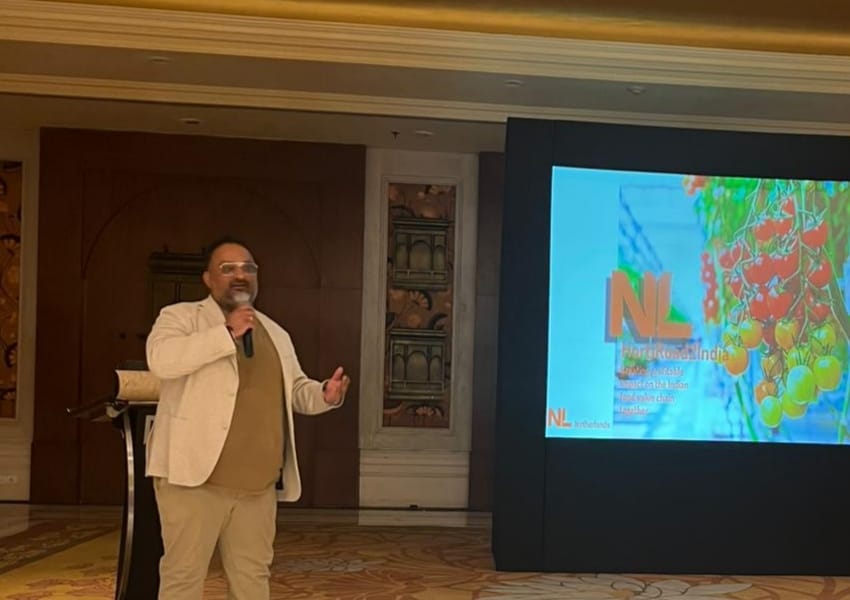
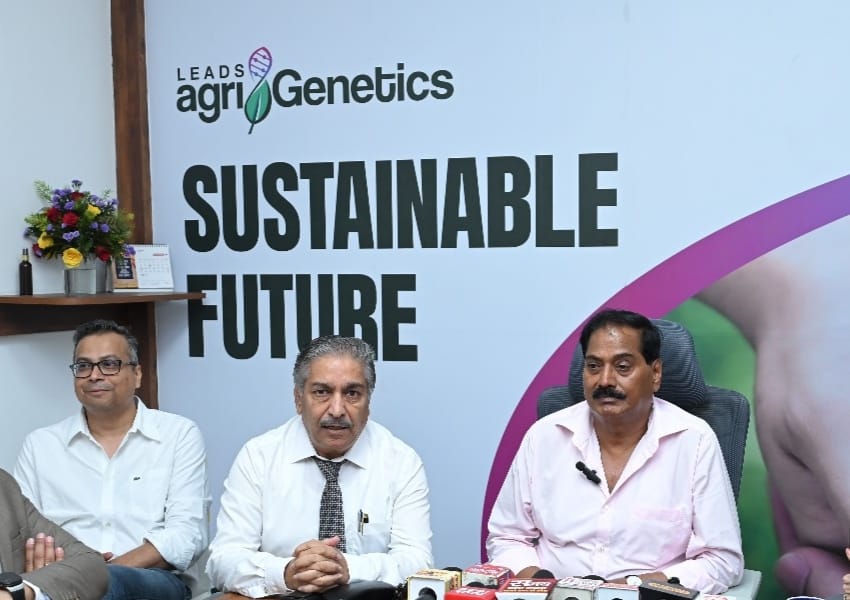
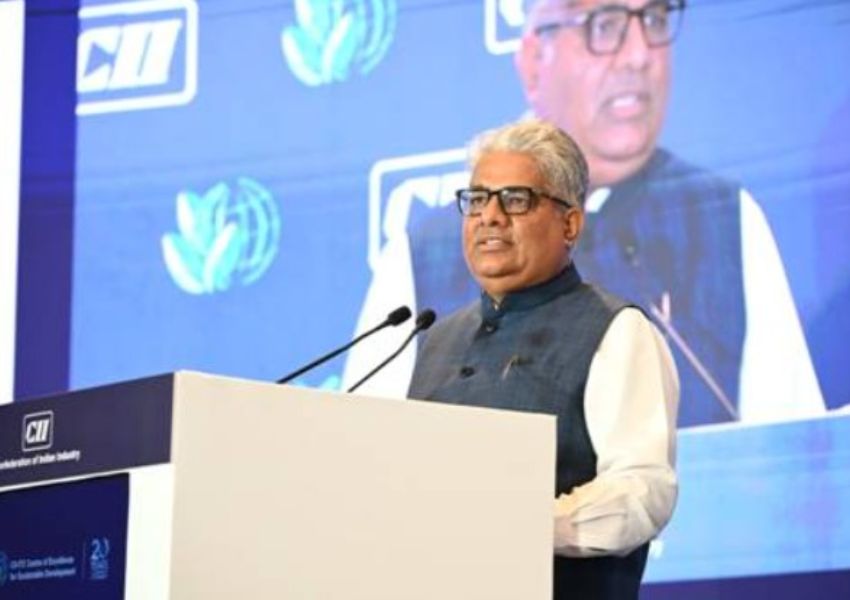
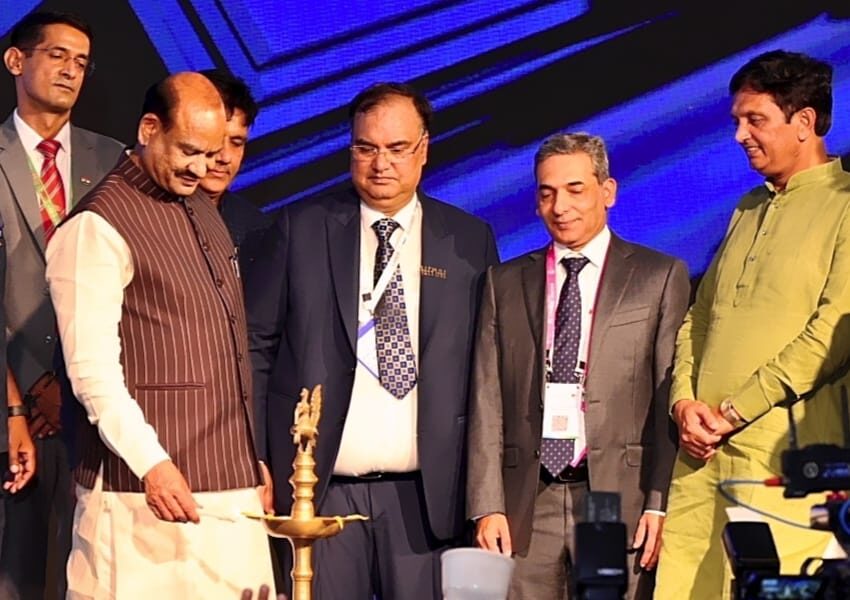
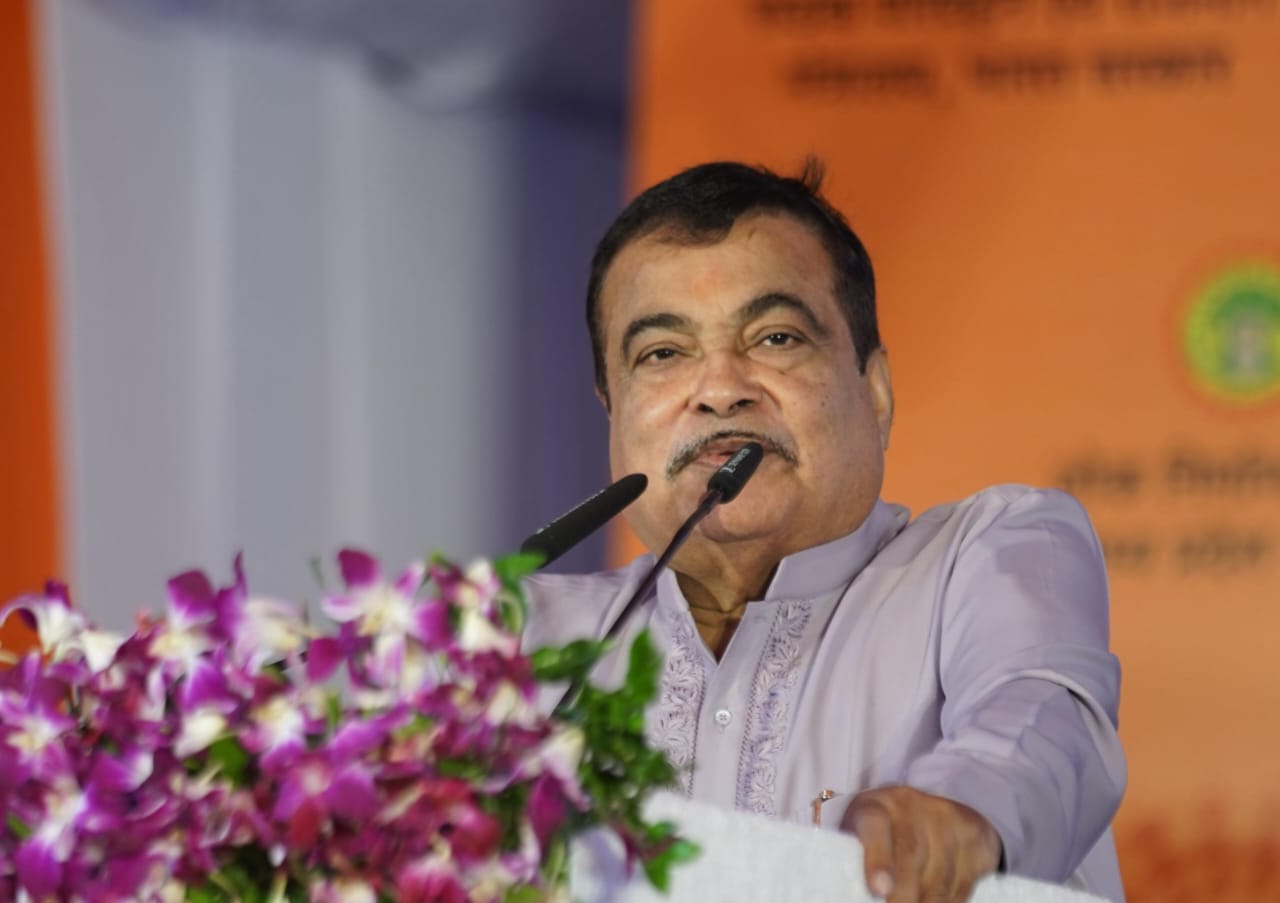
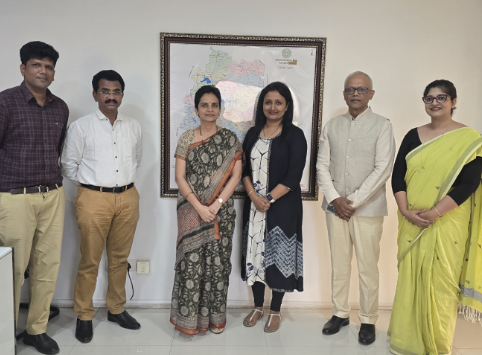
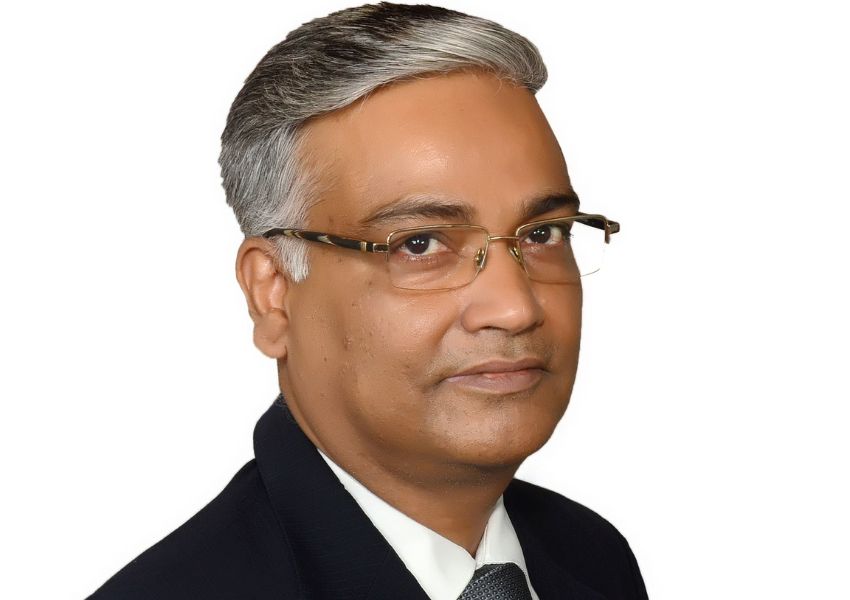
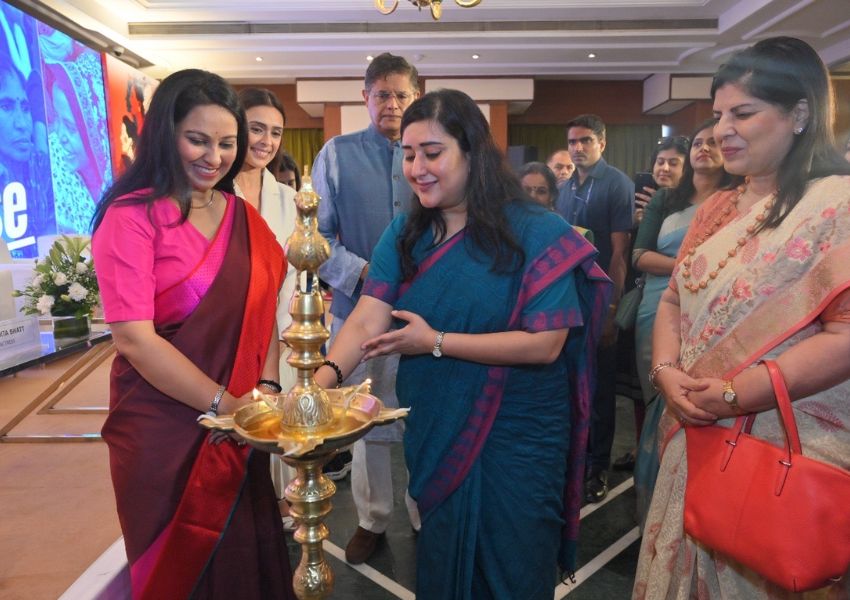
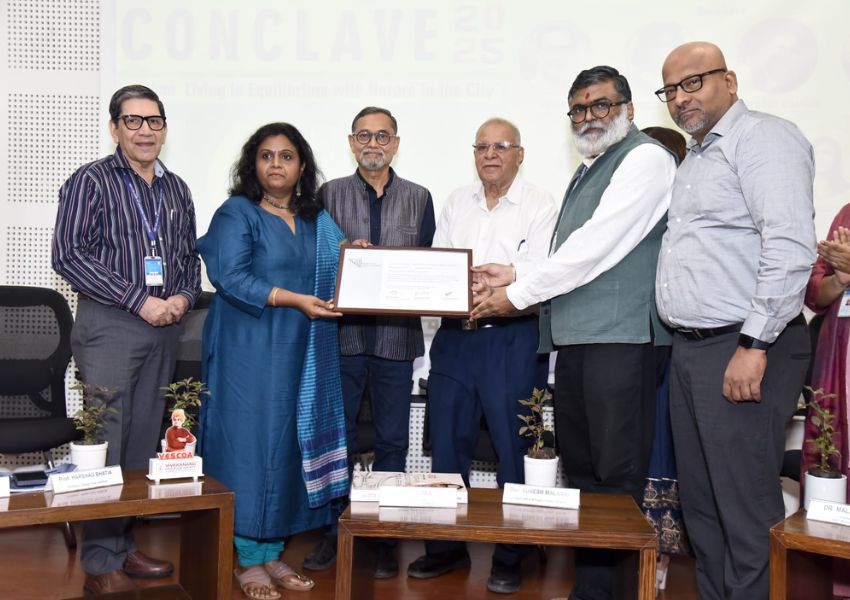
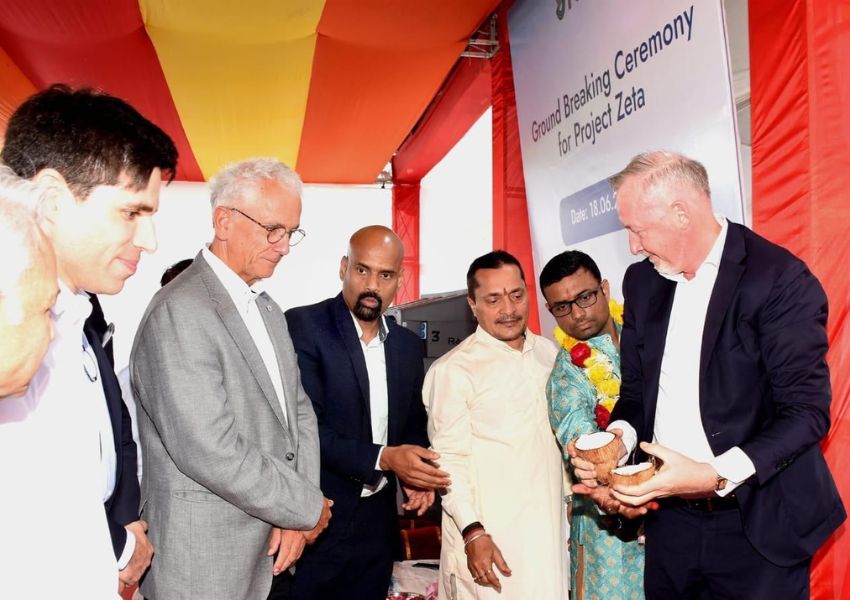
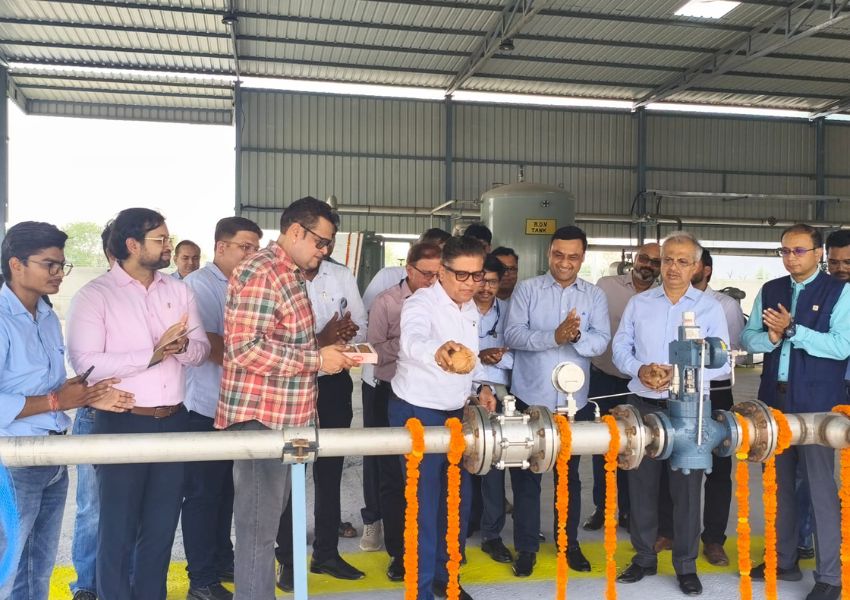
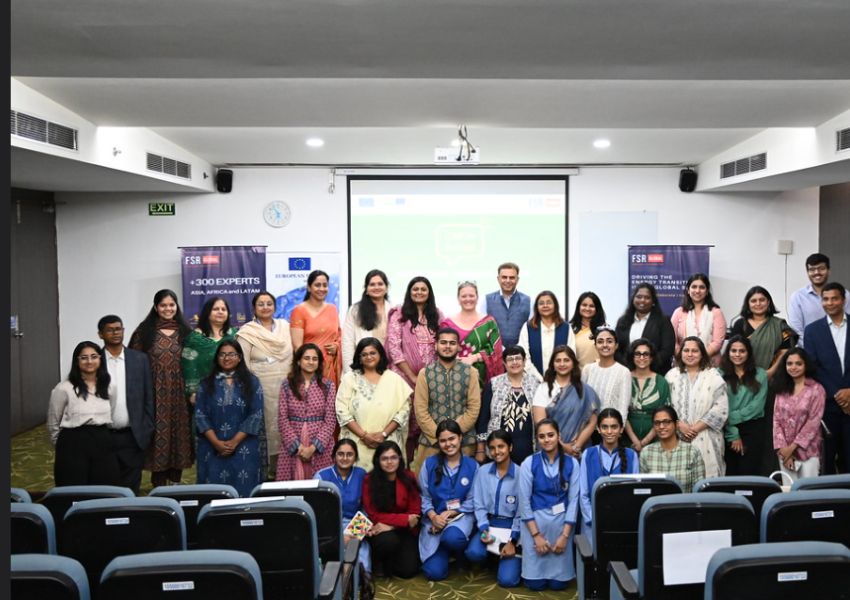
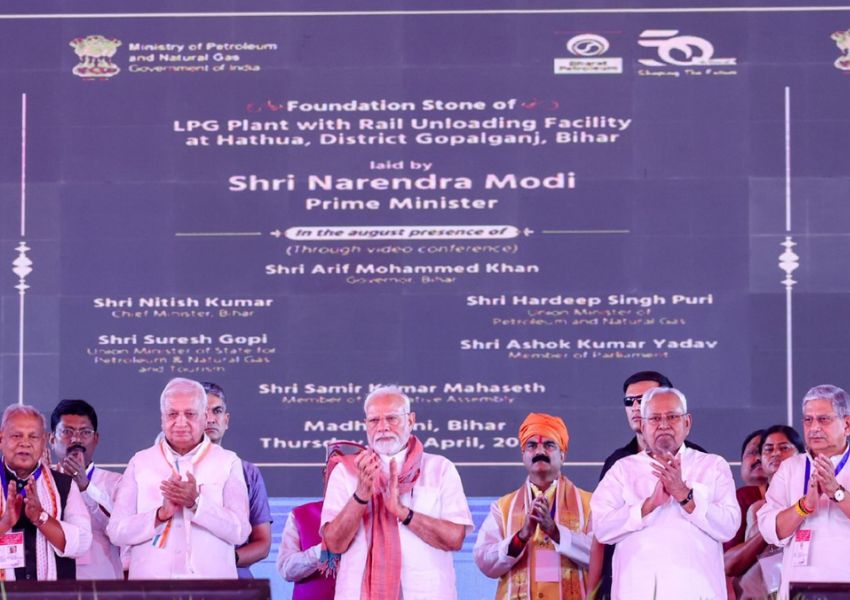
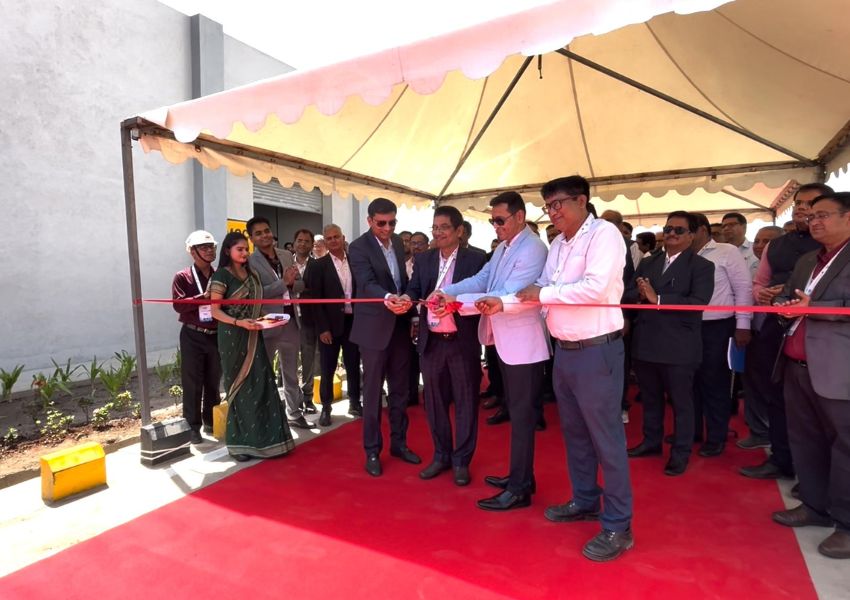
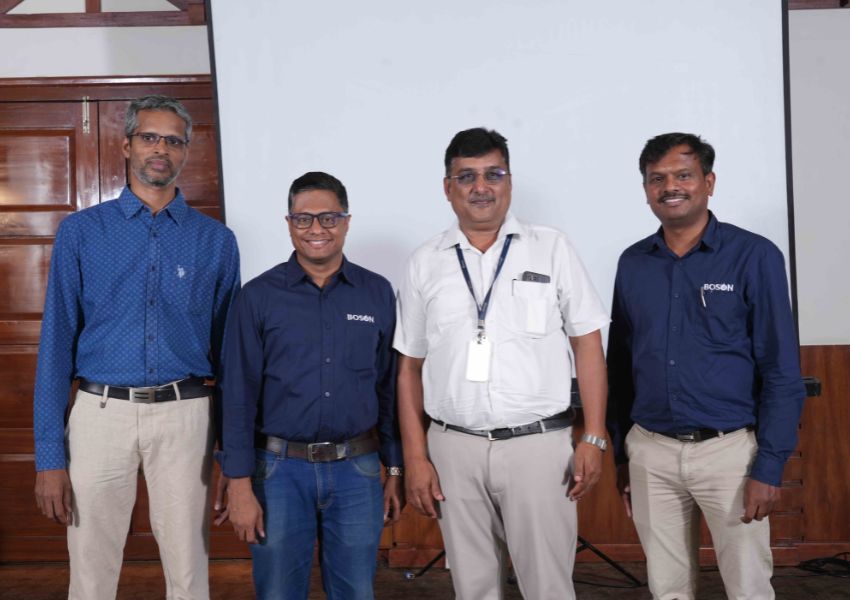
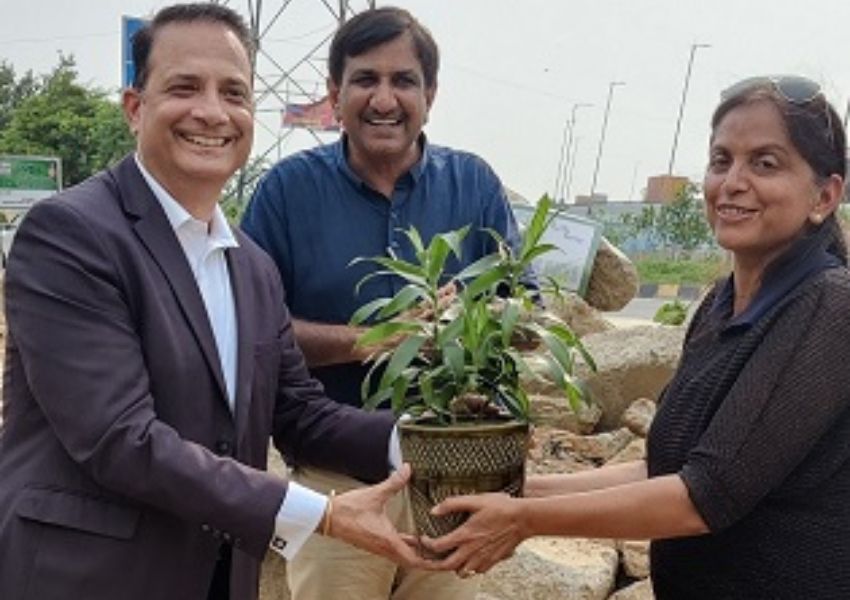
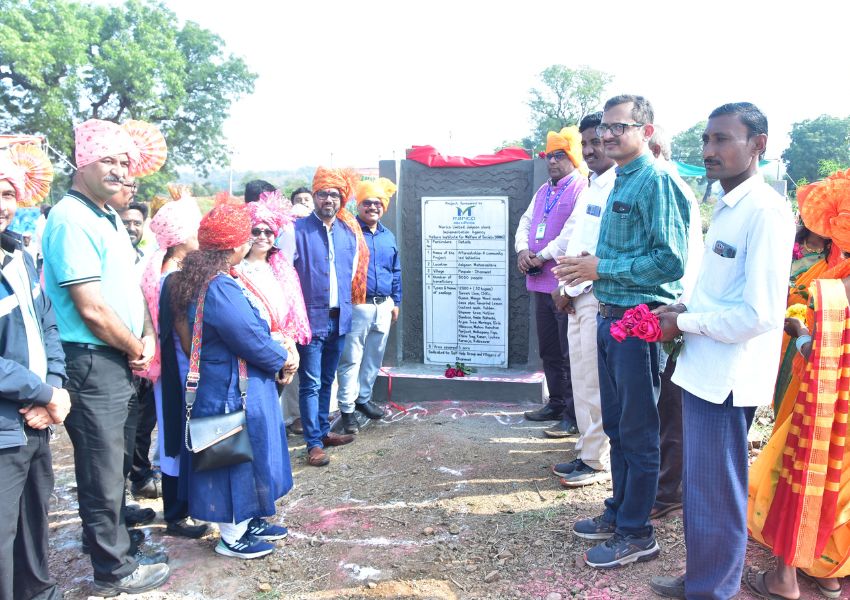
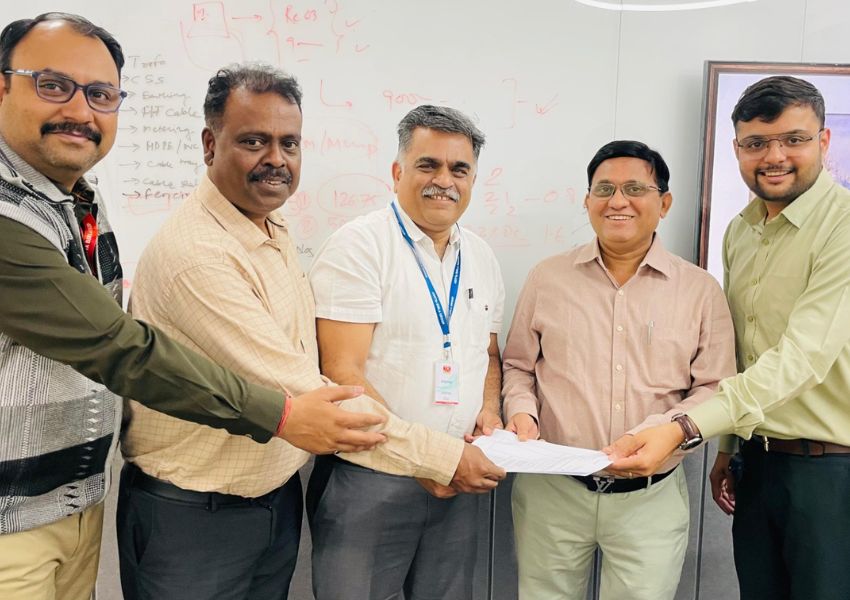
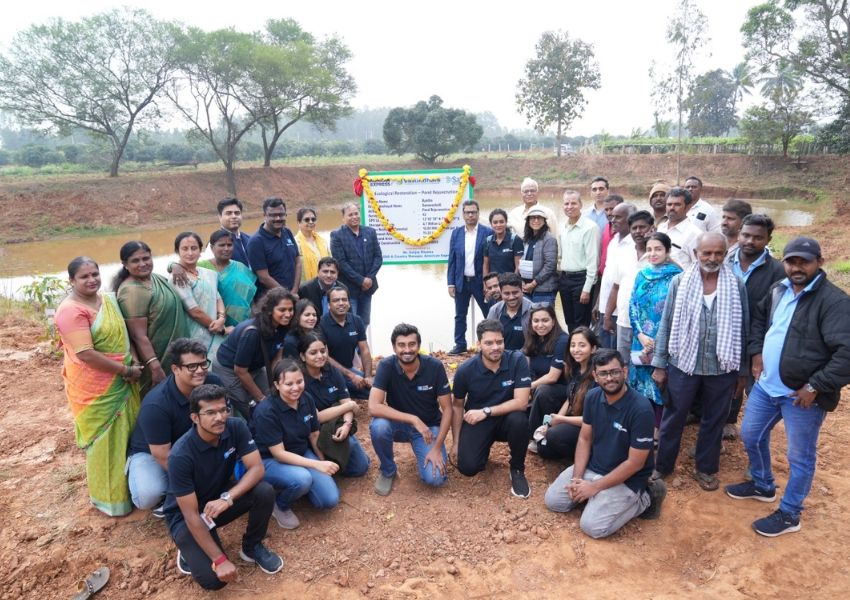
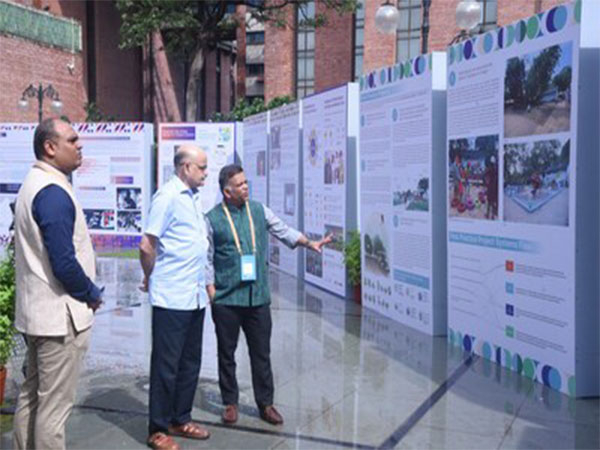
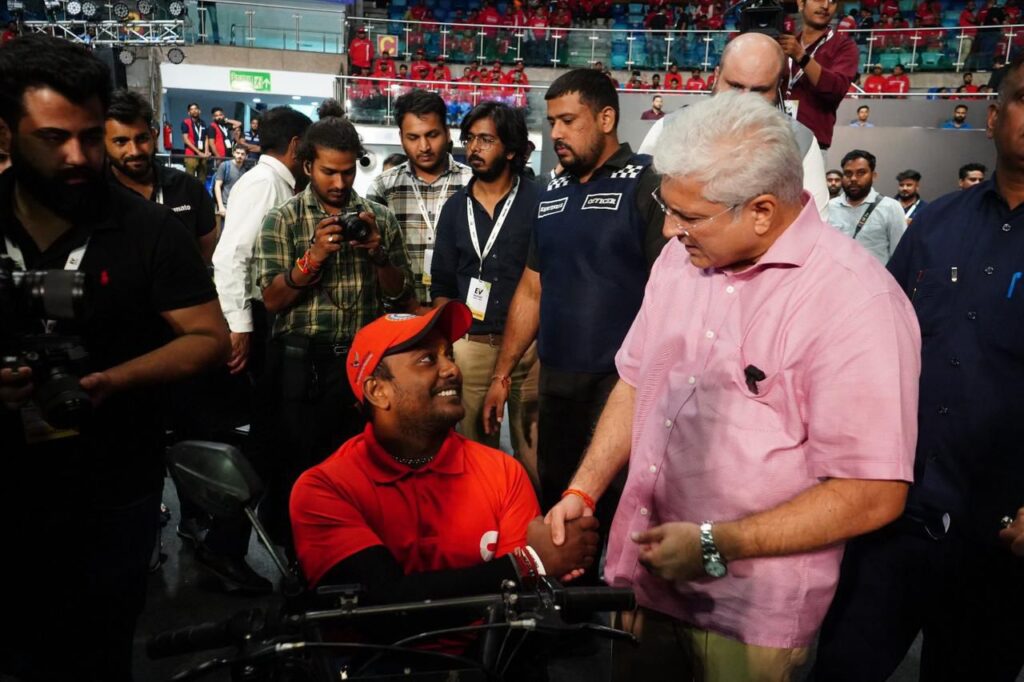
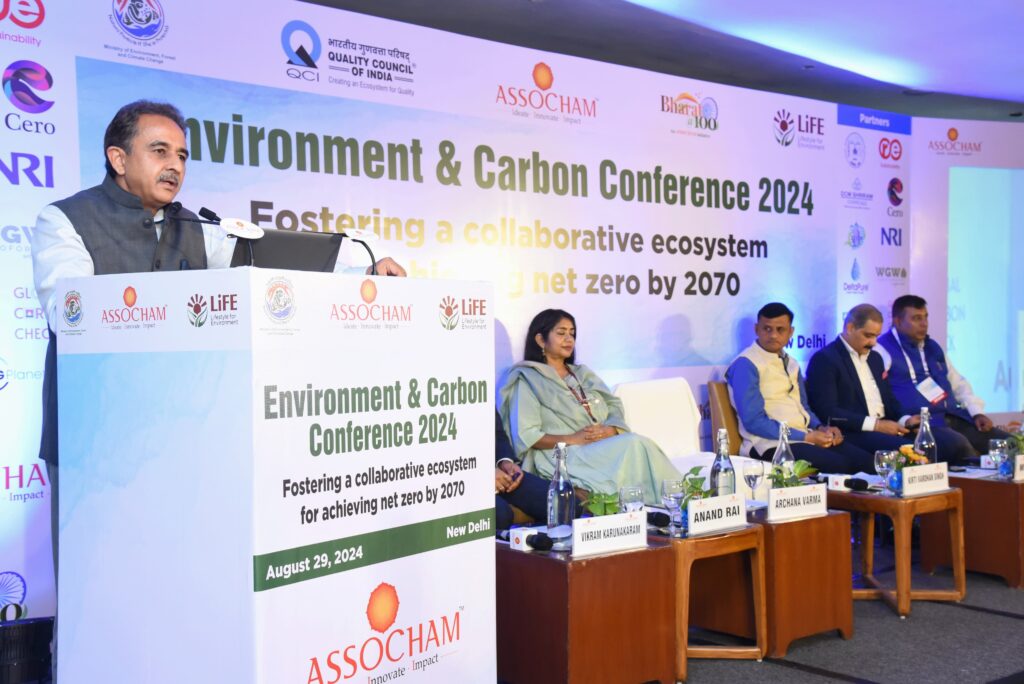
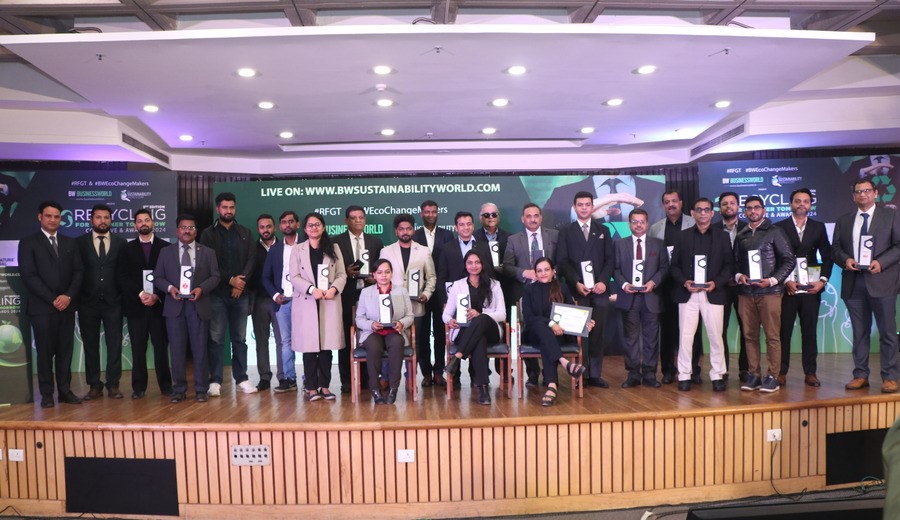
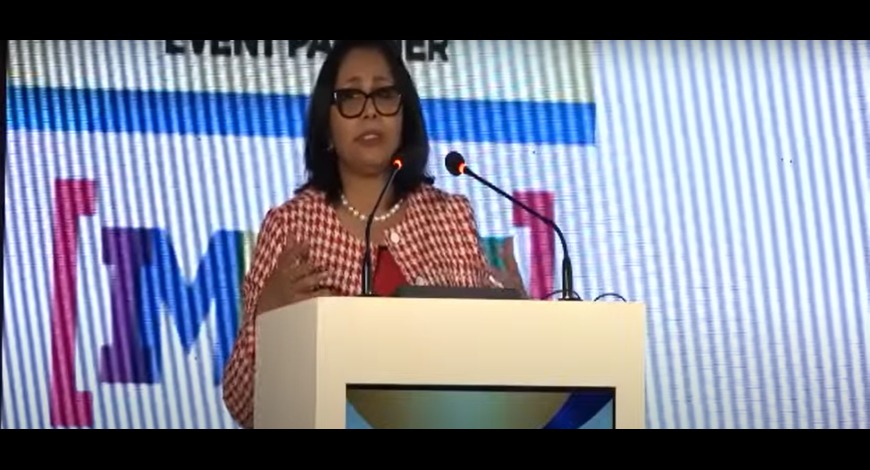
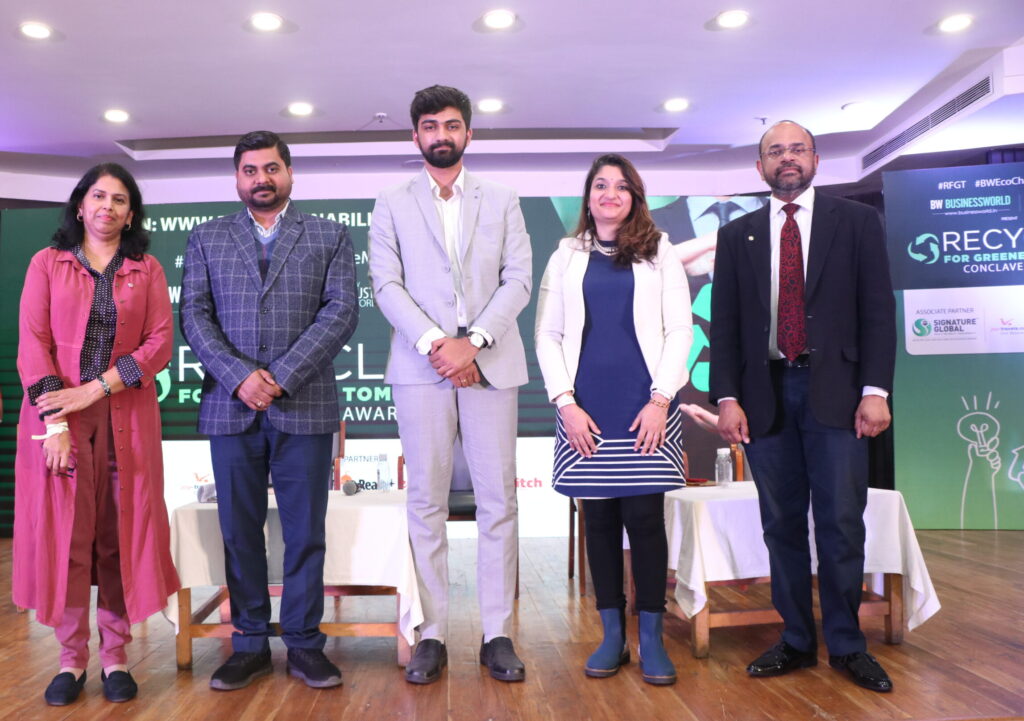
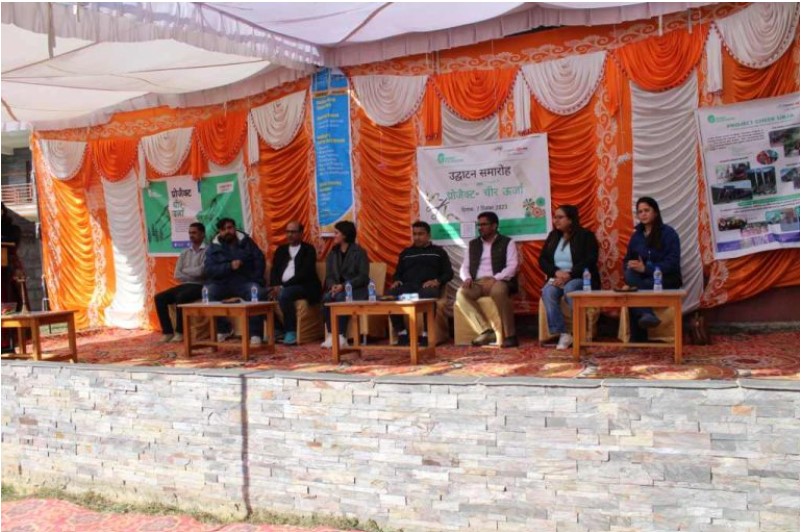
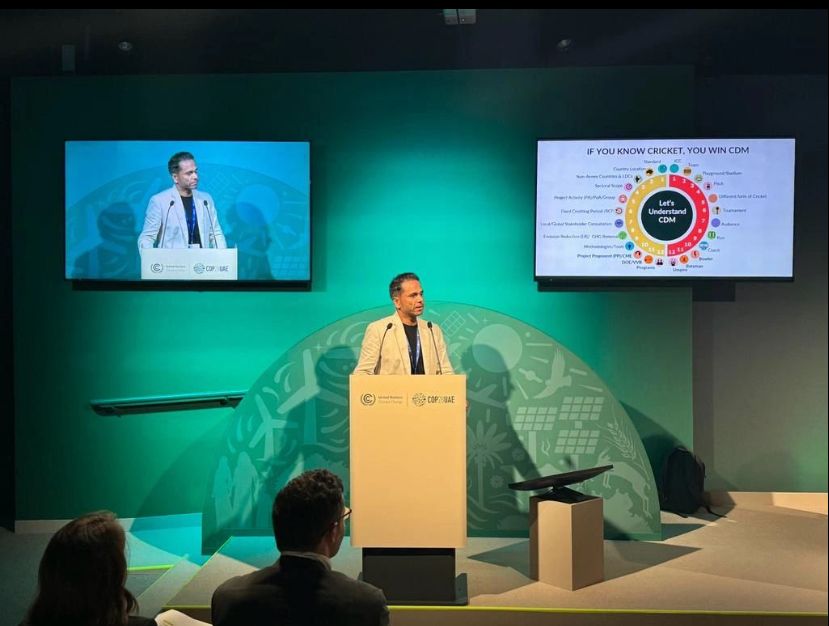
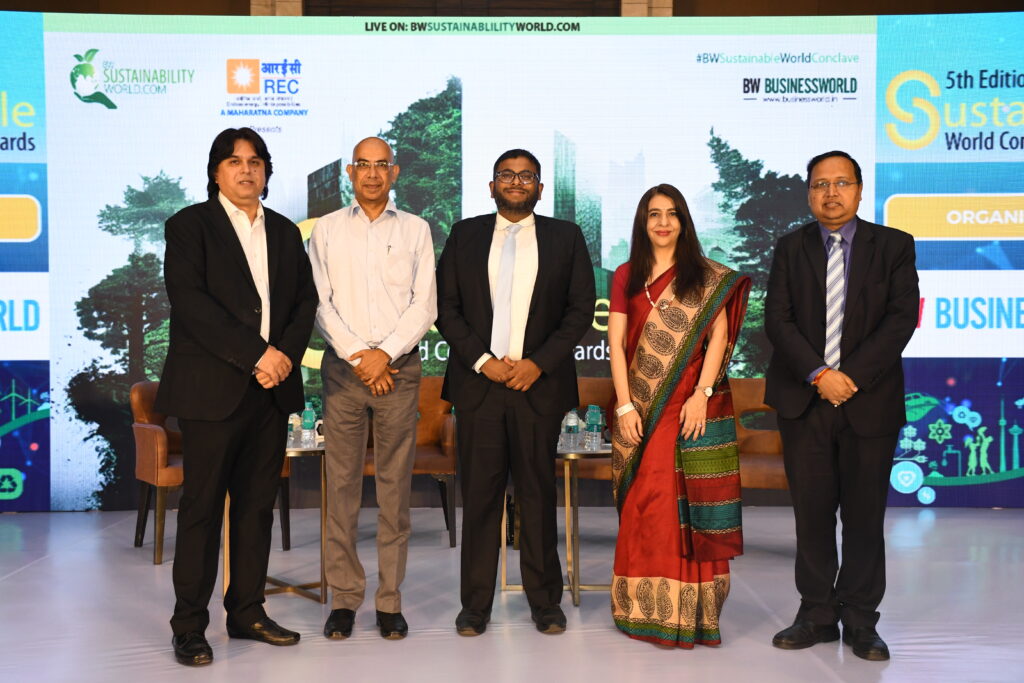
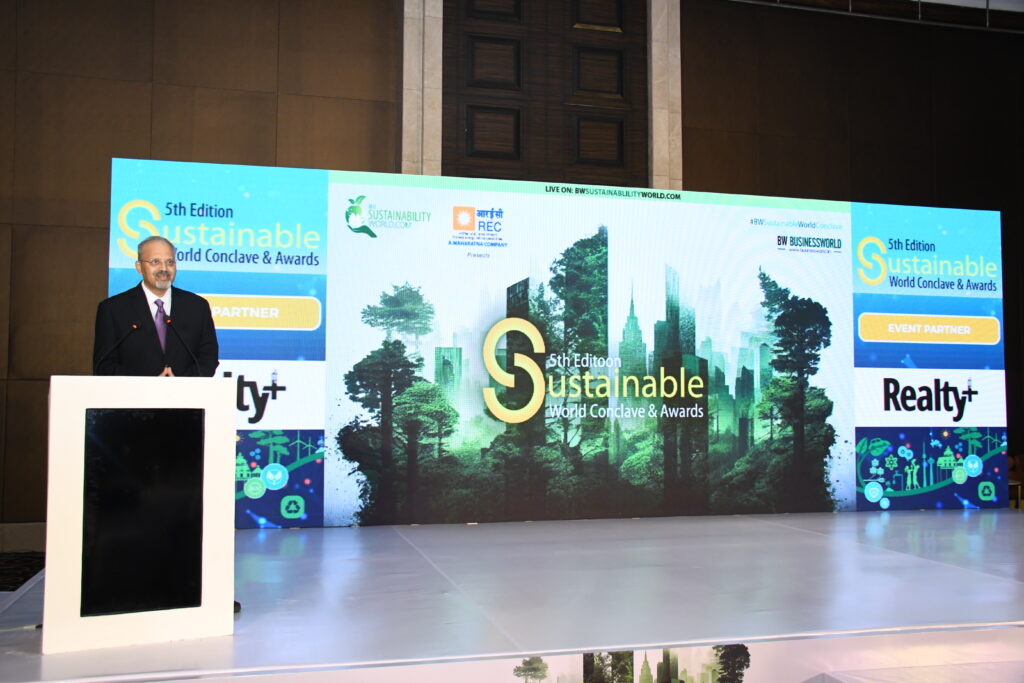
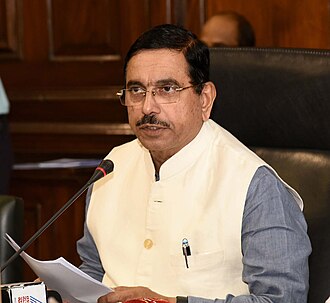
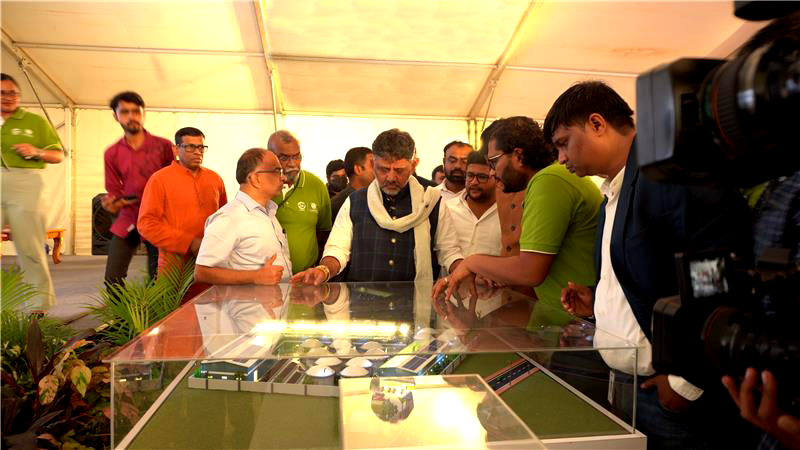
At the foundation ceremony, Deputy Chief Minister D.K. Shivakumar said the facility is intended to reduce pressure on landfills, cut pollution and support green employment. He said waste can be a resource if supported by infrastructure capable of processing it to commercial standards. Saatarem said the partnership allows the concessionaire to move beyond composting to a model that integrates energy generation and fertiliser production.
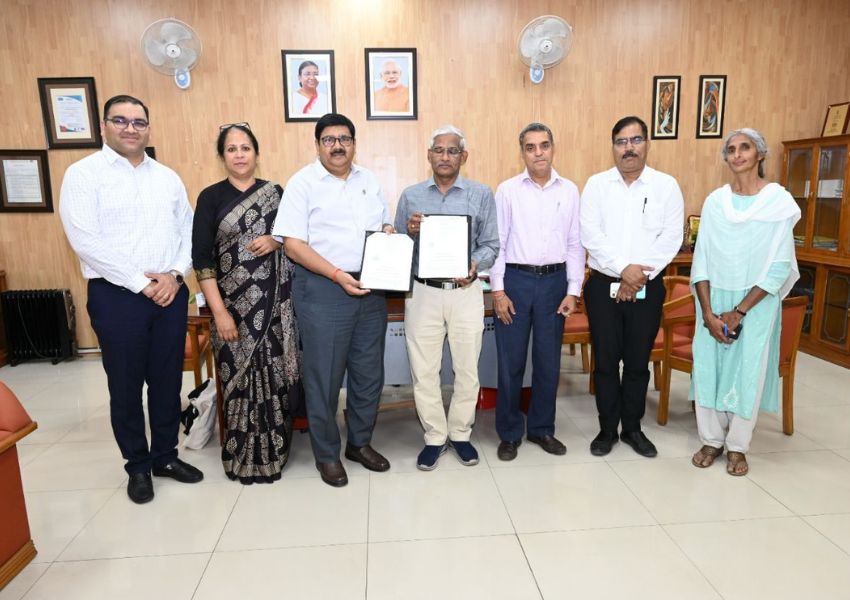
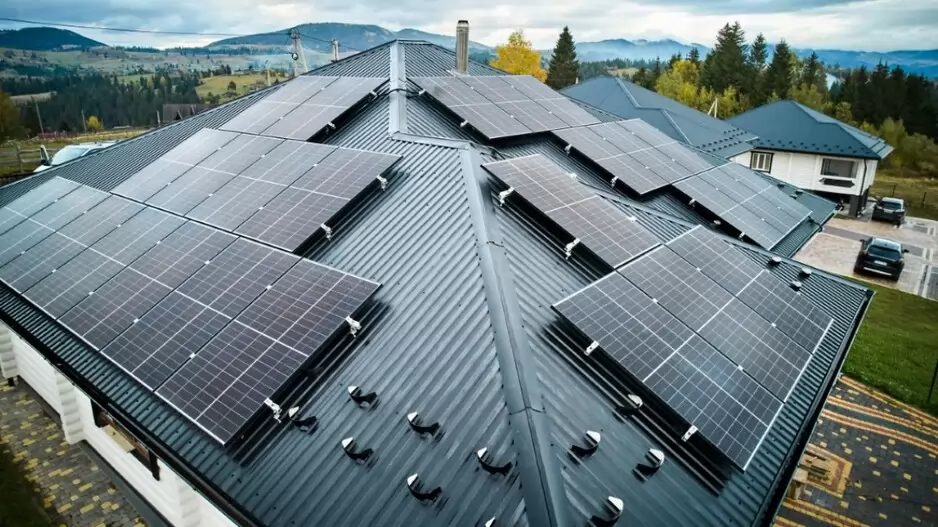
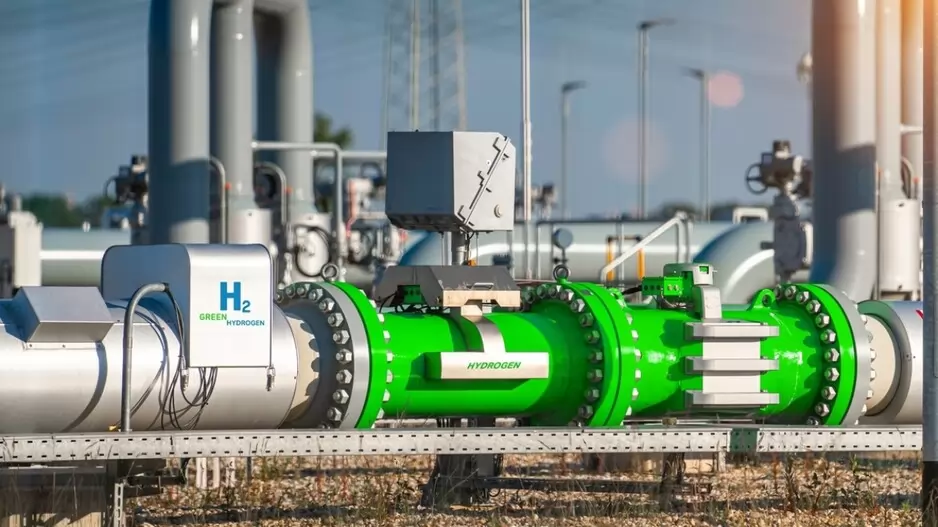
The project also includes additional technology partners. The Indian Institute of Science will work on converting residual waste into renewable electricity for plant use and export, and examine gasification routes for municipal waste-based hydrogen. Hasiruda Innovations will establish a dry-waste facility with the capacity to recover recyclables and produce refuse-derived fuel.
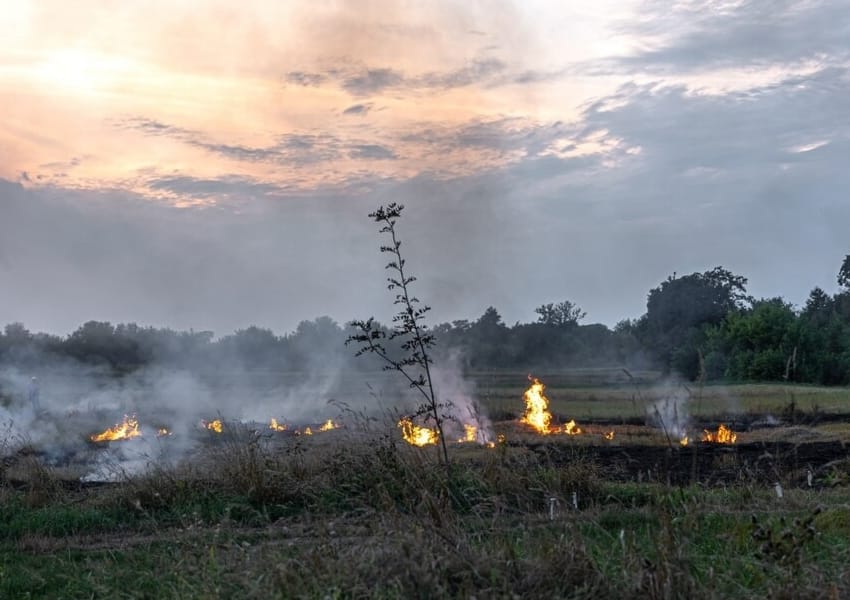
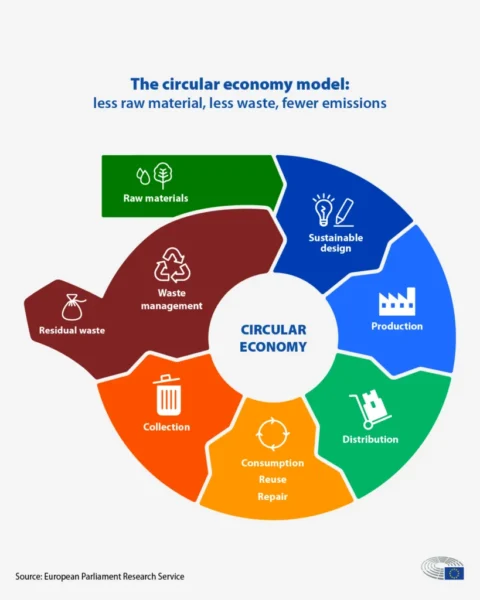
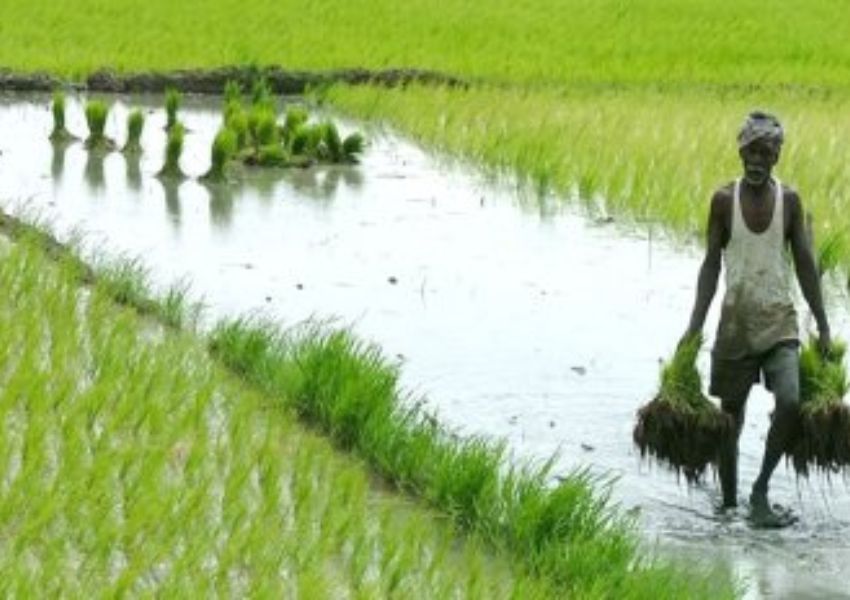
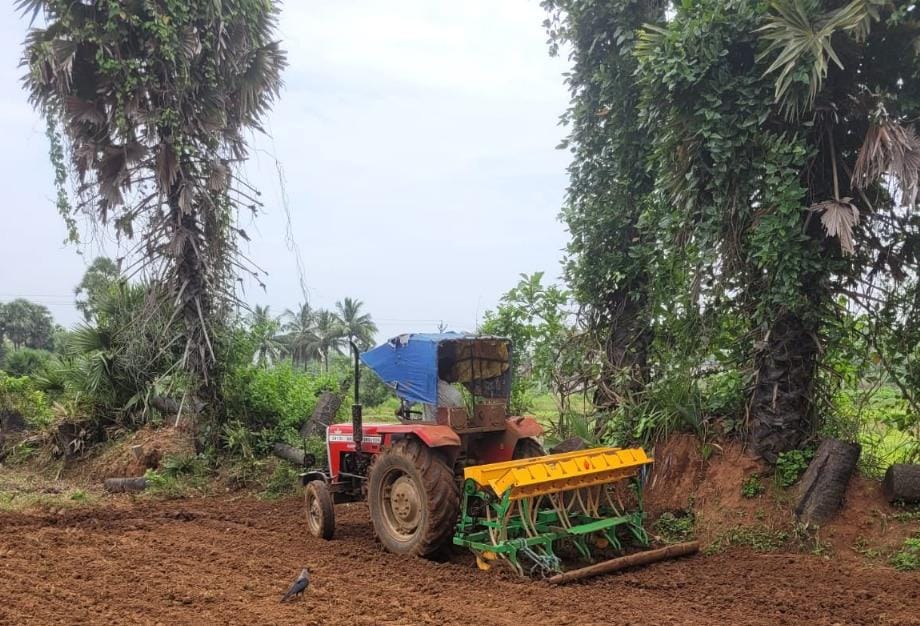
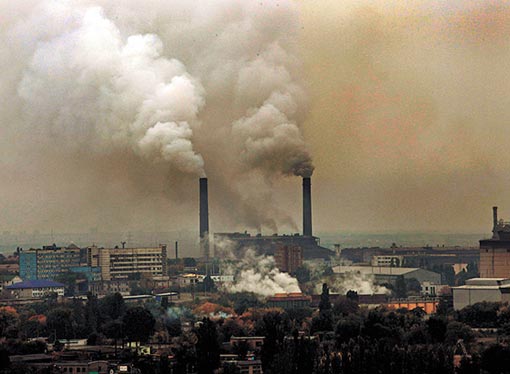
The initiative aligns with national waste management rules that require segregation, recovery and scientific disposal. Agencies involved expect measurable reductions in landfill-bound waste, methane emissions and uncontrolled burning. The fertiliser output is intended for agricultural use, with the potential to reduce chemical inputs and improve soil health.