



































































































































































































































































































































































































































































































































































































































































































































































































































CERC Eases Grid Entry For Renewables With Key GNA Clarifications


This order addresses several industry-wide challenges and ensures smoother implementation of Solar Hour/Non-Solar Hour Access, connectivity approvals, ESS operations, land compliance, and source-change issues
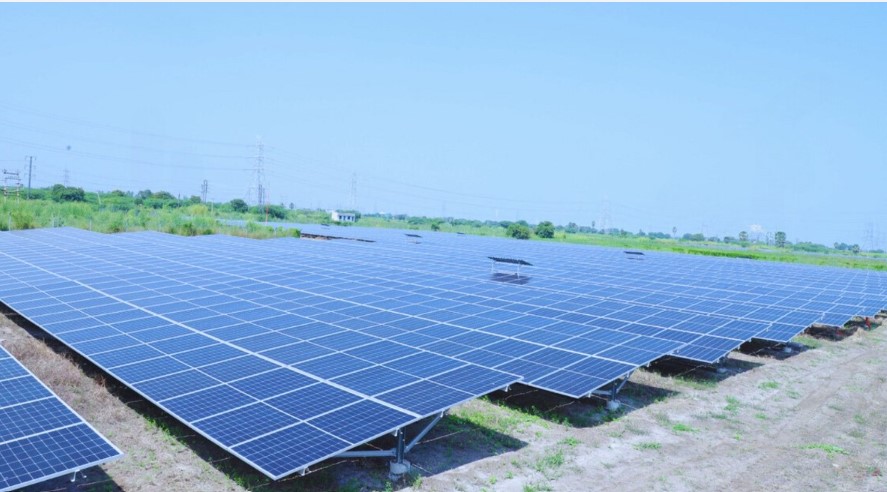
Central Electricity Regulatory Commission (CERC) has issued a crucial ‘Removal of Difficulties’ order under the GNA Regulations, bringing long-awaited clarity and stability for solar, wind, hybrid, and ESS developers. This order addresses several industry-wide challenges and ensures smoother implementation of Solar Hour/Non-Solar Hour Access, connectivity approvals, ESS operations, land compliance, and source-change issues.
This is a significant step forward for India’s renewable energy ecosystem, supporting developers, parks, lenders, and grid planners at a critical time. A balanced, much-needed intervention by CERC that strengthens confidence across the sector.
Key Clarifications:
1. Extended timeline for Solar Hour Access conversion
Developers get a one-time extension of 75 days, taking the total window to 5.5 months for converting to Solar Hour Access or applying for additional capacity. This also applies to meeting SCOD timelines within RE parks.
2. No fresh approvals for extra inverter capacity
Additional inverter capacity used only for technical compliance will not be treated as new installed capacity. No fresh CTU applications or bank guarantees required as long as active injection stays within approved limits.
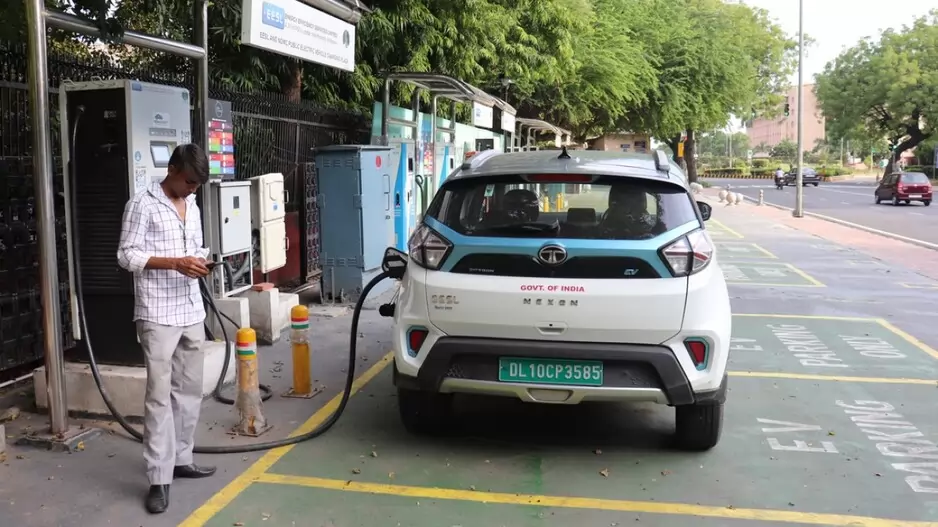
3. Interim grid drawal allowed for ESS
Energy storage projects can now draw power under T-GNA margins until CTU studies conclude. The studies must be completed within four months, enabling ESS commissioning to progress without delay.
4. RPPDs eligible for Non-Solar Hour Access under RoFR
CERC has confirmed that Solar Park developers can apply for non-solar hour access under the Right of First Refusal provisions, removing uncertainty on eligibility.
5. Reset of land and source-change rules
Legacy applicants get a fresh opportunity to change land or project source post-amendment. Pre-amendment changes will not count, avoiding penalisation of early movers.
6. Protection against delayed land grant documents
If final CTU-issued coordinates are delayed, developers will have at least nine months from the date of receiving tentative coordinates to submit land documents.