Inclusive, science-led sustainability leadership is emerging as a central driver of resilience, performance and long-term value creation in India’s industrial sectors
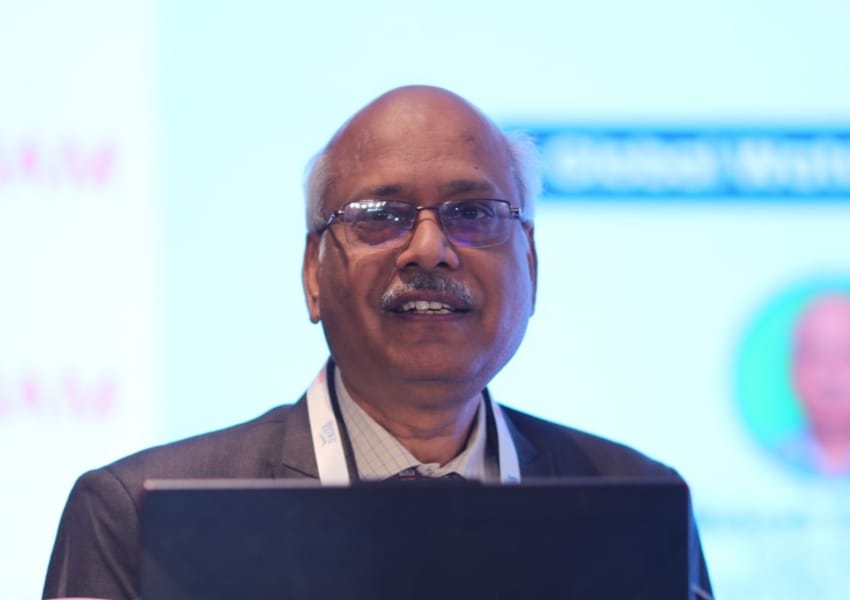
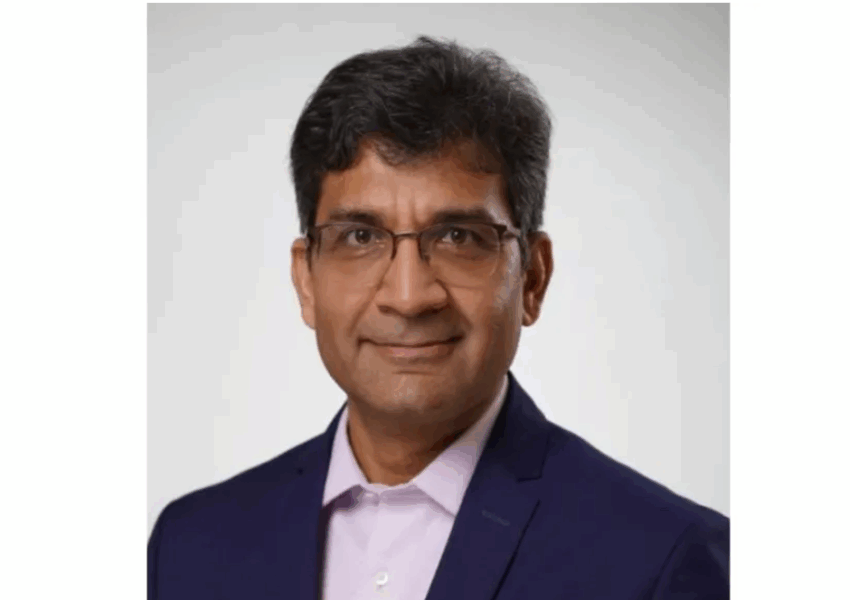
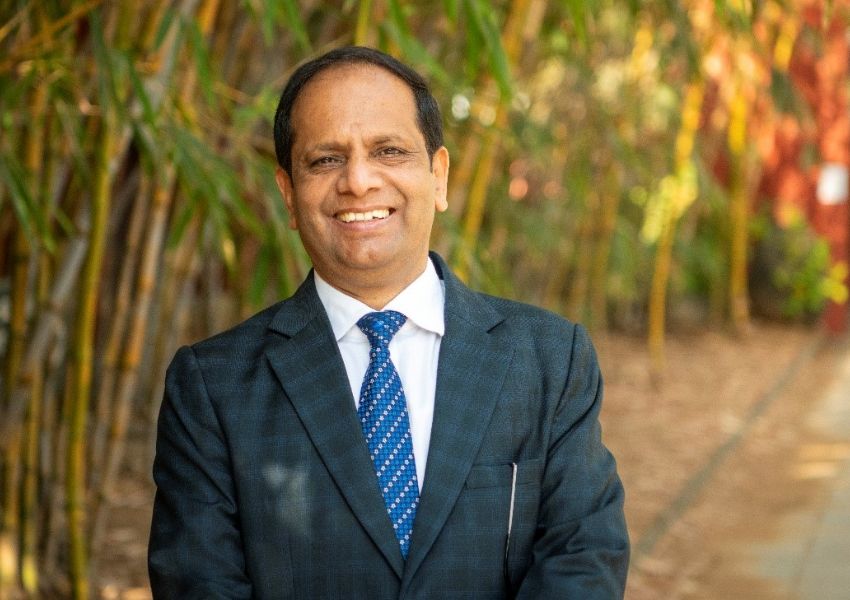
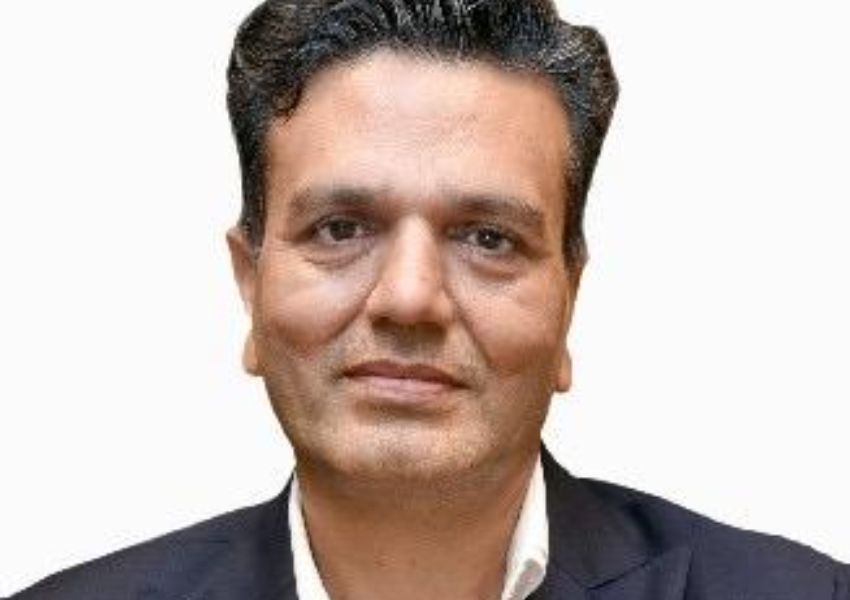
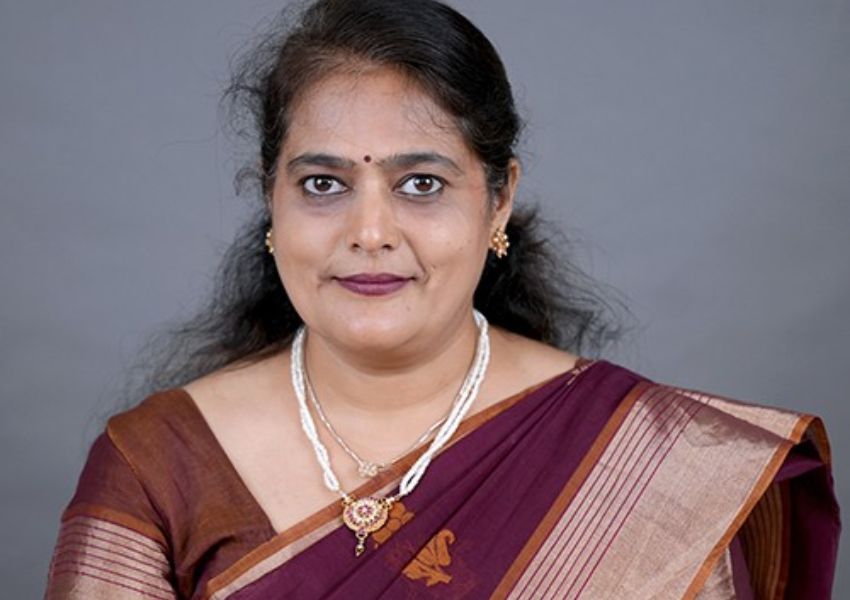
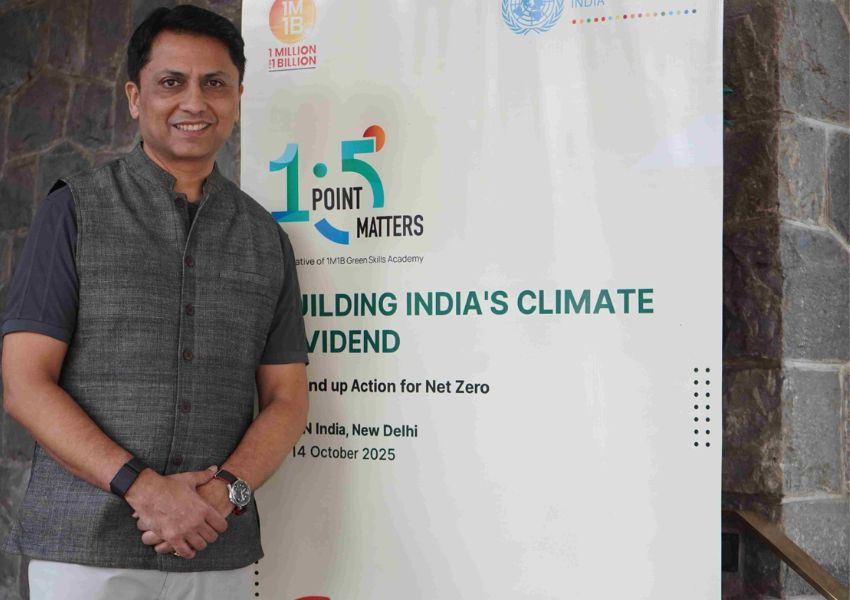
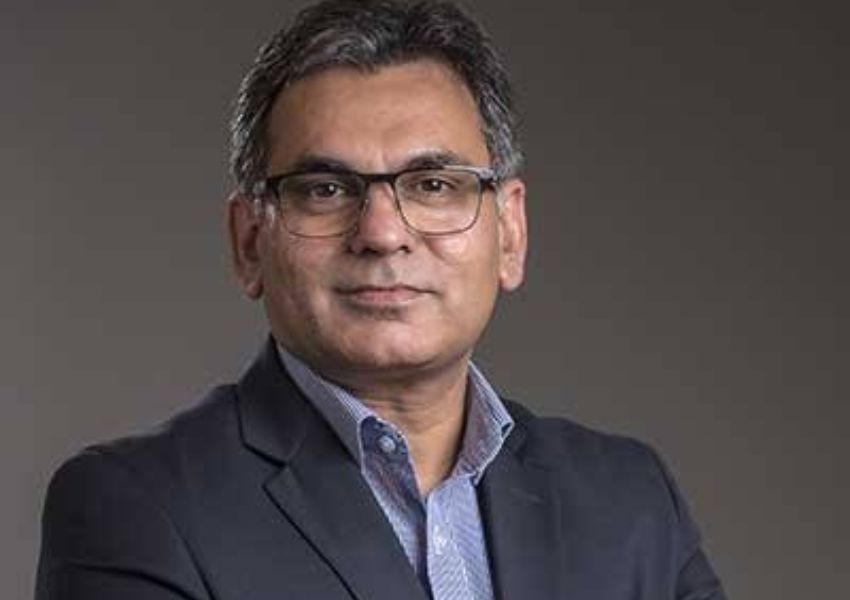
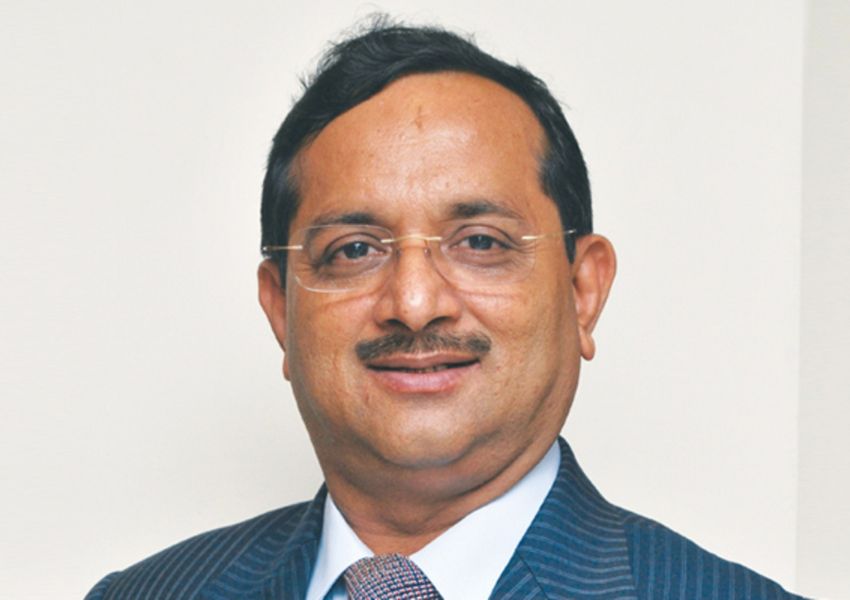
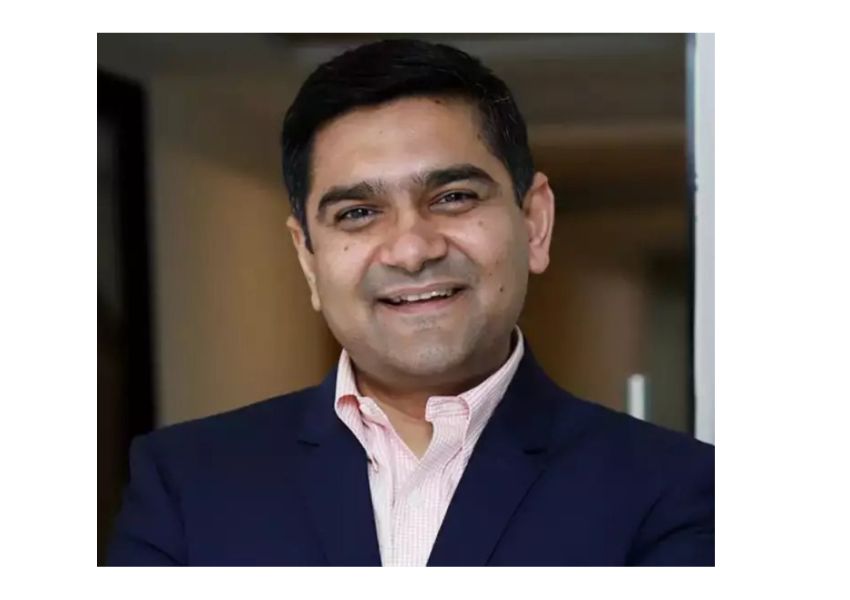
By: Lovish Ahuja, Chief Sustainability Officer, Dalmia Cement (Bharat) Limited
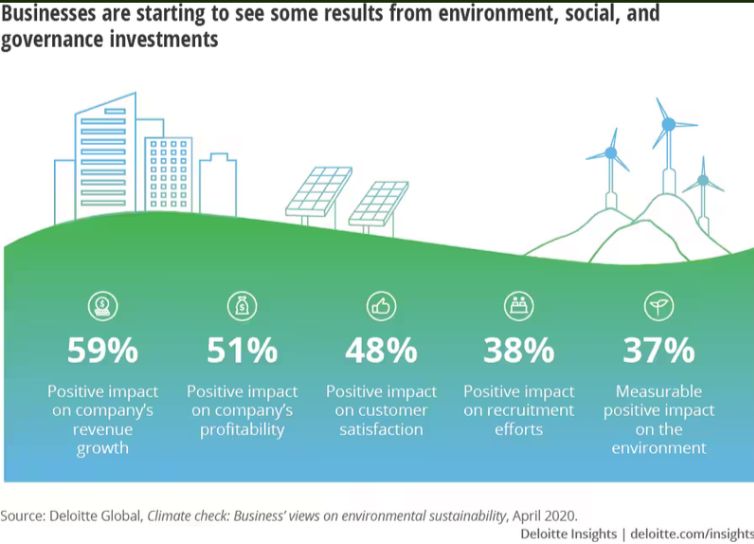
Sustainability leadership in high-impact industries is undergoing a decisive shift—from a compliance-driven function to a strategic force shaping business performance. This transition offers sustainability professionals an unprecedented opportunity to lead with purpose and influence. The most resilient, future-ready companies are those that embed social, environmental and governance priorities at the core of decision-making. When diverse perspectives inform planning and execution, sustainability moves from dashboard reporting to a genuine driver of business strategy. At Dalmia Cement (Bharat), this mindset is deeply embedded, and we continue to see clear, measurable benefits of such leadership.
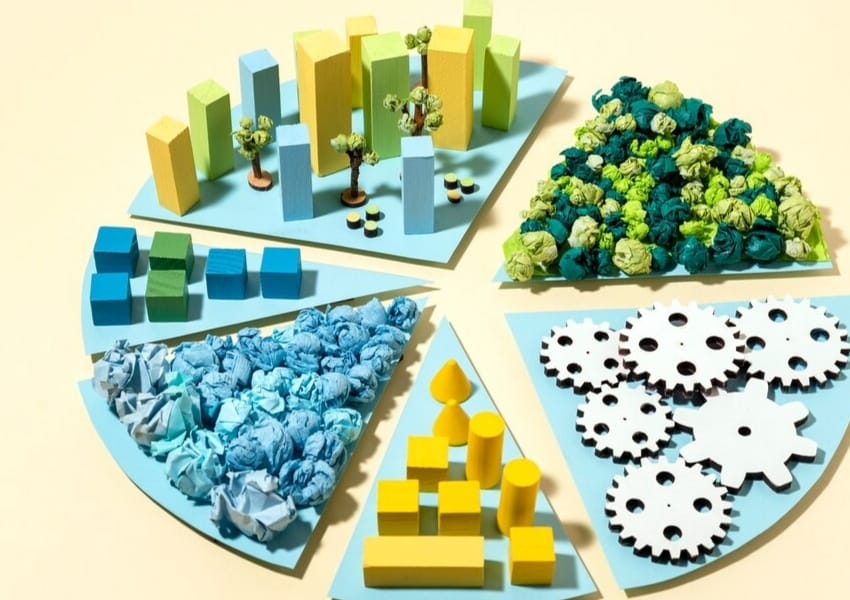
The cement sector is a foundational engine of societal progress, providing the material backbone of nation building. Its influence spans nearly every aspect of daily life—homes, roads, industries and public spaces. With many plants situated alongside active communities, the sector requires a leadership approach that views people, ecosystems and business performance as one interconnected system. Long-term success depends on inclusivity—understanding that thriving companies cannot exist without thriving communities and a healthy environment.
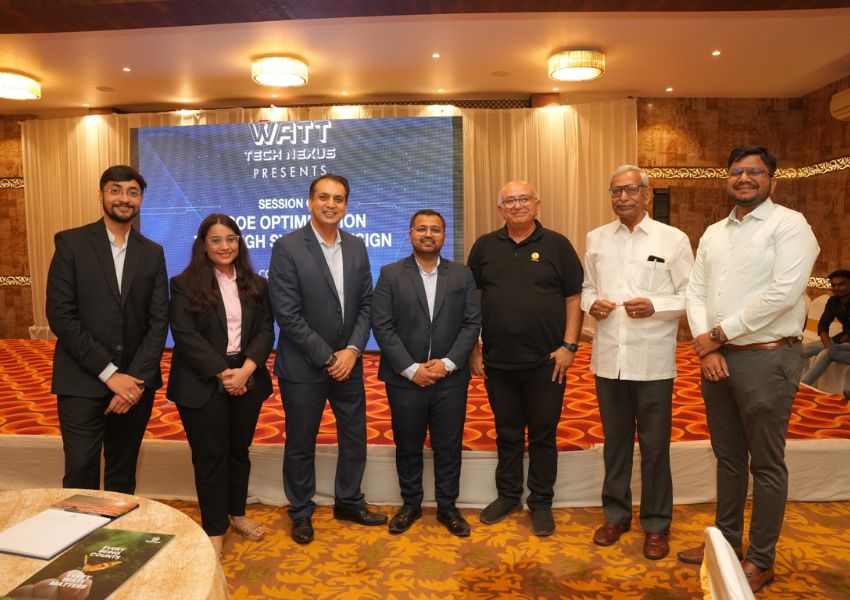
Sustainability leadership is not an occasional effort; it is a daily discipline. It demands belief, accountability and consistent commitment across every level of the organisation. As a company we have invested in building genuine buy-in among employees, contract workmen and business partners, ensuring progress is shared and purposeful. We consistently see the impact of diverse voices in problem-solving—whether frontline operators, safety teams, procurement managers or facility leaders. Their insights improve decisions, reduce risk and accelerate performance. To give an example, in our kiln-optimisation programmes, multidisciplinary teams co-design raw-mix formulations, fuel blends and process controls—spotting risks early, enhancing efficiency and reducing environmental impact.
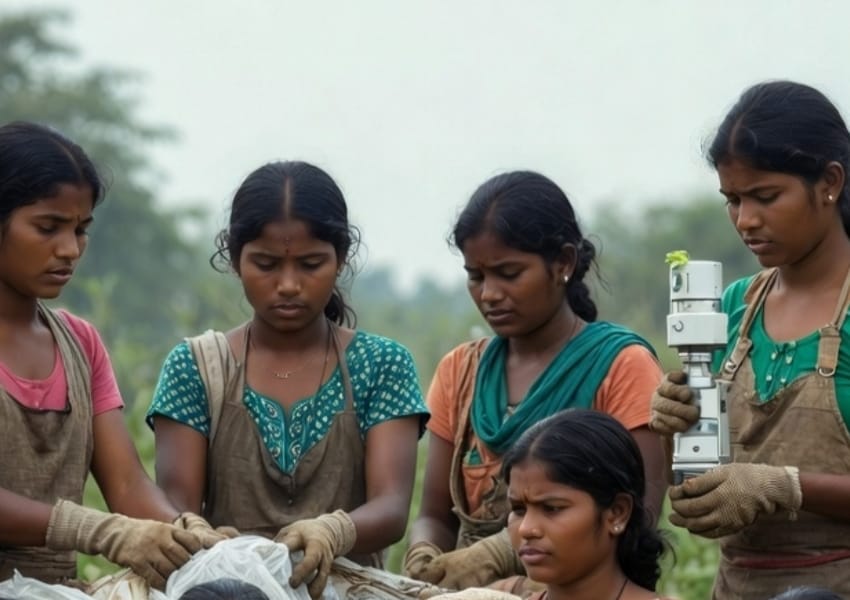
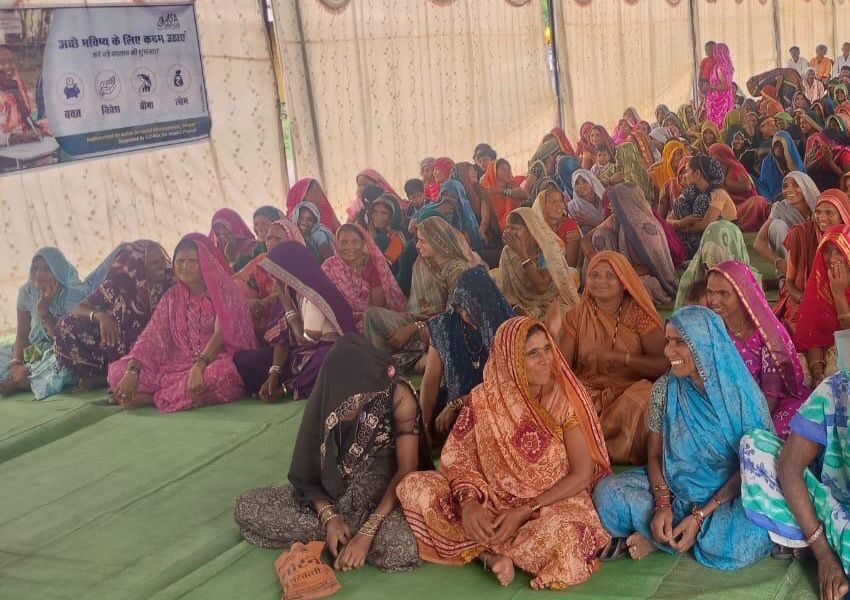
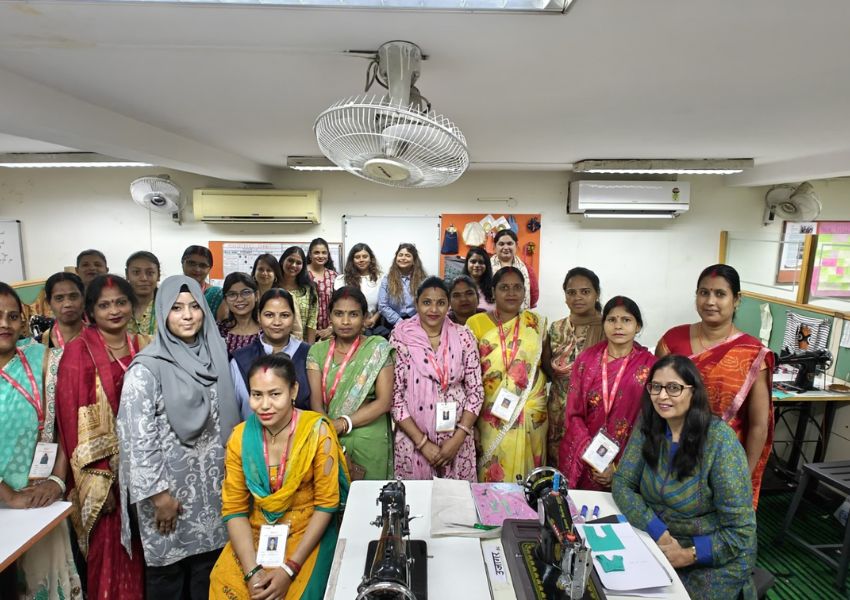
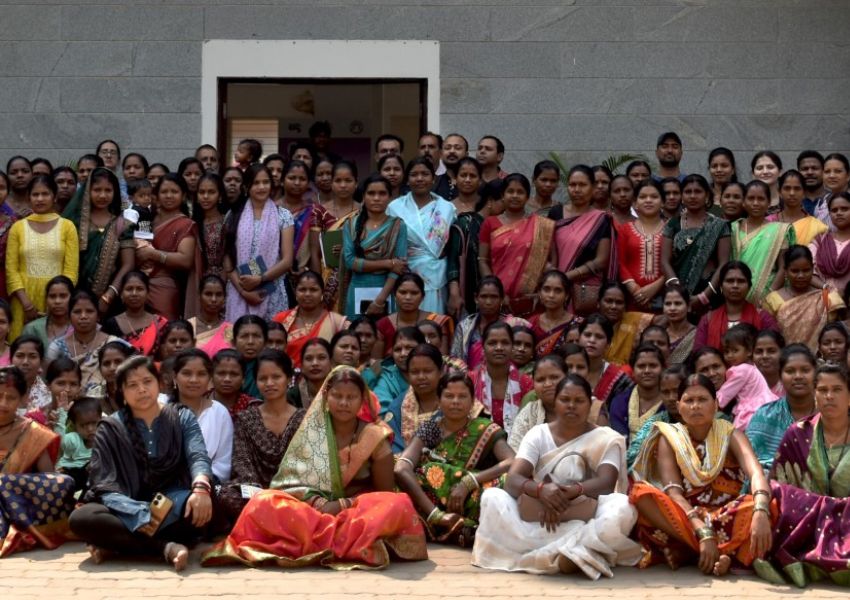
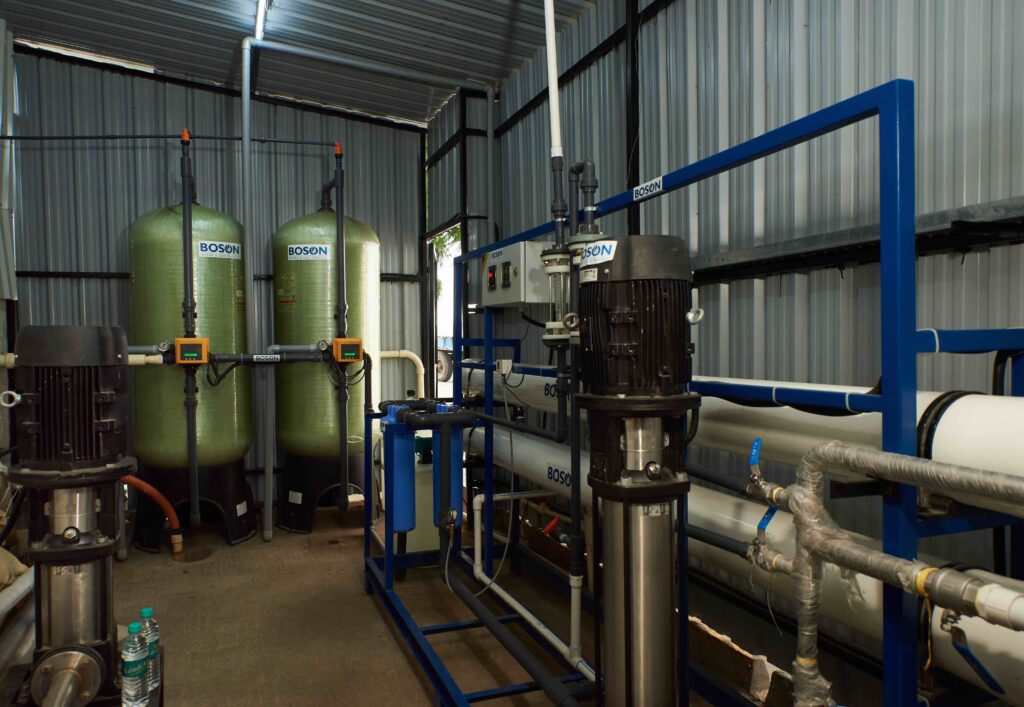
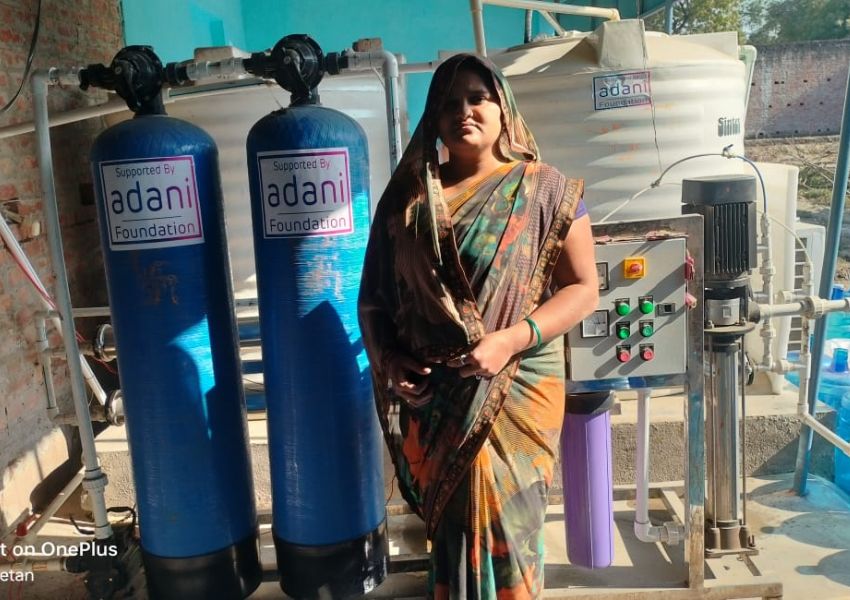
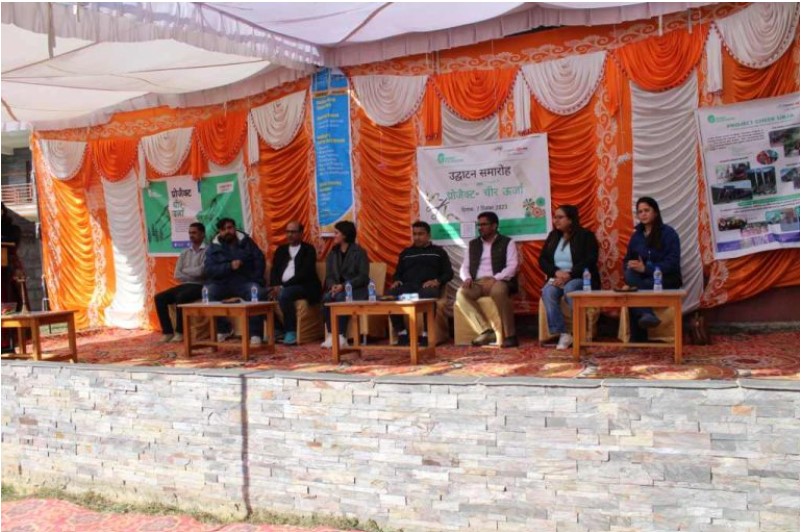
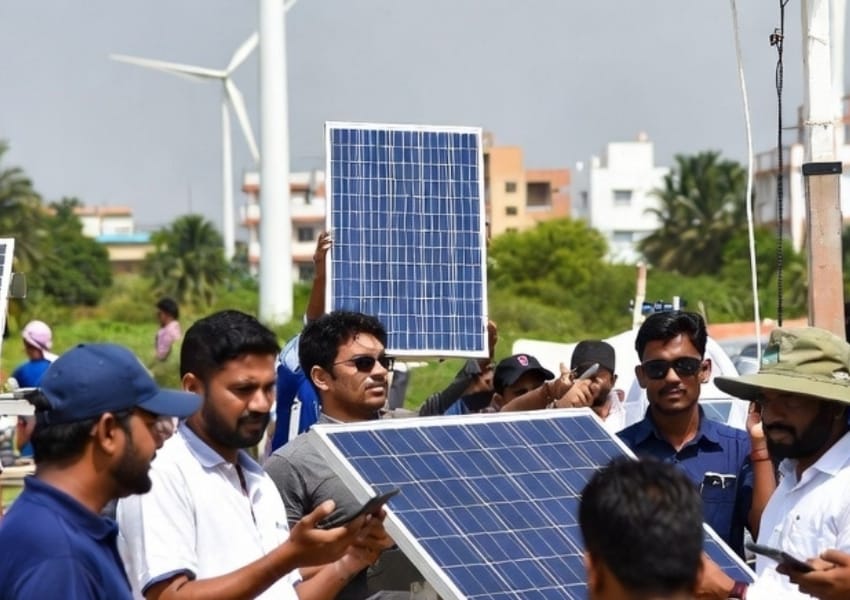
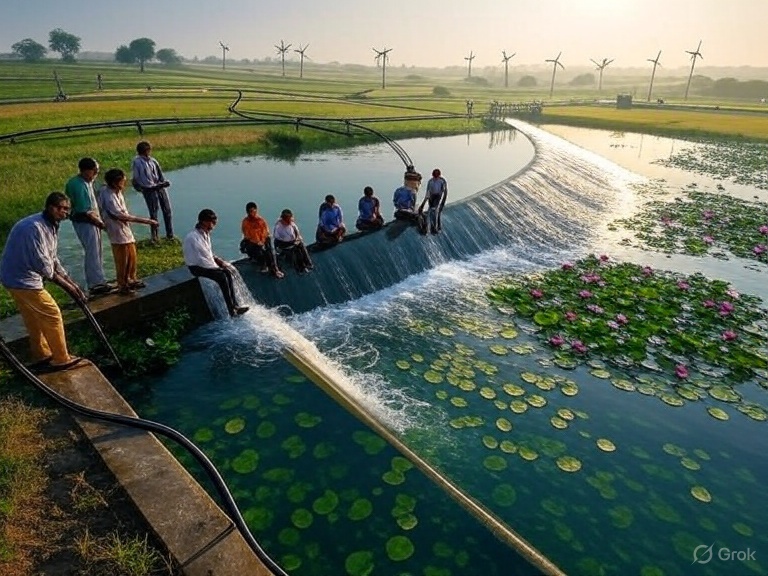
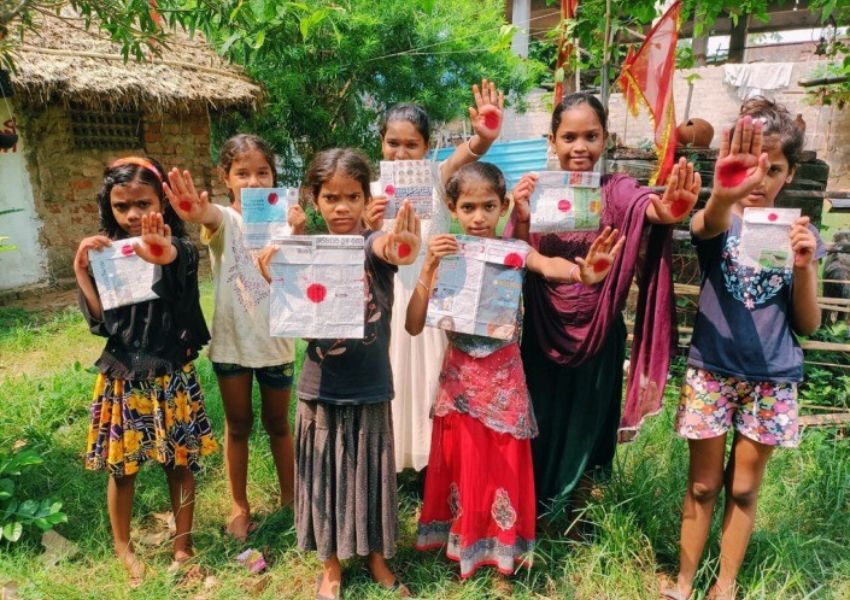
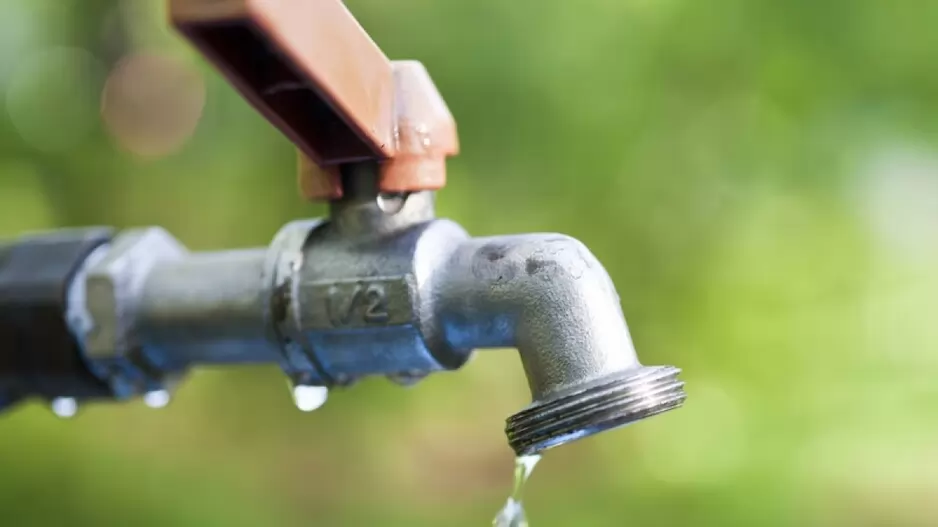
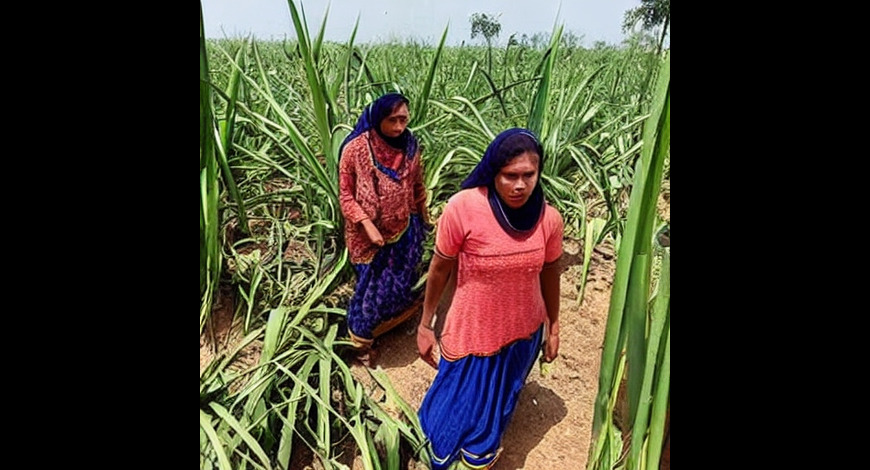
Likewise, our water-stewardship efforts involve close collaboration with local SHGs to map wells, monitor water quality and co-create solutions that protect community access to clean water while meeting operational needs. Such inclusion transforms insight into ownership and drives system-level optimisation.
Drawing from these experiences, we believe that building future-ready and inclusive sustainability leadership rests on a few essential anchors:
1. Science-aligned Ambition
Science-aligned ambition is the bedrock of a credible, future-ready sustainability strategy. Long-term targets must be rooted in scientific evidence and directly connected
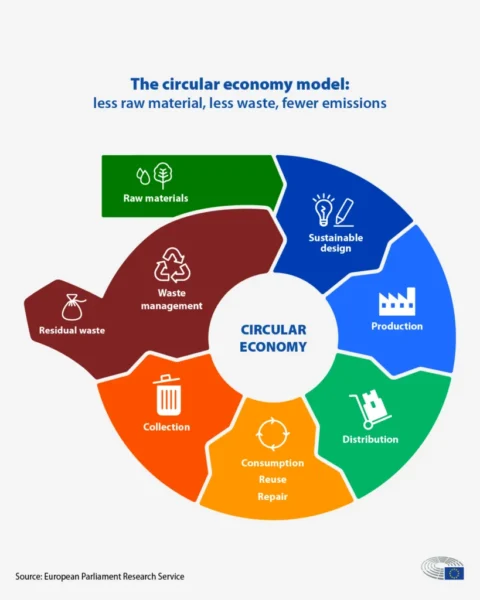
to a company’s vision and business imperatives. In our case, carbon-intensity and circularity goals are strategic, time-bound and embedded into capital-allocation decisions.
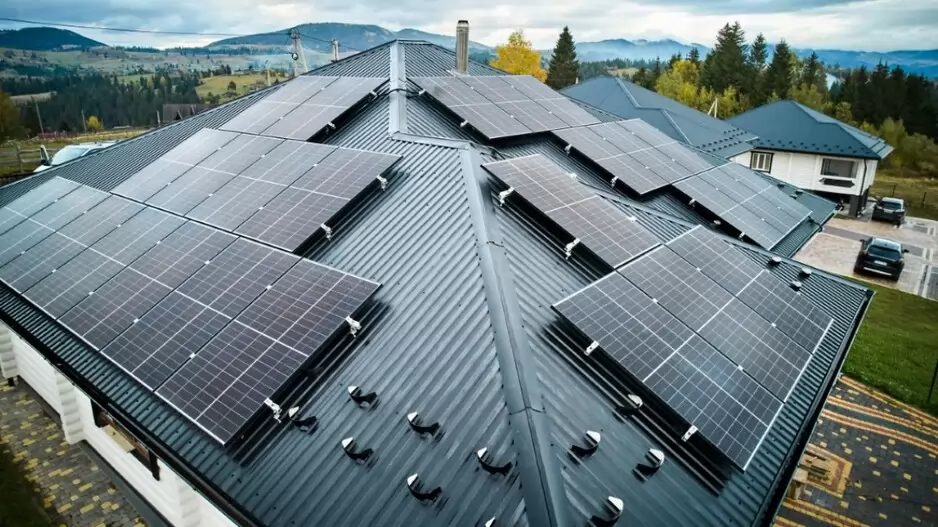
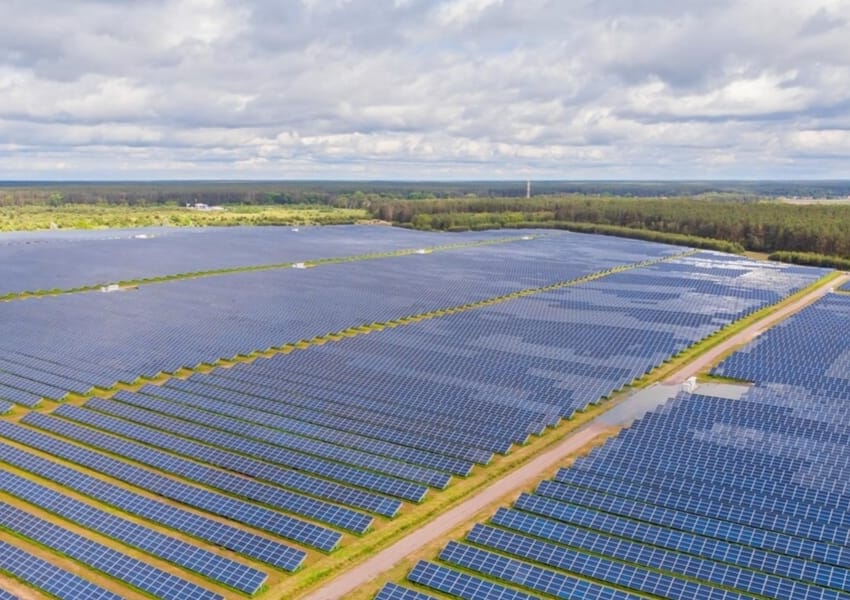
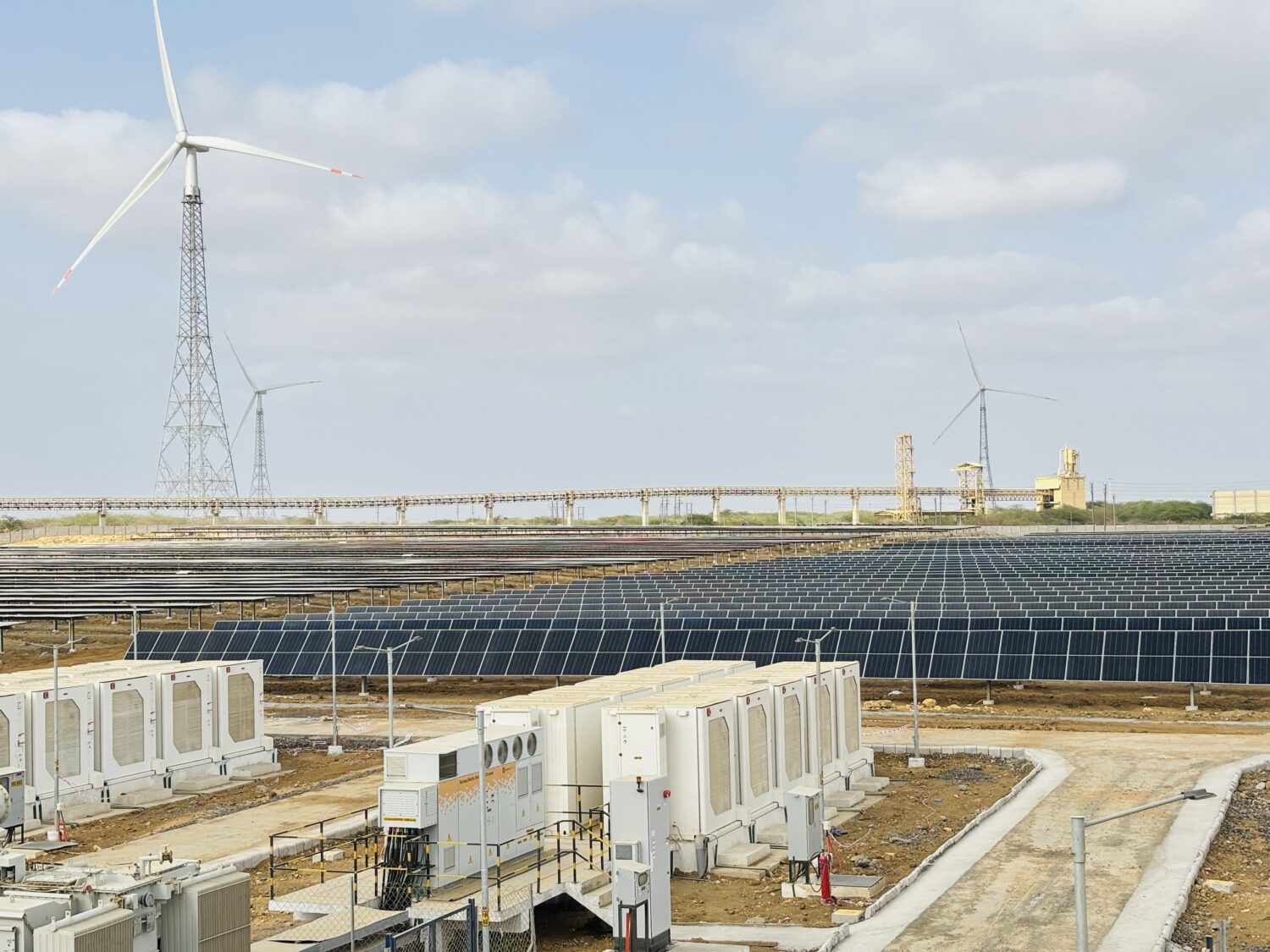
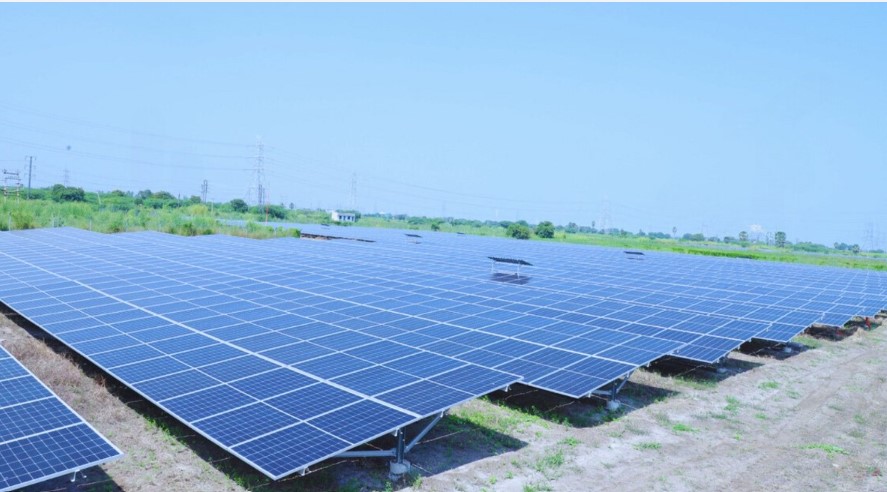
We proactively track emerging technologies and materials capable of accelerating our sustainability outcomes—even those at early R&D or TRLs. Our investments in renewables, waste-heat recovery and process innovation follow a disciplined, long-horizon approach. Product development decisions are guided by a clear objective: reduce embodied carbon while delivering superior performance.
2. Operational Excellence At Scale
Embedding sustainability into operational excellence requires simplicity, discipline and continuous awareness of technological advances. It means keeping fundamentals strong while enabling every employee—regardless of role or technical depth—to act on sustainability priorities. This begins with KPIs that are integrated, intuitive and outcome-focused.
Sustainability is part of our daily operating rhythm. Our core KPIs include clinker-factor reduction, alternative-fuel substitution, energy-efficiency metrics, renewable-energy generation, logistics optimisation and Health & Safety performance. These are not special projects—they are everyday performance levers.
Shift supervisors monitor energy use and quality in real time. Procurement teams secure recycled and alternative inputs with precise specifications. Sales teams guide customers through mix designs and performance data to lower embodied carbon. Finance teams price risk with long-term sustainability implications in mind.
3. Inclusive Governance
Governance is the backbone of sustainability—an accountability system that shapes decisions, reinforces values and ensures transparent, two-way communication across the organisation. Our Governing Board receives regular updates on climate performance, social impact and emerging risks, embedding sustainability at the highest level of strategic oversight.
Leadership incentives/bonuses are tied to safety, environmental progress and community well-being—anchoring responsibility into performance culture. Our grievance mechanisms remain accessible to workers, contractors and community members, promoting trust and responsiveness. Where possible prioritise local businesses, vendors and transport partners, supported by capability-building initiatives that foster shared, long-term growth.
Transparency is a virtue; we voluntarily seek reasonable assurance for our sustainability disclosures—an open invitation for scrutiny that reinforces credibility and humility.
4. Community-rooted Progress
Industry is inseparable from the social fabric—communities are central to a company’s growth, resilience and long-term survivability. They provide local knowledge, skills and critical resources that keep operations running. This symbiotic relationship requires continuous nurturing; a social licence to operate is not a milestone but an enduring commitment.
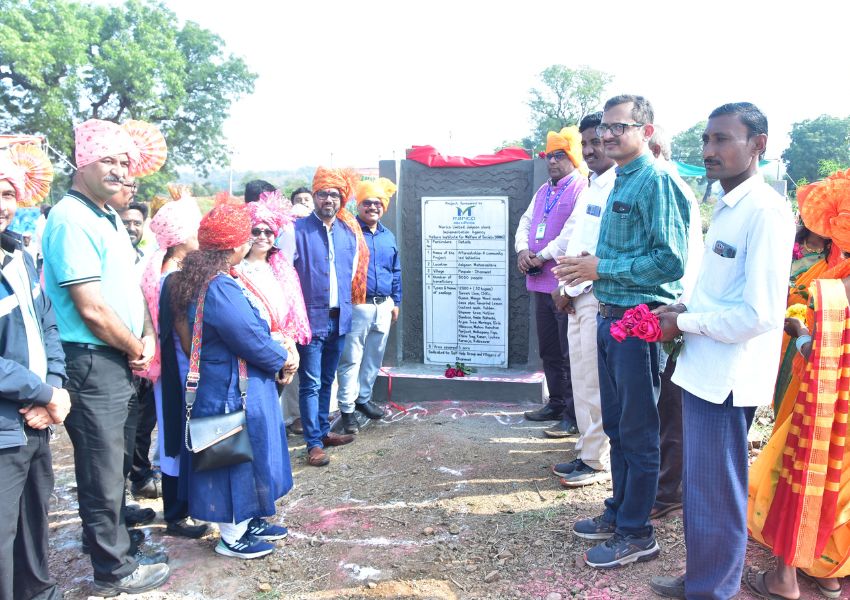
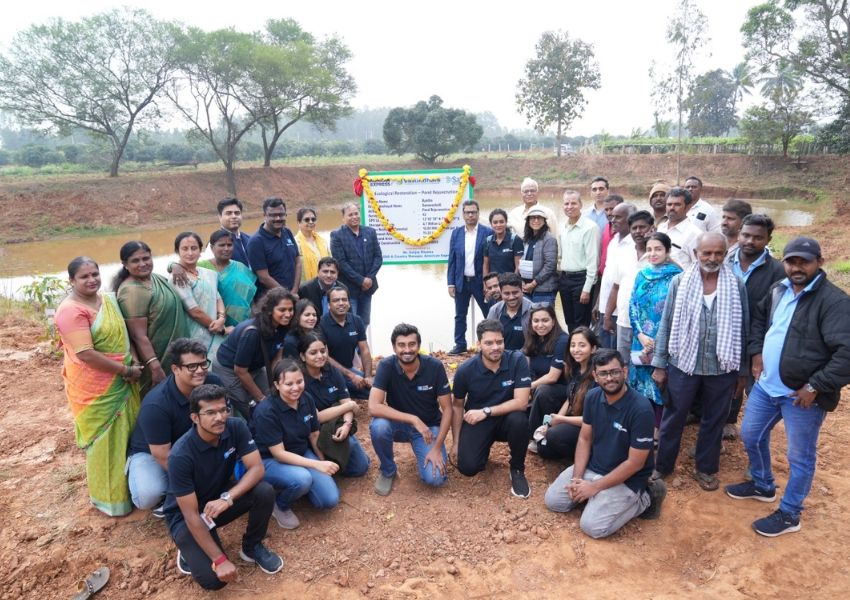
We work closely with local communities to enable shared, holistic progress. Our belief is simple: skilled, confident and empowered communities can thrive anywhere. We invest deeply in livelihood creation, capacity building and interventions that foster dignity, capability and pride.
We maintain open and accessible grievance-redressal systems to understand concerns arising from our operations, and we routinely share key environmental-monitoring data to uphold transparency and trust.
Conclusion
Having spent more than 23 years in the sustainability domain, I have seen this field evolve from a peripheral support function into a core driver of long-term business resilience and value creation. Today, sustainability professionals stand at a defining inflection point. In a world shaped by unprecedented uncertainty, our role is not just relevant—it is indispensable. This is the moment to demonstrate the leadership behaviours that often recede under the pressure of quarterly targets and EBITDA expectations.
With direct access to senior leadership, we must elevate the right conversations and ensure sustainability is never reduced to slogans or symbolism. It must remain a strategic lens—sharpening competitiveness, strengthening agility and enabling inclusive business models that define an organisation’s future success.
Disclaimer: The views expressed in this article are those of the author and do not necessarily reflect the views of the publication.