






















































































































































































































































































































































































































































































































































































































































































































































Compliance To Culture: Inclusive Sustainability Leadership In India


Why India Inc’s next phase of sustainability leadership will be defined by inclusion, financially viable impact and the ability to translate ESG ambition into culture, capability and action
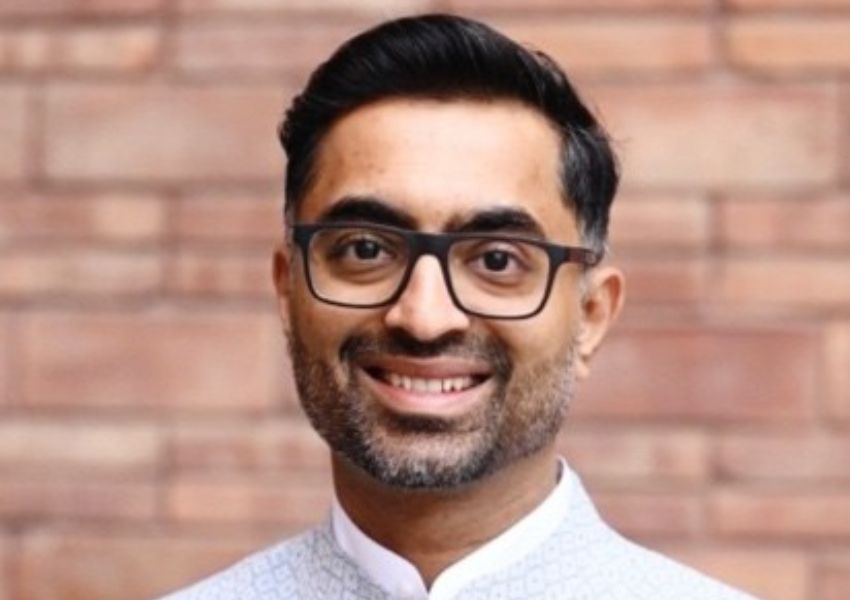
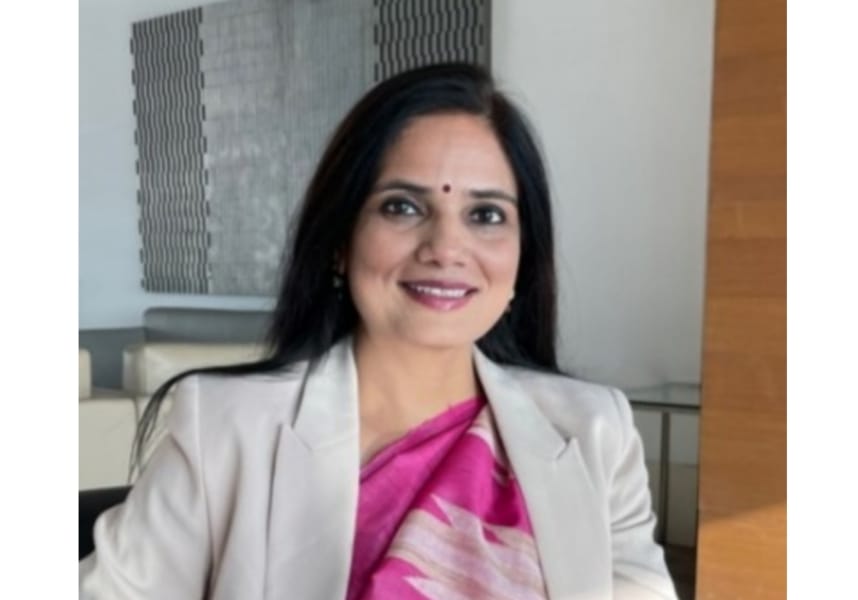
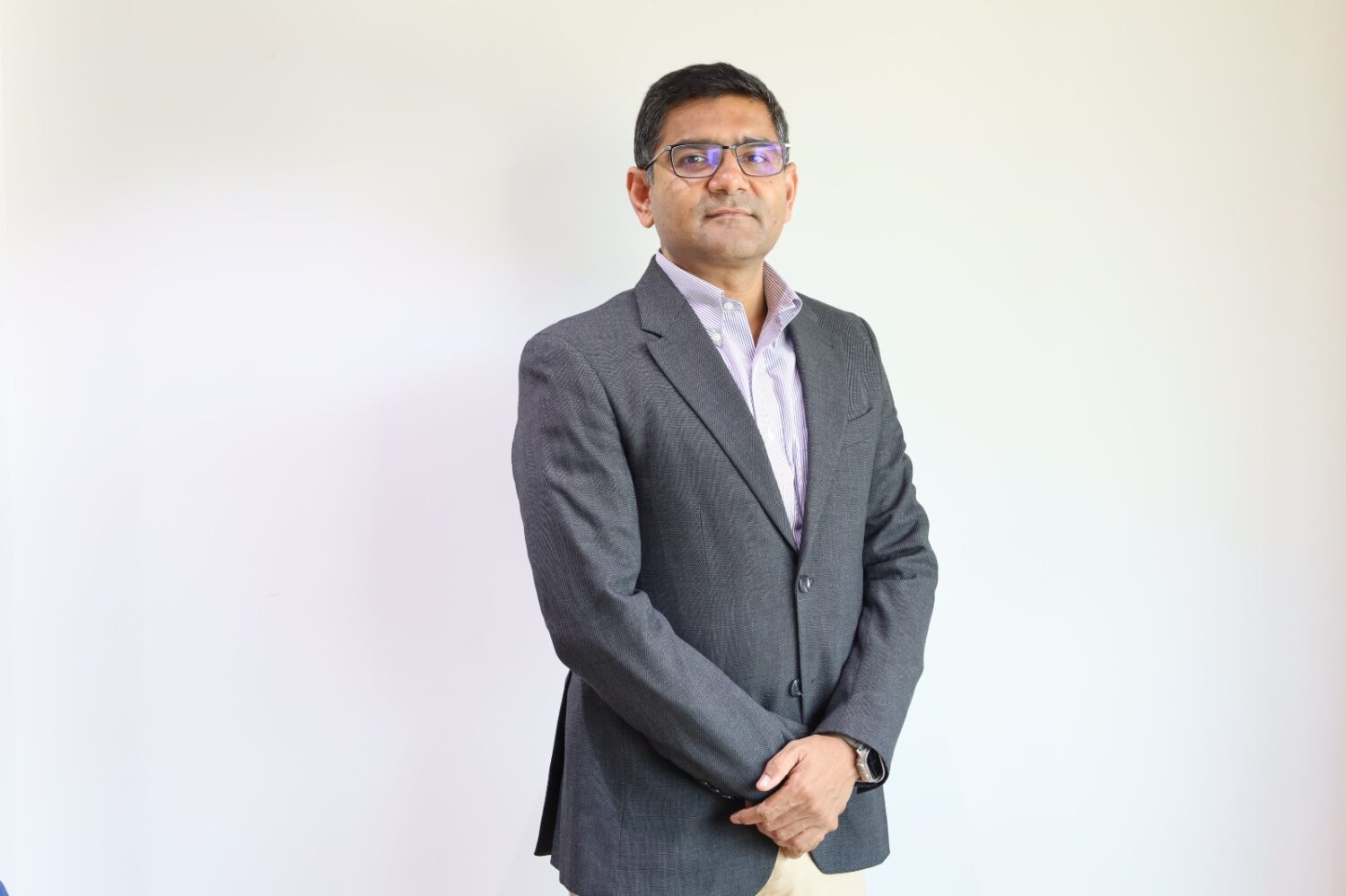
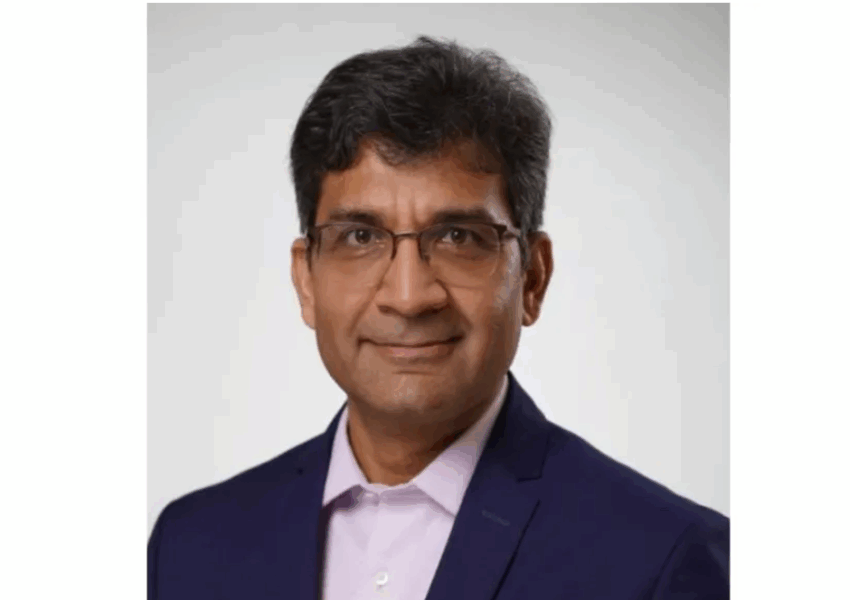
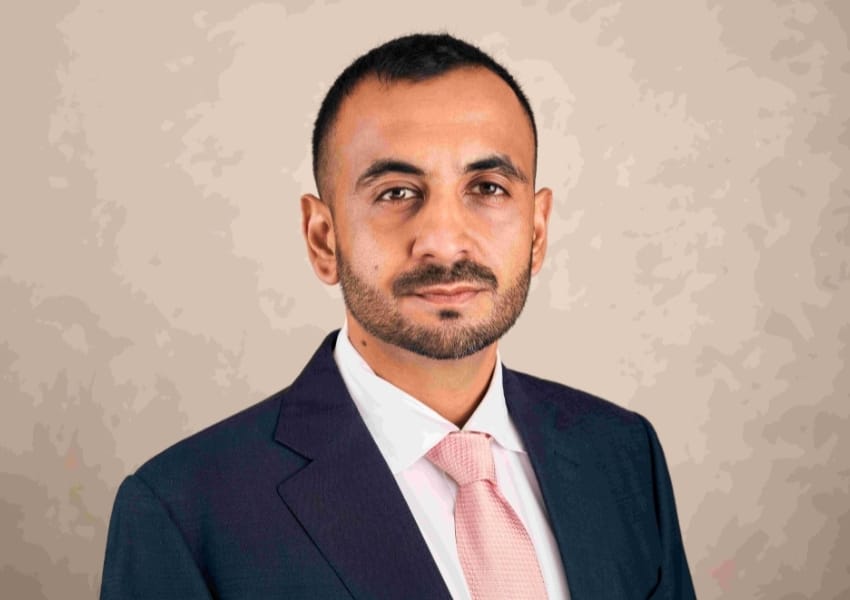
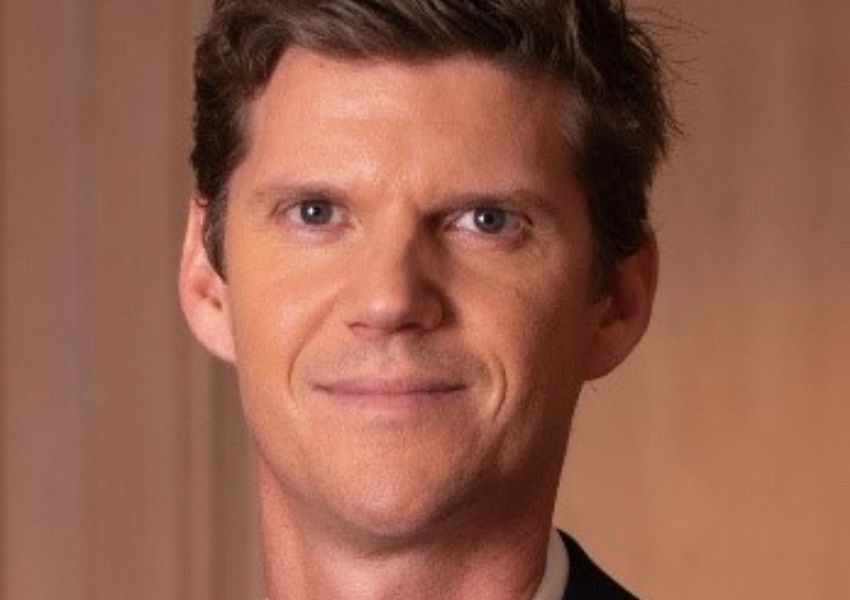
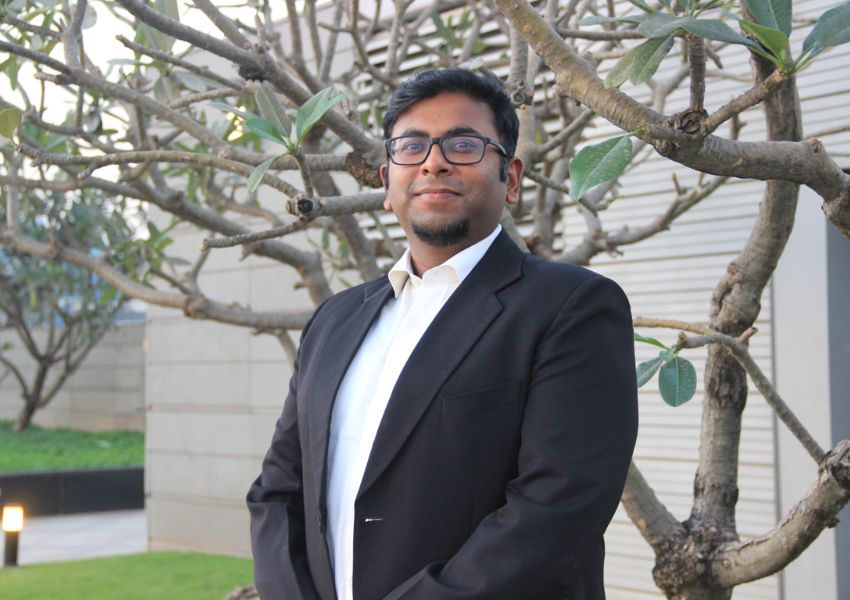
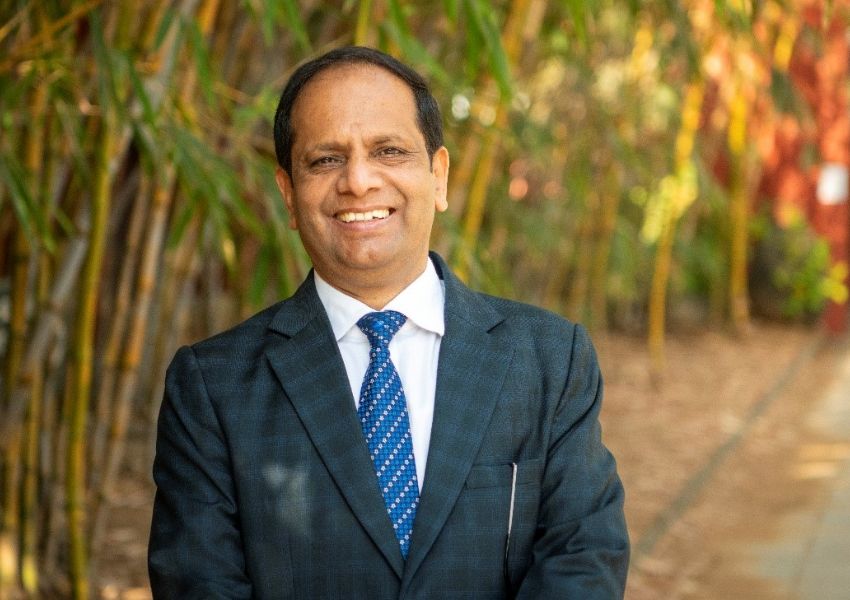
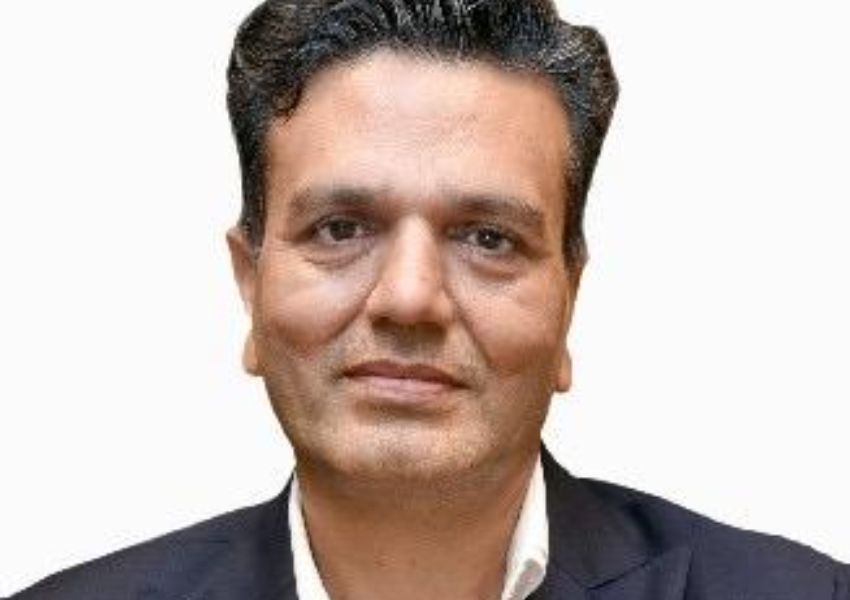
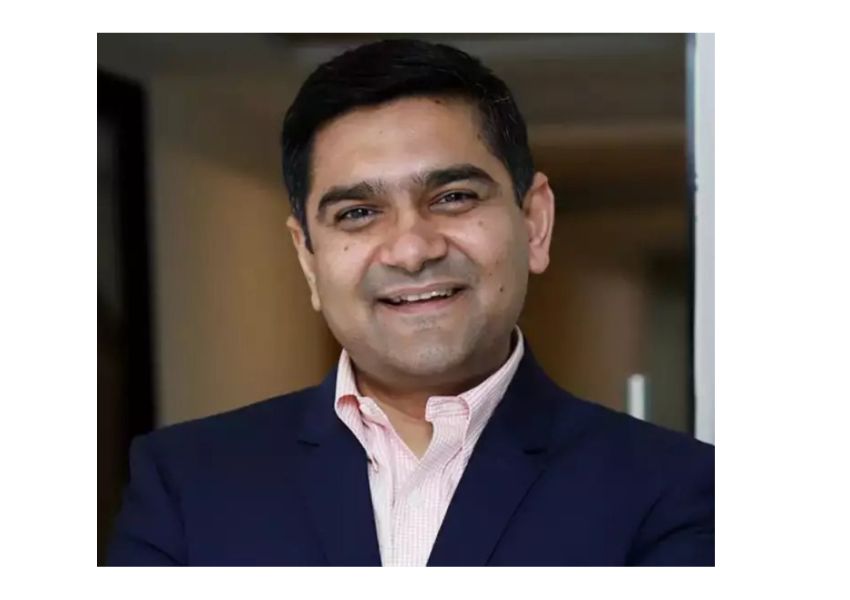
Tanish Dang Maheshwari Head – Communications & Advocacy, DLF Foundation
As India navigates an increasingly complex sustainability landscape, the question facing corporate leaders is no longer whether sustainability matters, but how it is led. Climate risks, regulatory scrutiny, disclosure requirements, investor expectations, and community needs are converging at a dynamic pace. By 2030, compliance checklists and disclosures will no longer define sustainability leadership, and it will be shaped by the ability to build culture, capability, and financially sustainable impact across organisations.
Having spent over two decades at the intersection of communications, CSR, and advocacy across consulting, real estate, edtech, and social development space, I have seen firsthand that sustainability succeeds or fails not in policy documents, but in people and systems.
The Leadership Gap In Sustainability
Many organisations today treat sustainability as a specialist function, often siloed within ESG, CSR, or compliance teams. While technical expertise is essential, this approach overlooks a critical truth that sustainability is a leadership challenge before it is a technical one.
Boards and CXOs are being asked to make decisions on decarbonisation, supply-chain accountability, climate risk, and social equity often without a shared language to understand these issues beyond metrics and mandates. This gap has created what I call the “translation deficit” in sustainability leadership: a disconnect between policy intent, business priorities, and human action.
Future-ready sustainability leaders will need to evolve into connecting leaders who can link climate and ESG goals to capital decisions, employee engagement, community outcomes, and long-term enterprise value.
Inclusion As A Strategic Imperative
In the context of Indias, sustainability cannot be separated from inclusion. With a vast workforce, informal supply chains, and deep socio-economic diversity, ESG strategies that ignore people risk becoming performative. Inclusive sustainability leadership would like to:
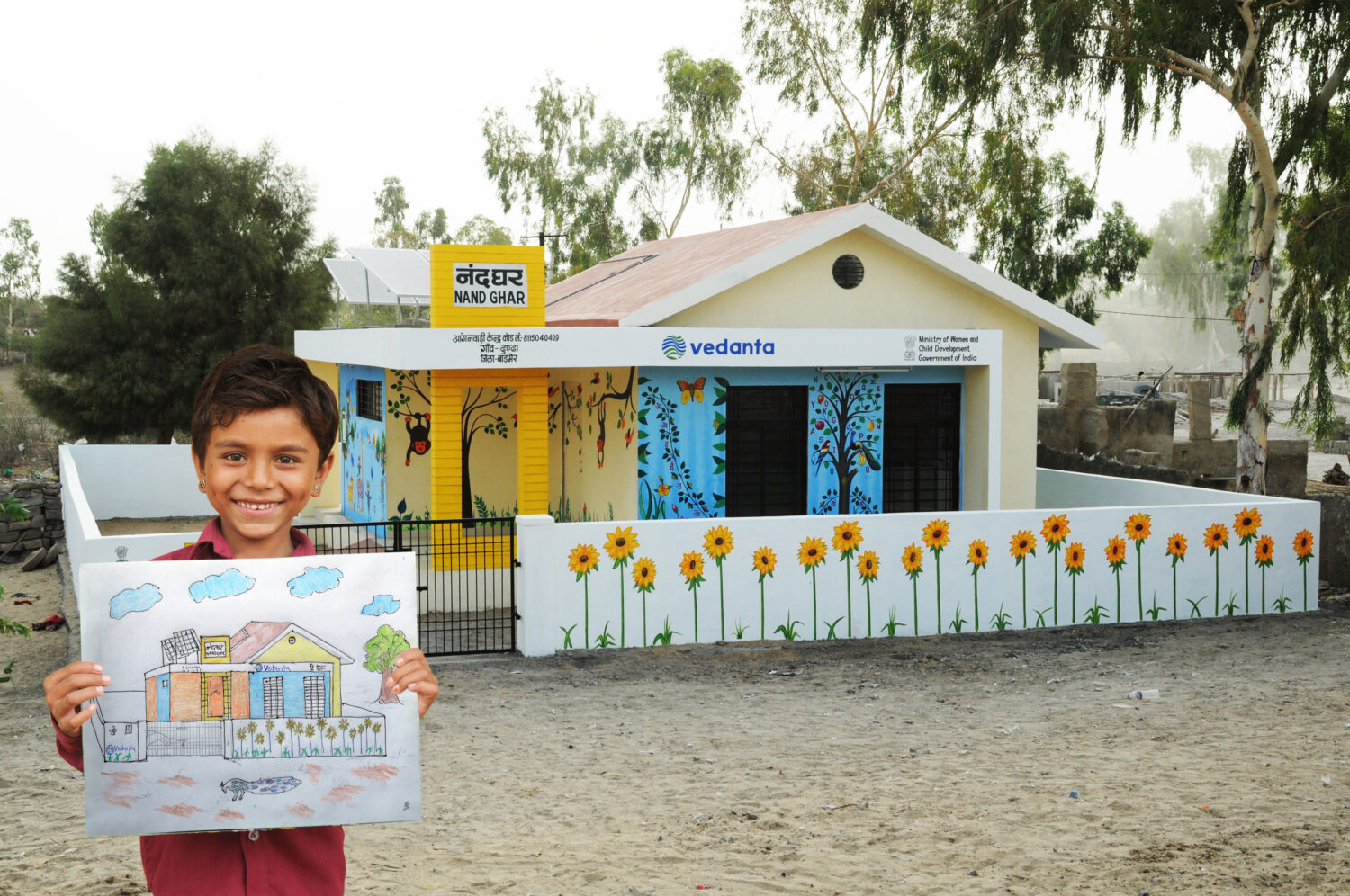
§ Invest in education, skilling, and employability as part of long-term resilience
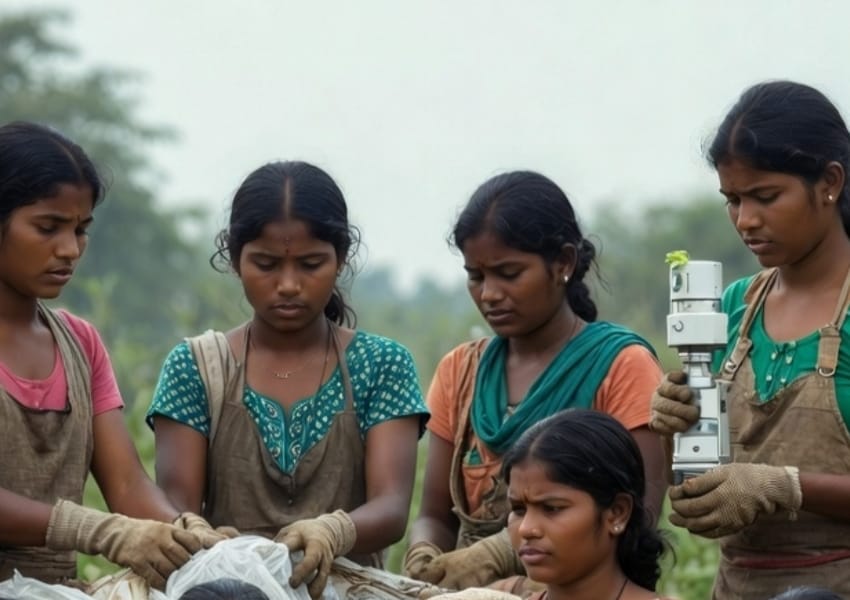
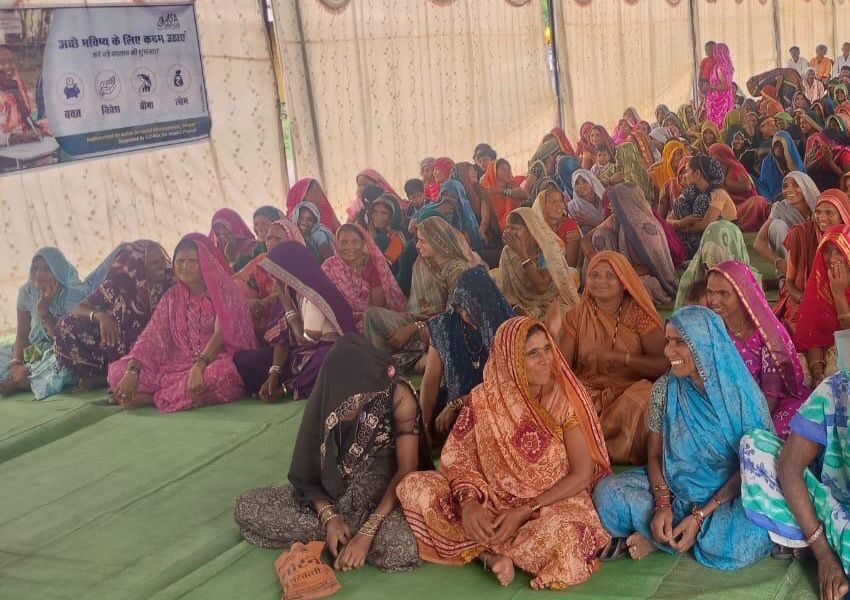
§ View communities not as beneficiaries, but as partners in impact
§ Recognise employees, stakeholders and volunteers as active sustainability agents
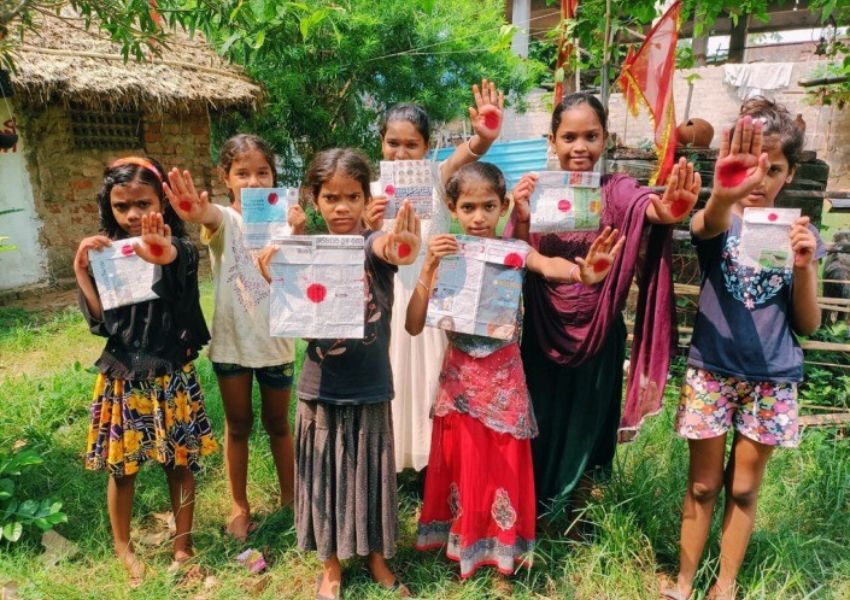
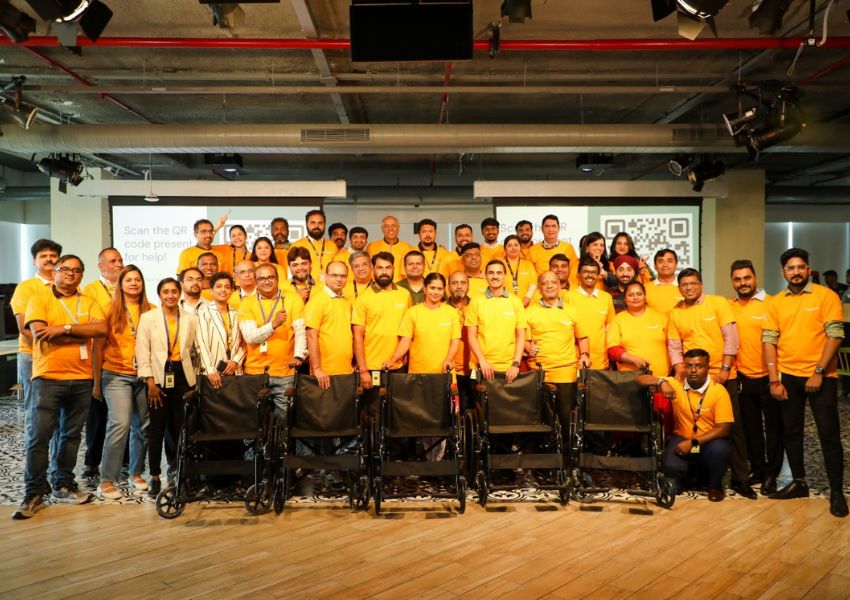
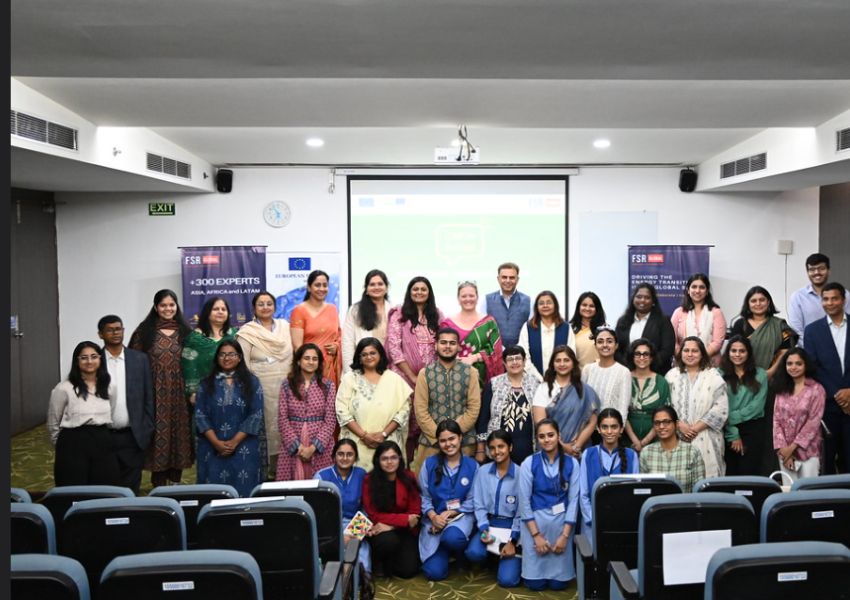
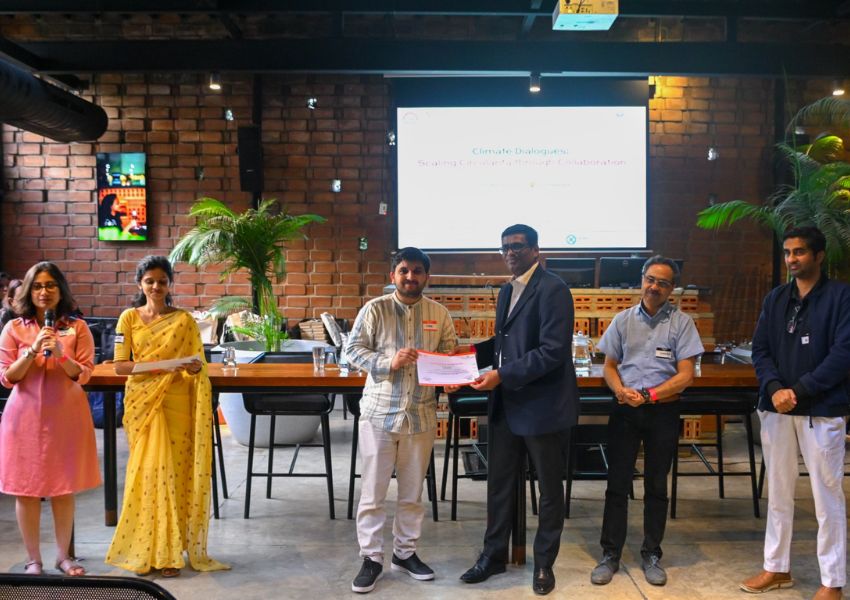
In my experience, programs that embed inclusion into their design are more likely to achieve scale and financial sustainability. While designing the DLF Engage Volunteering Programme in 2023, we consciously adopted an approach that involved listening to the ecosystem. Conversations with multiple non-profit organisations revealed that small and grassroots organisations often lacked access to structured, skilled volunteering support, despite having clearly articulated needs.
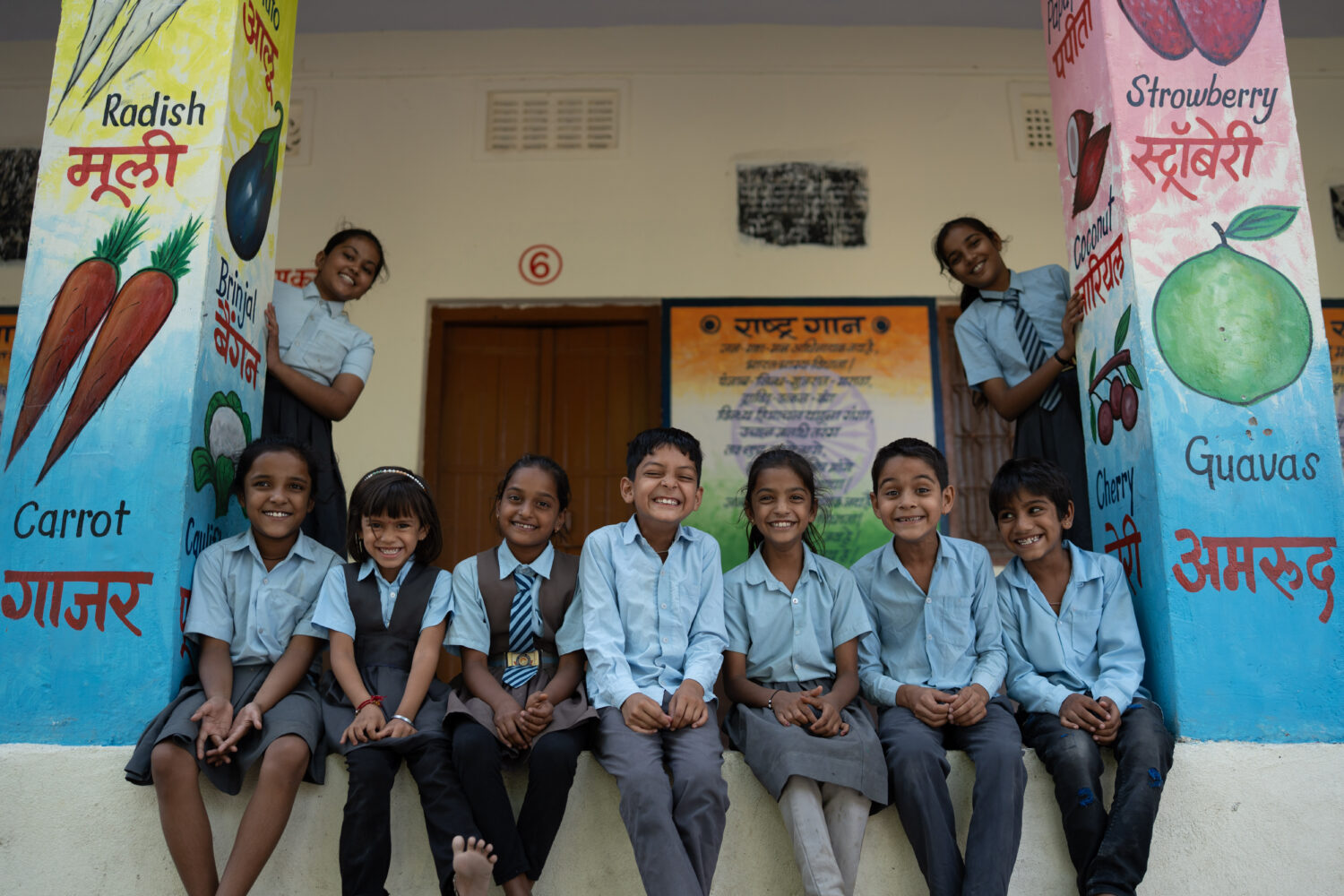
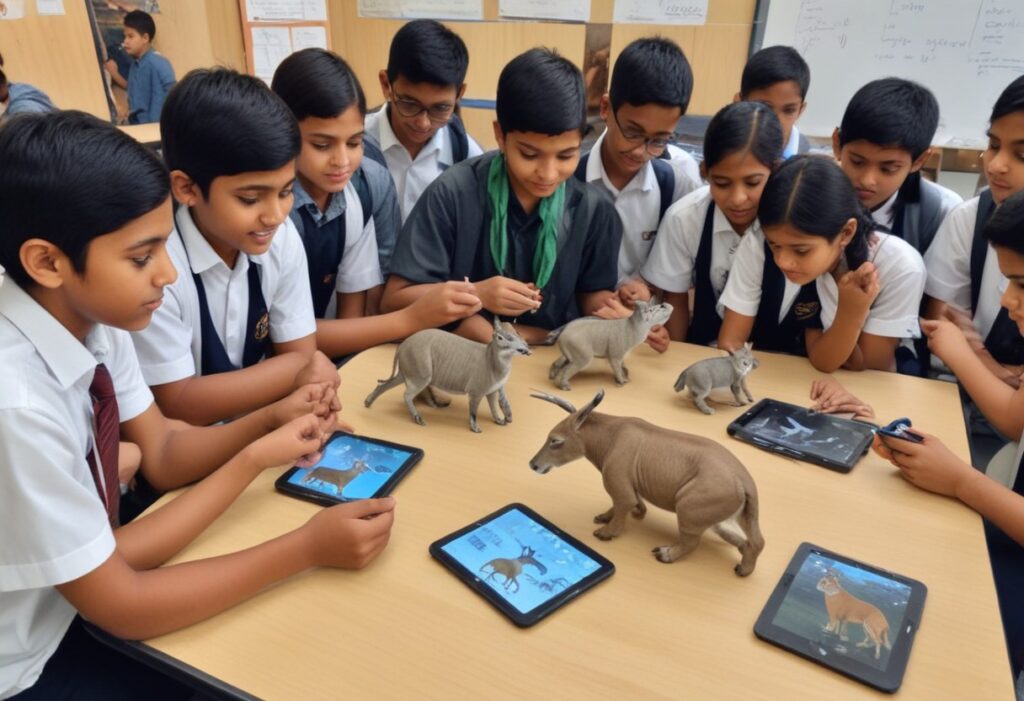
This insight led to the introduction of skill-based volunteering, in which volunteers could contribute their professional strengths through mentorship, communication, digital skills, or subject expertise. At the same time, non-profits explicitly outlined the gaps they wanted volunteers to address. The result was a more inclusive approach, leading to a volunteer model that created value for both parties. To date, the School Mentorship Project, a skill-based volunteer initiative, has demonstrated strong engagement and continuity. I believe its success lies in its emergence directly from an NGO-identified need and in its resonance with volunteers seeking meaningful, purpose-led engagement. By aligning organisational capabilities with community-defined priorities, the programme has delivered measurable outcomes while sustaining volunteer motivation over time.
Financially Sustainable Models And Impact
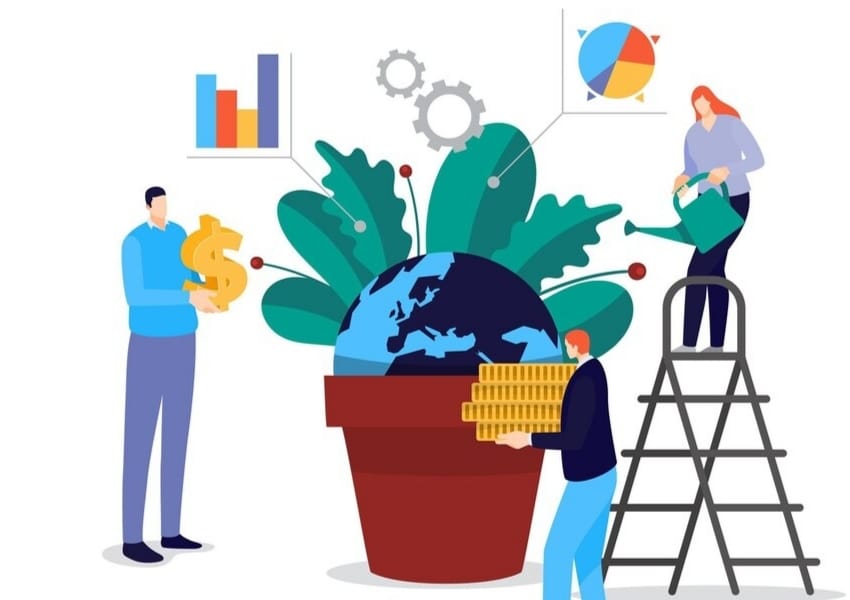
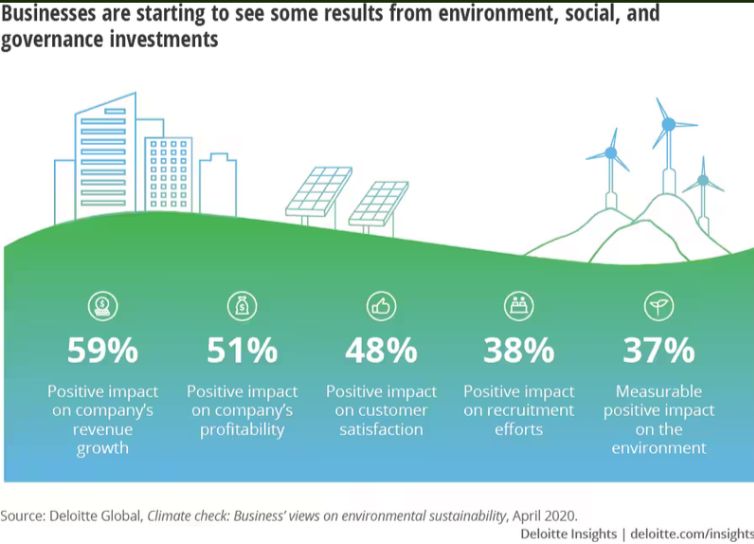
One of the most persistent myths in sustainability is that impact and financial discipline exist in opposition. In reality, the future of sustainability leadership lies in financially sustainable social initiatives with models that balance purpose with performance. Whether through public-private partnerships, blended finance, or scalable platforms, leaders must ask:
§ Can this initiative sustain beyond annual budgets?
§ Can it unlock long-term value for communities and the business?
§ Can it attract partners, co-investors, or ecosystem support?
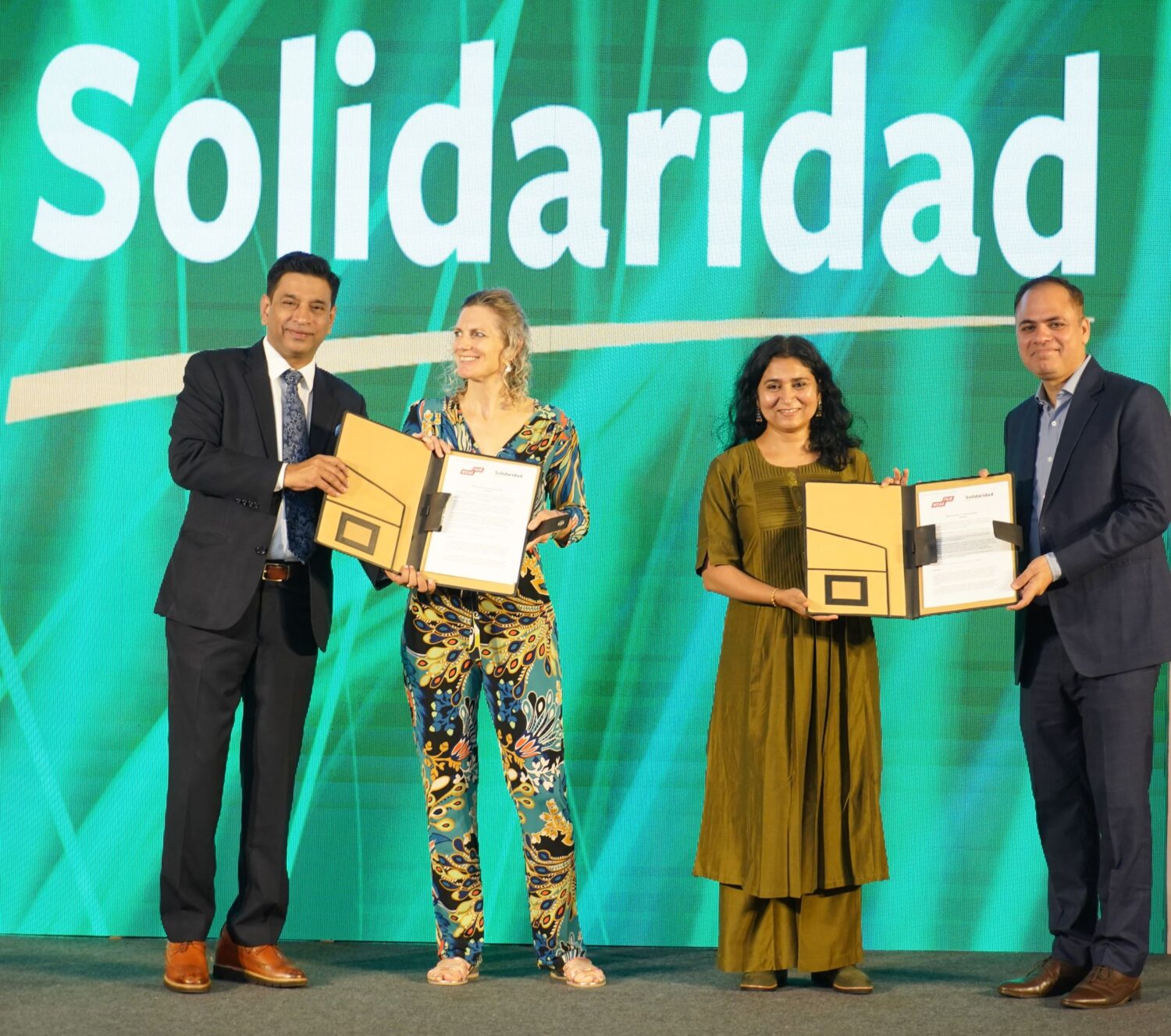
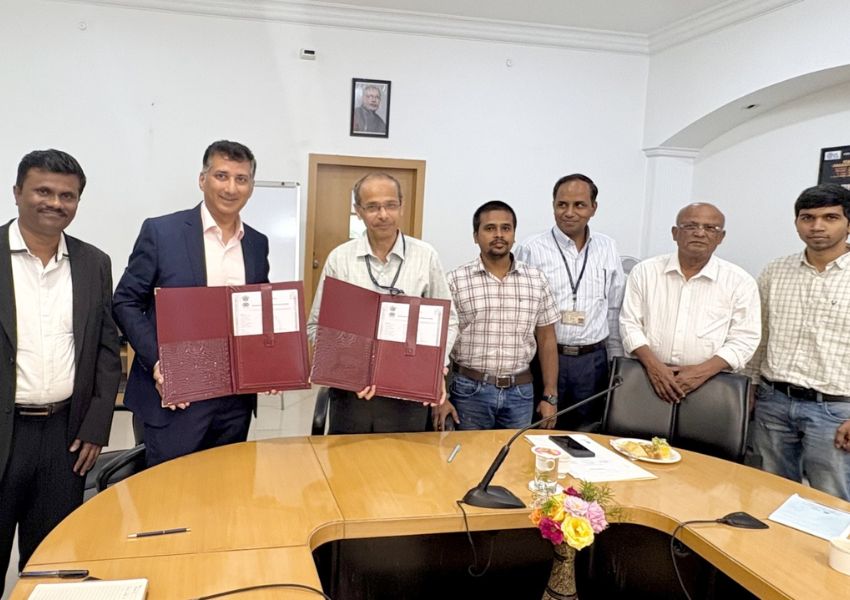
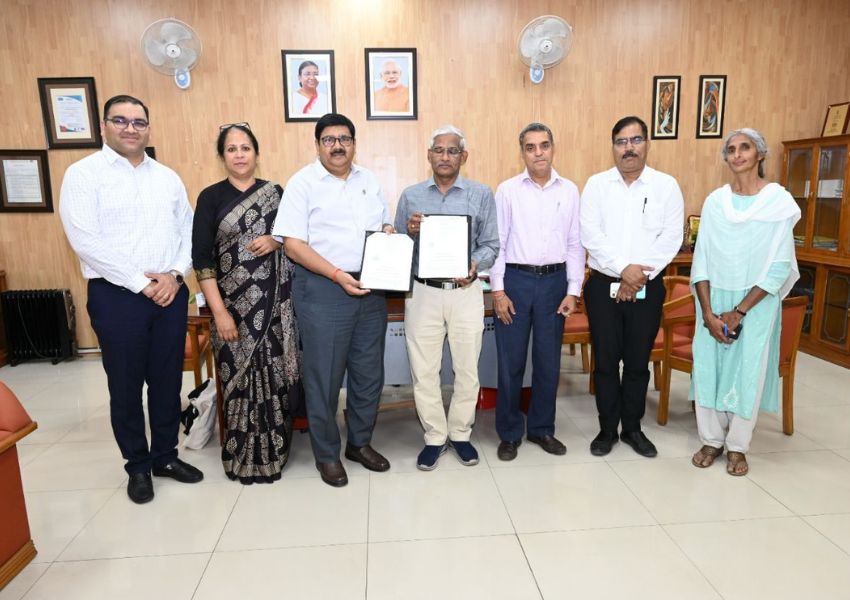
A clear illustration of financially sustainable impact can be seen in the ASCENT (Alliance for Skill & Capacity Enhancement with Technology) initiative, which I anchored during my tenure at Tech Mahindra Foundation. Conceptualised as a public–private partnership with GIZ India, ASCENT was designed to align the development priorities of an international development agency with the long-term skilling strategy of a corporate foundation.
The partnership strengthened Tech Mahindra Foundation’s SMART Academies, enabling them to scale vocational education and training for disadvantaged urban youth while maintaining financial viability. By integrating global development expertise with industry-aligned curricula, digital tools, and structured implementation models, this approach move beyond just a skilling program to a more robust and sustainable skilling ecosystem.
This shift from spend-based CSR to systems-based sustainability requires leaders and organisations who understand both social outcomes and organisational economics.
The Role Of Storytelling In Sustainability
Sustainability will not scale unless it is understood. This is where leadership communication becomes strategic, and storytelling serves as a powerful enabler, helping to align priorities across boardrooms, enabling employees and partners to see themselves in the mission, and build trust among external stakeholders in the intent behind actions. From beneficiary stories to newsletters to development films, narratives, and advocacy campaigns can humanise complex ESG agendas and translate abstract goals into lived experiences.
For 2026 and beyond, sustainability leaders must invest in narrative-building as seriously as they invest in reporting metrics and measurement frameworks.
The Sustainability Leader Of 2026
The next generation of sustainability leadership in India Inc will not come from a single discipline. It will emerge from leaders who can:
· Bridge policy, business, and people
· Embed inclusion as a growth strategy
· Build financially viable impact models
· Communicate with credibility and clarity
To me, Sustainability is a leadership mindset, and those who can translate ambition into action will define India Inc’s resilience in the decade ahead.
Disclaimer: The views expressed in this article are those of the author and do not necessarily reflect the views of the publication.