































































































































































































































































































































































































































































































































































































































































COP30 In Belém: The World Confronts Its Climate Reality And Redefines The Meaning Of Energy Transition


From fossil fuel deadlock to decentralised solutions, COP30 exposed deep contradictions while signalling a shift towards local, implementable technologies driving real-world decarbonisation across global industry
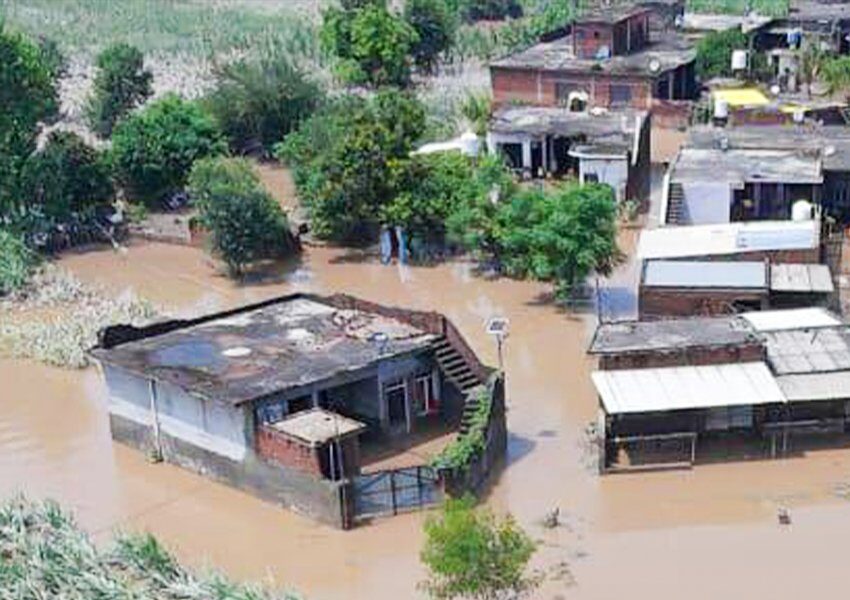
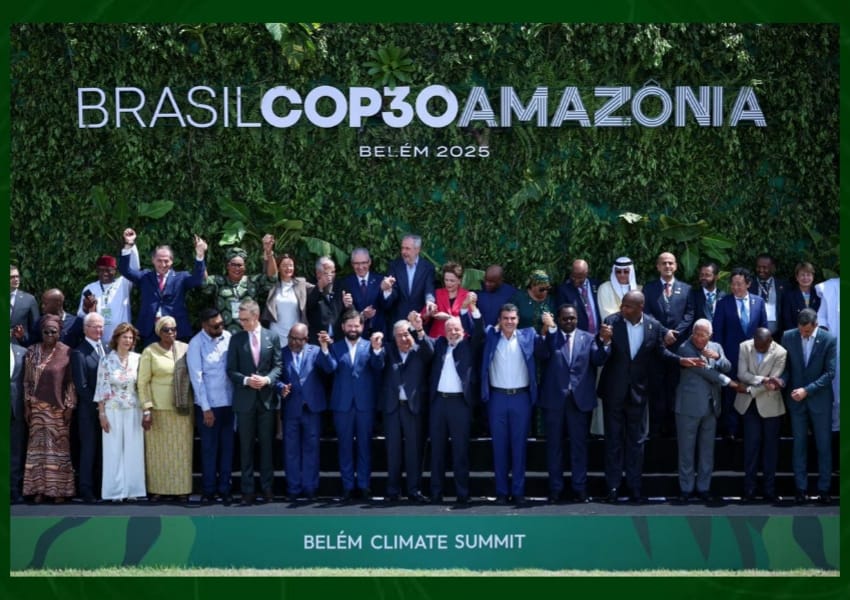
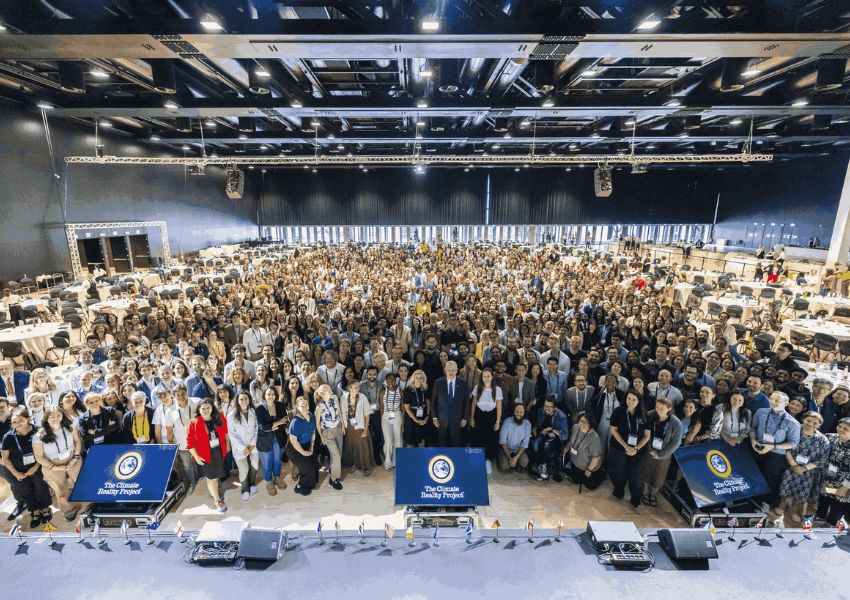
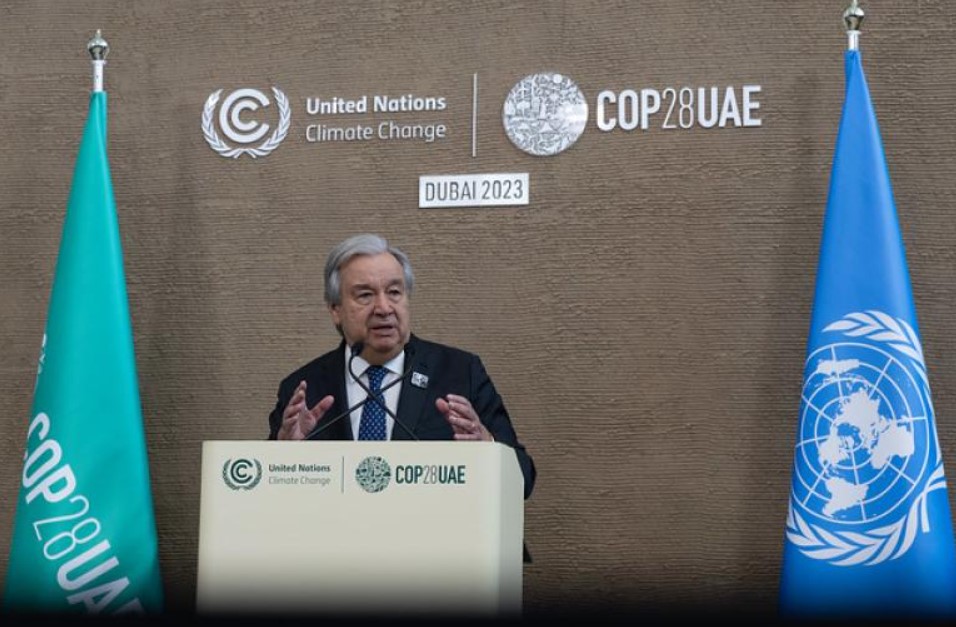
When COP30 opened its doors in Belém, Brazil, the Amazon heat wrapped around every conversation, every corridor and every negotiation room. It was not just weather. It felt symbolic, as if the world’s largest tropical rainforest were reminding delegates that climate change is no longer a distant theory but a physical presence pressing against daily choices.
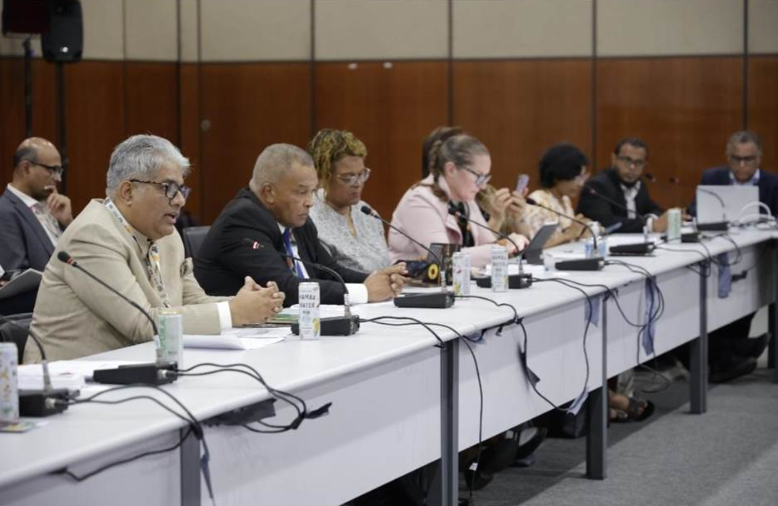
For those of us navigating between pavilions, side events and negotiation rooms, the atmosphere carried both urgency and exhaustion. The stakes were high, expectations enormous and contradictions impossible to ignore. Governments called for ambition while approving new oil blocks. Corporations showcased sustainability roadmaps while quietly lobbying for longer transition periods. NGOs celebrated breakthroughs one hour and denounced failures the next.
Yet, amid the complexity, one truth became unmistakable. The world is no longer debating whether to decarbonise, only how fast and with which tools. COP30 made that clear, sometimes painfully so.
A COP Defined by Tensions: Fossil Fuels, Finance and the Fight for Credibility
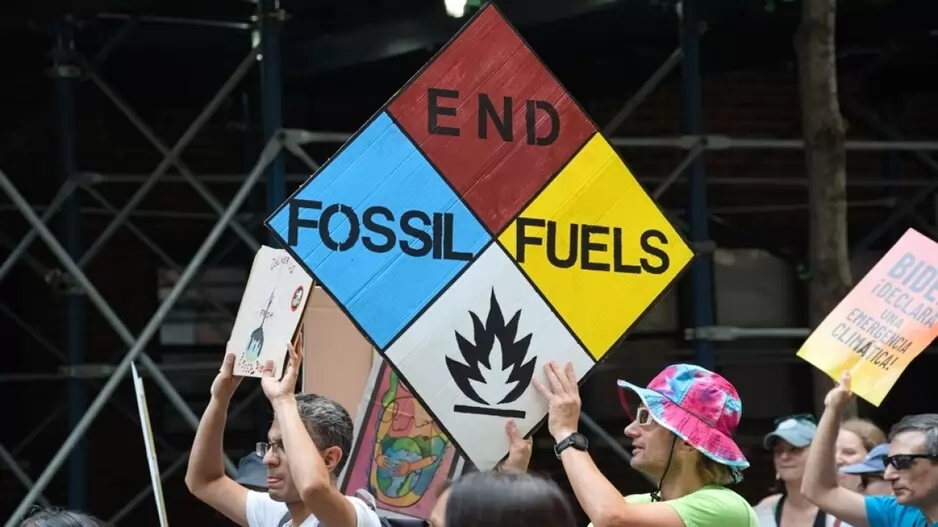
The central fault line at COP30 was not new. It was fossil fuels.
Many ministers arrived in Belém promising to deliver the “first-ever roadmap for a full fossil-fuel phase-out.” Inside the negotiation rooms, the language softened. “Phase-out” turned into “transition”, “Commitment” blurred into “intention”. As expected, the final outcome stopped short of providing the clarity the world had hoped for.
Yet, to interpret this COP as a failure, would miss the deeper story.
Three undercurrents made COP30 different from its predecessors.
1. Climate finance is no longer abstract- It is the entire negotiation.
For emerging economies, climate ambition is now inseparable from financial risk. Ministers spoke less about moral responsibility and more about liquidity, borrowing costs and investment attractiveness.
Belém made it clear that decarbonisation is not only an environmental act. It is also an industrial strategy, a geopolitical move and a financial negotiation.
2. The global south is not waiting anymore.
Brazil, Colombia, Kenya, and Pacific Island states shaped the COP’s moral center. Their message was sharp: “We are doing our part — now the world needs to make clean technology accessible.” That demand was present in every panel, every hallway conversation. It wasn’t protest. It was calculation.
3. The private sector is stepping into a vacuum.
While political language softened, corporate commitments hardened. Companies are no longer waiting for governments to define the rules. They are searching for technologies that deliver real decarbonization, not just accounting shifts. At COP30, the race was no longer about who can pledge the most ambition — but who can implement the fastest.
Walking Through COP30: A Personal Lens
Moving through Belém’s vibrant yet chaotic collective spaces, I found myself struck by a contradiction that almost everyone seemed to feel: the world is asking for solutions that do not yet exist at scale, while many proven solutions are still waiting to be recognised. In the heat of the Amazon, conversations often drifted towards the same question.
“What will actually decarbonise heavy industry?”
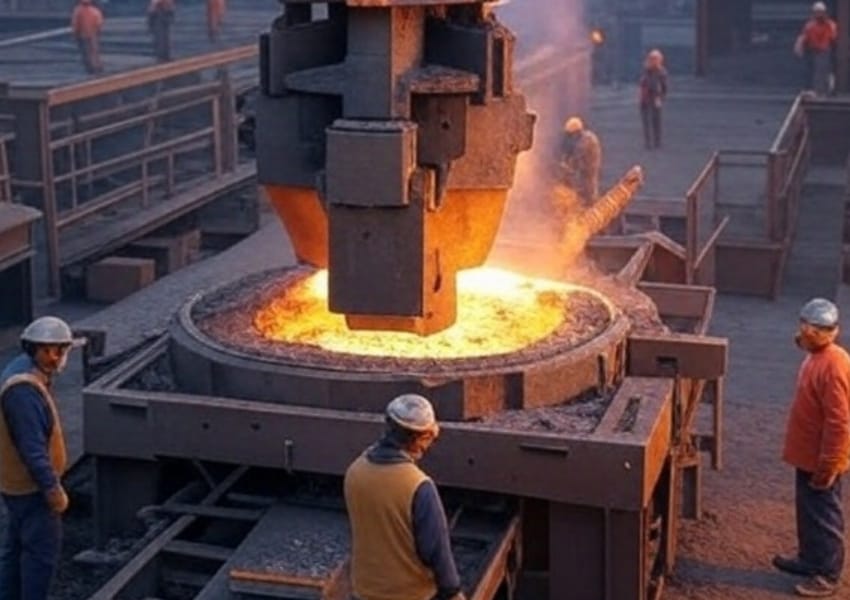
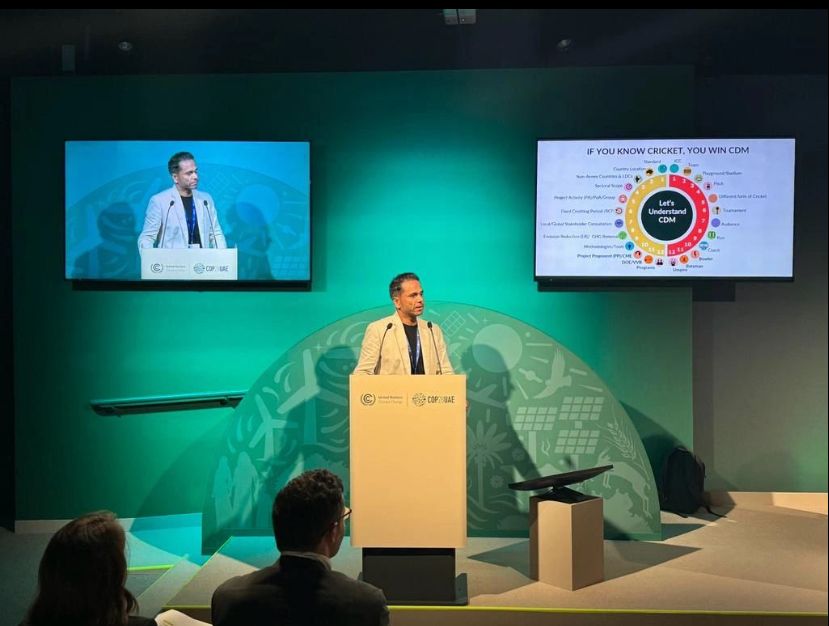
Not in theory. Not on a slide deck. But in the real world- in factories, in steel plants, in glass furnaces, in chemical clusters and in aluminium extrusion lines. This recurring question is precisely why I was in Belém with SoHHytec.
When Technology Meets Reality: What COP30 Revealed
COPs are crowded with moonshots. Direct air capture, green shipping corridors, long-distance transmission lines, hydrogen networks and next-generation storage. Exciting, inspiring, necessary.
But walking through Belém, speaking with delegations and industrial groups, I noticed something much simpler and much more important. Industry is not asking for miracles. It is asking for technologies that make decarbonisation operational and viable.
Something deployable. Something on-site. Something with predictable performance. Something that integrates into existing processes rather rather than replacing them entirely.
And this is where I realized that the real story of COP30 wasn’t just about fossil-fuel negotiations or climate finance rhetoric. It was about the convergence happening quietly at the edges: the merging of renewable energy, green hydrogen, and efficiency into integrated systems.
A Quiet Theme at COP30: The Rise of On-Site Clean Energy Systems
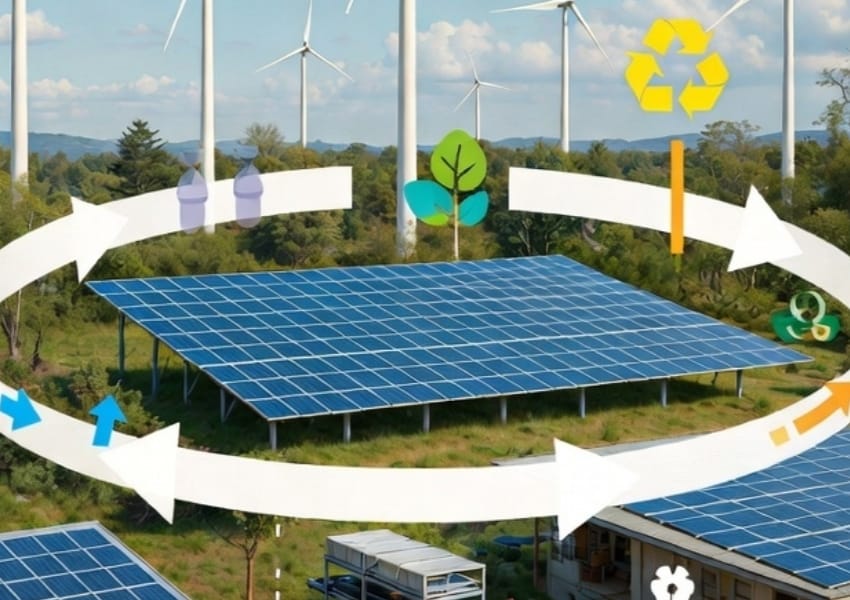
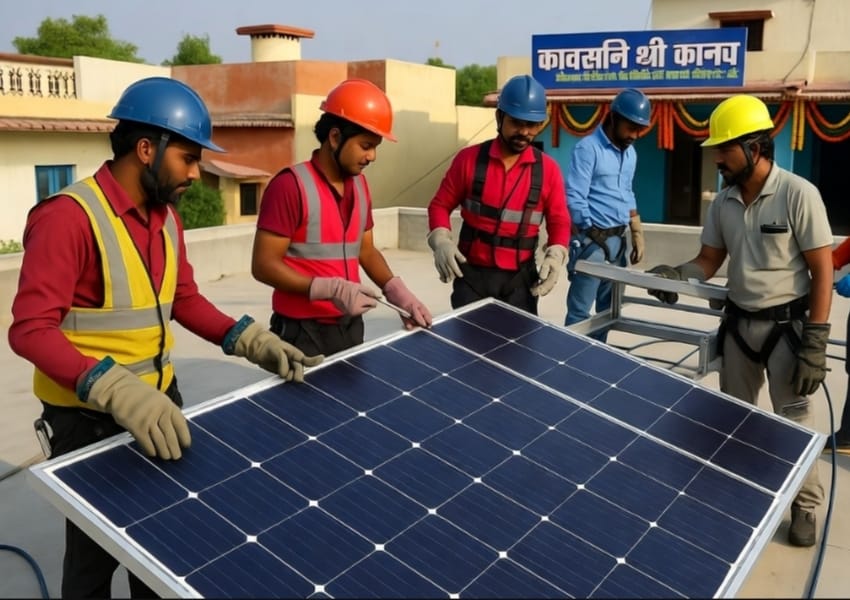
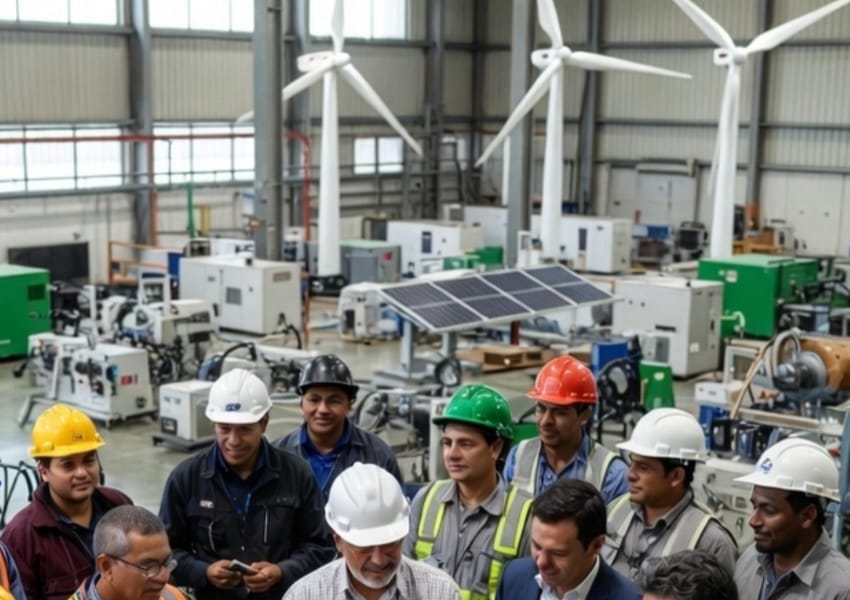
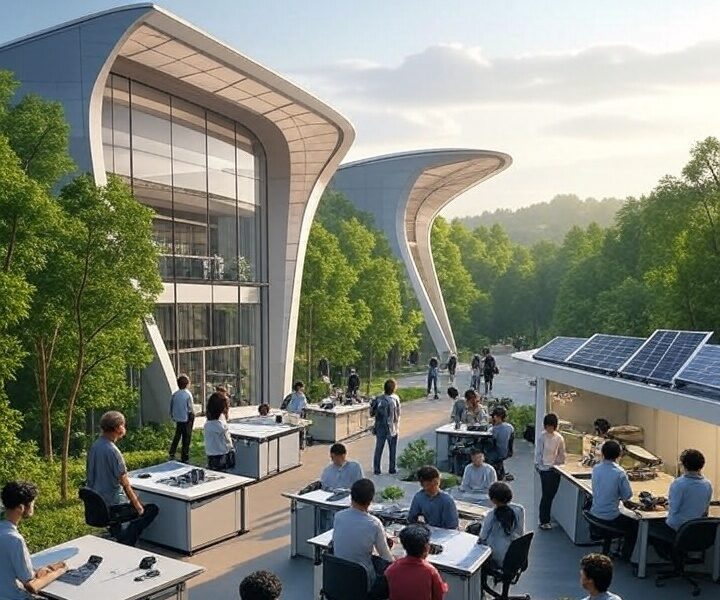
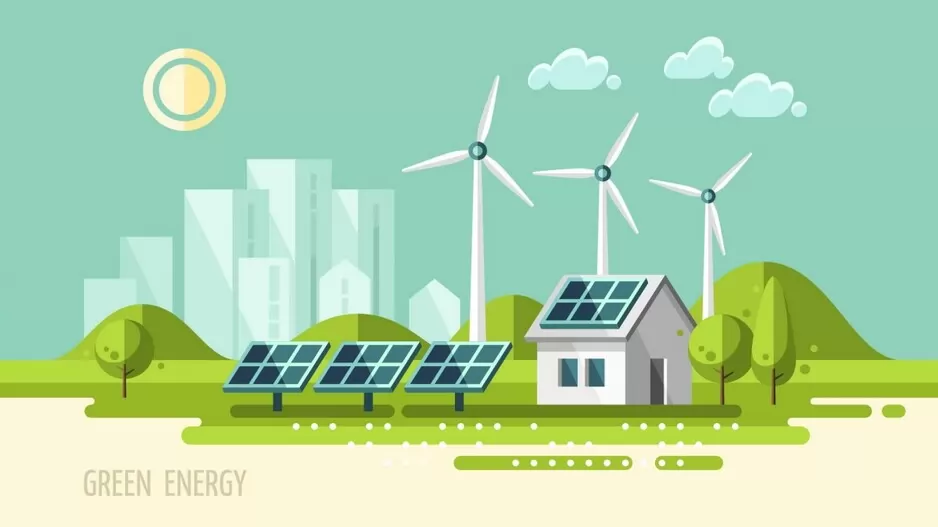
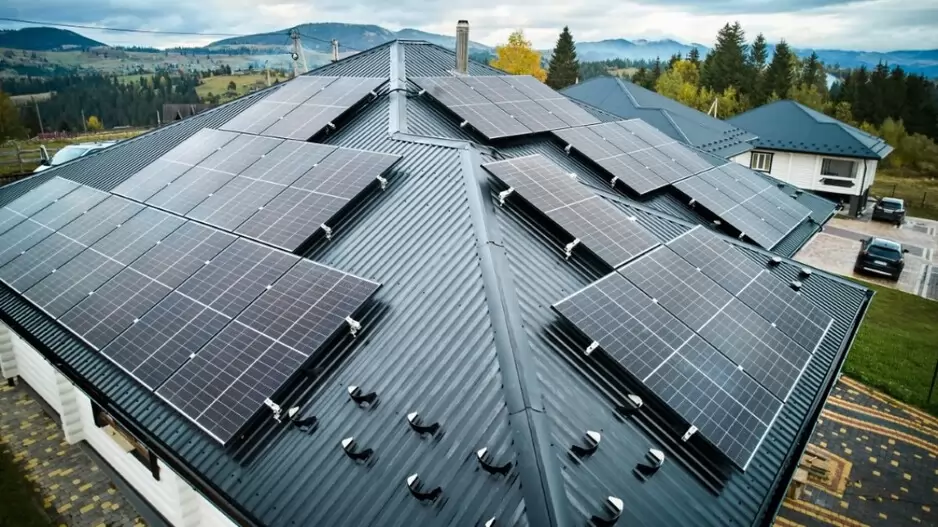
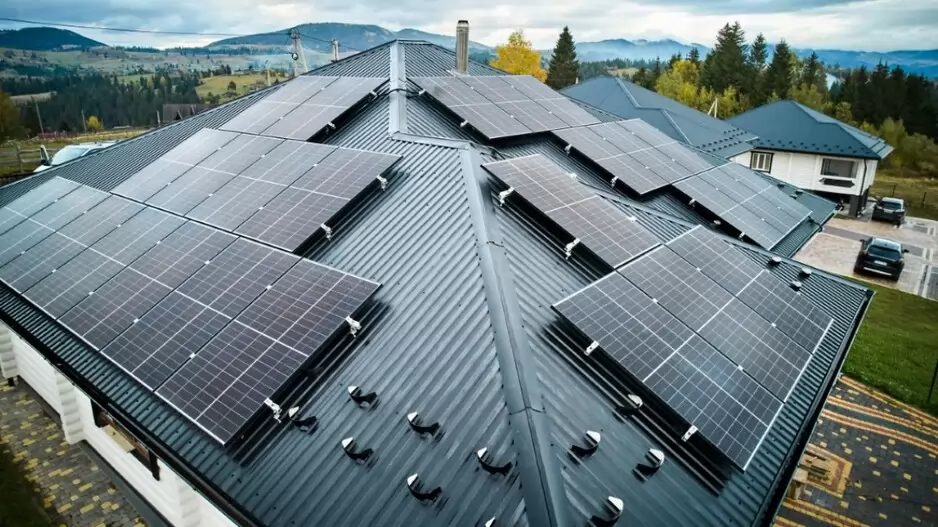
Across multiple pavilions -industrial, energy, academic-one topic returned repeatedly: decentralized production. The narrative has shifted from “megaprojects” to “modular systems.” From “national hydrogen strategies” to “local industrial solutions.” From “someday” to “as soon as possible.”
On-site production solves three bottlenecks at once:
1. Transmission limitations (electric grids are overloaded).
2. Logistics complexity (transporting hydrogen or heat is costly).
3. Speed (industry cannot wait until 2035 or 2040).
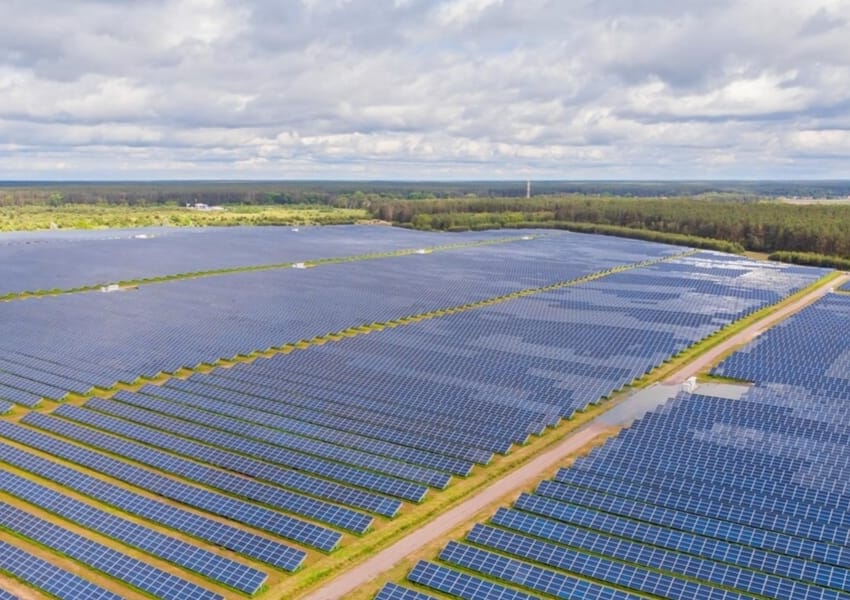
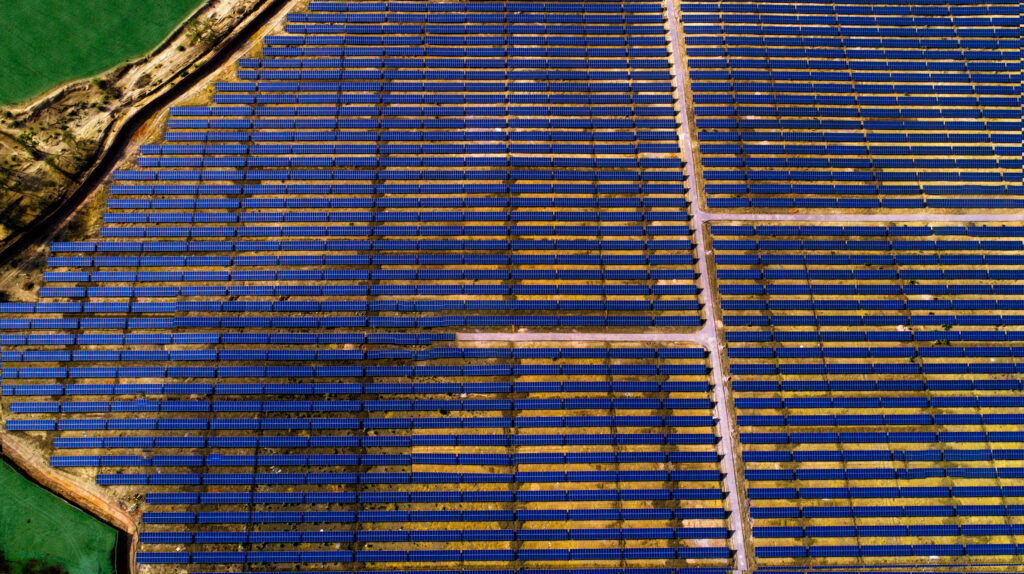
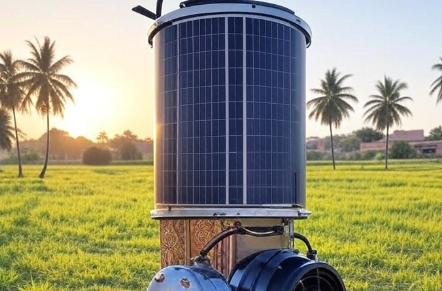
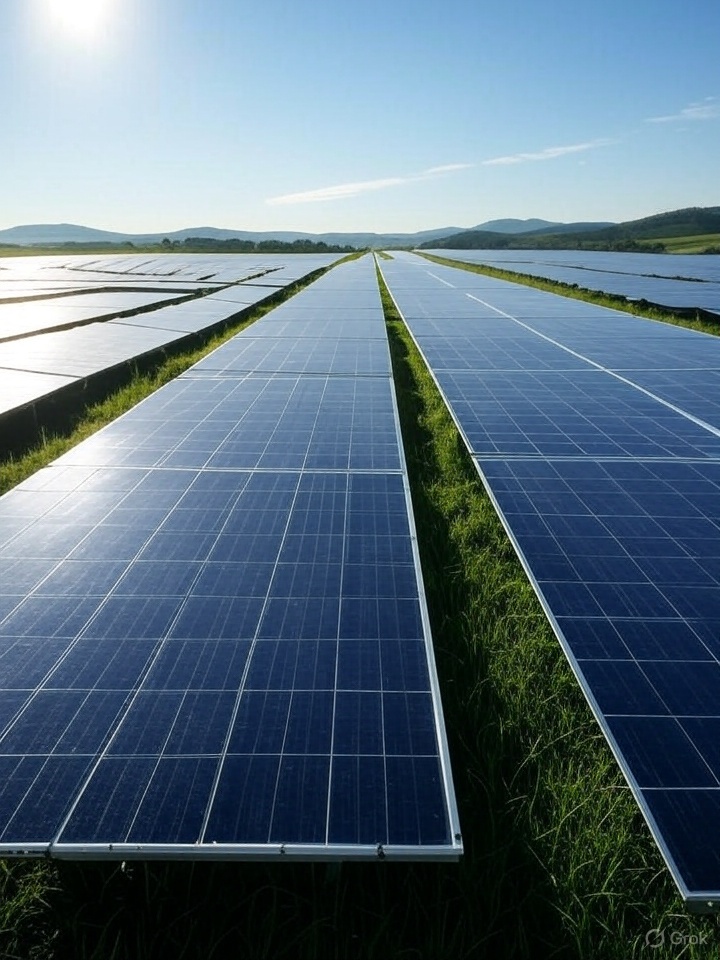
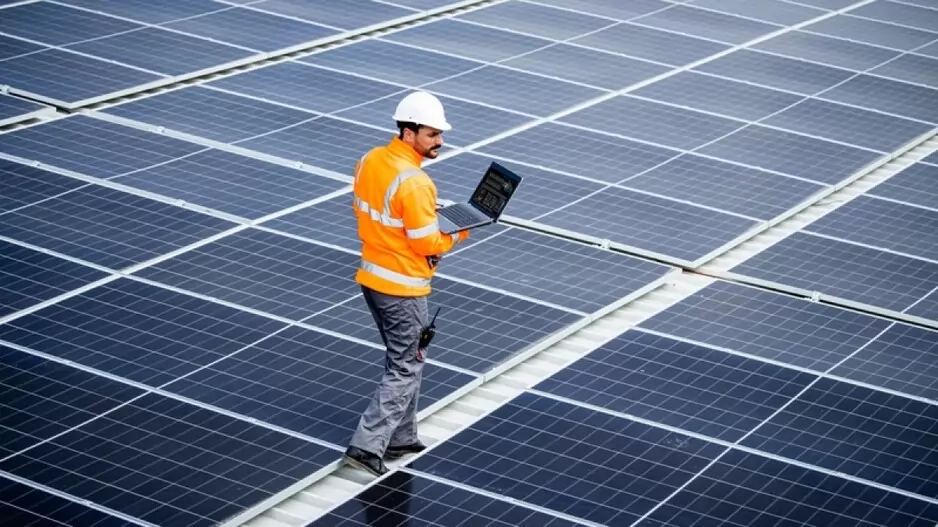
This shift aligned closely with what SoHHytec has been demonstrating in its projects: the ability to produce green hydrogen, high-temperature heat, oxygen, and electricity in a compact footprint using only sunlight.
At COP30, the question was no longer, “Is decentralized energy and hydrogen possible?” but rather, “Who can deliver it reliably, safely, and at a competitive cost?”
At COP30 the question was no longer “Is decentralised energy possible?” But rather “Who can deliver it safely, reliably and at a competitive cost?”
Where SoHHytec Fits In: Quiet Innovation in a Noisy COP
If there was one lesson from Belém, it is this: The world has moved past glossy slogans. It wants functional decarbonization.
SoHHytec’s approach -an integrated system capable of producing hydrogen, oxygen, heat, and power from concentrated solar energy -resonated with many of the conversations happening around COP30, even if indirectly.
What caught people’s attention was not just hydrogen. It was co-generation: the idea that a single system could address multiple industrial needs simultaneously.
And suddenly, you could see the shift in delegates’ expressions when they realized that decarbonization becomes economically compelling when clean energy systems replace not just one input-but three or four at once.
At a COP heavily defined by finance, this mattered. The world is looking for capex-light, modular, scalable solutions that industries can adopt without waiting for massive national infrastructure investments. That is exactly the niche SoHHytec occupies.
Belém’s Underlying Message: The Transition Must Be Local
Walking through the humid Belém streets after long negotiation days, I kept reflecting on the same thought: Decarbonization cannot be imported. It must be produced. Locally. On-site. Where emissions occur.
COP30 revealed this not through speeches, but through the visible frustration of industrial leaders who feel pressured by targets yet constrained by infrastructure.
The transition will not be won by the biggest country or the most ambitious pledge. It will be won by the technologies that allow companies – anywhere in the world to take action without waiting for national systems to catch up.
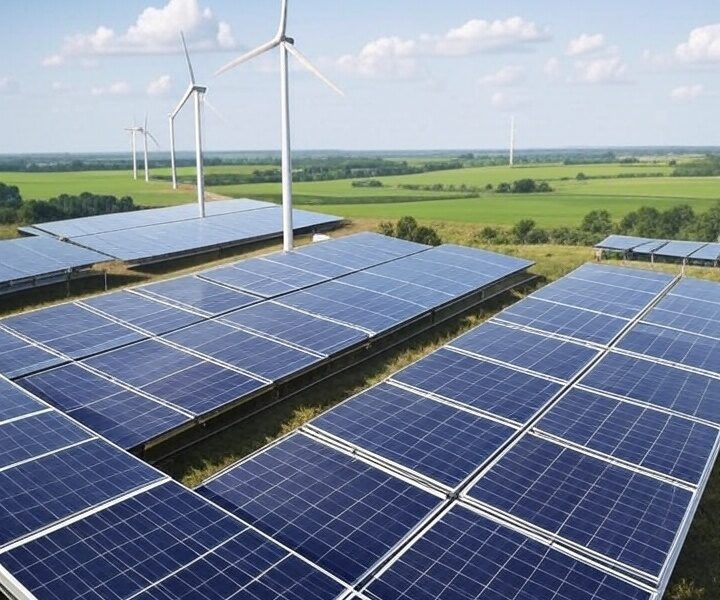
This is why on-site solar hydrogen, solar energy, and distributed renewable systems captured so much attention in side events and business discussions.
Not because they are fashionable. But because they are practical.
A COP of Contradictions and a Turning Point
t is easy to say COP30 did not deliver the fossil-fuel phaseout roadmap the world was hoping for. But underneath the headlines, something else shifted -something arguably more powerful.
Belém marked the moment when:
Governments admitted the transition is financially inseparable from industrial competitiveness.
Industries demanded solutions, not promises.
Investors searched for technologies with real operating data.
And the Global South asserted itself not as a victim, but as a partner shaping the future of energy.
Most importantly, COP30 made clear that the transition will be driven by implementers, not negotiators.
By engineers. By innovators. By companies deploying real systems in real factories. By technologies that produce measurable decarbonization from day one.
Closing Reflection: What the Amazon Taught the World
COP30 ended without the historic roadmap many wanted. But Belém offered something quieter and more enduring: clarity.
Clarity that this transition will not be built on declarations. Clarity that decentralization is the missing link. Clarity that the technologies capable of producing clean molecules and clean energy on-site – reliably and economically are no longer “future insights,” but present tools.
And for me, walking out of COP30 with the noise of negotiations behind me and the weight of the Amazon evening settling in, the message was simple: The world is ready. Now it needs technologies that are ready with it.
SoHHytec’s journey, still young and evolving, is part of that story not as a slogan, not as a promise, but as an example of what the next phase of climate action must look like: local, integrated, scalable, and real.
Disclaimer: The views expressed in this article are those of the author and do not necessarily reflect the views of the publication.
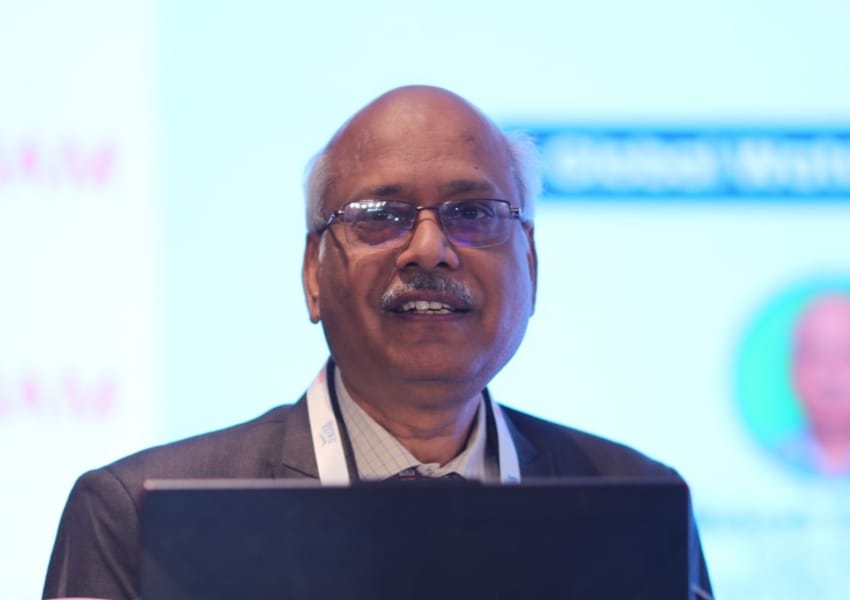
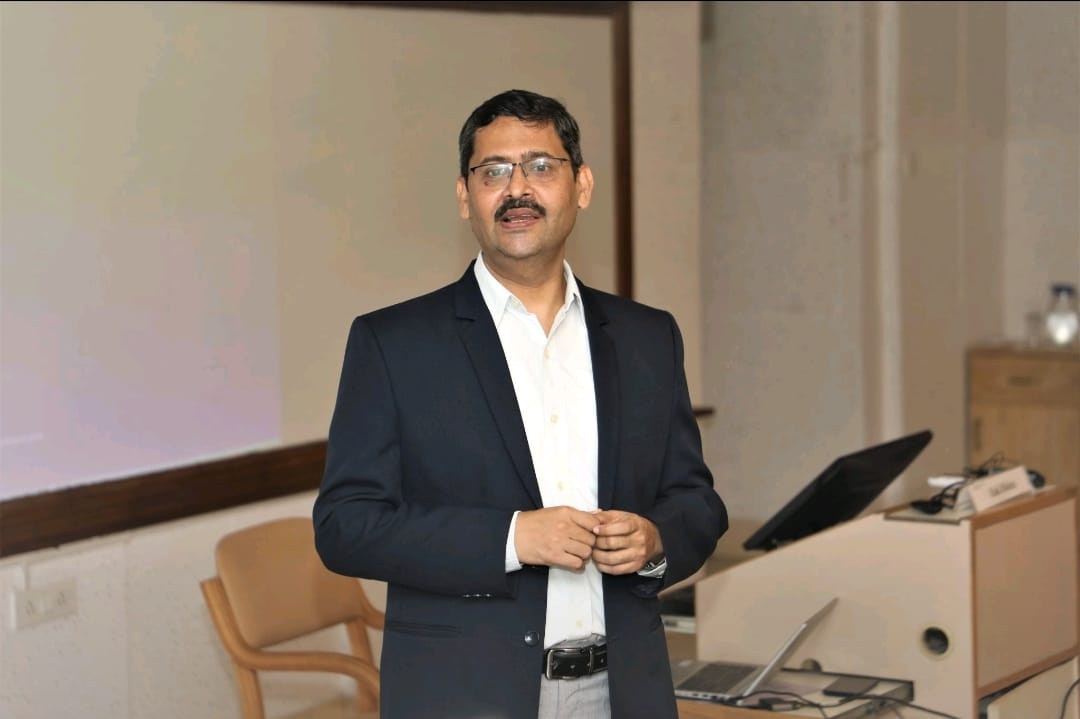
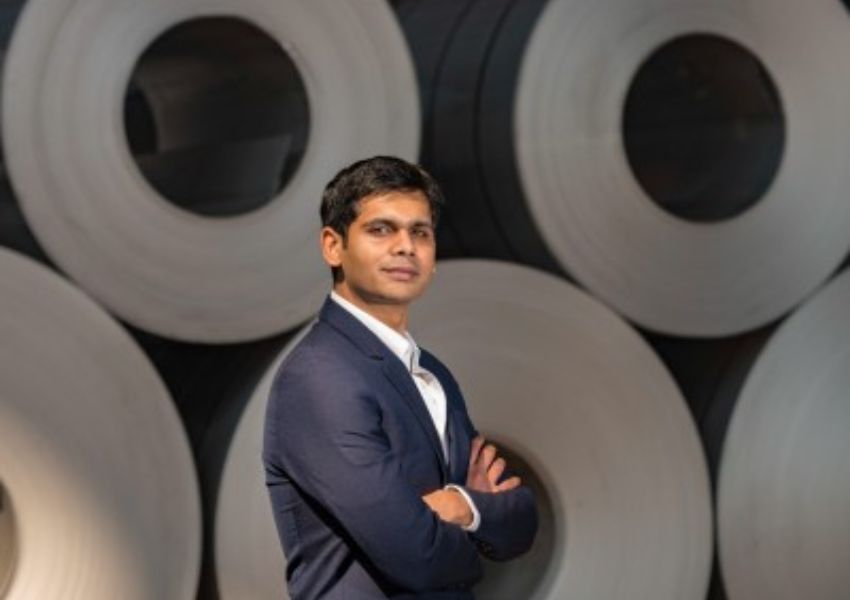
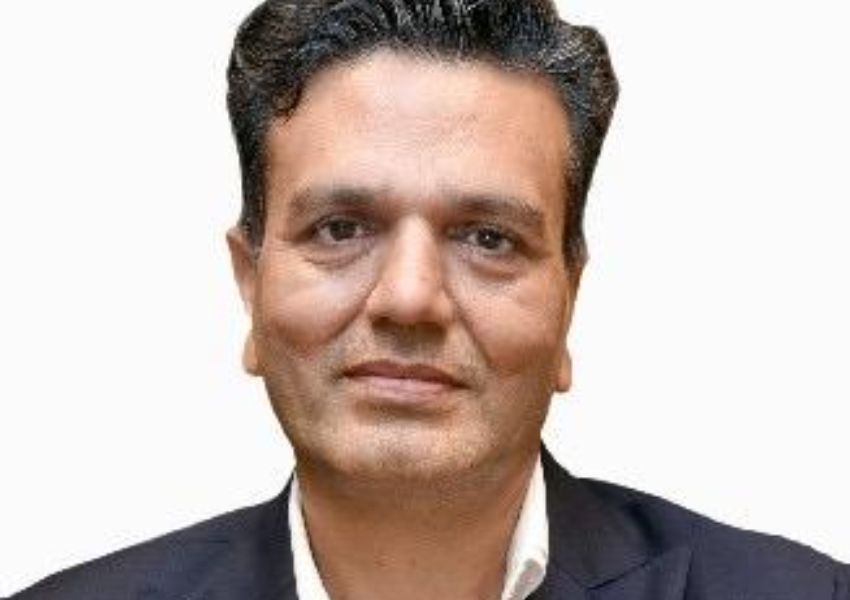
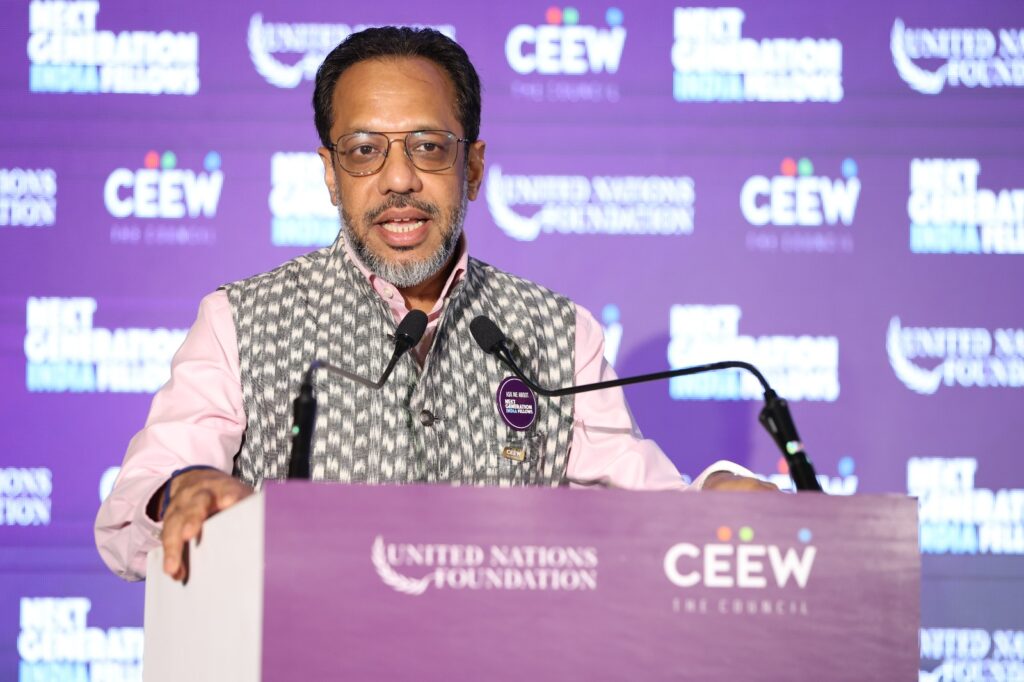
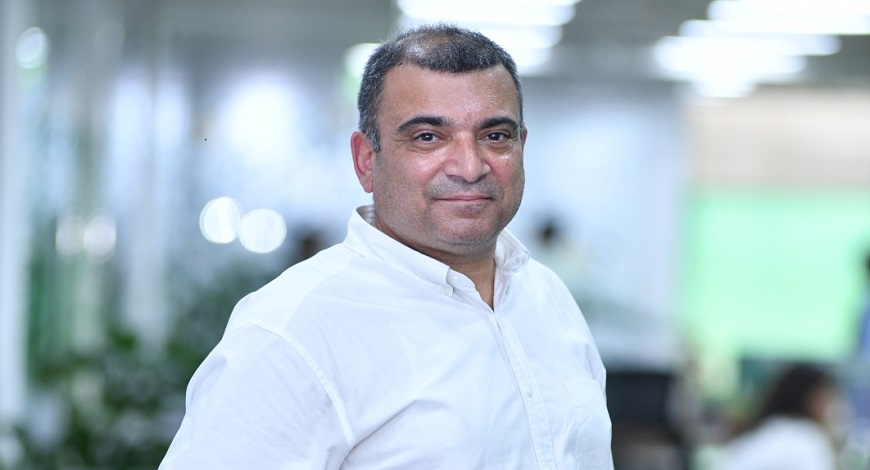
Dr. Saurabh Tembhurne is the founder, Chairman, and Chief Executive Officer of SoHHytec SA, a Swiss clean energy startup he has led since January 2020. At SoHHytec, he focuses on commercialising a self-developed renewable system designed to produce hydrogen, oxygen, electricity, and heat from solar energy.
Before formally launching the company, Dr. Tembhurne was a BRIDGE fellow at the Swiss Federal Institute of Technology Lausanne (EPFL) from March 2018 to February 2020. During this period, he combined scientific research with entrepreneurship, guiding SoHHytec from an early-stage concept into a product and business rooted in his own technology.
Dr. Tembhurne holds a Ph.D. in Energy from EPFL, completed between 2013 and 2018. His doctoral research centred on the modelling, design, optimisation, and implementation of concentrated integrated photoelectrochemical devices for solar fuel generation.
He began his academic training at the Indian Institute of Technology Bombay, where he completed a dual degree in Electrical Engineering between 2008 and 2013. His education includes a Bachelor of Science in Electrical Engineering and a Master of Science in Microelectronics.
Dr. Tembhurne’s work bridges advanced energy research and industrial application, with a consistent focus on translating laboratory innovation into scalable clean energy solutions.