








































































































































































































































































































































































































































































































































































































Corporate Sustainability In Transition: The New Priorities For India Inc In 2026


How Indian companies are embedding decarbonisation, circularity and accountability into core business strategy as sustainability shifts from reporting to real-world execution
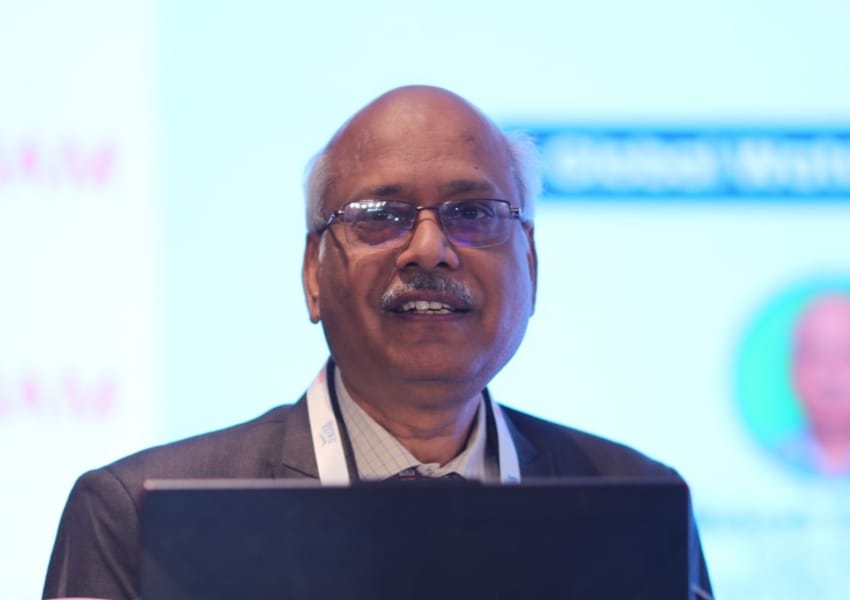
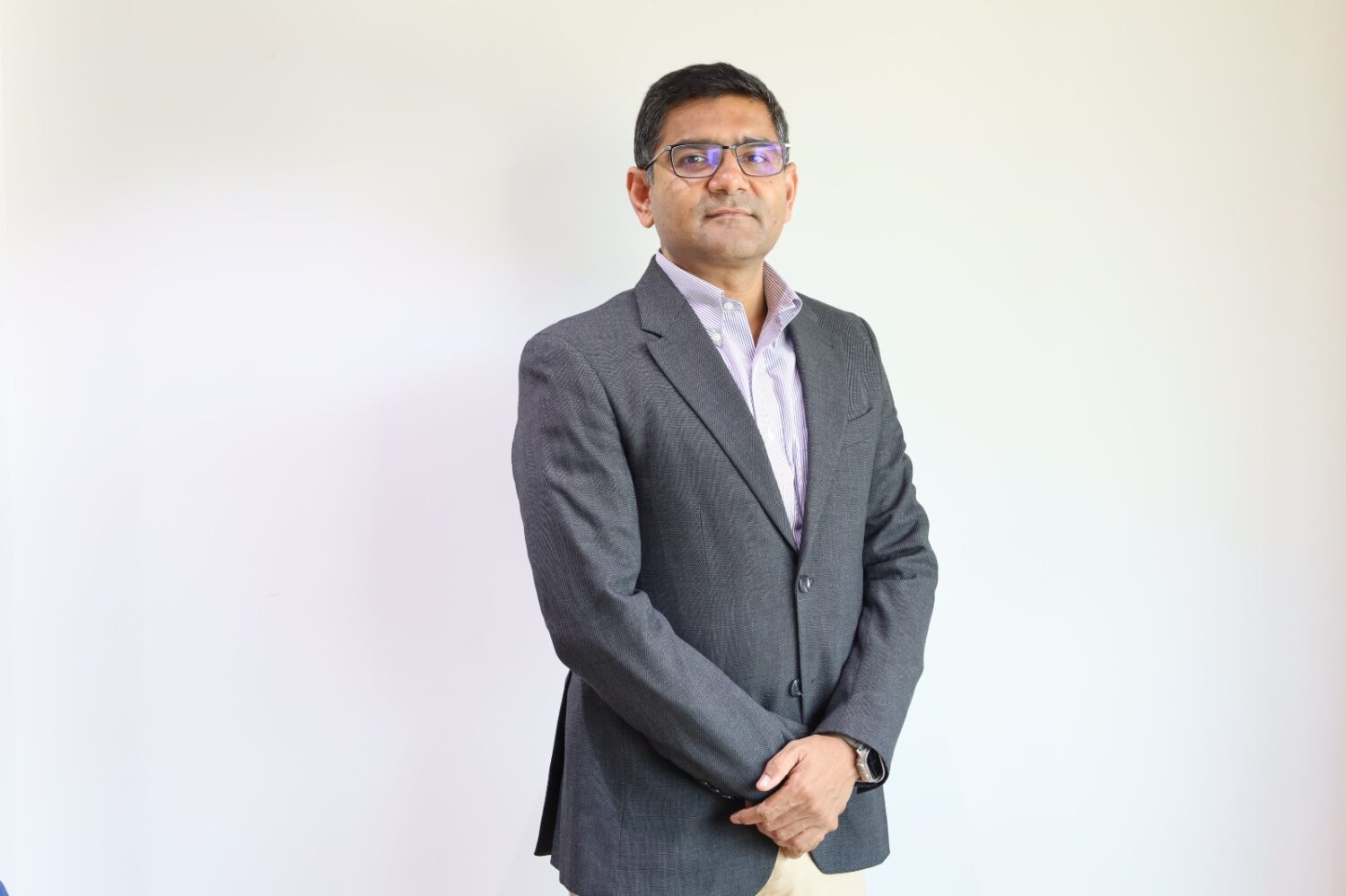
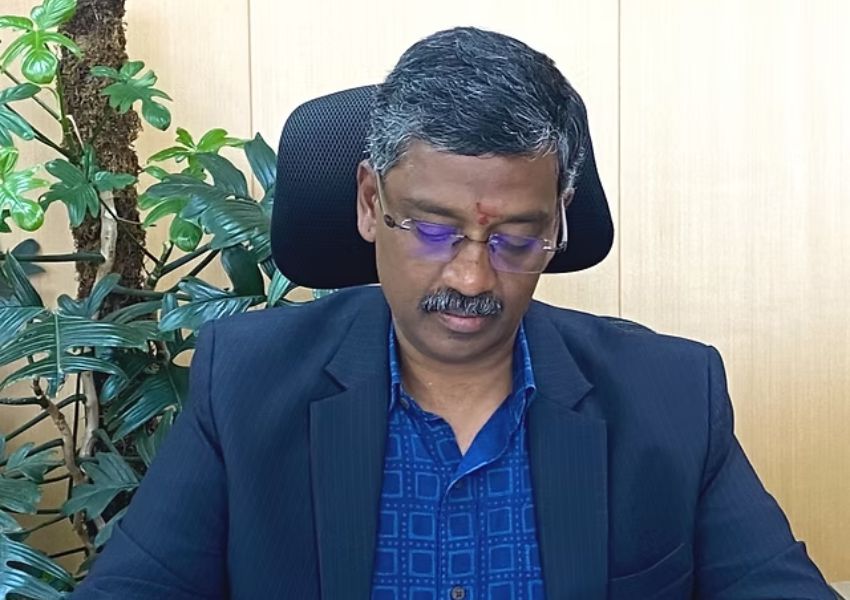
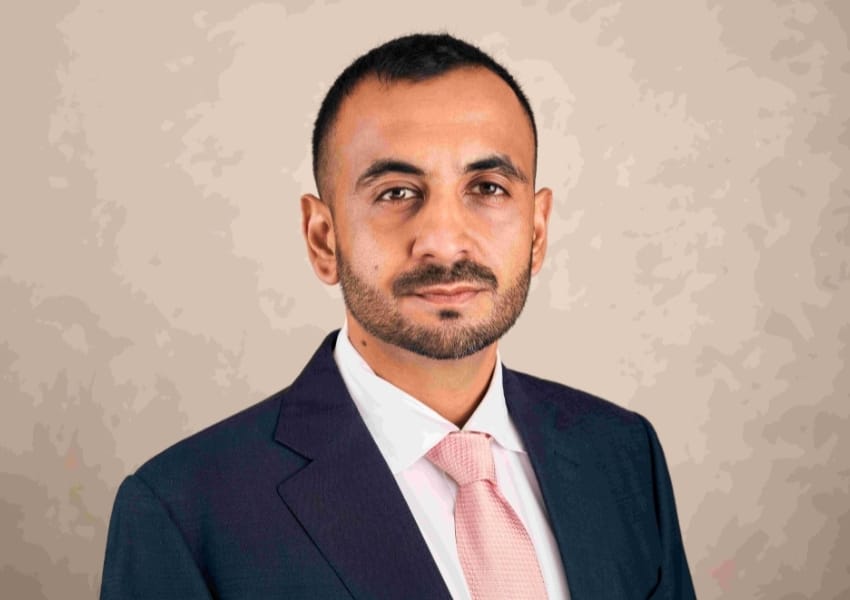
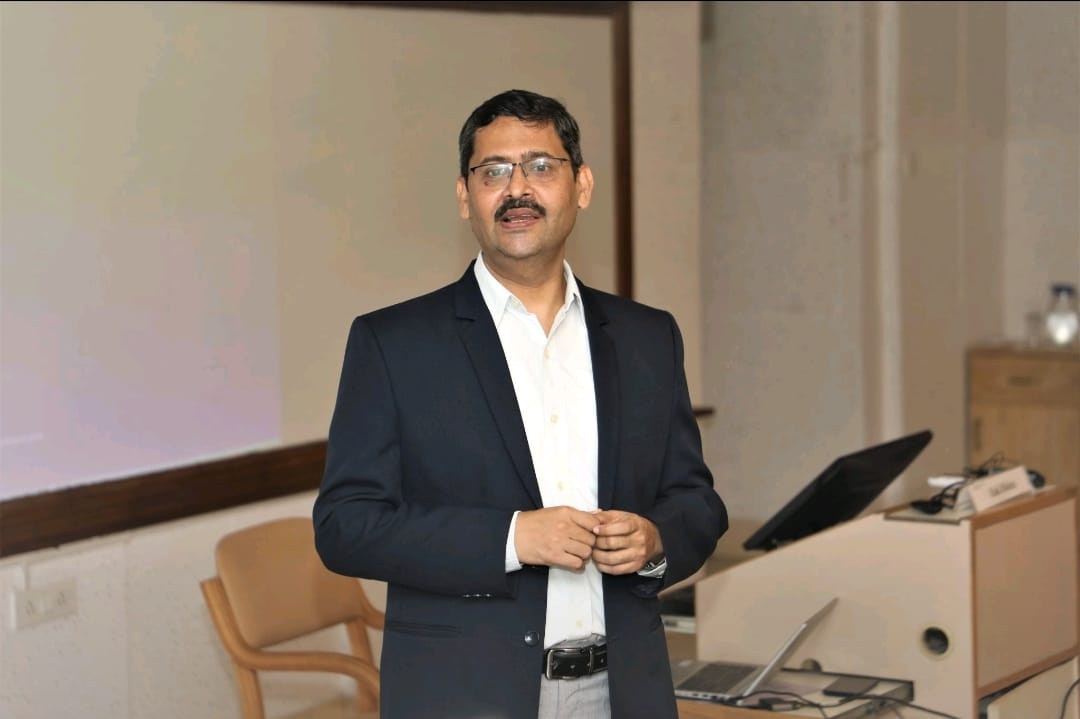
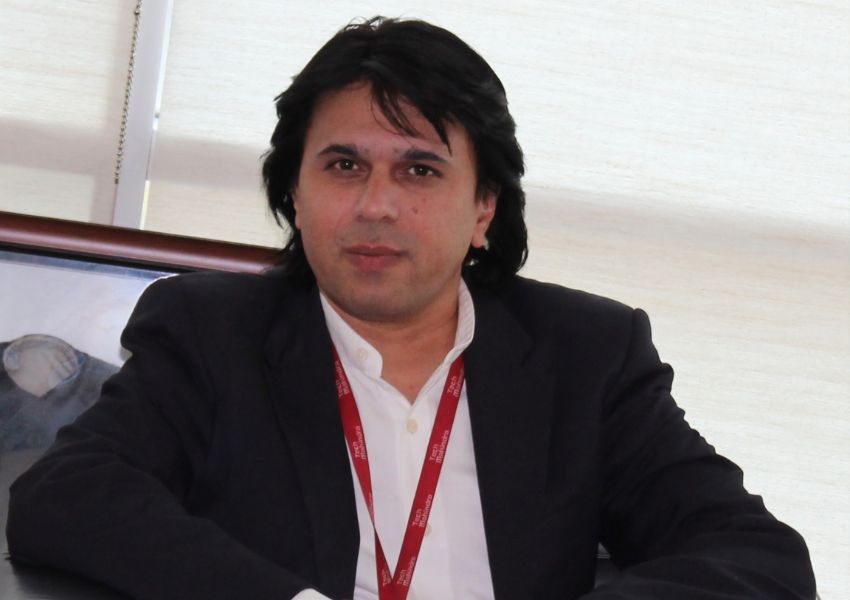
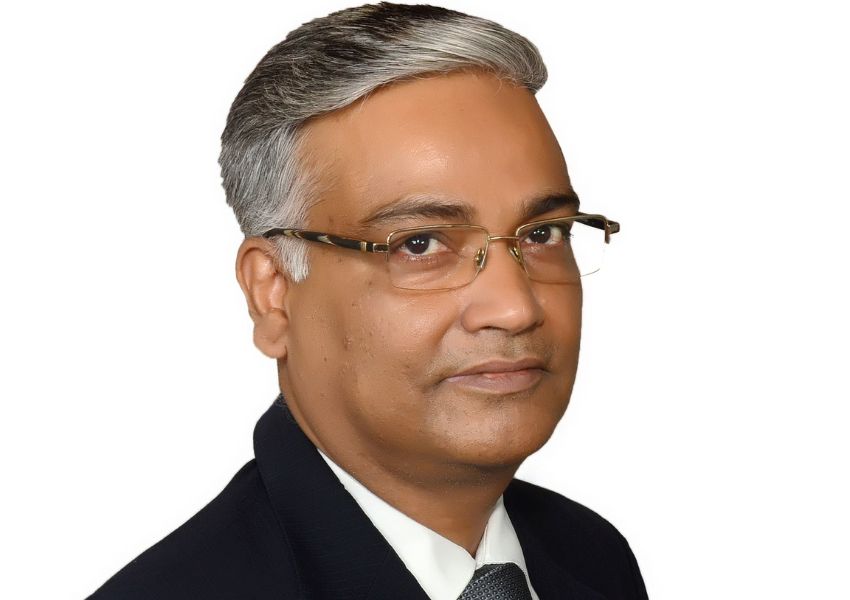
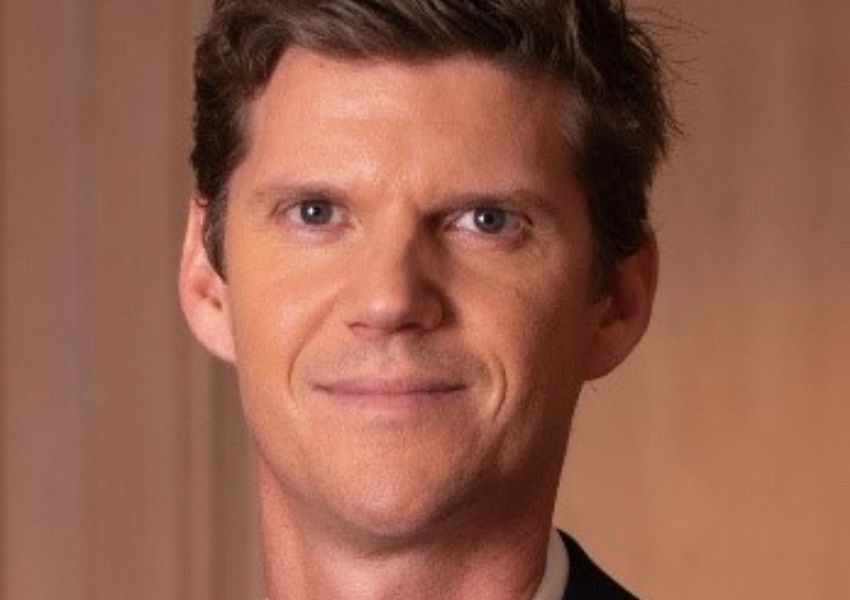
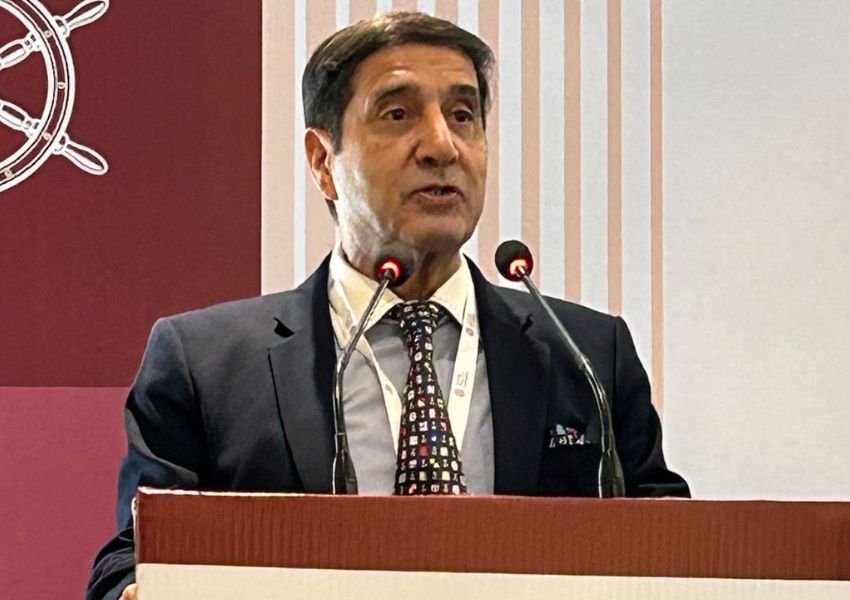
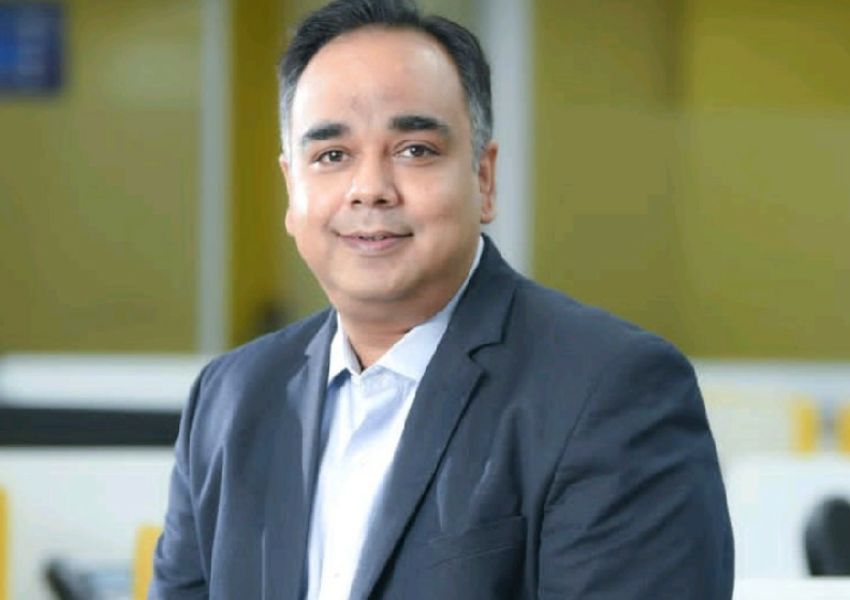
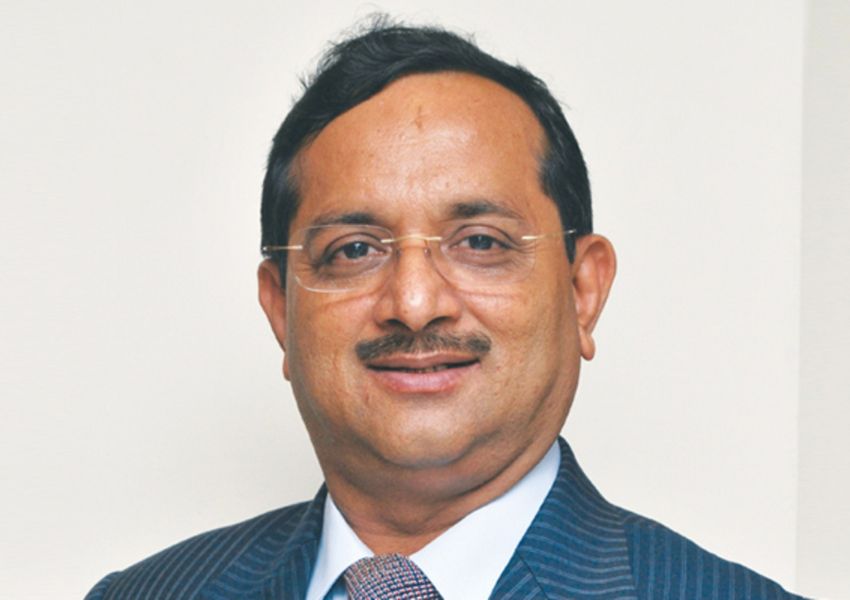
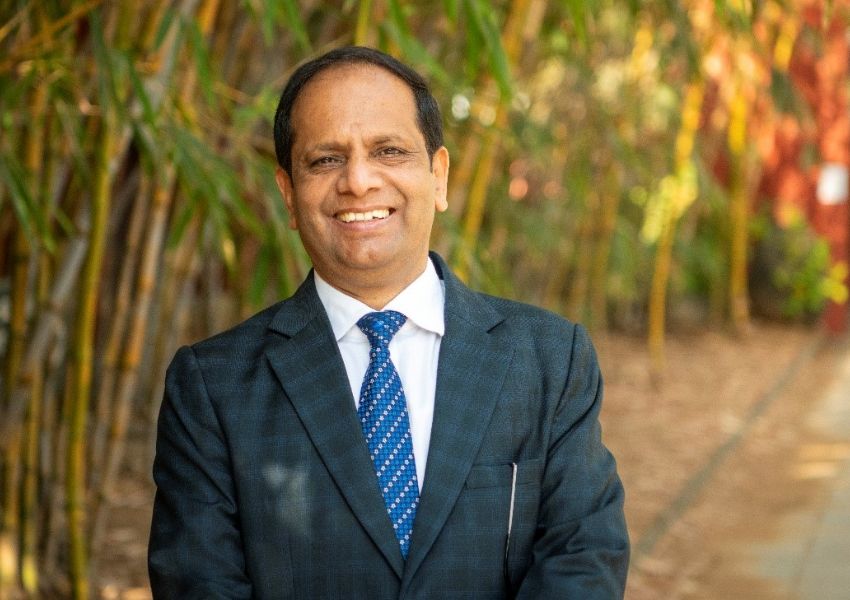
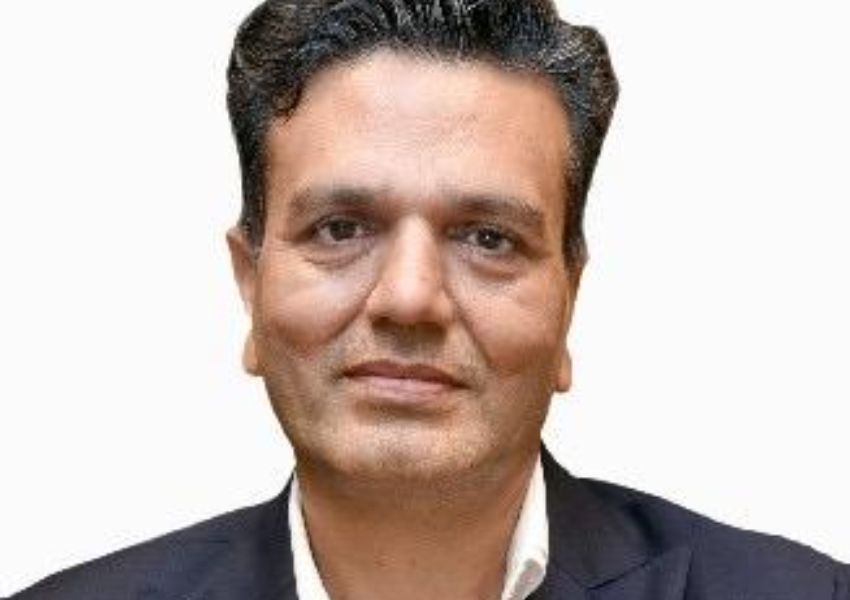
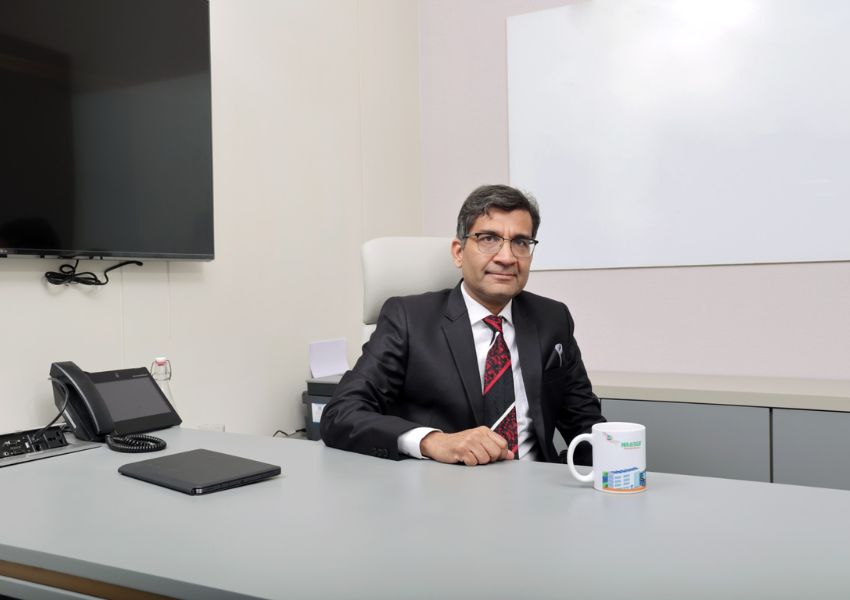
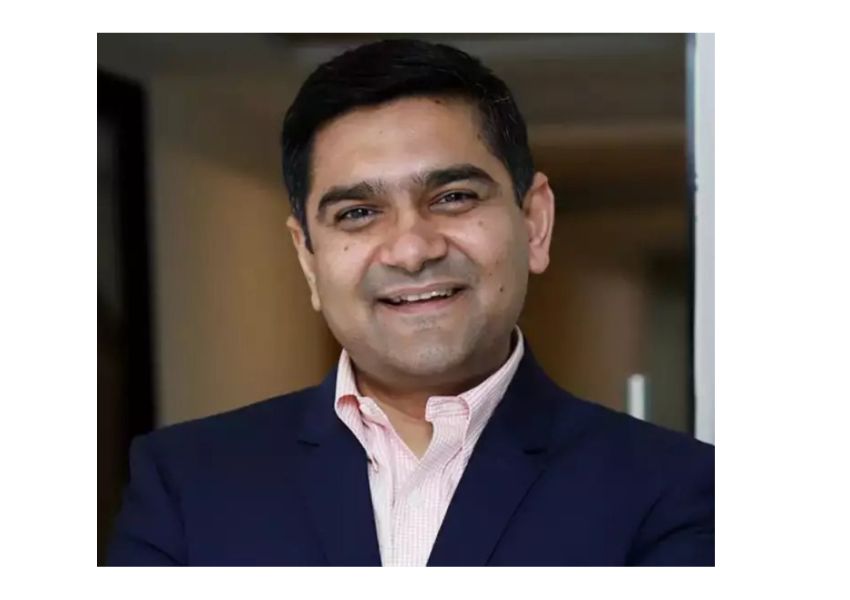
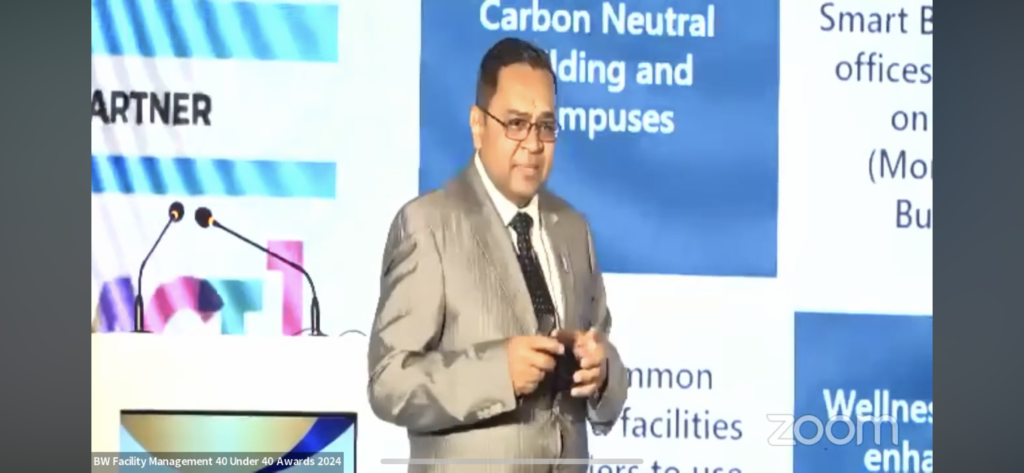
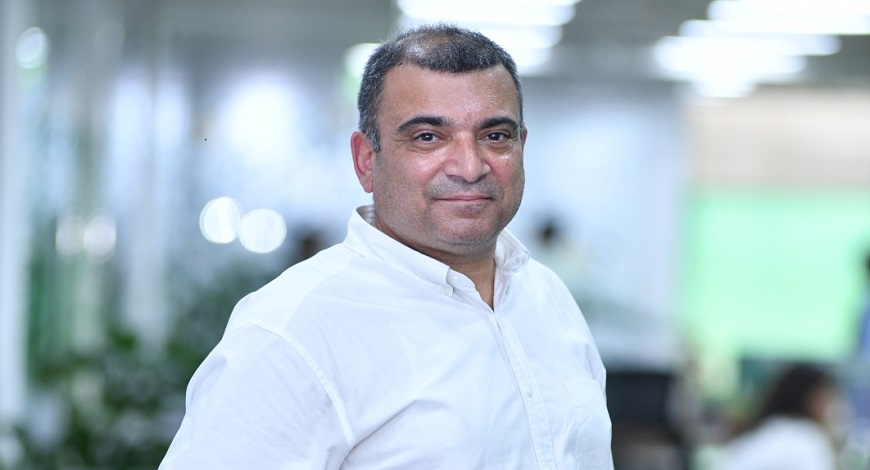
By: Naresh Tyagi, Chief Sustainability Officer, Aditya Birla Fashion and Retail Limited
As we look ahead to 2026, corporate sustainability in India is clearly entering a phase of transition— from intent to execution, and from fragmented initiatives to integrated transformation. What was once driven largely by compliance, reporting, or reputation is now shaped by resilience, competitiveness, and long-term value creation. From a sustainability leadership perspective, the conversation has moved beyond what companies intend to do, to how those intentions are being translated into measurable, durable outcomes.
From Commitments To Credible Decarbonisation
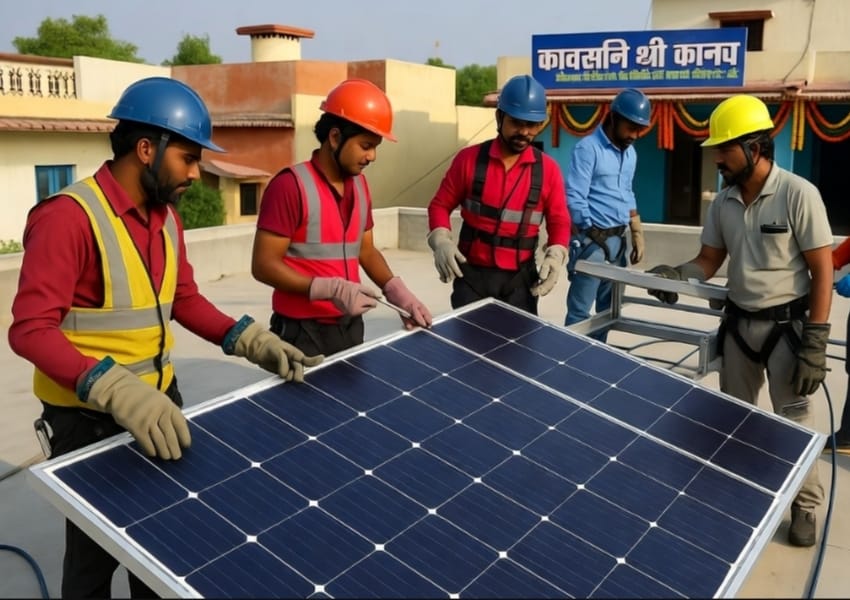
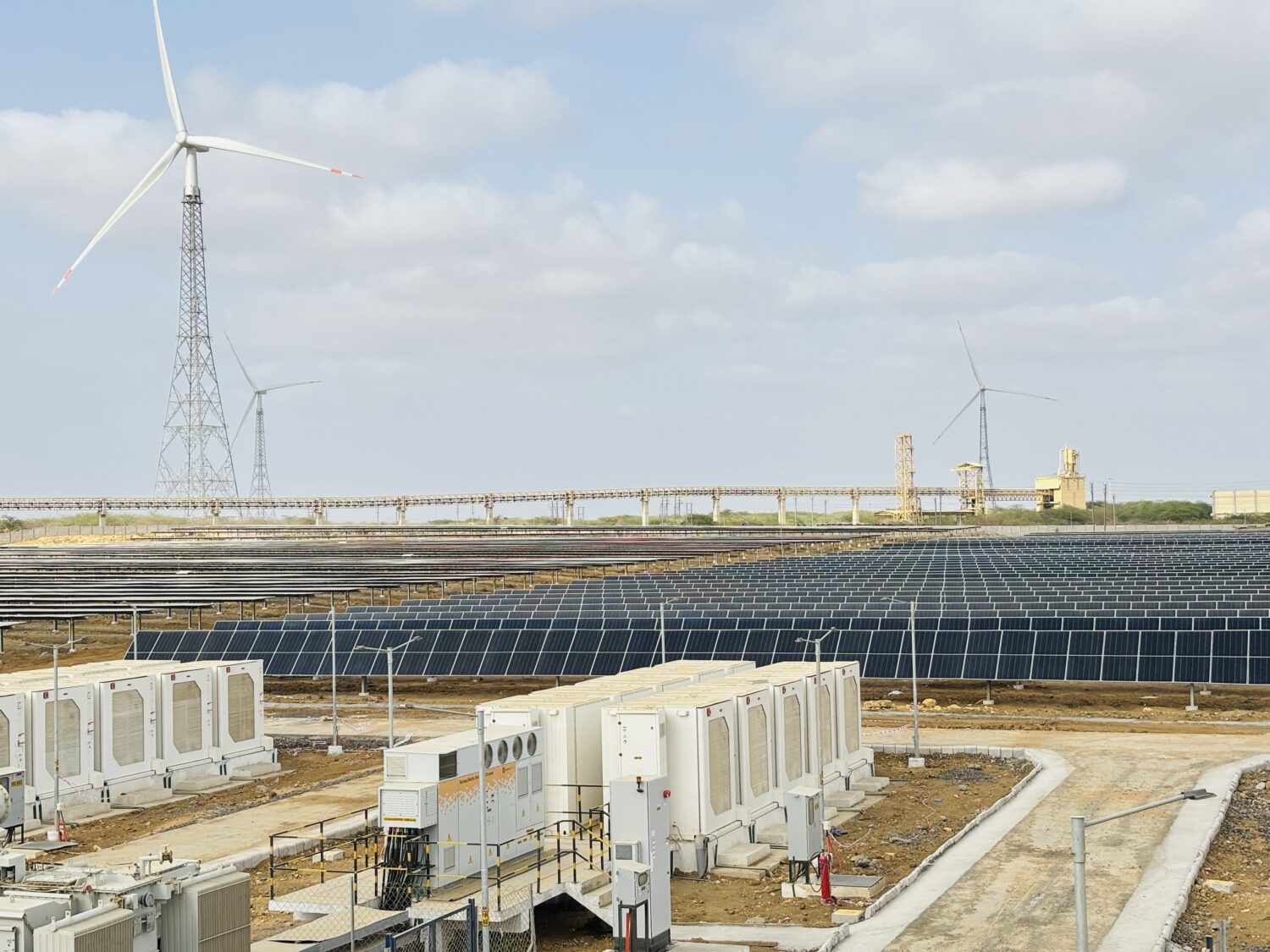
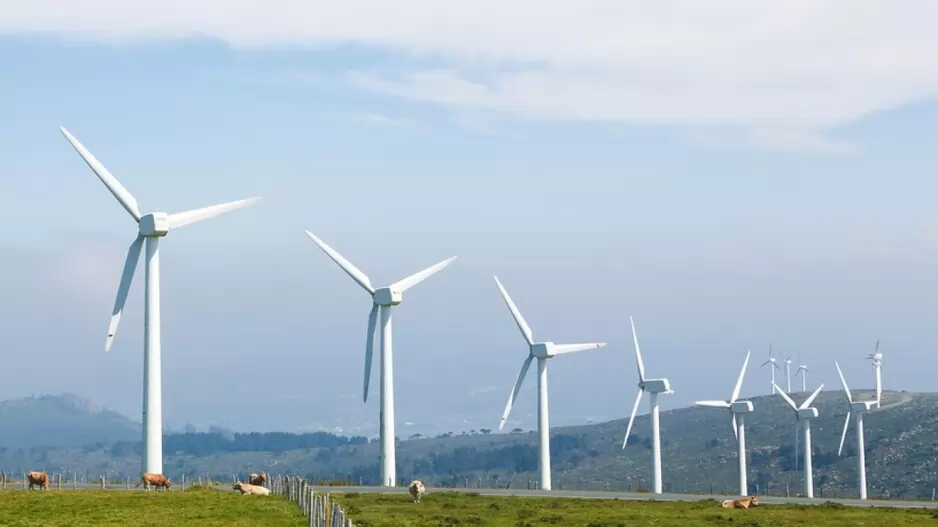
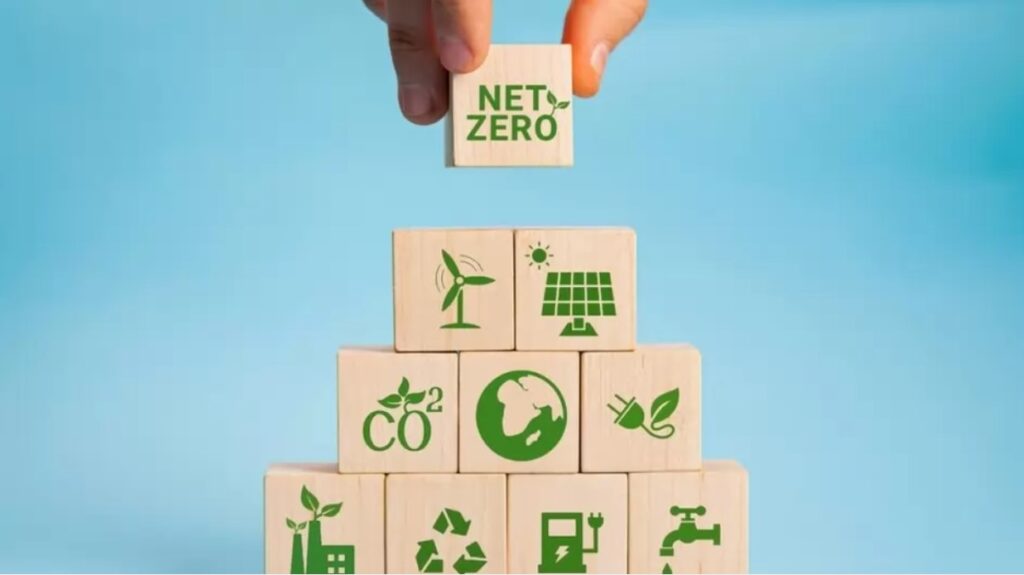
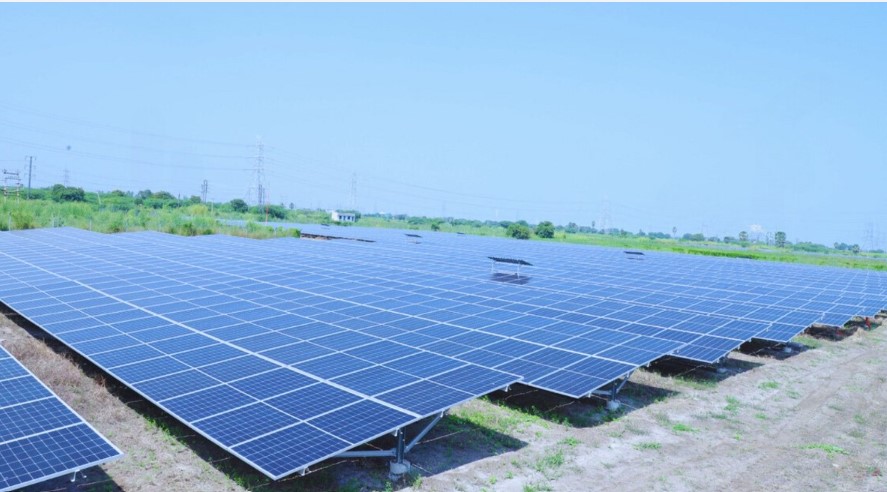
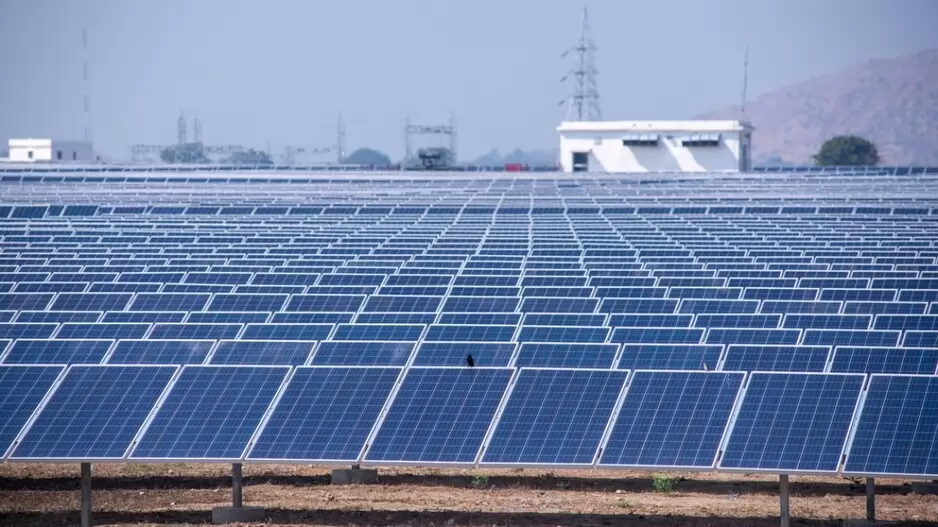
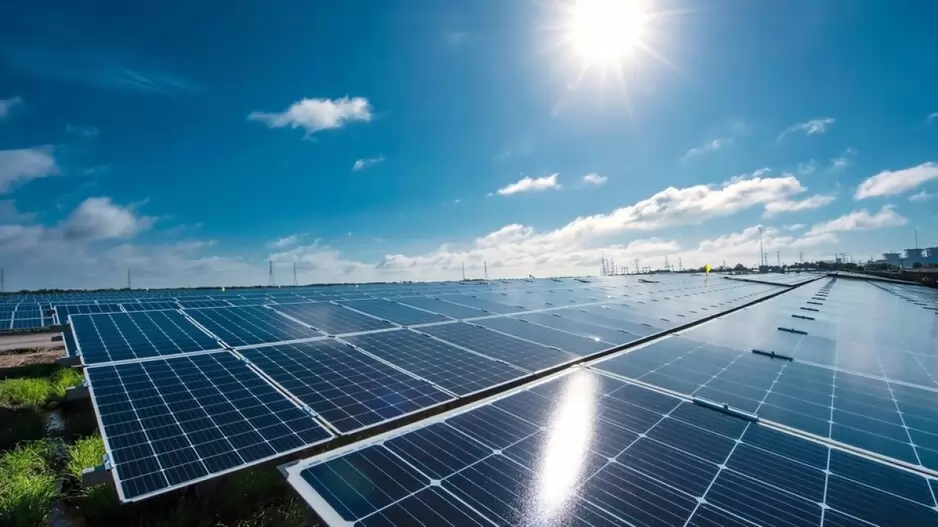
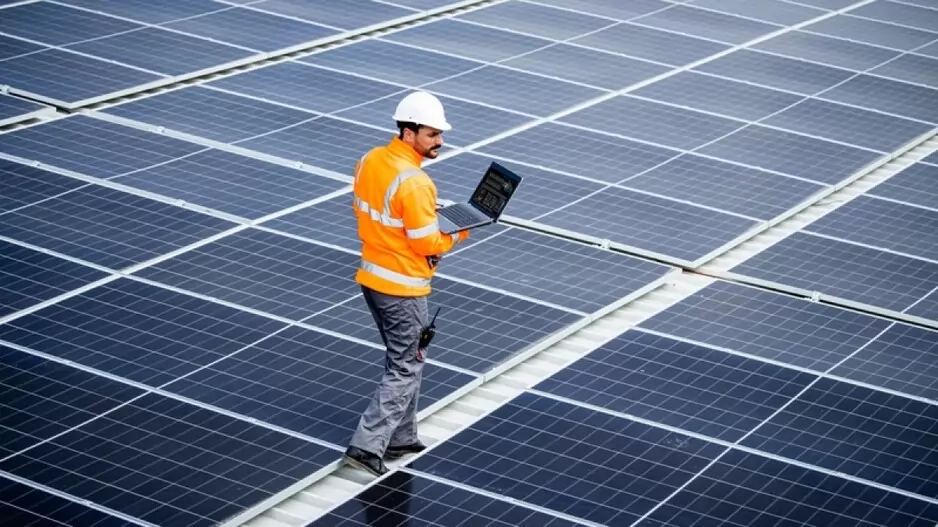
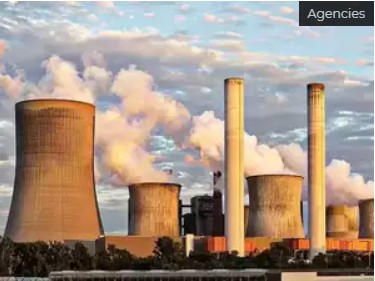
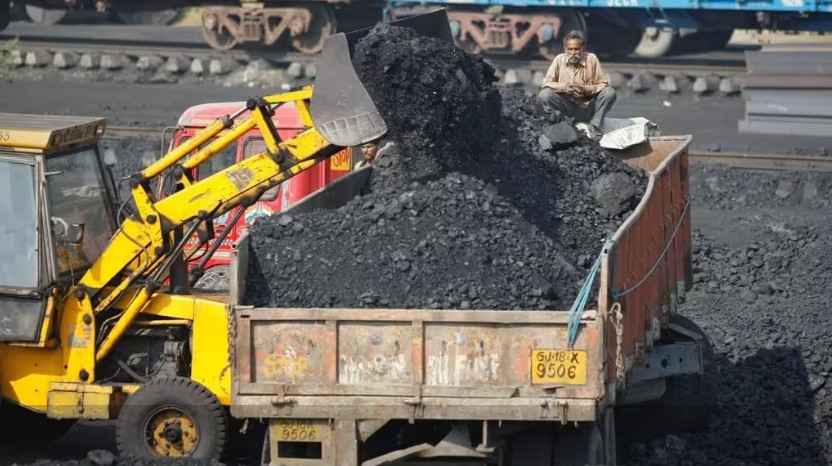
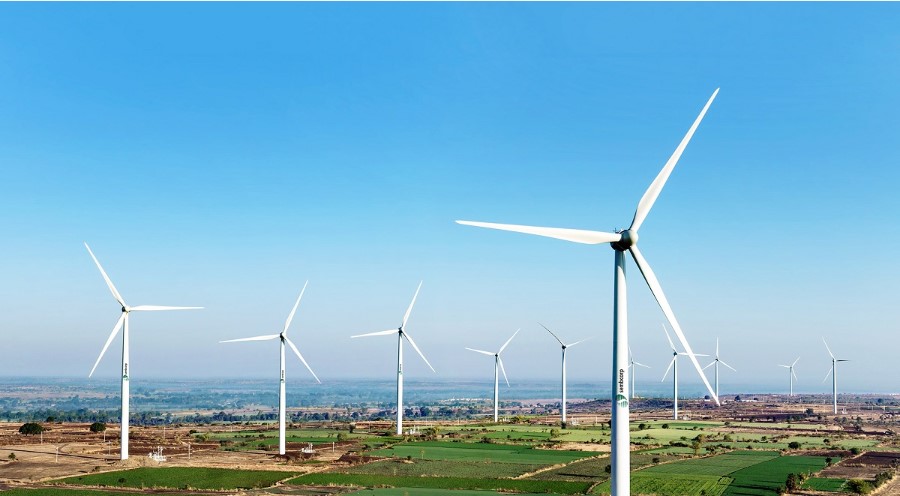
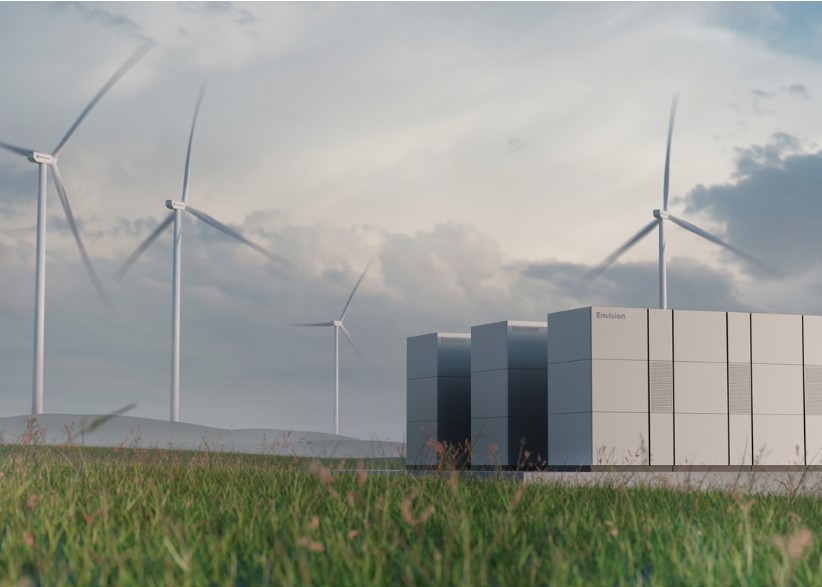
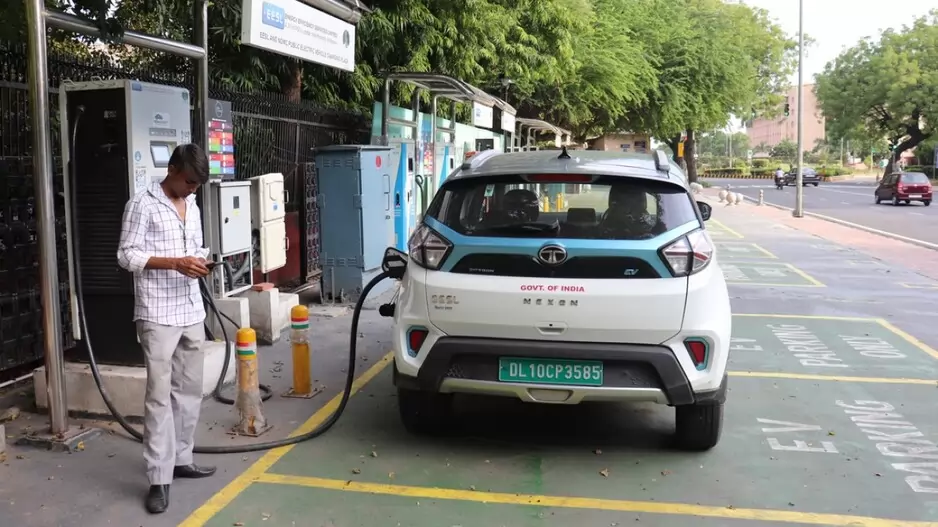
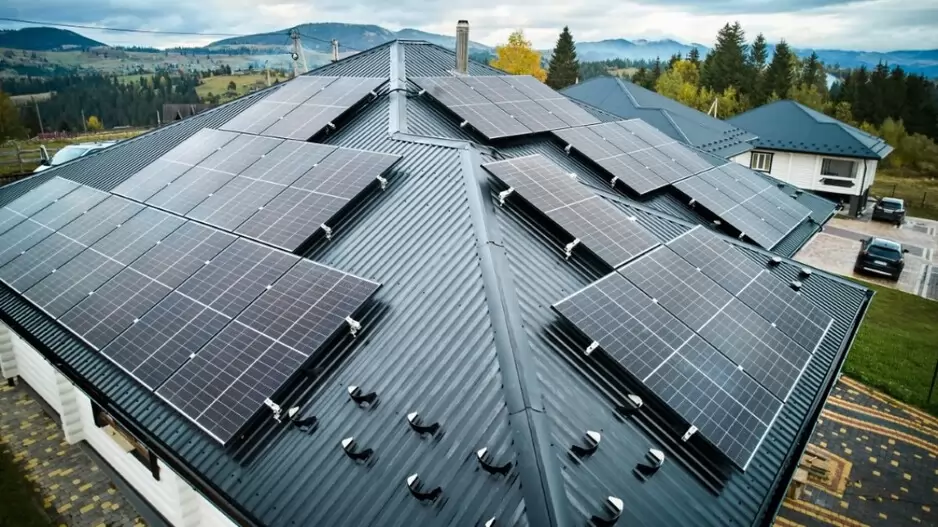
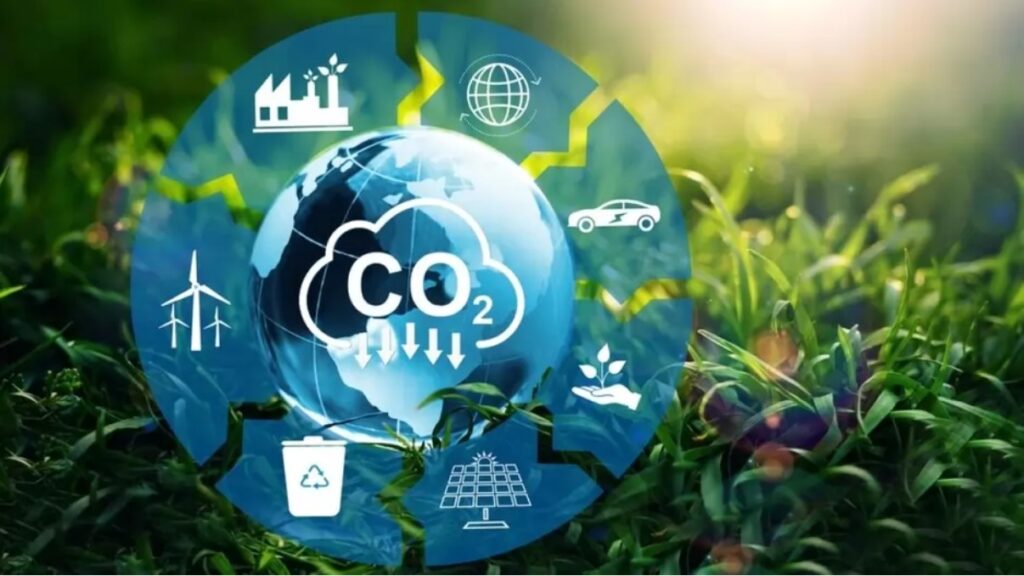
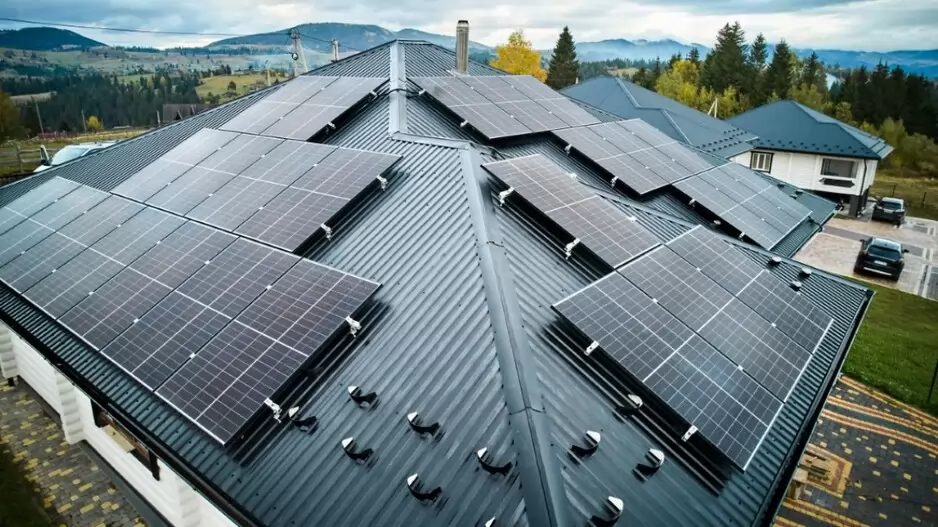
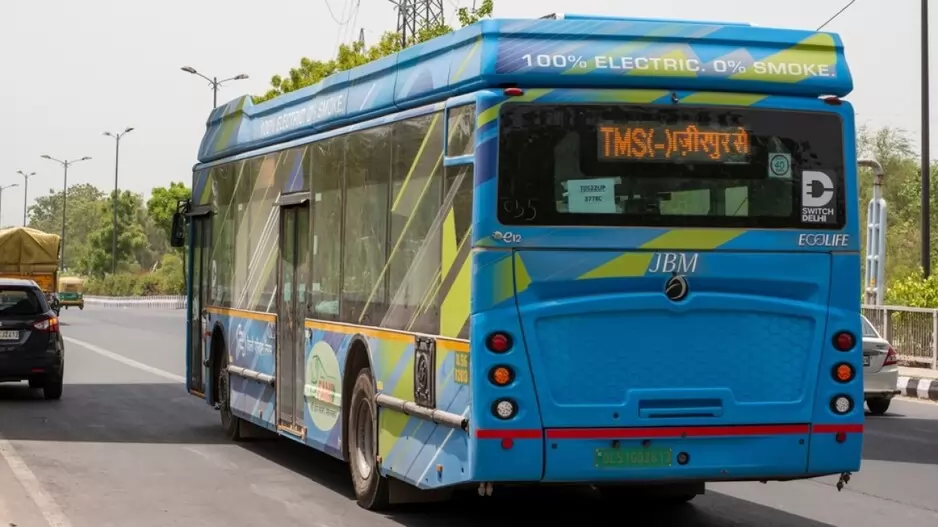
Decarbonisation will remain a defining priority, but the focus is shifting from ambition to credibility. Companies are increasingly recognising that targets must be backed by clear pathways—energy efficiency, renewable energy adoption, low-carbon fuels, and supplier engagement.
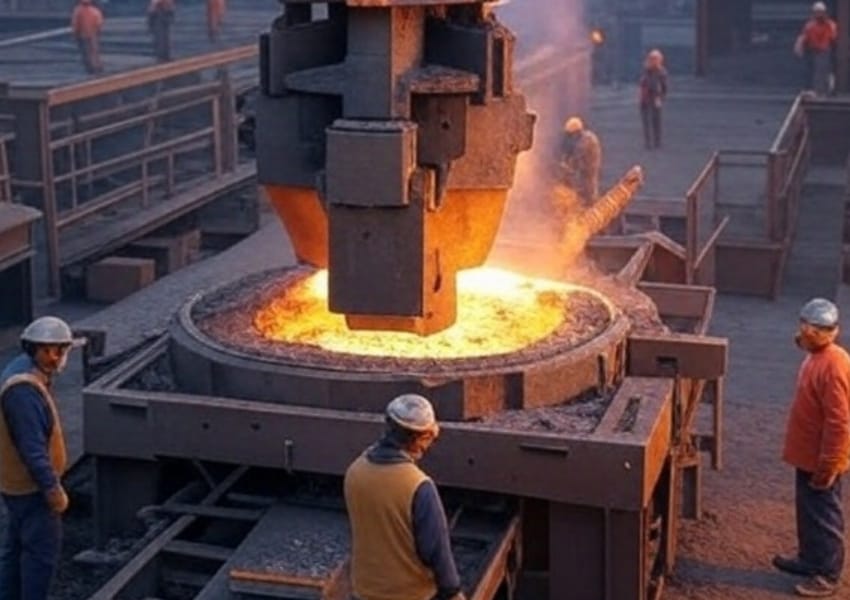
In sectors with complex and resource-intensive value chains, progress will depend on tackling Scope 3 emissions through better data, supplier partnerships, and design-led interventions. Going forward, internal carbon pricing, science-aligned targets, and technology-enabled emissions tracking are expected to move from pilots to mainstream business practice. Decarbonisation is not just an environmental imperative; it is a cost, risk, and competitiveness consideration.
Circularity As A Strategic Lever
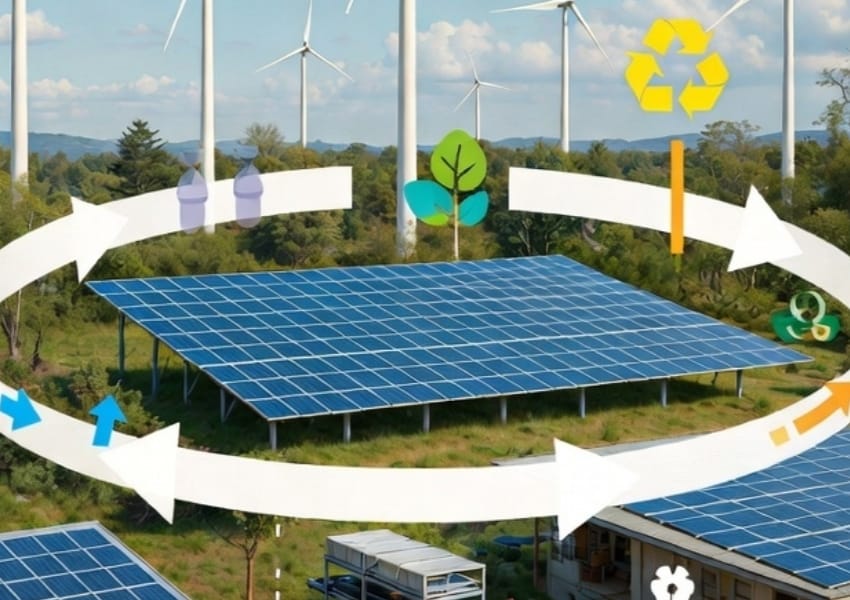
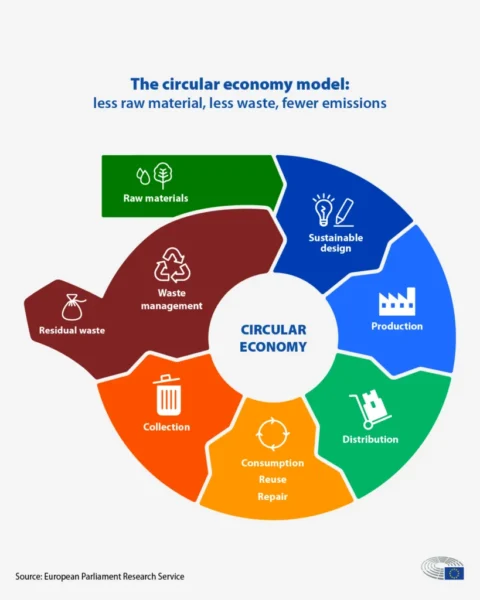
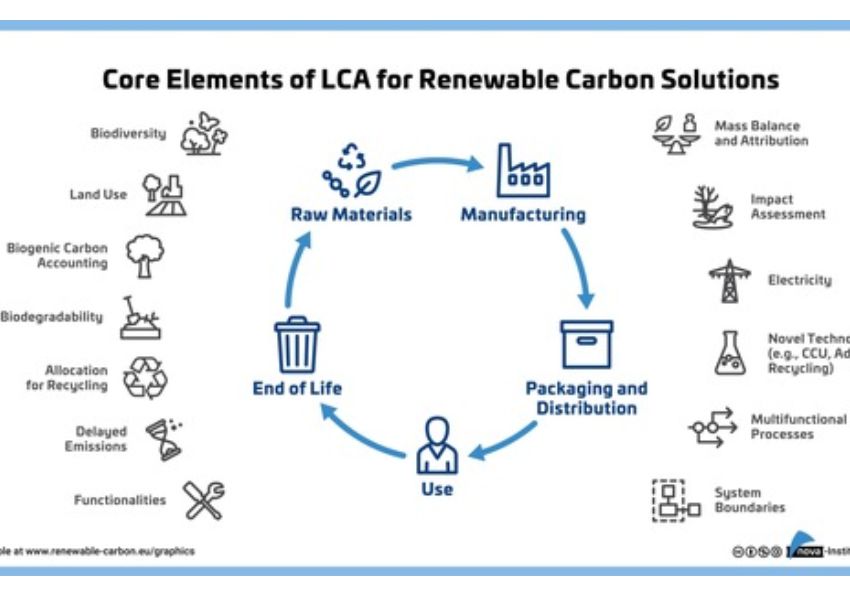
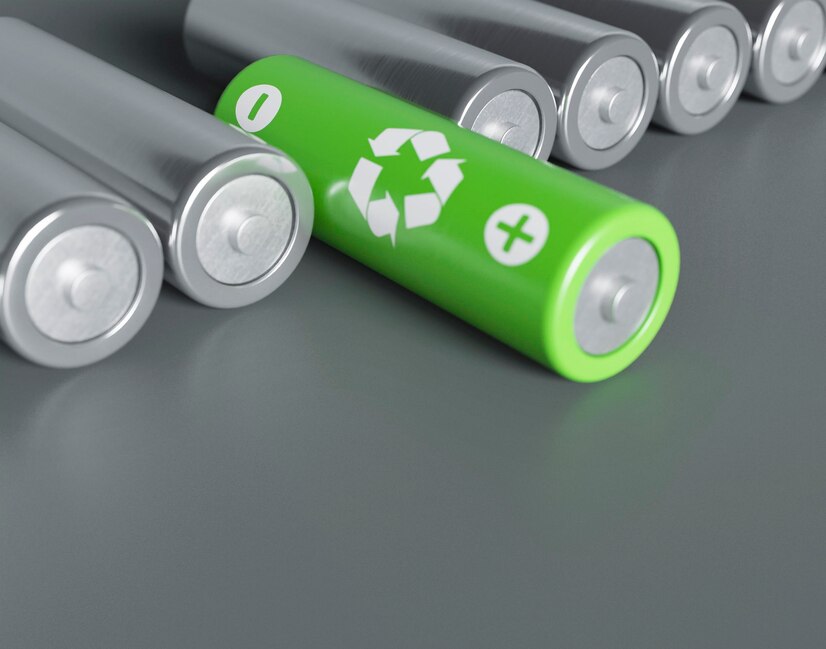
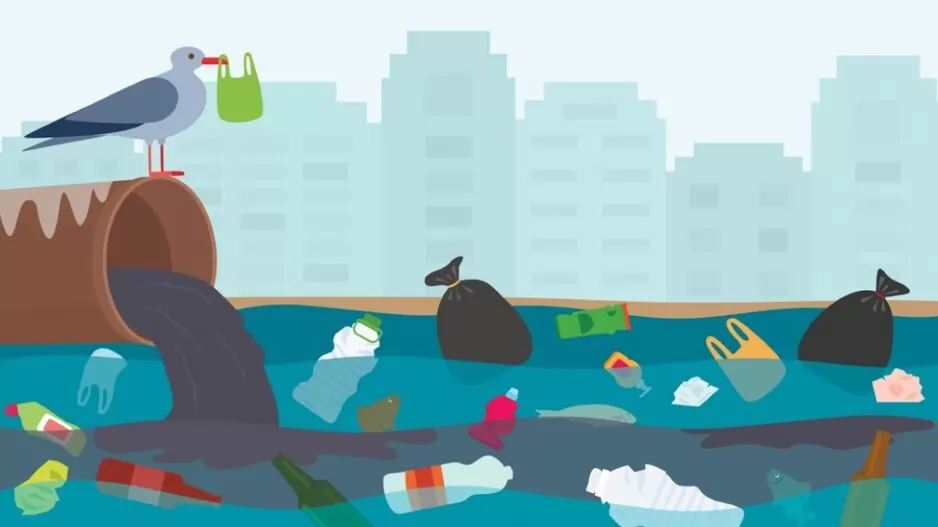
Circularity is emerging as a core business strategy rather than a standalone sustainability initiative. Resource volatility, supply disruptions, and evolving consumer expectations are pushing companies to move away from linear “take-make-dispose” models.
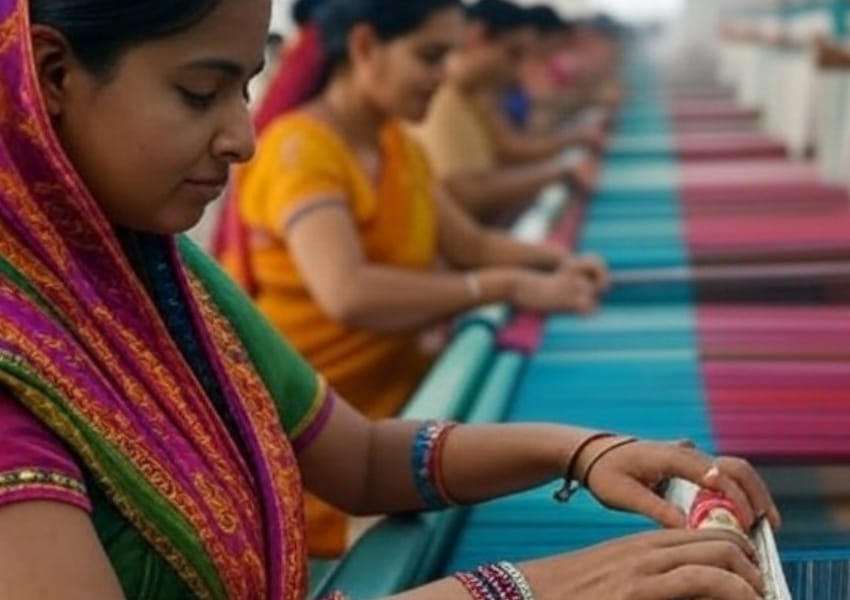
Leading companies are embedding circular design principles—preferred materials, waste reduction at source, product longevity, and end-of-life solutions—across their portfolios. Circularity is also driving innovation, influencing material choices, manufacturing processes, and cross-sector partnerships. For India, where consumption growth is set to accelerate, circularity offers a pathway to decouple growth from resource intensity.
The Next Phase of Disclosures: From Volume To Value
India’s sustainability reporting ecosystem has matured significantly, and the next phase will be defined by the quality and relevance of information rather than the volume of disclosures. Frameworks such as BRSR have laid a strong foundation; the focus now is on consistency, traceability, and linkage to business decisions.
Disclosures are increasingly functioning as management tools—informing strategy, prioritisation, and capital allocation. Double materiality assessments, transition planning, and outcome-oriented metrics will become central to how companies communicate performance and progress to investors and stakeholders.
Technology will play a critical role in enabling traceability, data integrity, and assurance across complex value chains.
Integration And Leadership Accountability
Perhaps the most important shift we are witnessing is the integration of sustainability into core business functions. Sustainability is no longer owned by one team; it is embedded across finance, procurement, design, operations, and governance.
Boards and senior leadership are increasingly engaged, with clearer accountability for outcomes rather than intent. For sustainability leaders, this integration is critical to ensuring that environmental and social considerations are embedded into everyday decision-making.
Looking Ahead
As India advances towards its national climate and development goals, the role of the private sector will be pivotal. Corporate sustainability in India will be defined not by intent but by impact—measured through credible decarbonisation, resilient value chains, and inclusive growth.
For Indian businesses, the question is no longer whether to act, but how quickly and effectively we move faster, act collaboratively, and embed sustainability at the core of the business. Those who lead this transition will not only future-proof their organisations, but also help shape a more resilient and responsible Indian economy.
Disclaimer: The views expressed in this article are those of the author and do not necessarily reflect the views of the publication.