








































































































































































































































































































































































































































































































































































































































































































































































































































Delhi Govt Backs Private EVs As Shared Taxis To Cut Emissions, Boost Mobility


Policy move seeks to open private EVs for shared mobility, with aggregators committing to early rollout and the government promising regulatory changes to tackle pollution and expand safe, affordable transport options
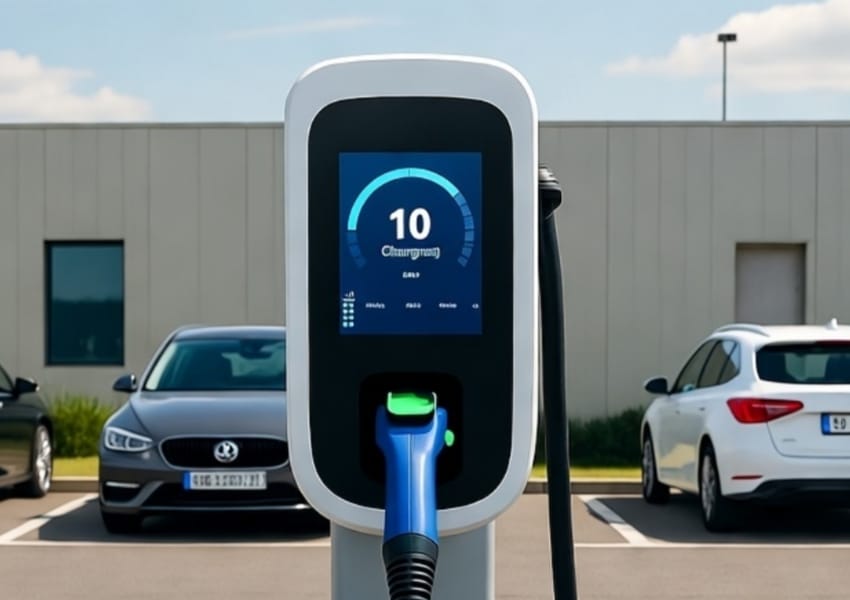
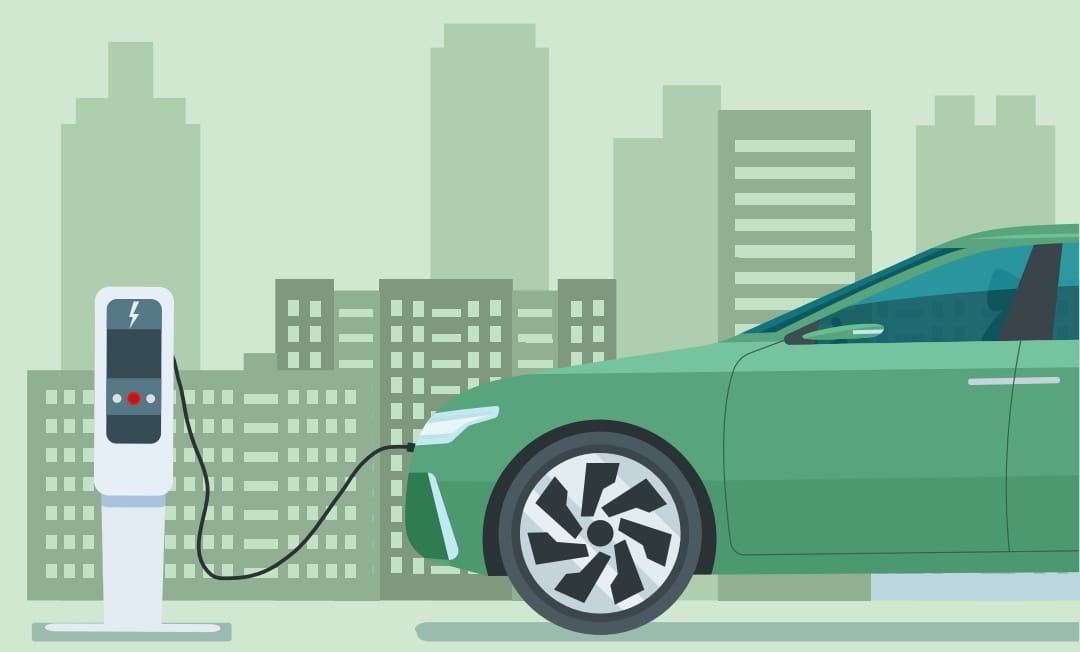
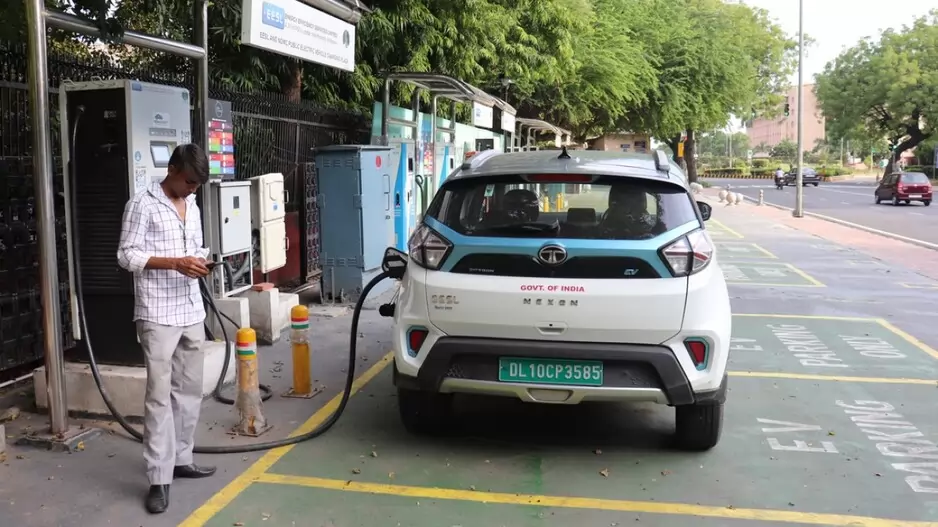
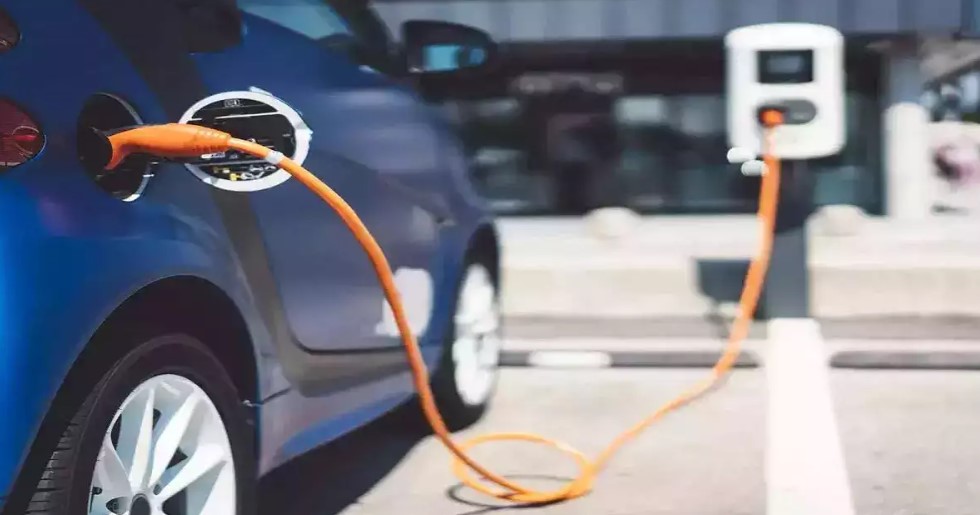
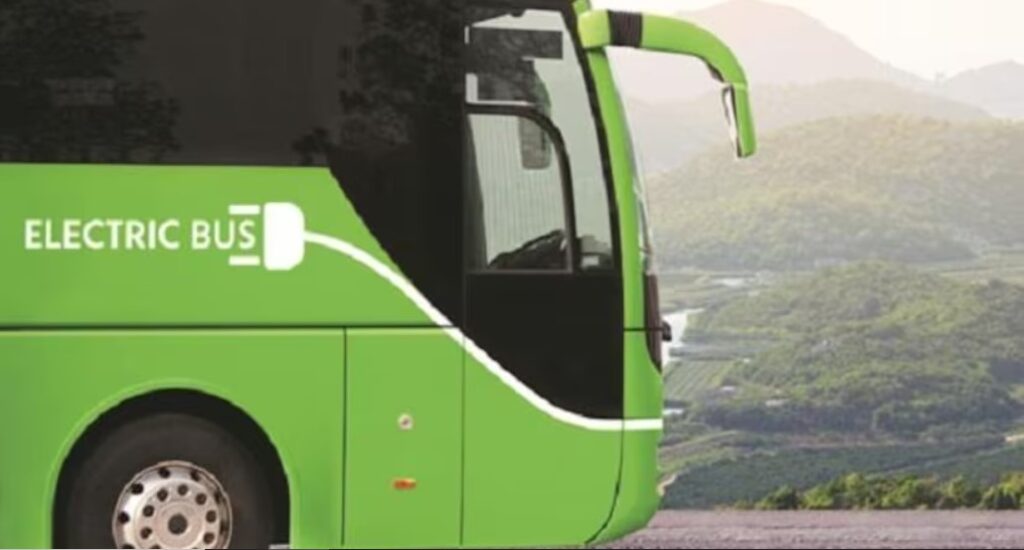
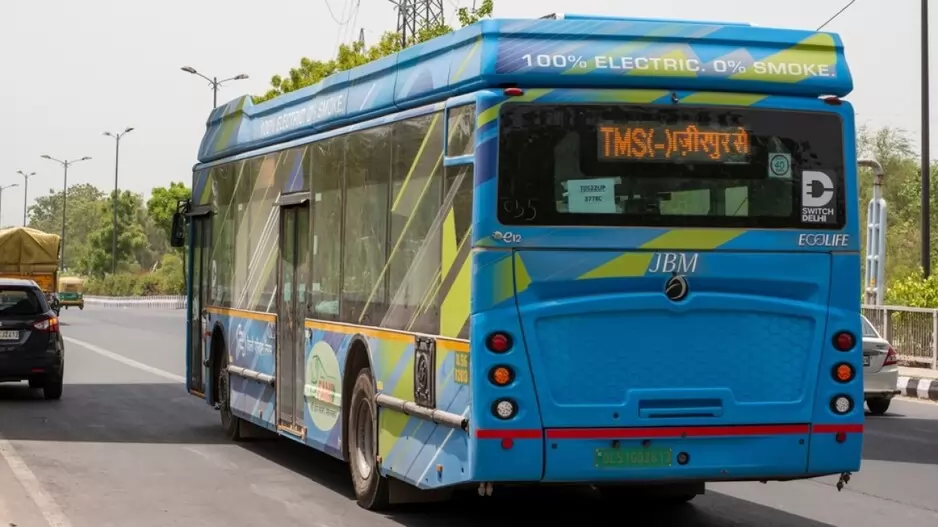
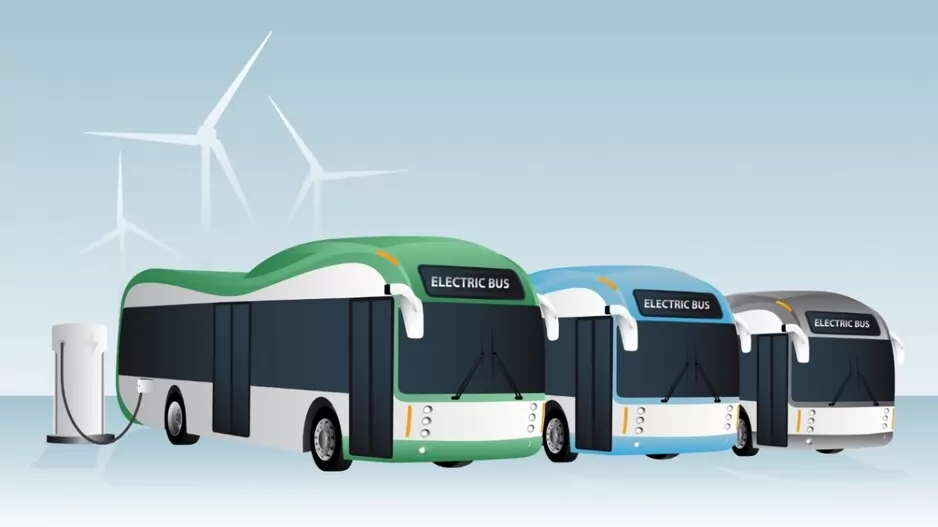
The Delhi government has agreed in principle to allow privately owned electric vehicles to operate as shared taxis, signalling a policy shift aimed at reducing vehicular emissions, improving air quality and expanding urban mobility options.
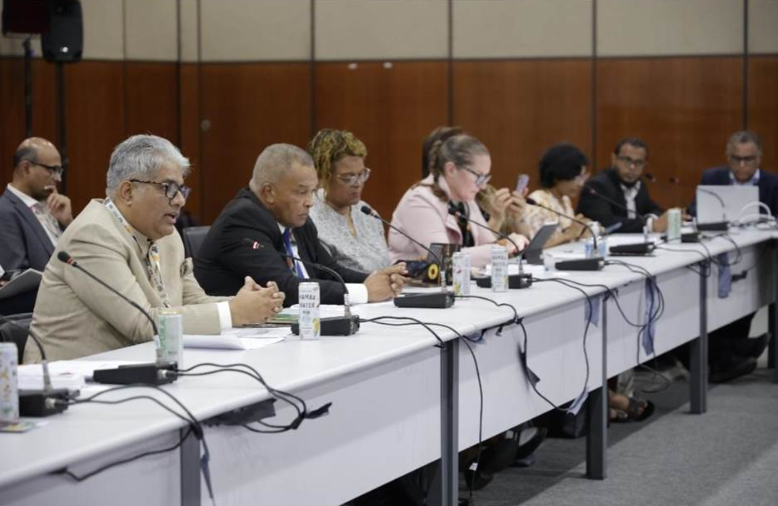
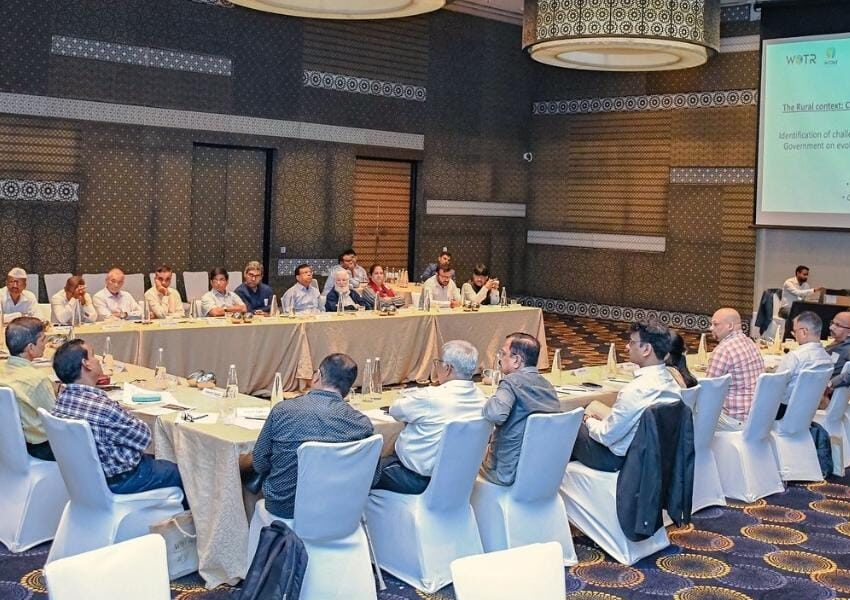
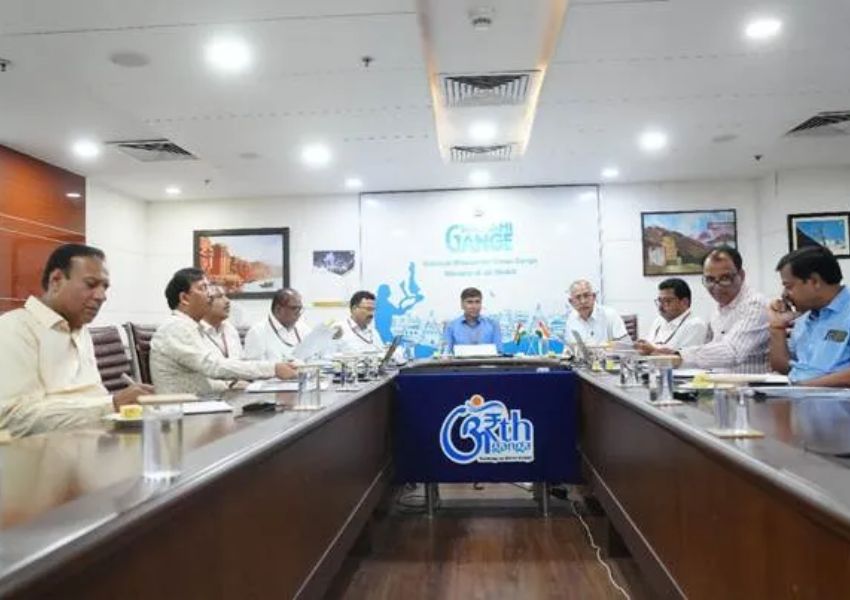
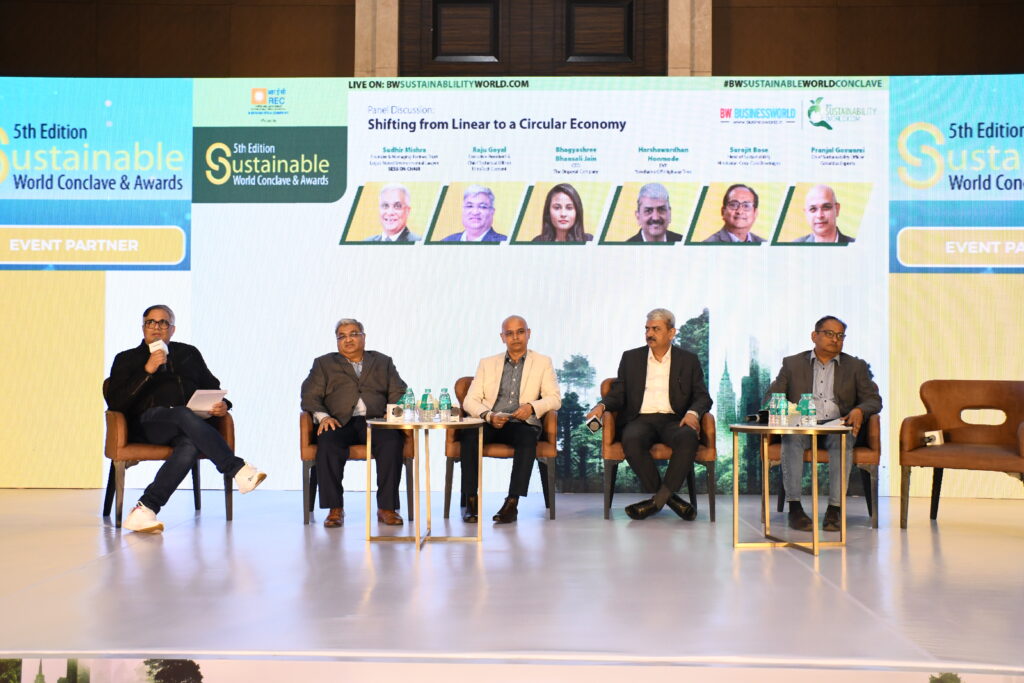
The decision was discussed at a meeting chaired by Delhi Chief Minister Rekha Gupta, which was attended by representatives from automobile manufacturers and ride-hailing aggregators including Ola, Uber and Rapido. According to officials, the move is expected to accelerate the adoption of cleaner transport while offering commuters more affordable and flexible travel choices.
Gupta said pollution from the transport sector remains a major concern for the capital and underlined the need to reduce the number of vehicles on the road. She noted that the government is promoting electric vehicles, shared mobility models, e-rickshaws, shuttle services and women-friendly taxi services as part of a broader strategy to address air quality challenges.
The chief minister said providing safe, affordable and environmentally friendly transport will remain a priority of the administration. She added that sustained pollution control would be possible only through a shift towards shared and electric mobility, with active participation from transport and mobility companies.
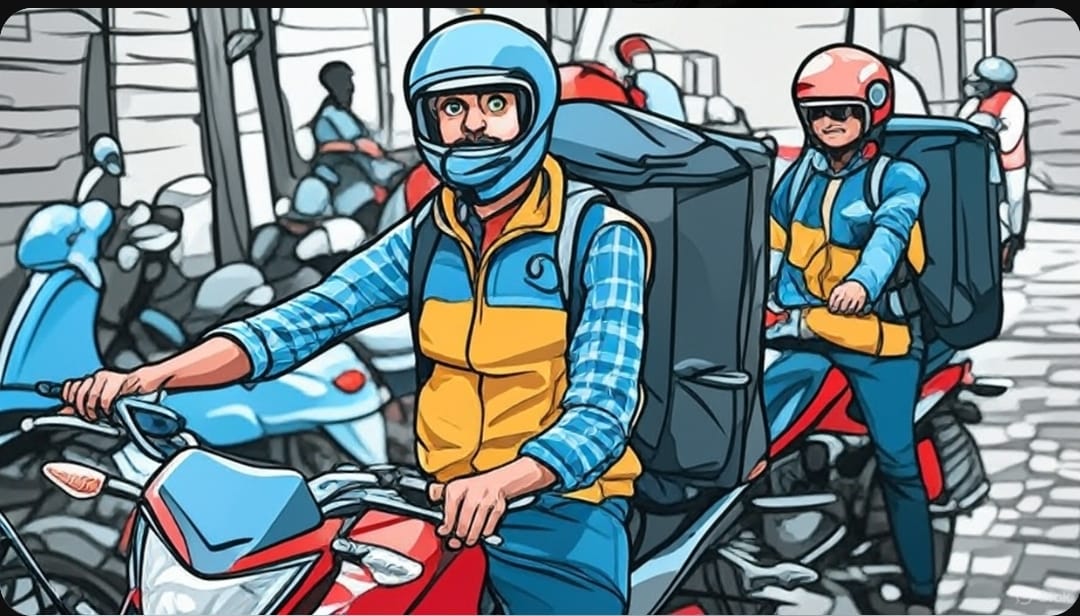
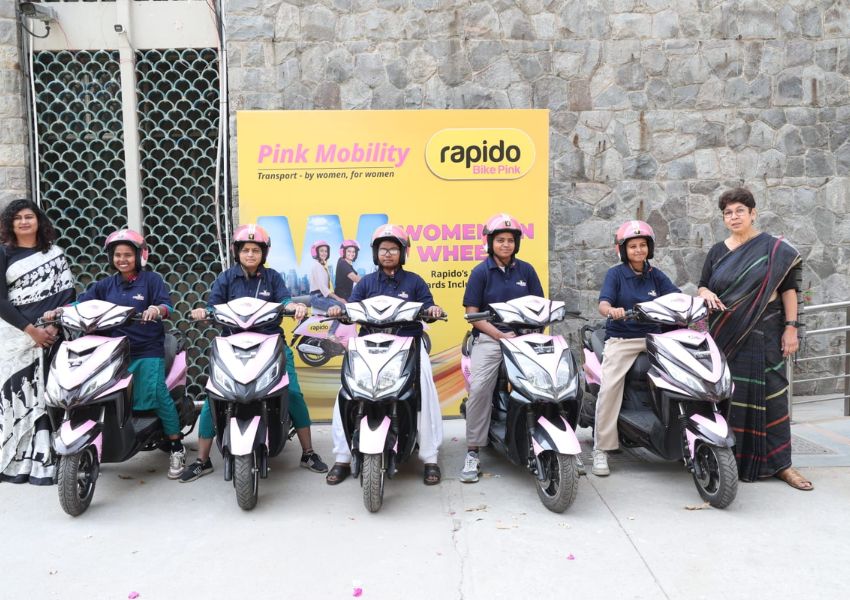
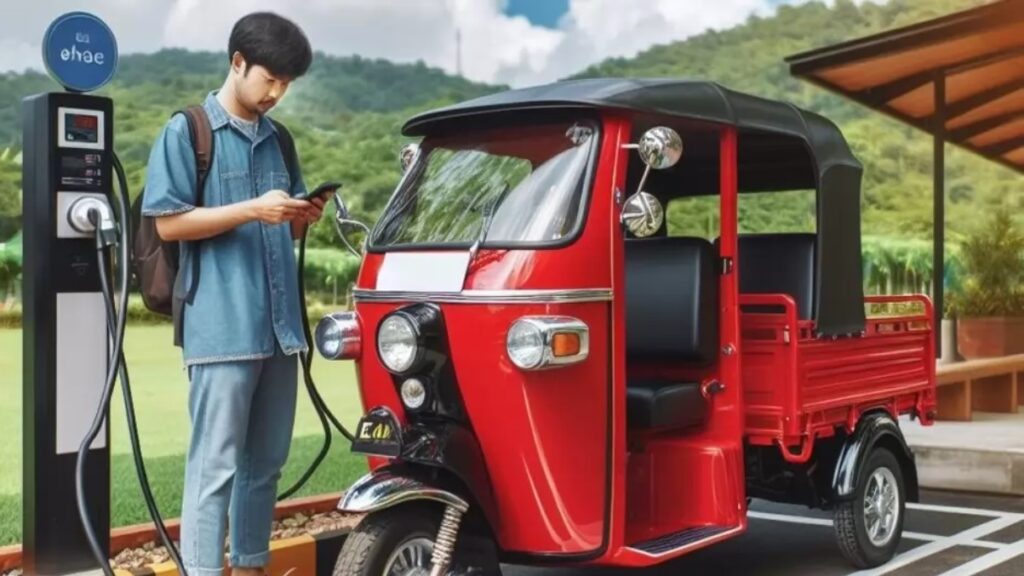
Automobile manufacturers present at the meeting called for a people-centric electric vehicle policy and wider deployment of EVs, saying this was essential for long-term environmental improvement. Aggregator companies, for their part, agreed to introduce shared taxi services, including those operated by women drivers, within one month. They also expressed readiness to onboard privately owned EVs and BS-VI vehicles, subject to changes in existing regulations.
Gupta assured stakeholders that the government would carry out the required regulatory amendments, while emphasising that passenger safety norms must be strictly followed. She encouraged companies to integrate e-rickshaws, explore shuttle services on key routes and undertake pilot projects to test operational feasibility.
The government’s intent was later confirmed through an official statement, which said relevant rules would be amended and mechanisms put in place to address industry concerns. Gupta also asked companies to submit phased rollout plans and pricing strategies to ensure wider public adoption of EV-based shared mobility services.