































































































































































































































































































































































































































































































































































































































































































































































































































































































































From Degradation To Regeneration: How Soil Health Centric Farming Can Transform Rural Economies


Healthy soil drives rural livelihoods, stabilises yields and builds resilience to climate stress. Regenerative farming and community stewardship can restore degraded land, strengthen local economies and secure long-term prosperity for smallholder farmers across India
Byline: Chandrakant Kumbhani, Chief Operating Officer – Community Development, Ambuja Foundation
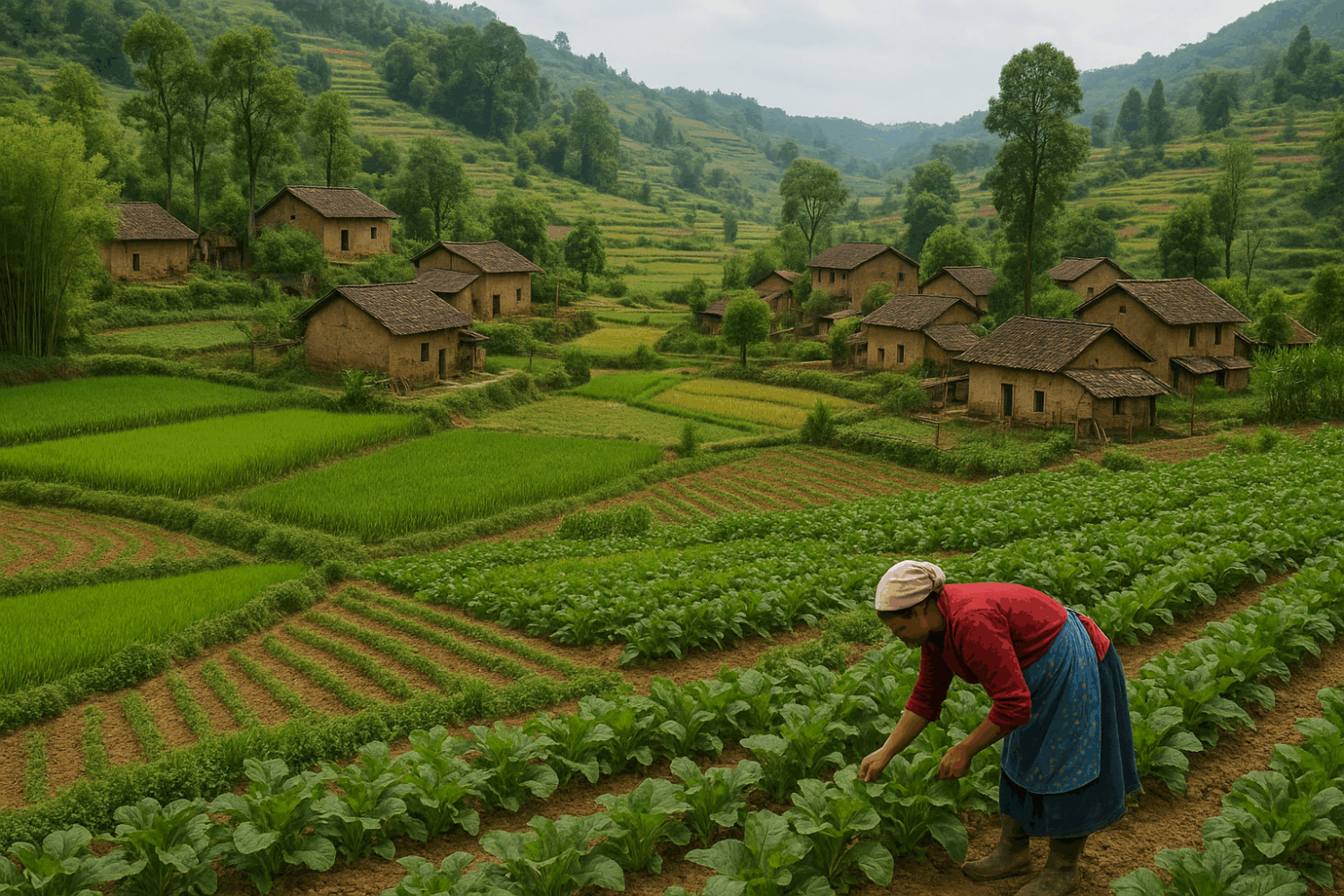
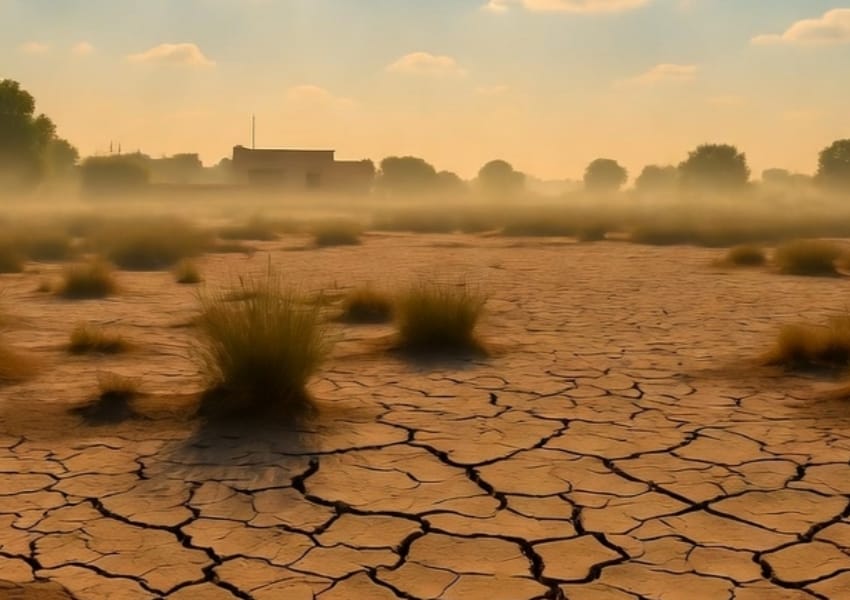
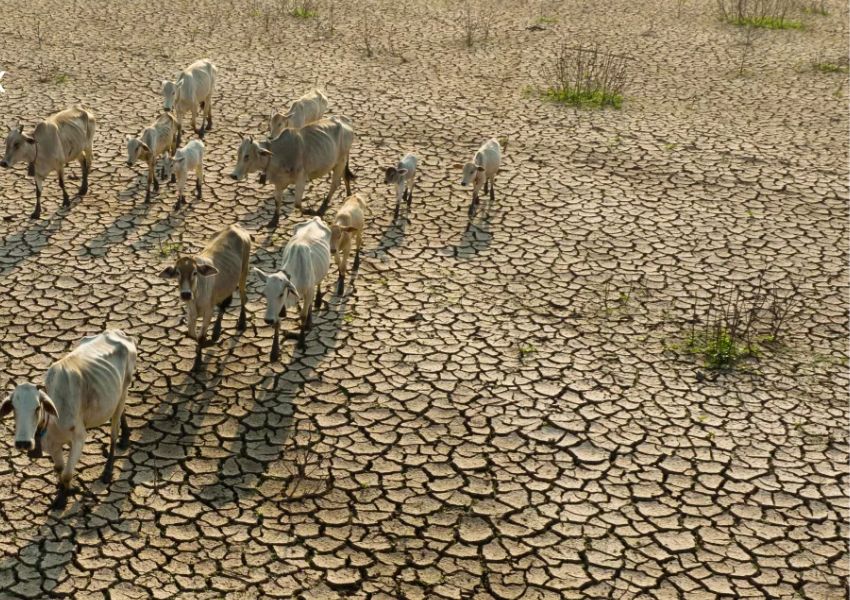
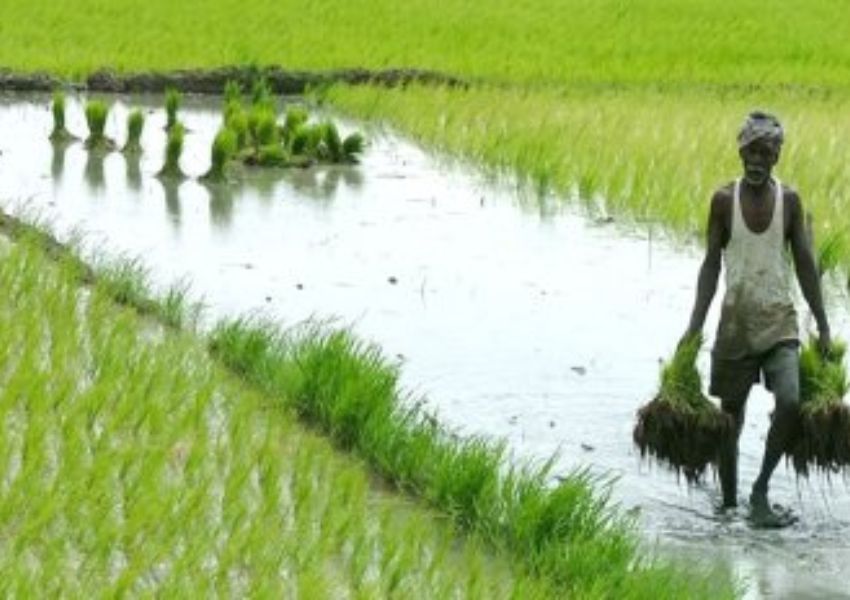
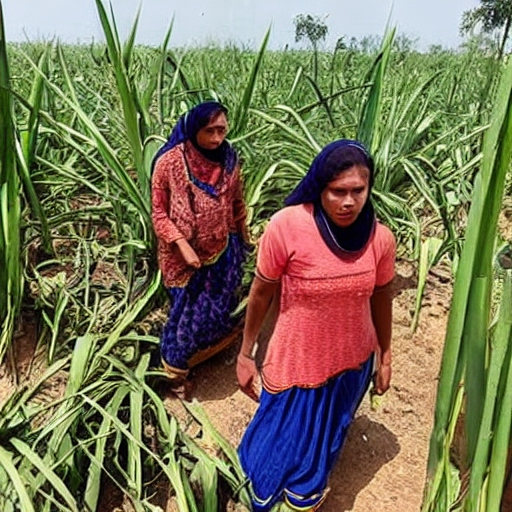
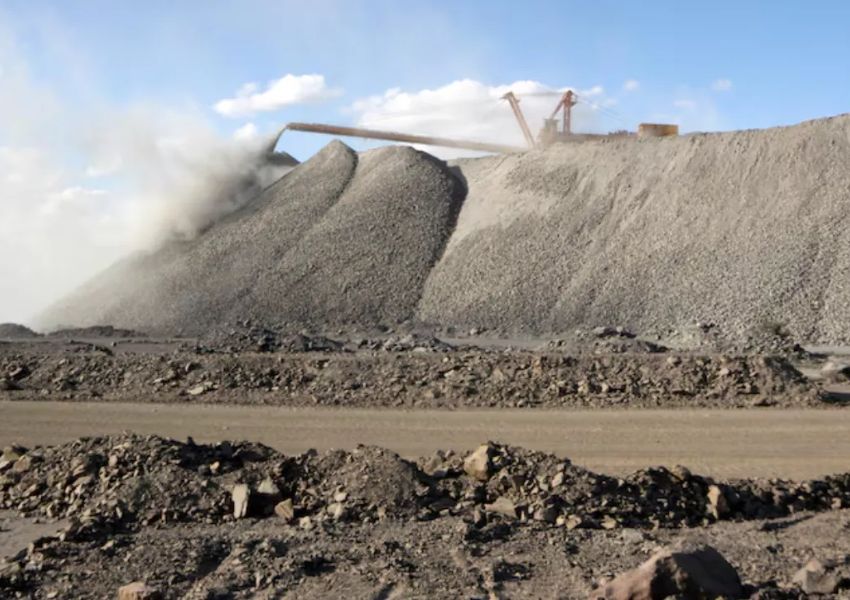
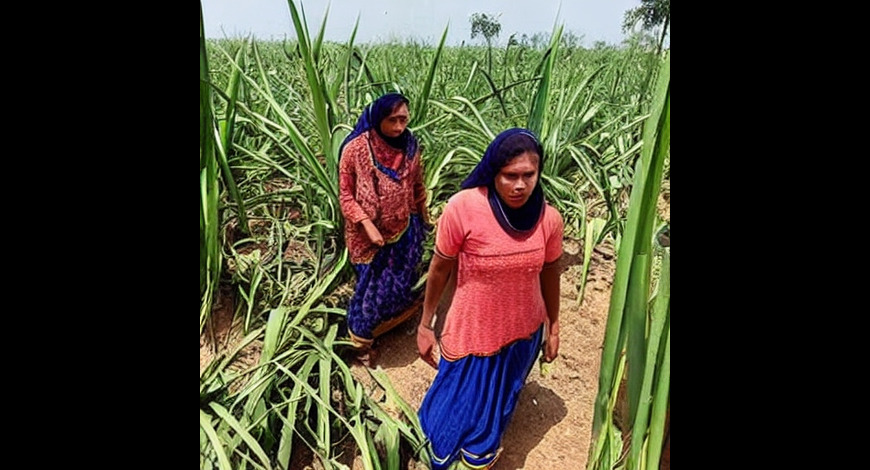
Beneath every farm in rural India lies the most critical and most vulnerable asset of all: soil. For millions of smallholder farmers, it is their foundation of livelihood security, a living legacy passed down through generations. But soils once rich and resilient now struggle under the strain of intensive agriculture, declining organic matter and accelerating climate stresses. The question before us is no longer whether soil must be restored, but how urgently we can act to regenerate it.
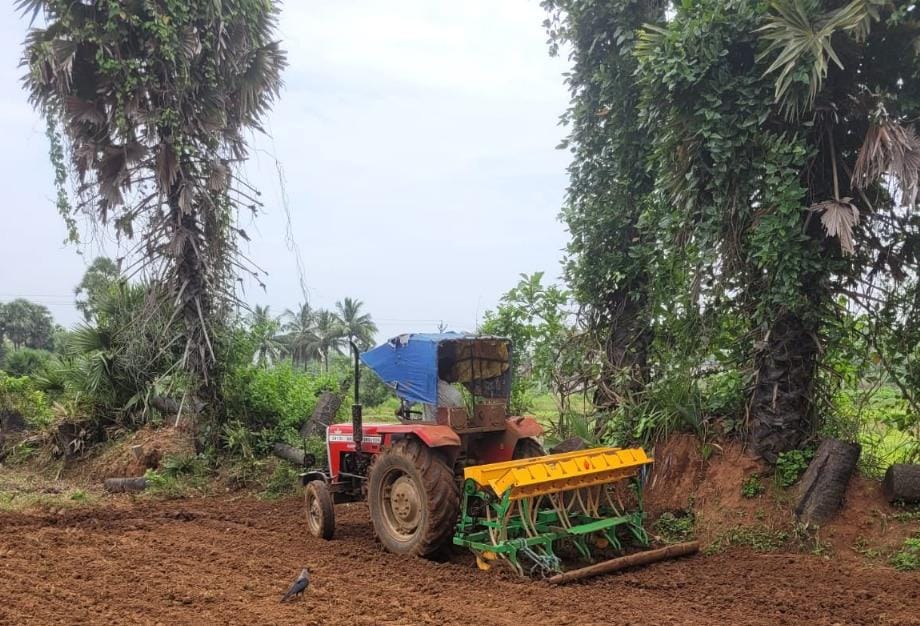
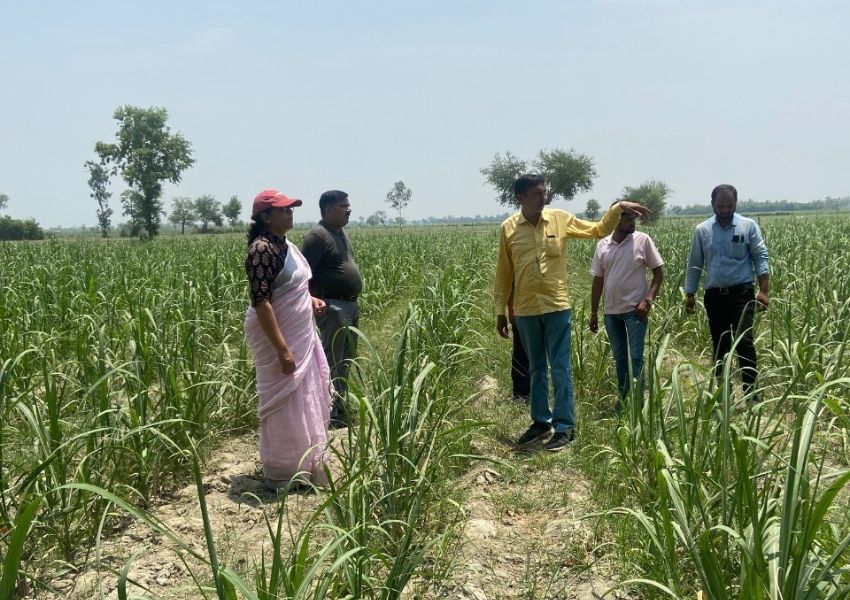
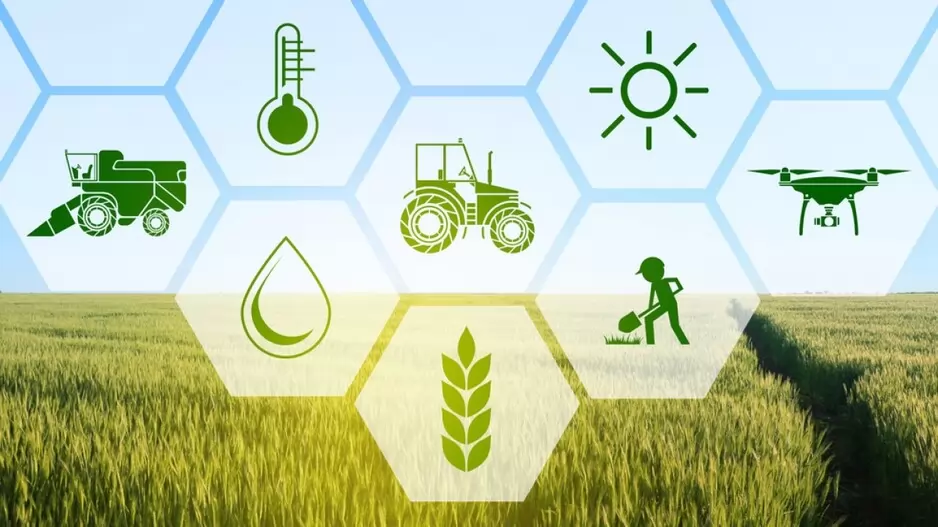
Healthy soil is the backbone of sustainable rural economies. When soil retains moisture, hosts rich microbial life and is nourished through organic matter, it supports more than crops, it supports entire ecosystems, increases water infiltration, enhances fertility and steadily raises yields. In regions where farmers adopt practices such as reduced tillage, intercropping, green manuring, composting and mulching, the effects are profound: farms become more resilient to drought, crop cycles stabilise and household incomes strengthen. In short, when the soil thrives, rural prosperity follows.
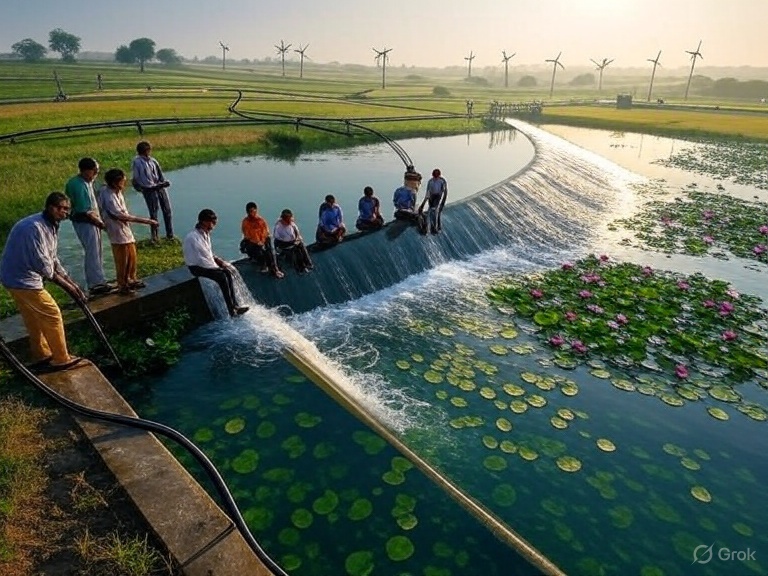
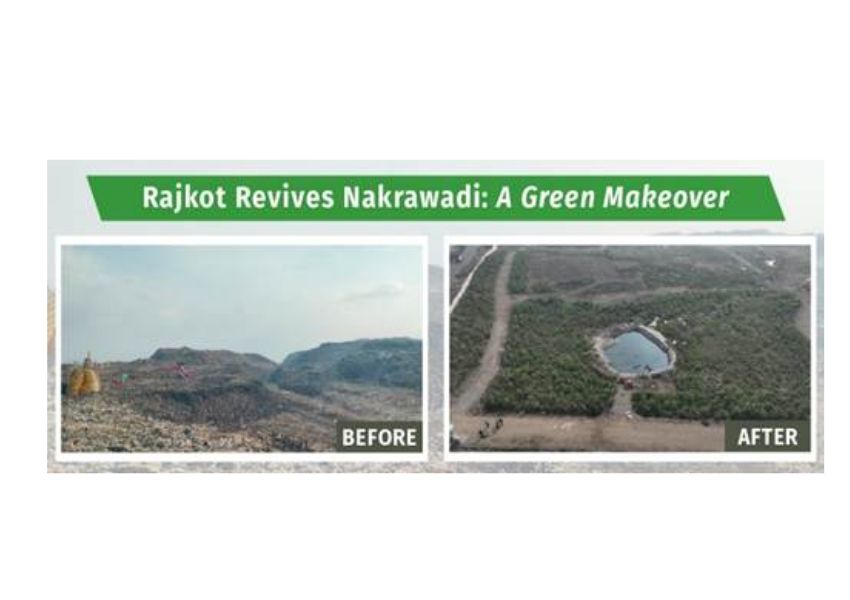
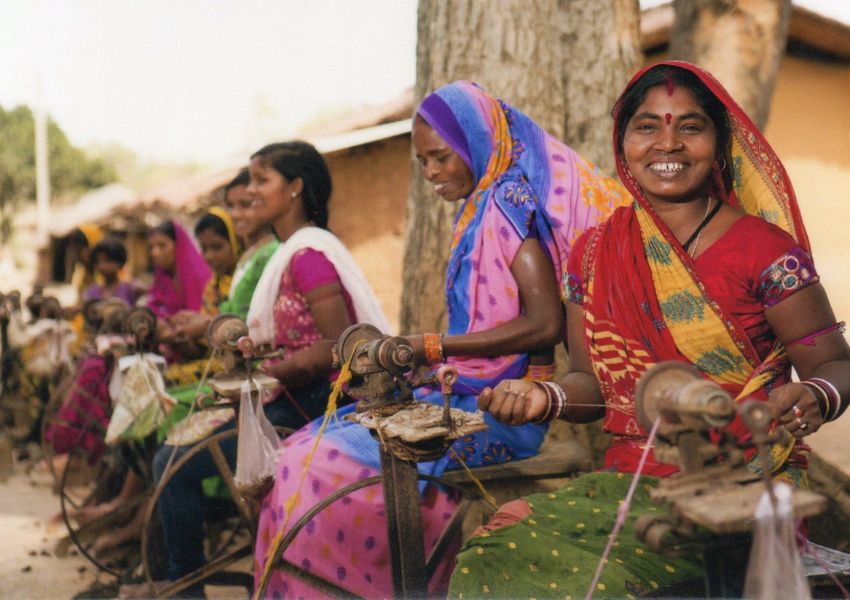
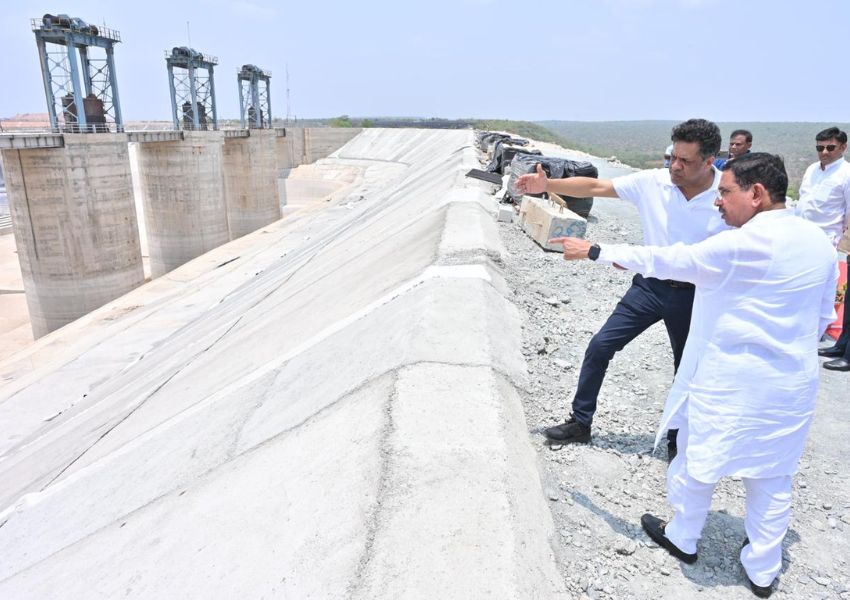
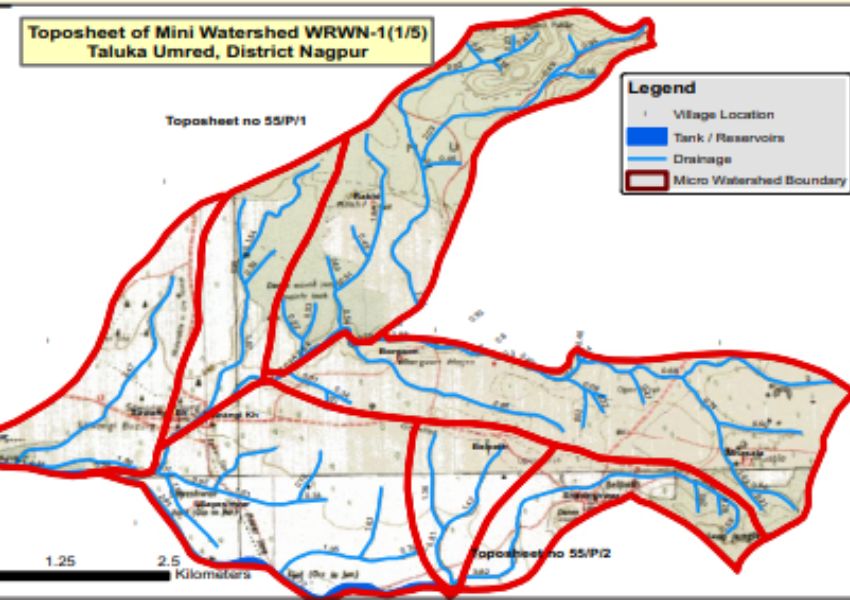
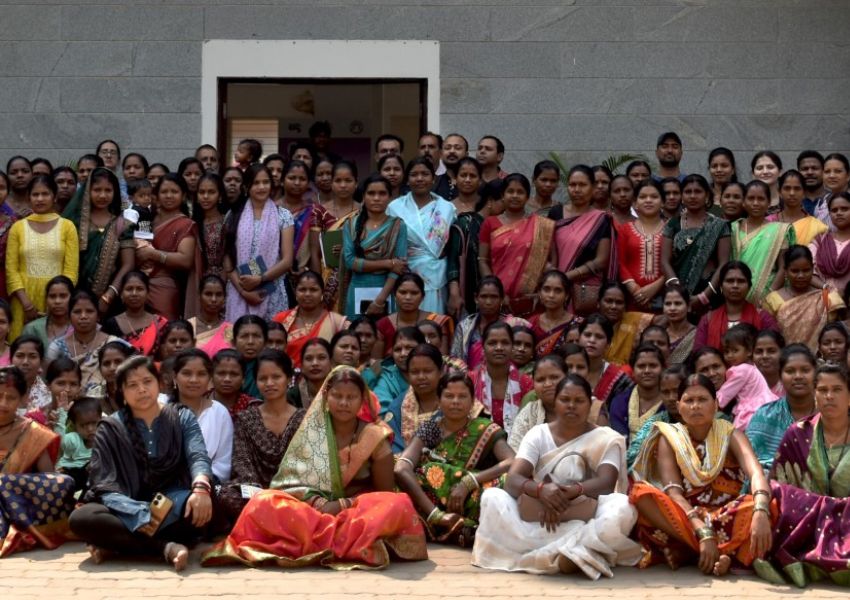
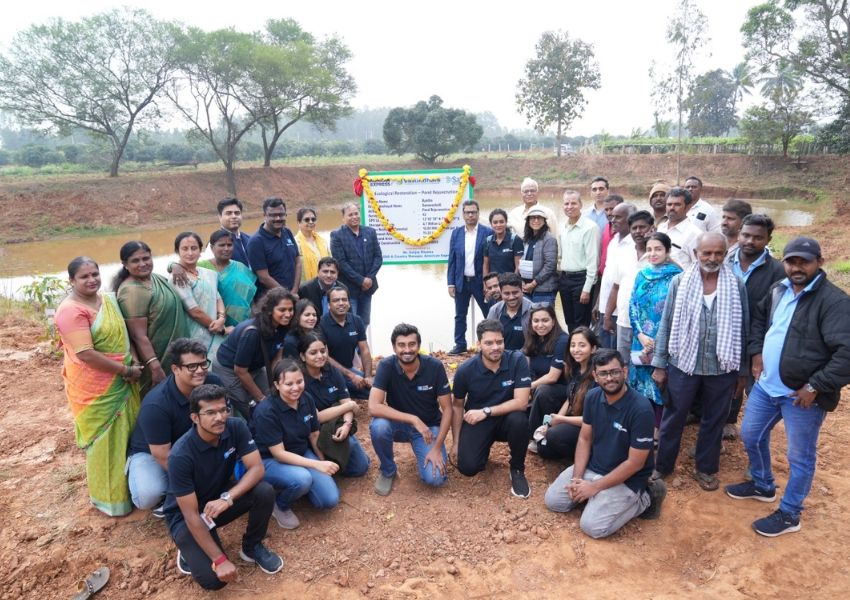
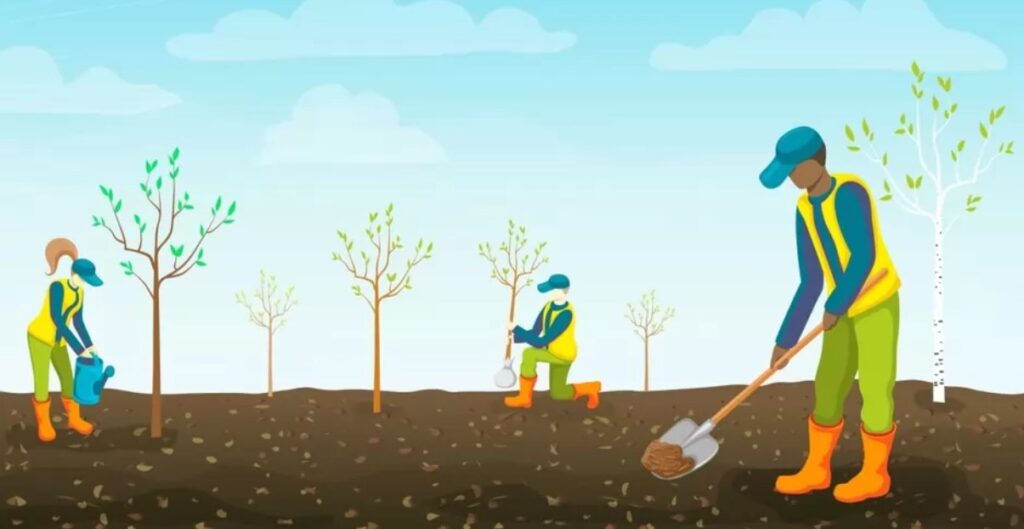
Community institutions play a vital role in restoring this foundation. Watershed committees, farmer groups and farmer producer organisations (FPOs) are increasingly becoming the custodians of local soil and water resources. These bodies are uniquely positioned to plan and implement soil and water conservation activities collectively, including contour trenches, check dams, field bunding, farm ponds and restoration of degraded commons. When local people set the agenda, the result is not just better managed land, but stronger governance systems that ensure benefits endure long beyond the project cycle.
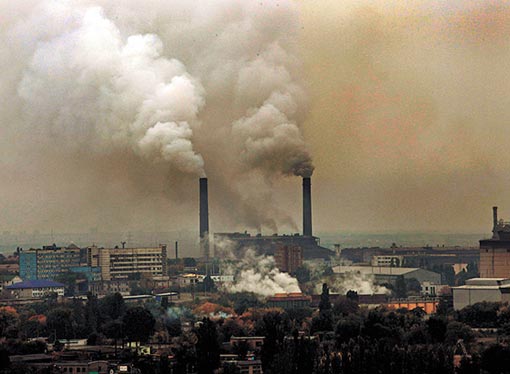
But as climate-induced stress intensifies, sustainable soil management is no longer optional, it is essential. Without regenerative practices that rebuild organic matter and strengthen soil-water relationships, farmers risk losing both productivity and livelihoods. Farming which regenerates soil, built on ecological principles rather than extractive methods, is one of the most effective climate adaptation strategies available to rural India.
Yet farmers face multiple challenges on this journey. Many have become disconnected from the traditional knowledge once passed down through generations. They lack the knowledge and wherewithal required to make this important shift. They require access to extension services, quality bio-inputs, credit for soil-improving investments or markets that reward sustainable produce. As agribusiness increasingly seeks climate-resilient supply chains, integrating soil regeneration into agricultural markets is both a necessity and an opportunity.
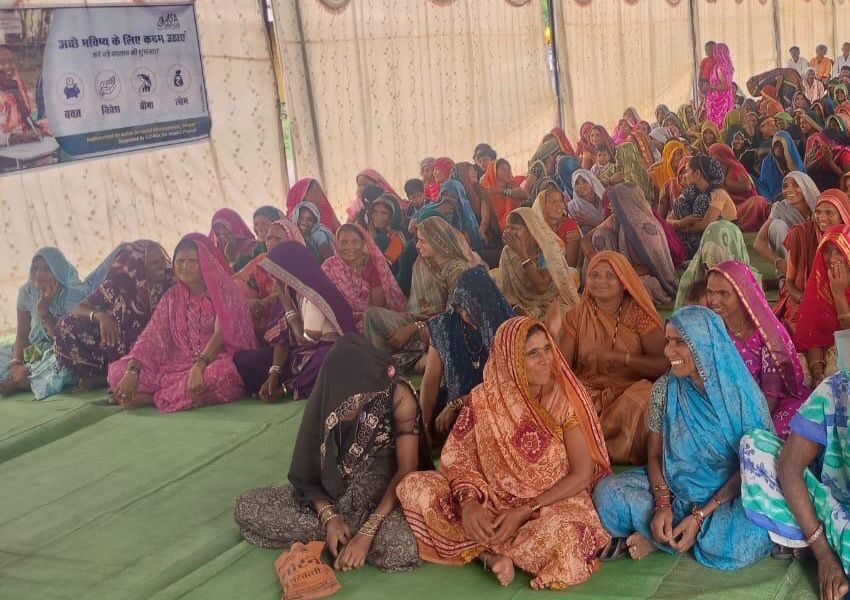
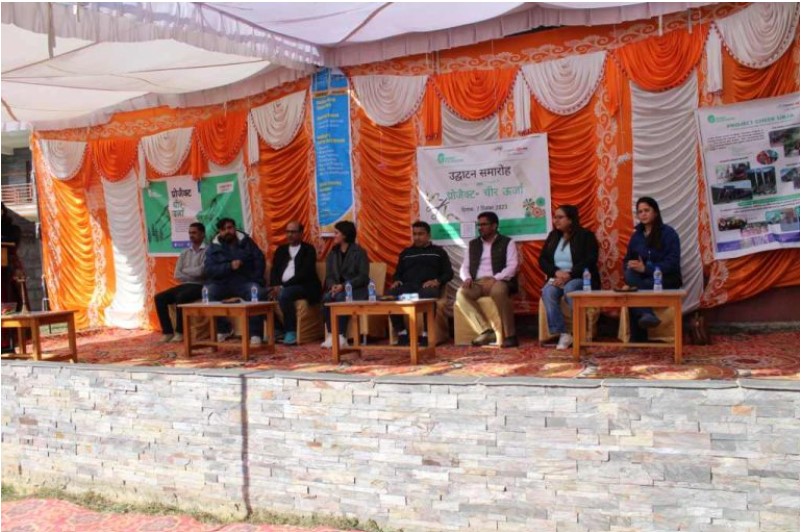
This is where civil society has a crucial role to play. It can bridge gaps in knowledge, mobilise communities, strengthen local institutions and create demonstration models that farmers can see and trust. It can also train farmers in natural and regenerative practices, support village-level enterprises producing organic inputs and facilitate linkages between FPOs and markets. By acting as catalysts rather than service providers, these organisations help communities build long-term stewardship of soil and water resources.
India’s soil crisis is urgent but not irreversible. With community-led planning, regenerative farming, enabling policies and strong civil society partnerships, degraded soil landscapes can be brought back to life. The path to rural prosperity begins with the soil, and the time to restore it is now.
(Disclaimer: The views expressed in this article are those of the author and do not necessarily reflect the views of the publication.)