







































































































































































































































































































































































































































































































































































































































































































































































































































































Govt Outlines Climate Risks, Forecasting Advances In Parliament


Written replies outline accelerated retreat in Himalayan glaciers, early-warning measures and upgrades in national forecasting systems
The government has outlined evidence of climate-linked glacier retreat in the Himalayas and reported progress in national forecasting systems, according to written replies tabled in Parliament. The Ministry of Earth Sciences detailed the scale of glacial loss, early-warning initiatives for disaster resilience, and advances in India’s operational weather and climate prediction capability.
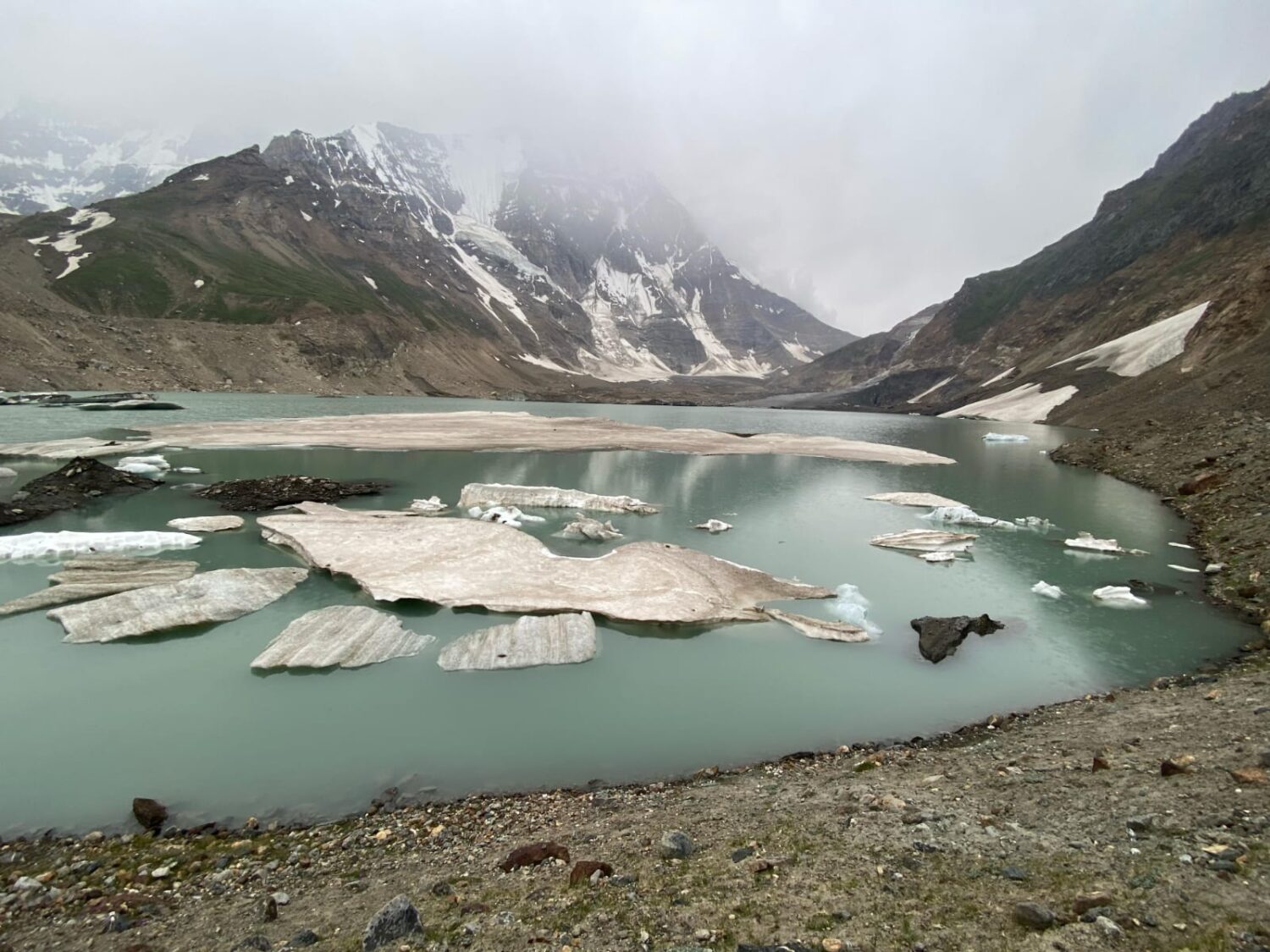
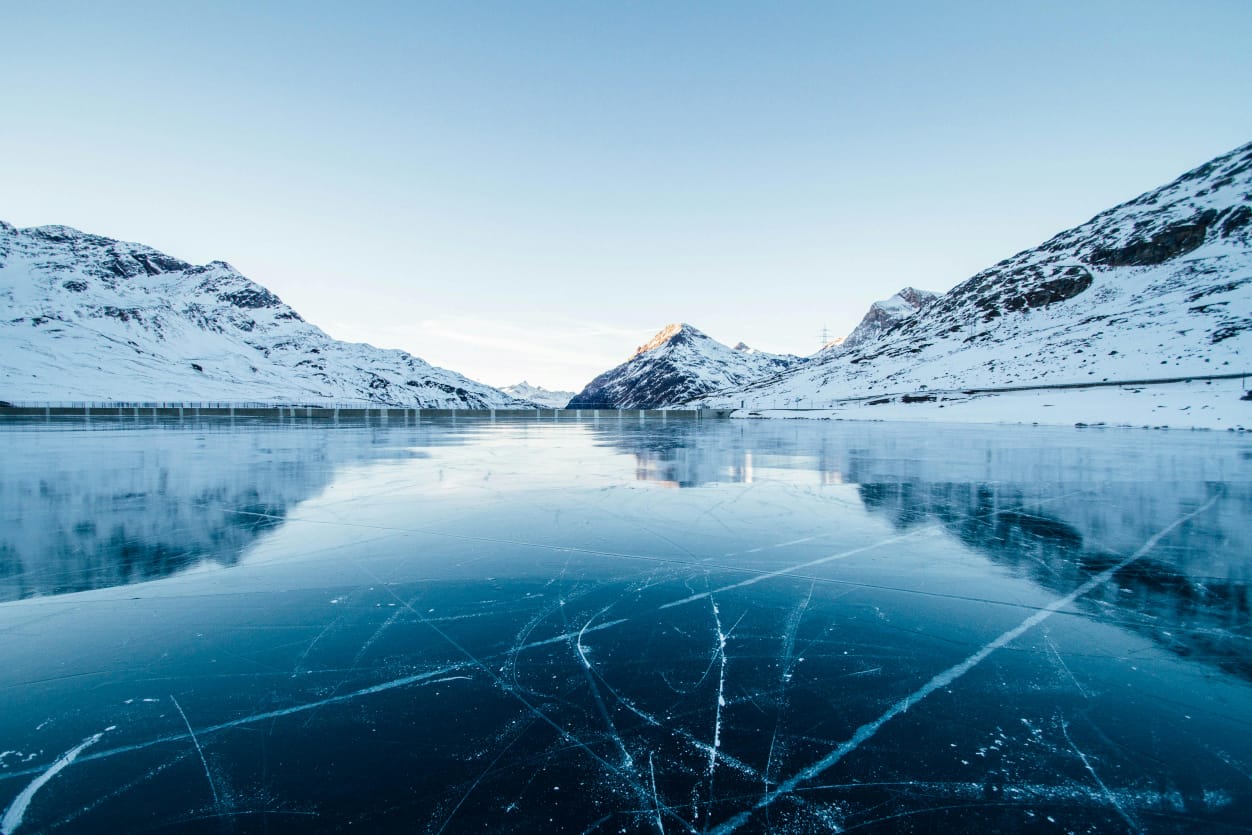
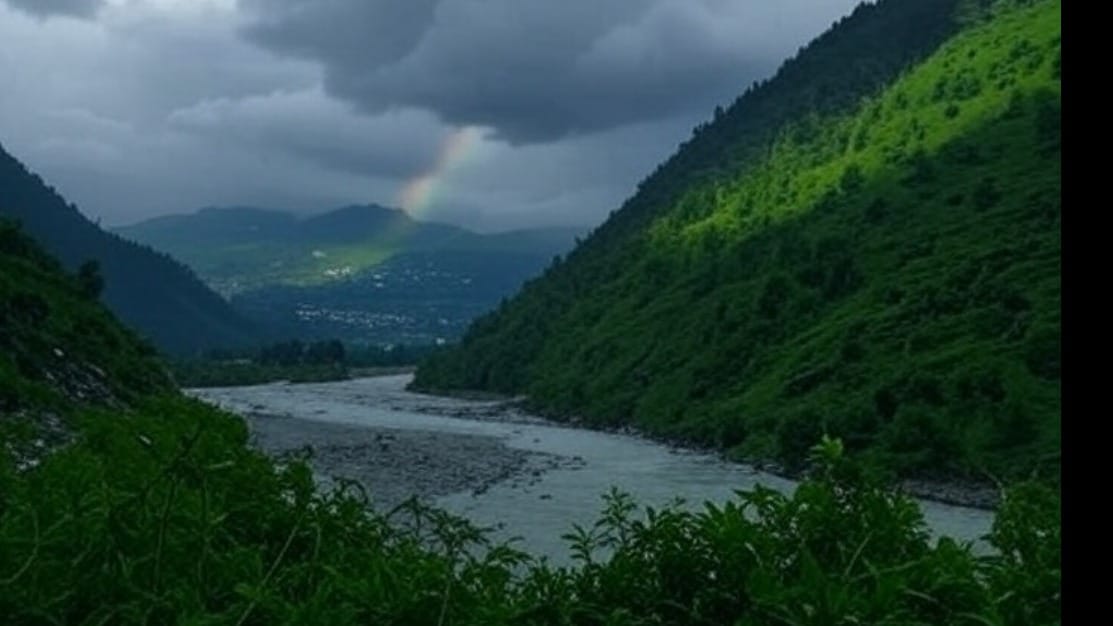
The Ministry of Earth Sciences said Himalayan glaciers have shown accelerated heterogeneous mass loss based on monitoring by Indian institutions funded by several government agencies. The mean retreat rate of Hindu Kush Himalayan glaciers is 14.9 ± 15.1 metre a year, ranging from 12.7 ± 13.2 metre a year in the Indus basin, 15.5 ± 14.4 metre a year in the Ganga basin and 20.2 ± 19.7 metre a year in the Brahmaputra basin. Glaciers in the Karakoram region have shown comparatively minor length change at −1.37 ± 22.8 metre a year.
In the Chandra basin in the western Himalaya, six glaciers have been monitored since 2013, and the basin has lost about six per cent of its glacial area in 20 years, with annual retreat rates ranging from 13 to 33 metre a year over the past decade. Research is being conducted by more than 20 national institutions and universities, and two glacial lakes in Sikkim, South Lhonak and Shako Cho, are being monitored in real time. Three Centres of Excellence for Glacial Studies have been established at the Universities of Sikkim, Tezpur and Kashmir under the National Mission for Sustaining the Himalayan Ecosystem.
Early-warning System and Monsoon Forecasts
The National Glacial Lake Outburst Floods Risk Mitigation Programme has been initiated in Himachal Pradesh, Uttarakhand, Sikkim and Arunachal Pradesh, and in the Union Territories of Jammu and Kashmir and Ladakh. The programme includes establishing early-warning systems to enhance GLOF resilience through local-level interventions.
The India Meteorological Department reported that forecasting accuracy for the southwest monsoon has improved since the introduction of the Multi-Model Ensemble forecasting strategy in 2021. During 2021–2024, the average absolute error in operational forecasts was 2.28 per cent of the long-period average, compared with 7.5 per cent during 2017–2020, and forecasts for the 2025 southwest monsoon were judged accurate at both first- and second-stage forecasts, with realised rainfall at 108 per cent of the long-period average.
Monitoring and Computing Capacity
The government said there had been significant improvement in observational networks and forecasting capability, with the number of rainfall monitoring stations increasing from 3,980 in 2015 to 6,727 in 2025, and satellite and radar monitoring expanding from 15 Doppler weather radars in 2014 to 45 in 2024–2025. A Decision Support System based on multi-hazard impact warnings is operational, integrating real-time data and providing alerts down to district and city levels.
Heavy rainfall warnings are issued up to seven days in advance, compared with five days in 2014, and quantitative precipitation forecasts are valid for up to seven days, replacing the previous two-day window. The Monsoon Mission research programme, started in 2012, has expanded national modelling capacity, and India’s high-performance computing system for meteorological services is close to 22 petaflops and supports climate forecasting and operational services. IMD is a founding member of the World Meteorological Organisation and hosts several regional centres, providing cyclone advisories, flood guidance, training and long-range forecasts to South Asian countries.
Winter Forecasting and Climate Data
Seasonal temperature outlooks for December to February are issued using coupled dynamical models and, from 2023, use Multi-Model Ensemble techniques, and forecasts include probability, temperature anomalies and outlooks for cold-wave days, disseminated through press releases and digital platforms. Weekly cold-wave alerts are issued every Thursday, valid for four weeks, and are available on the IMD website.
IMD has also operationalised the Bharat Forecasting System, described as a high-resolution weather prediction model with a spatial resolution of six kilometre. The India Meteorological Department monitors weather and climate trends and publishes annual climate summaries, and climate data since 1901 have been digitised, with a data portal established to support research and development. Mission Mausam has been launched to strengthen weather and climate services nationwide, focusing on monitoring, prediction and understanding of climate systems over India.