










































































































































































































































































































































































































































































































































































































































Grap IV Returns To Delhi-NCR As Smog Chokes Capital


Emergency curbs imposed after air quality slips into ‘severe plus’, with construction halted and truck movement restricted
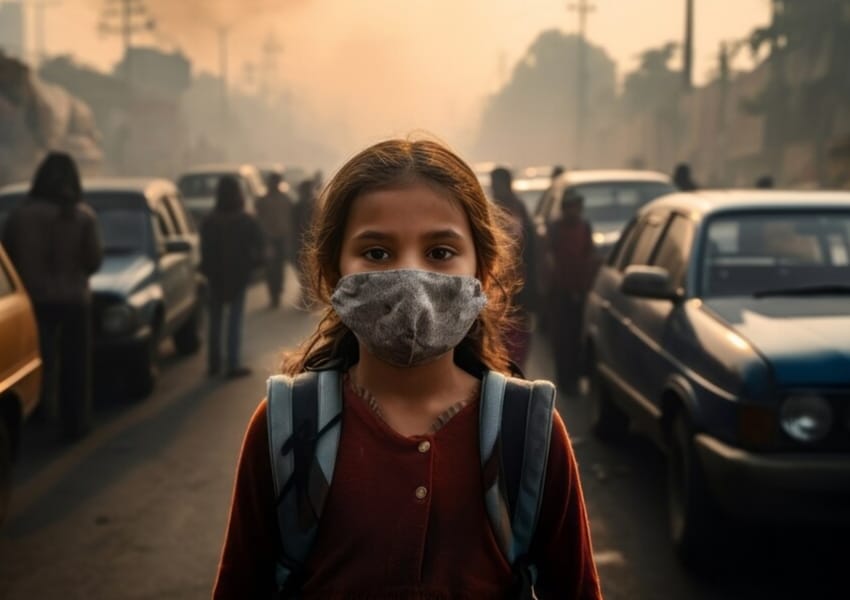
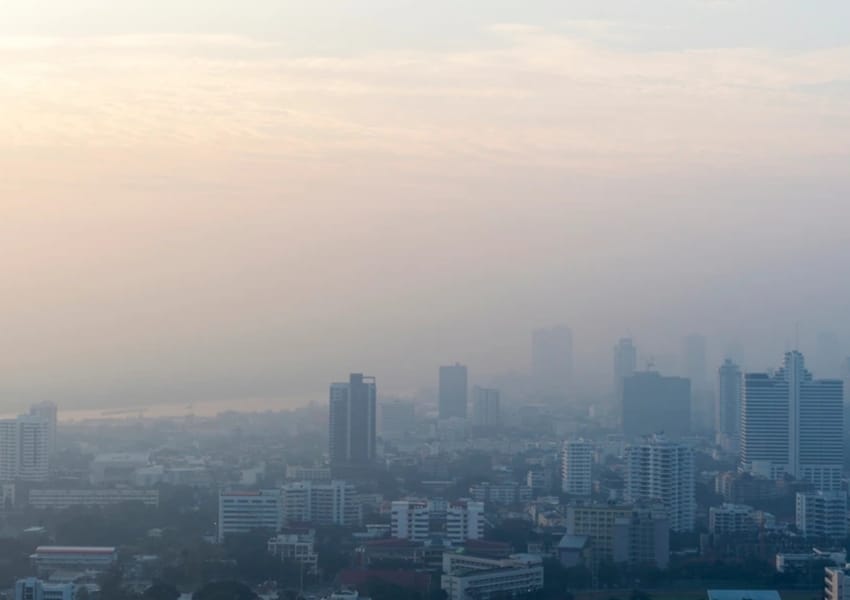
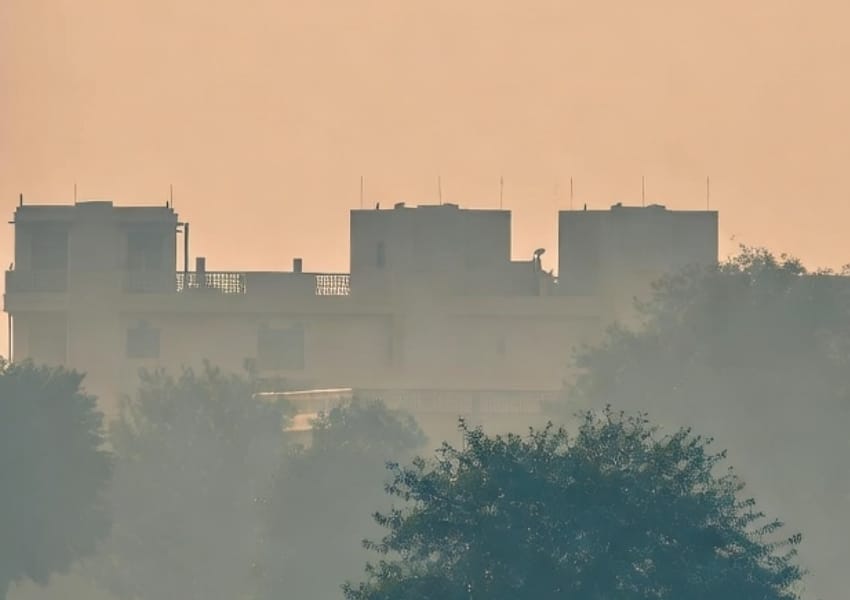
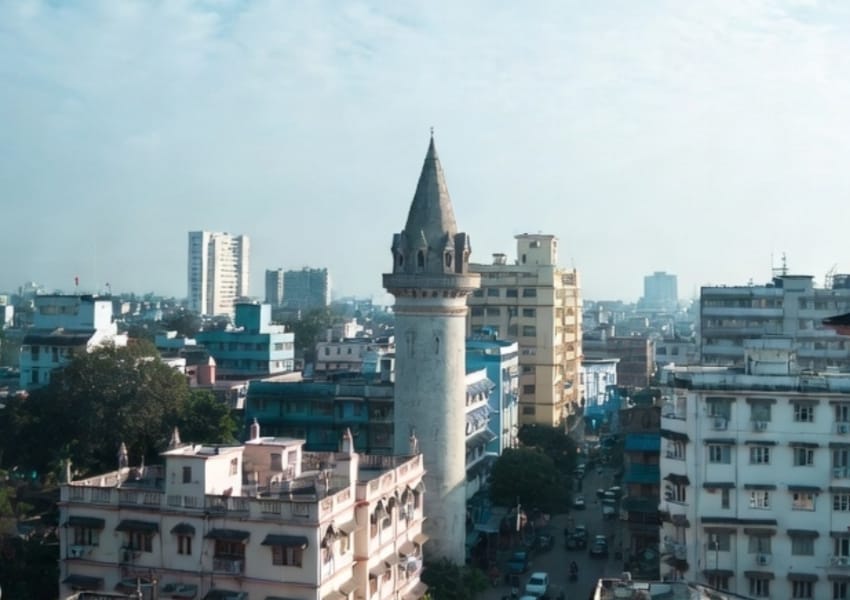
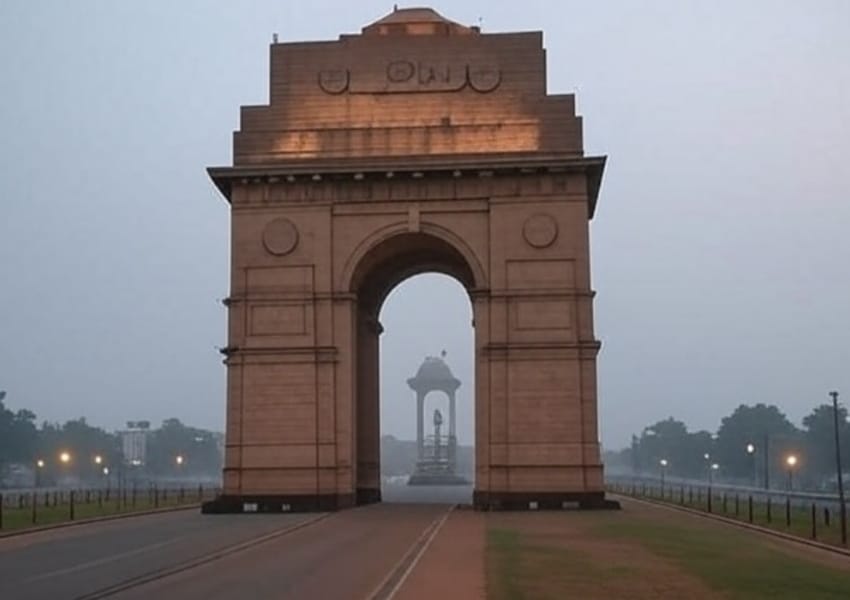
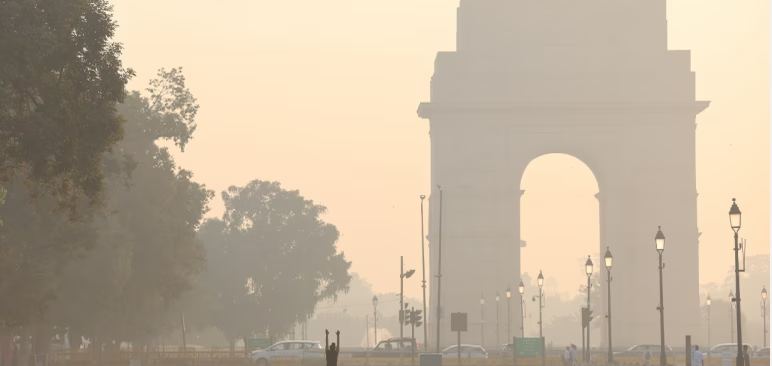
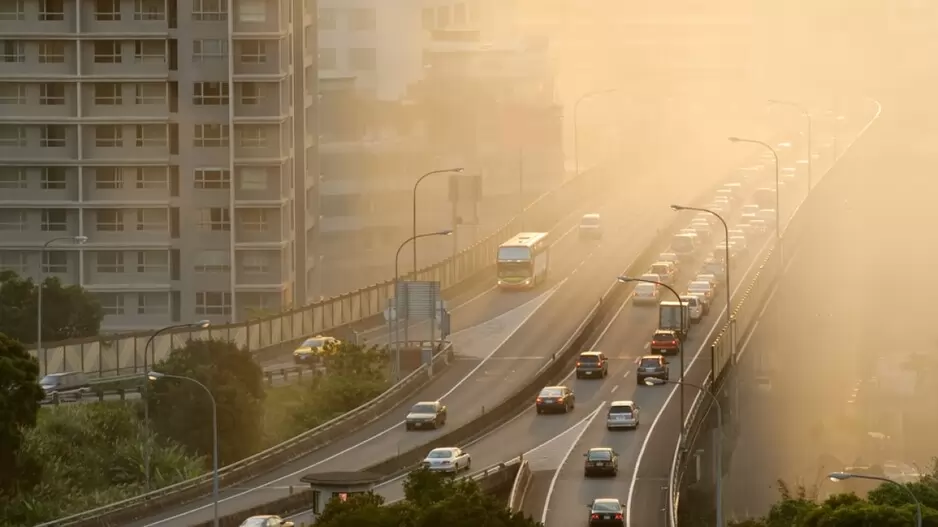
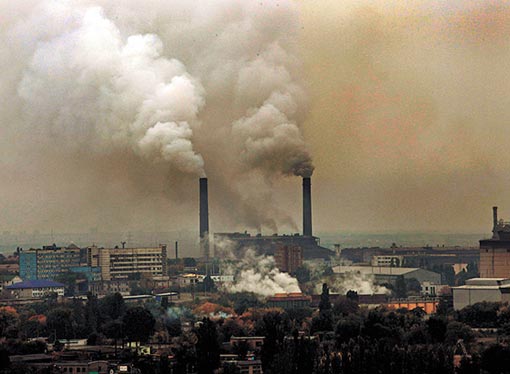
Delhi and large parts of the National Capital Region were placed under the harshest set of anti-pollution restrictions on Saturday after air quality deteriorated sharply, forcing authorities to invoke Stage IV of the Graded Response Action Plan.
The Commission for Air Quality Management said the decision followed a rapid rise in pollution levels through the day, driven by unfavourable weather conditions that prevented the dispersal of pollutants. The move came just hours after Stage III curbs had been enforced across the NCR.
According to the commission’s Sub-Committee on Grap, Delhi’s Air Quality Index stood at 401 by 10 AM, placing it in the ‘severe’ category. Levels continued to climb steadily as the day progressed, touching 431 at 4 PM, 436 at 5 PM, 441 at 6 PM and 448 by 7 PM on Saturday.
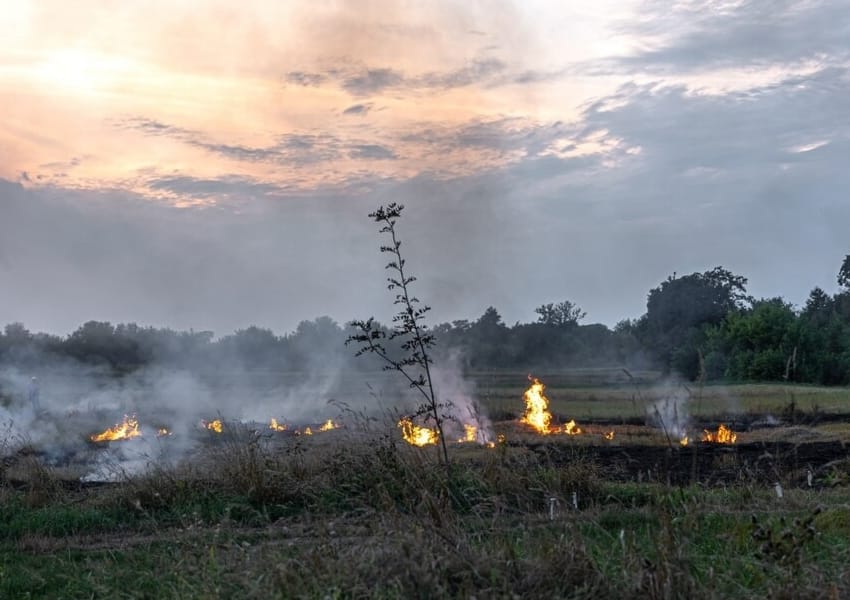
Officials attributed the worsening conditions to very low wind speeds, a stable atmosphere and persistent haze, all of which trapped pollutants close to the ground. Weather forecasts from the India Meteorological Department and the Indian Institute of Tropical Meteorology indicated that these conditions were likely to persist, raising the risk of further deterioration.
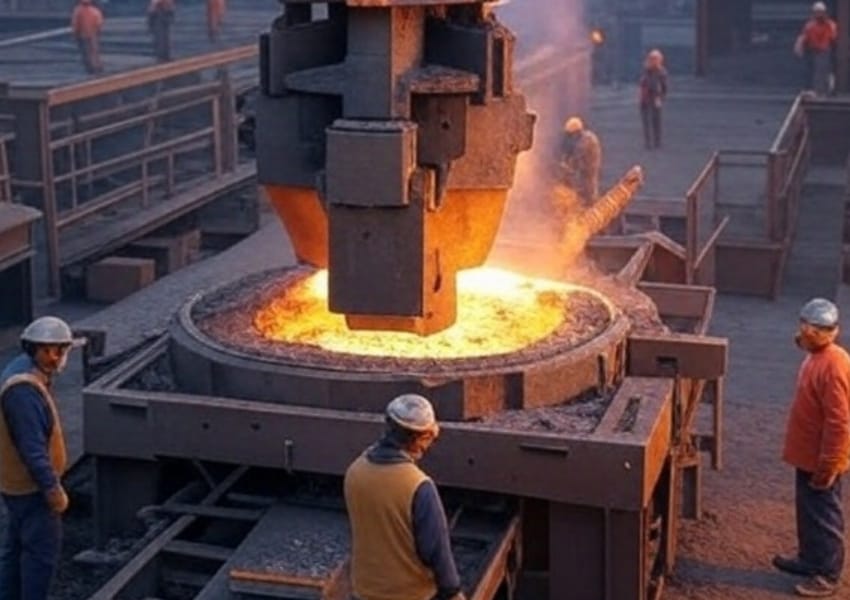
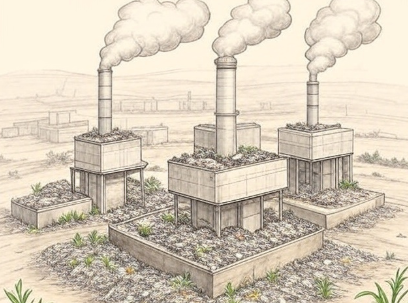
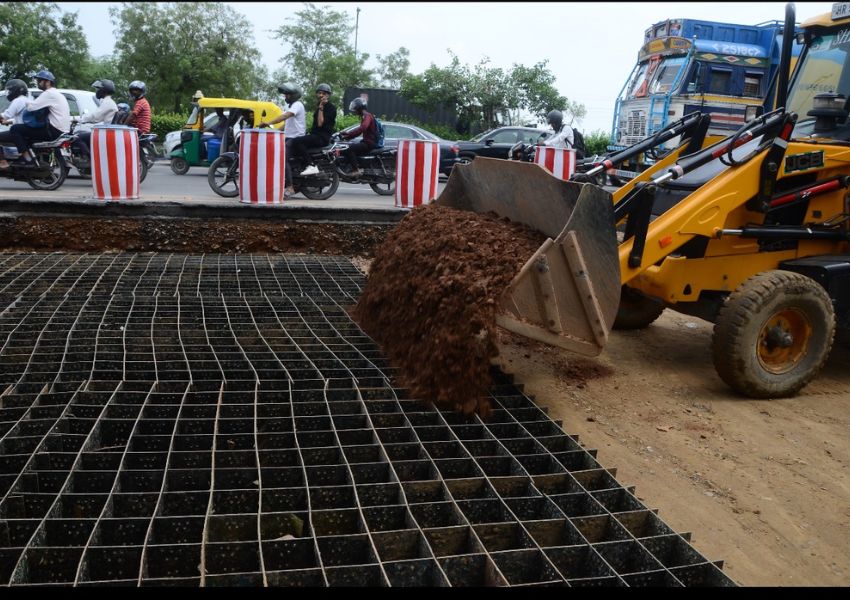
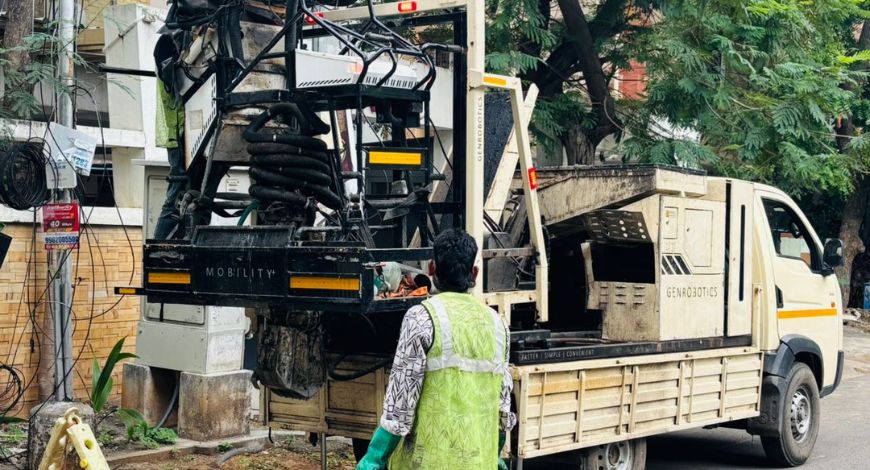
Stage IV restrictions, the strictest under the Grap framework, add to measures already in force under Stages I, II and III. All construction and demolition activities have been banned across Delhi-NCR, including linear public infrastructure projects such as highways, flyovers, power transmission lines, pipelines and telecom works.
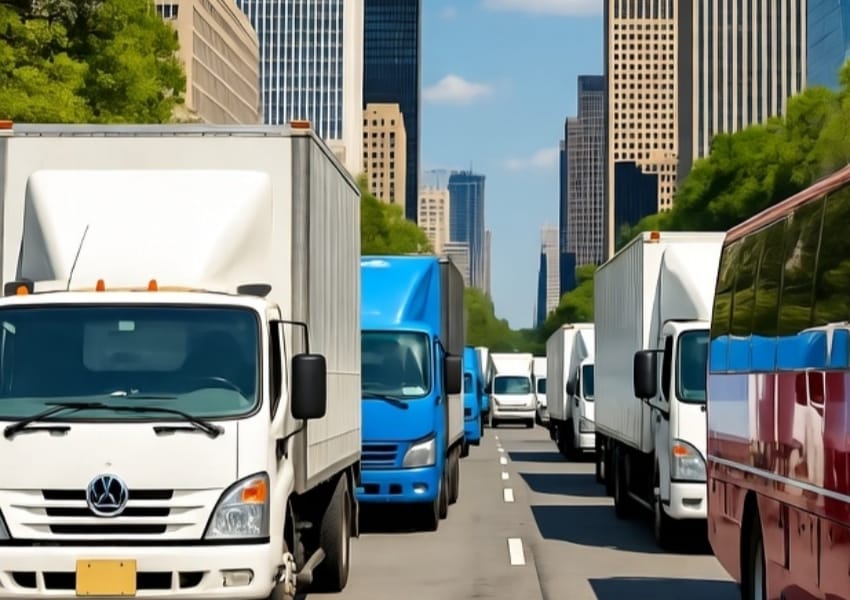
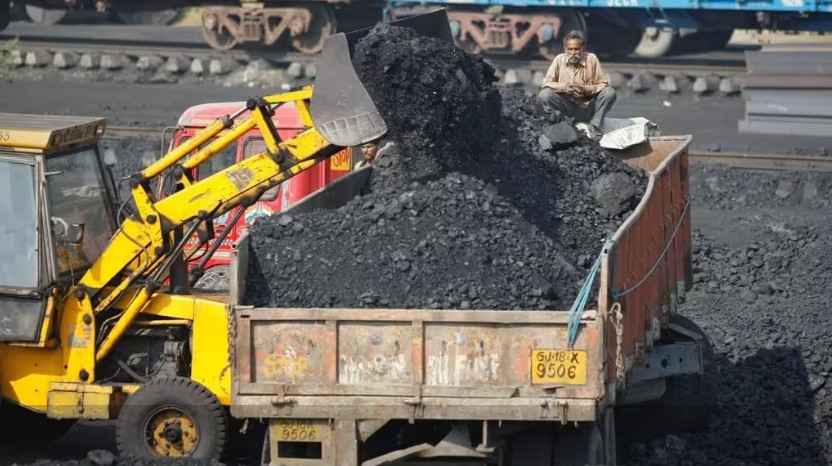
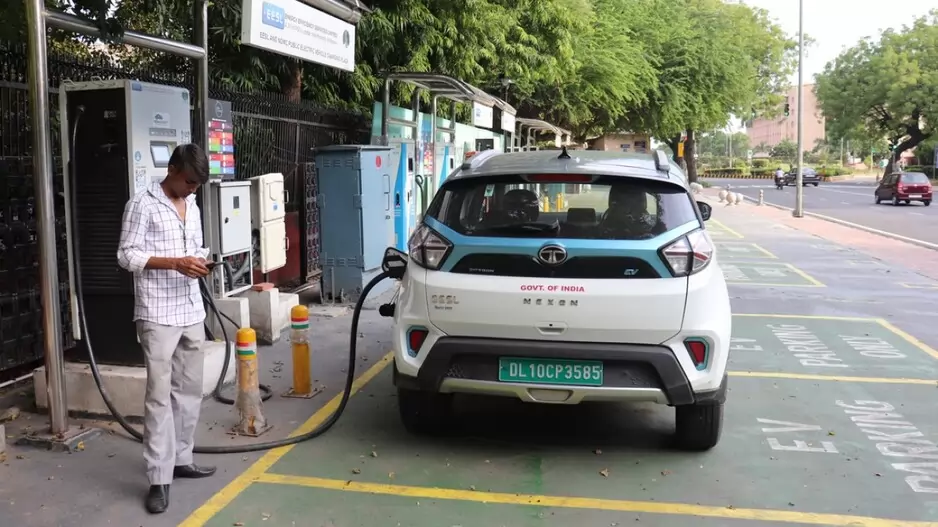
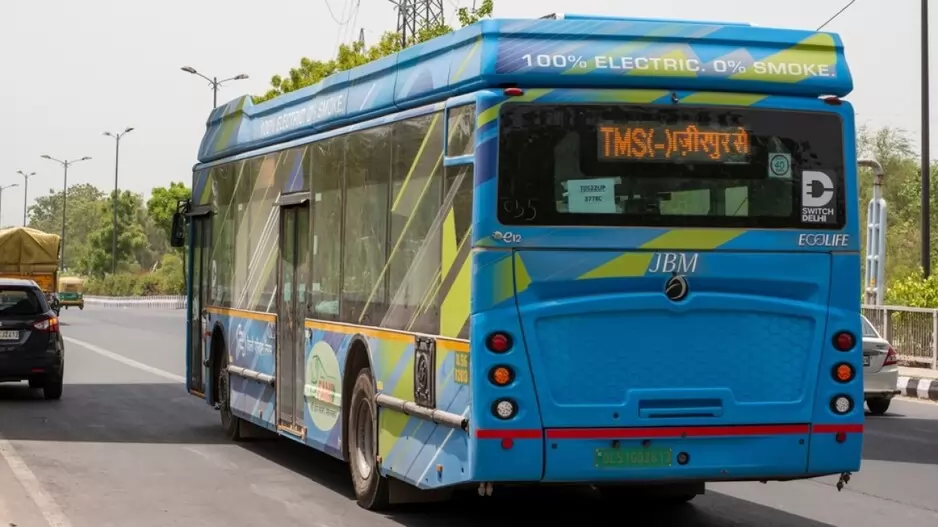
The entry of trucks into Delhi has been stopped, except for vehicles carrying essential commodities or providing essential services. CNG, LNG, electric and BS-VI diesel trucks are exempted. The movement of Delhi-registered diesel heavy goods vehicles that do not meet BS-VI norms has also been prohibited, again with limited exemptions.
Schools in Delhi and the most affected NCR districts have been directed to run classes in a hybrid mode, covering not only primary sections but also Classes VI to IX and XI. Students have been given the option to attend online where feasible.
State governments have also been advised to consider additional emergency steps if air quality worsens further. These include the temporary closure of colleges and other educational institutions, restrictions on non-essential commercial activities and the possible introduction of odd-even traffic rules.