





















































































































































































































































































































































































































































































Experiential Learning: A Bridge Between Sustainability Theory & Practice In Indian Higher Education


Hands-on learning models, backed by policy and industry linkages, are helping Indian institutions translate sustainability theory into practical skills, improving employability, leadership readiness and real-world environmental impact
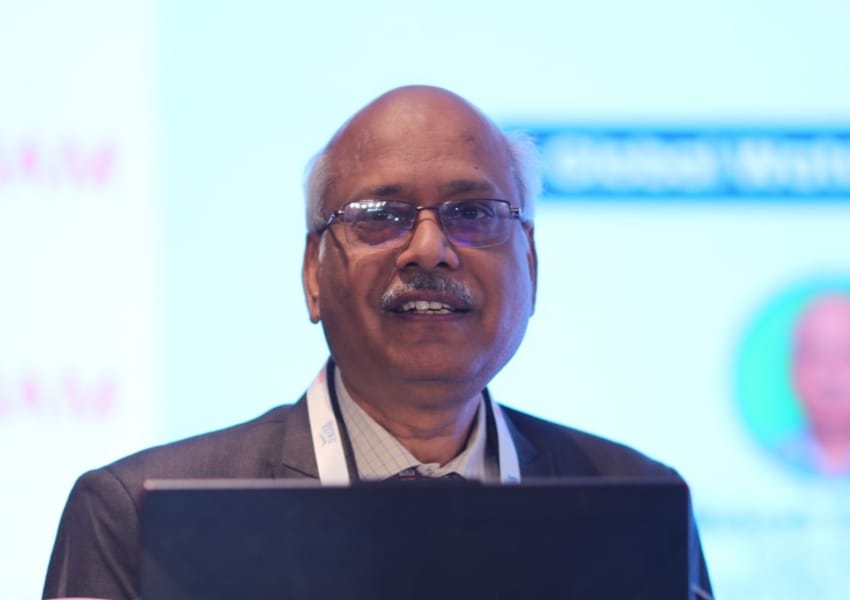
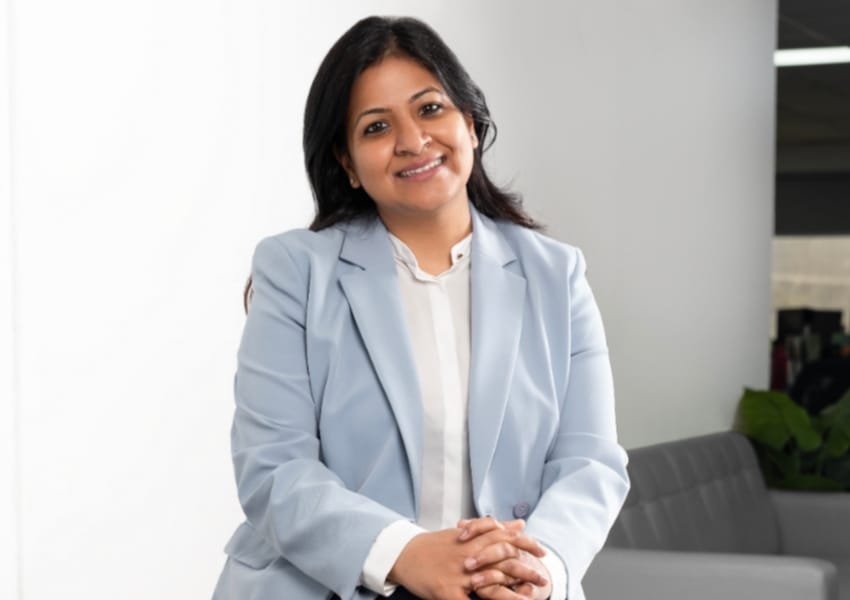
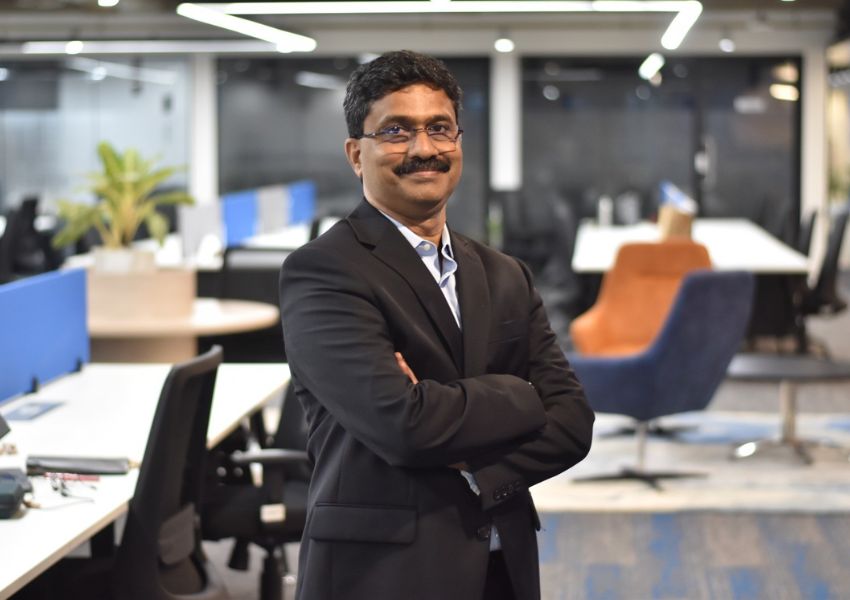
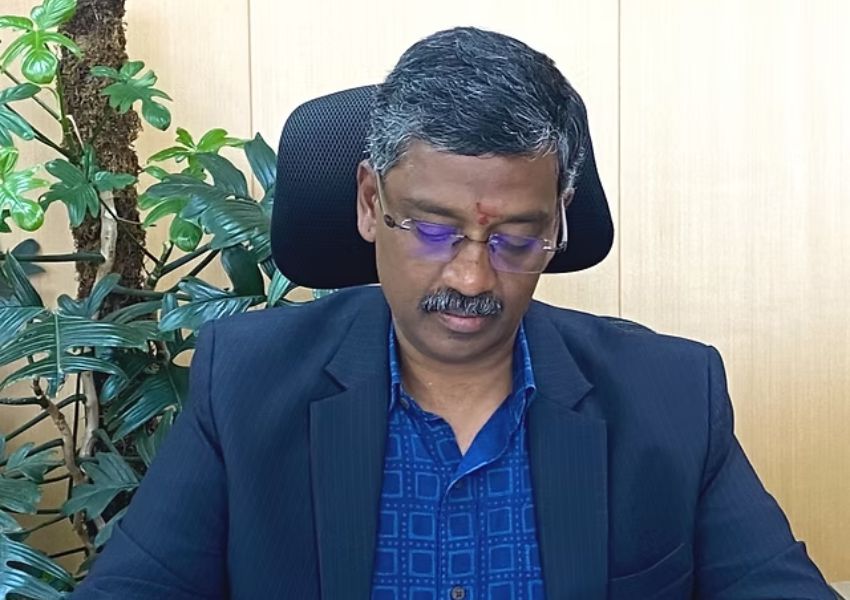
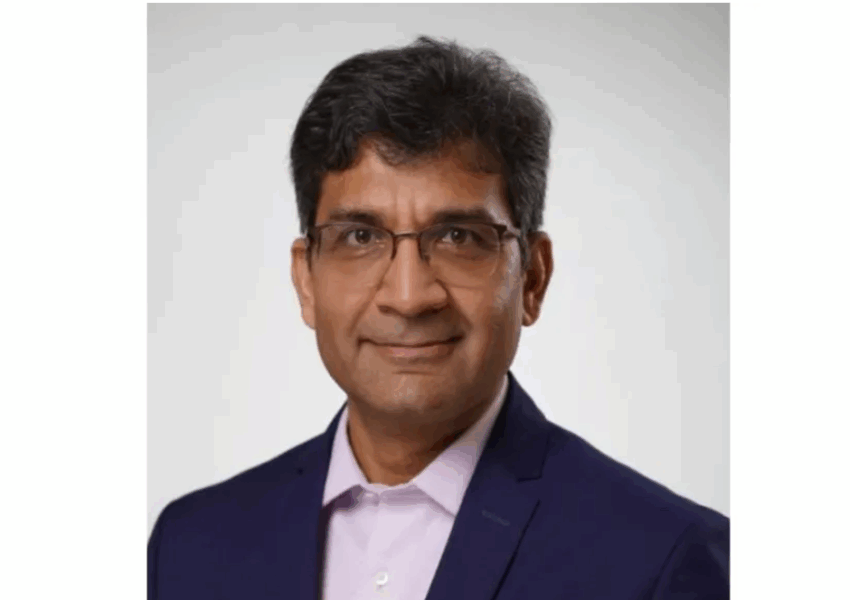
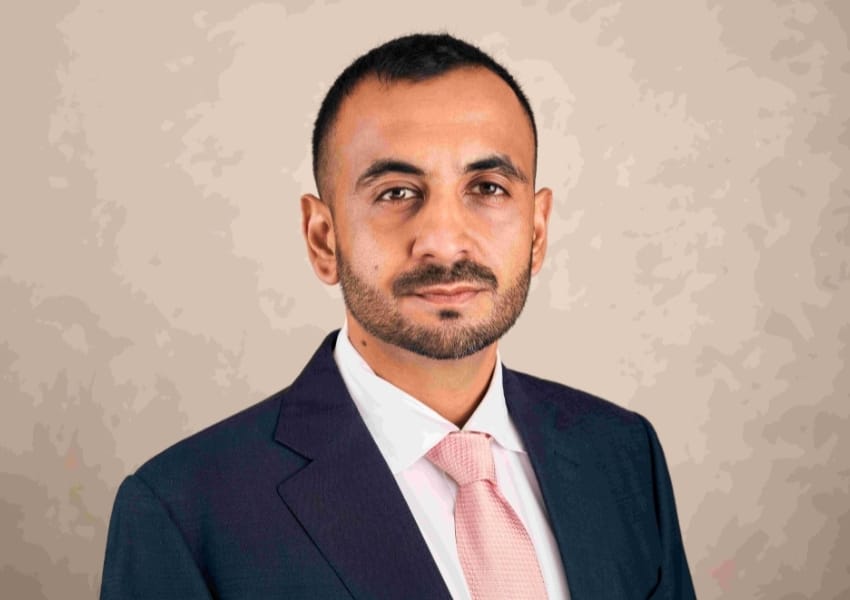
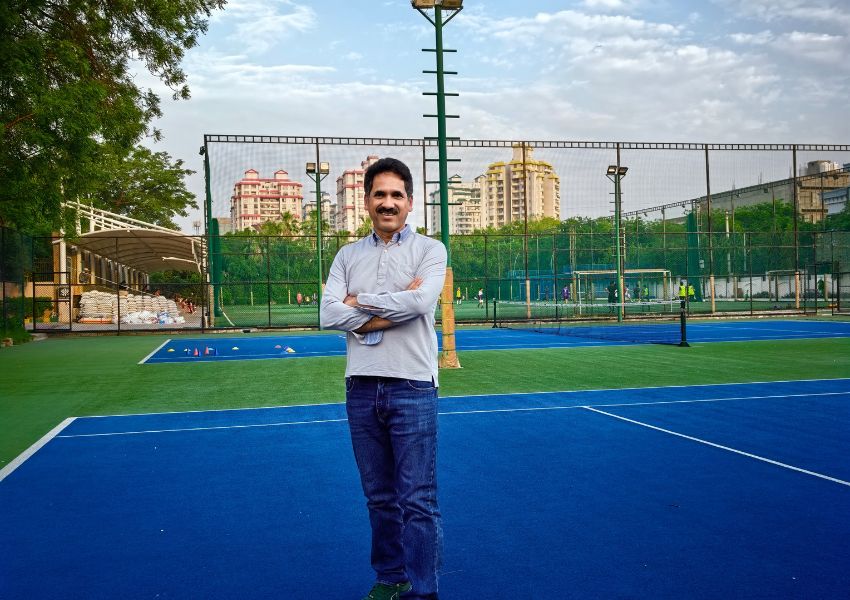
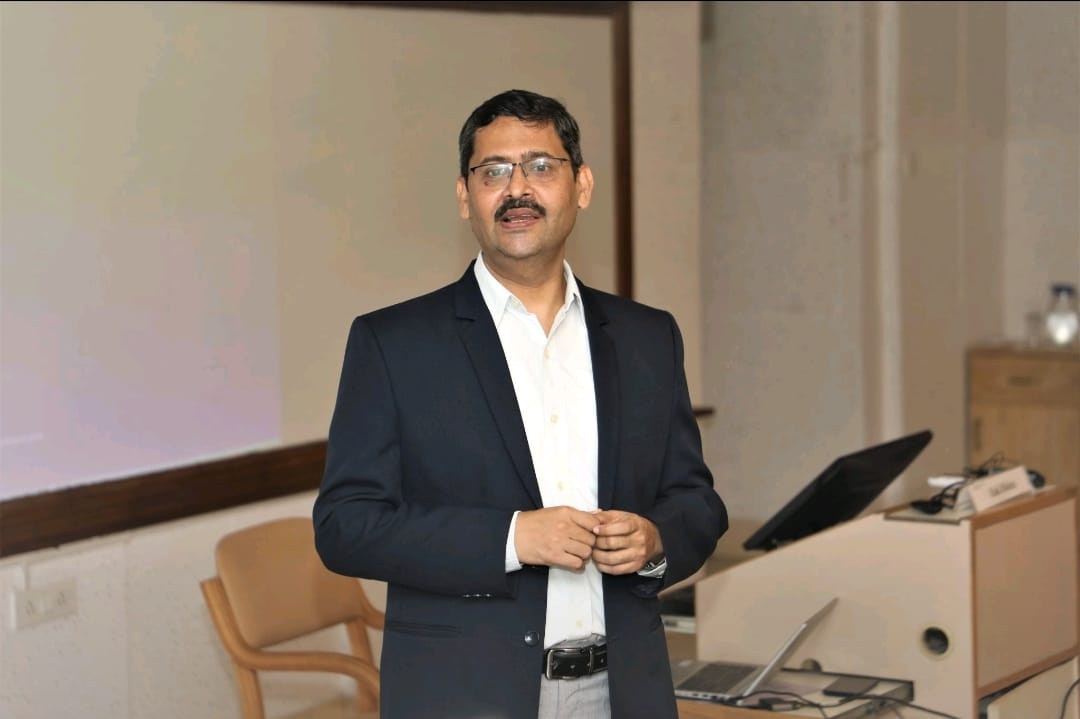
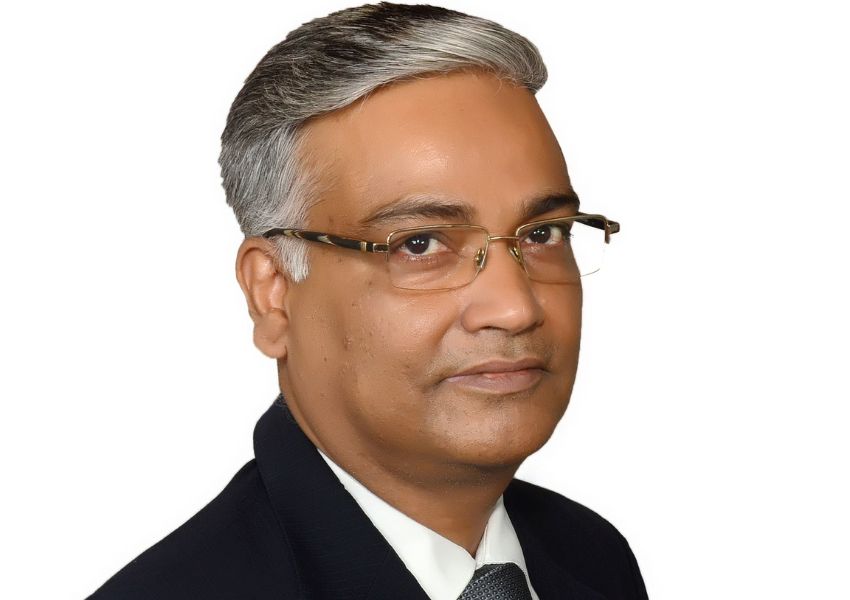
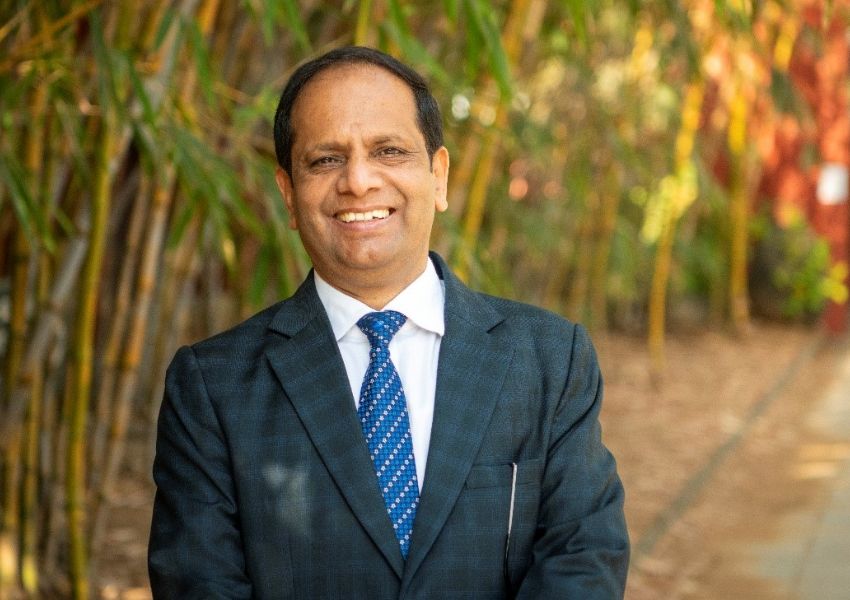
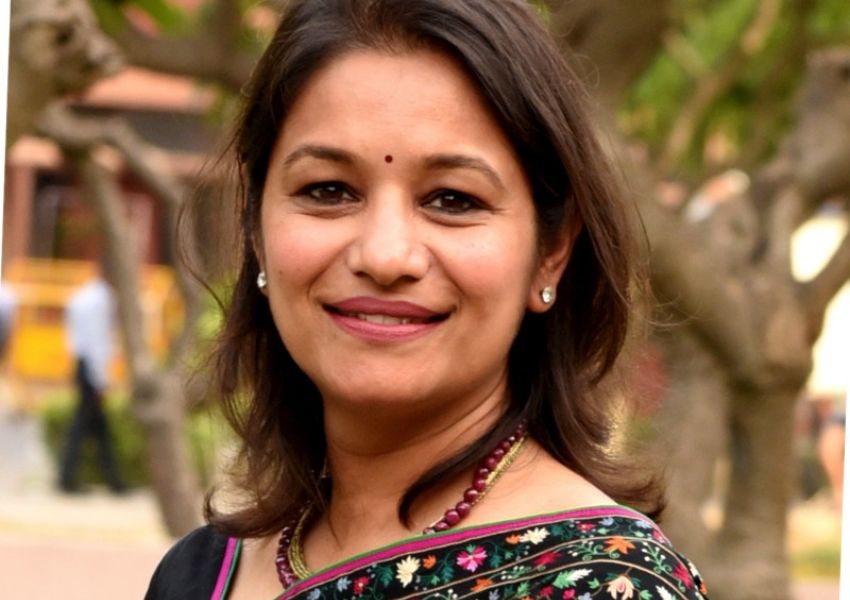
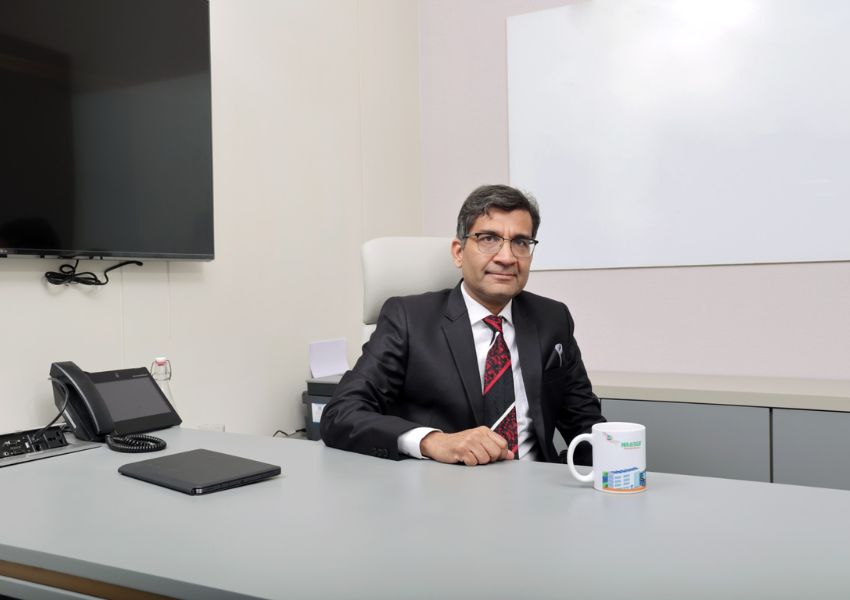
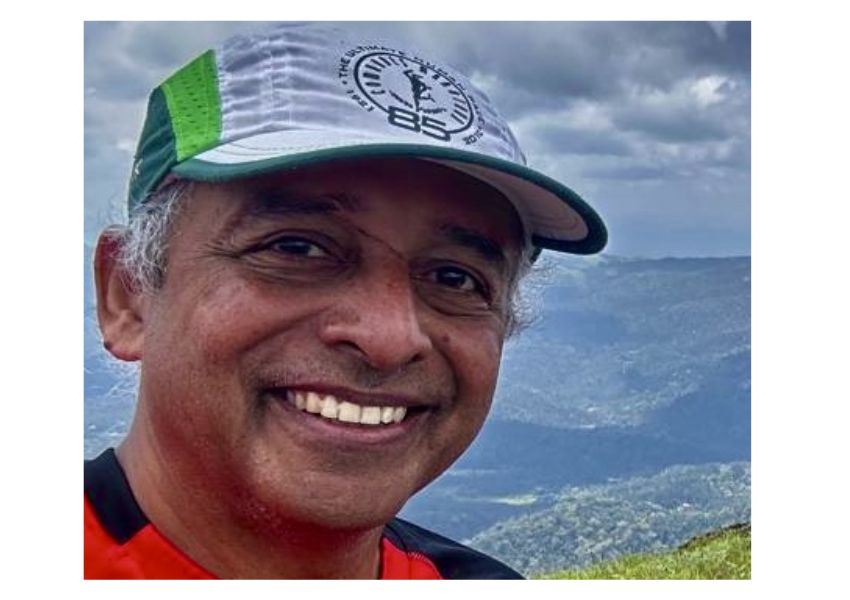
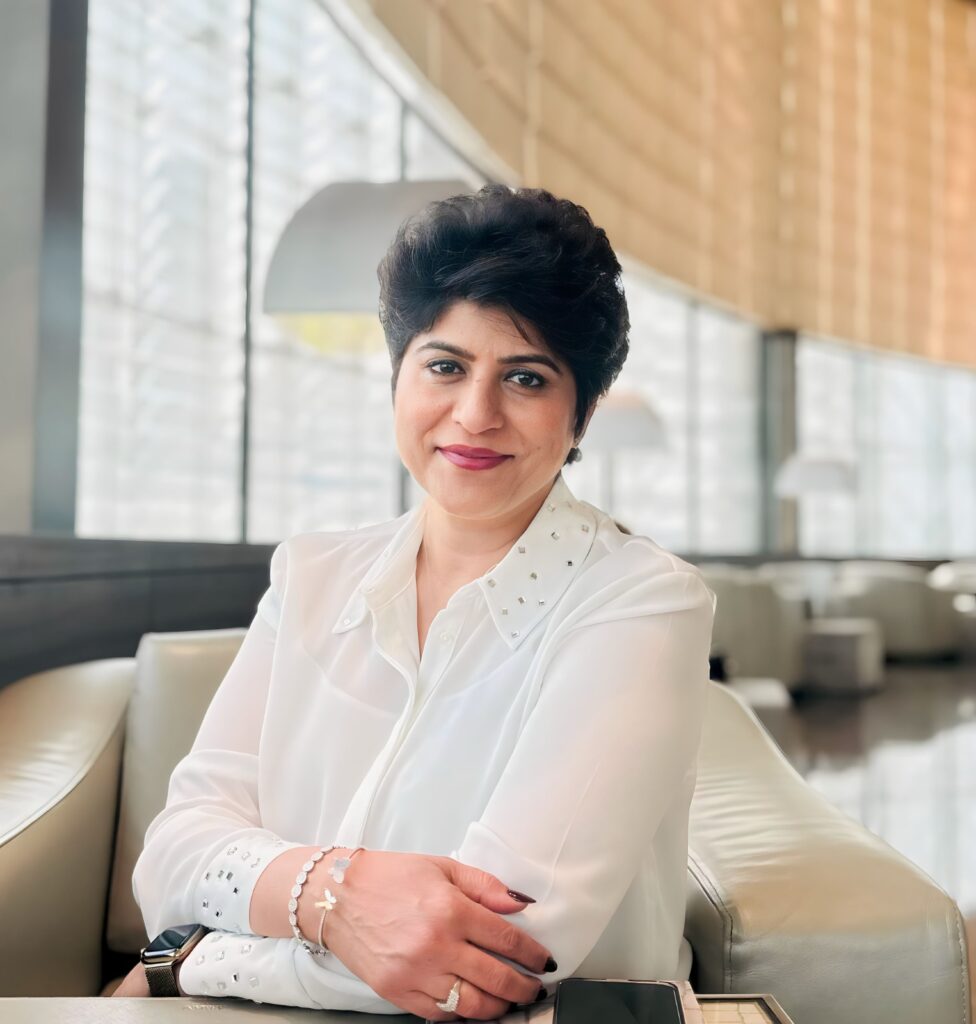
By: Prof. (Dr.) Tapan Kumar Nayak, Director, Jaipuria School Of Business
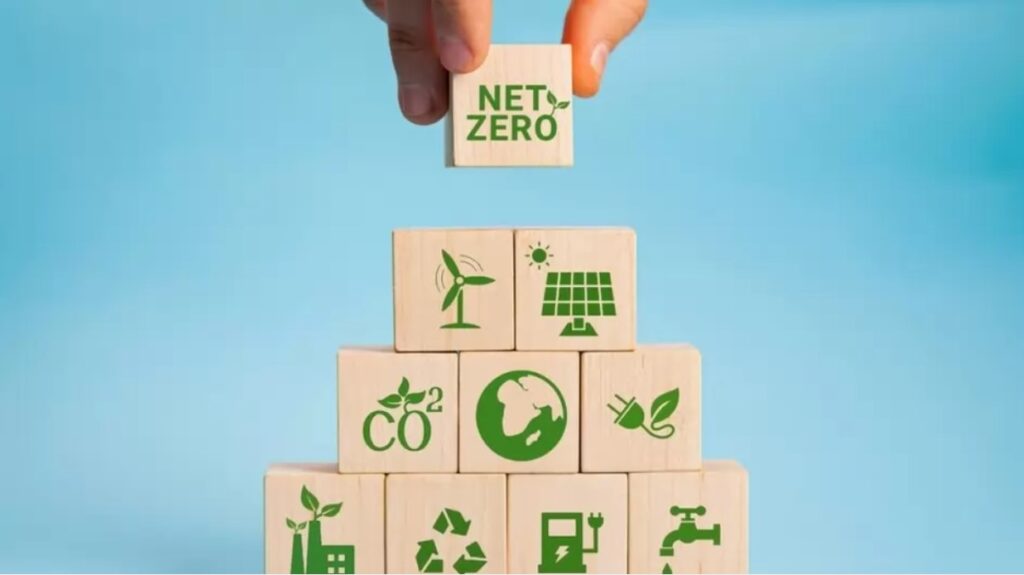
Today in Indian higher education, sustainability education is becoming the central focus for shaping graduates who can undertake environmental challenges, drive corporate sustainability agendas, and build a resilient society. This transition is very much in line with the significant paradigmatic shift underway in industry to align business vision, goals and practices with the Sustainable Development Goals.
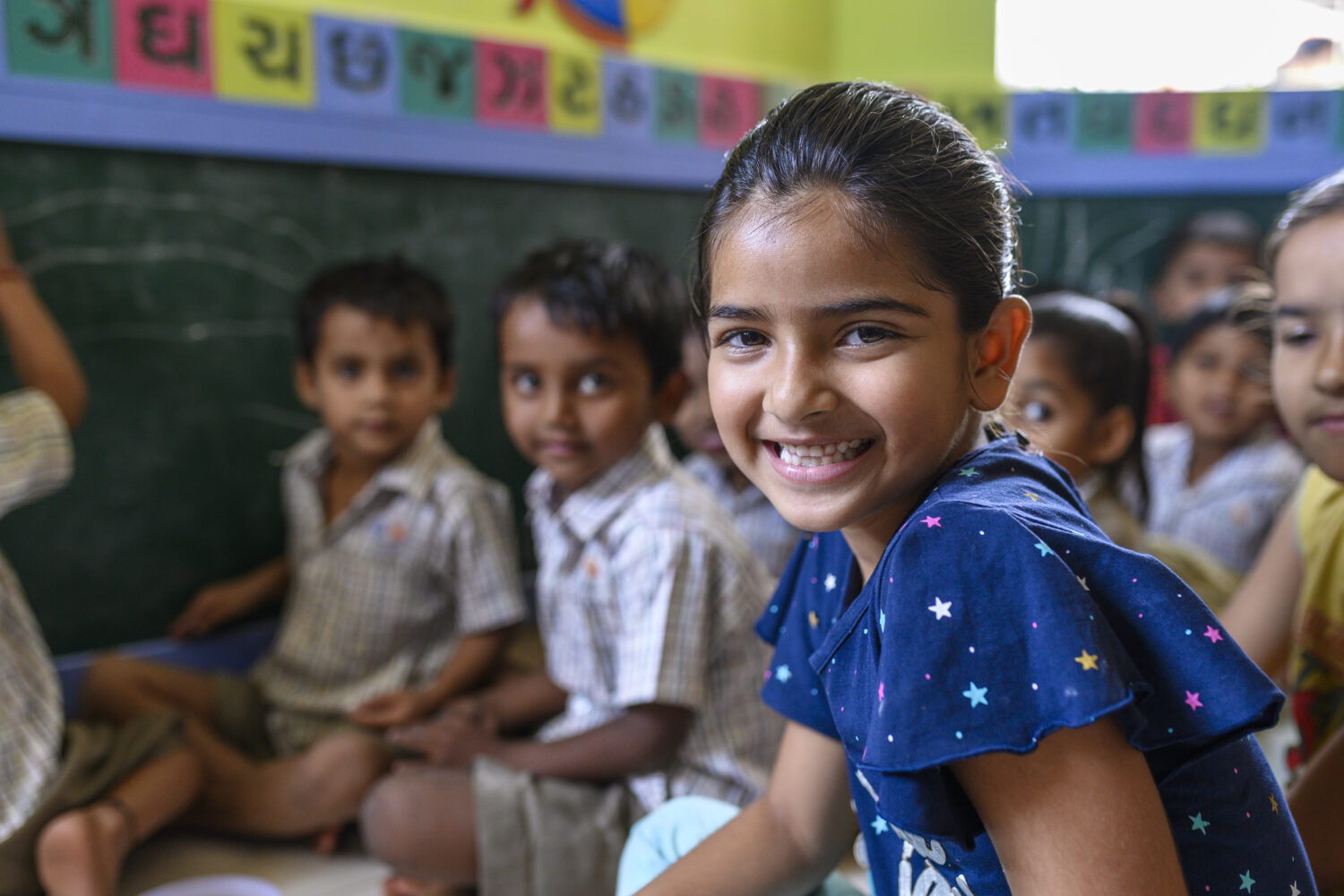
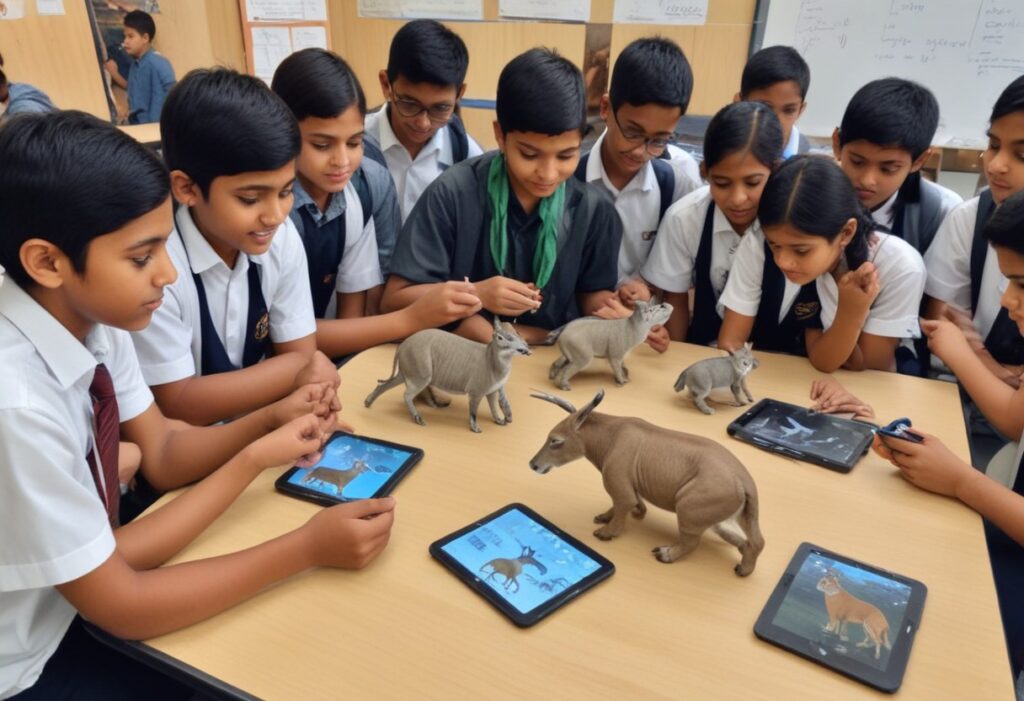
However, a considerable gap remains between knowledge (theory) and action (practice) so far as sustainability is concerned. Progressive management institutions are moving beyond traditional practices to address this gap by embracing hands-on learning. Experiential learning — learning by doing — offers one of the most effective pathways to bridge the gap between the theory and practice. Let us explore some of the structured, forward-looking ways in which experiential learning can transform sustainability education in India and beyond.
Importance Of Experiential Learning In Sustainability Education:
Policy Imperative: The National Education Policy (NEP) 2020 advocates integrated, hands-on learning experiences across disciplines in the education system, moving beyond the conventional curricula toward real-world engagement. Experiential learning fosters critical thinking, problem-solving and sustainability mindsets across the discipline.
Bridging the Theory–Practice gap: Unlike traditional classroom teaching, experiential methods place students in actual contexts, communities, businesses, ecosystems, where sustainability challenges unfold significantly.
Leadership & Employability: Today, industry leaders are emphasising on sustainability competences such as systems thinking, ethical decision making, and cross-sector collaboration as essential skills for sustained growth.
Furthermore, core experiential practices also play an important role in transforming Indian Higher Education through:
Field Immersion & Community Engagement
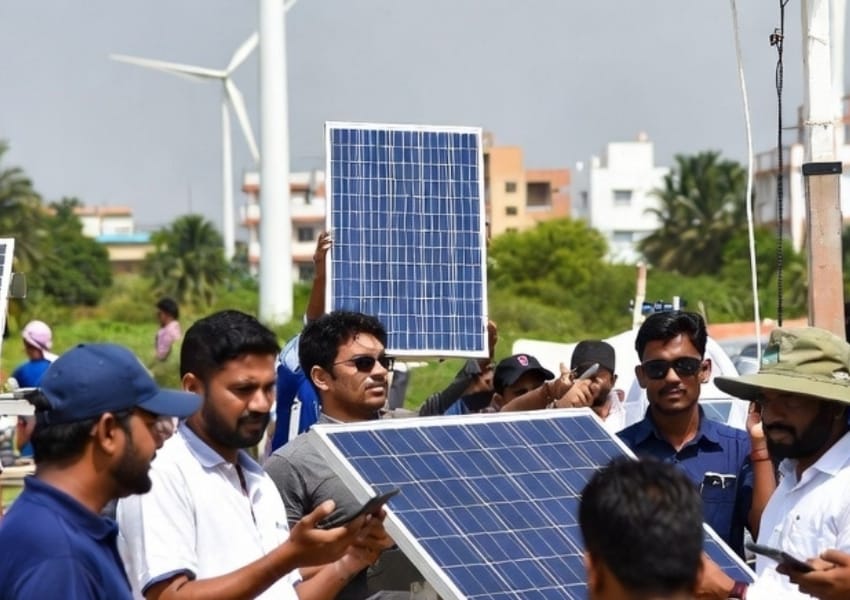
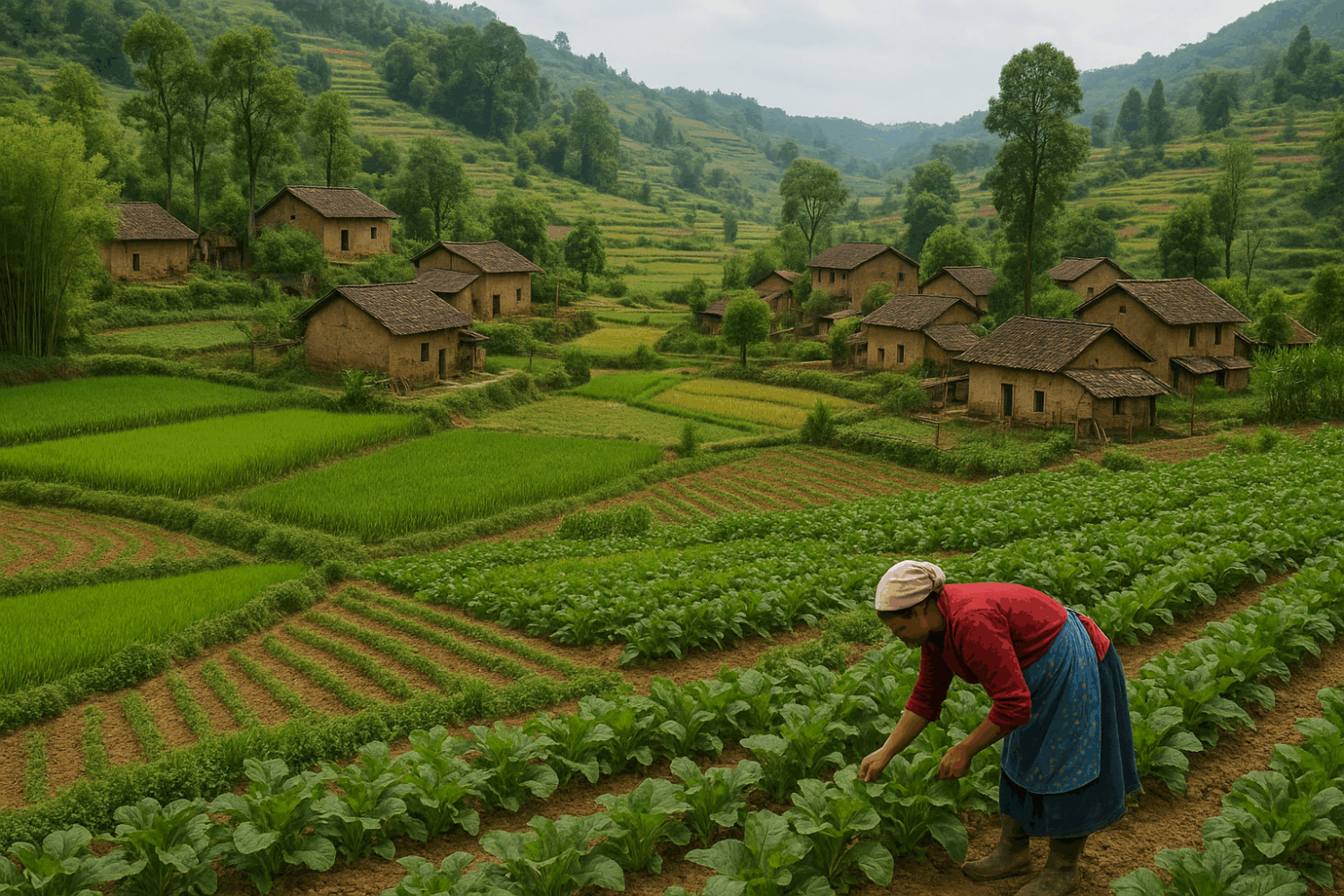
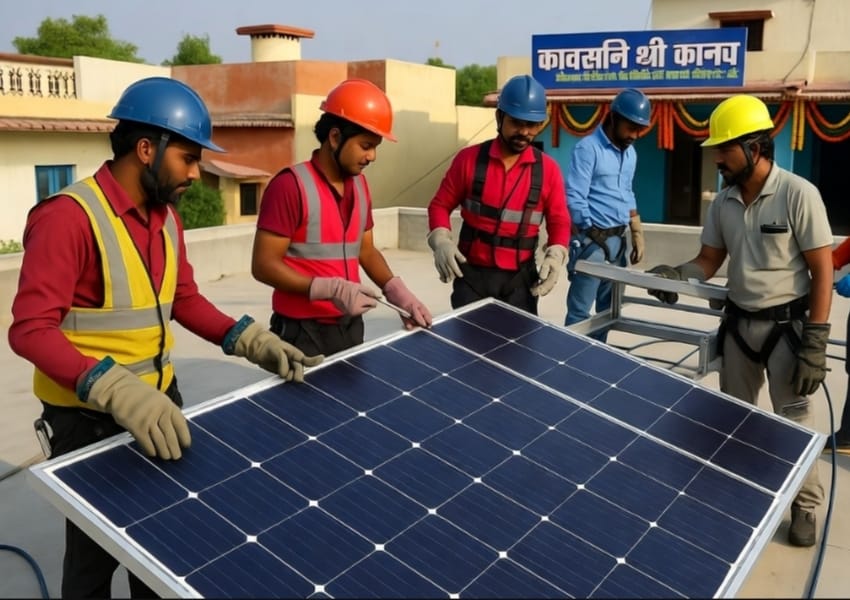
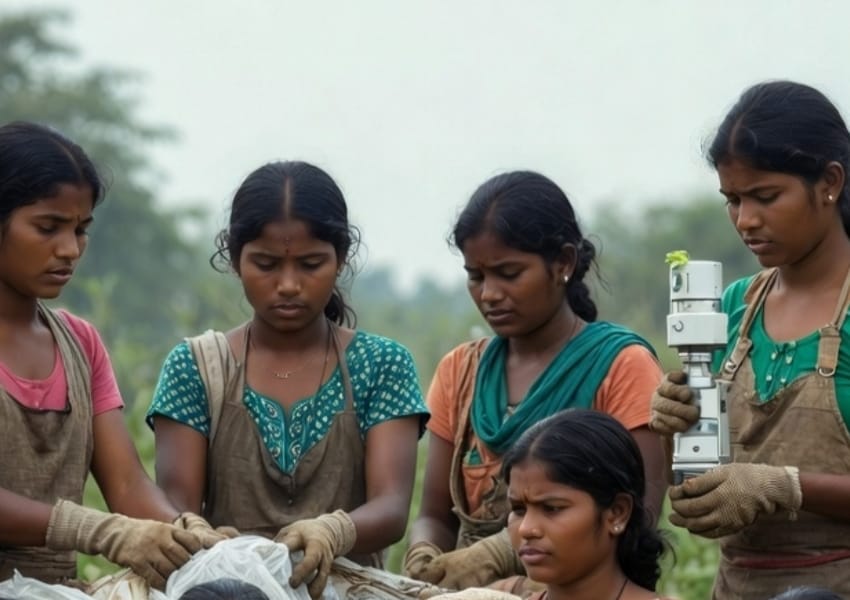
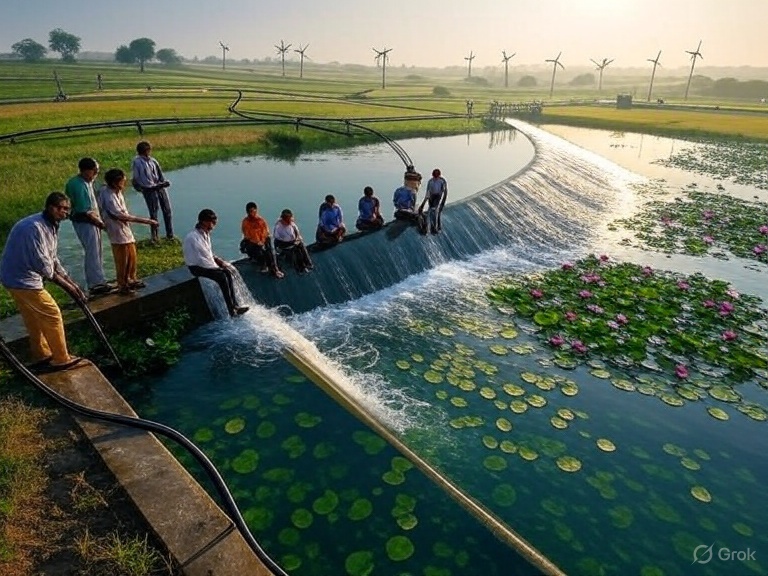
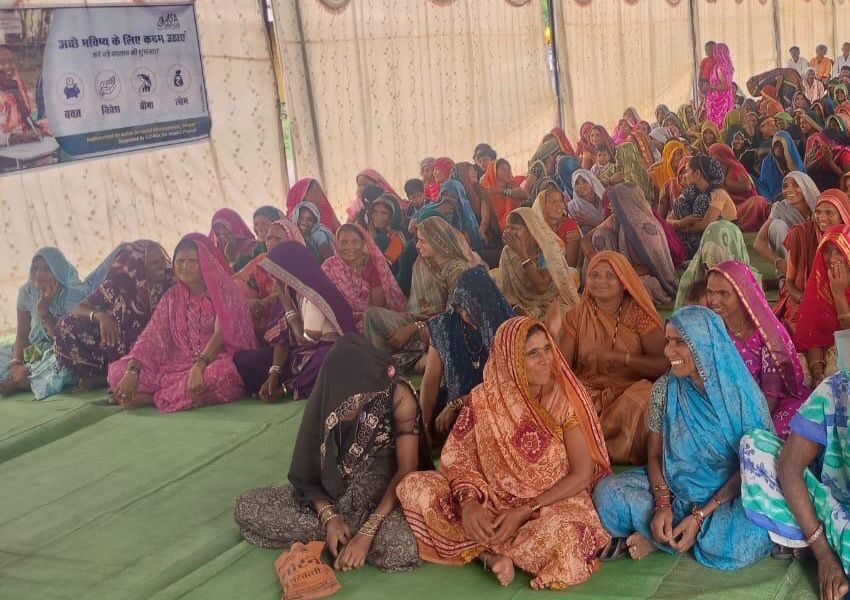
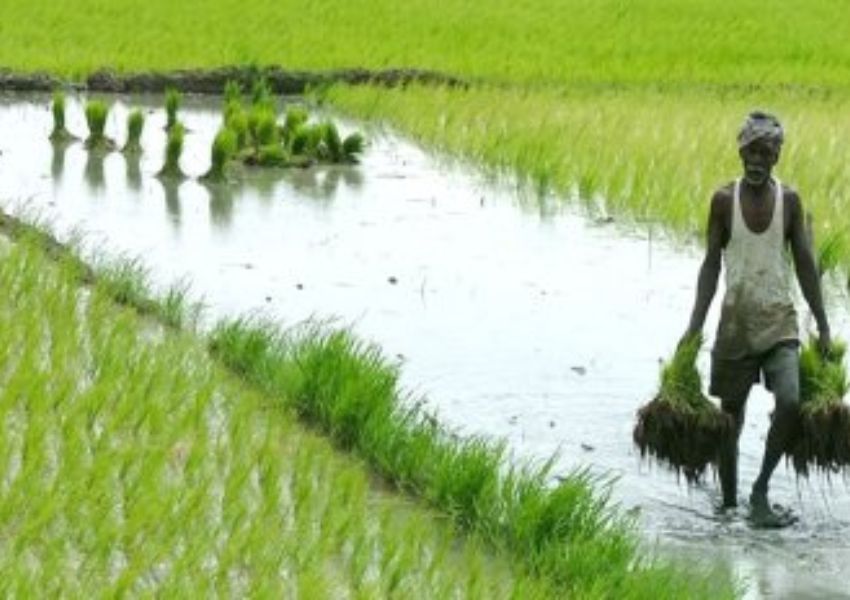
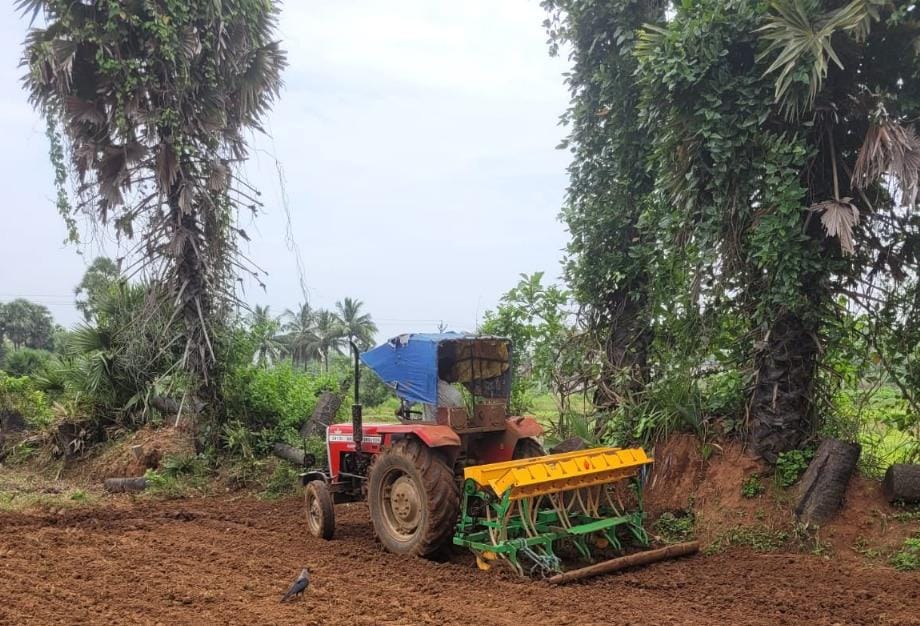
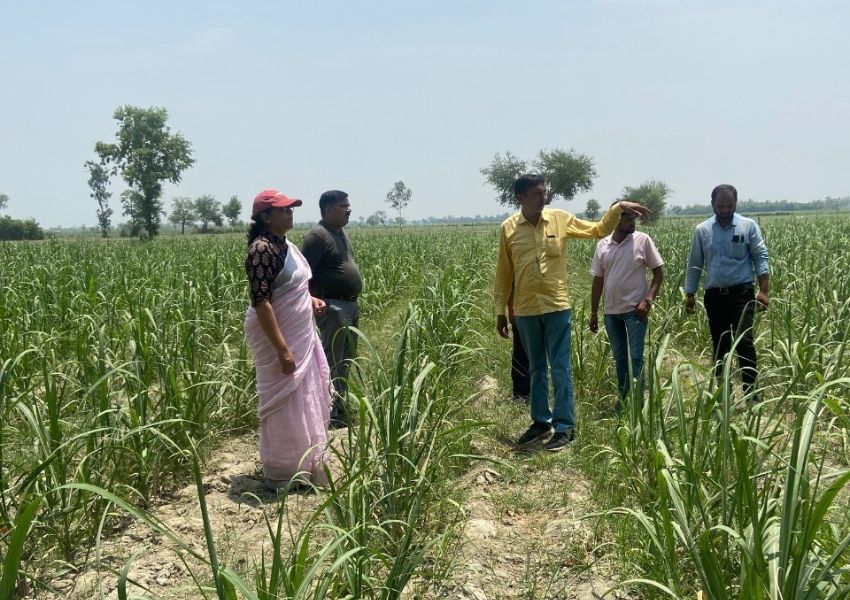
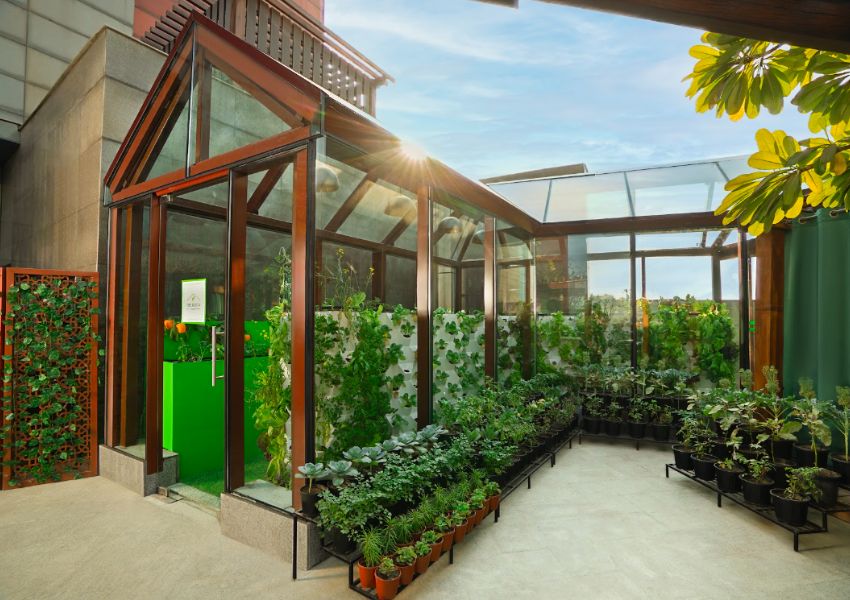
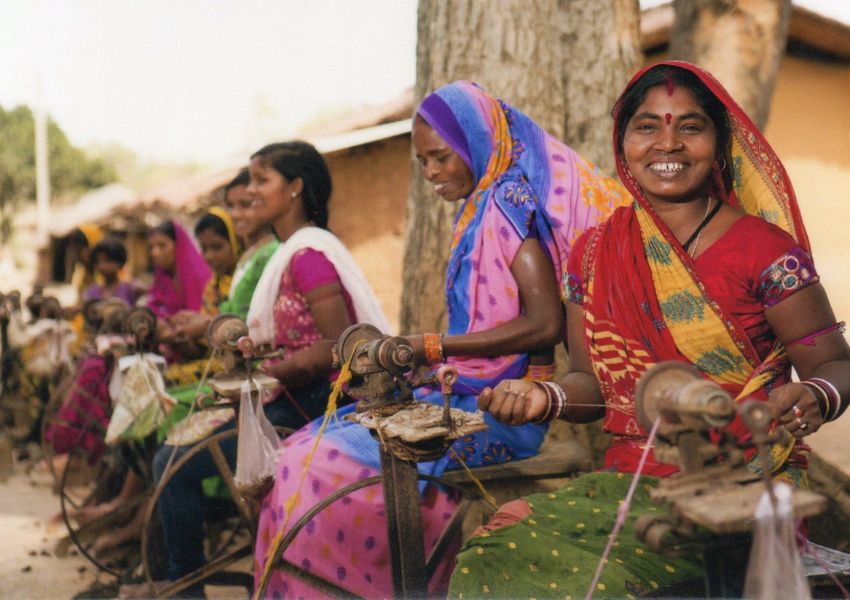
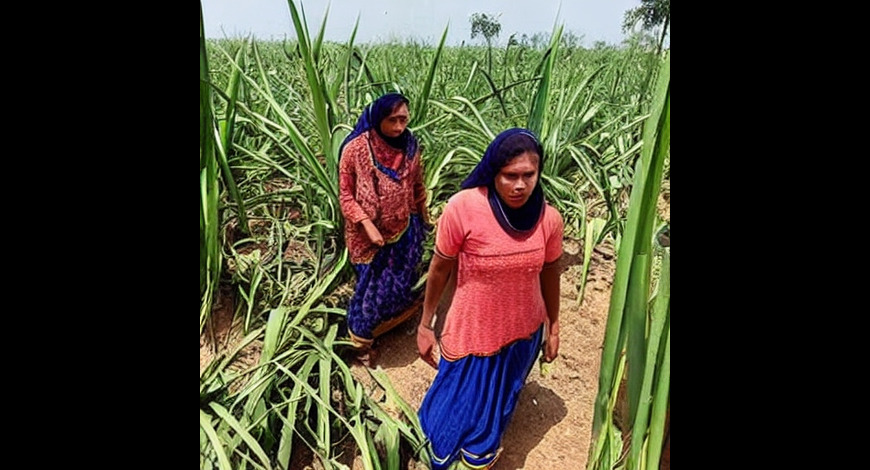
Live-in Labs where students live and work in rural communities to co-design sustainable solutions for local development — from energy access to waste management. This model equips students with community engagement skills and reinforces sustainability values beyond theory.
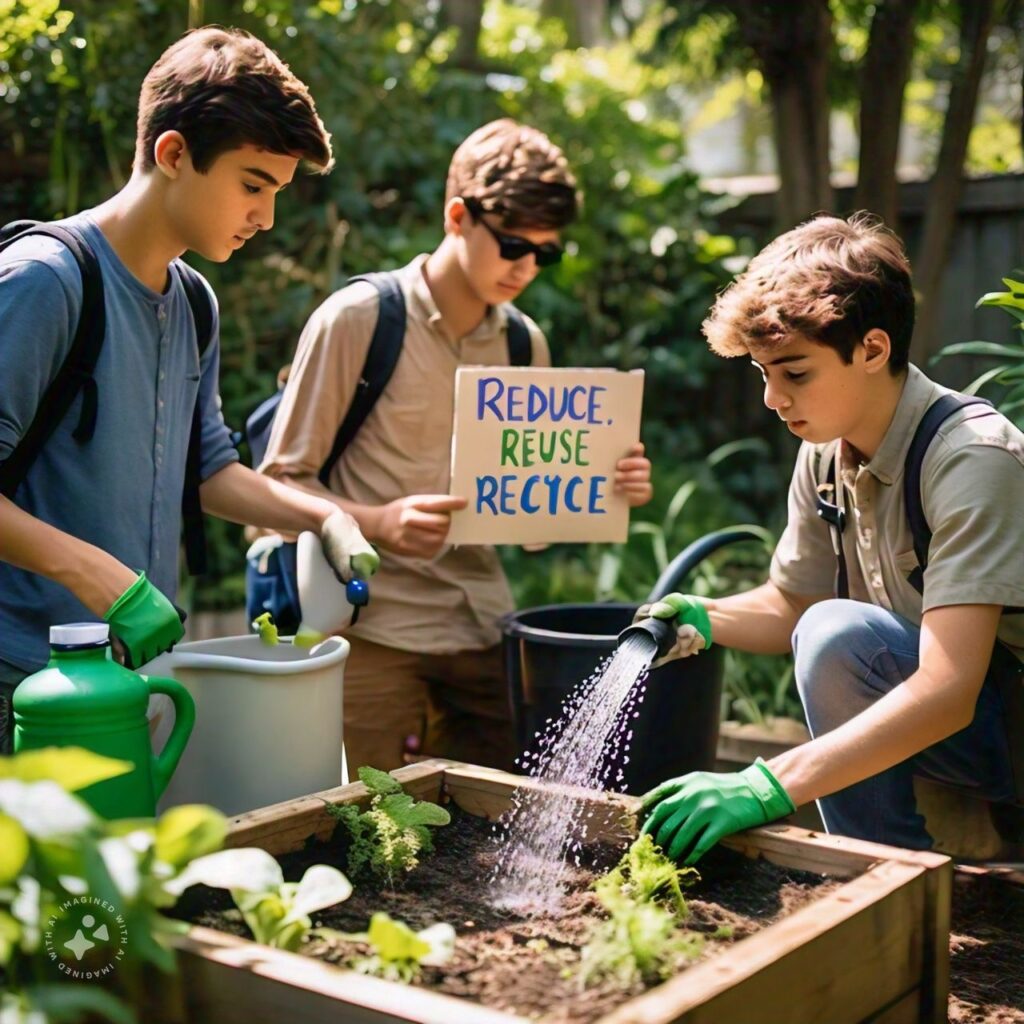
SDG-aligned Projects in which students prepare projects on waste reuse, organic farming, and water conservation connect directly with the UN SDGs and challenge students to translate abstract goals into measurable outcomes.
Sustainability In Practice Courses
Sustainability in Practice involving a year-long experiential learning initiative where MBA students analyse real environmental, ethical and social issues within business systems. Students learn to co-create solutions that balance economic and ecological value (for example, LM Thapar School of Management).
Simulation Labs & Decision-Making Games (in Management Education) in which management students simulate strategic business decisions through games like HR,
Finance, Operation strategy and broad decision making, enhancing decision-making and understanding of complex systems — essential for sustainability leadership (For example Jaipuria School of Business provides a complete management Simulation platform designed by AIMA BIZLAB).
Internships And Immersion Programs
- Corporate & Government Internships where 2-6 months internships in CSR divisions, sustainability consulting firms, and public policy units give students exposure to real sustainability practices and constraints.
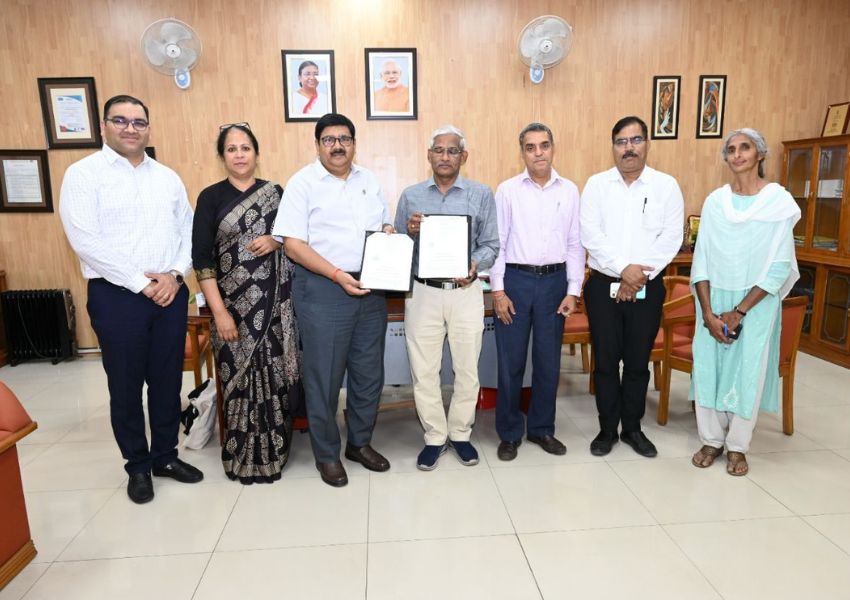
- Cross-Sector Collaborations in which partnerships with industries across different sectors and collaborations between NGOs, local governments, and industry groups deepen contextual learning and solution implementation experience.
Innovation Labs & Incubators
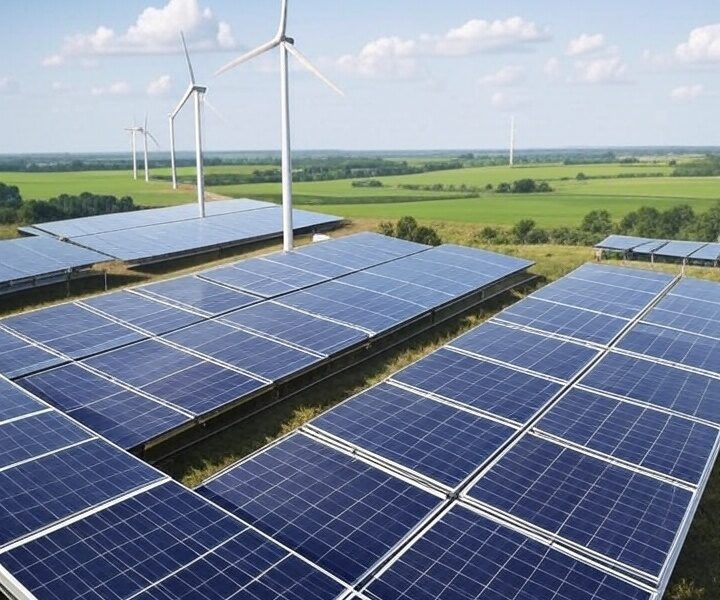
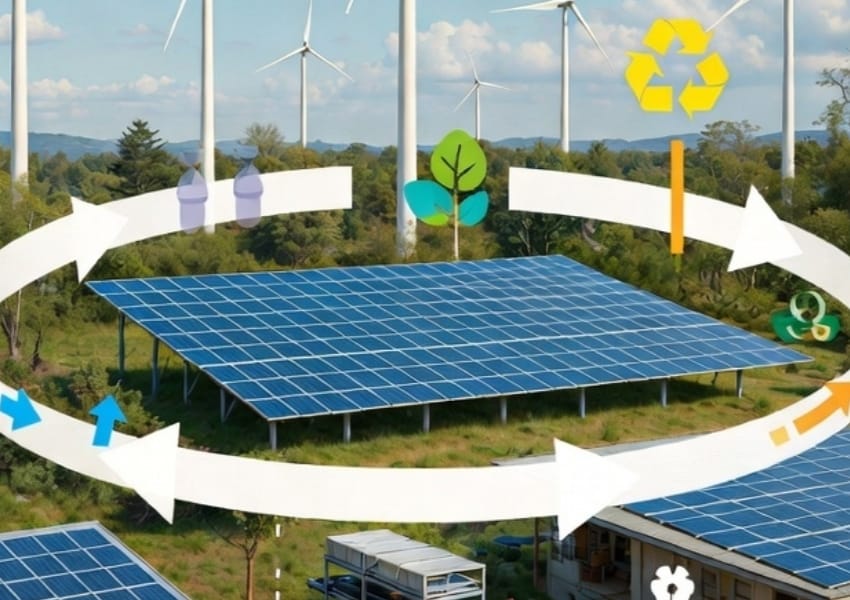
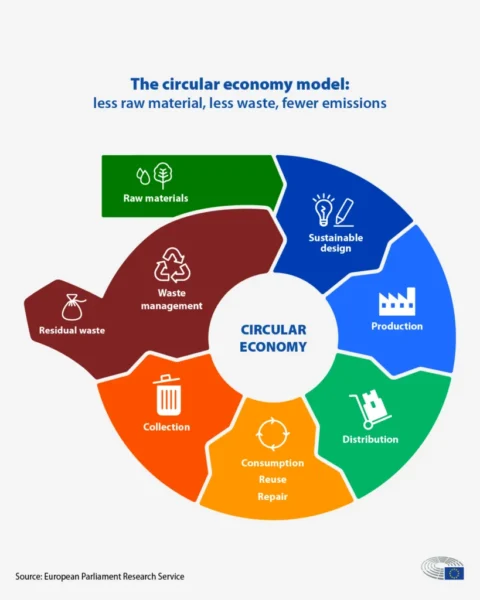
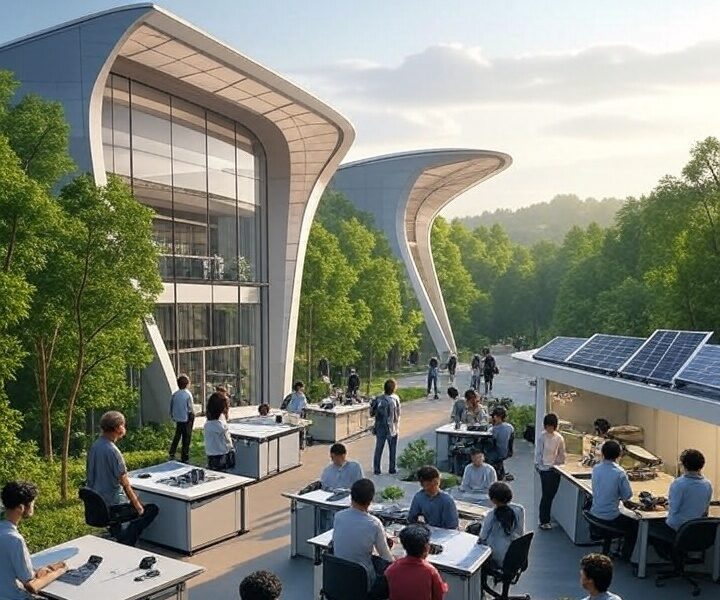
Sustainability Innovation Cells in which universities and institutions build innovation labs where multidisciplinary teams prototype green technologies, circular economy models, and business models for social impact.
Some of the Novel Practices expected to emerge in 2026 are:
Virtual Reality (VR) for Sustainability Experiments like Immersive VR Scenarios
Transdisciplinary Sustainability Bootcamps like Hackathon-Style Sustainability Labs
Service Learning & Social Enterprise Labs such as Green Social Entrepreneurship Initiatives
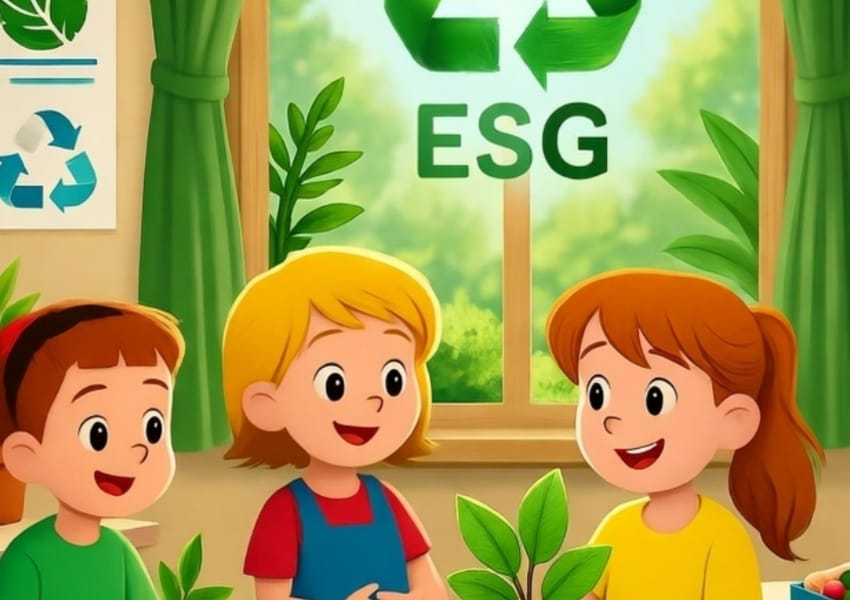
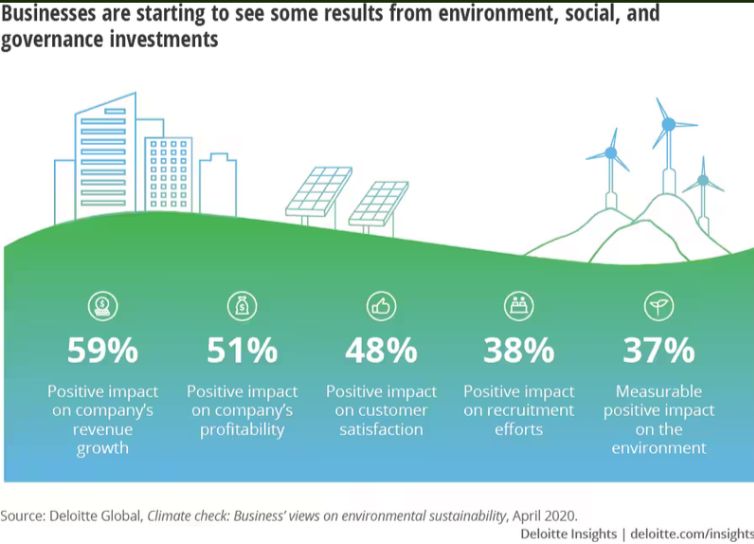
All these efforts signal the early success outcomes. Nearly 50% of students are reporting intent to implement sustainability initiatives on campus or in the community. Institutions with strong experiential sustainability offerings report higher placement in roles linked to ESG (Environmental, Social & Governance) and sustainability strategy. As a result, global educational institutions, including Indian universities and B-schools are increasingly appearing on global sustainability rankings, with improved environmental education metrics reflecting enhanced experiential learning integration.
However, the sustainability education practice is not free from challenges. Two most important limitations in practicing sustainability are resource constraints and lack of faculty readiness. Firstly, not all institutions have the infrastructure or funding for field-based or tech-intensive experiential programmes. Secondly, many educators still rely on lecture-based methods. This needs to change. Professional development in active learning pedagogy is critical.
In the future, experiential learning is poised to become the bridge that finally unites sustainability theory with practice in higher education, especially within management education. This will be achieved through redesigning curriculum, strengthening industry-academia tie-ups, integrating technologies in the mainstream and developing the intellectual capital. By incorporating community engagement, innovation labs, problem solving skills, simulations, and industry immersion, institutions are expected to produce graduates who can think critically, act responsibly, and lead sustainably. This is just a begining, but with strategic thought process and policy support, Indian higher education can lead globally in shaping sustainability-enhanced leaders for the future.
Disclaimer: The views expressed in this article are those of the author and do not necessarily reflect the views of the publication.