






























































































































































































































































































































































































































































































































































































































































































































































































































Human–wildlife Conflict Drives Rethink Of India’s Tiger, Elephant Conservation Strategy


Landscape planning, science-led management and community participation anchor revised conservation push
Rising incidents of human–wildlife conflict has moved to the centre of India’s conservation debate, with the Union government reviewing its tiger and elephant protection strategy amid growing pressure on forests, farmlands and rural livelihoods.
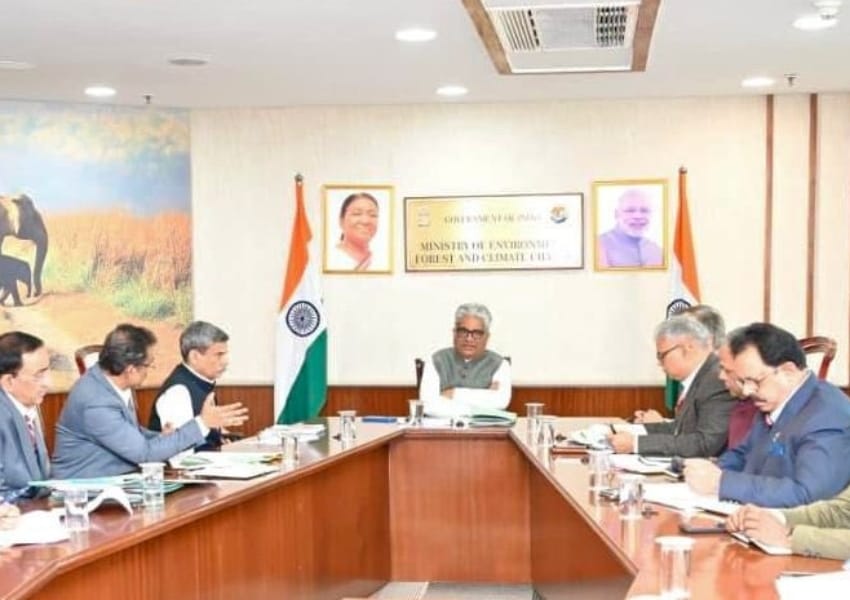
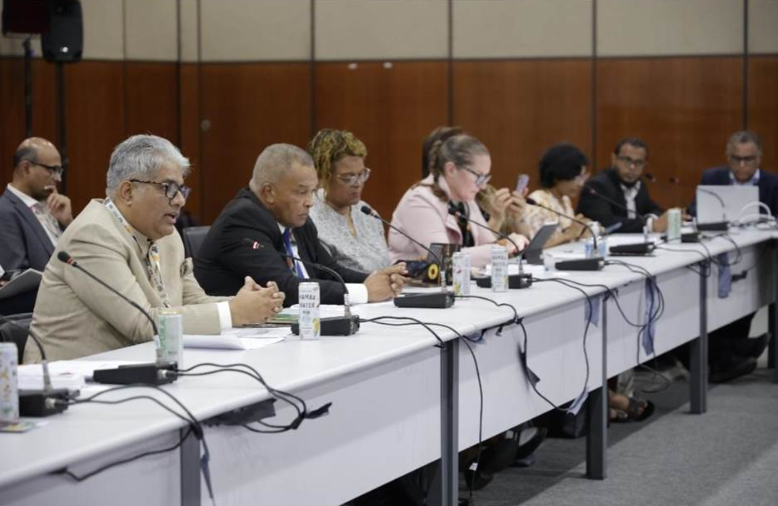
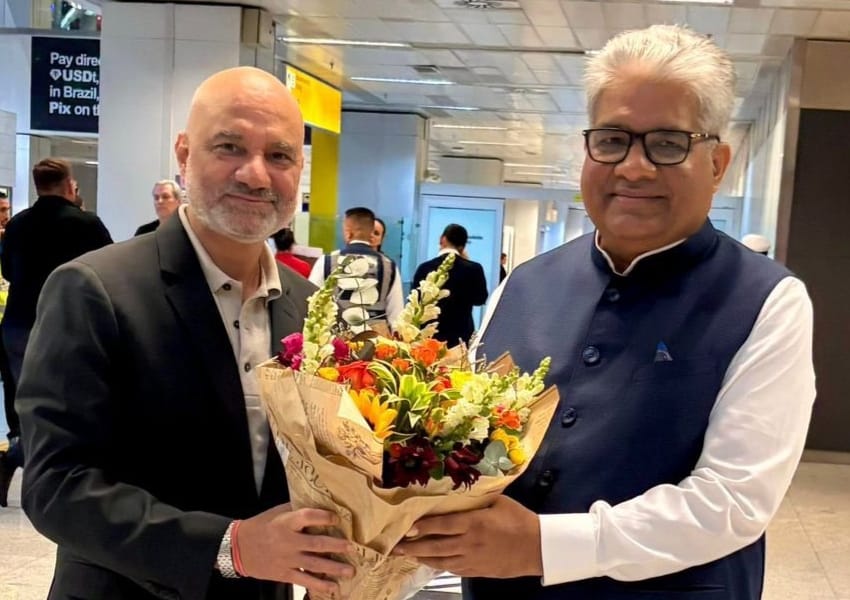
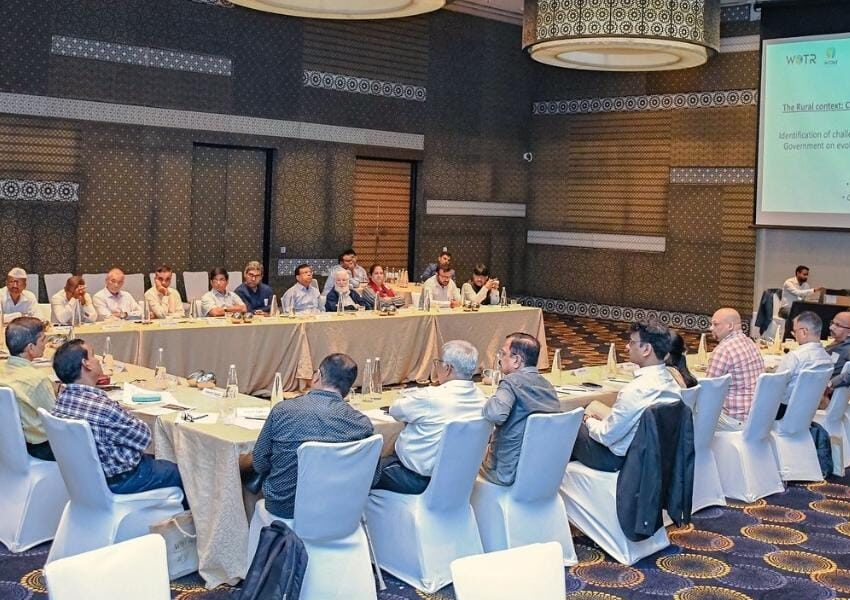
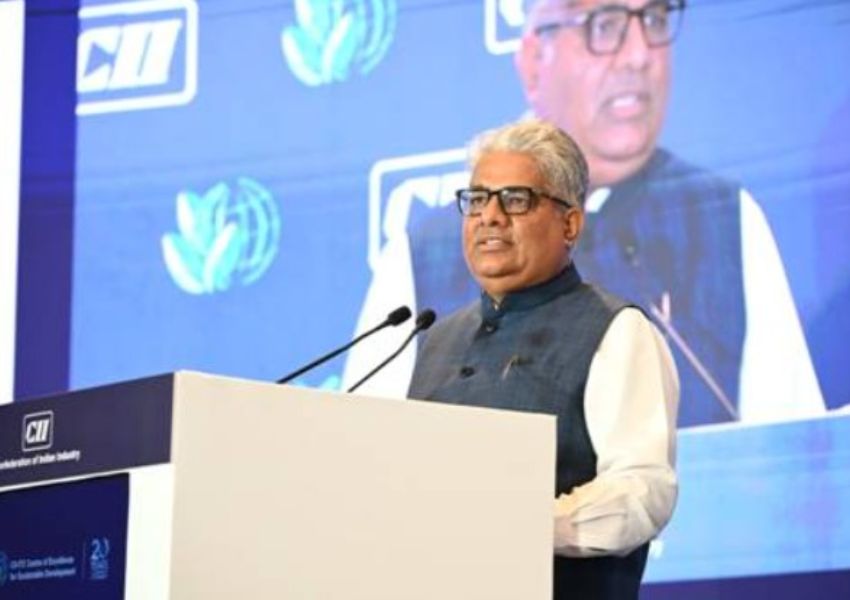
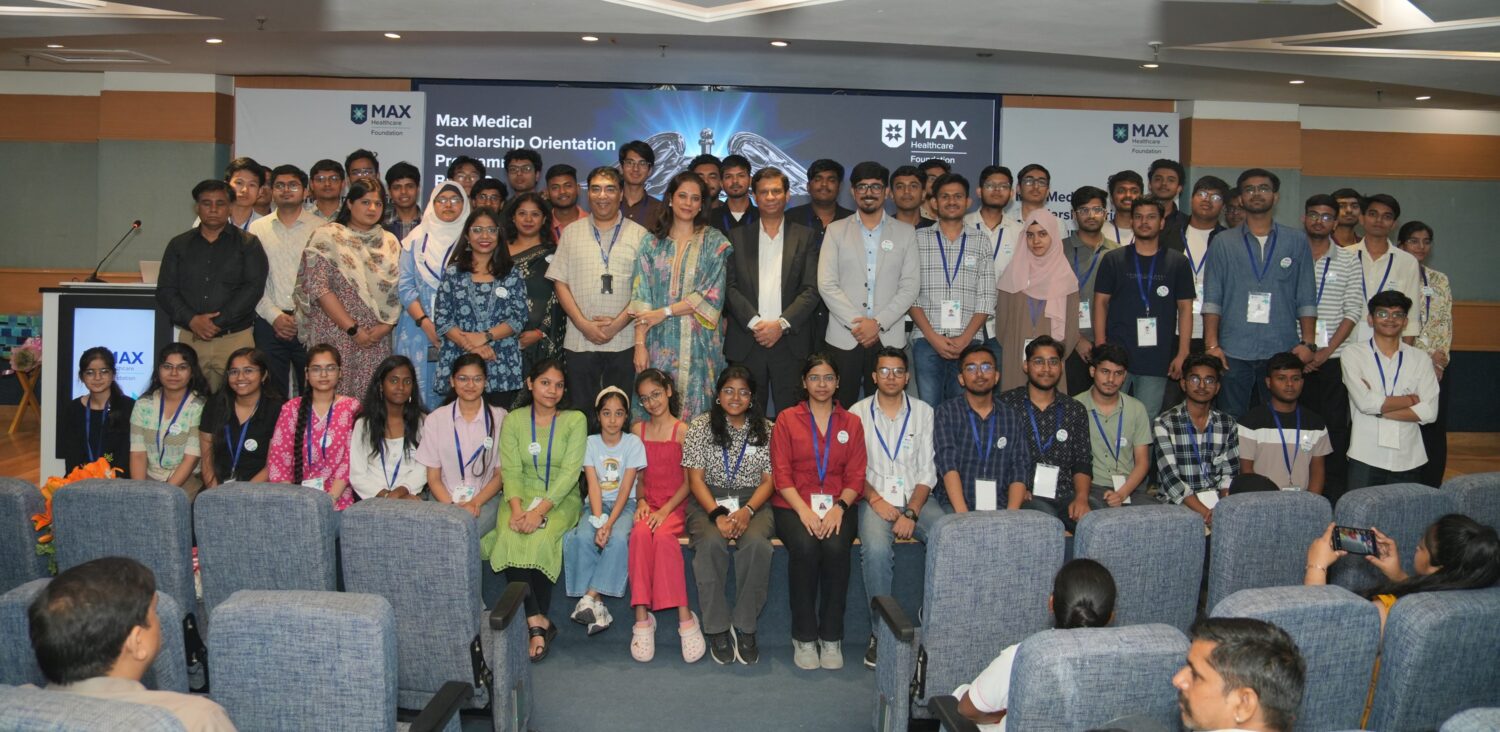
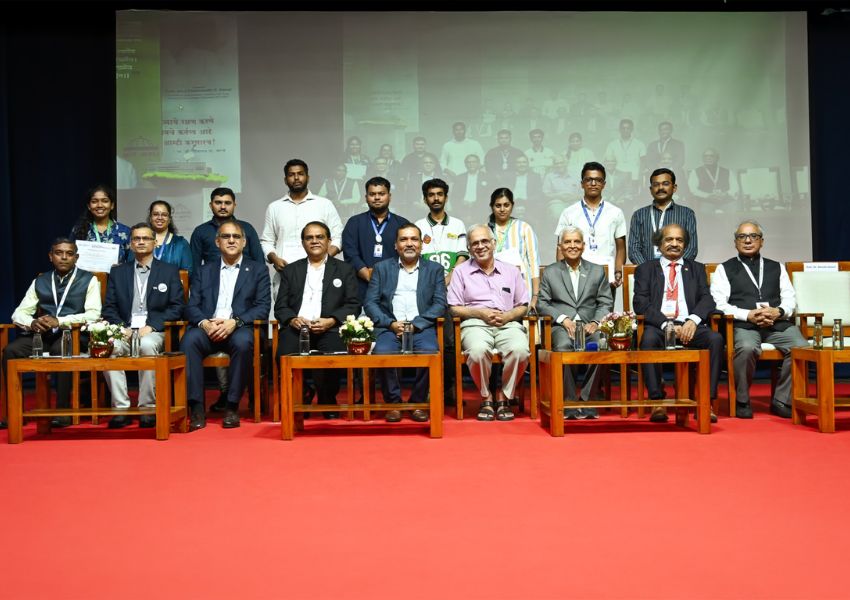
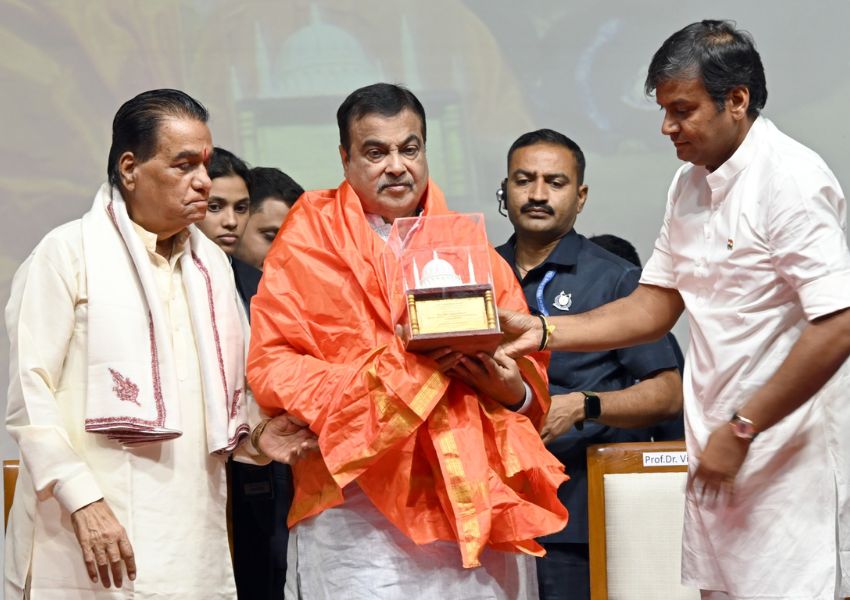
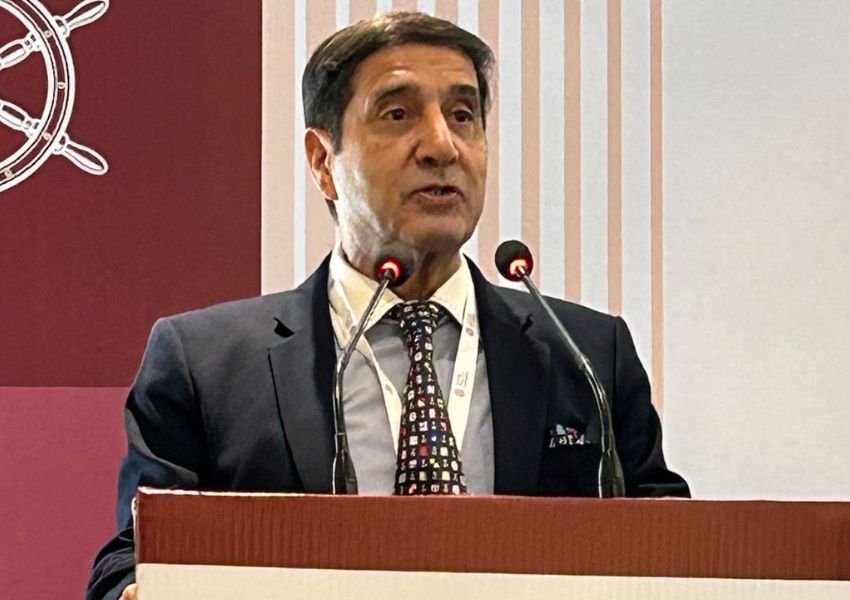
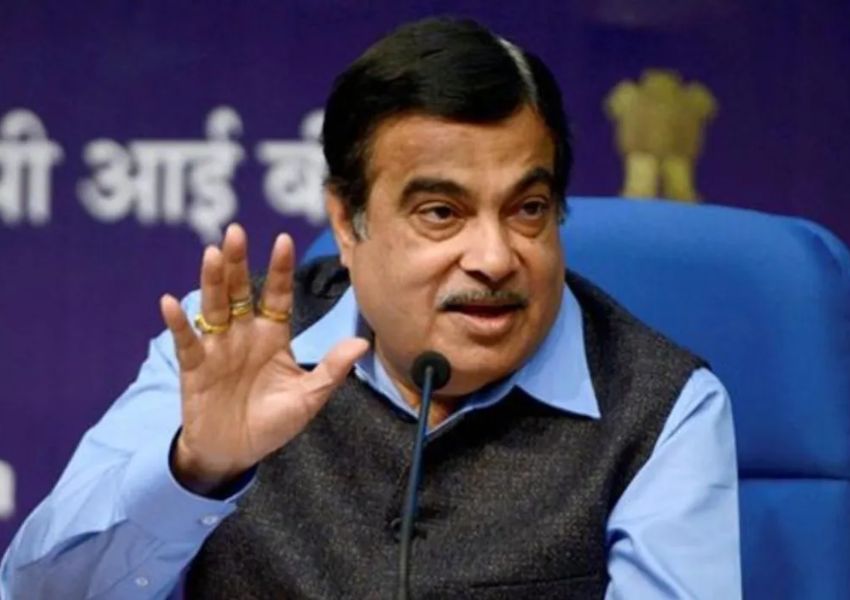
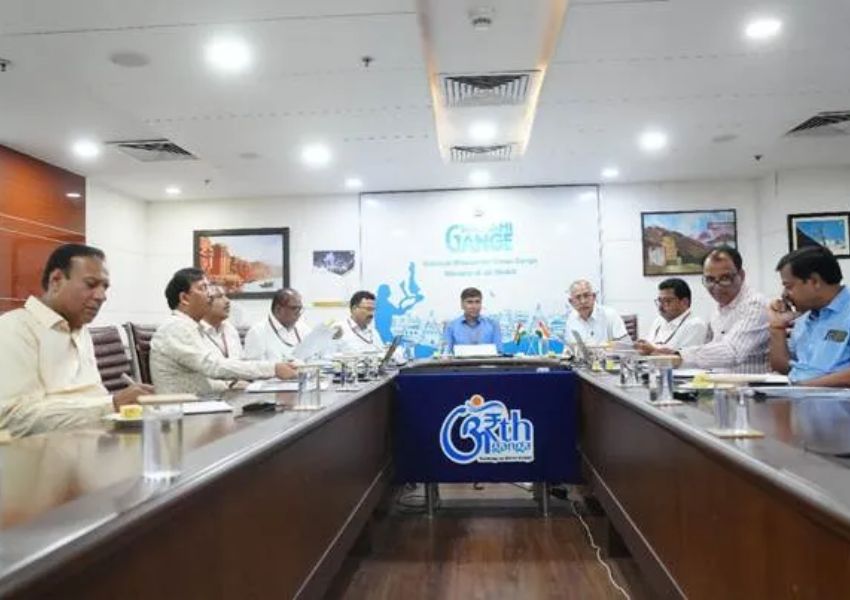
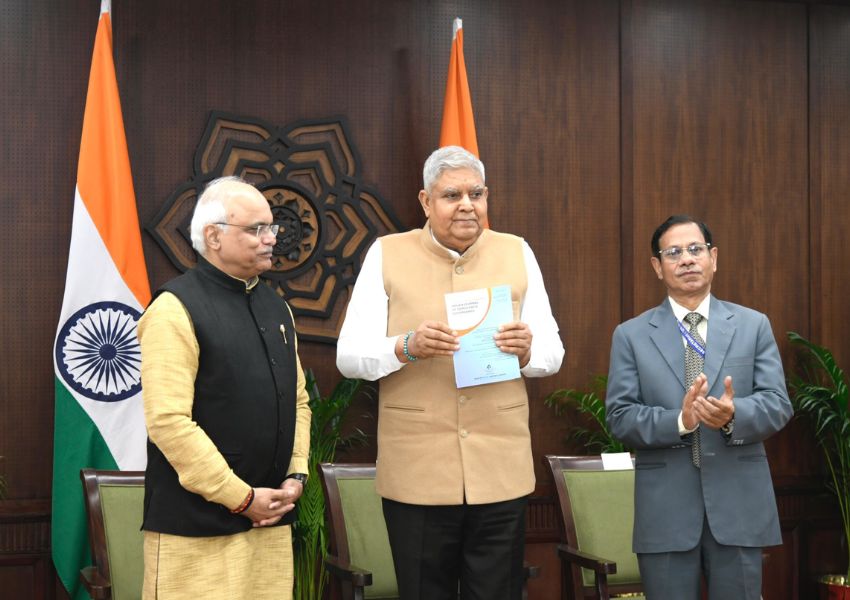
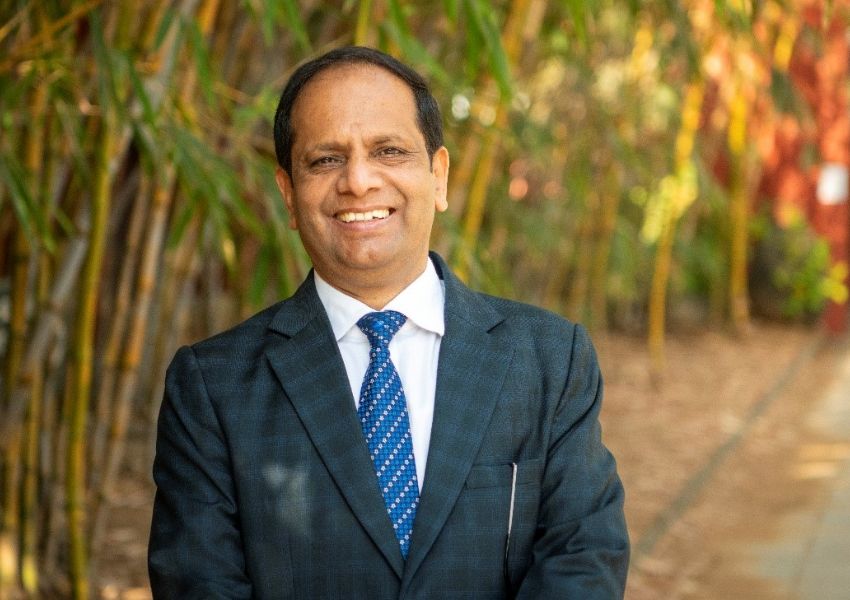
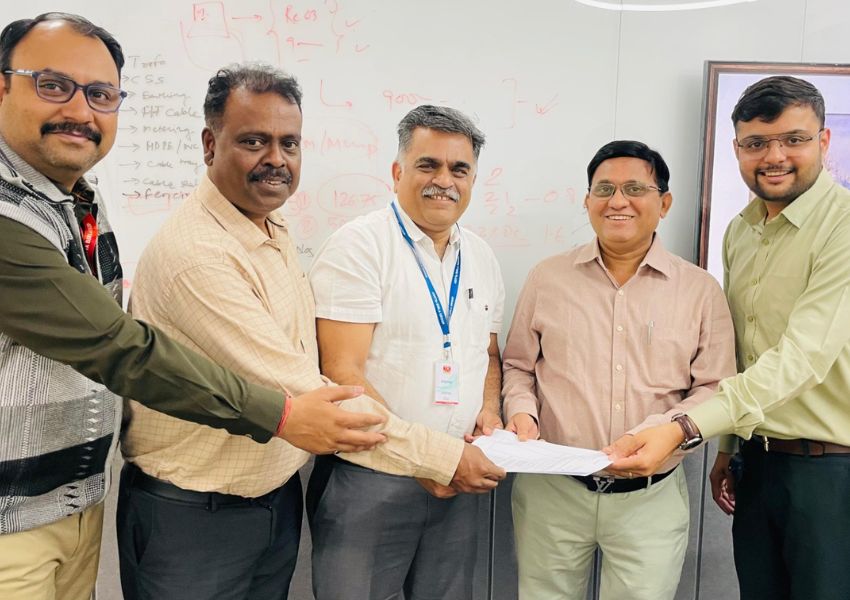
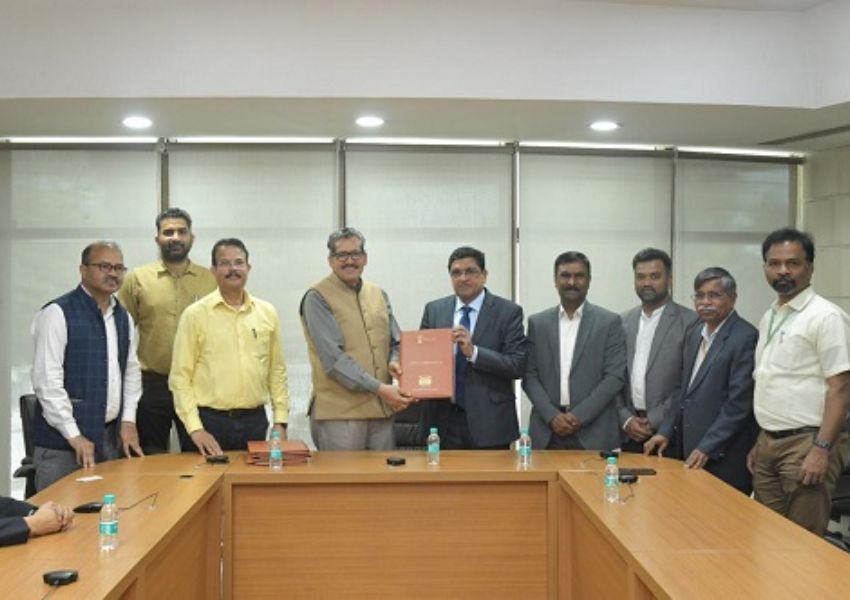
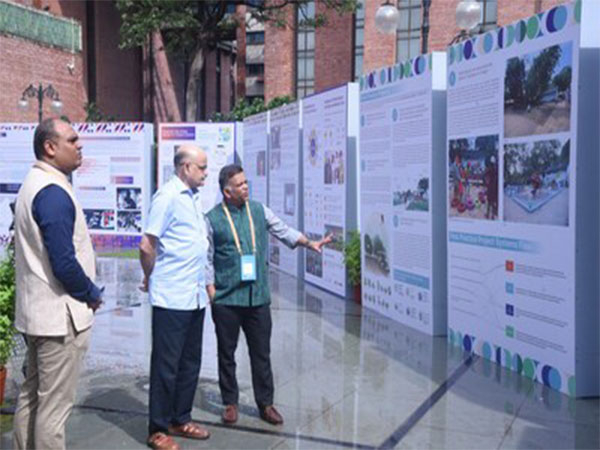
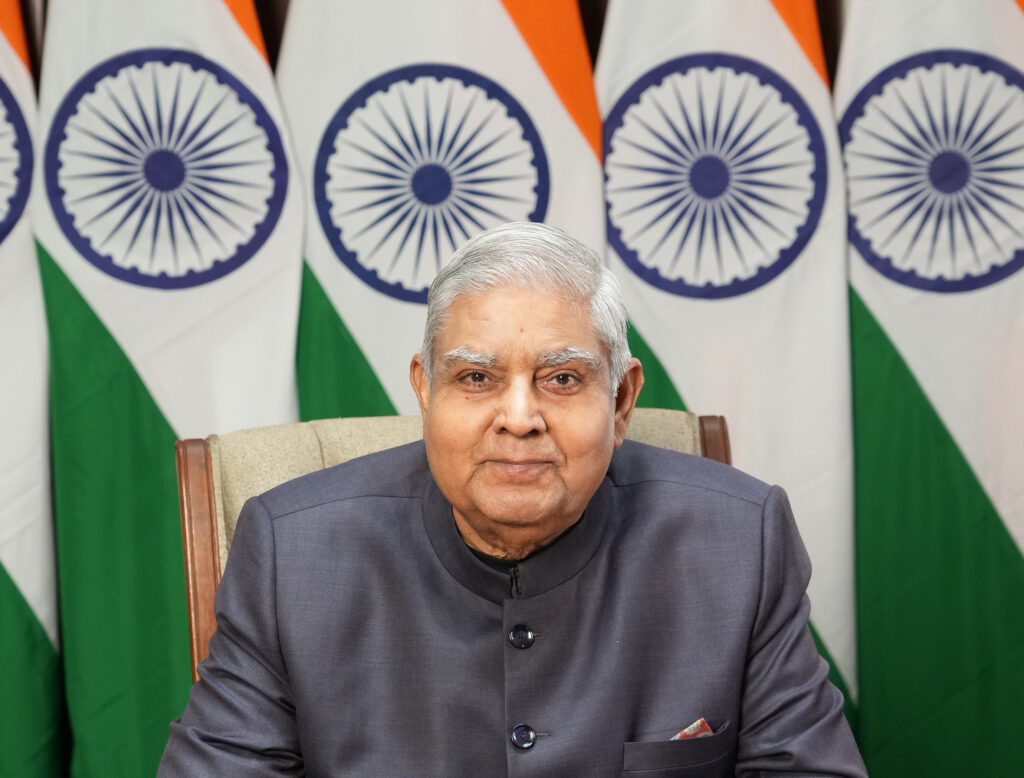
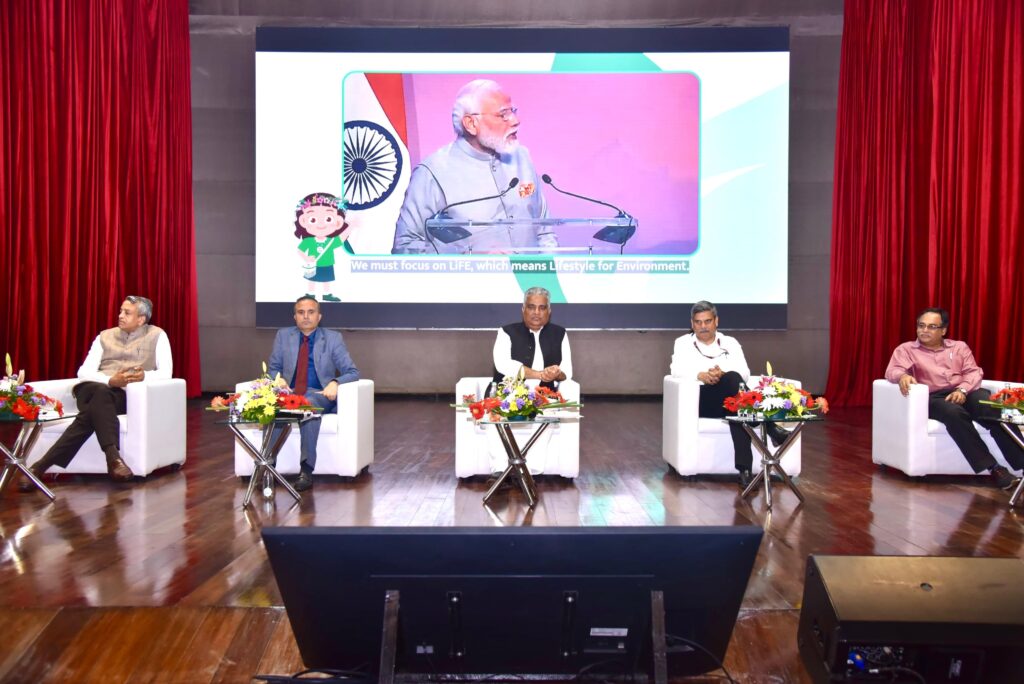
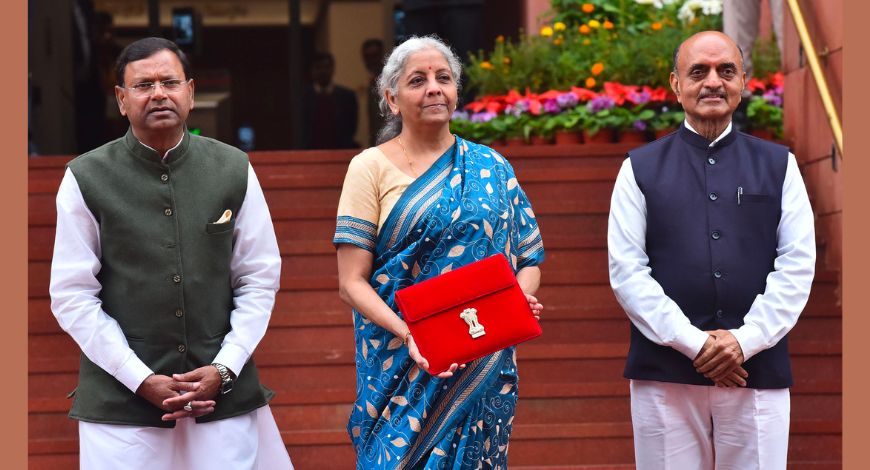
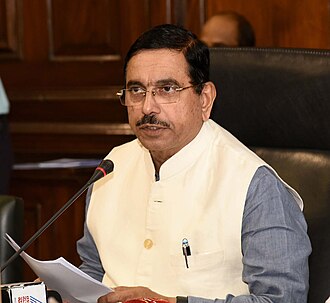
At a high-level meeting held at the Sundarbans Tiger Reserve on 21 December 2025, the National Tiger Conservation Authority and the Steering Committee of Project Elephant assessed the state of flagship conservation programmes and agreed on the need for integrated, landscape-level responses to conflict across states. The meetings were chaired by Bhupender Yadav, Union Minister for Environment, Forest and Climate Change.
The discussions brought together officials, scientists and field experts from tiger and elephant range states, reflecting the Centre’s concern over the widening interface between wildlife habitats and human settlements.
Conflict At The Core
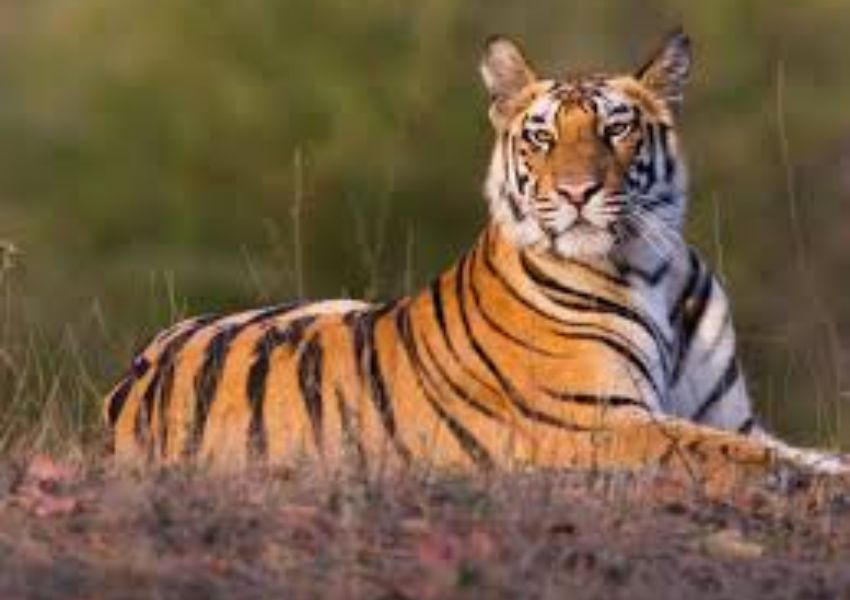
Chairing the twenty-eighth meeting of the National Tiger Conservation Authority, Yadav underlined that India’s globally recognised tiger conservation model must now adapt to emerging realities. He stressed science-based management, inter-state coordination and community participation as critical pillars, particularly as tigers increasingly move beyond protected reserves.
Measures to address human–tiger conflict featured prominently, including a three-pronged conflict mitigation strategy and the ongoing project titled ‘Management of Tigers Outside Tiger Reserves’. Officials also reviewed structural constraints such as staff shortages, funding gaps, habitat degradation and the spread of invasive species, issuing directions for follow-up action.
The authority ratified decisions of its technical committee, approving tiger conservation plans, prey augmentation measures, carnivore health training programmes and landscape management initiatives. The expansion of Project Cheetah was also cleared, including its extension to Gandhisagar Wildlife Sanctuary in Madhya Pradesh and the Banni grassland in Gujarat.
Elephant Corridors Under Strain
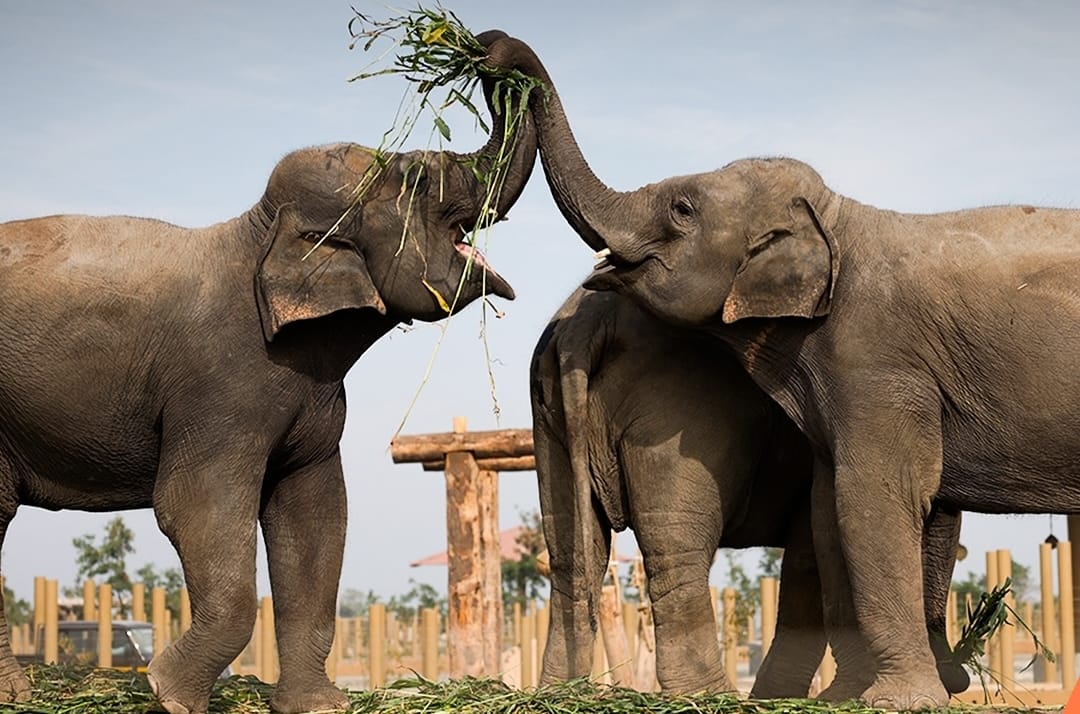
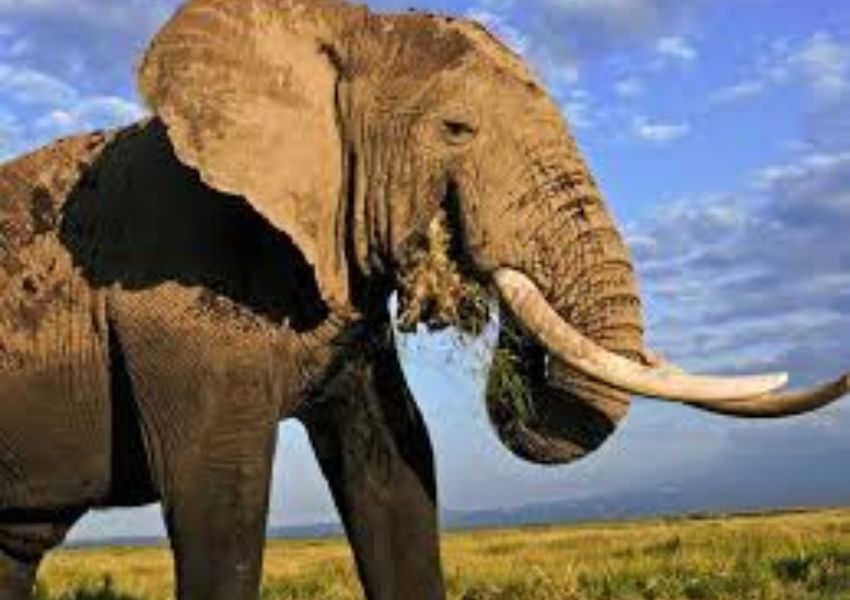
Human–elephant conflict received equal attention at the twenty-second Steering Committee meeting of Project Elephant. Regional action plans for southern and northeastern India were reviewed, with priority areas identified for coordinated inter-state intervention.
Officials examined findings from studies on conflict drivers, mitigation tools and compensation mechanisms adopted by states. Updates were presented on the All-India Synchronised Elephant Estimation, the Model Elephant Conservation Plan for the Nilgiri Elephant Reserve and ongoing DNA profiling of captive elephants, with an emphasis on welfare standards and scientific management.
The committee also discussed future work, including a proposed study on elephant corridors and conflict hotspots in the Bandhavgarh region, and management effectiveness evaluations of elephant reserves supported by the Compensatory Afforestation Fund Management and Planning Authority.
Global And Domestic Focus
The minister reviewed progress under the sixth cycle of the All-India Tiger Estimation, with ground surveys having begun in November 2025, and noted growing international cooperation under Project Cheetah, including exchanges with South Africa, Namibia and Botswana. Preparations for a proposed Global Big Cat Summit were also assessed.
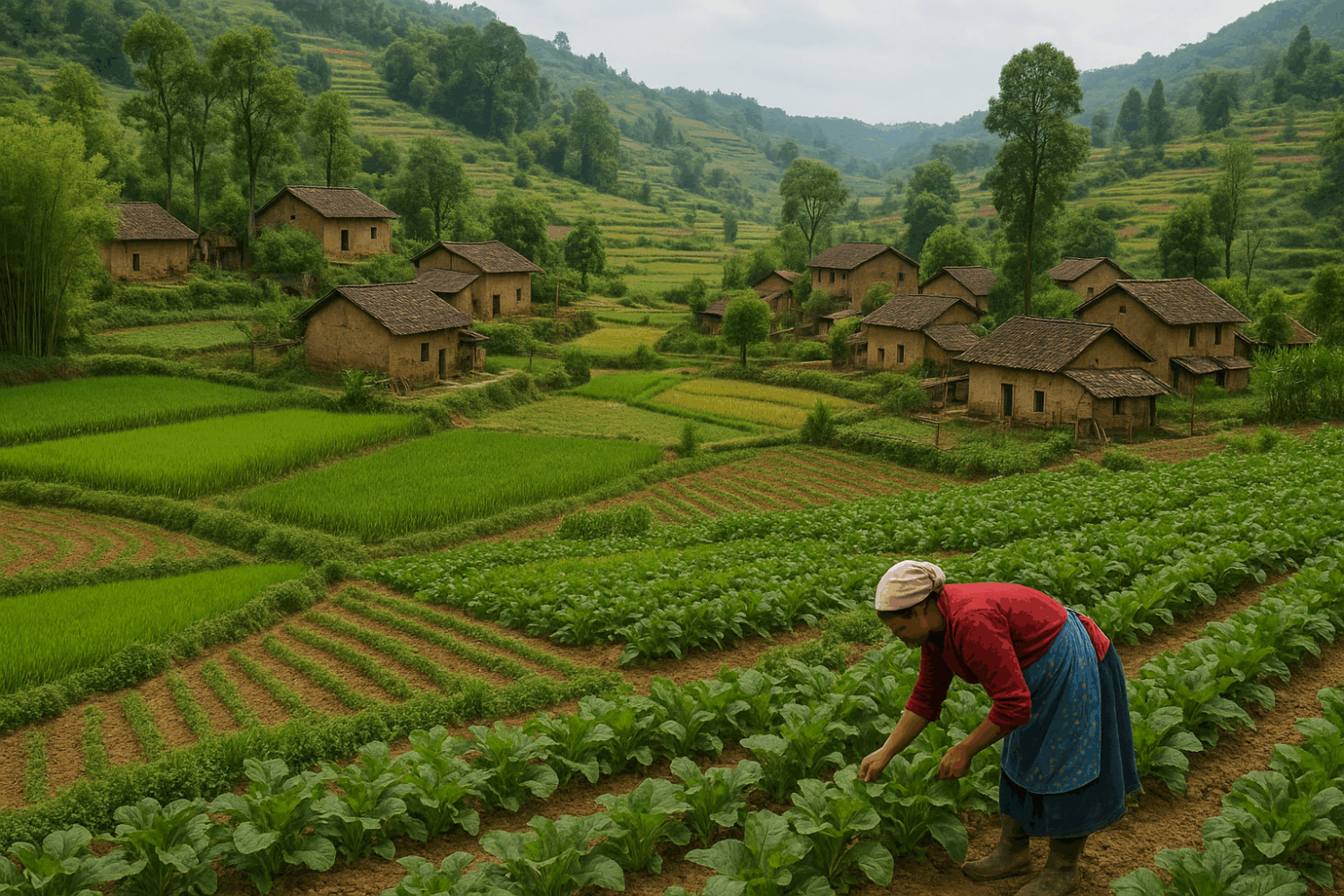
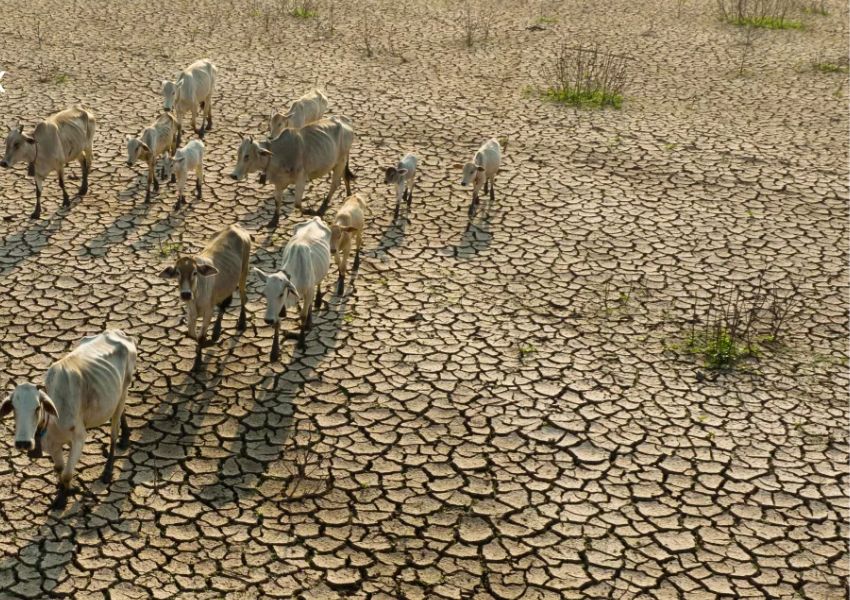
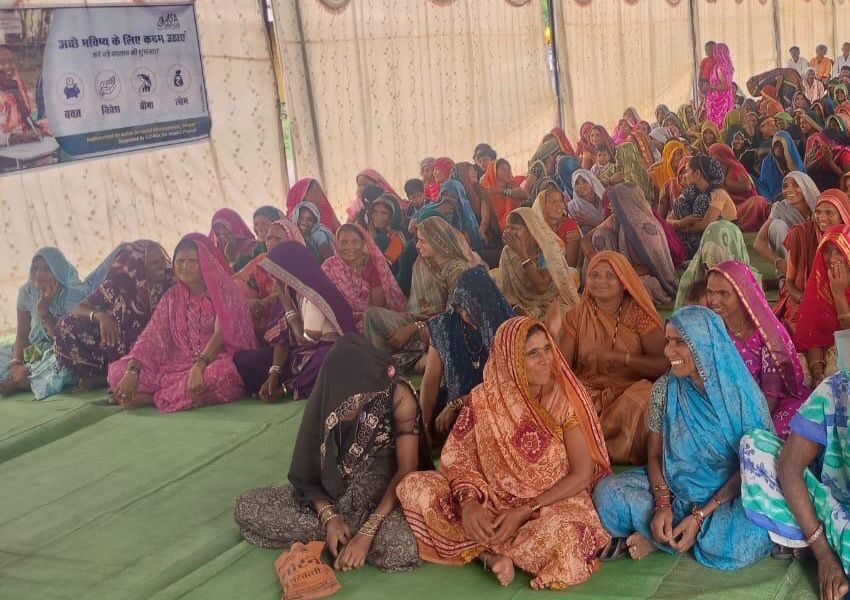
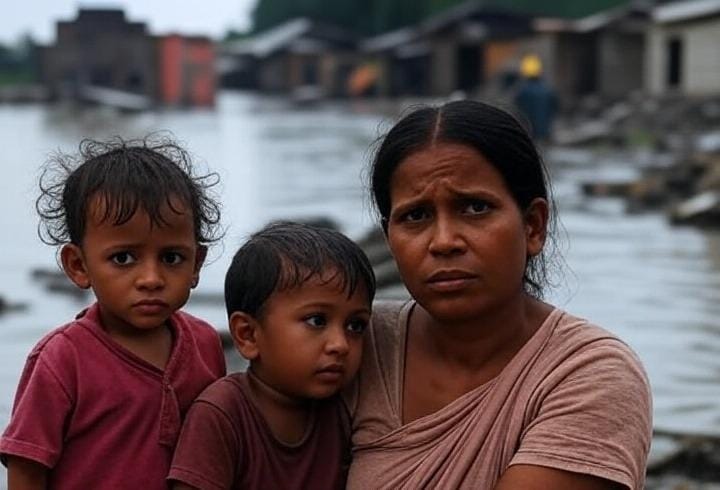
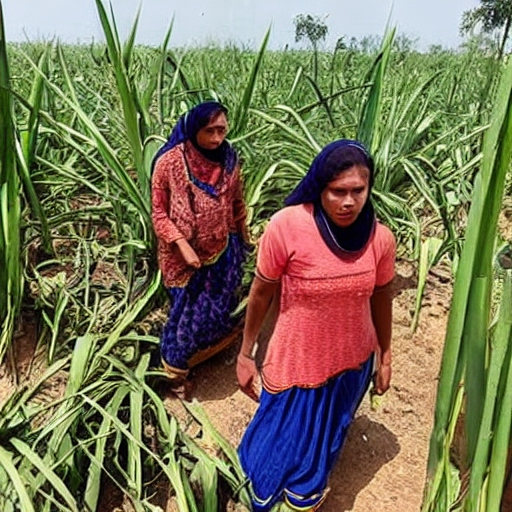
According to Wildlife SOS, habitat loss, fragmentation and climate change are pushing elephants, tigers and other species into farms and villages in search of food and water, resulting in injuries, fatalities and economic losses for communities. The organisation has called for integrated land-use planning and long-term coexistence strategies.
As conservation priorities expand beyond protected areas, the Centre’s review signals a shift towards managing wildlife not only within forests, but across shared human landscapes, where the cost of conflict is becoming harder to ignore.