



















































































































































































































































































































































































































































































































































































































































India Inc’s ESG Transition: From Compliance To Value Chain Readiness


India Inc is moving from intent to execution as ESG deepens across value chains, with MSMEs, Scope 3 scrutiny and regulation shaping competitiveness and resilience
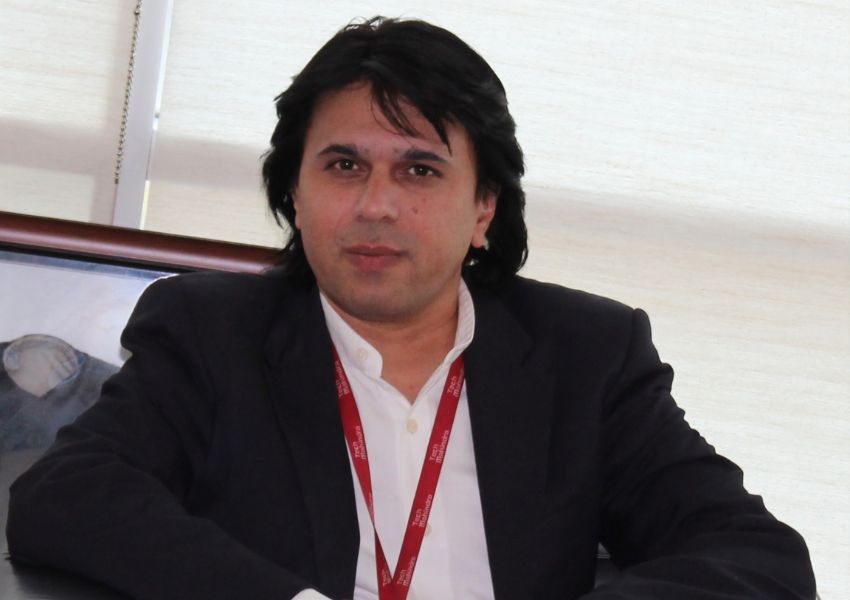
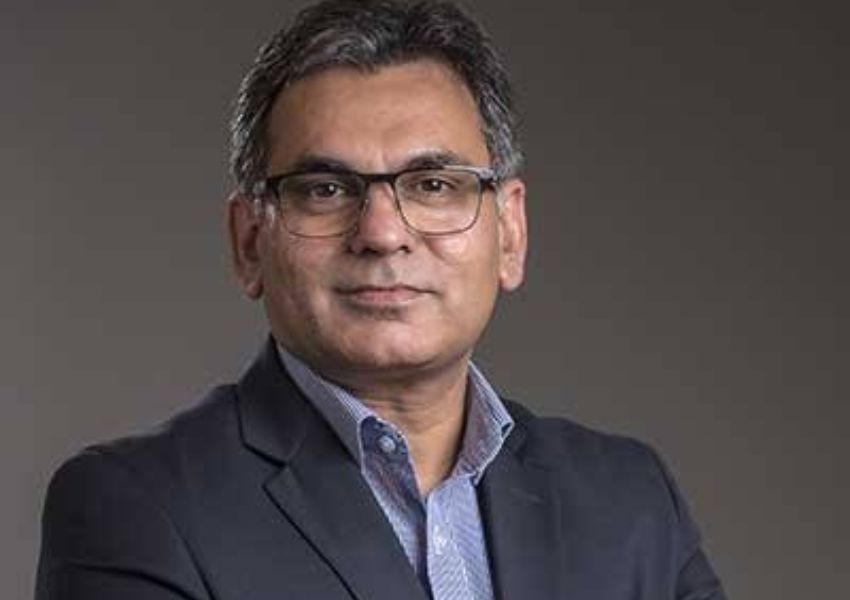
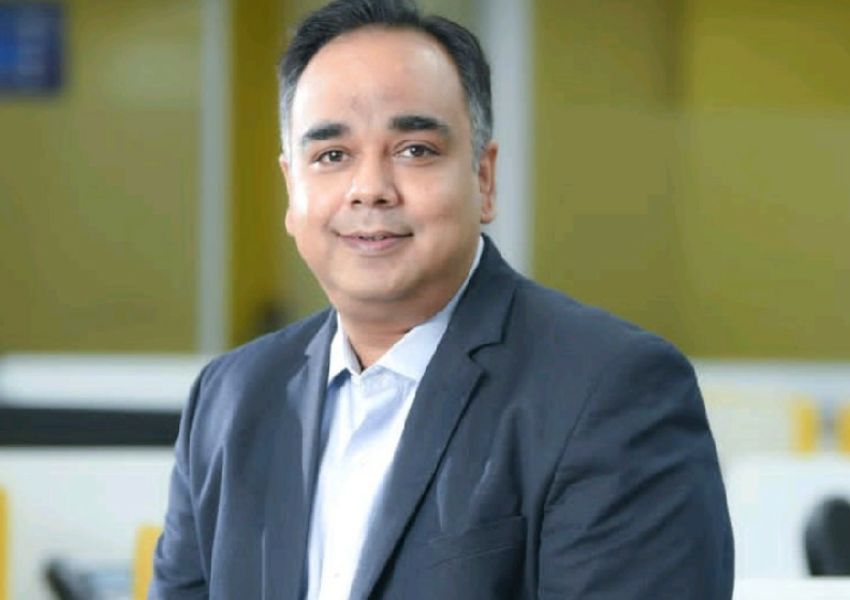
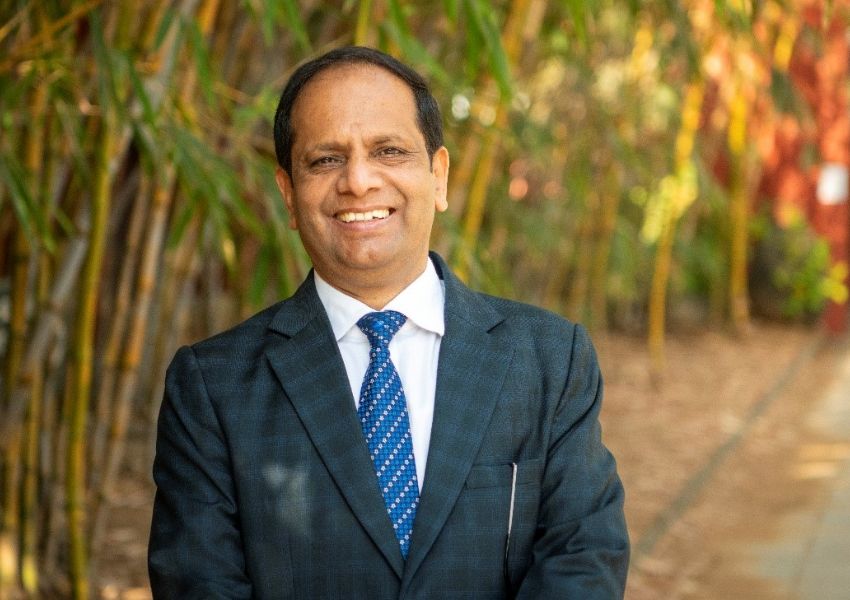
By: Smitha Shetty, Regional Director, APAC, Achilles Information Limited.
There is a persistent assumption in global conversations that Indian companies are late to sustainability. The narrative often suggests that ESG is still a peripheral concern for India Inc, driven more by regulation than intent. This view, however, overlooks the reality on the ground and misses a more important shift now underway.
Many of India’s larger enterprises have been engaging with sustainability for years. Their exposure to global markets has required them to comply with international ESG expectations across trading geographies, whether through climate disclosures, labour standards, supply chain oversight or governance frameworks. For these organisations, sustainability has not been optional. It has been a condition of participation in global value chains.
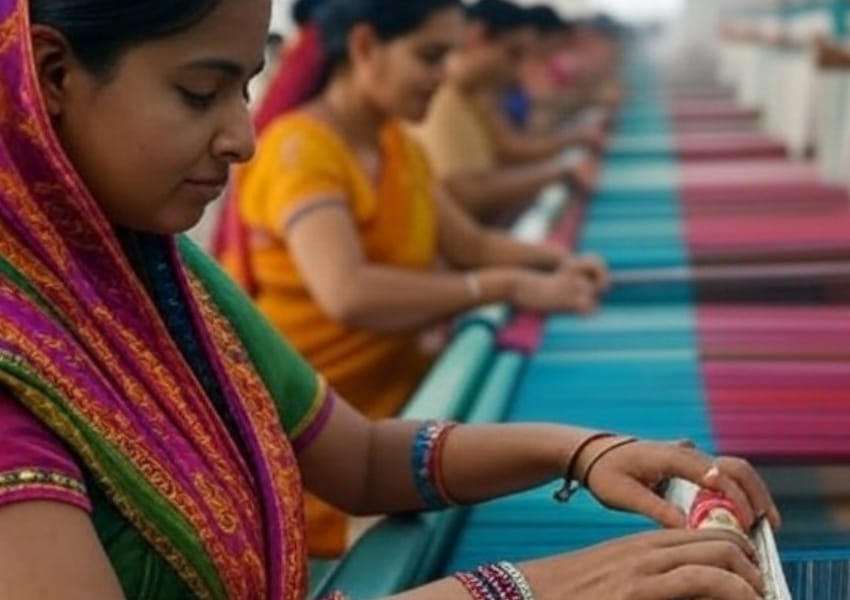
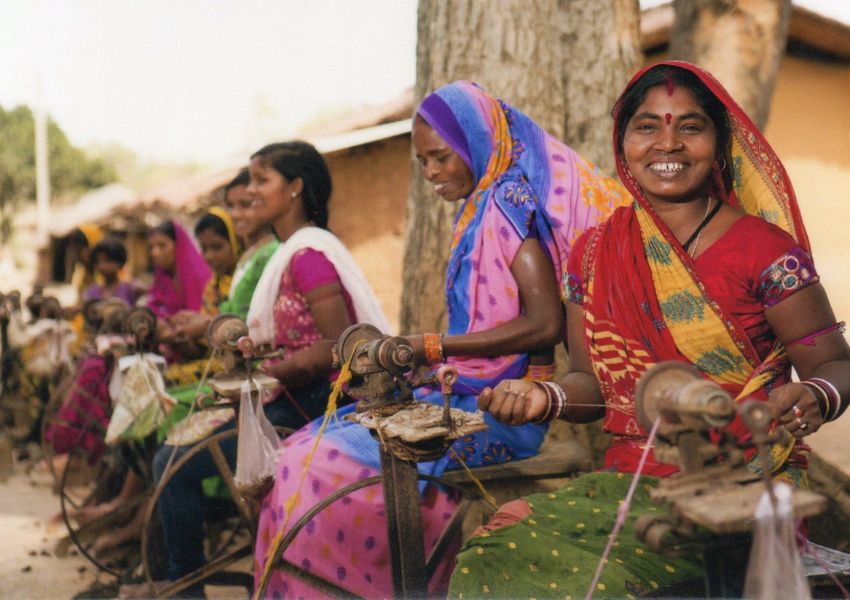
What is changing now is the breadth and depth of this engagement. As India moves into its next phase of growth, ESG expectations are extending beyond large corporates and into the wider business ecosystem. MSMEs and smaller companies, which form the backbone of Indian supply chains, are beginning their own sustainability reporting journeys. This transition will define how credible and resilient India Inc appears in the years ahead.
A More Nuanced Global Landscape
A recent analysis by the Institute for Energy Economics and Financial Analysis (IEEFA) highlights how sustainability reporting is evolving differently across major economies. India, the United States and the European Union are all moving towards greater transparency, but through distinct pathways shaped by regulatory philosophy and market structure.
The European Union is taking a highly standardised and prescriptive approach, with detailed reporting requirements aimed at comparability and assurance across markets. The United States is moving more cautiously, balancing disclosure expectations with concerns around regulatory burden and legal exposure. India, by contrast, is following a pragmatic middle path.
India’s approach, anchored in the Business Responsibility and Sustainability Reporting (BRSR) framework, reflects an attempt to raise disclosure quality while remaining mindful of market diversity and capacity constraints. Rather than mirroring Western models, India is shaping a framework that recognises the complexity of its economy, particularly the central role of MSMEs.
This distinction matters. It signals that India’s sustainability journey is not about replicating global templates, but about building a system that can scale across varied sectors and levels of maturity.
From Corporate Compliance to Ecosystem Readiness
For many large Indian organisations, ESG frameworks are already established in principle. The more complex challenge now lies in execution across extended value chains. Climate risk,
labour practices and governance gaps rarely sit neatly within corporate boundaries. They emerge within supplier operations, logistics networks and subcontracted services.
In sectors such as manufacturing, infrastructure, retail and energy, a substantial share of climate impact resides outside direct operations. Scope 3 emissions generated by suppliers and logistics partners now account for the largest portion of reported footprints. Measuring and managing these emissions remains difficult, largely due to inconsistent data quality and uneven supplier readiness.
The organisations that will stand out over the next few years will not be those with the most polished disclosures, but those that demonstrate a credible approach to improvement. Clear methodologies for data collection, constructive supplier engagement and prioritisation of material risks will matter more than precision alone.
This is where MSMEs become central to the conversation. Smaller businesses are being asked to provide emissions data, demonstrate policy alignment and evidence responsible practices, often for the first time. For these firms, ESG capability is fast becoming a primary procurement criterion. Large anchor corporates are increasingly viewing a supplier’s sustainability maturity as a factor in long term contract stability.
While the shift can feel demanding, it also creates an opportunity to build resilience, strengthen customer relationships and remain competitive in global supply chains. Over time, this bottom-up momentum may prove as influential as formal mandates.
Scope 3 and the Reality Of Transition Risk
The growing focus on Scope 3 emissions offers a clear illustration of this structural shift. For most Indian companies, the majority of climate impact now lies beyond direct control. Addressing it requires sustained engagement with suppliers that vary widely in capability and awareness.
This is not merely a reporting exercise. It is a test of governance and relationship management. Companies that treat Scope 3 as a compliance requirement risk losing credibility. Those that approach it as a long-term engagement process, grounded in materiality and continuous improvement, are better positioned to manage transition risk.
Importantly, global investors and regulators are not expecting perfection. They are looking for consistency, transparency and evidence that organisations understand where their most significant risks sit and how they intend to address them.
Diversifying Supply Chains For Resilience
Recent disruptions have reinforced the importance of supply chain resilience. As organisations reassess exposure to geopolitical uncertainty, climate events and trade volatility, diversification strategies such as offshoring and nearshoring are gaining momentum.
Expanding supplier bases and reconsidering geographic sourcing can create flexibility and reduce vulnerability to disruption. Nearshoring, in particular, offers a way to balance cost considerations with proximity to key markets, improving lead times, collaboration and oversight.
These decisions increasingly carry ESG implications. Reduced transportation distances can lower emissions, while closer supplier relationships can strengthen visibility into labour and environmental practices. Integrating these considerations into sourcing strategies aligns operational resilience with broader sustainability objectives.
Looking Ahead
As global ESG expectations continue to rise, India’s differentiated approach may prove to be a strength rather than a limitation. By balancing regulatory direction with economic pragmatism, India is creating space for businesses of all sizes to participate in the sustainability transition.
For decision-makers, the message is clear. Sustainability is no longer confined to compliance teams or annual reports. It is becoming a core aspect of risk management, supply chain resilience and long-term value creation. Companies that recognise this early, and invest accordingly, will be better prepared for the scrutiny and opportunities that lie ahead.
India Inc is not starting from zero. It is entering a more demanding phase of ESG maturity. The ability to translate intent into action across complex value chains will shape not only sustainability outcomes, but the future competitiveness of Indian business in an increasingly interconnected global economy.
Disclaimer: The views expressed in this article are those of the author and do not necessarily reflect the views of the publication.