


















































































































































































































































































































































































































































































































































































































































































































































































































































































India’s Carbon Market Set To Transform Industry In 2026


India’s Carbon Credit Trading Scheme turns emission reductions into profit opportunities, enforces mandatory compliance, attracts green investment, and positions the country to lead the global low-carbon economy by mid-2026
By: Praveen Arora, Partner at BTG Advaya
India has taken a significant step toward its climate action goals by promulgating the Carbon Credit Trading Scheme (“CCTS”), transitioning from a voluntary energy saving system to a formal, mandatory carbon market. This market-based policy mechanism is designed to accelerate the country’s transition to a low-carbon economy, meet its ambitious climate targets, while aligning India’s industry with international standards and maintaining global industrial competitiveness.
Over the years, the Perform, Achieve, and Trade (PAT) program has helped industries reduce power consumption. However, since PAT primarily focused on energy use, it had limitations, including not tracking greenhouse gas emissions.
In 2022, the Energy Conservation (Amendment) Act allowed the Central Government to establish a carbon credit trading scheme. In June 2023, the Ministry of Power introduced the CCTS, which oversees all greenhouse gas emissions that exceed the limits of the PAT scheme.
On October 8, 2025, the MoEFCC officially announced the Greenhouse Gases Emission Intensity Target Rules, 2025, and set emission targets for selected industries, marking a new era where managing carbon becomes a central focus of the economy.
From Voluntary To Mandatory:
From a compliance perspective, the change is straightforward, i.e., reducing emissions is now mandatory, not just voluntary. The “Obligated Entities” are now subject to defined carbon intensity limits with enforceable targets for adopting cleaner technologies, improving energy efficiency, and transitioning to renewable energy. For the first year (2025-26), targets are applied on a ”pro-rata” basis, accounting only for the remaining months of the financial year to allow for gradual adjustments.
By mandating uniform compliance and establishing a buy-out price as a penalty for non-performance, the framework creates a level playing field and integrates the cost of pollution into corporate decision-making. Simultaneously, it is expected to attract domestic and international capital, encourage innovation in clean technologies, generate jobs in consulting, green finance, and carbon verification, and strengthen India’s position in the global carbon economy.
Efficiency As An Opportunity:
The CCTS, designed for Indian businesses, aims to reward efficiency by turning carbon emission reductions into a profit-generating opportunity. It operates through two main mechanisms, overseen by the Bureau of Energy Efficiency (BEE) and the Ministry of Power, and functions in two keyways.
- The Compliance Mechanism: This pertains to large industries, which are given specific emission targets based on their sector’s benchmarks.
- Earning Rewards: If a company is efficient and emits less than its target, it earns Carbon Credit Certificates (CCCs). These certificates can be saved for later or sold to other companies to generate additional income, encouraging early investment in clean technology.
- Managing Costs: Companies that exceed their emission targets must purchase certificates to cover the difference. If they do not buy enough credits to offset their excess emissions, they face penalties as specified in the Policy and the Energy Conservation Act, 2001.
- The Offset Mechanism: This is a voluntary part of the market created to boost activity and promote broader participation. It enables sectors that are not yet subject to mandatory rules to engage by establishing green projects.
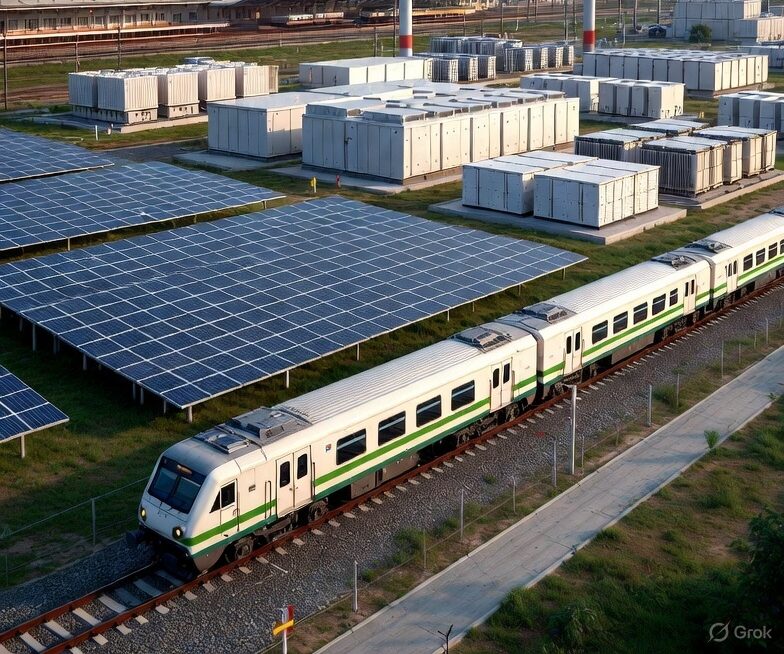
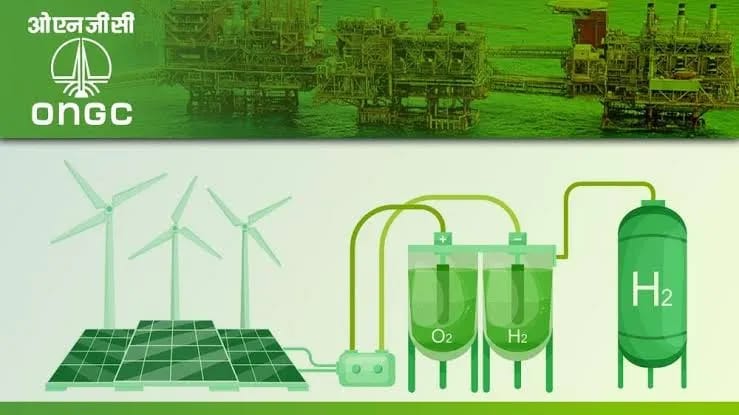
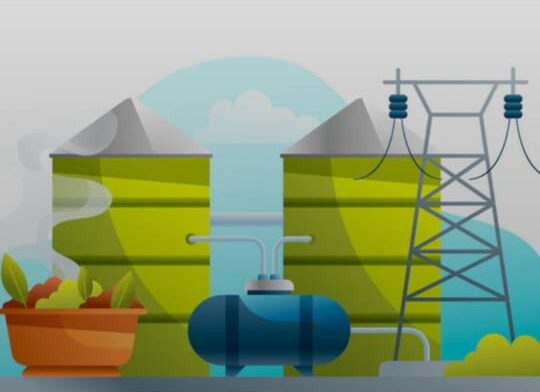
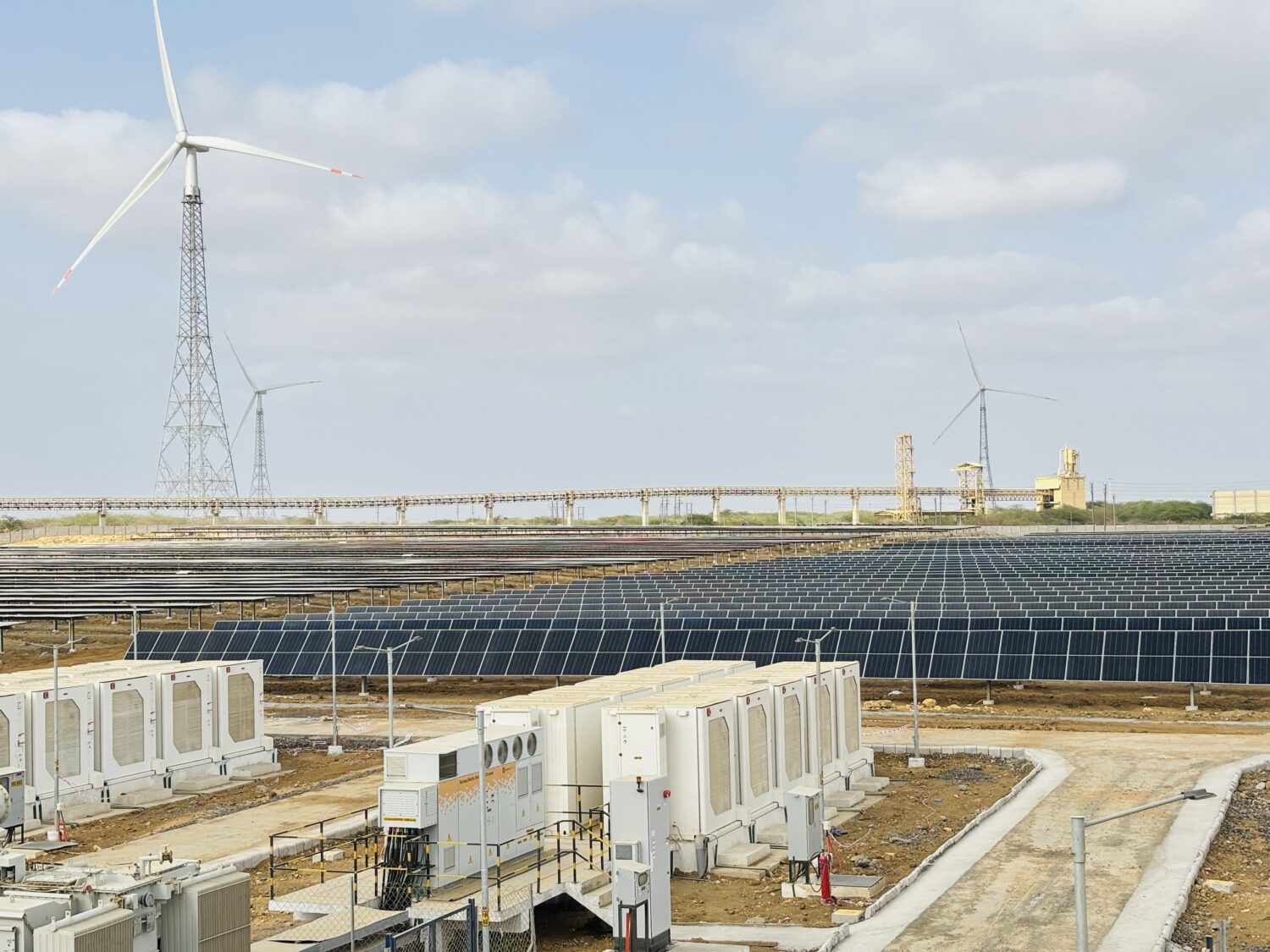
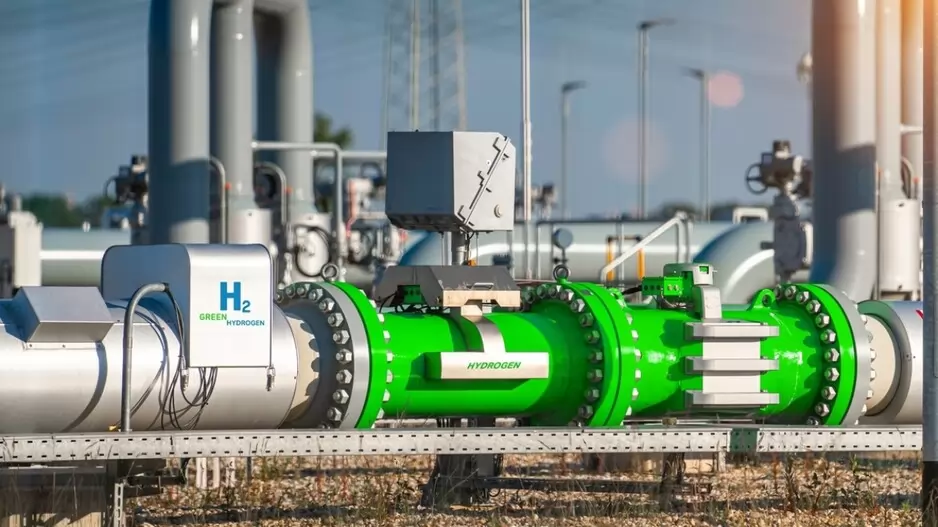
- Diverse Opportunities: The government has approved eight specific methods for generating these credits. These include Green Hydrogen production, Mangrove Reforestation, Industrial Energy Efficiency, Renewable Energy with Storage, Offshore Wind, and Compressed Biogas.
- Market Impact: Companies investing in these areas can generate credits and sell them to large industries. This attracts new capital into cutting-edge green technologies and ensures a consistent supply of credits to maintain stable prices.
Sectors Covered: A Phased Approach
The government is implementing this plan in phases, targeting “energy-intensive” and “hard-to-abate” sectors, yet these sectors have significant potential to cut emissions.
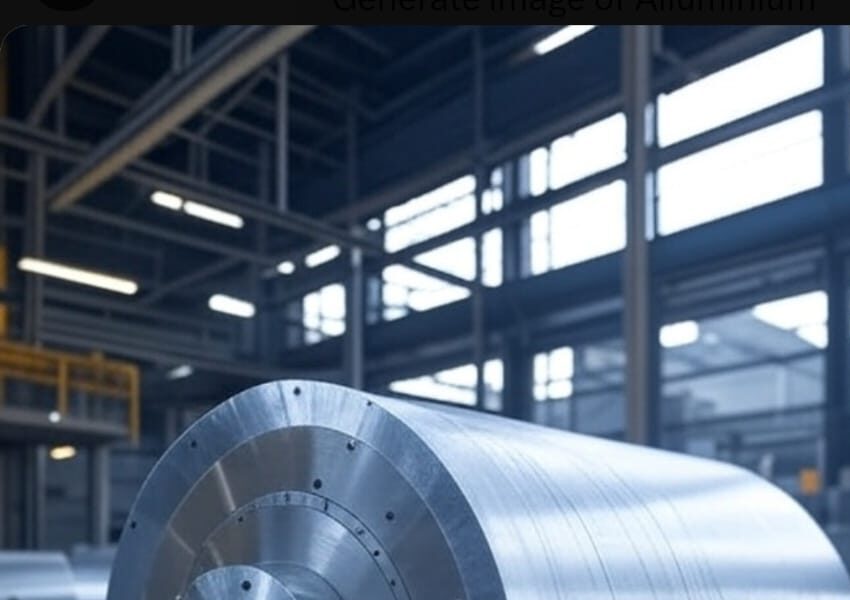
- Phase 1 (Active Now): The rules announced in October 2025 cover four sectors: Aluminium, Cement, Chlor-alkali, and Pulp & Paper. This affects 282 specific industrial plants. For example, in the cement sector, the targets now include the CO2 emitted during the chemical breakdown of limestone, a significant source of emissions previously overlooked.
- Phase 2 (Upcoming): The next phase aims to cover five additional sectors: Iron & Steel, Fertiliser, Petroleum Refining, Petrochemicals, and Textiles. This expansion is expected to include over 460 additional installations.
One practical benefit of this approach is international trade. The European Union (EU)’s ‘carbon tax,’ called the Carbon Border Adjustment Mechanism (CBAM), will start in January 2026 and applies to goods imported into the EU with a high carbon footprint such as steel, aluminium, and fertiliser, making these products less competitive in the market, which may be countered with this move.
Together, these nine sectors make up about 16% of India’s total emissions. The Indian Carbon Market serves as a ‘compliance shield.’ By focusing on these major players first, the system aims to achieve a significant and measurable reduction in the country’s carbon footprint. Additionally, Indian exporters can offset their carbon emissions domestically through this market, which reduces their EU tax burden. This keeps funds within India, enabling reinvestment to support green initiatives and new technologies.
Conclusion
The energy industry is currently in a “wait and watch” phase as final pieces of the puzzle come together. India’s evolving carbon market is reaching a critical milestone as the Grid Controller of India establishes the digital registry and the Central Electricity Regulatory Commission (CERC) finalizes essential trading regulations. This shift marks a paradigm change from simple energy saving to a comprehensive, mandatory emission management system.
Furthermore, the upcoming expansion into five additional sectors will strengthen this compliance framework, positioning the Indian industry at the forefront of the global green transition. By adopting this structured market, economic ambitions and environmental responsibility become closely connected. The official start of trading in mid-2026, according to media reports, will mark a new era of industrial modernization, indicating India’s readiness to lead the global green economy through a transparent, market-driven approach to decarbonization.
Disclaimer: The views expressed in this article are those of the author and do not necessarily reflect the views of the publication.

