






























































































































































































































































































































































































































































































































































































India’s Green Hydrogen Demand May Double By 2030, Says Study

Falling production costs and policy support could accelerate adoption across industry and transport, according to a Nuvama and CEEW analysis
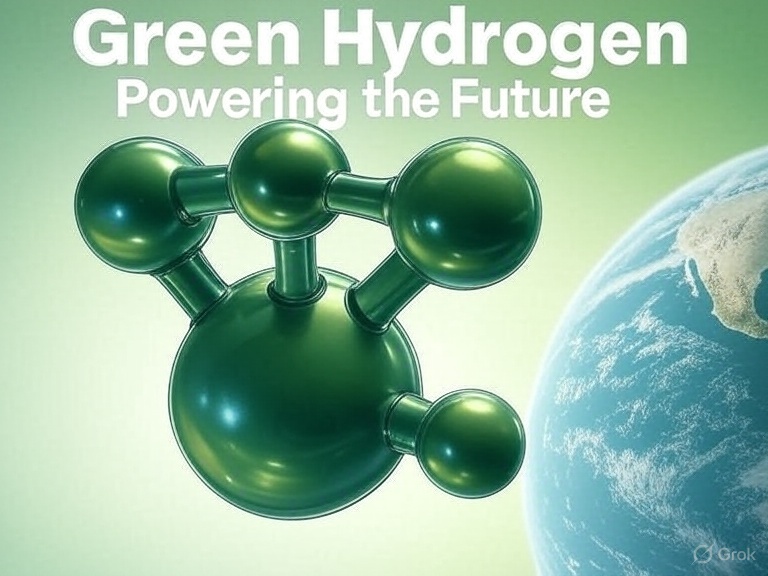
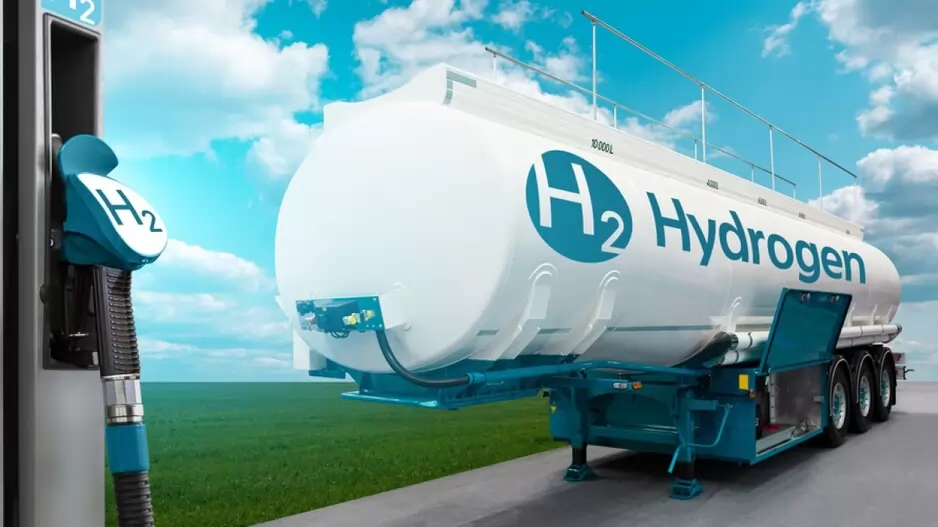
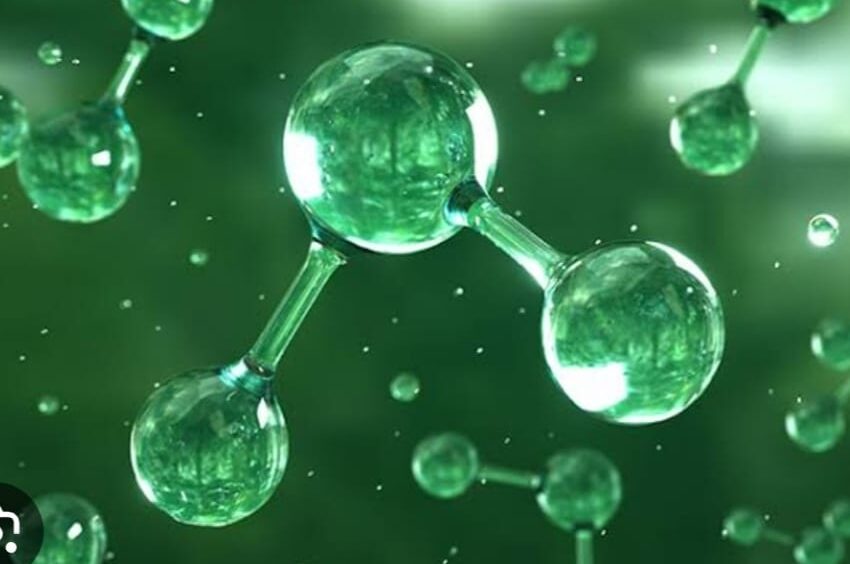
India’s demand for green hydrogen could double by 2030 as production costs decline and policy support gathers pace, according to a joint study by Nuvama and the Council on Energy, Environment and Water (CEEW).
The study said falling electrolyser prices, improved availability of renewable power and scale-driven efficiencies could make green hydrogen increasingly competitive with fossil fuel-based alternatives over the coming decade. This is expected to drive demand across sectors such as refining, fertilisers, steel and heavy transport.
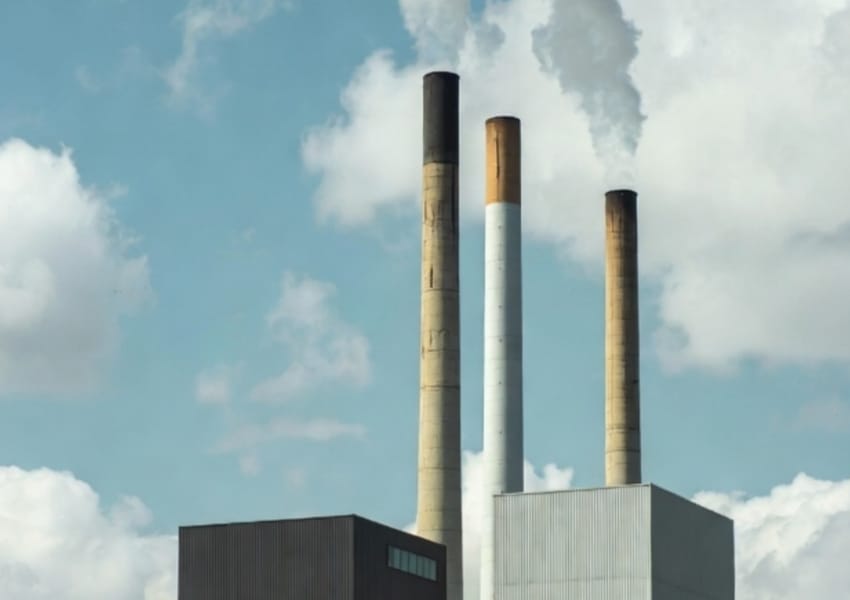
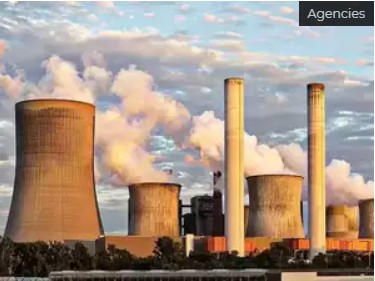
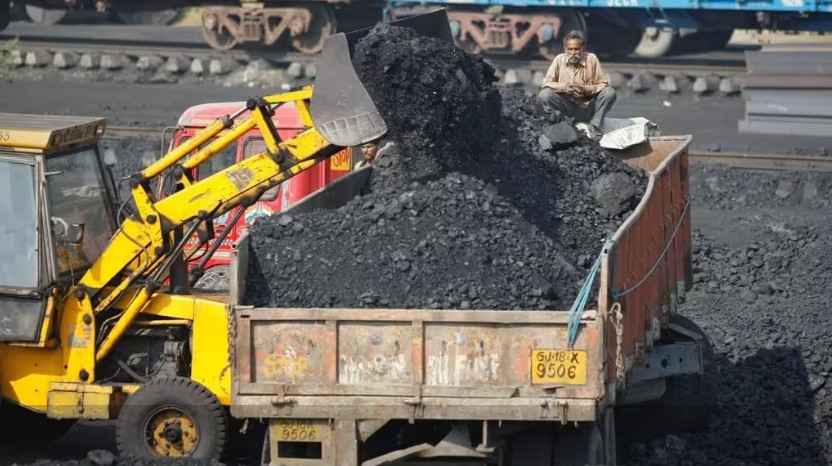
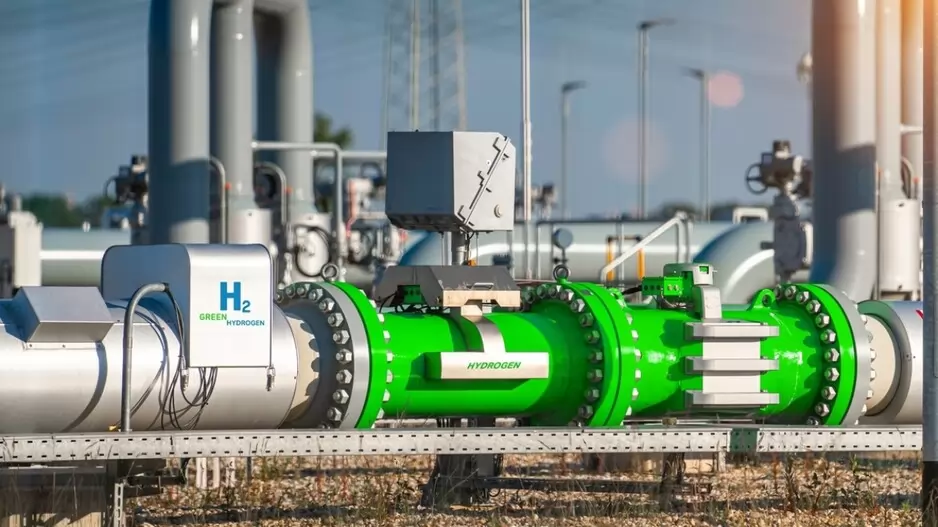
According to the analysis, green hydrogen production costs in India could decline sharply by 2030, supported by lower renewable energy tariffs and advances in electrolyser technology. This cost trajectory is likely to narrow the gap with grey hydrogen, which is produced using fossil fuels and currently dominates industrial consumption.
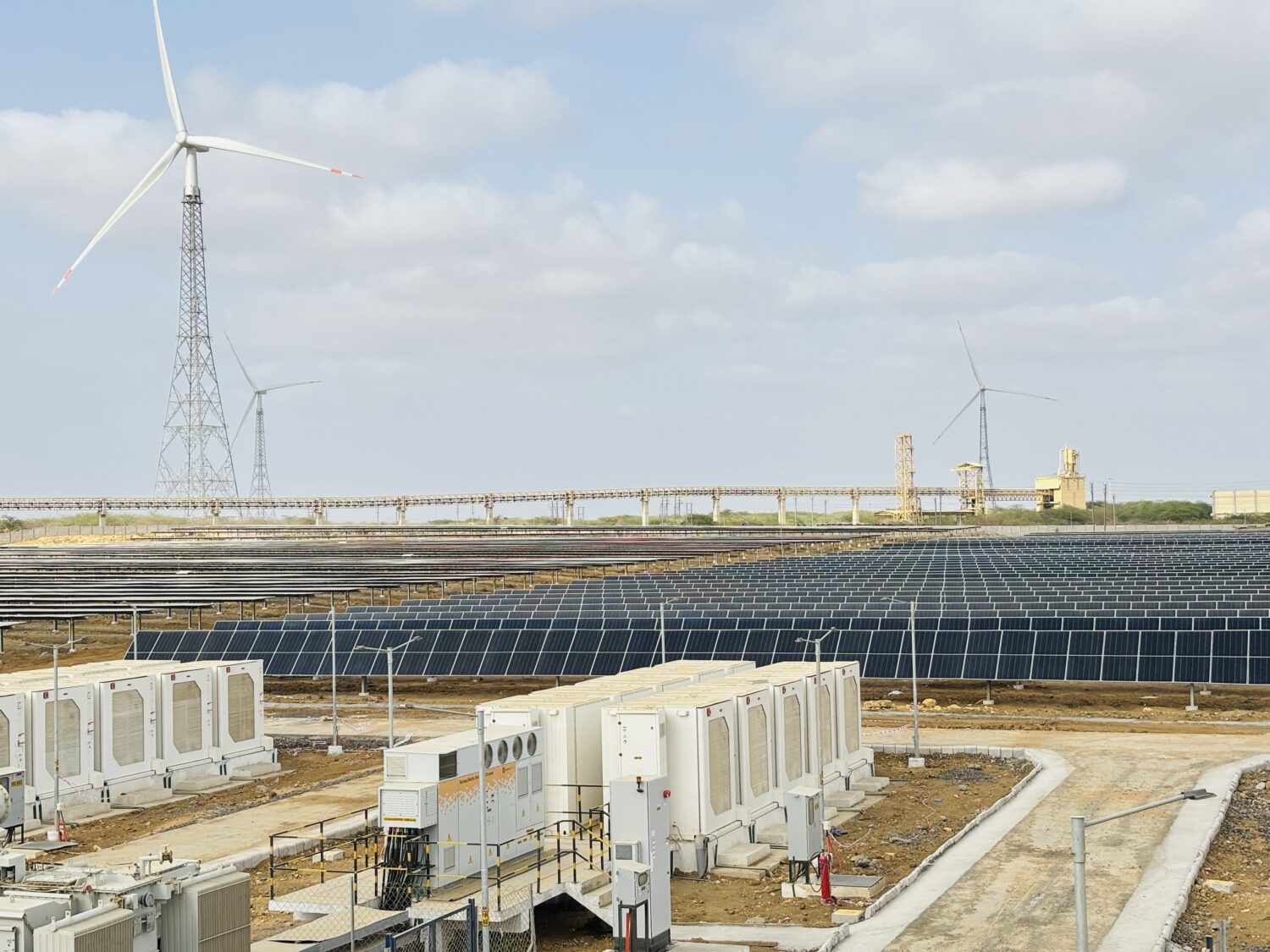
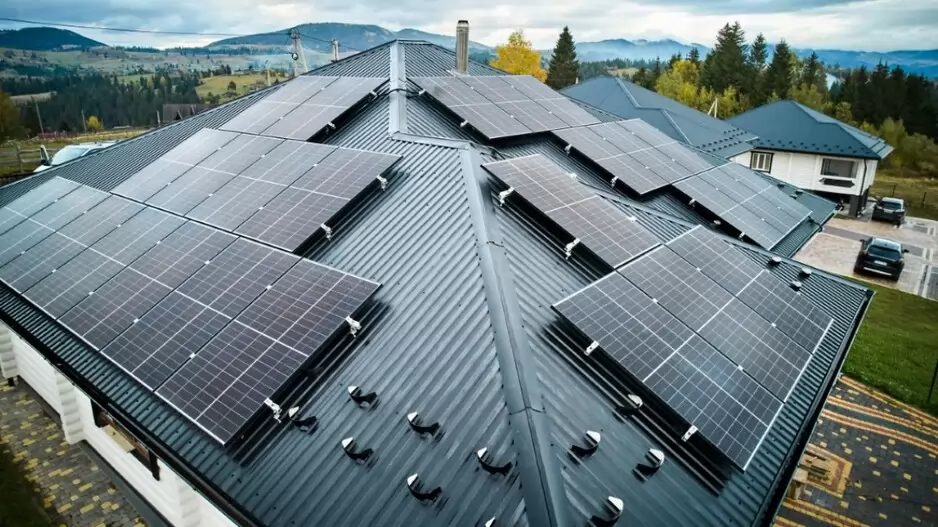
Policy support has emerged as a critical enabler. The National Green Hydrogen Mission, alongside incentives for domestic electrolyser manufacturing and renewable energy expansion, is creating early demand signals for industry, the study said. Mandates for green hydrogen usage in refineries and fertiliser units are expected to anchor initial offtake.
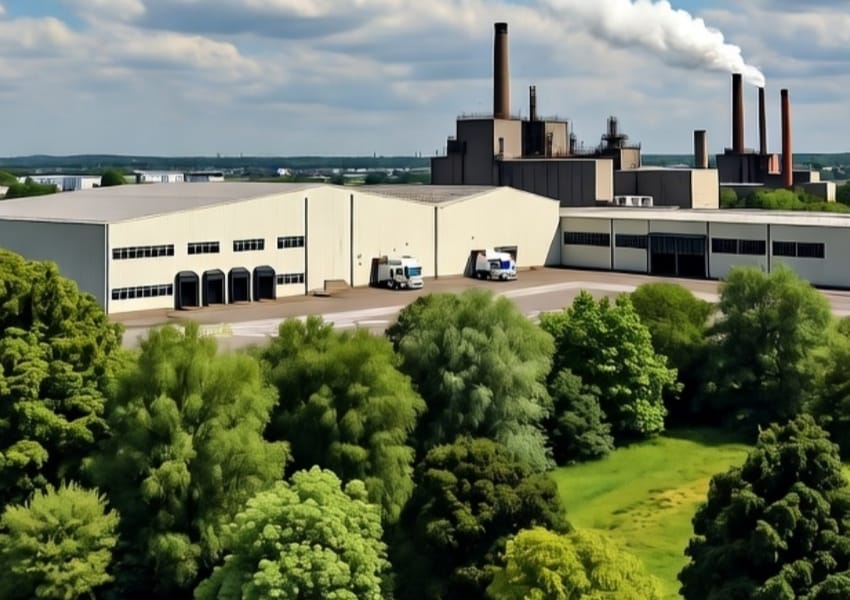
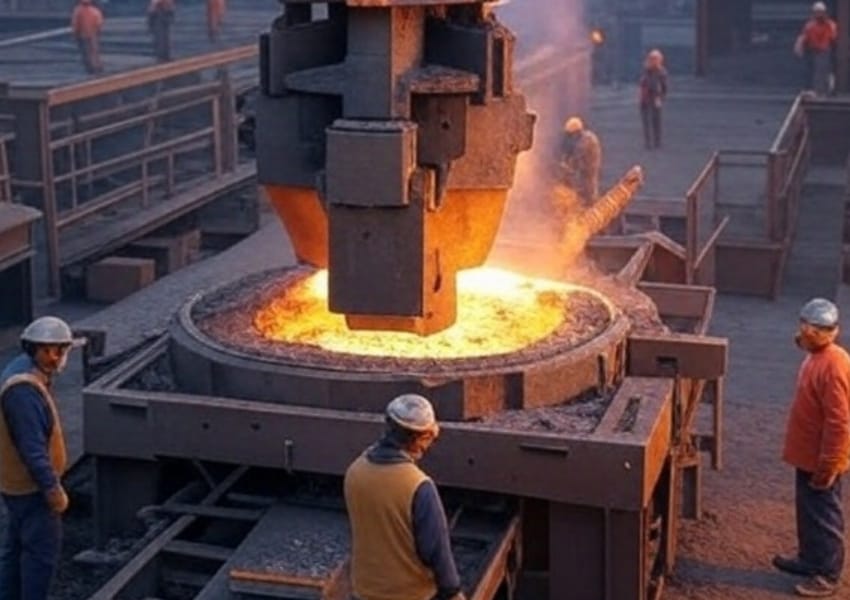
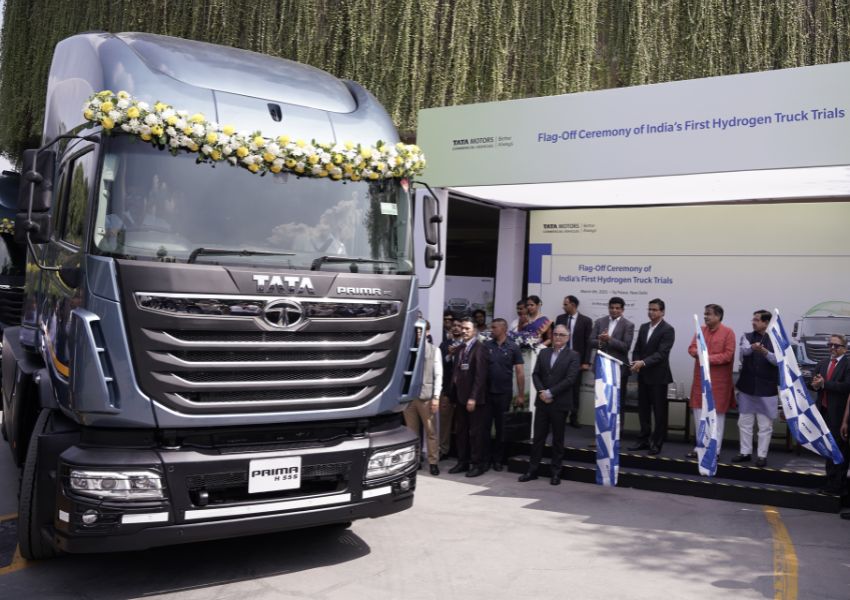
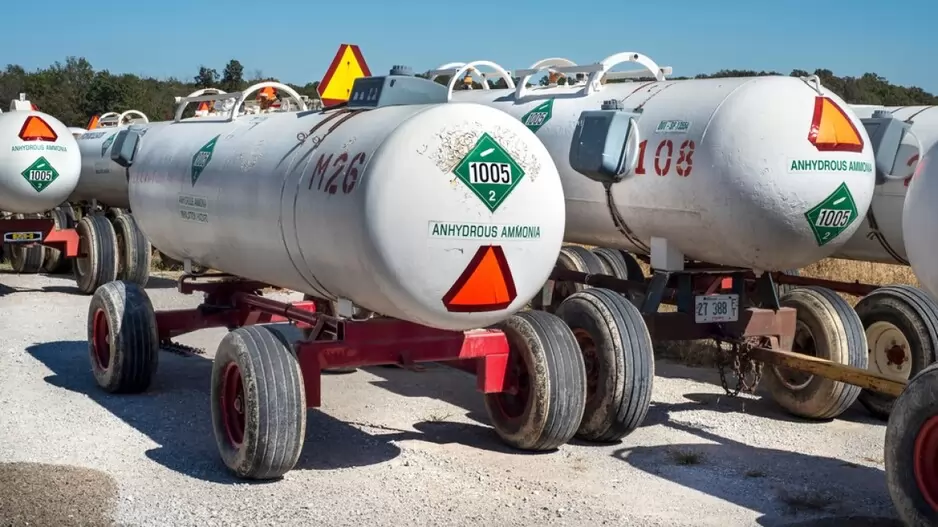
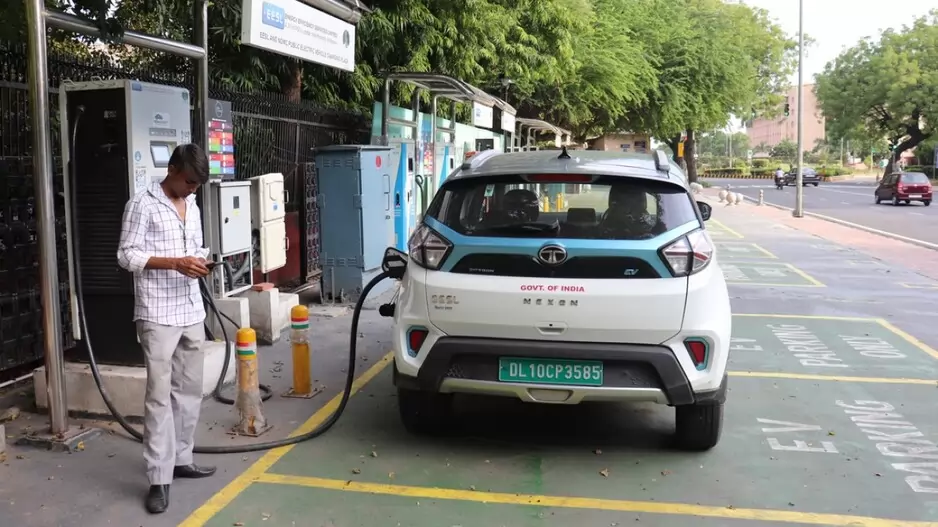
Industrial users are projected to account for the bulk of demand growth, with refining and ammonia production leading adoption in the near term. Over time, steelmaking and long-haul transport could add significant volumes as technology matures and infrastructure develops.
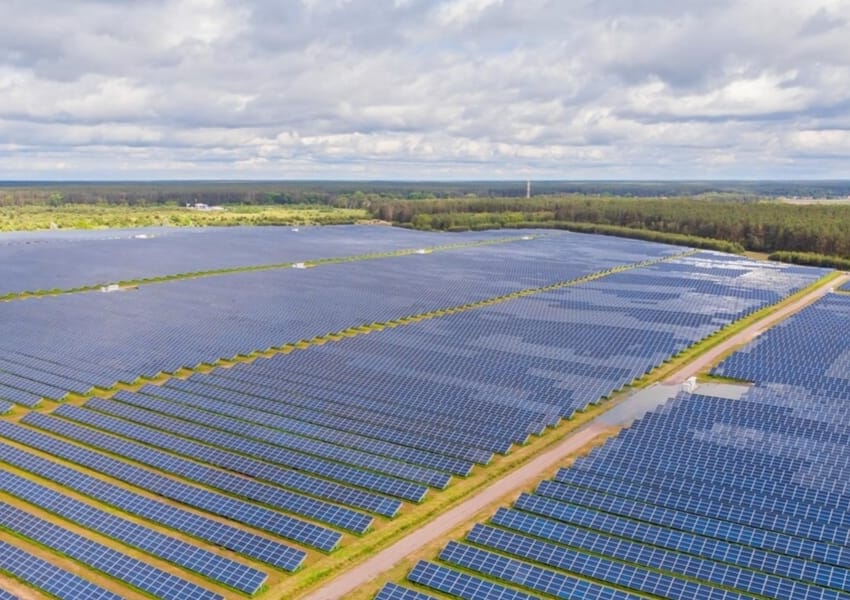
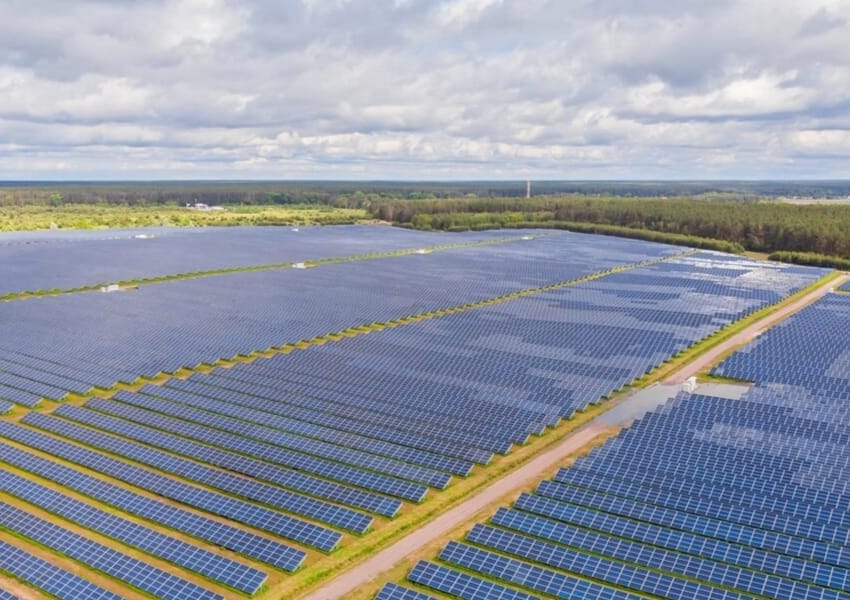
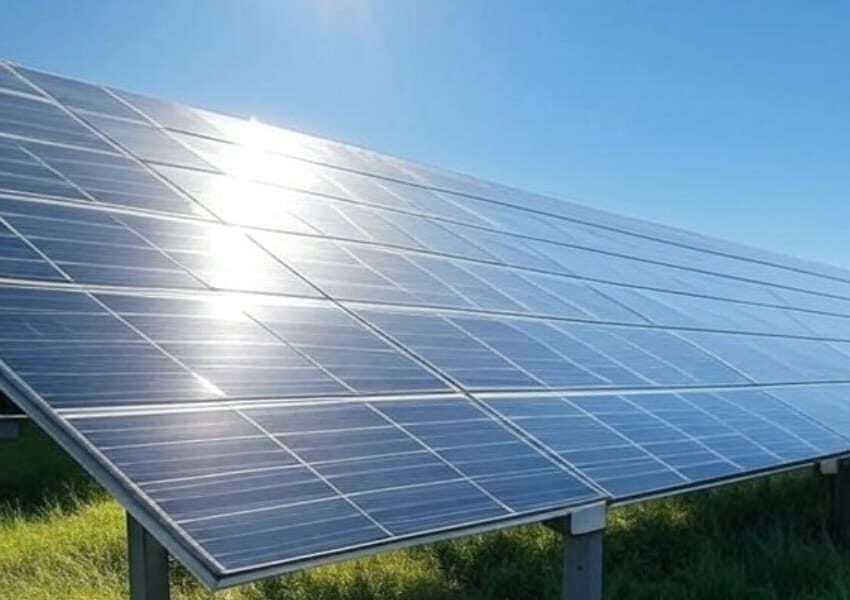
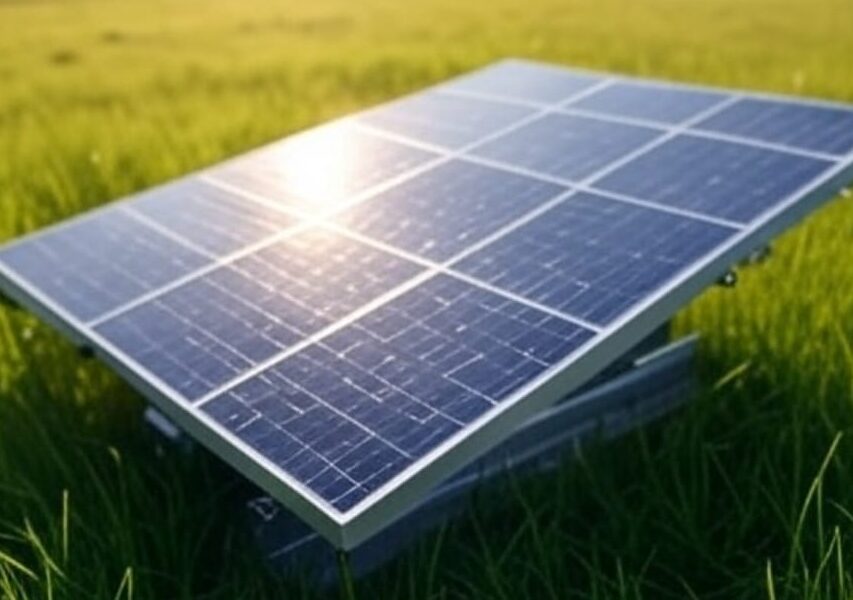
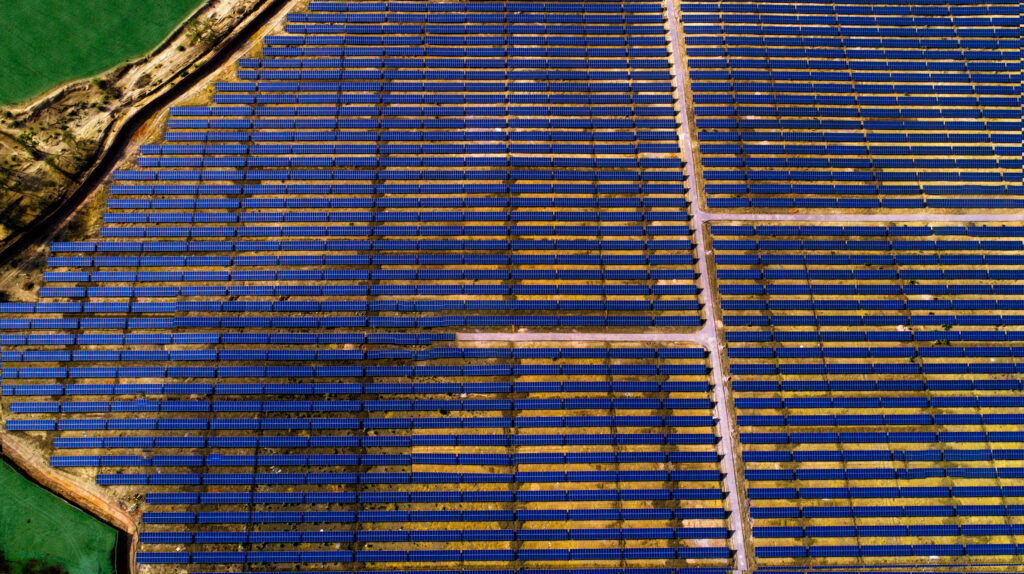
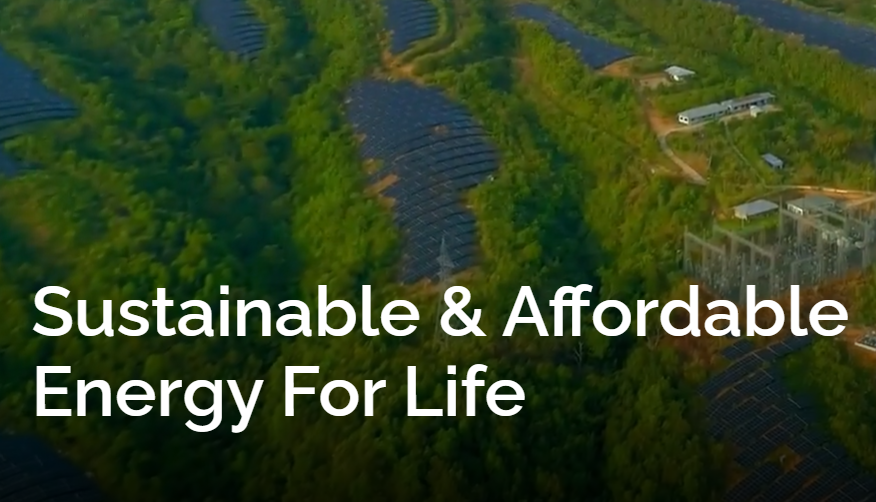
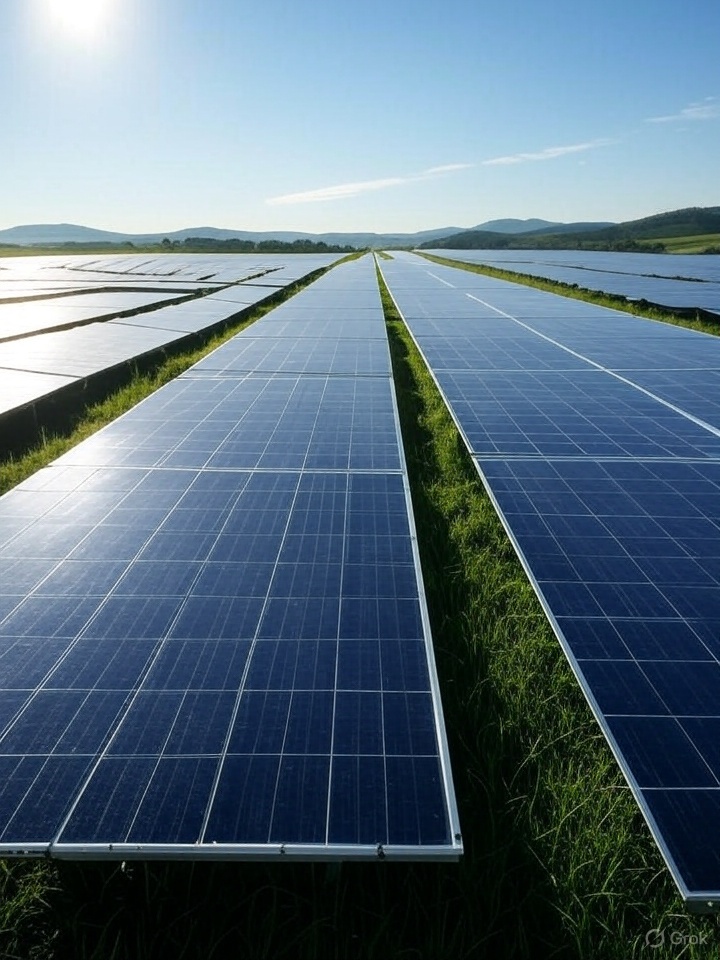
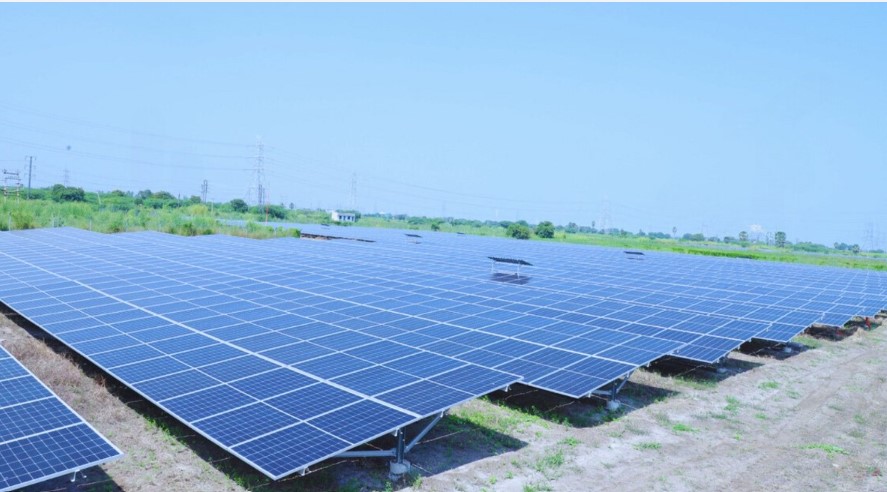
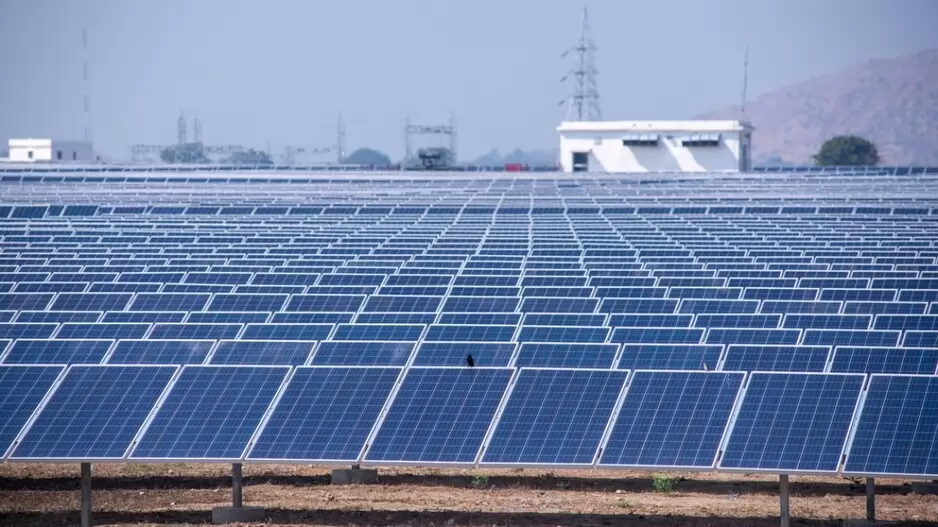
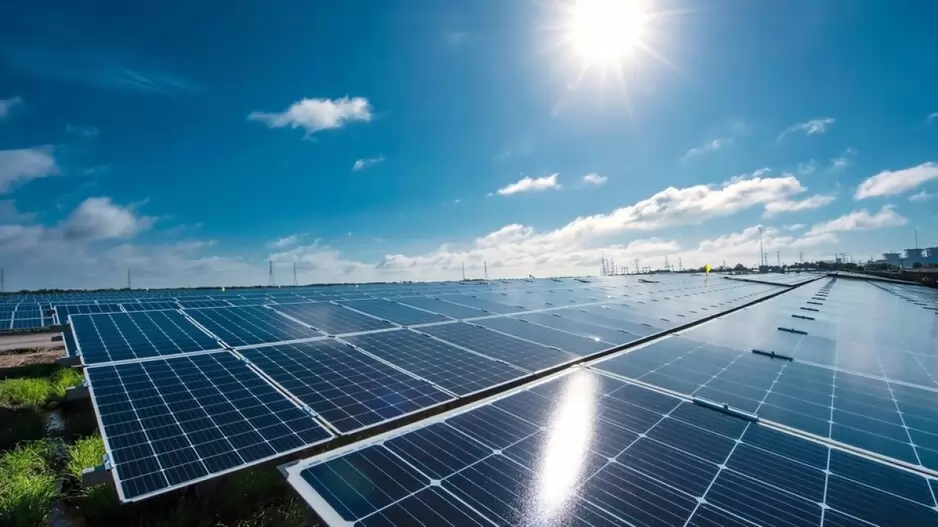
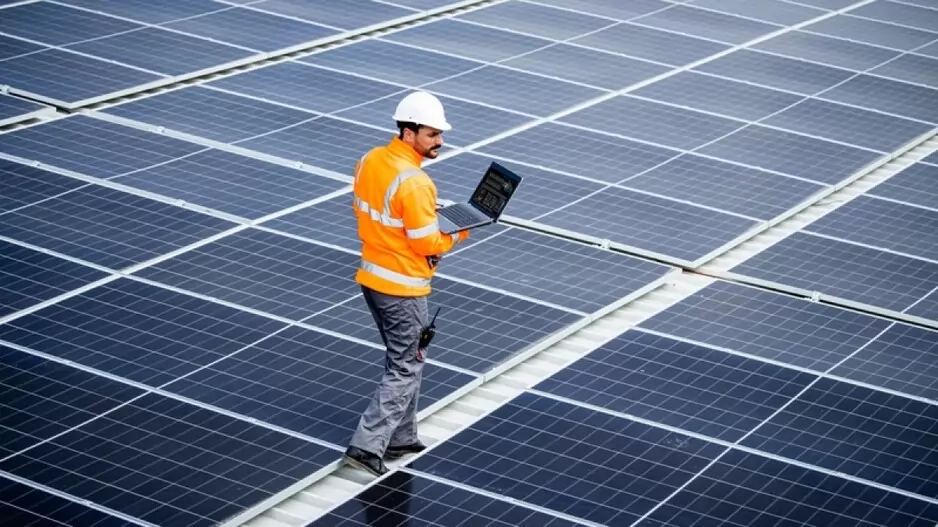
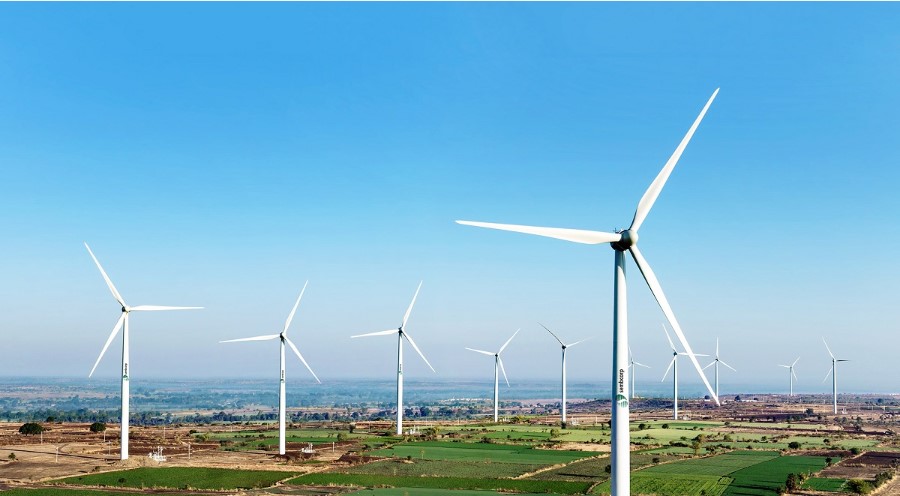
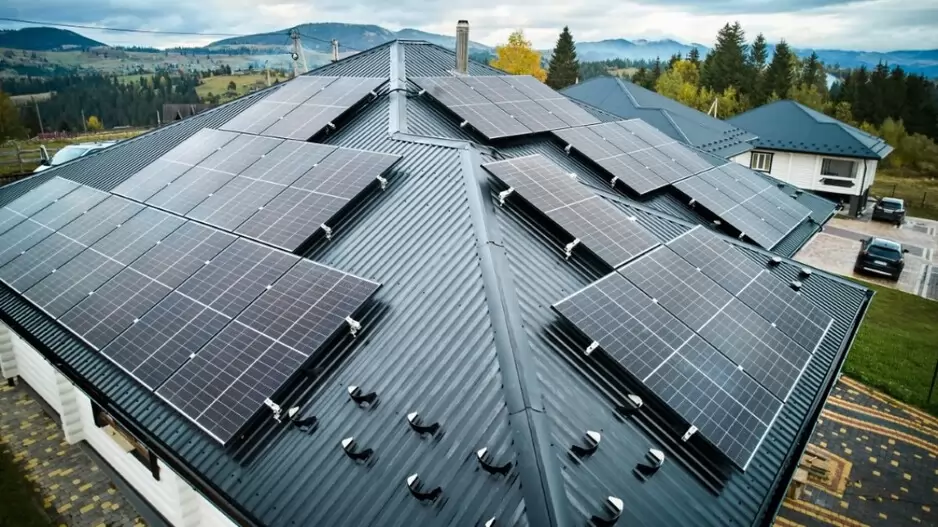
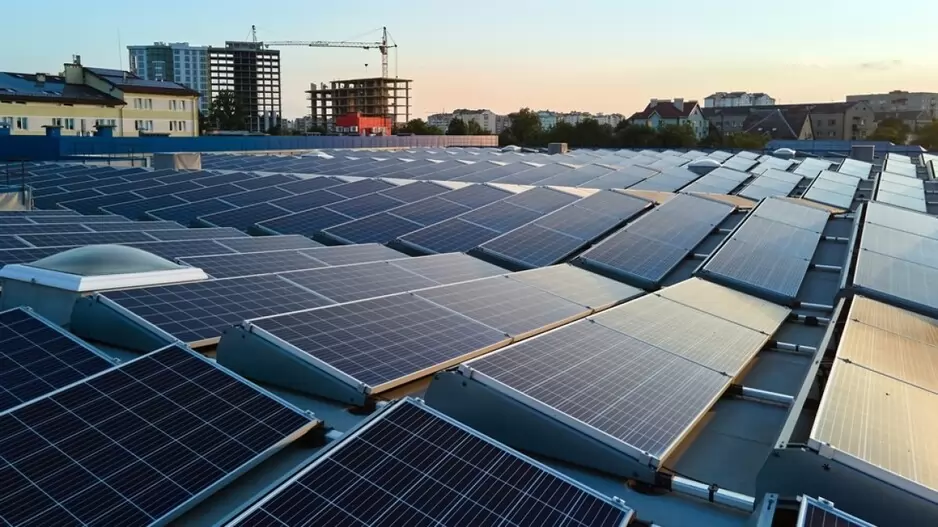
The report also highlighted India’s renewable energy cost advantage as a key factor. With some of the world’s lowest solar and wind tariffs, India is well positioned to produce green hydrogen at competitive rates once scale is achieved. This could allow the country to emerge as both a major domestic consumer and a potential exporter over the longer term.
However, the study cautioned that challenges remain, including the need for large-scale electrolyser manufacturing capacity, storage and transport infrastructure, and access to affordable financing. Addressing these gaps will be essential to sustain demand growth beyond pilot and demonstration projects.
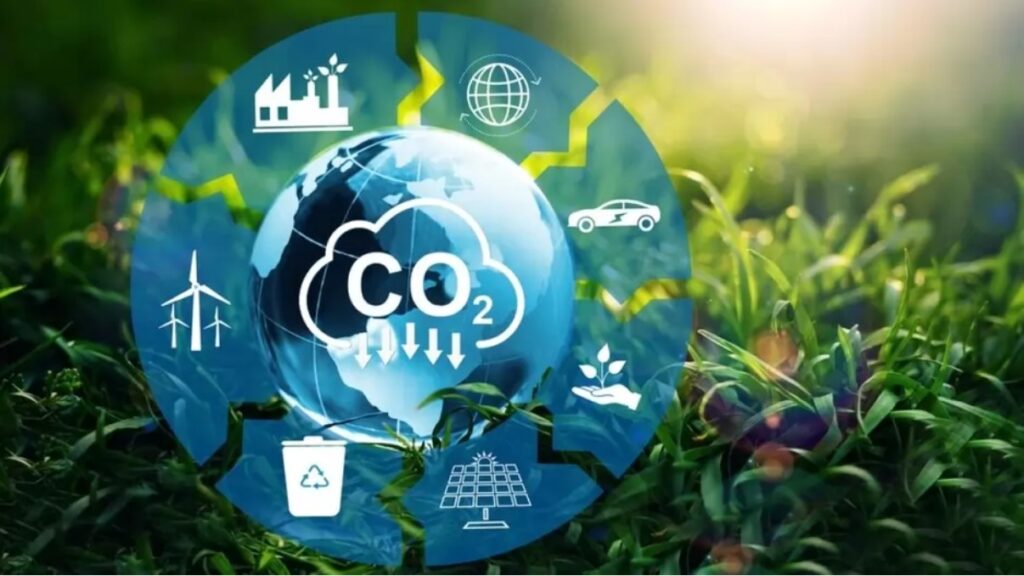
Overall, the Nuvama–CEEW study said the coming decade would be decisive for India’s green hydrogen ecosystem. If cost reductions continue and policy implementation remains consistent, green hydrogen could become a central pillar of India’s clean energy transition and industrial decarbonisation strategy.