




































































































































































































































































































































































































































































































































































































































































































































India’s Green Mobility Shift Takes Shape On Roads In 2025


From hydrogen readiness to advancements in battery technologies and natural gas mobility
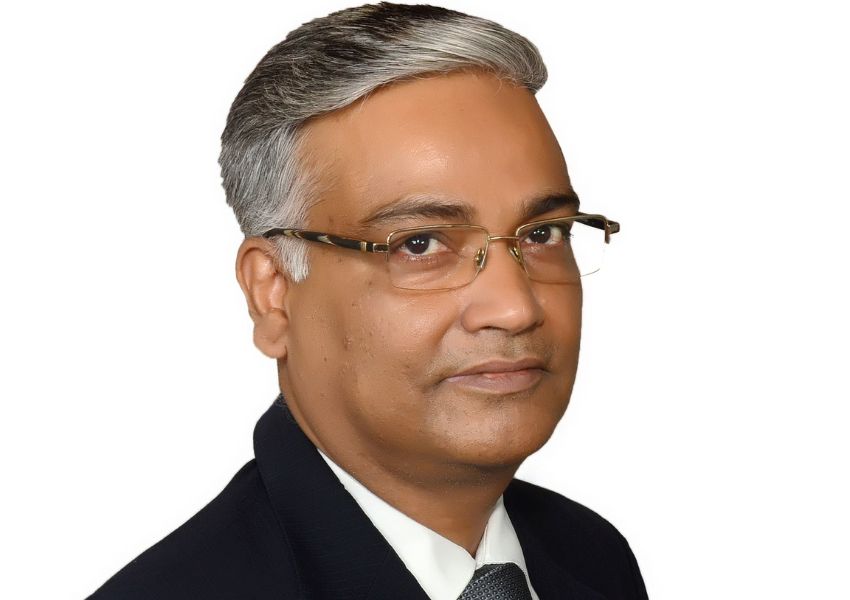
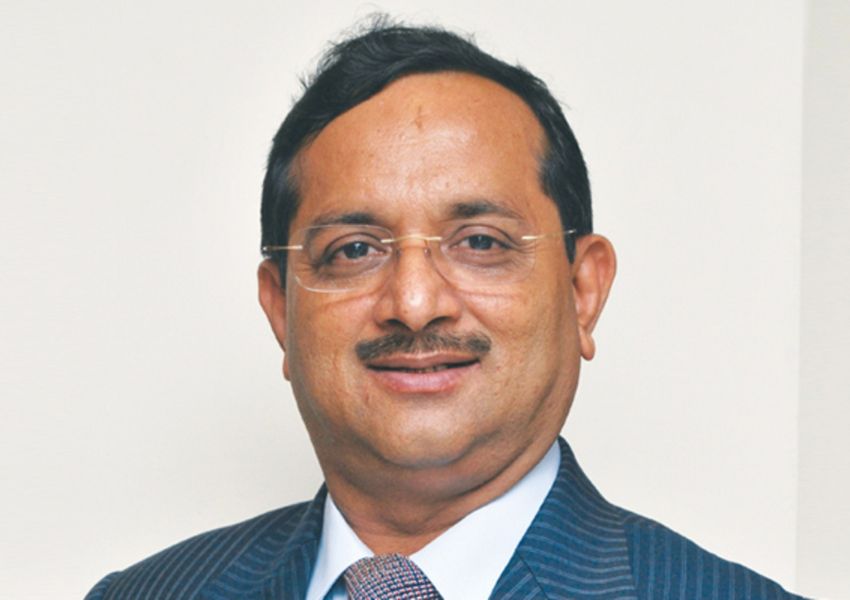
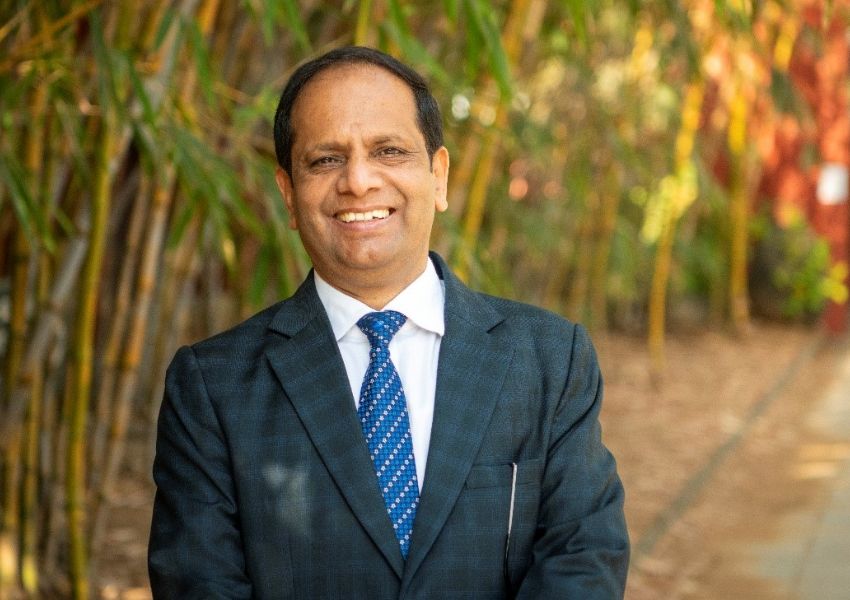
By: Akshay Kashyap, MD & Founder, Greenfuel Energy Solutions
India’s green mobility transition in 2025 is no longer a distant aspiration—it is unfolding visibly on the ground, reshaping how the country moves people and goods. This year marks a pivotal moment: hydrogen-powered trucks and buses beginning trial runs on national freight corridors, CNG vehicles crossing 1.1 million annual sales, and e-rickshaws transporting over 60 million passengers every single day across India’s towns and cities. From expanding CNG infrastructure at one of the fastest rates globally to launching national hydrogen pilot routes and stabilizing the country’s vast e-rickshaw ecosystem, India is quietly engineering one of the world’s largest low-carbon mobility shifts. What was once policy intent has, in 2025, turned into physical infrastructure, real vehicles on the road, and measurable reductions in emissions and fuel imports—offering a preview of how India’s transport future is being built in real time.
Green Hydrogen In India 2025: From Policy Vision To On-ground Pilots
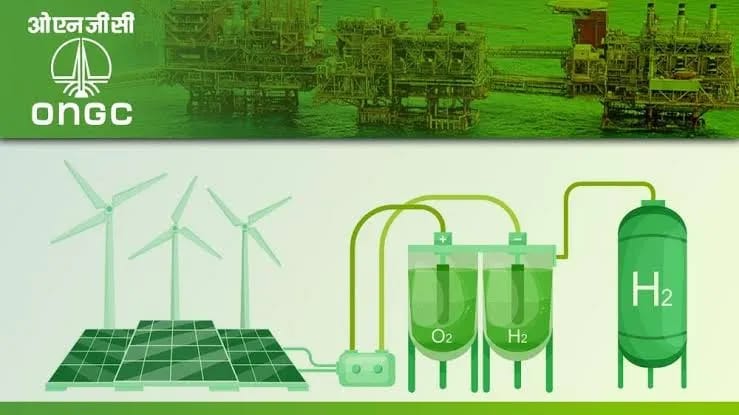
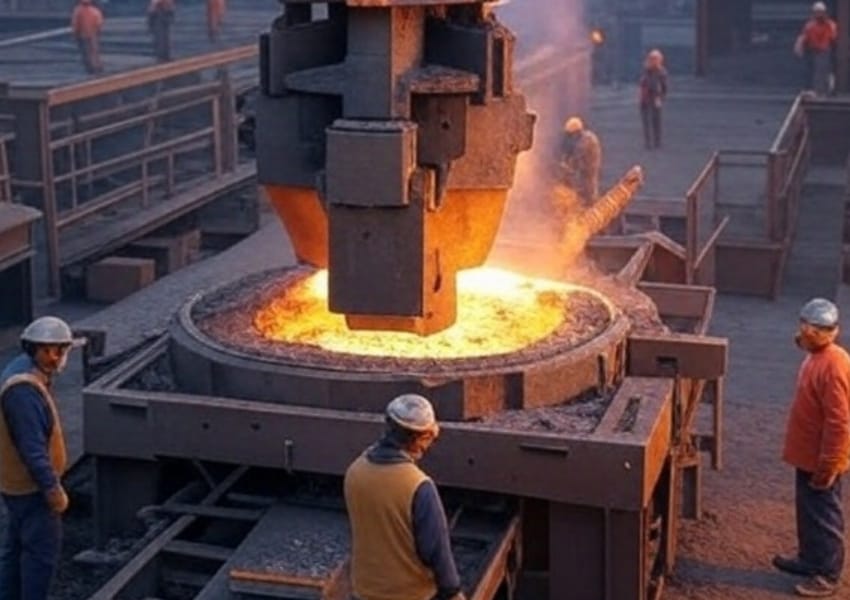
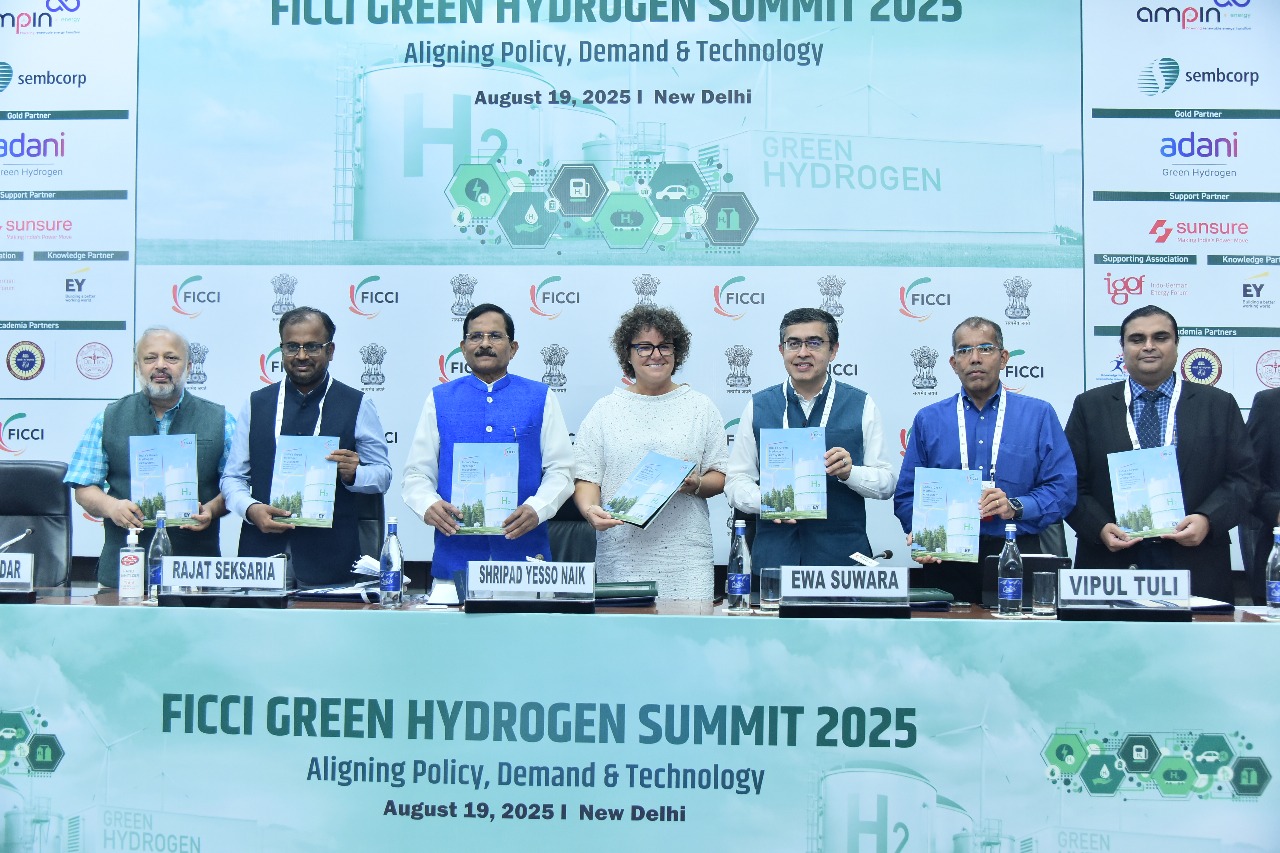
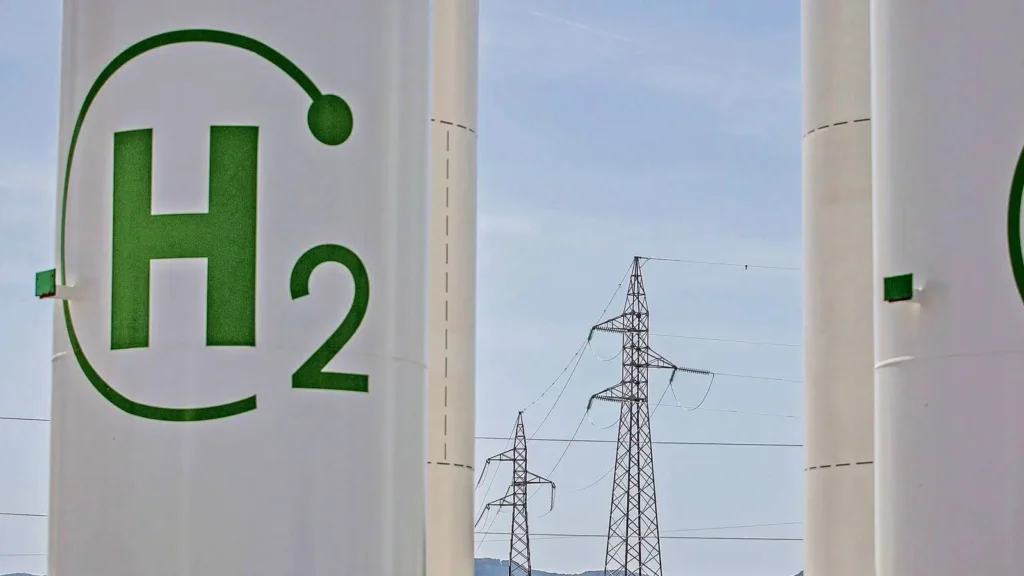
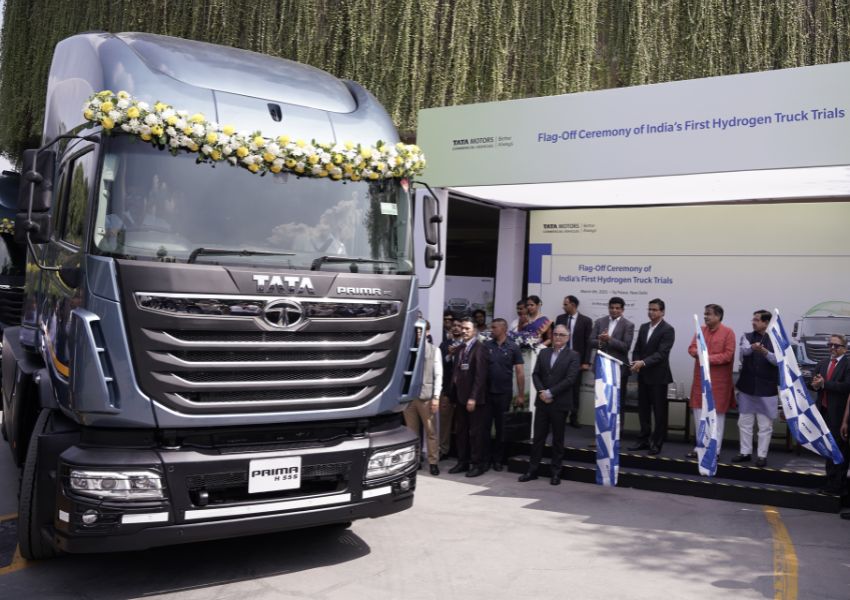
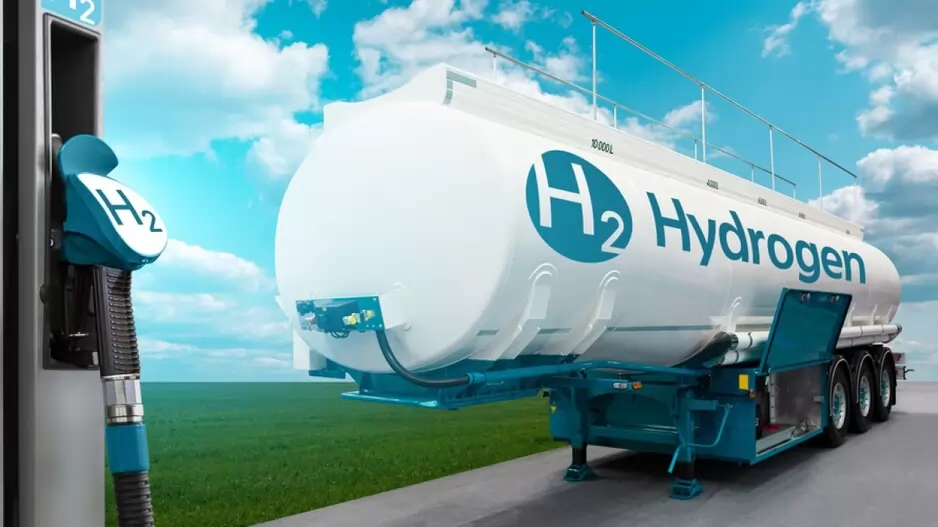
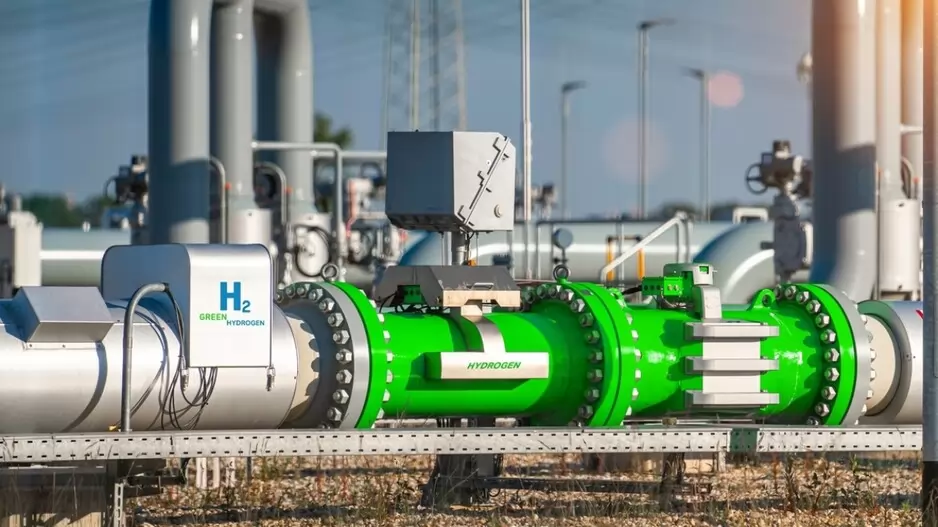
The year 2025 marks a decisive shift for India’s green hydrogen journey — from broad policy ambition to visible deployment on the ground. Under the National Green Hydrogen Mission, the government has approved five major transport pilots that will together deploy 37 hydrogen-powered vehicles—a mix of fuel-cell and hydrogen internal-combustion (H2-ICE) buses and trucks—along with 9 hydrogen refuelling stations across ten designated routes. This represents a notable move beyond the small-scale demonstrations that characterised the period up to 2023–24. A diverse group of Indian industry leaders has entered the field, including Tata Motors, Ashok Leyland, NTPC, IOCL, BPCL, HPCL, Reliance Industries, Amara Raja and others, supported by dozens of new industrial projects in production, electrolyser manufacturing and hydrogen hubs. In total, over 100 green hydrogen projects of varying maturity are now in the pipeline across India, signalling an early but fast-forming ecosystem.
Even though the number of operational vehicles and refuelling stations is still modest, the scale and seriousness of activity in 2025 represent a structural inflection point. The government projects that large-scale adoption of green hydrogen across transport and industry could reduce India’s fossil-fuel import bill by nearly Rs 1 lakh crore (~USD 11–12 billion) by 2030, with far larger savings possible beyond 2035 as green hydrogen substitutes imported oil, LNG and industrial feedstocks. This shift also strengthens long-term energy security by reducing exposure to volatile global fuel markets. However, major expansion still depends on lowering hydrogen production costs, building dense refuelling networks and commercialising announced projects—most of which are currently in early
development. In essence, 2025 is not yet a scale year, but it is the year India’s hydrogen economy gains its first real physical form.
CNG’s Evolving Role As India’s Leading Transition Fuel
India’s CNG mobility ecosystem continued its upward trajectory in 2025, driven by strong consumer demand, wider model availability and rapid network expansion. According to Crisil Intelligence, annual CNG-vehicle sales in FY2024-25 reached about 1.1 million units, taking India’s total CNG fleet to nearly 7.5 million vehicles, up from just 2.6 million in 2016. The segment saw significant momentum in both passenger and commercial categories, with 3.23 lakh three-wheelers and over 90,000 commercial CNG vehicles sold during the fiscal, while leading carmakers reported record CNG penetration in their portfolios. Supporting this surge, India added roughly 1,206 new CNG stations in FY25, taking the national total to more than 8,000 stations, marking one of the fastest expansions of gas-based fuelling infrastructure globally. This growth has meaningful environmental implications: CNG vehicles emit around 25 per cent lower CO₂ per kilometre than petrol and substantially lower particulate matter and NOₓ, contributing to cleaner urban air and reduced fuel-related emissions, though precise aggregate national carbon savings are not yet quantified.
Looking ahead, CNG will remain a key transition fuel for India, offering an optimal mix of affordability and cleaner combustion as the network expands toward 18,300 stations by 2032. Demand is expected to stay strong, driven by rising petrol and diesel prices, growth in high-usage segments like taxis, 3-wheelers and LCVs, and more CNG model launches. While its long-term role will shift as India scales bio-CNG, EVs and hydrogen—with methane-leakage and fossil-gas reliance to be managed-CNG in 2025 continues to be one of the country’s most practical and scalable green-mobility solutions.
E-Rickshaw Market Performance: 2025 Vs Last Year
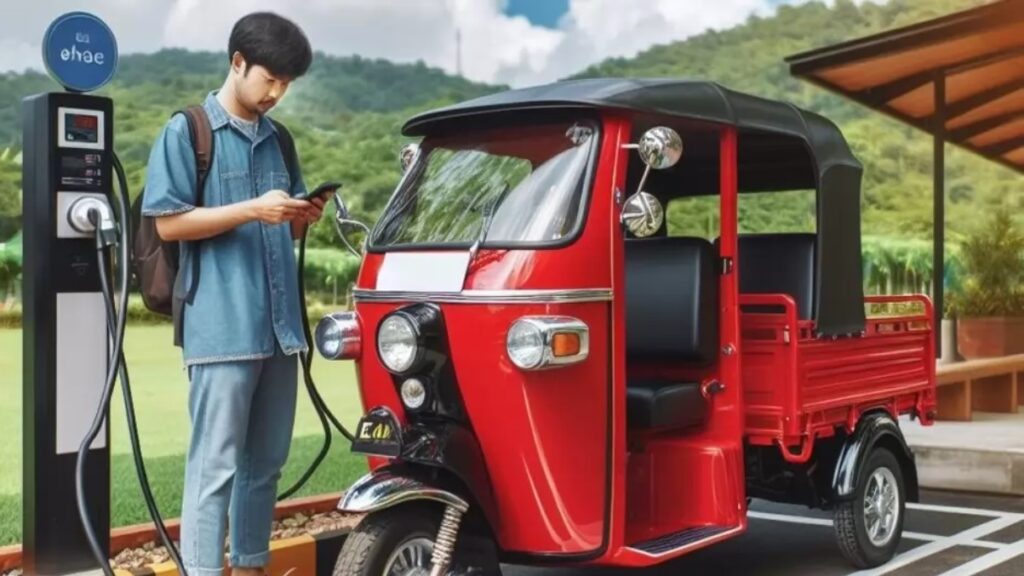
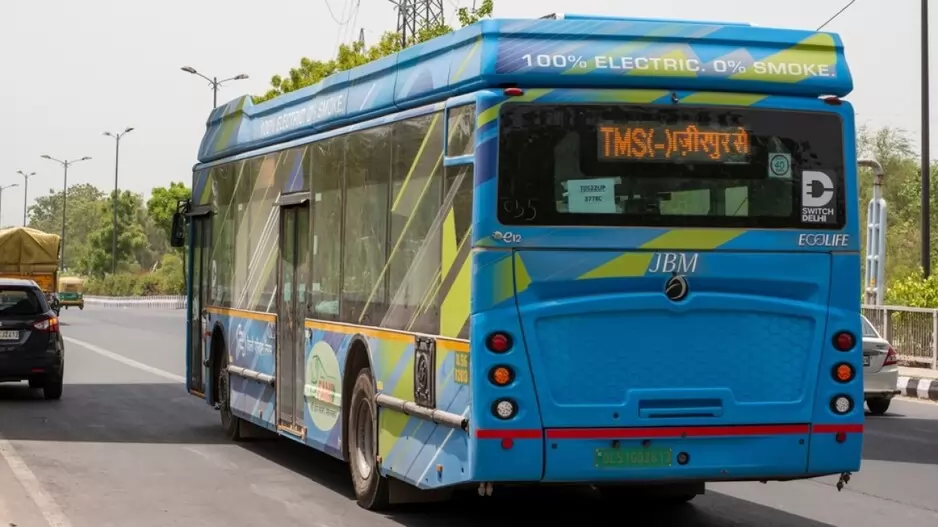
India’s e-rickshaw market witnessed a slight correction in FY 2024–25, even as the broader electric three-wheeler ecosystem continued to expand. An estimated 4,74,503 e-rickshaws were sold or registered across the country, compared to 4,90,284 units in FY 2023–24, marking a modest year-on-year decline of roughly 3.2 per cent. While the overall three-wheeler segment—including passenger, goods, and e-rickshaw categories—grew by about 4.5 per cent, reaching 1,220,981 units in FY25 (up from 1,167,986 units the previous year), this growth was led primarily by cargo and goods three-wheelers. As a result, e-rickshaws remain a dominant but slightly shrinking component of India’s 3W mobility landscape, indicating a market that is stabilizing after years of rapid, unregulated expansion.
E-rickshaws in India carry about 60 million daily passengers, that suggests e-rickshaws play a major role in daily urban mobility, especially for short trips / last-mile connectivity. Northern & densely populated states like Uttar Pradesh dominate e-rickshaw sales in India. In FY 2024-25, UP contributed over a third of all electric 3W (passenger) sales. The market value of India’s e-rickshaw sector in 2025 is estimated at USD ~1.42 billion, and is projected to grow at a CAGR of ~14–15 per cent through the end of the decade. Improving battery technology, better battery-maintenance norms, and (in future) shared charging or battery-swapping infrastructure could reduce operating costs further and increase adoption.
Conclusion
India’s mobility landscape in 2025 reveals a country in transition—not through promises, but through proof. Green hydrogen pilots have finally moved from policy files to highways, CNG has cemented its position as the nation’s most scalable transition fuel, and e-rickshaws continue to carry millions daily despite market adjustments. Together, these shifts signal a decisive structural movement: India is building a multi-fuel, low-carbon mobility ecosystem that is resilient, domestically anchored and future-ready.
Yet the journey is far from over. The next decade will test India’s ability to scale hydrogen infrastructure, green its gas supply through bio-CNG, and upgrade the informal electric-mobility ecosystem with better batteries, charging and quality standards. Success will demand coordinated action across industry, finance, and government—but the direction is unmistakable.
If 2025 is the year India’s green mobility vision finally takes physical shape, the years ahead will determine how boldly the nation can turn early foundations into global leadership. The momentum is here—what India builds next will define the future of mobility for over a billion people.
Disclaimer: The views expressed in this article are those of the author and do not necessarily reflect the views of the publication.