



































































































































































































































































































































































































































































































































































































































































India’s Non-fossil Capacity Tops 31.25 GW, Driving Global Renewable Push: Pralhad Joshi

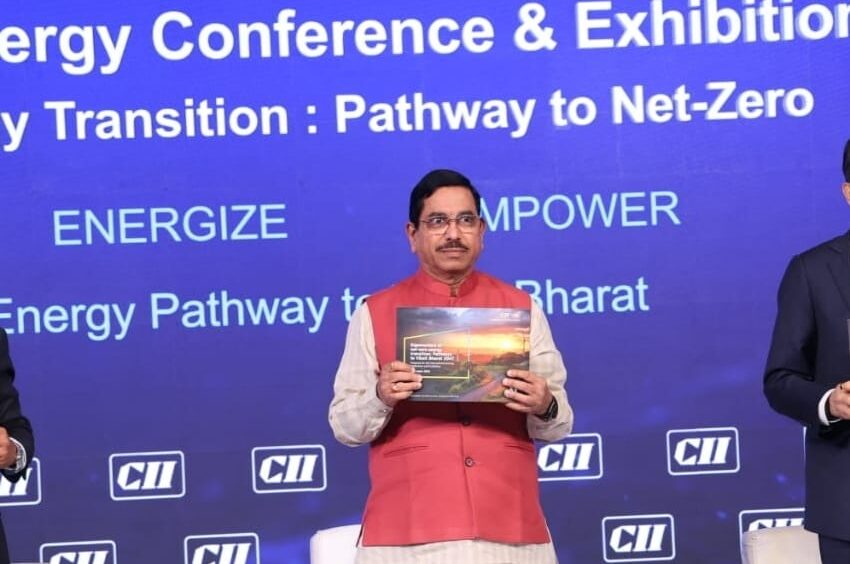
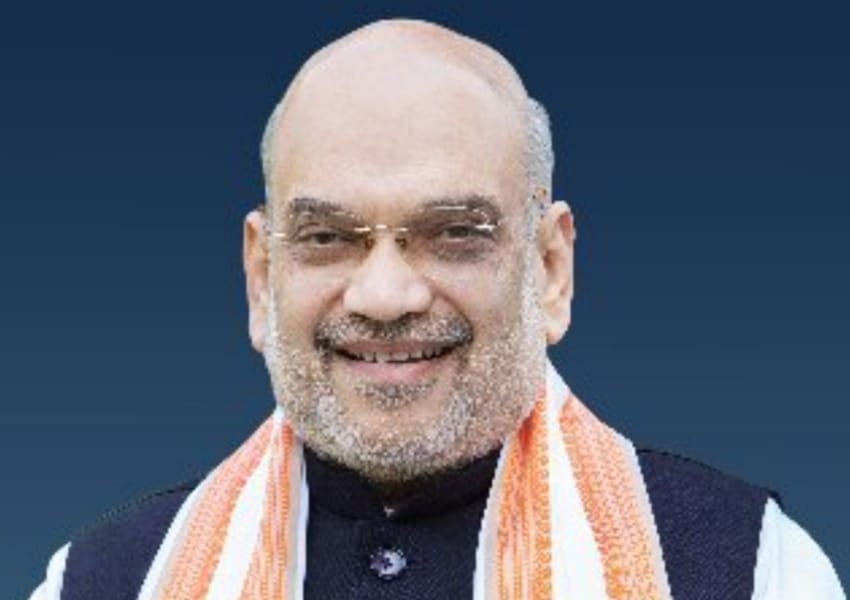
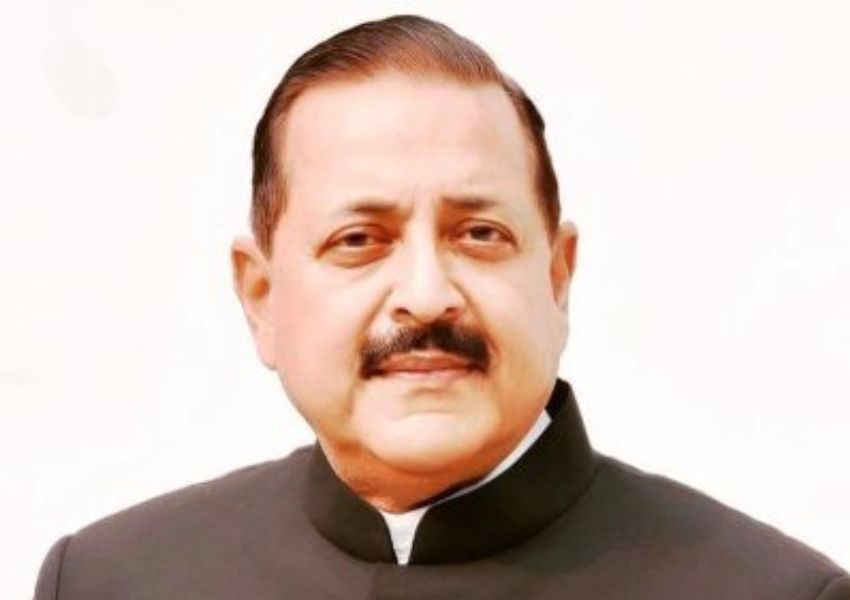
Union Minister Pralhad Joshi highlights India’s record 31.25 GW non-fossil capacity addition, its rising global renewable role, and unveils rooftop solar plan to benefit over seven lakh households in Odisha
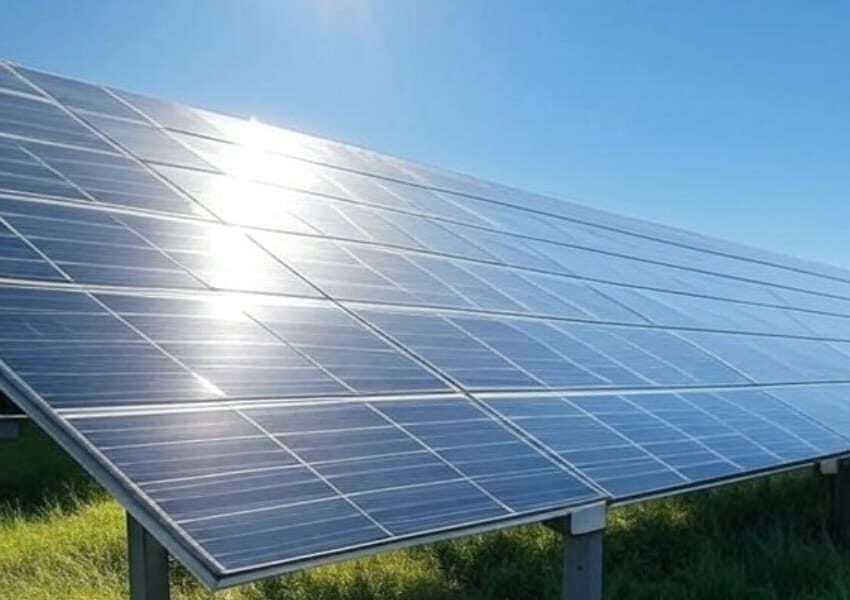
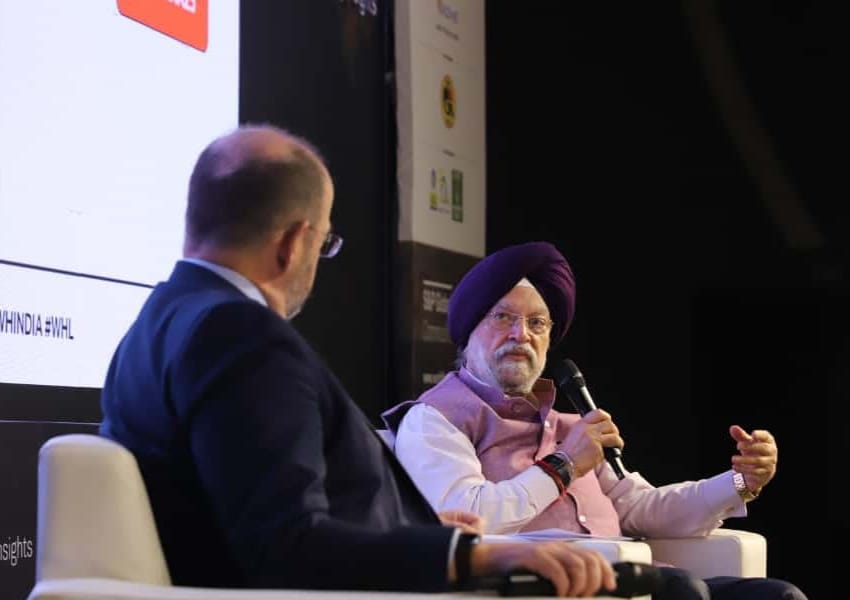
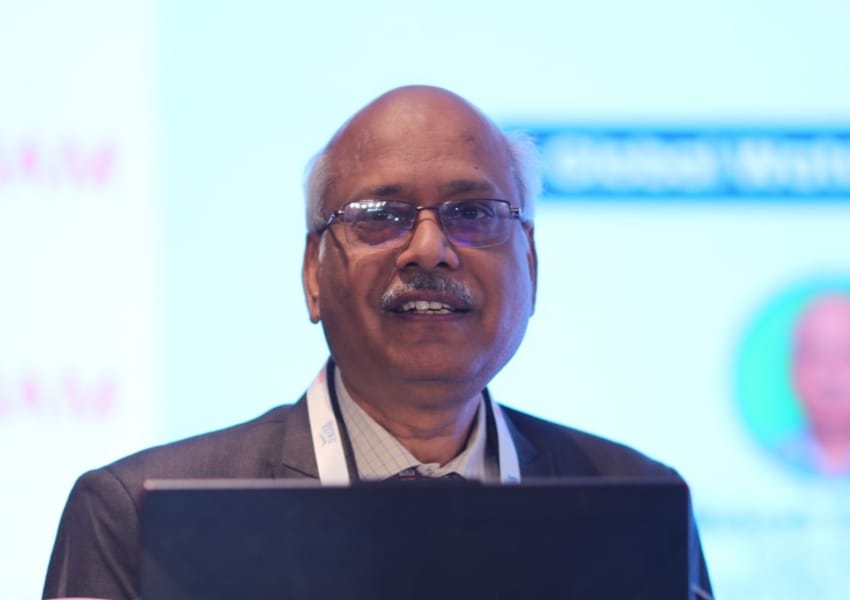
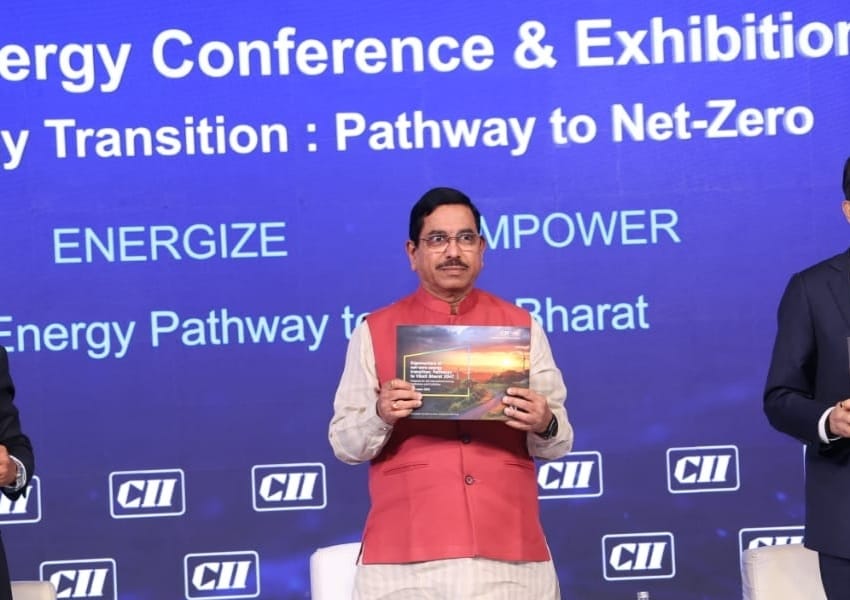
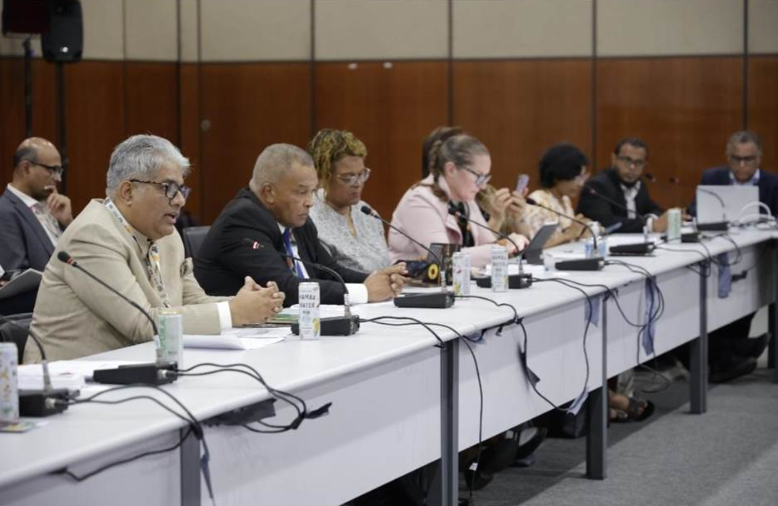
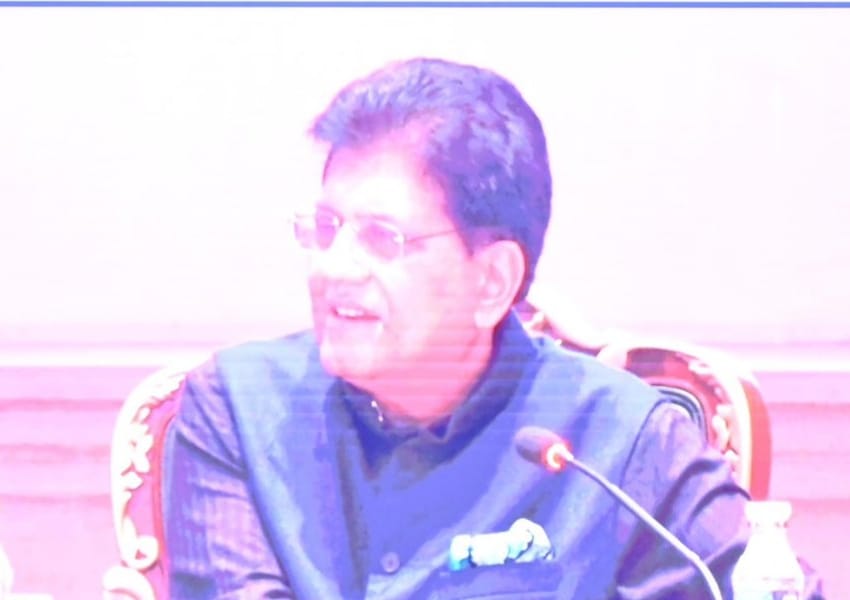
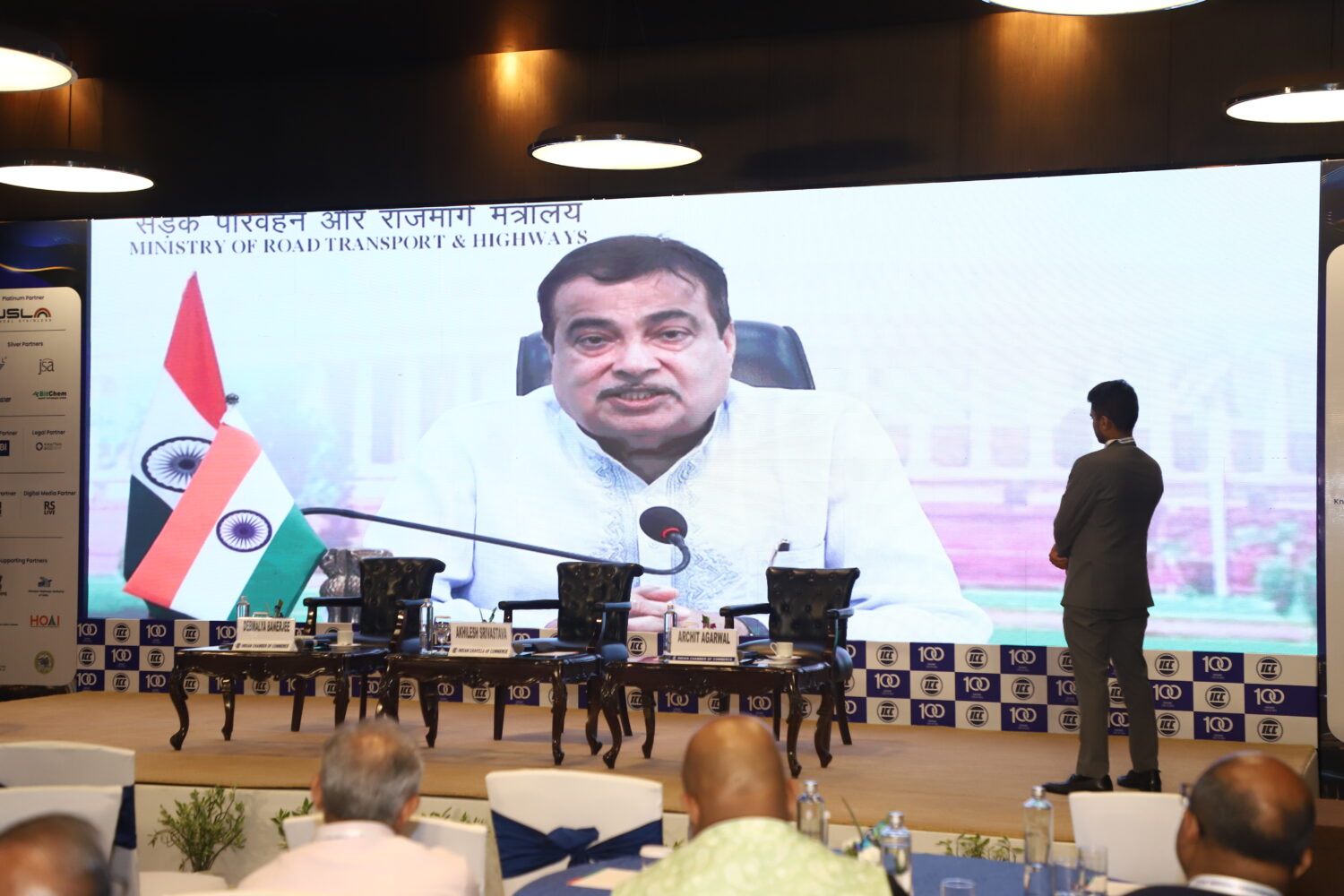
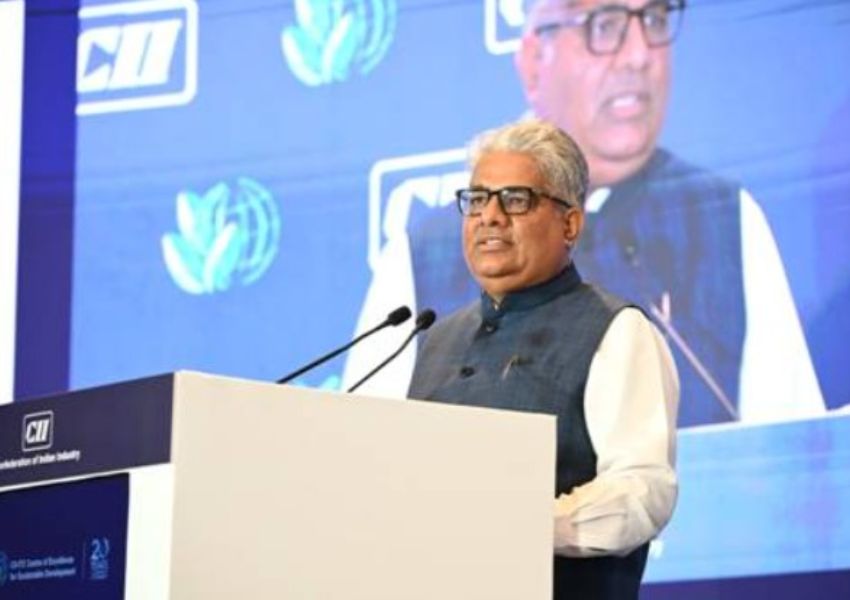
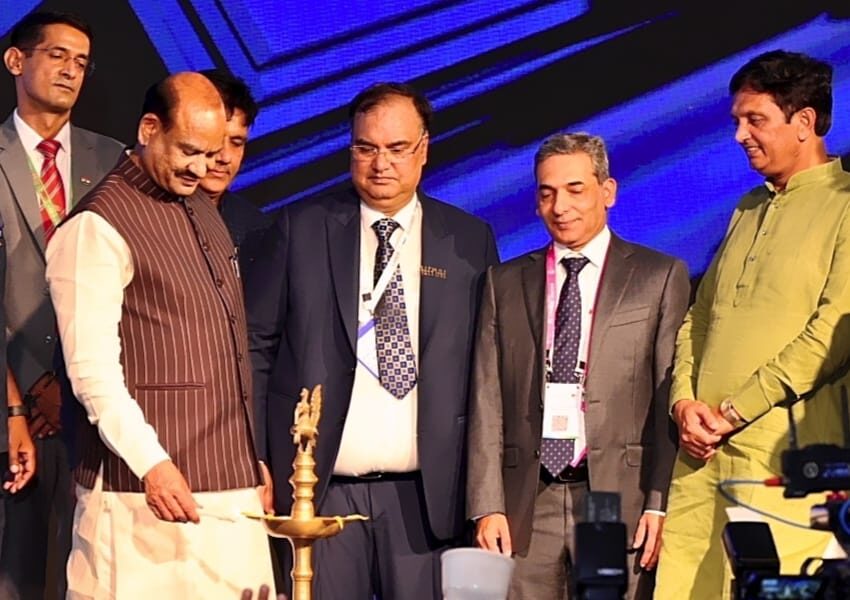
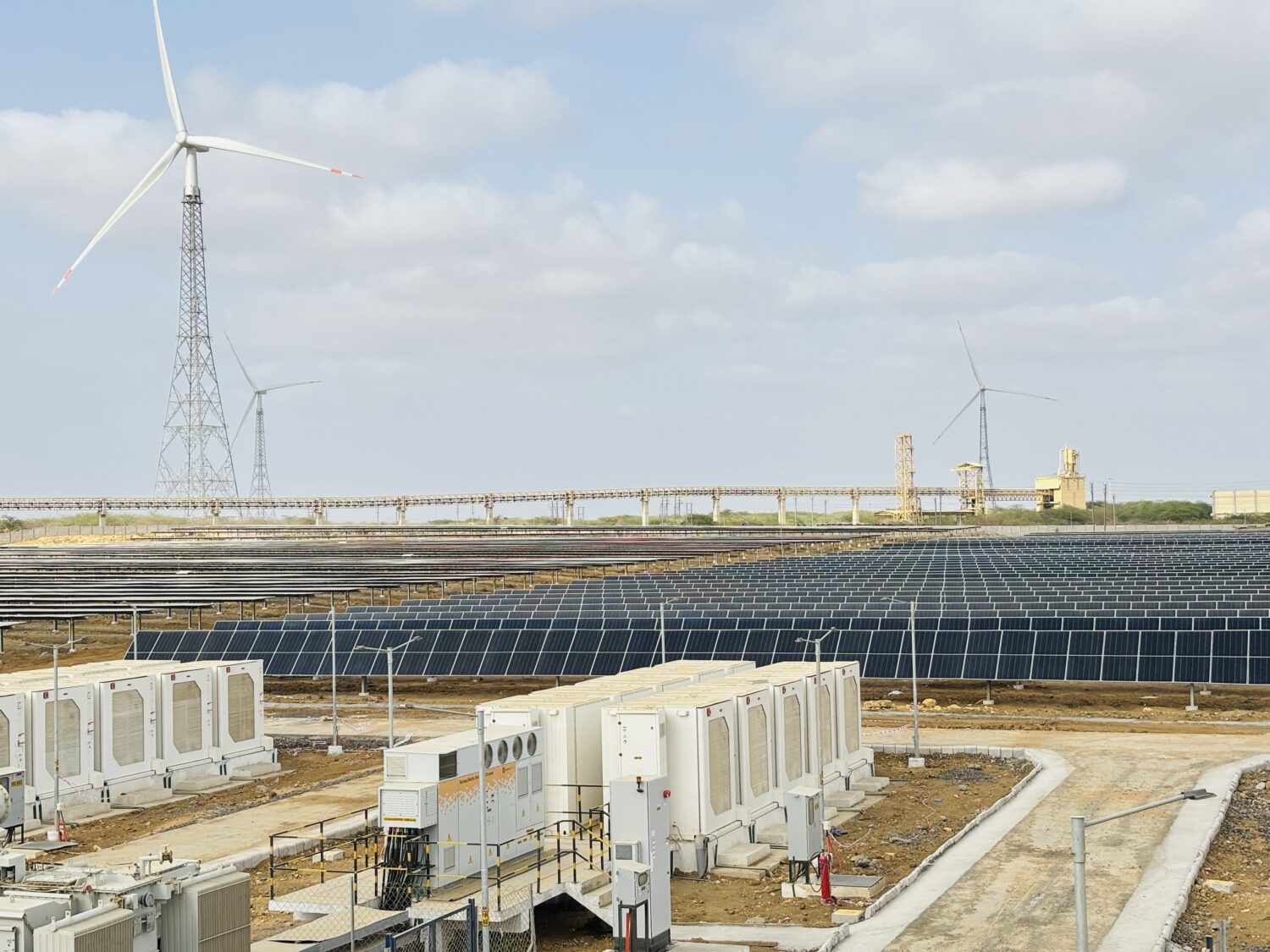
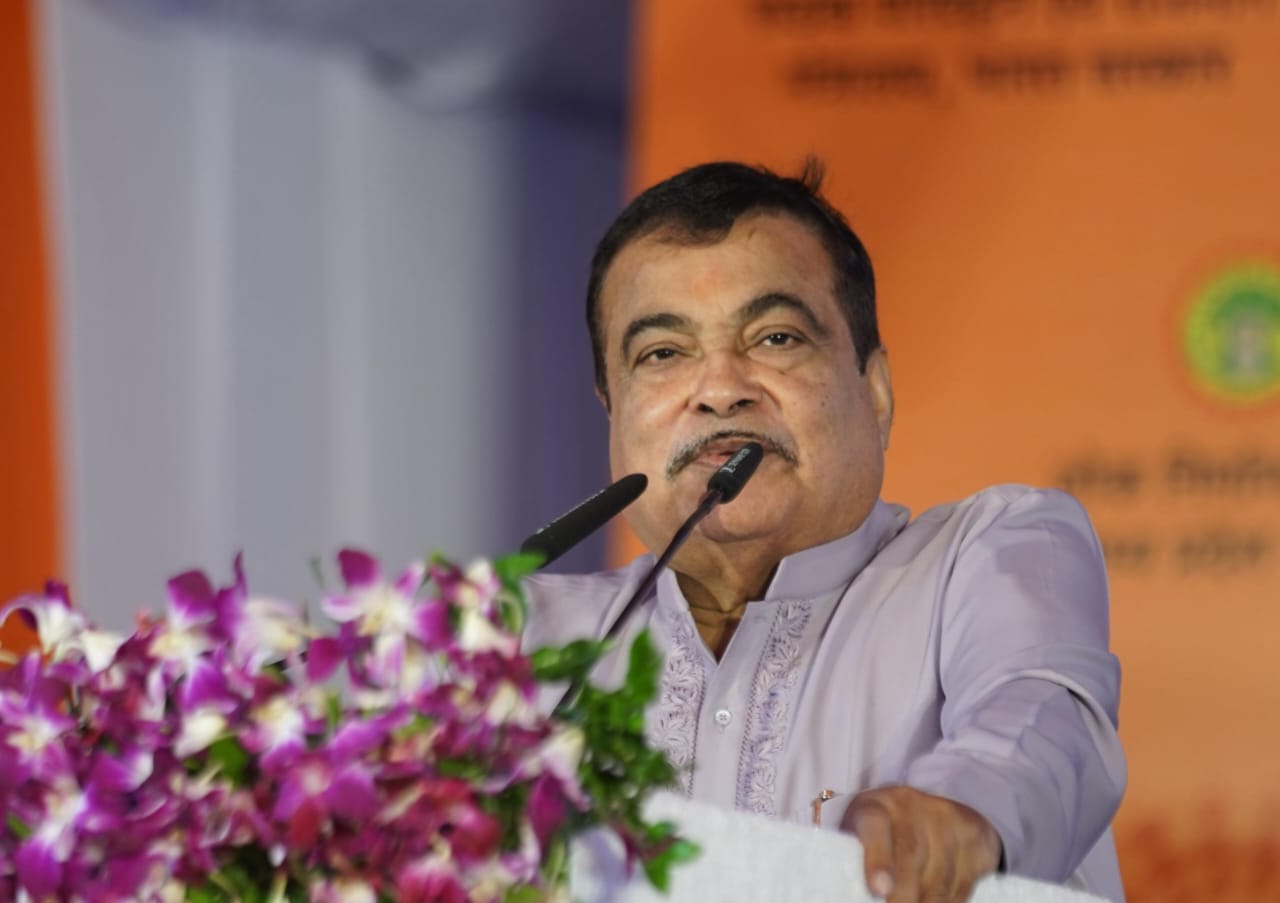
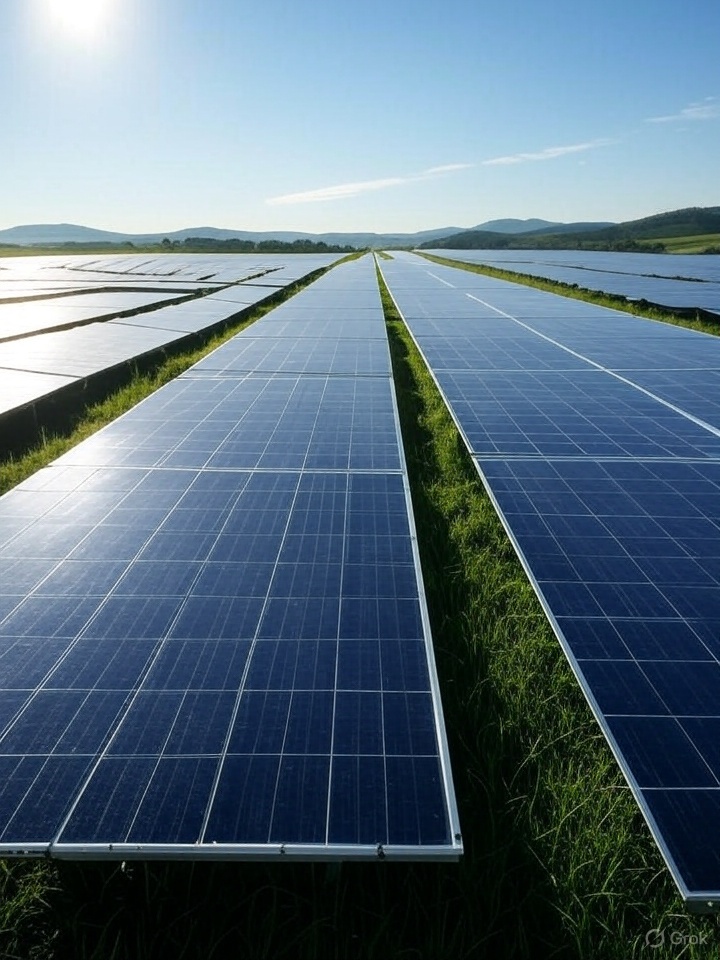
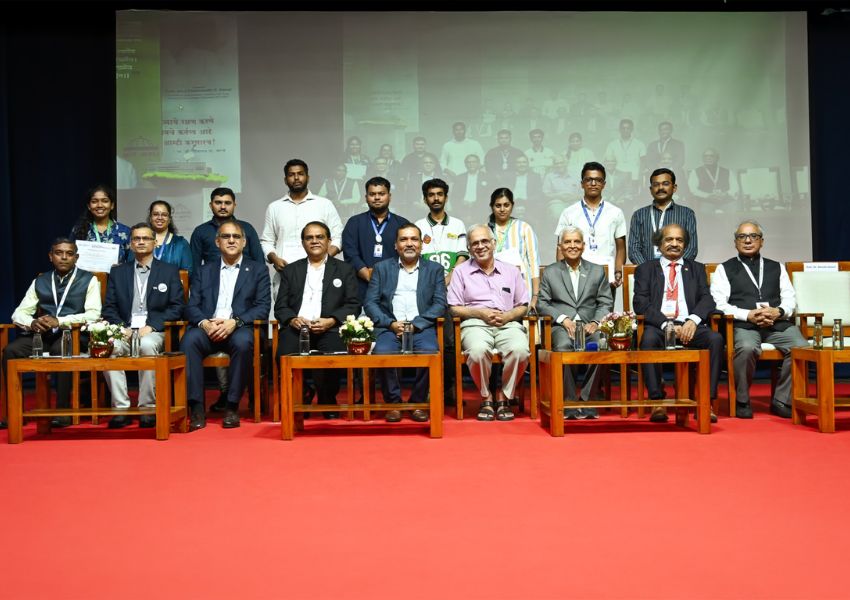
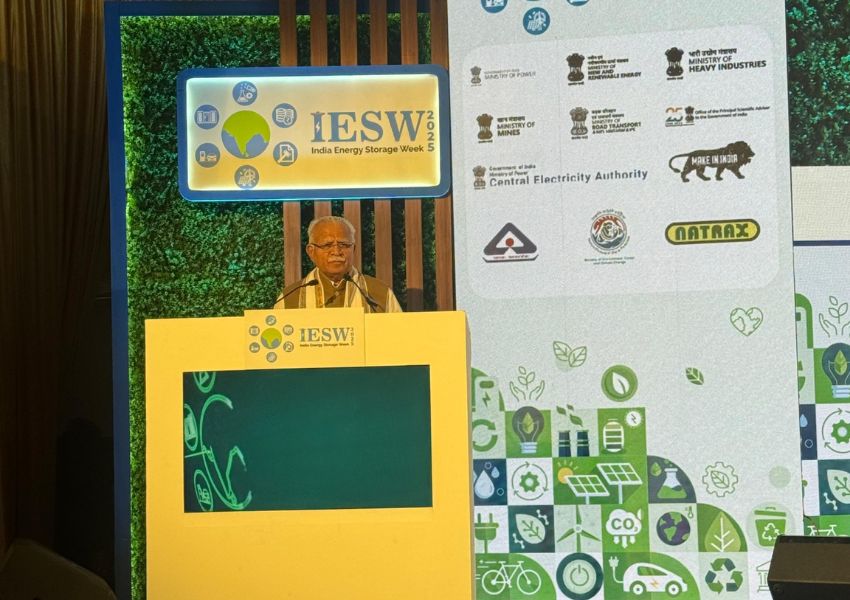
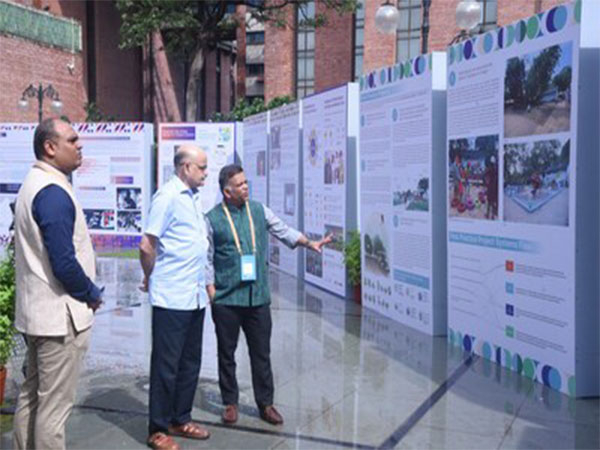
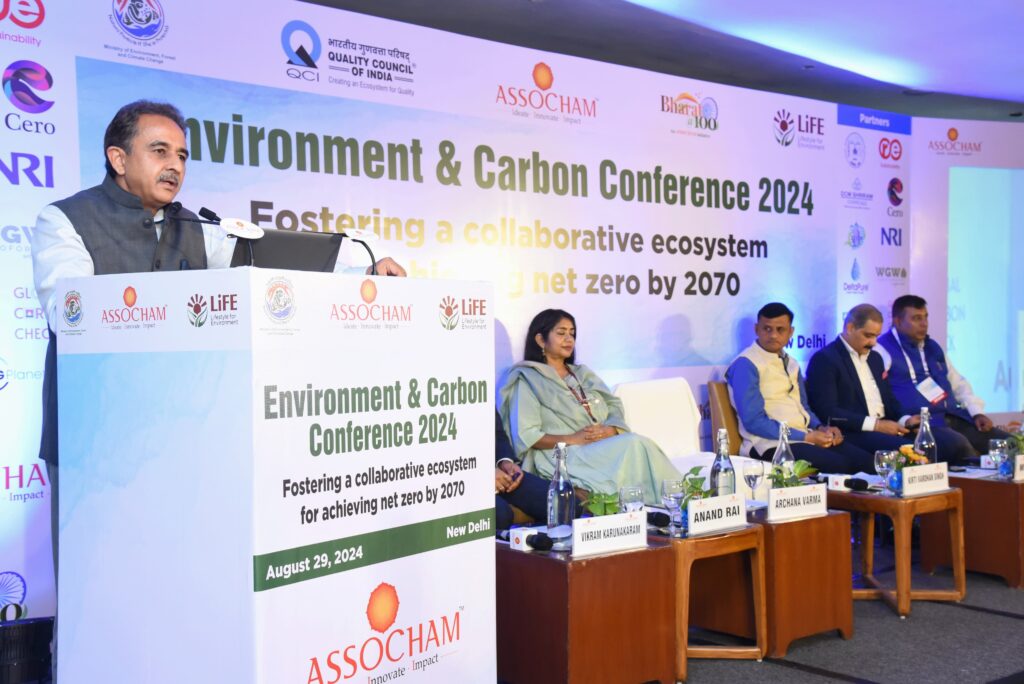
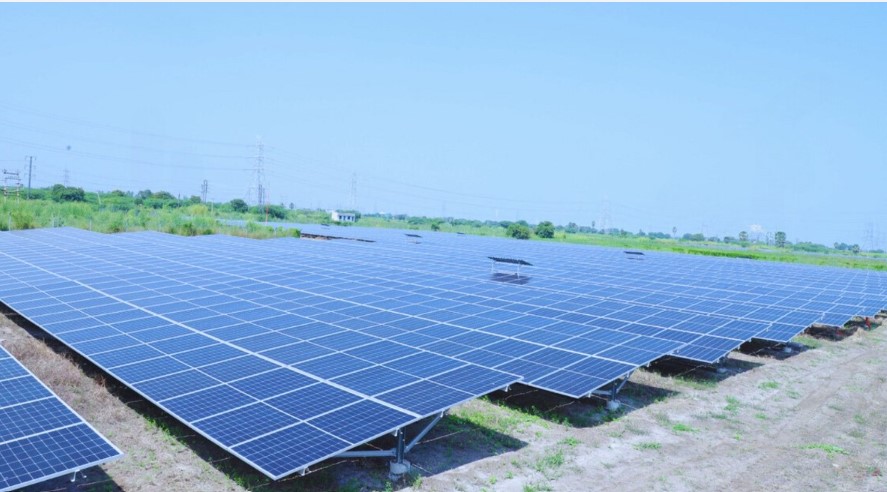
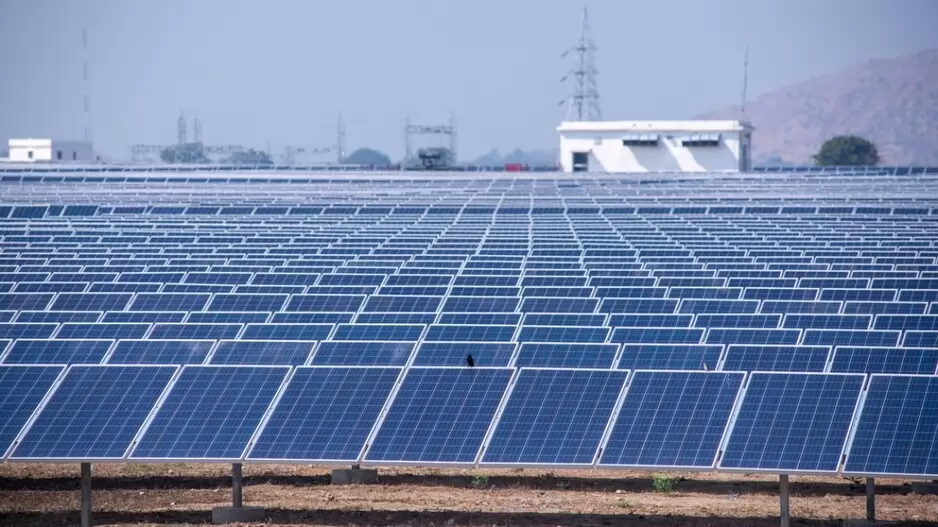
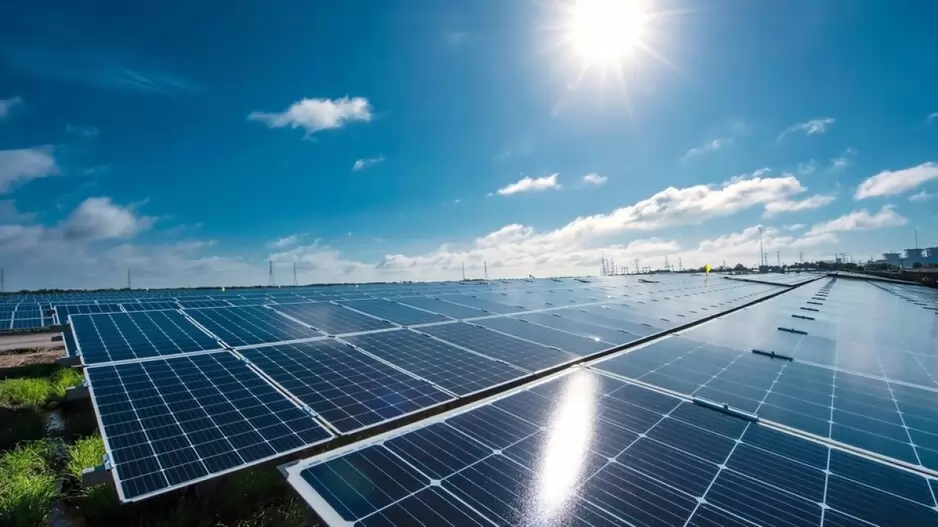
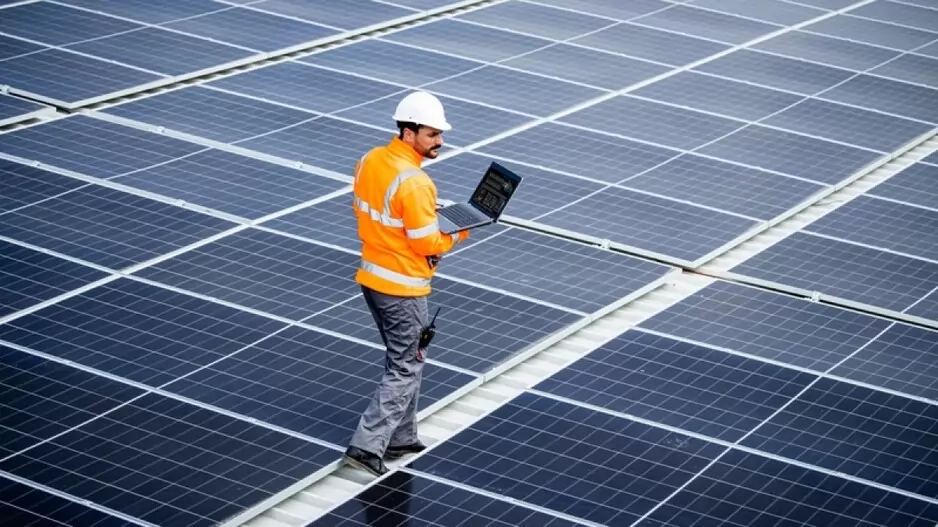
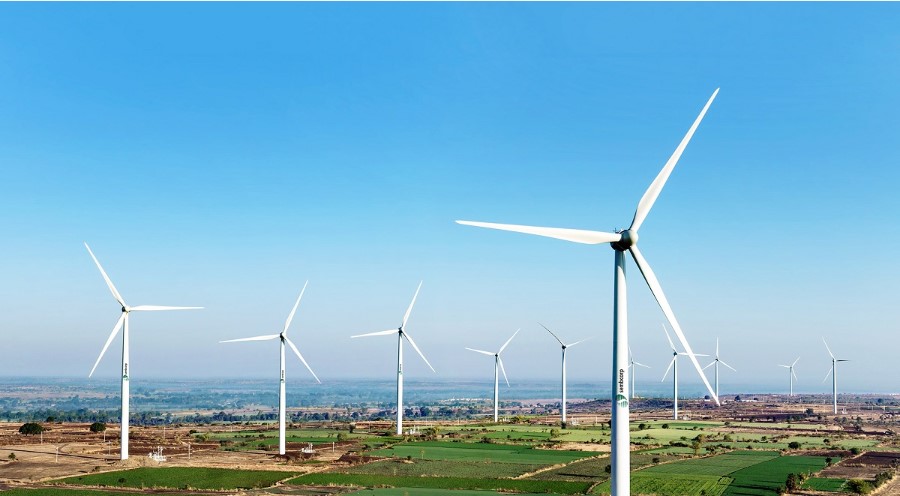
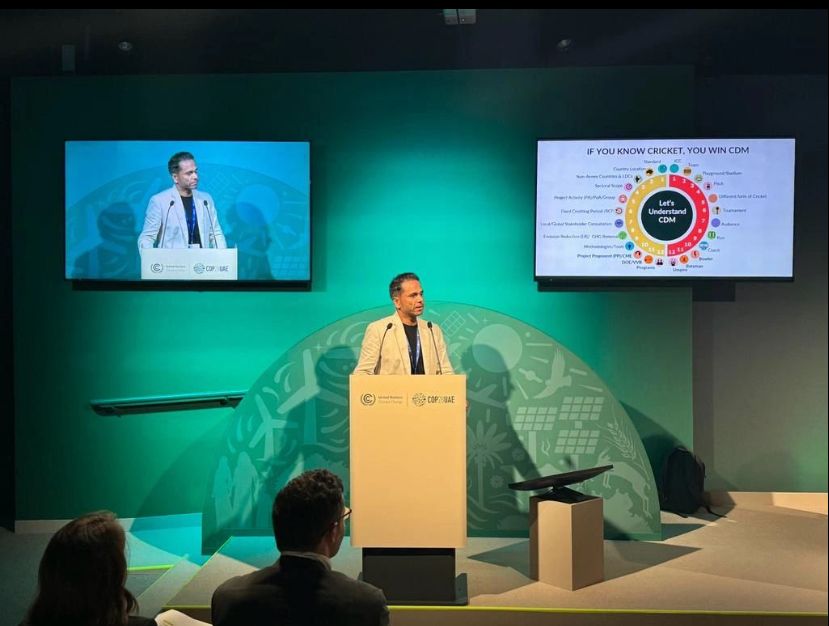
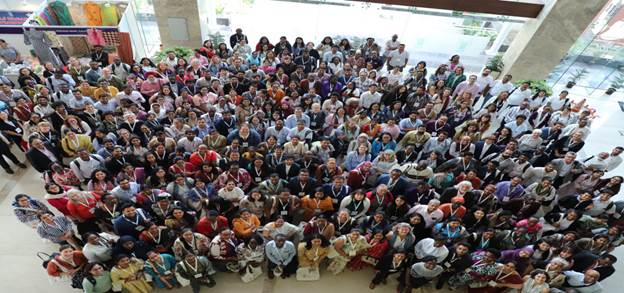
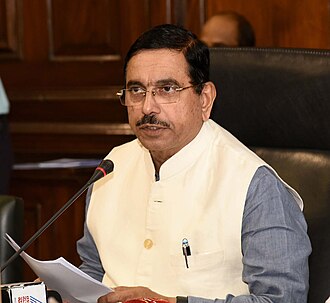
India has added a record 31.25 gigawatts of non-fossil capacity in the current financial year, including 24.28 gigawatts of solar, a development Union Minister of New and Renewable Energy Pralhad Joshi described as “historic” for both national and global energy transitions. Addressing the Global Energy Leaders’ Summit in Puri, he said India had become a key driver of the world’s renewable capacity surge, with rapid expansion over the past decade setting the pace for emerging economies.
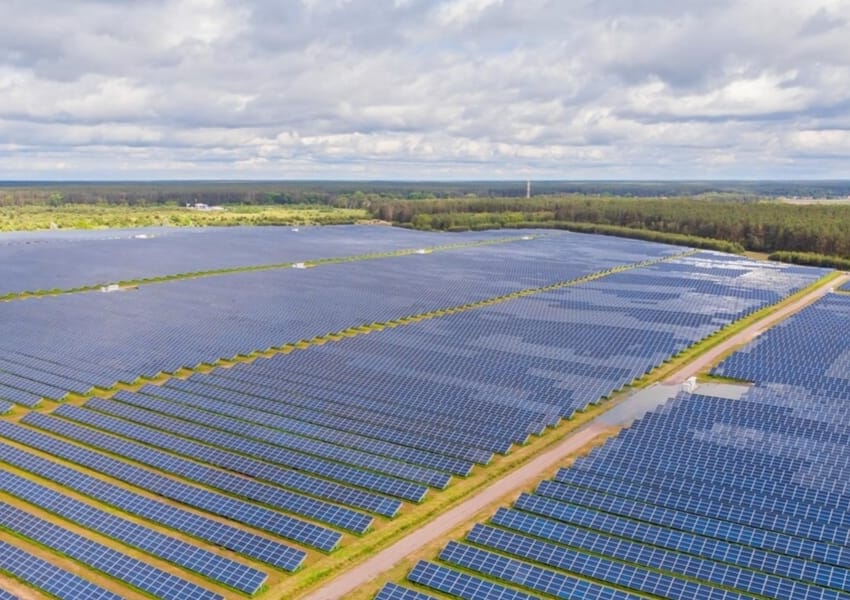
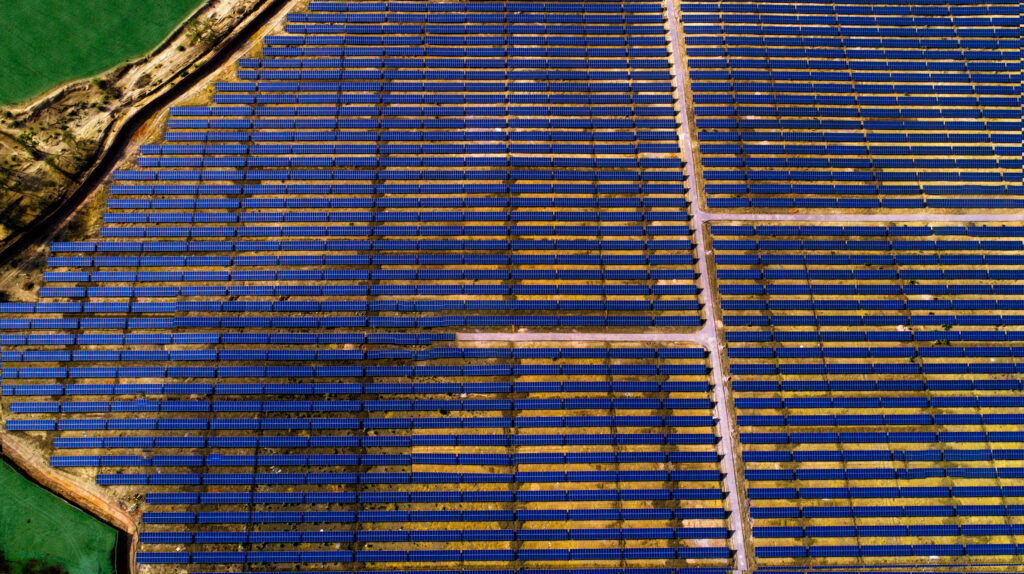
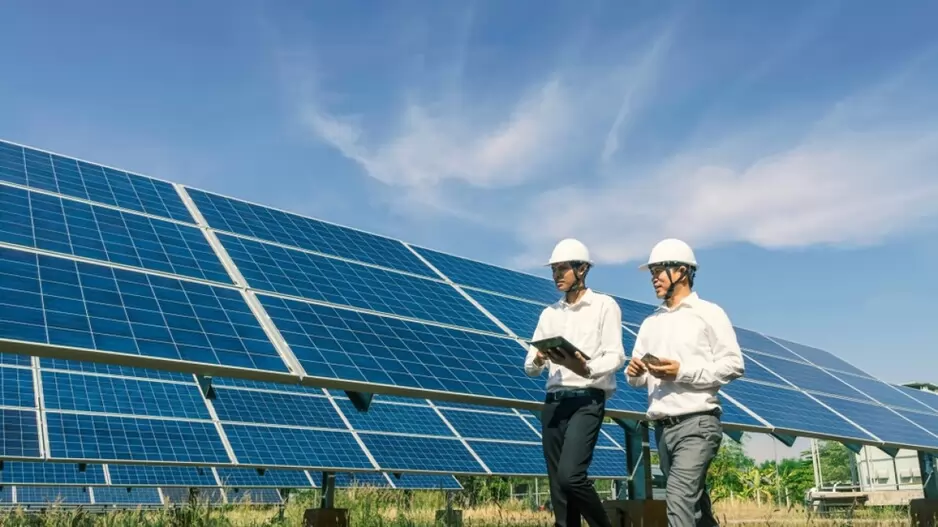
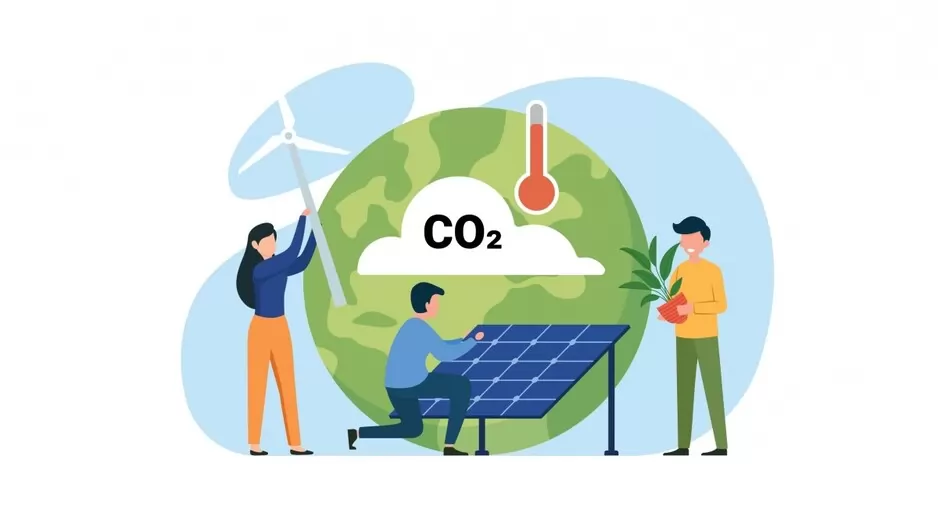
Joshi noted that the world required nearly seventy years to achieve its first terawatt of renewable capacity by 2022, yet reached two terawatts by 2024, adding the second in only two years. India, he said, had contributed 46 gigawatts to global solar additions between 2022 and 2024, becoming the third-largest contributor. He pointed to an increase in domestic solar capacity from 2.8 gigawatts to around 130 gigawatts in eleven years, describing a rise of more than forty-five times as evidence of sustained policy, manufacturing growth and demand.
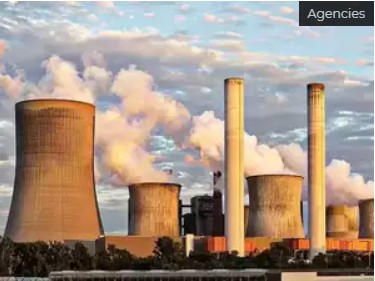
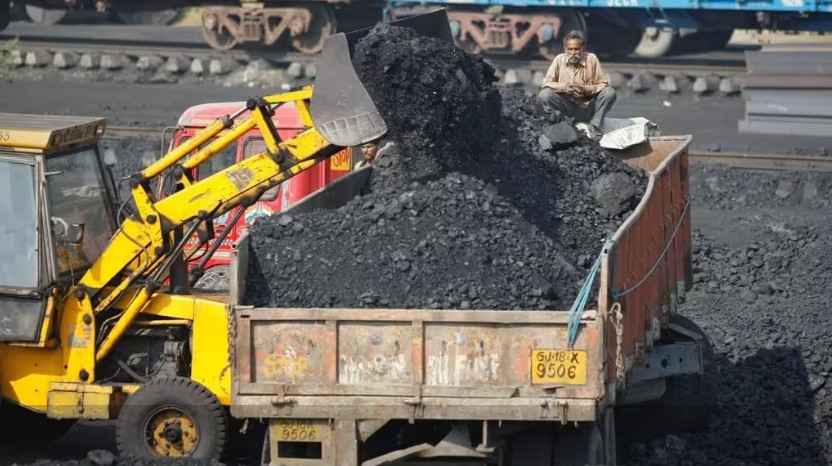
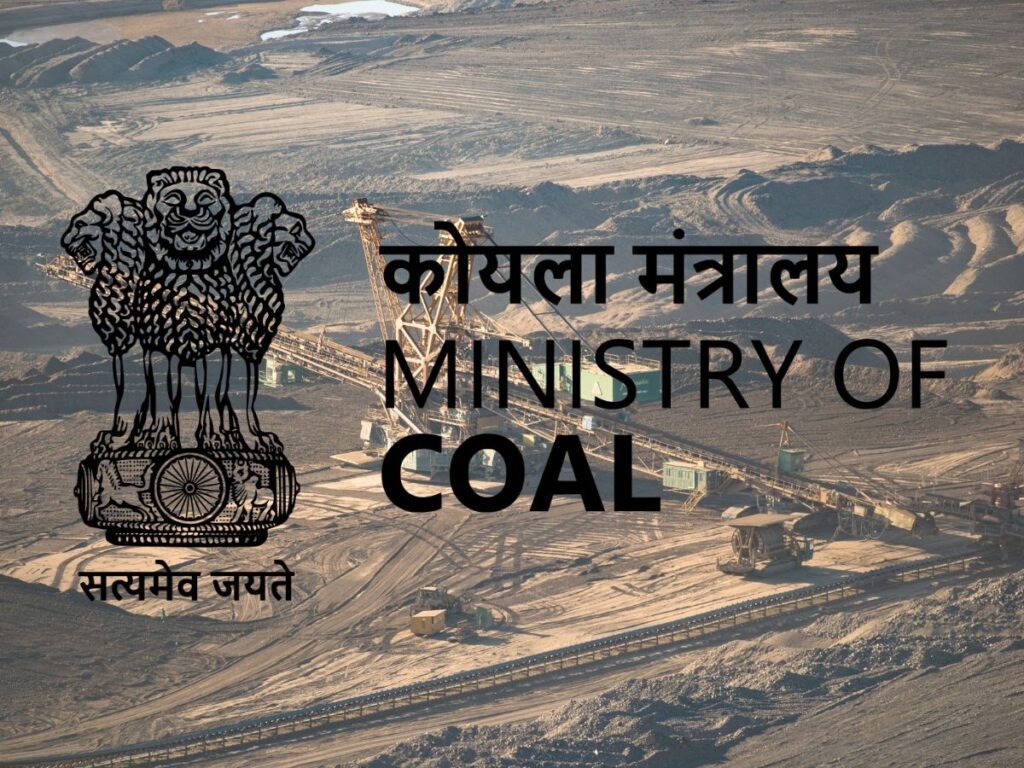
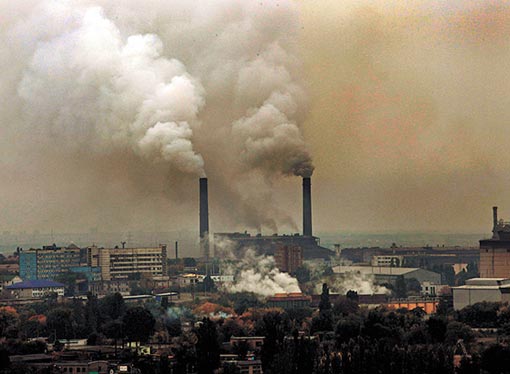
The Minister also addressed the wider energy landscape, stating that although India holds the world’s fifth-largest coal reserves and remains the second-largest consumer, the country is steadily balancing coal with renewable power. He said global market mechanisms were shaping competitiveness across sectors, making the shift to clean energy both urgent and strategically necessary.
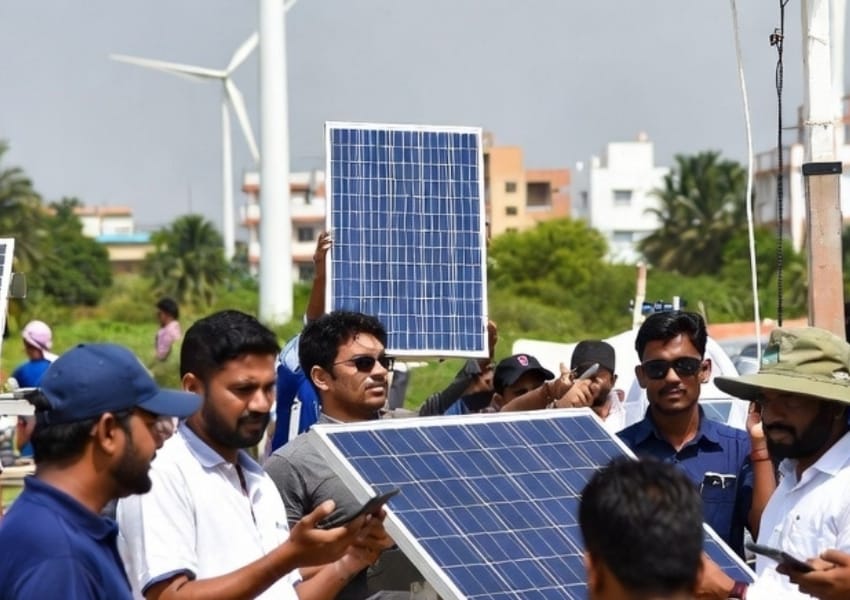
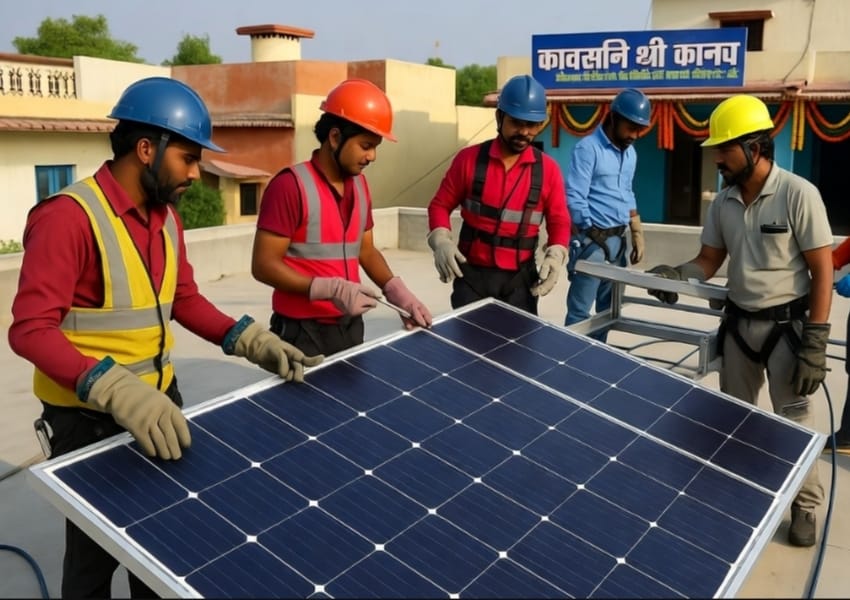
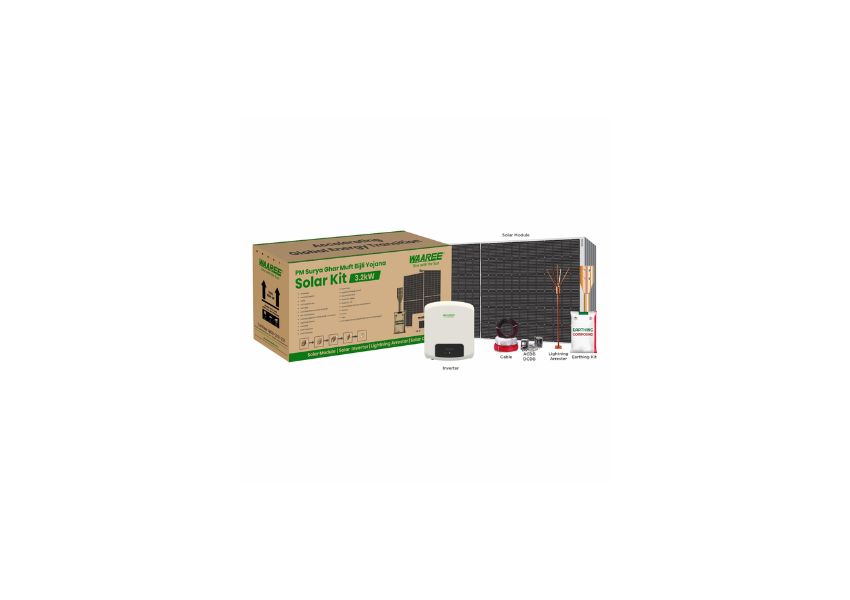
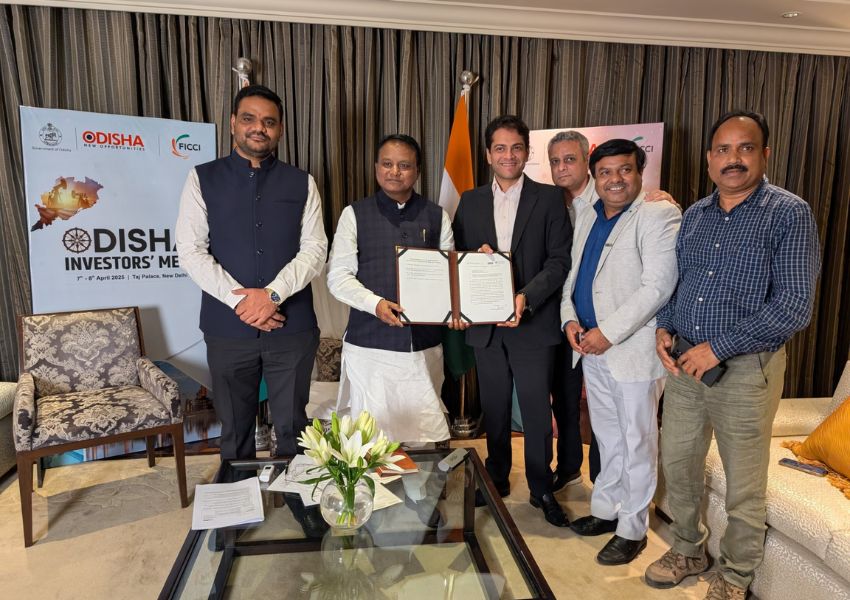
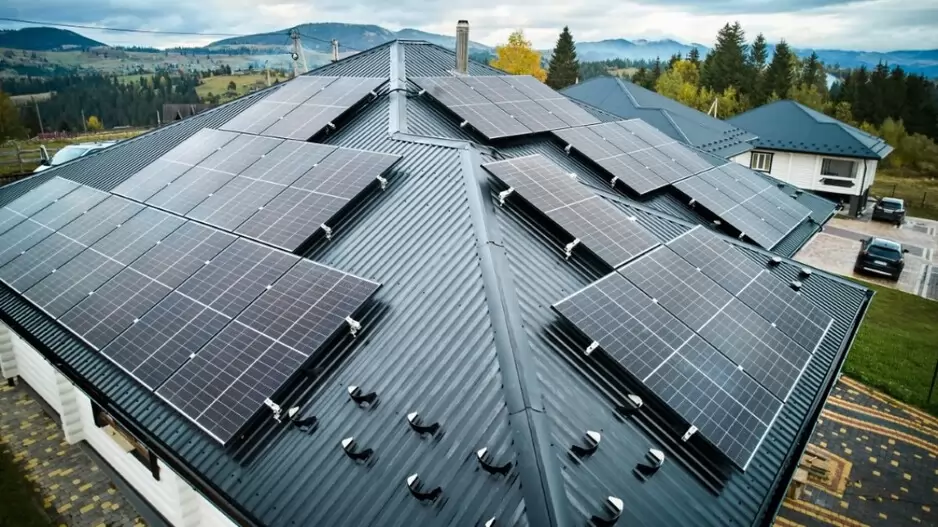
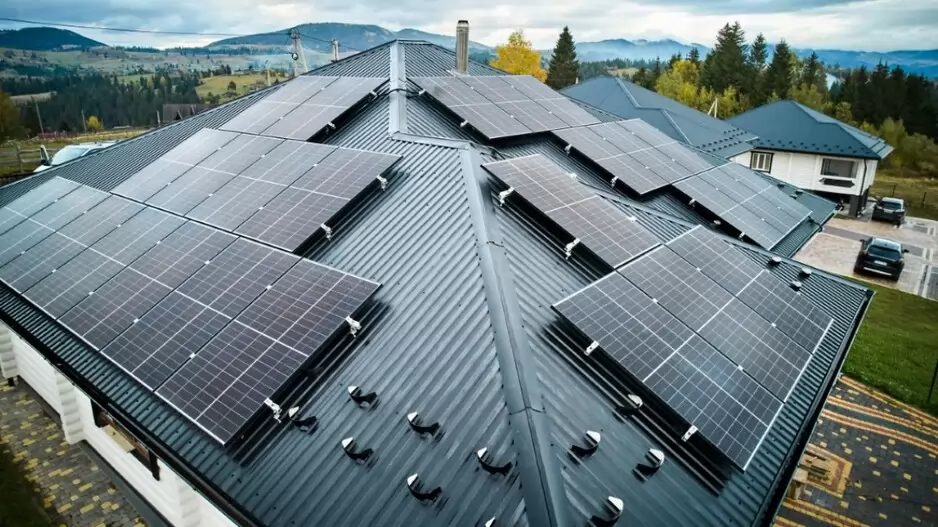
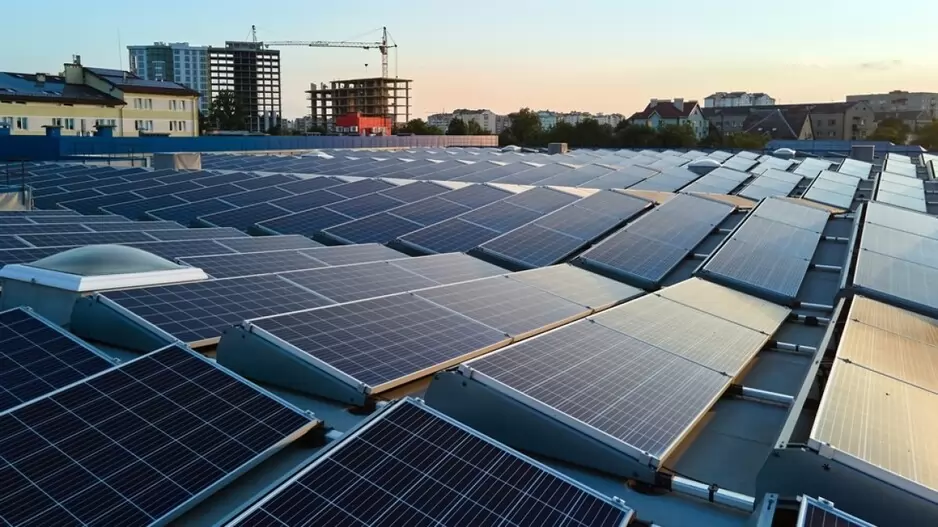
Setting out a major initiative for Odisha, Joshi announced approval of a utility-led aggregation model for 1.5 lakh rooftop solar units of one kilowatt each, intended to benefit seven to eight lakh people, particularly lower-income households. He added that strong policy support, improved infrastructure, a favourable business climate and centre-state cooperation had created an ecosystem capable of accelerating renewable deployment.
Expressing confidence in Odisha’s prospects, he said the coming years would belong to states able to embrace clean technology and scale participation in distributed energy systems.