














































































































































































































































































































































































































































































































































































































































































































































































































































































































































































Noida International Airport Eyes Green, High-capacity Aviation Hub

Jewar airport aims to boost connectivity, ease pressure on Delhi airport and set sustainability benchmarks as it nears completion
Noida International Airport, also known as Jewar Airport, is set to emerge as a major aviation hub in the National Capital Region, with the project positioned to strengthen connectivity, support economic growth and embed sustainability into large-scale infrastructure development.
Planned as one of India’s largest greenfield airport projects, the airport is expected to handle both domestic and international traffic while easing capacity constraints at Delhi’s Indira Gandhi International Airport. The facility is scheduled for completion in 2025.
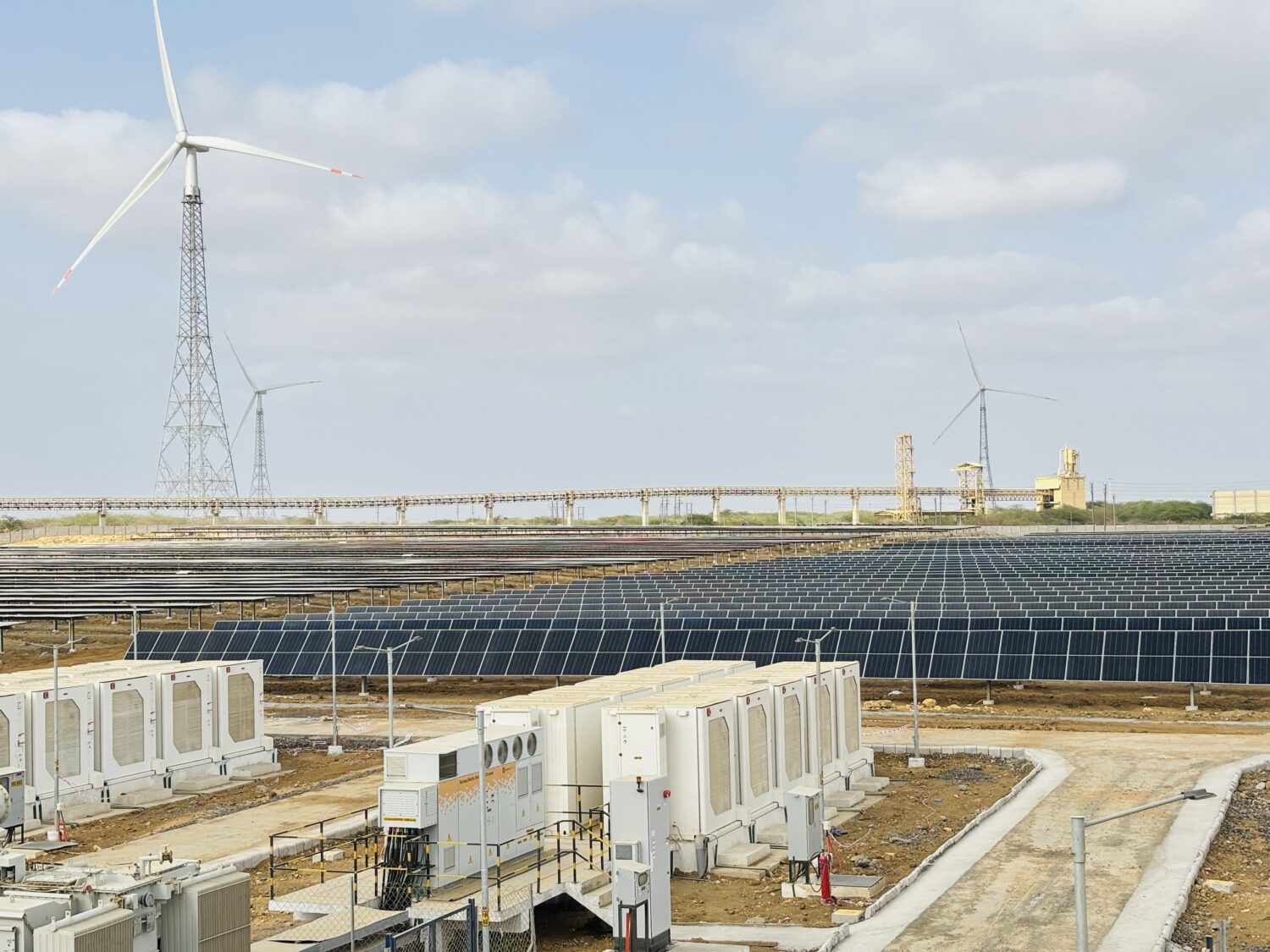
Officials and planners have highlighted sustainability as a central pillar of the project. The airport is being developed with the aim of achieving a net-zero emissions model, incorporating energy-efficient design, resource management systems and green operational practices. The approach aligns with the government’s broader push to integrate climate considerations into infrastructure planning.
The airport’s strategic location in western Uttar Pradesh is expected to improve regional and global connectivity, with links planned through six arterial roads, a rapid rail-metro corridor and pod taxi services. These connections are intended to reduce travel time and improve access for passengers from Delhi-NCR and neighbouring regions.
In operational terms, the airport will be equipped with a Category III B Instrument Landing System, enabling aircraft to land safely during low-visibility conditions. This is expected to improve reliability and reduce weather-related disruptions, particularly during winter months.
Beyond passenger traffic, Noida International Airport is expected to play a key role in cargo and logistics. The facility is being positioned as a freight hub, which could support trade flows and industrial activity in the region, according to officials associated with the project.
The development is also projected to have a significant employment impact. Estimates suggest that the airport and associated activities could generate close to 100,000 direct and indirect jobs across aviation, logistics, hospitality, retail and construction, contributing to economic growth in the surrounding districts.
As the project moves closer to completion, inspections and reviews by central and state authorities have underscored its importance within India’s infrastructure roadmap. Once operational, Noida International Airport is expected to expand aviation capacity in north India while serving as a test case for integrating sustainability, technology and scale in airport development.