

























































































































































































































































































































































































































































































































































































































































































































































































































































Odisha Plans Floating Solar Projects Across Reservoirs To Expand Green Power, Eco-tourism

Land constraints push state towards large-scale solar installations on water bodies, with projects planned at Rengali, Hirakud and Upper Indravati
The Odisha government is moving to tap its vast network of reservoirs for floating solar power projects as part of a broader push to expand renewable energy capacity and ease pressure on scarce land resources.
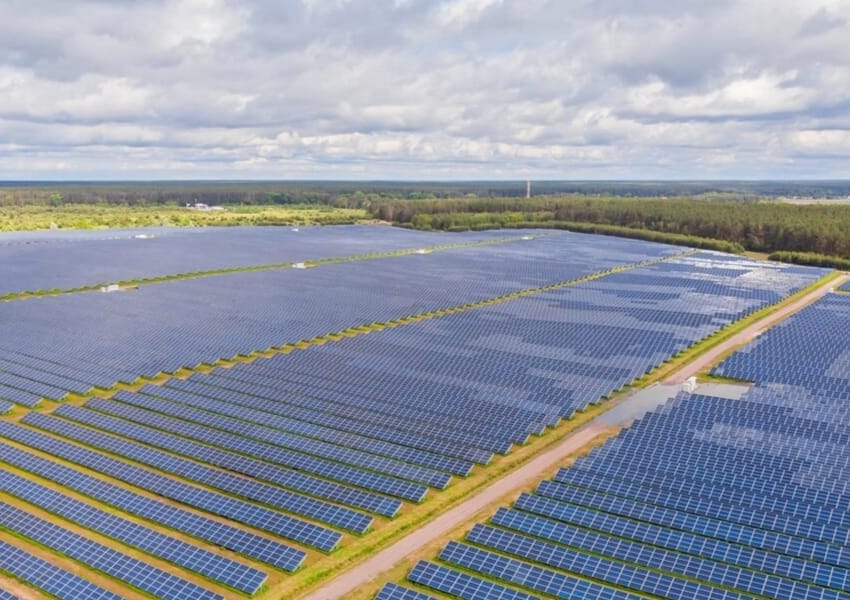
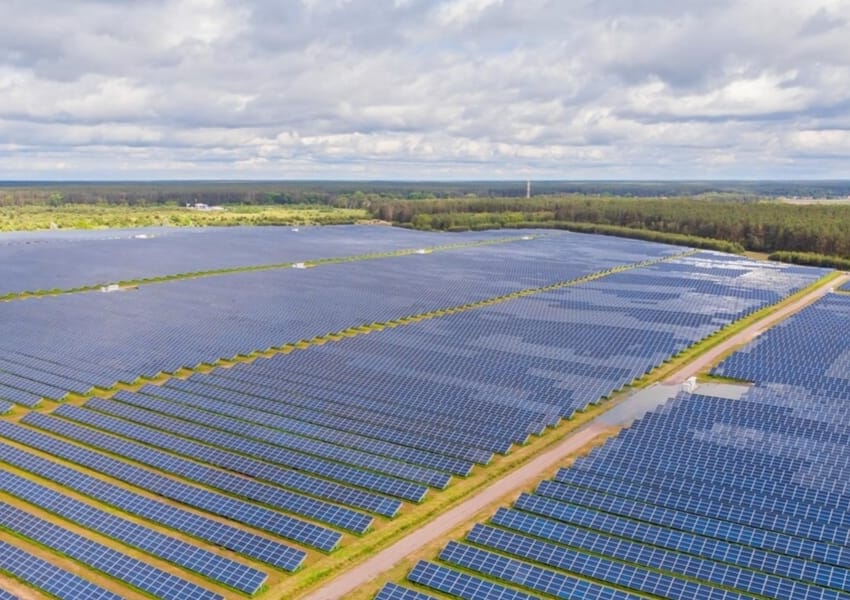
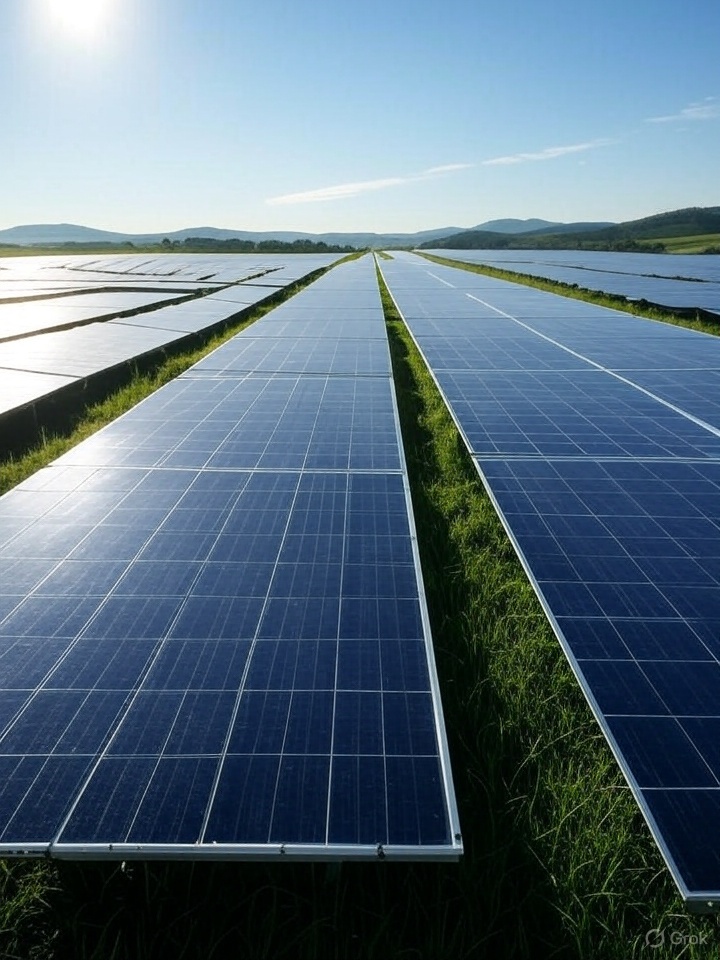
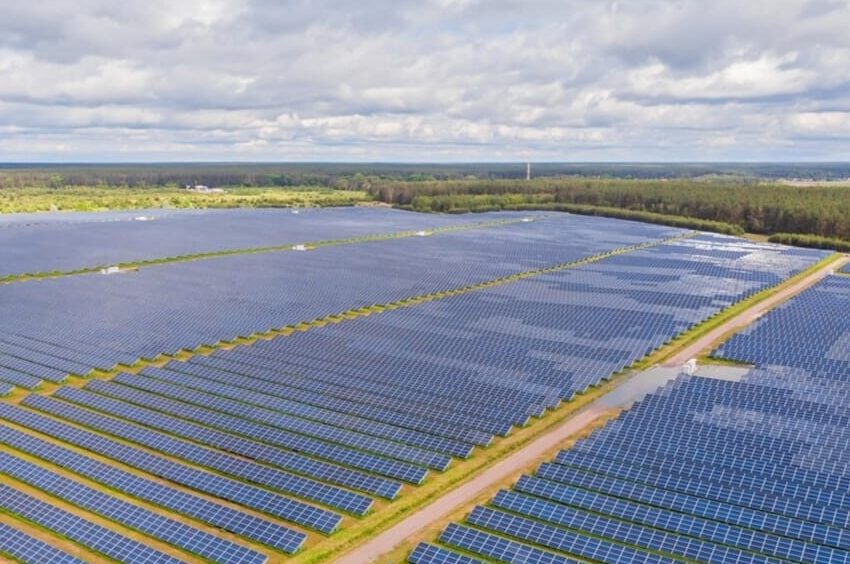
Grid Corporation of Odisha is preparing to develop floating solar installations across major and medium water bodies in the state, citing limited availability of land for conventional ground-mounted solar plants. Much of Odisha’s land remains under agriculture or forest cover, leaving little room for large solar parks without affecting food production or protected ecosystems.
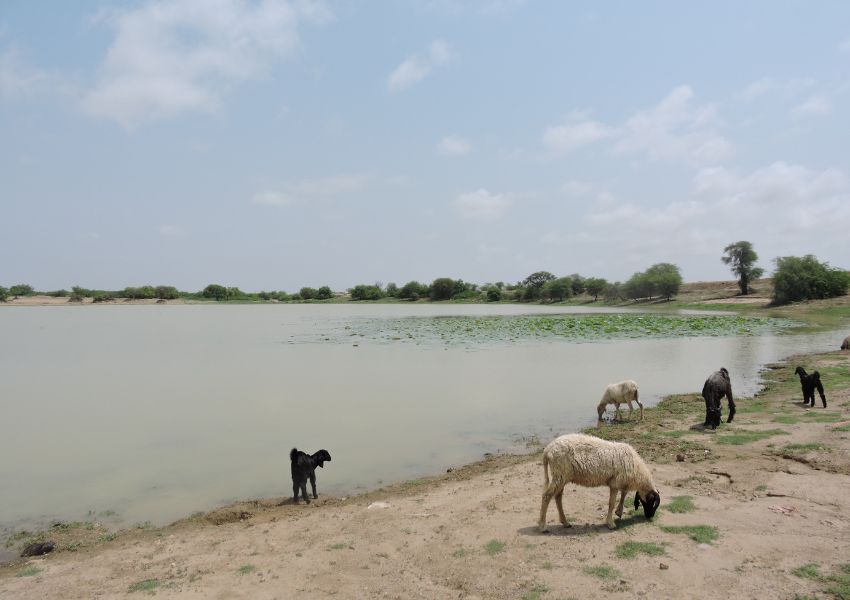
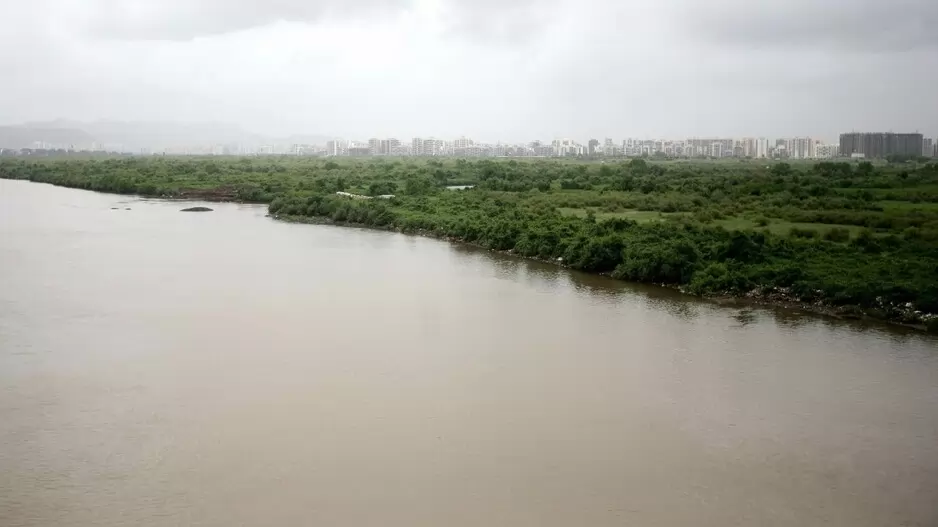
Floating solar is emerging as a viable alternative, particularly in a state with abundant reservoirs built for irrigation and hydropower. Odisha has around 185 water bodies, including major, medium and minor reservoirs, which are now being assessed for their potential to host solar panels mounted on floating platforms.
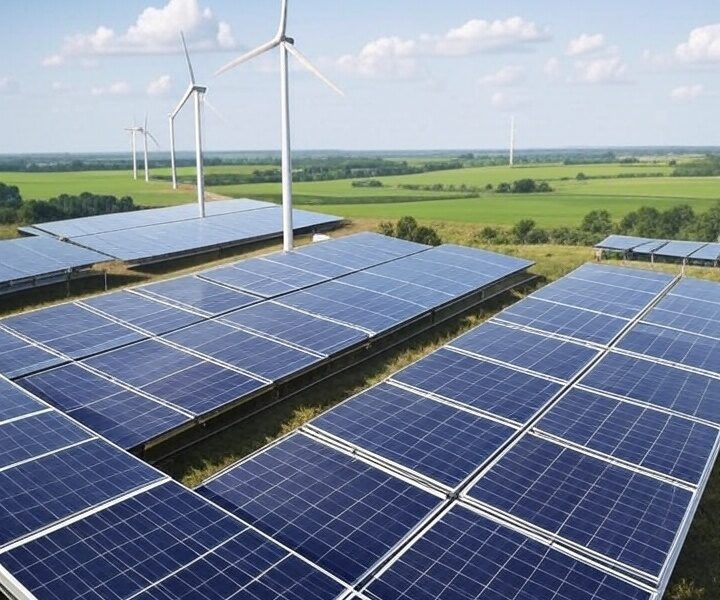
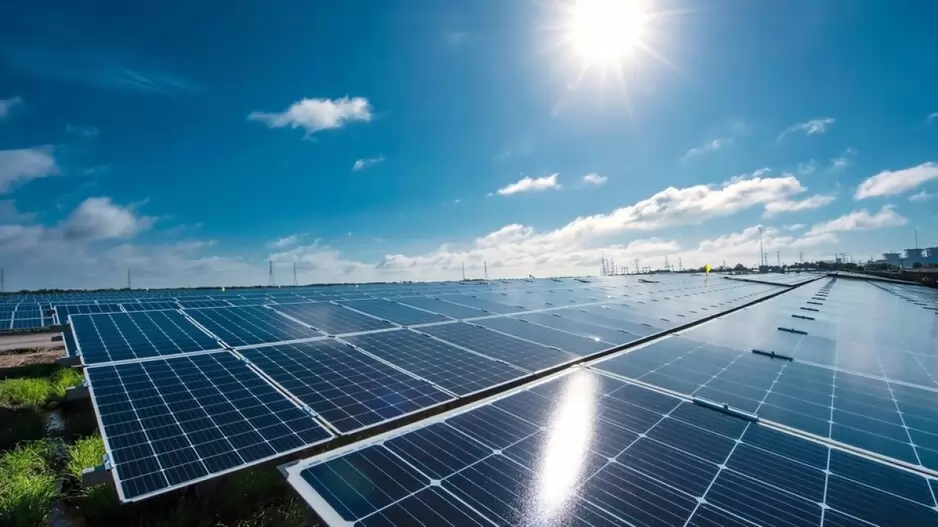
The technology allows solar modules to be installed on pontoons anchored to the water surface, with power evacuated through nearby substations. Apart from addressing land scarcity, floating solar systems offer operational advantages. The presence of water helps keep panels cooler, improving generation efficiency, while also reducing dust accumulation and cleaning requirements.
Push to Scale Clean Energy
Grid Corporation of Odisha has already initiated the process with a tender for a floating solar project of around 1,000 megawatts at the Rengali reservoir, intended for captive power use. Further projects are being planned at the Upper Indravati reservoir with a proposed capacity of 225 megawatts, and at the Hirakud reservoir, where installations could reach up to 1.5 gigawatts.
Taken together, these projects signal a shift towards a more integrated and large-scale deployment of floating solar infrastructure across the state’s water bodies. Officials indicate that the reservoirs will be evaluated in a consolidated and planned manner, rather than as isolated projects.
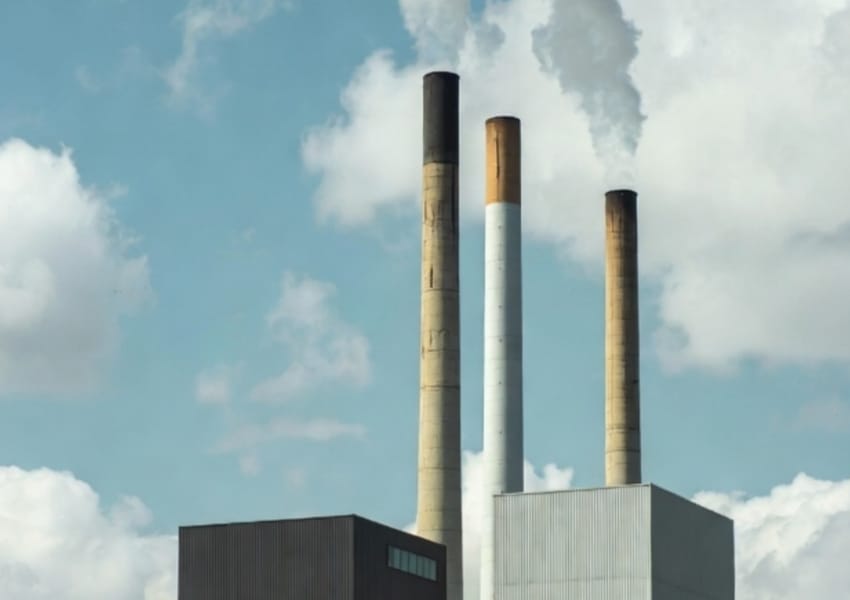
The move is also driven by environmental considerations. Odisha is one of India’s most industrialised states and accounts for a significant share of the country’s steel production, making it a major source of carbon emissions. Expanding renewable energy capacity is seen as essential to lowering the state’s carbon footprint while supporting industrial growth.
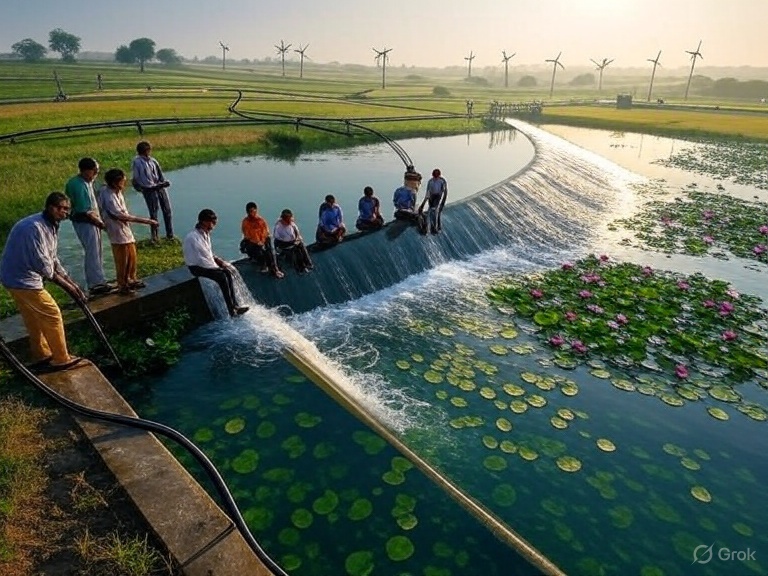
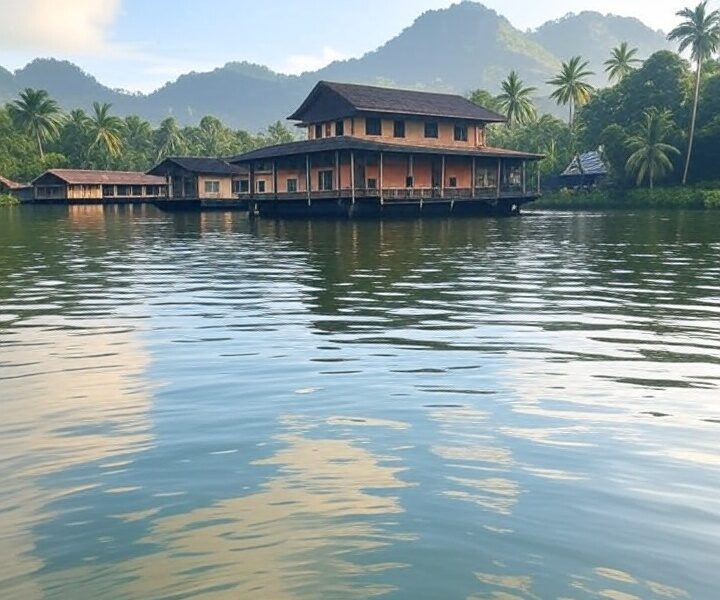
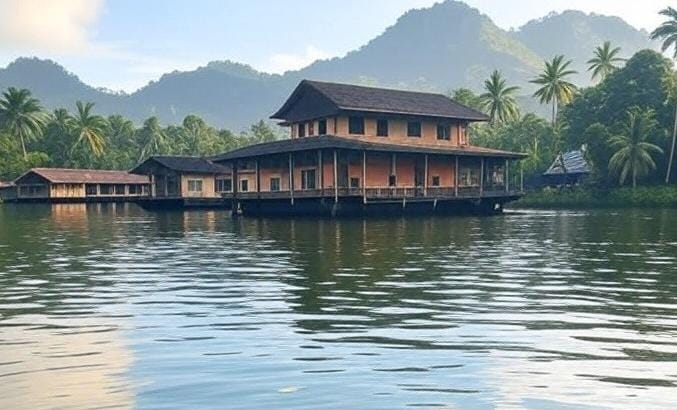
Beyond power generation, the government is also exploring ways to align floating solar projects with eco-tourism, particularly at scenic reservoirs that already attract visitors. Officials believe that carefully designed installations could coexist with tourism and recreational activities, adding a sustainability dimension to existing destinations.
With land constraints tightening and renewable energy targets rising, floating solar is set to play a central role in Odisha’s clean energy transition over the coming years.