































































































































































































































































































































































































































































































































































































































































































































































































































































South Asian Monsoon Emerges As Deadliest Climate Disaster Of 2025

Floods from an unusually intense monsoon push South Asia to the top of a year marked by record climate losses and widening global inequality
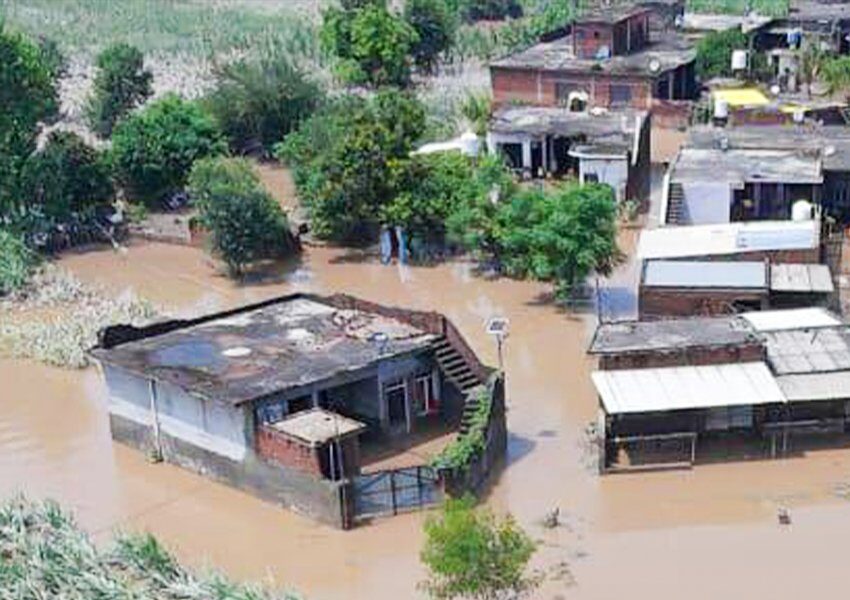
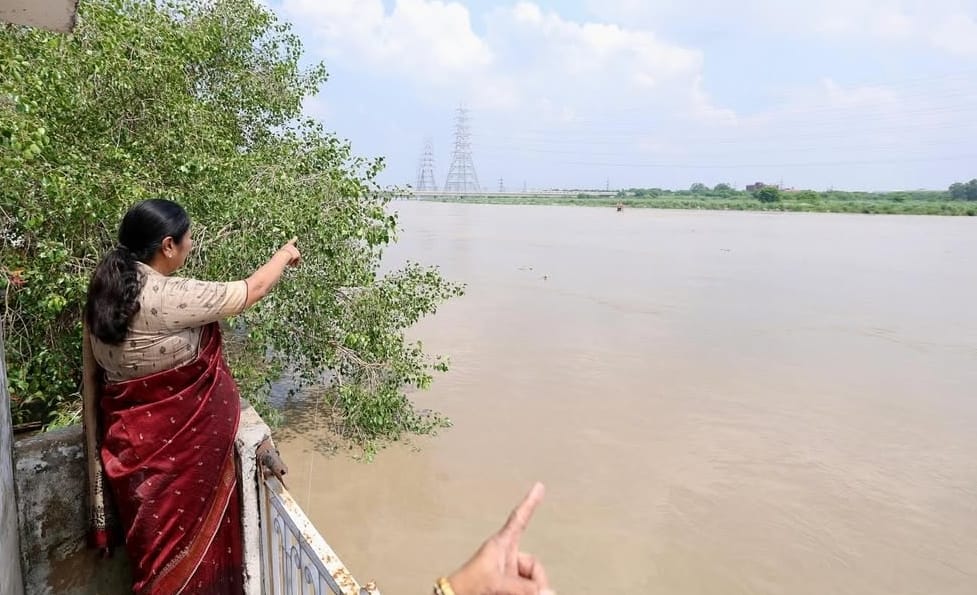
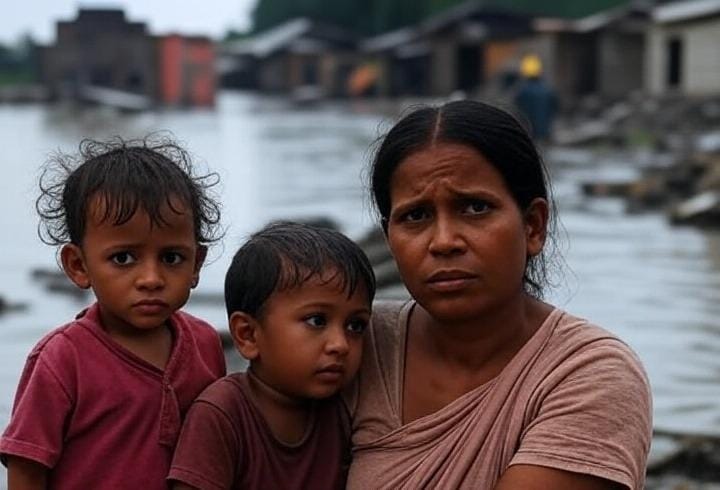
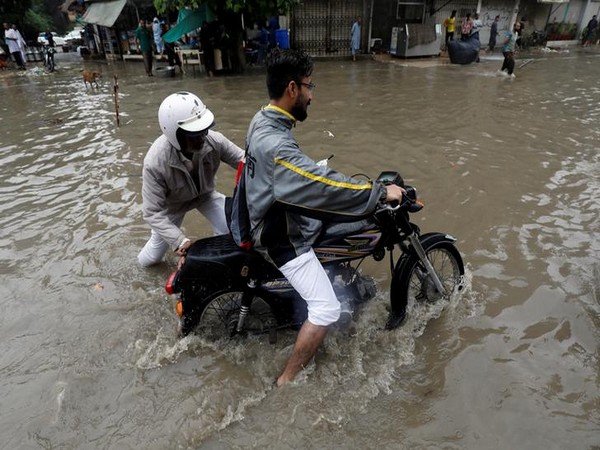
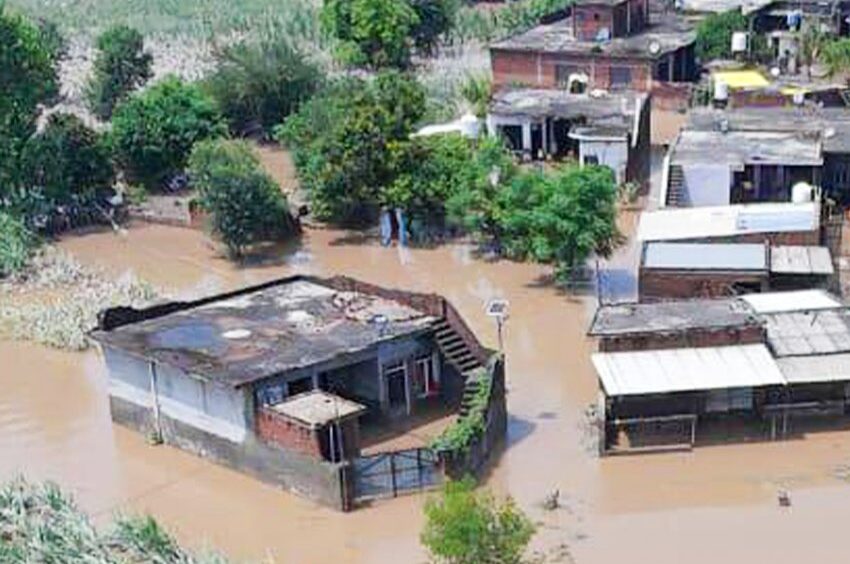
The 2025 southwest monsoon in India and Pakistan has emerged as the deadliest climate-related disaster of the year, killing more than 1,860 people and causing economic losses of around USD 5.6 billion, according to a new report by Christian Aid.
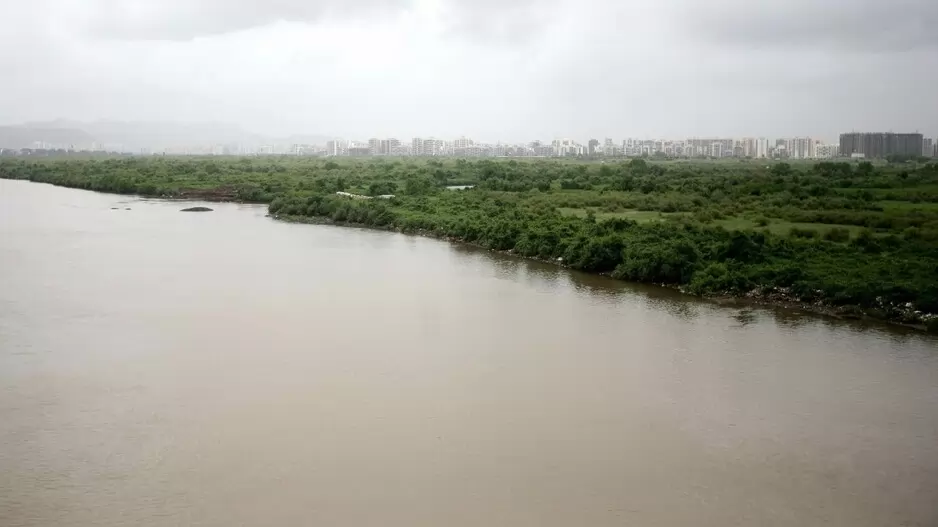
The report said the monsoon season brought rainfall nearly eight per cent above the long-term average, triggering widespread flooding across large parts of the Indian subcontinent. The floods ranked among the world’s top ten climate disasters in 2025 and accounted for the highest death toll recorded from any single extreme weather event during the year.
Christian Aid’s analysis found that climate disasters globally caused losses exceeding USD 120 billion in 2025, driven by a combination of floods, heatwaves, wildfires, droughts and storms. The report noted that ten climate-crisis-driven events alone resulted in damages of more than USD 1 billion each.
Asia bore a disproportionate share of the impact, hosting four of the six costliest disasters worldwide. Flooding in India and Pakistan resulted in losses of up to USD 6 billion and affected more than seven million people in Pakistan. Typhoons in the Philippines caused damage exceeding USD 5 billion and displaced over 1.4 million people, while cyclones across Thailand, Indonesia, Sri Lanka, Vietnam and Malaysia led to losses estimated at USD 25 billion.
In China, extreme rainfall and flooding between June and August caused damages of USD 11.7 billion. Elsewhere, Category 5 hurricane Melissa struck Jamaica, Cuba and the Bahamas in late October, resulting in losses of about USD 8 billion, making it the fourth most expensive disaster of the year.
The report also highlighted that many financial estimates are based largely on insured losses, suggesting the true economic cost is significantly higher, particularly in poorer regions where insurance coverage remains limited. Human impacts, including displacement, loss of livelihoods and long-term health effects, are often underreported.
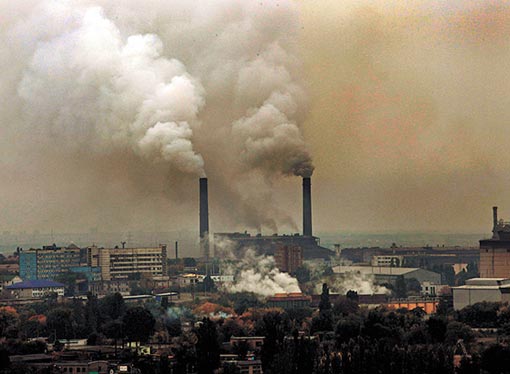
“These disasters are not natural. They are the predictable result of continued fossil fuel expansion and political delay,” Emeritus Professor Joanna Haigh of Imperial College London said in comments cited by Christian Aid.
Patrick Watt, chief executive of Christian Aid, said the year had once again exposed the deep inequalities of the climate crisis. “The poorest communities are first and worst affected. These climate disasters are a warning of what lies ahead if we do not accelerate the transition away from fossil fuels,” he said.