





































































































































































































States To Drive India’s Renewable Growth As Central Backlog Persists
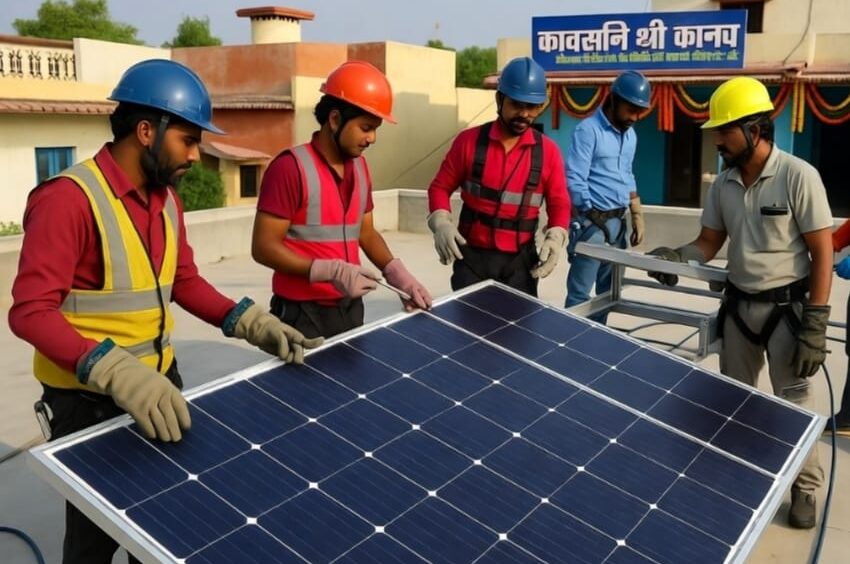
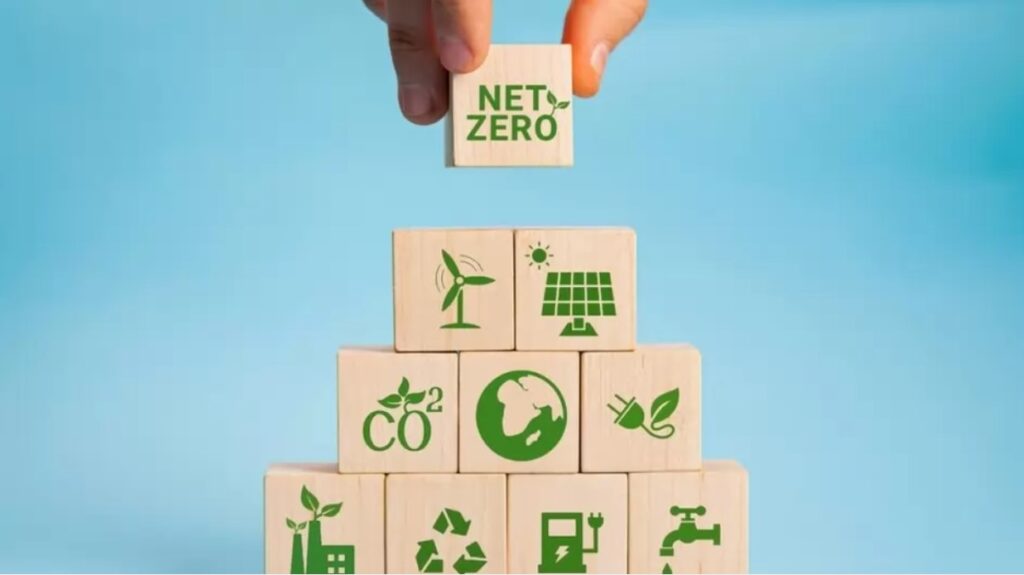
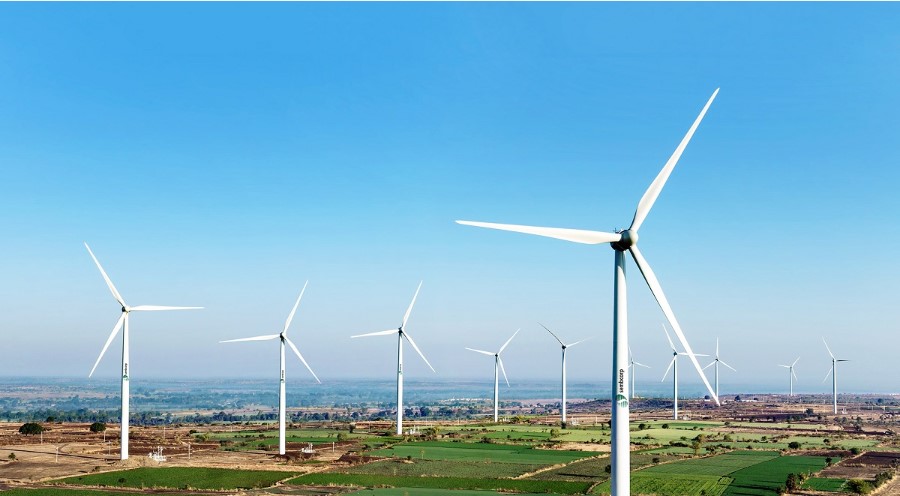
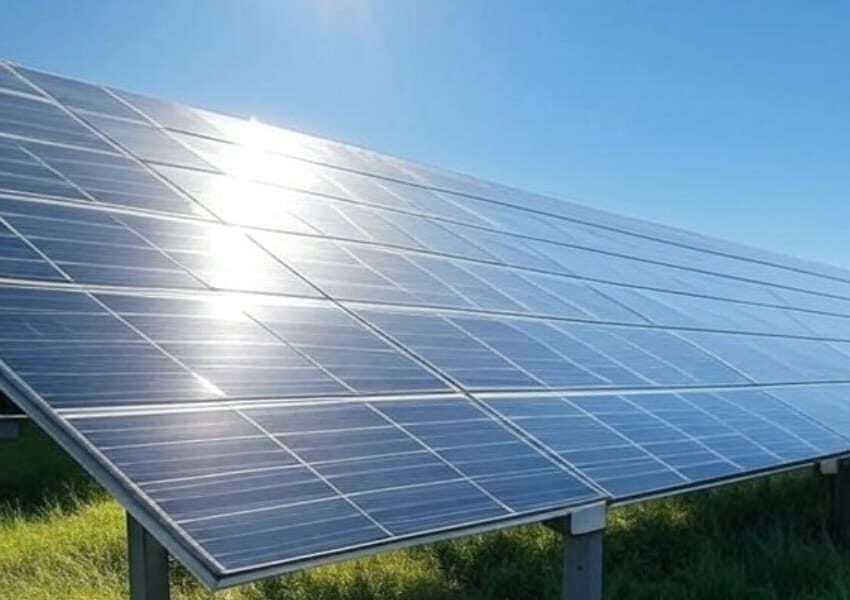
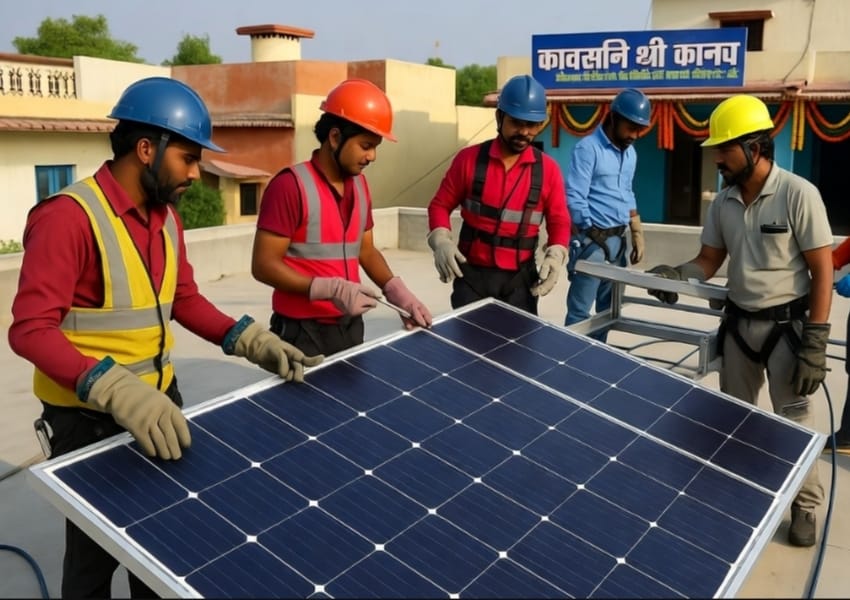
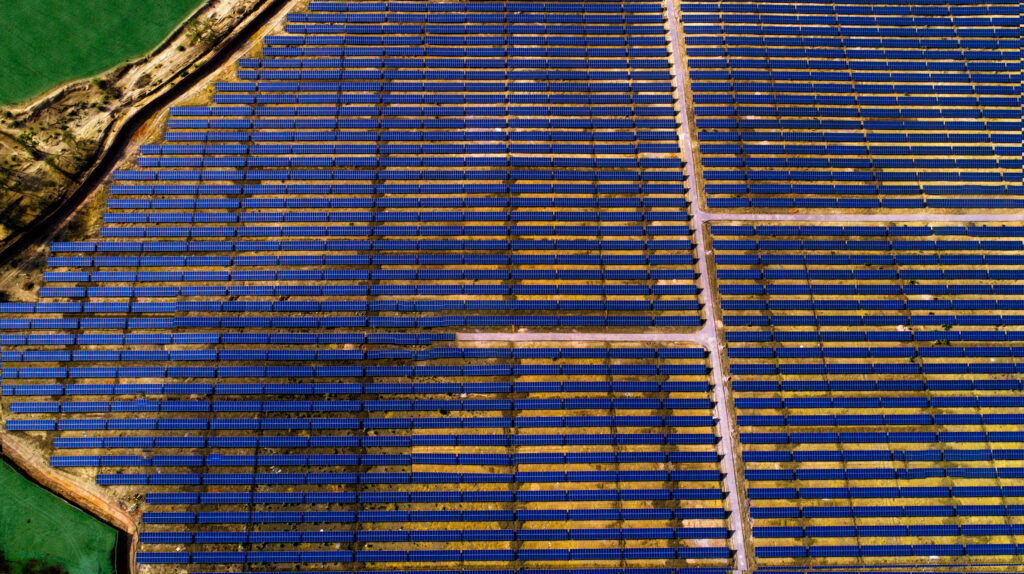
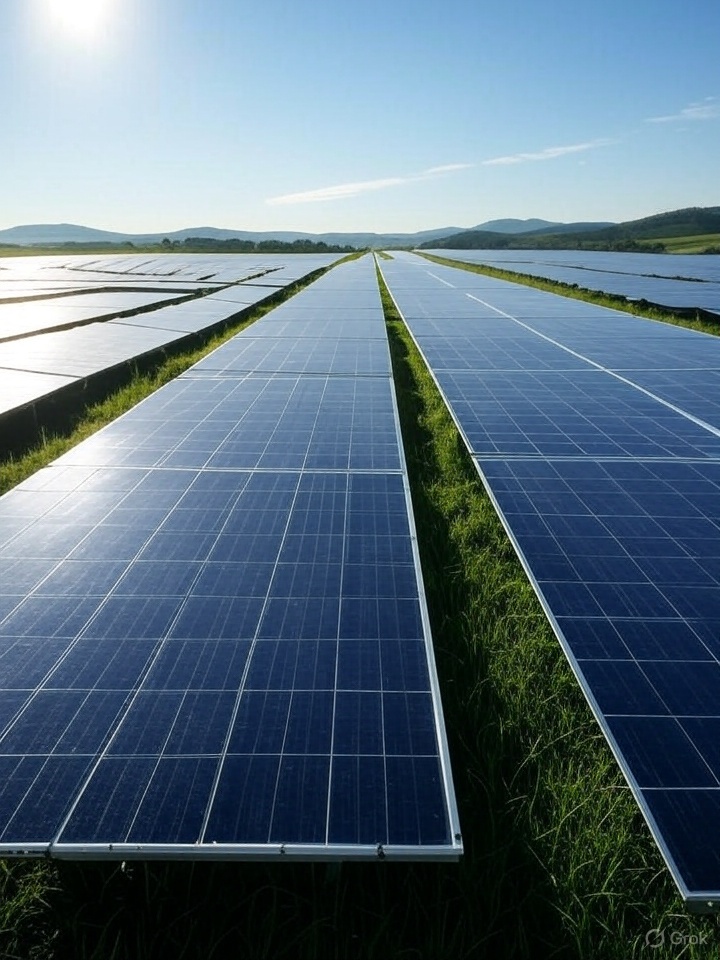
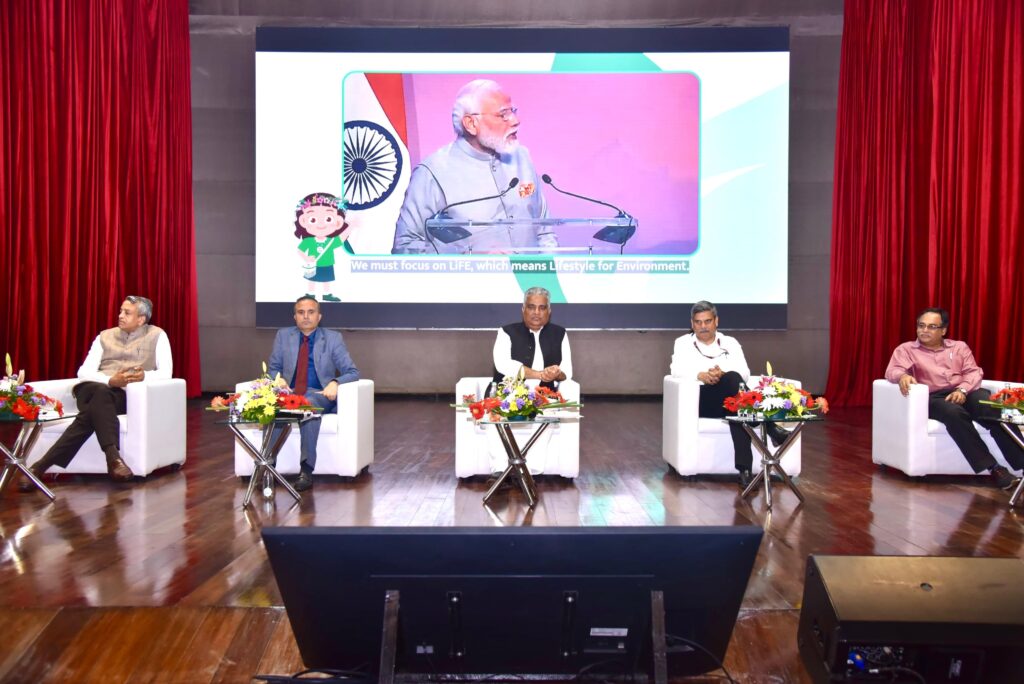
MNRE signals shift from central agencies to state tenders, C&I segment, and distributed projects for 12–15 GW green energy addition this year







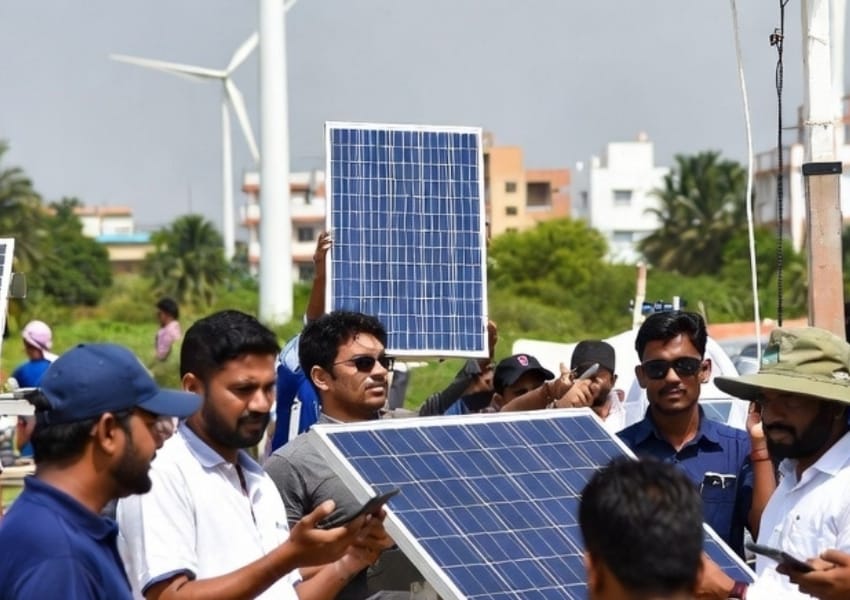















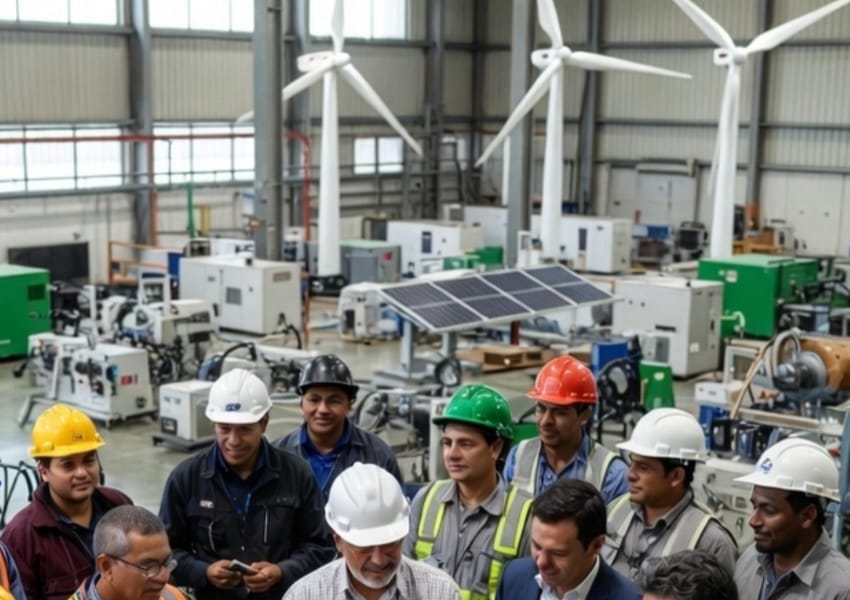



























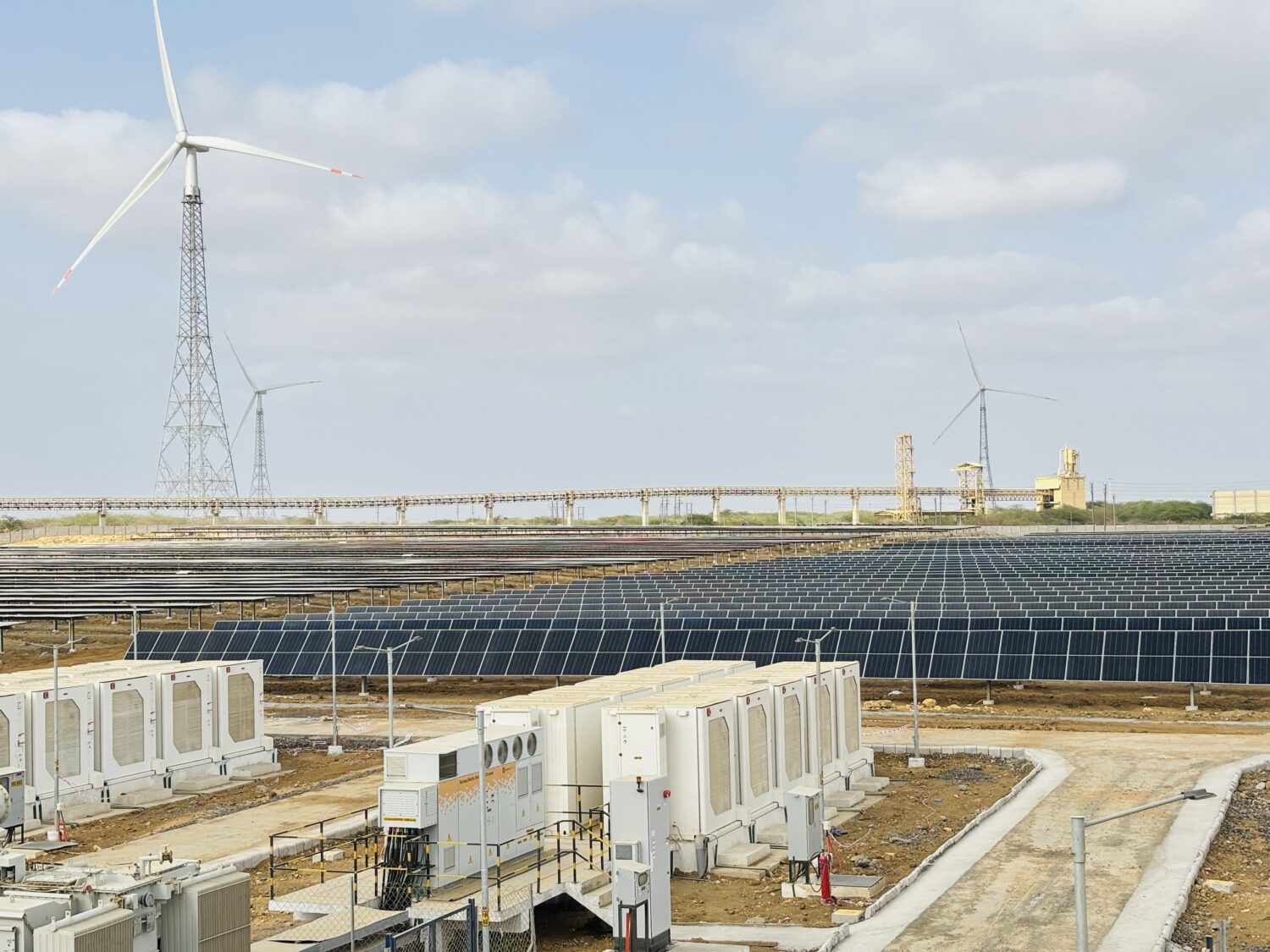






























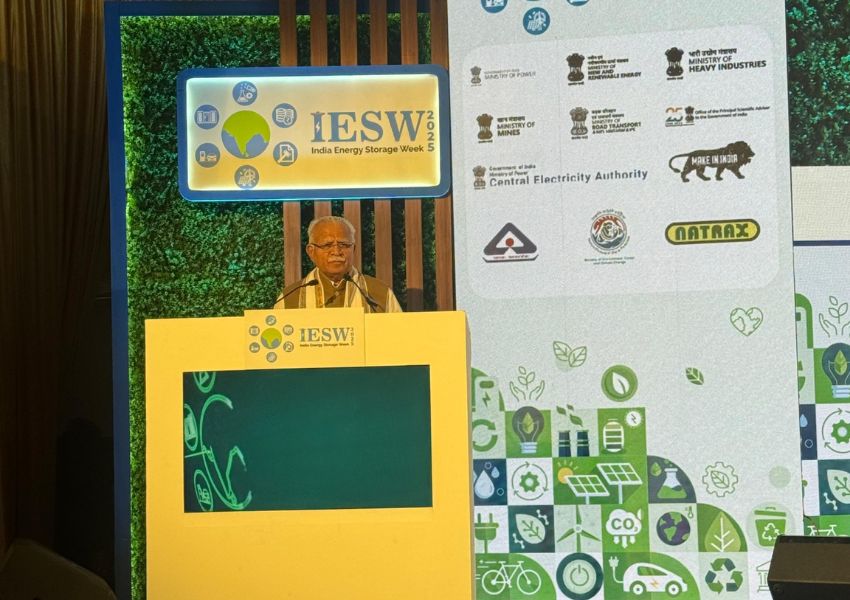

















































































































































































MNRE signals shift from central agencies to state tenders, C&I segment, and distributed projects for 12–15 GW green energy addition this year