






















































































































































































































































































































































































































































































































































































































































































































































































Supreme Court Stays Aravalli Redefinition, Rejects Blanket Ban On Mining

Apex court puts November verdict in abeyance, limits curbs to new mining leases and orders fresh review of Aravalli protection framework
The Supreme Court on 29 December stayed its earlier verdict that accepted a uniform definition of the Aravalli hills and ranges and declined to impose a complete ban on mining activities in the region, offering interim relief to existing mining operations across several states.
The order was passed in a suo motu case examining issues related to the definition and protection of the Aravalli range. The bench comprised Chief Justice of India Surya Kant and Justices J K Maheshwari and A G Masih.
By staying its 20 November ruling, the apex court kept in abeyance directions that had narrowed the definition of the Aravalli hills based on recommendations of a committee constituted by the Ministry of Environment, Forest and Climate Change. The court also proposed the formation of a new high-powered committee of domain experts to undertake a comprehensive and holistic review of the matter.
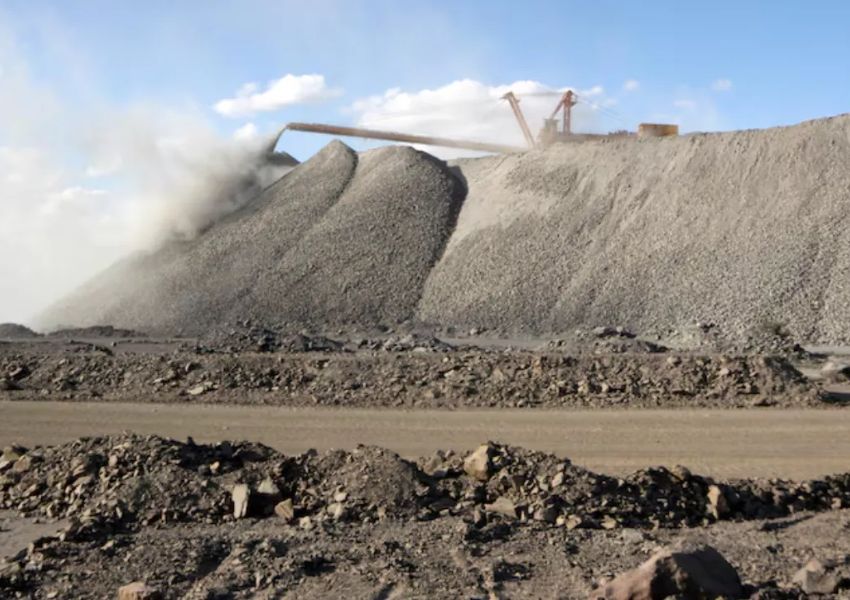
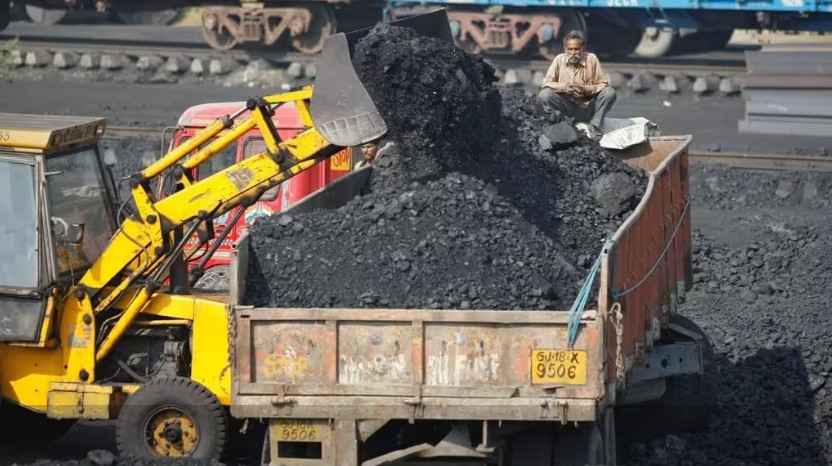
As things stand, the court clarified that restrictions on mining would continue to apply only to the grant of fresh mining leases or the renewal of existing ones. Ongoing mining operations, where leases are already in force, will remain unaffected.
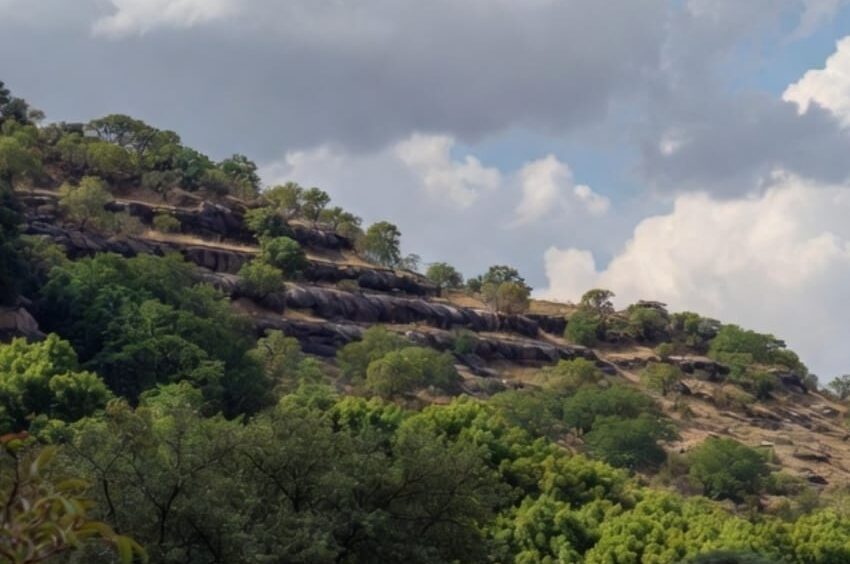
The November verdict had accepted a uniform definition of the Aravalli hills and ranges and imposed a ban on new mining leases across parts of Delhi, Haryana, Rajasthan and Gujarat until expert reports were submitted. The committee had defined an Aravalli hill as any landform in designated districts with an elevation of 100 metres or more above local relief, and an Aravalli range as a collection of two or more such hills within 500 metres of each other.
Government Reaction
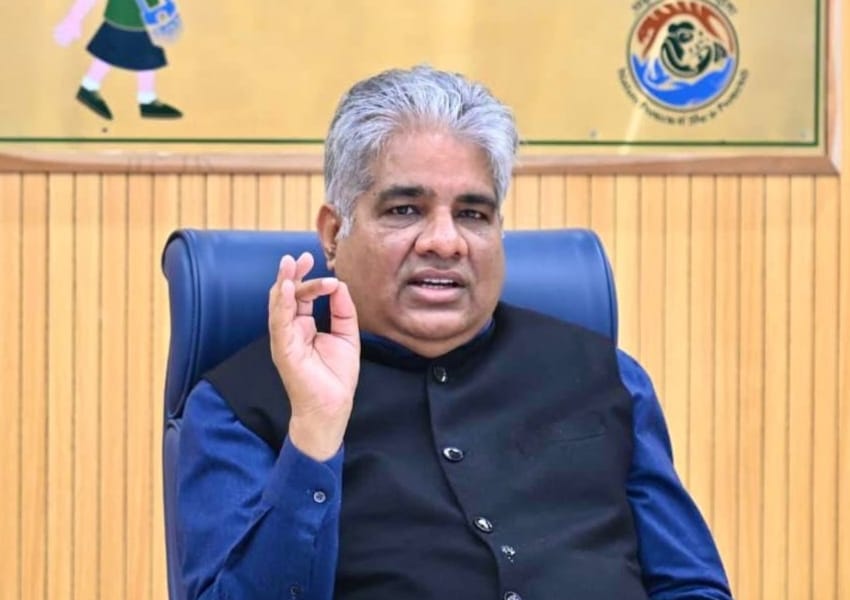
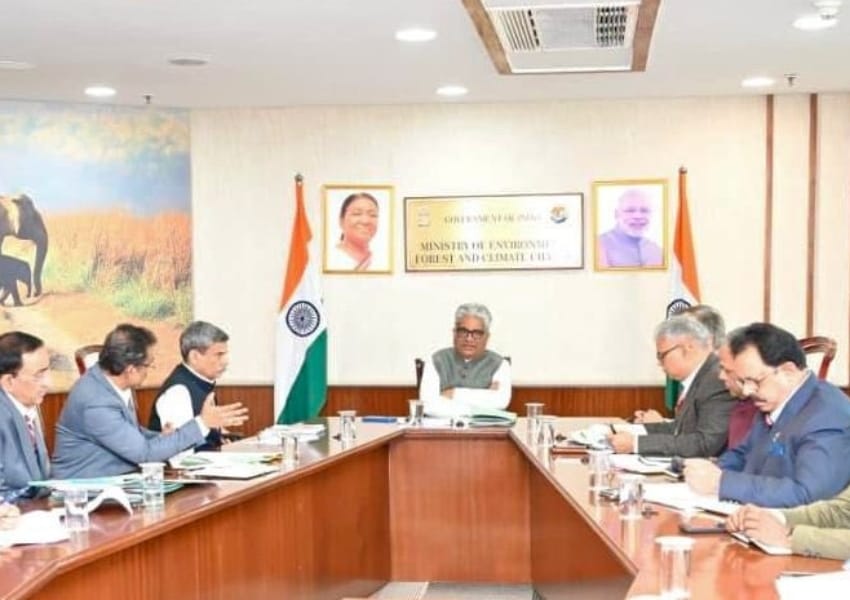
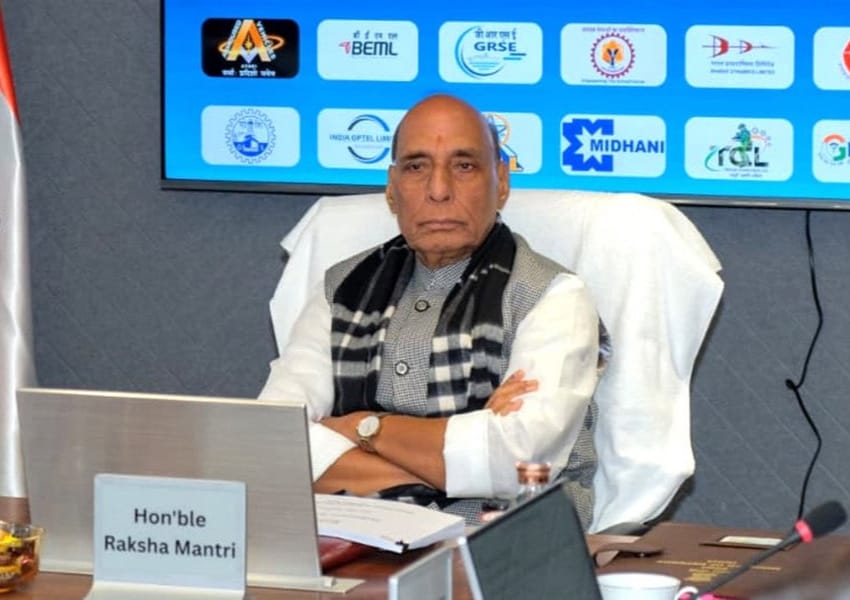
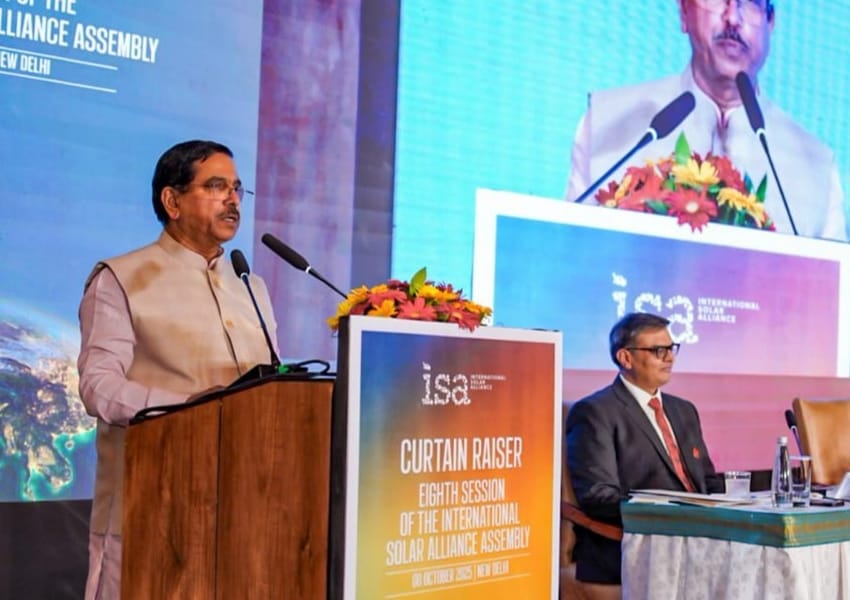
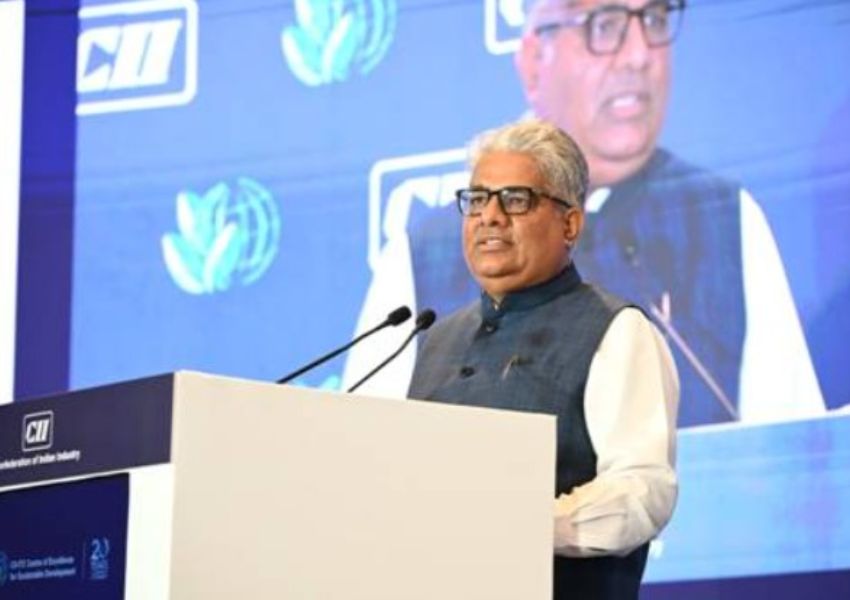
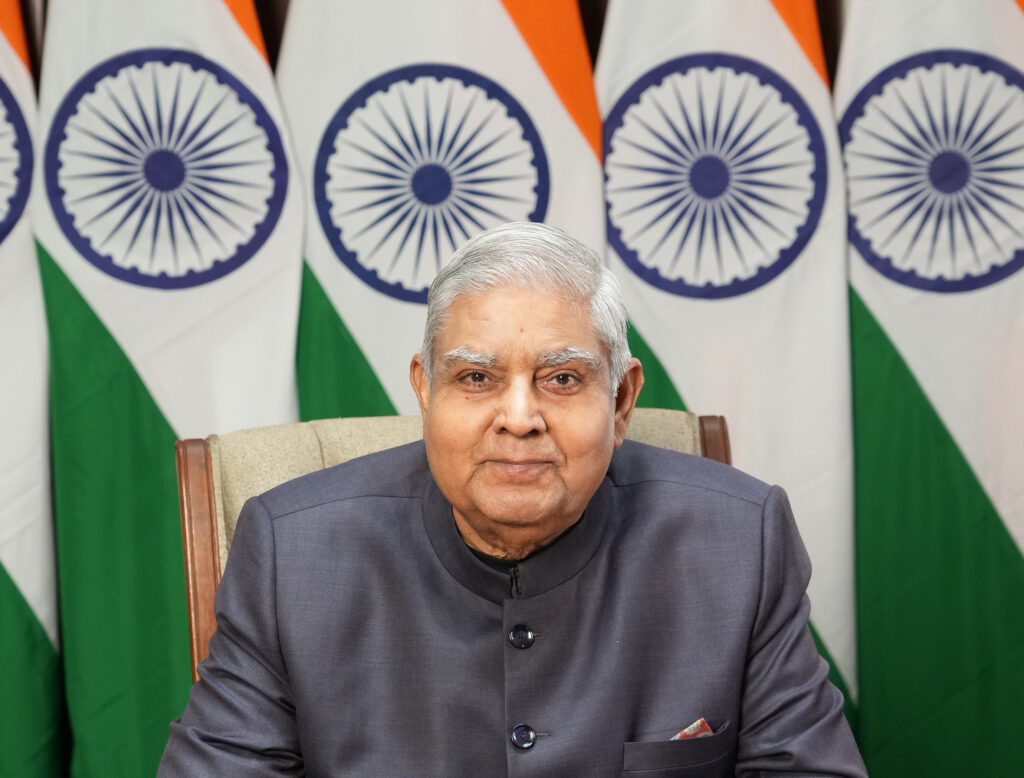
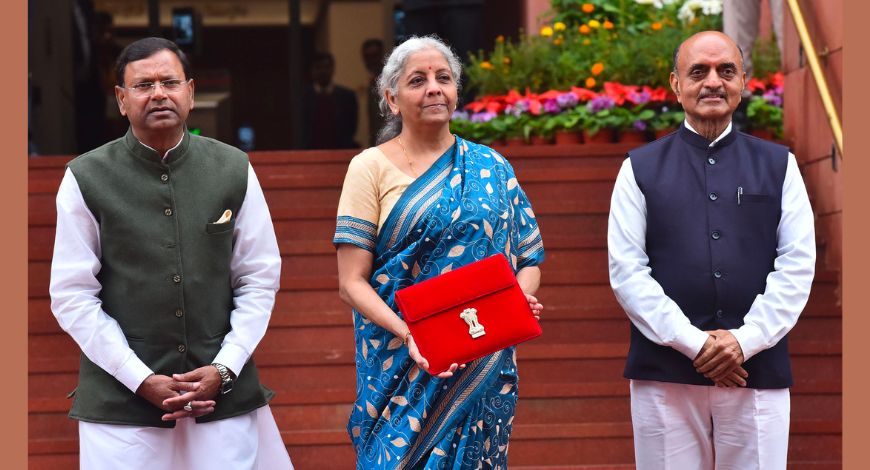
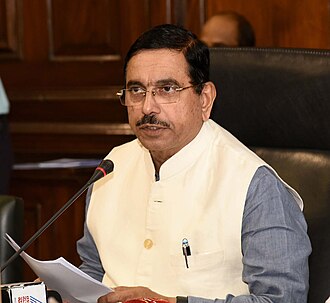
Union minister for environment, forest and climate change Bhupender Yadav welcomed the Supreme Court’s decision to stay its earlier order and to re-examine the issue through a new expert panel.
“I welcome the Supreme Court directions introducing a stay on its order concerning the Aravalli range and the formation of a new committee to study the issues. We stand committed to extending all assistance sought from the ministry in the protection and restoration of the Aravalli range,” Yadav said in a post on X.
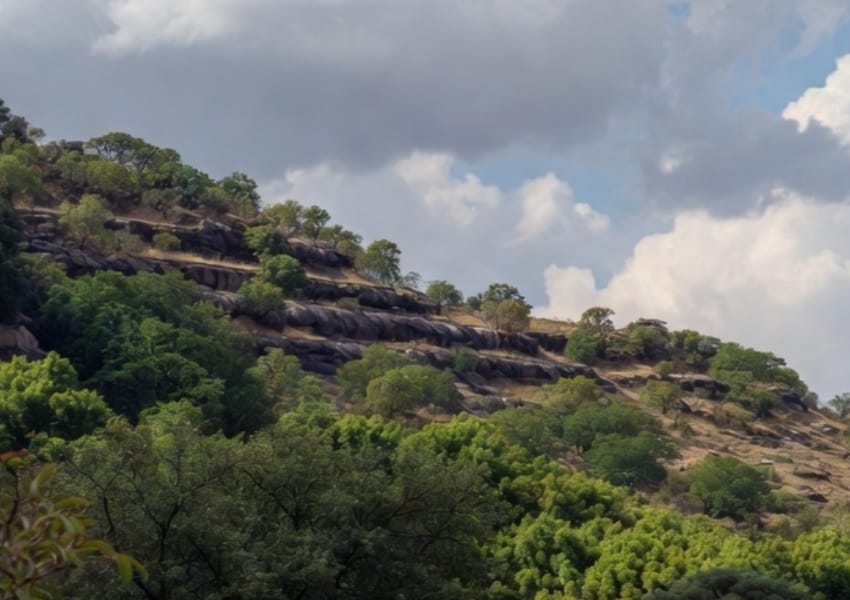
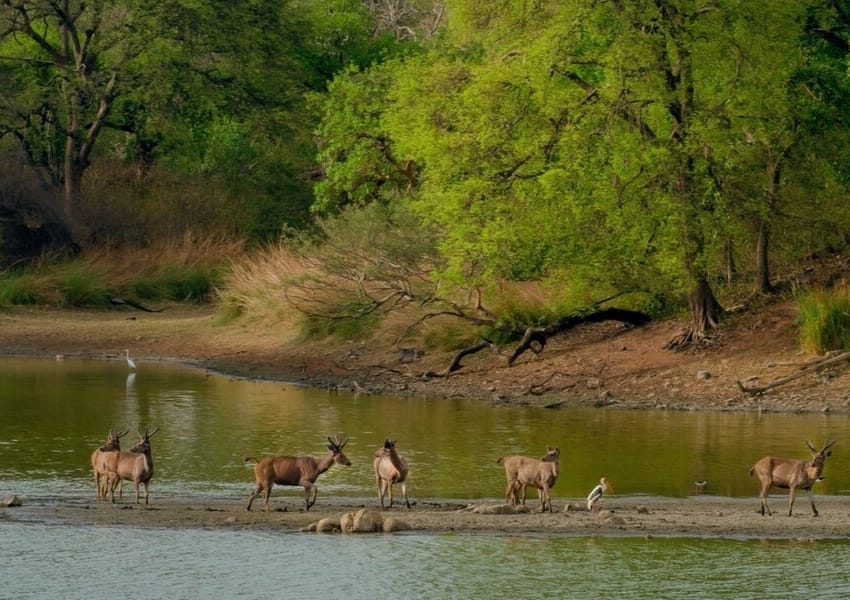
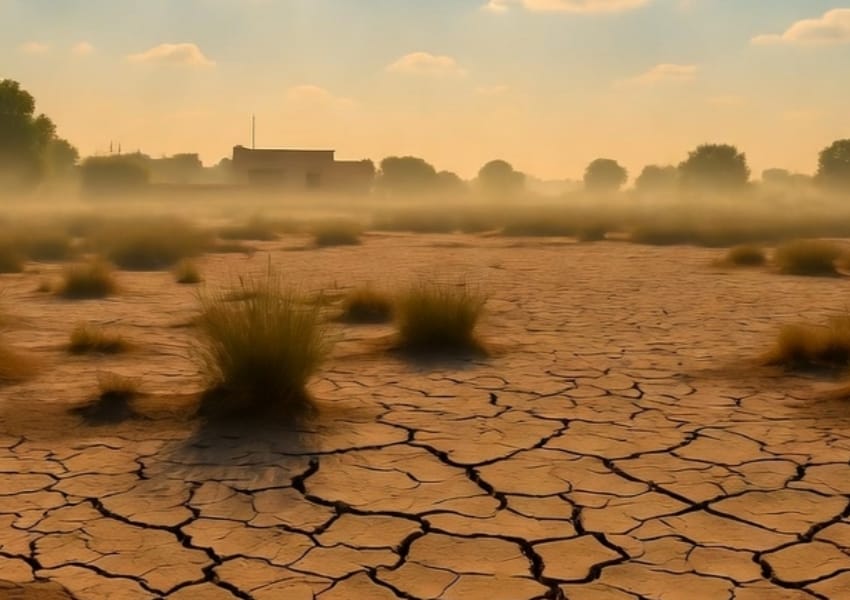
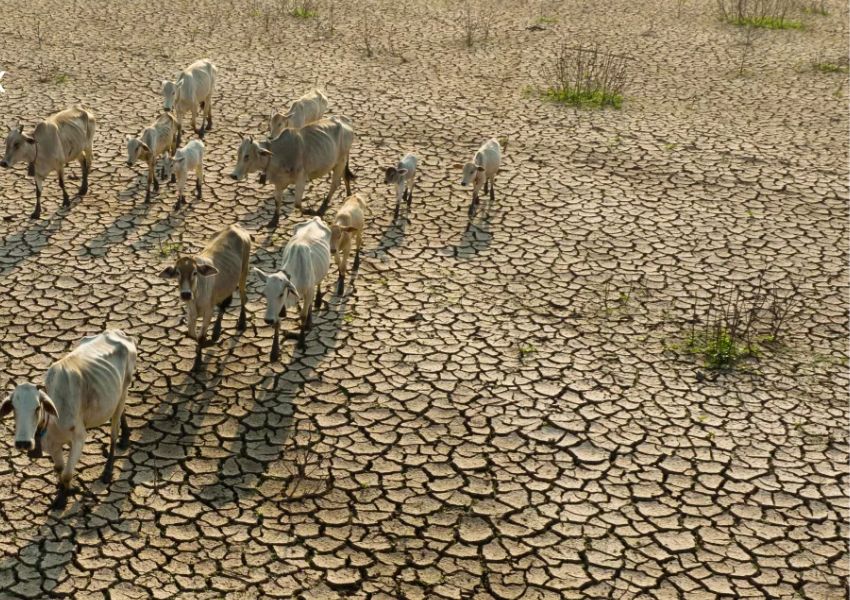
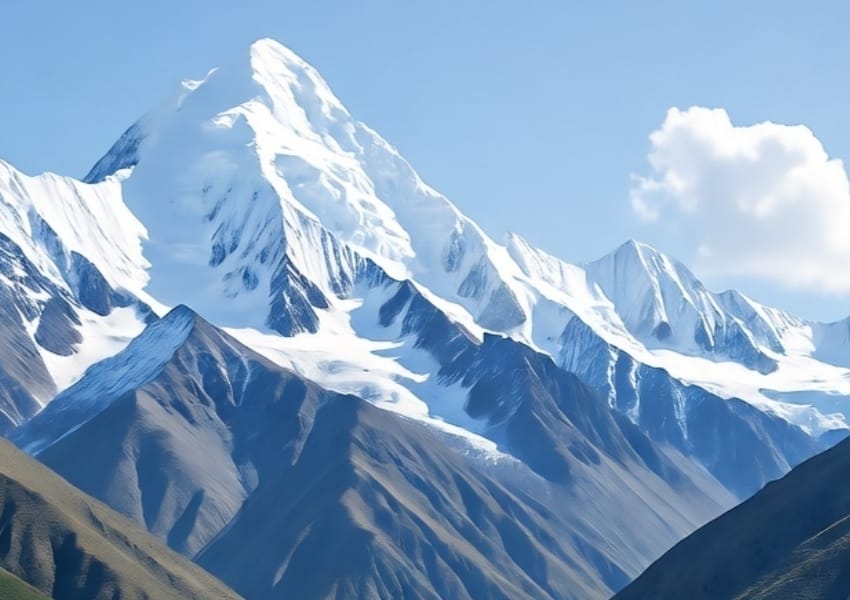
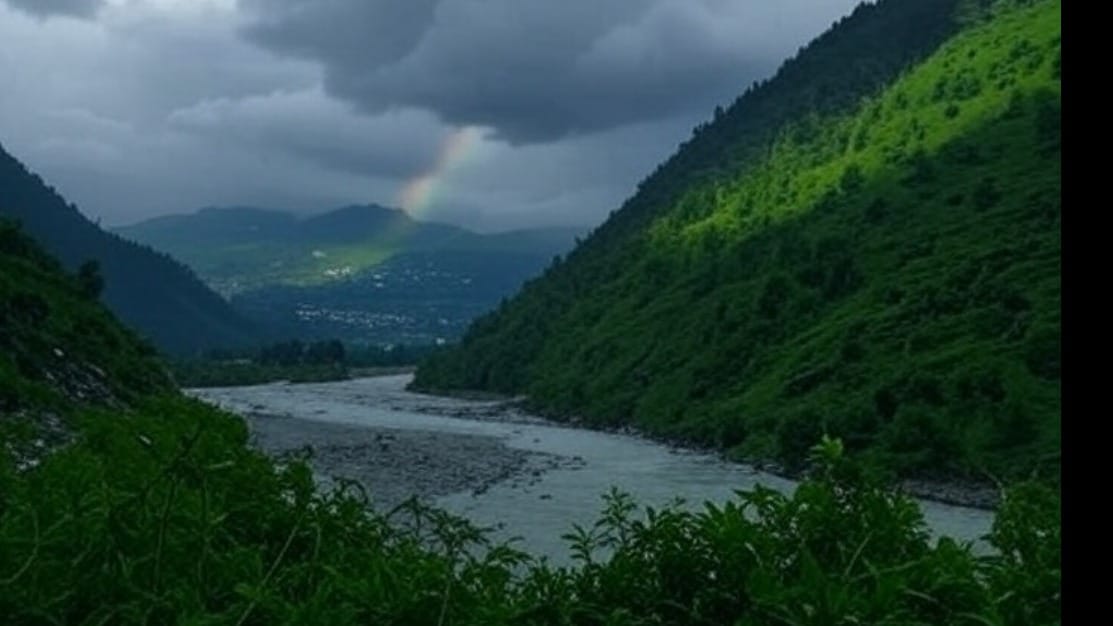
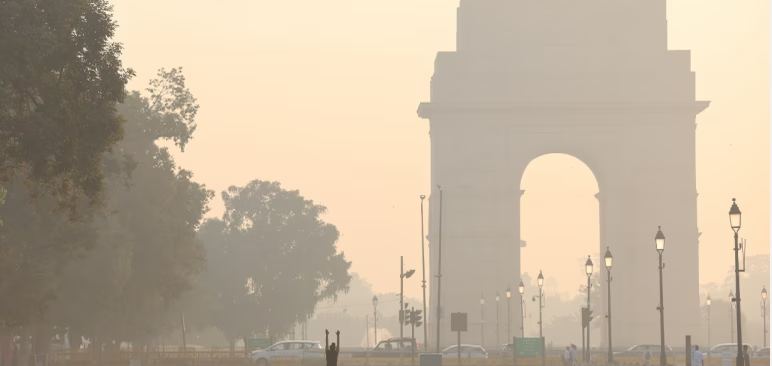
The Aravalli range, one of the world’s oldest mountain systems, plays a critical ecological role in preventing desertification, regulating groundwater and supporting biodiversity in north-western India. The court’s decision is expected to have significant implications for environmental regulation, mining activity and land-use policy in the region.
The matter will now be taken up by the proposed expert committee, whose findings are likely to shape the future legal and regulatory framework governing conservation and economic activity in the Aravalli belt.