































































































































































































































































































































































































































































































































































































































































































Sustainability In 2026: Costs, Risk, Contracts Drive Corporate Survival


Carbon pricing, ESG liability, green procurement, and water stress are no longer distant risks. In 2026, sustainability will shape costs, contracts, and long-term corporate viability
In 2026, sustainability in India will stop being framed as ambition or ethics and begin appearing where businesses feel it most: costs, eligibility and risk. A power project that cannot price carbon, a PSU that cannot assure ESG data, or a supplier that fails green tender norms will not face moral pressure, it will simply lose business.
This shift is unfolding across three fronts. The government is tightening regulatory frameworks around carbon markets, disclosures and procurement. Public sector undertakings are being pushed to quantify environmental risks in financial terms. Private companies are discovering that access to capital, exports and large contracts now comes with sustainability conditions attached.
The year ahead is not about glossy reports or distant targets. It is about measurable changes in how Indian businesses plan, invest and operate.
Carbon Pricing Enters The Balance Sheet
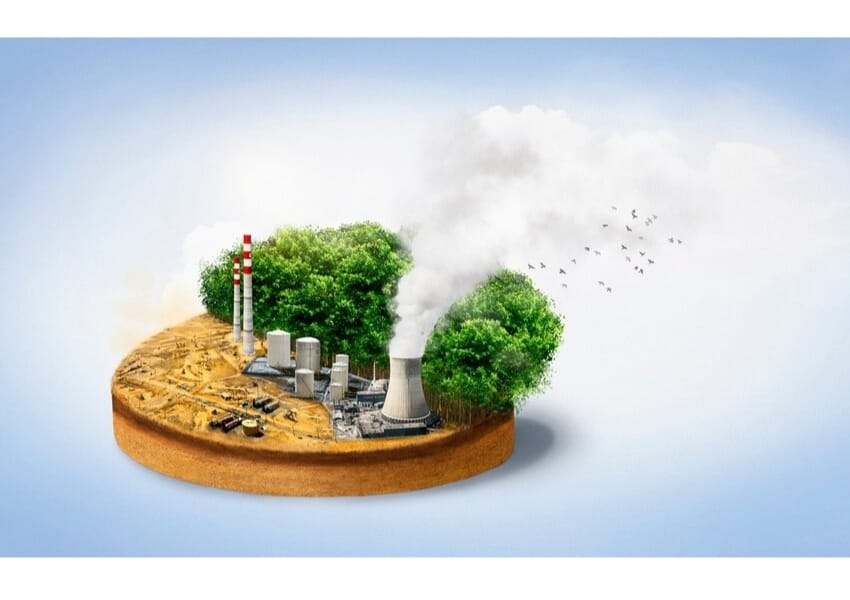
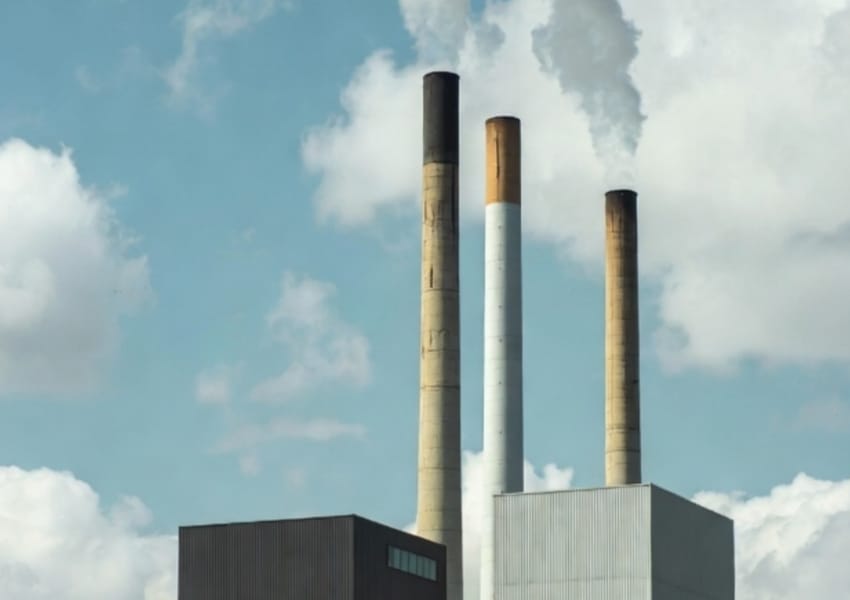
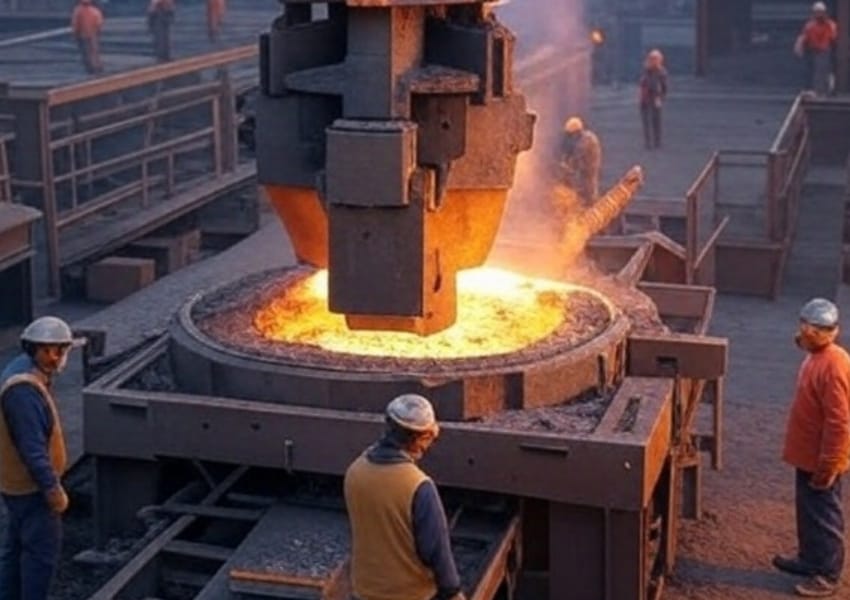
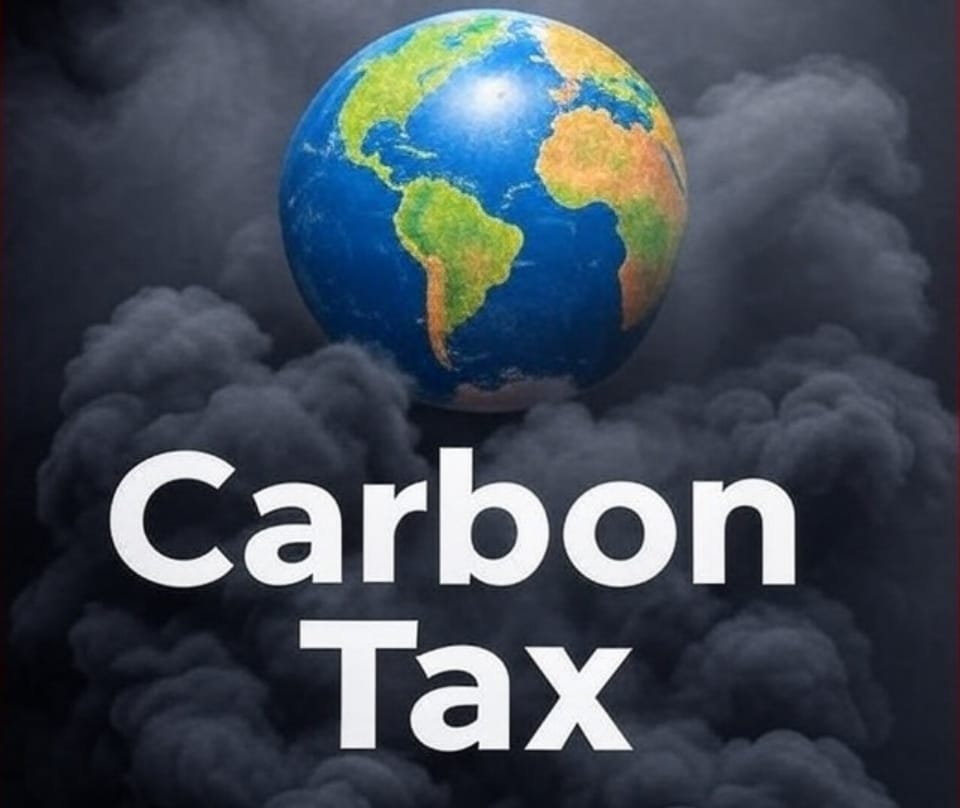
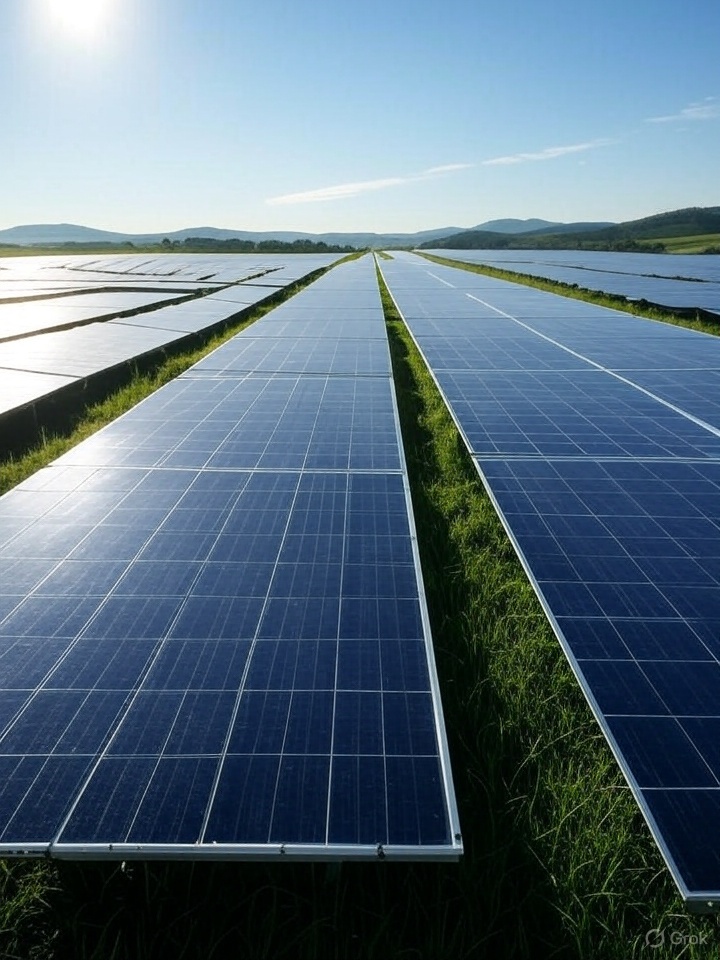
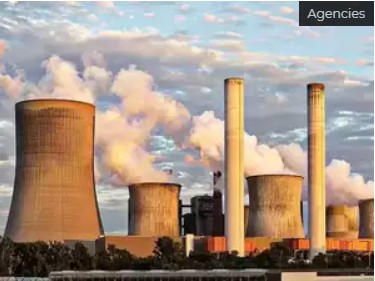
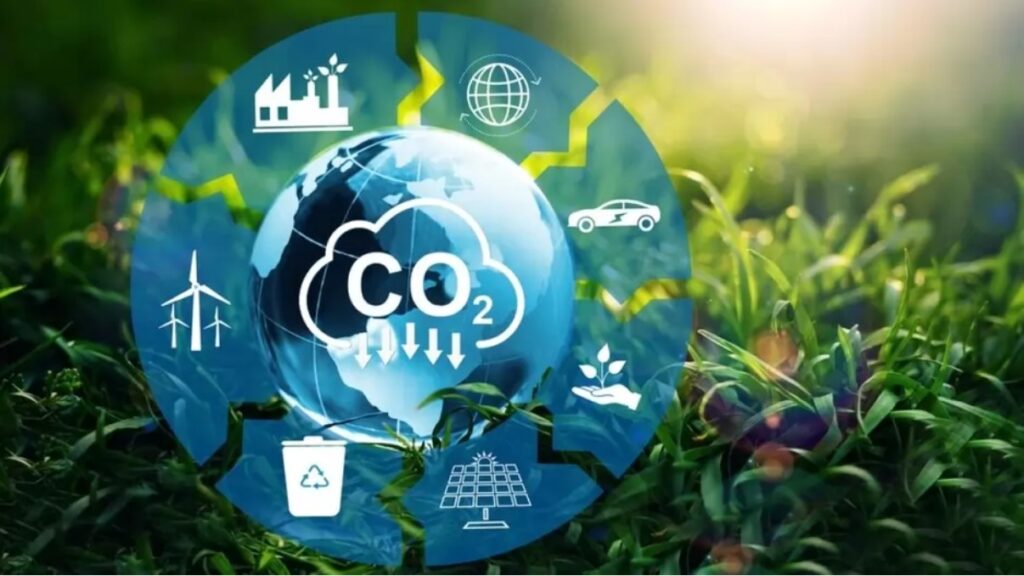
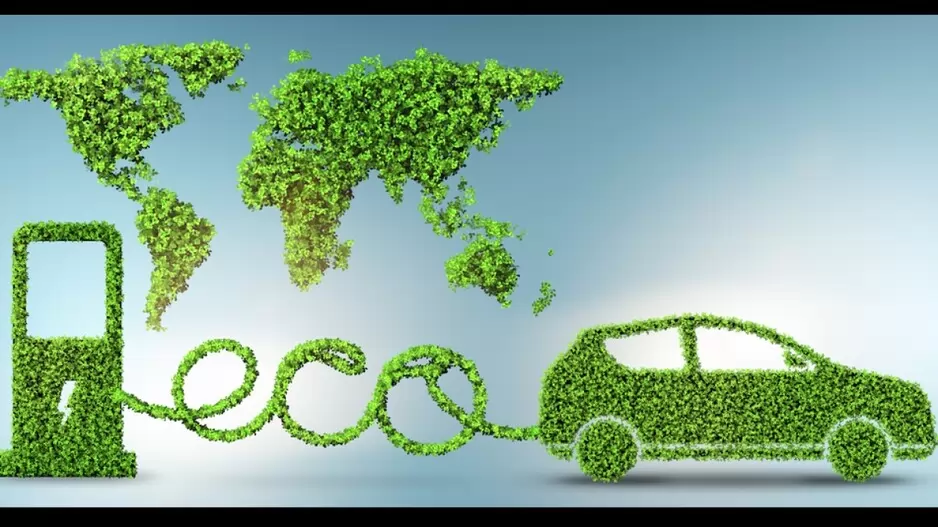
India’s carbon credit trading framework is moving from concept to compliance. Emissions trading schemes and voluntary carbon markets are beginning to influence investment decisions in sectors such as energy, cement, steel and transport.
Carbon costs are unlikely to appear as a visible tax. Instead, they will show up through higher project risk, tighter financing and export pressures. Large companies are already assigning internal carbon prices to guide capital expenditure, vendor selection and long-term contracts.
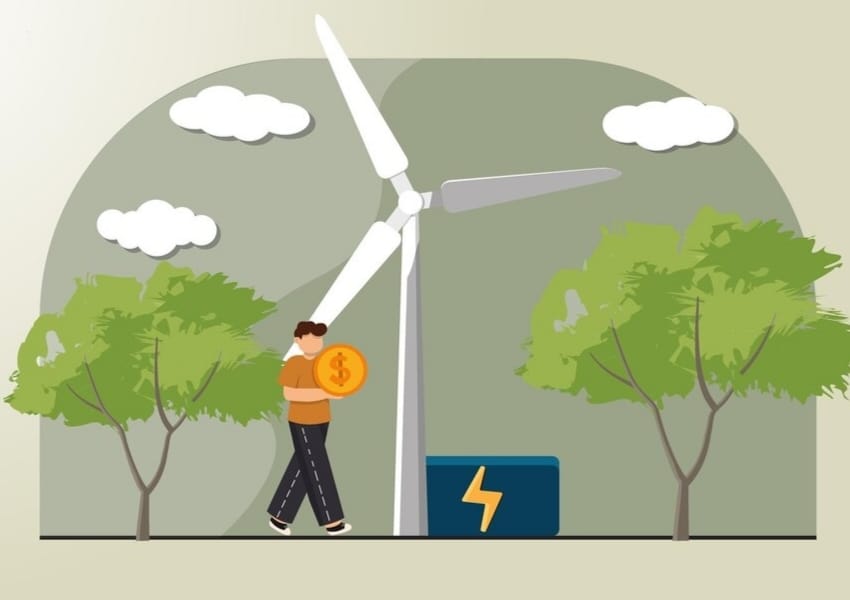
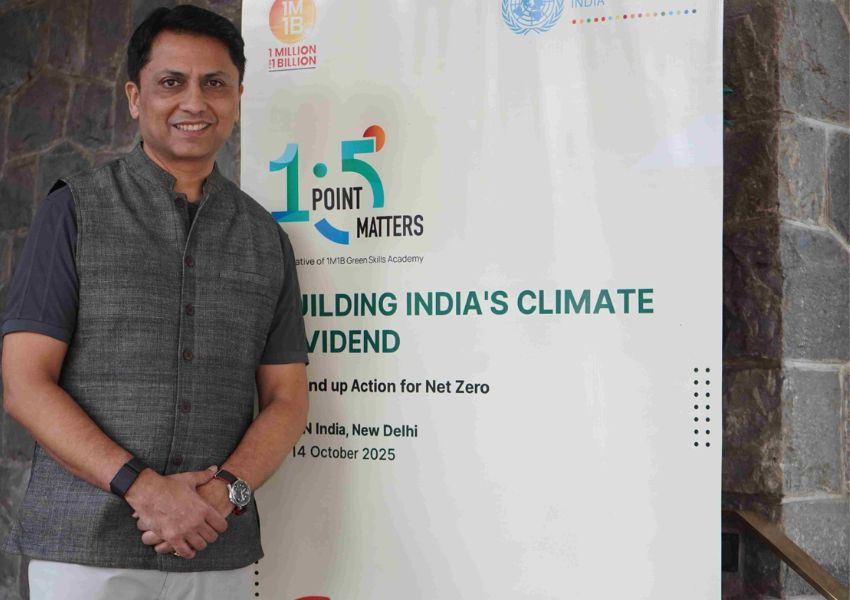
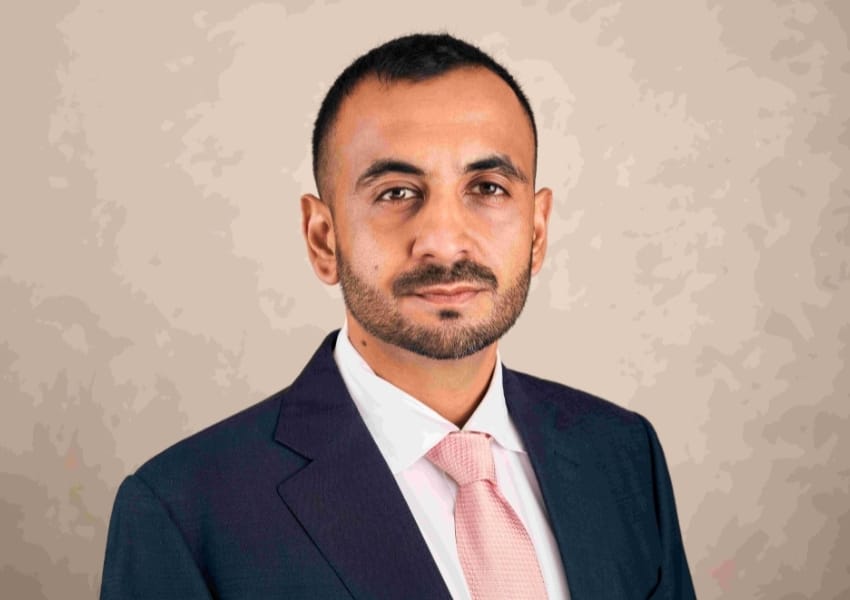
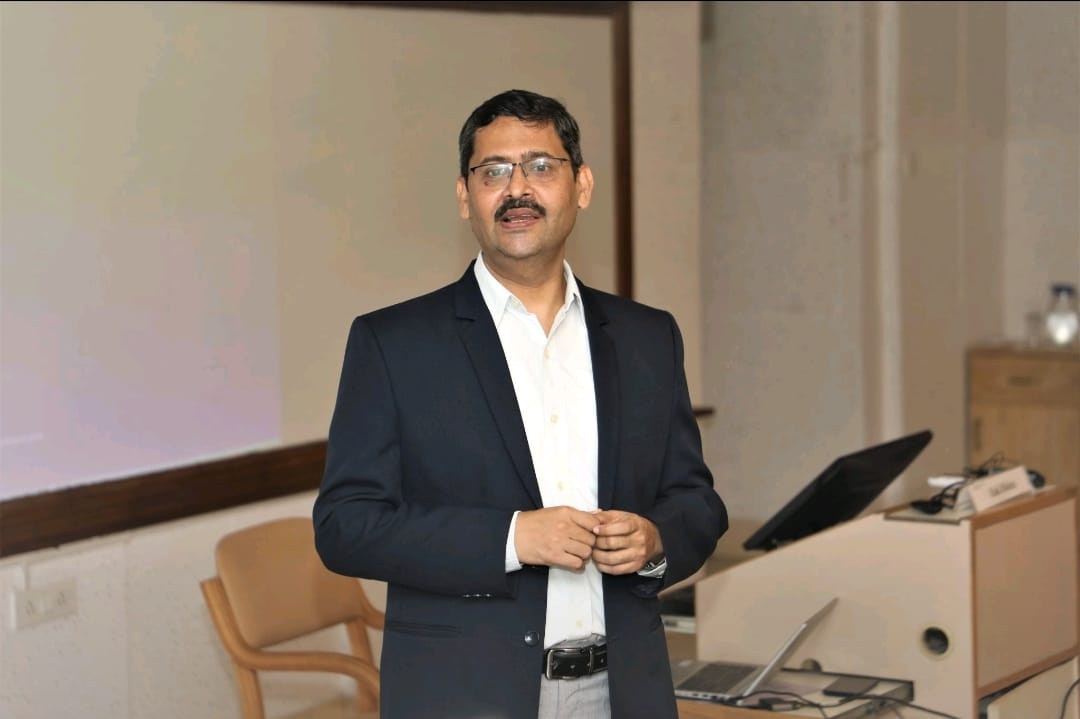
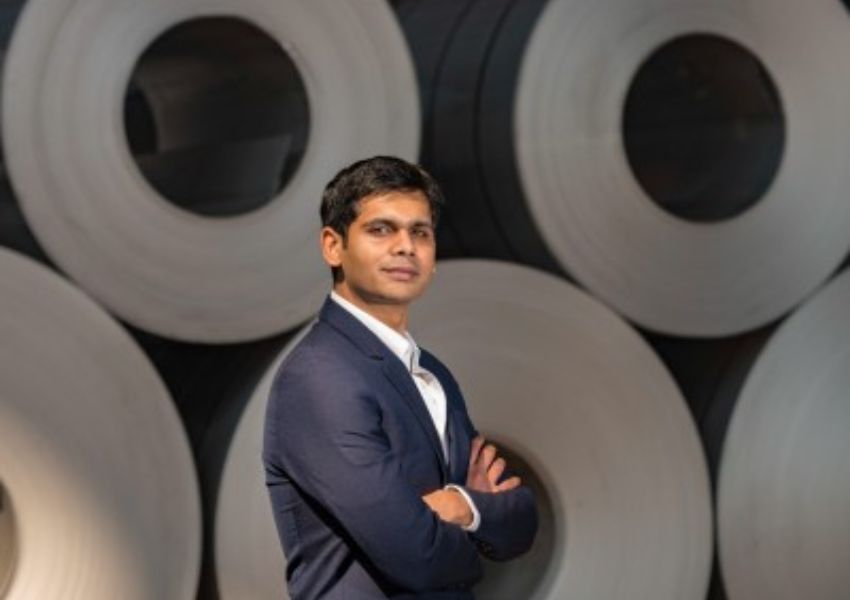
Akshaya Rath, Co-Founder and CEO of EcoEx, says the real shift is strategic. “India’s carbon credit market is being framed as a compliance burden, but the real story is that a domestic carbon price is about to become one of the most powerful competitive levers in the system,” he says. Companies that manage carbon like any other cost input, Rath adds, will secure lower operating costs and better access to transition finance, while laggards accept weaker margins and valuation.
ESG Disclosure Becomes A Liability Issue
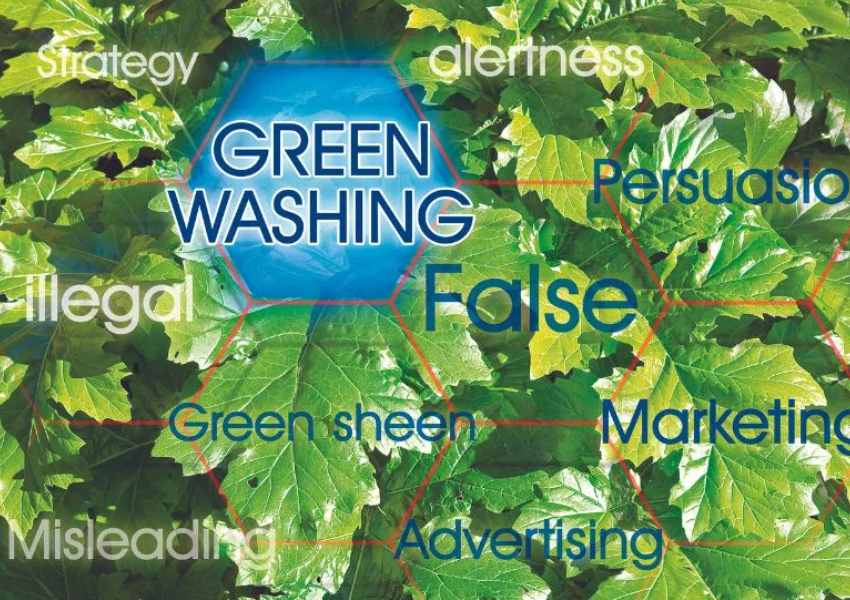
The second shift is quieter but sharper. ESG disclosure in India is no longer about narrative. With SEBI’s BRSR Core framework, assurance requirements and anti-greenwashing rules in force, ESG data has become a compliance and market risk issue.
For PSUs, the challenge lies in collecting reliable data across large and dispersed operations. For private firms, weak ESG scores are beginning to attract tougher investor scrutiny and affect access to capital.
Rath notes that ESG data is now business critical. “Weak or unaudited disclosures are no longer a soft reputational issue, they’re a hard signal to the market that management may not fully understand its own risks,” he says, adding that such signals can move both stock prices and capital access.
In 2026, sustainability teams are working closer to finance and audit functions than corporate communications.
Green Procurement Reshapes Supply Chains
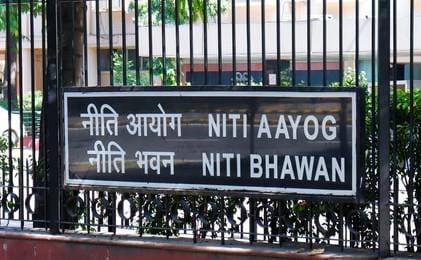
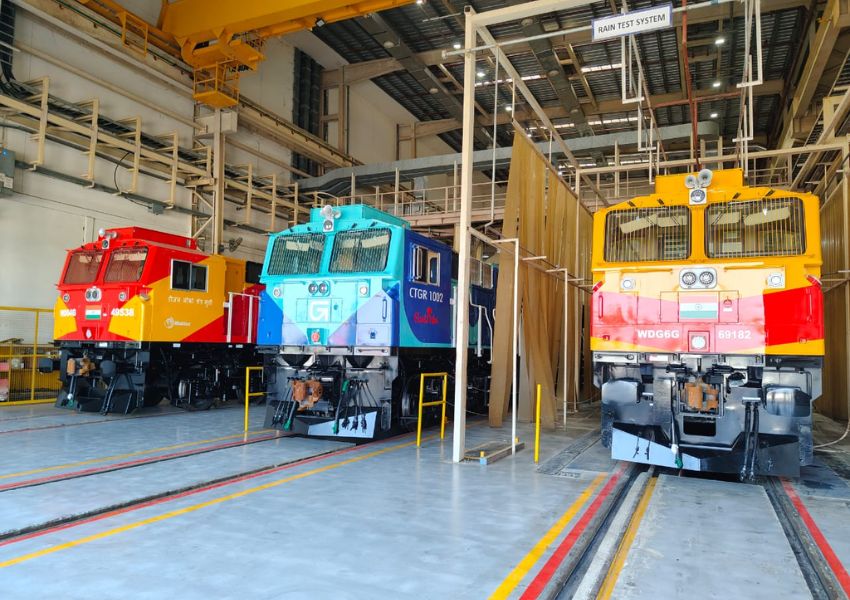
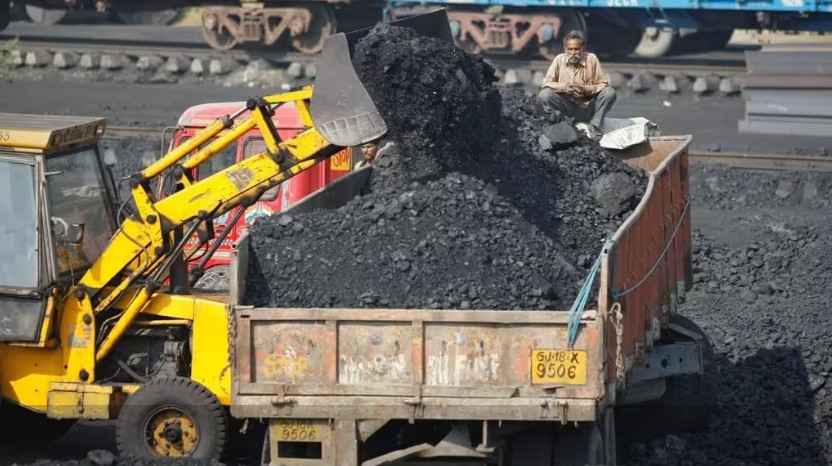
Government procurement is emerging as one of the strongest sustainability levers. Indian Railways, NTPC and other large PSUs are embedding green criteria into tenders, shifting focus from lowest price to lifecycle impact.
This is forcing PSUs to rewrite vendor requirements. For private companies, especially MSMEs, sustainability credentials are becoming a condition for eligibility.
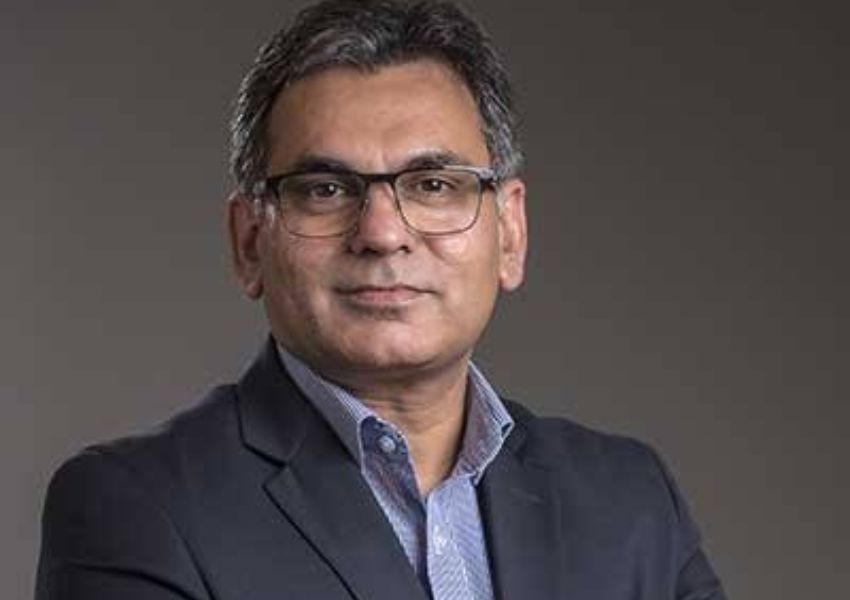
Dinkar Sharma, Company Secretary and Partner at Jotwani Associates, says the impact varies across suppliers. Large and globally integrated vendors are recalibrating operations because environmental performance now affects commercial eligibility. However, for much of the supplier base, compliance remains largely on paper.
“Unless green criteria are linked to quantifiable performance metrics, post-award monitoring and enforceable consequences, suppliers have little incentive to make capital-intensive transitions,” Sharma says. Even so, he adds that green procurement has begun to influence behaviour across supply chains.
Water Stress Emerges As An Economic Threat
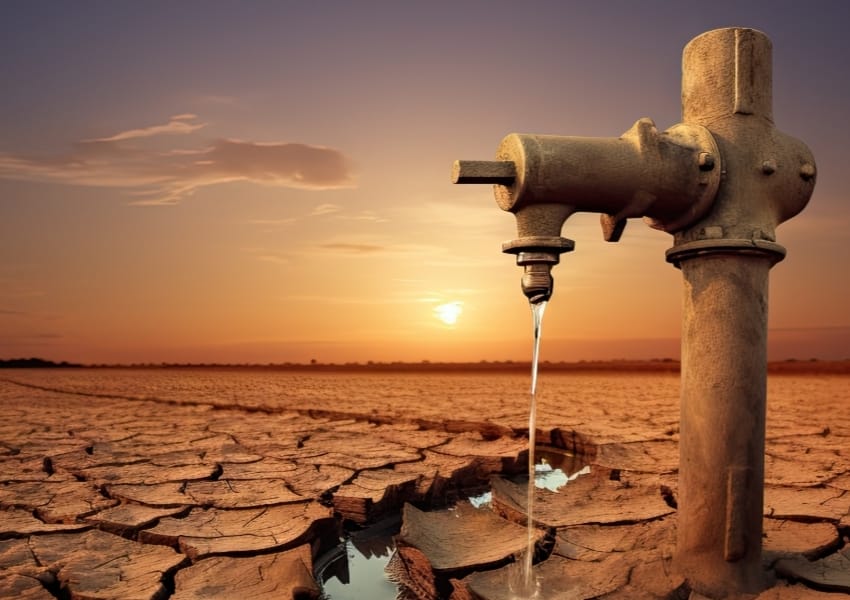
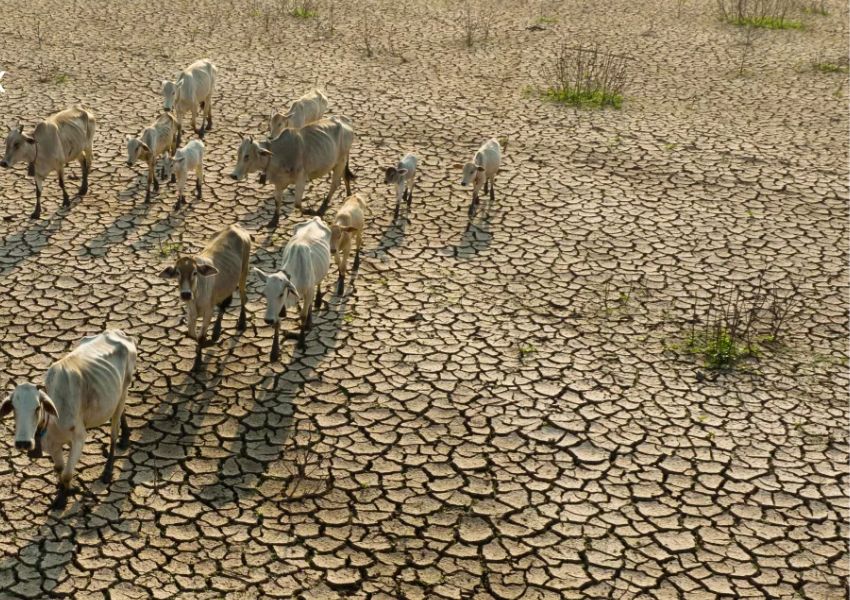
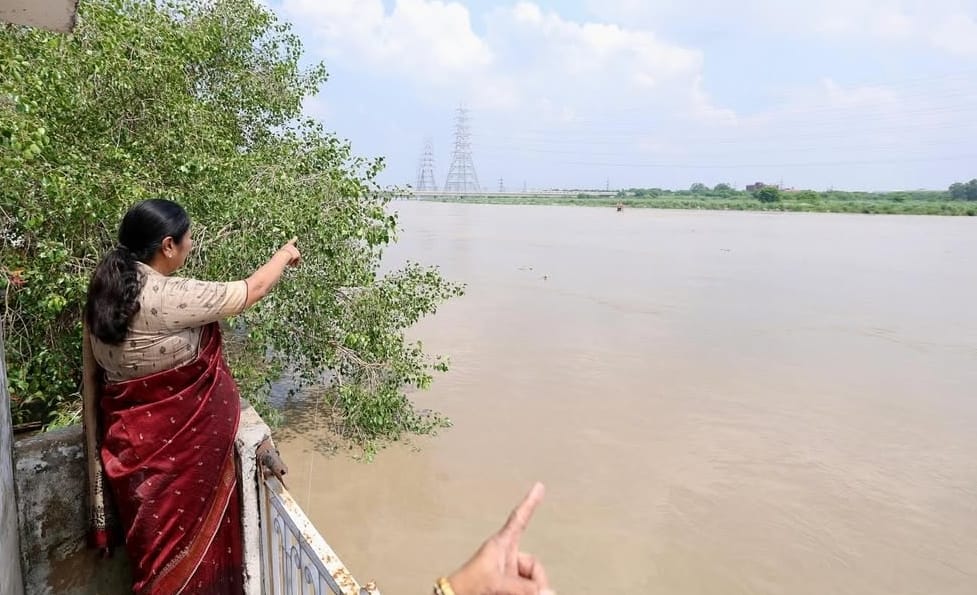
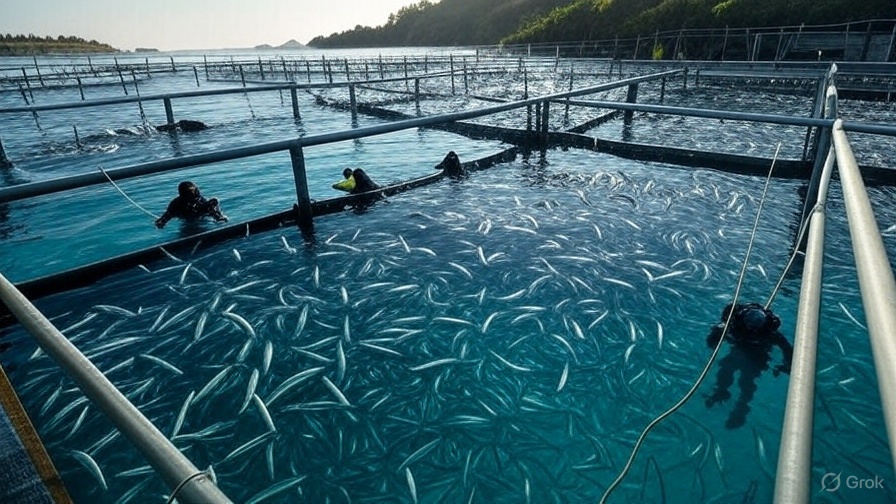
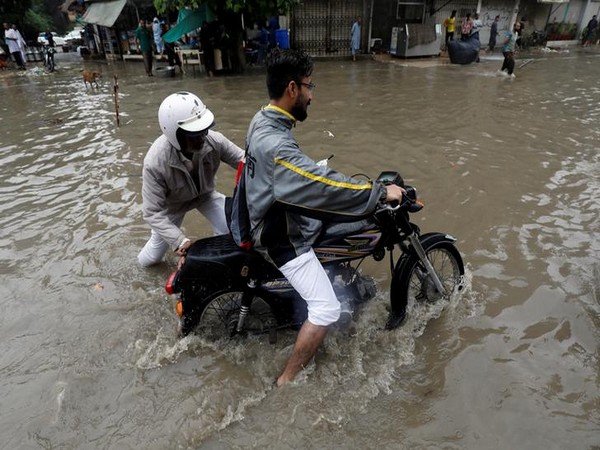
If carbon is visible, water is the silent risk. By 2026, water scarcity is becoming a direct economic constraint on Indian industry.
Amit Banka, Founder and CEO of WeNaturalists, describes groundwater depletion as the most irreversible climate risk facing businesses. He points to regions where extraction far exceeds recharge and warns that aquifers do not recover on business timelines.
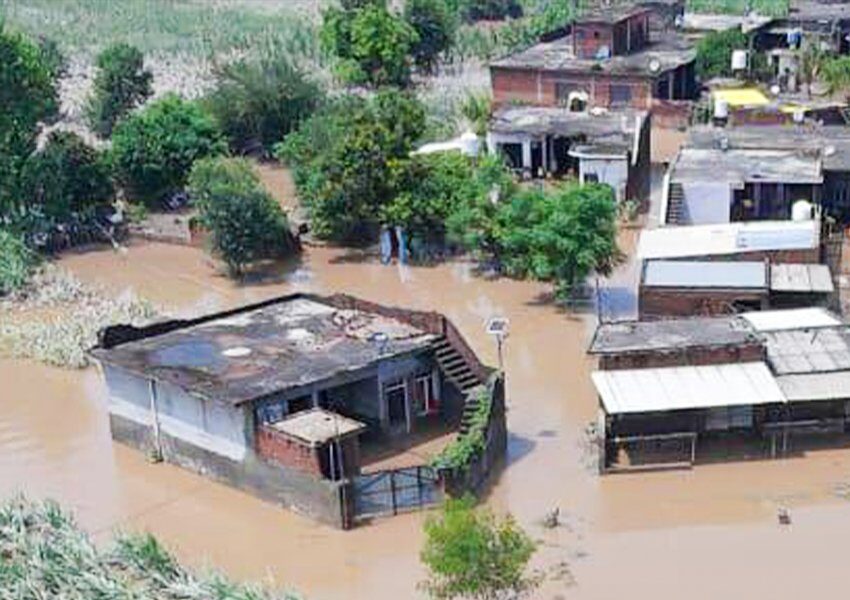
Water-hungry industries in Maharashtra, Rajasthan, Gujarat and Tamil Nadu are already operating over stressed reserves, with losses running into tens of billions of dollars annually.
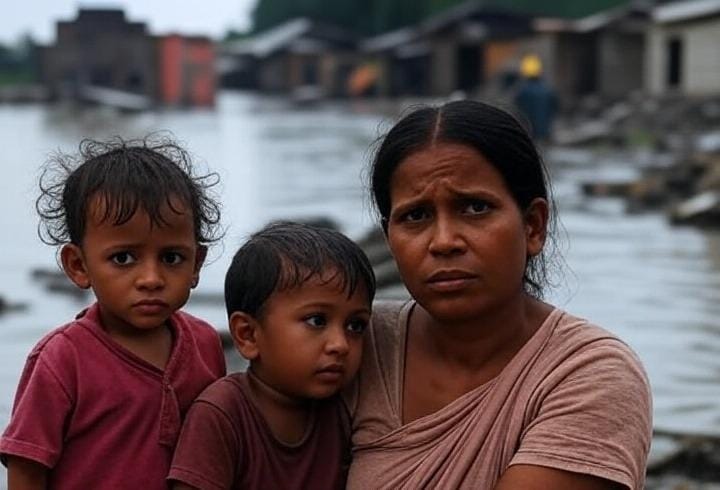
Gokul Krishna, Co-Founder of SmartTerra, says water stress is no longer a future concern. “It is already shaping costs, productivity and operational decisions,” he says. Unlike floods or heatwaves, water stress is persistent and often underestimated because its impact appears gradually through constrained production and higher operating costs.
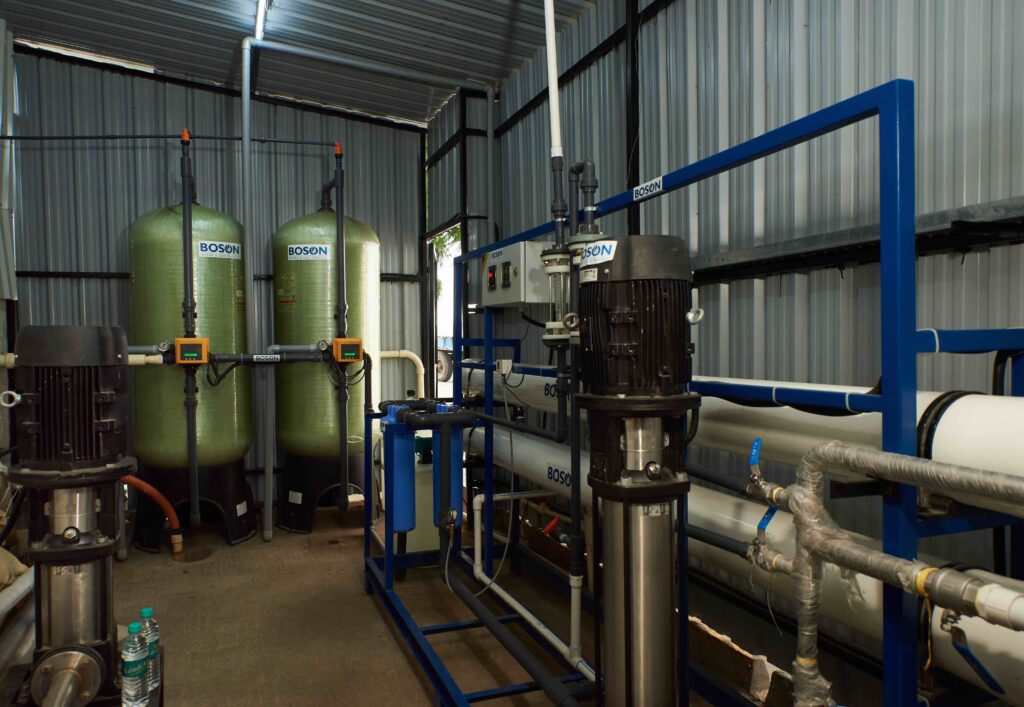
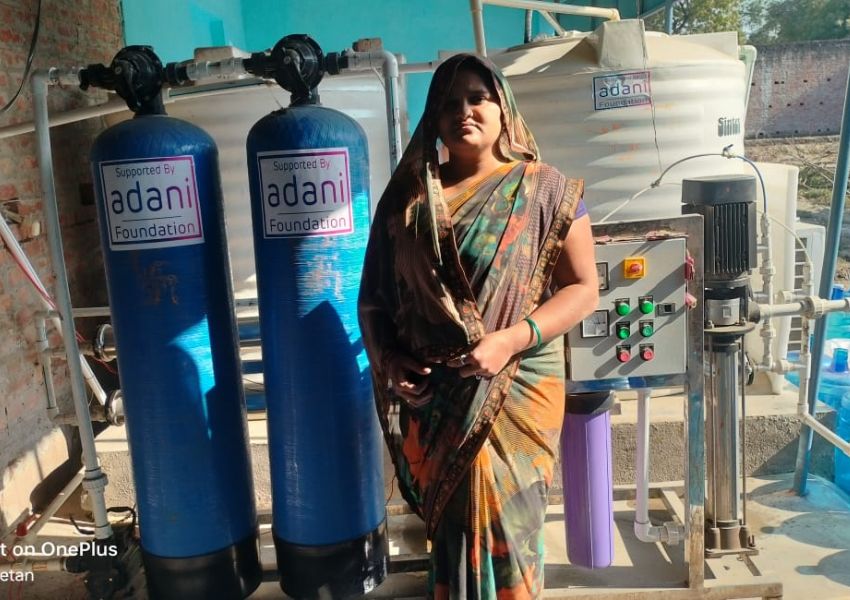
Krishna adds that companies are being forced to treat water as a strategic input, investing in reuse, treatment and long-term sourcing rather than reacting after disruptions set in.
Sustainability Moves Into The C-Suite
The final shift is internal but decisive. Sustainability is moving out of CSR and public affairs into boardrooms.
Sharma sees a clear divide. Companies that treat sustainability as strategic link ESG risks to financial exposure, capital allocation and executive incentives. Boards that view it as a communications function focus on disclosure rather than outcomes.
The distinction, he says, is fiduciary. Sustainability is no longer a reputational issue. It is a financial and governance issue.
Taken together, these shifts mark a turning point. In 2026, sustainability in India will not be judged by intent or language. It will be measured by numbers, contracts and consequences.
Companies and institutions that adapt early will help shape the rules of the emerging system. Those that delay will find the rules shaping them, often quietly, through costs and risks they can no longer ignore.