


























































































































































































































































































































































































































































































































































































































































































































































The Consolidation Of India’s Green Power Shift


After record capacity gains, the coming year tests grid reliability, manufacturing strength, and market-led decarbonisation
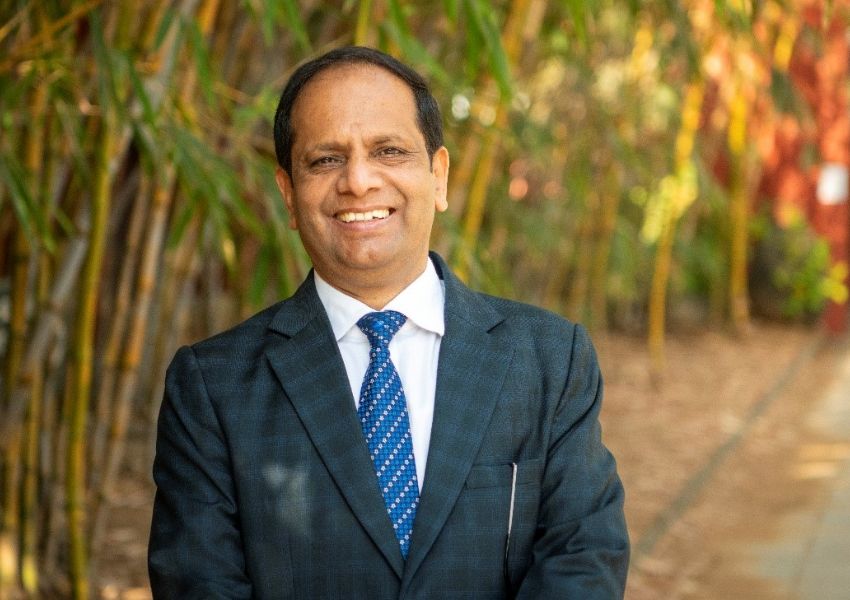
By: Laxit Awla, Chief Executive Officer, SAEL Industries Ltd.
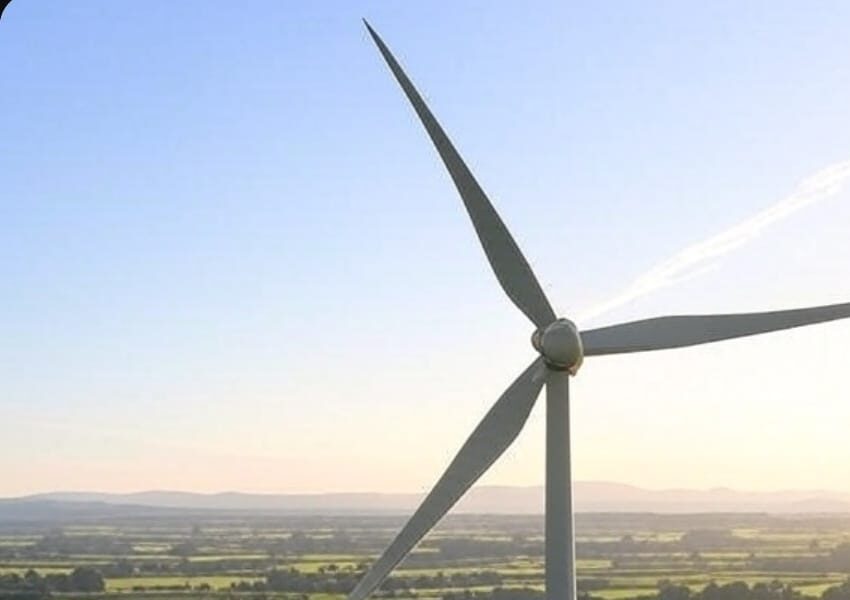
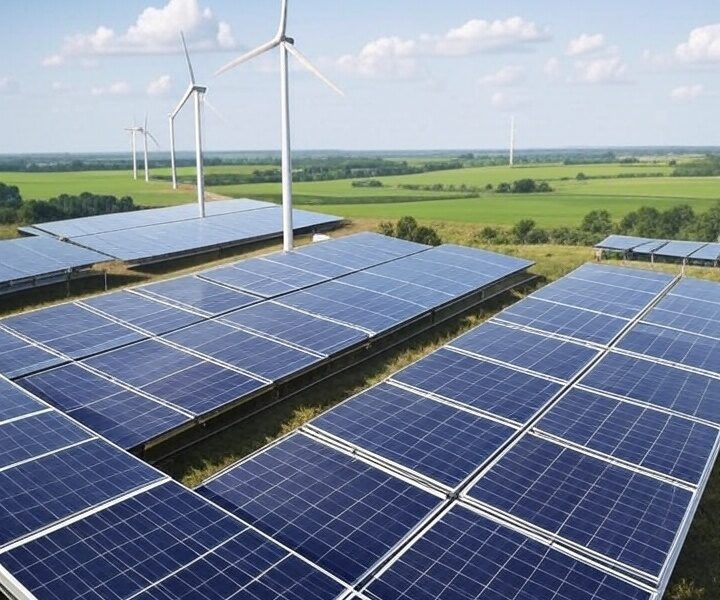
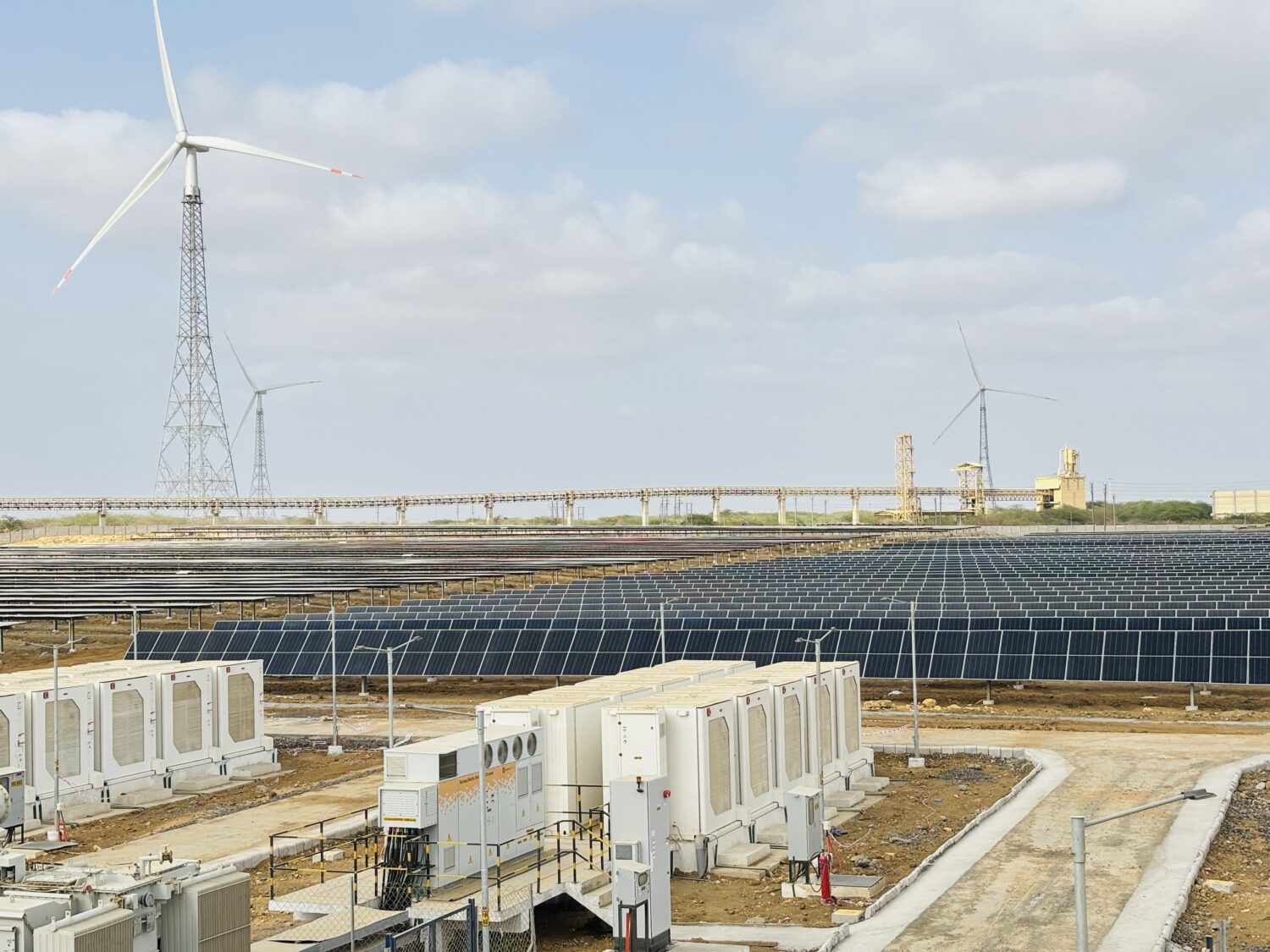
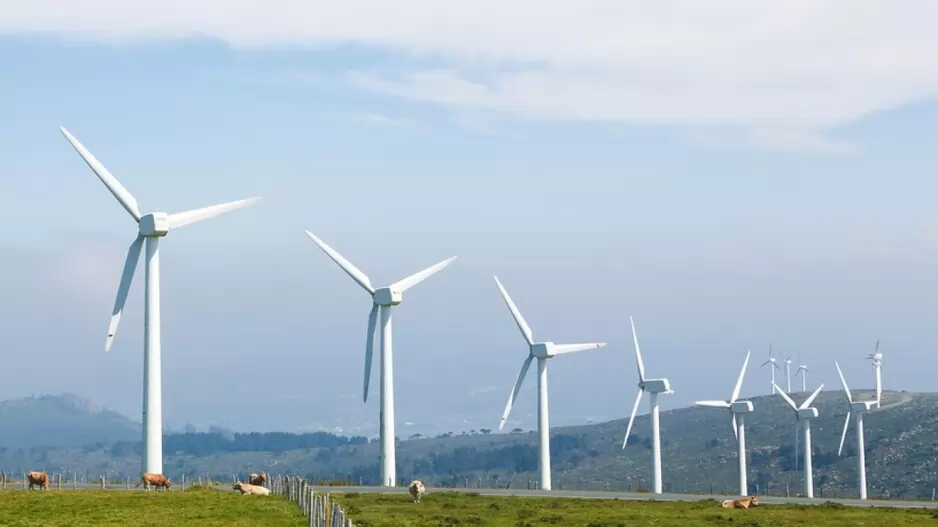
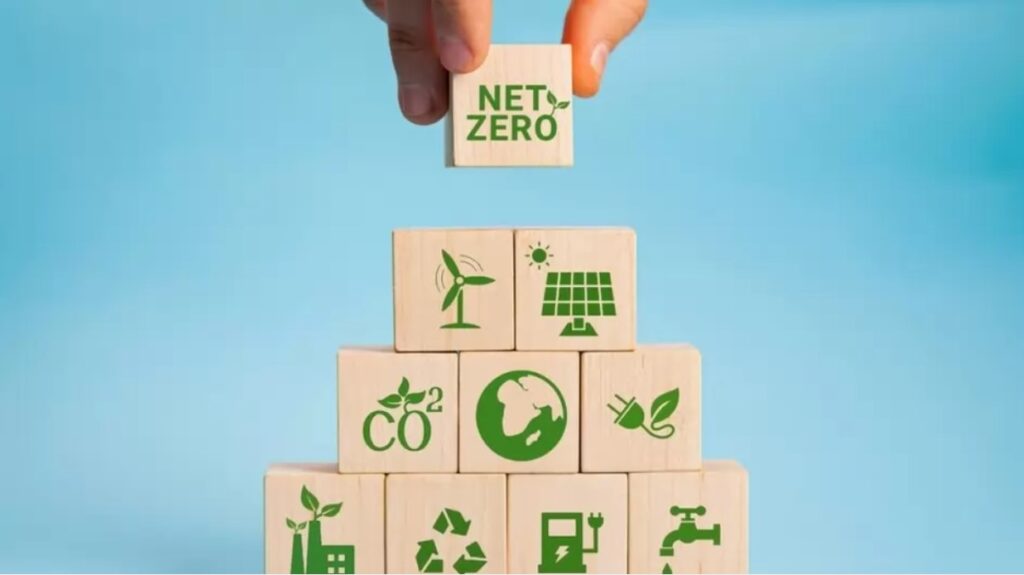
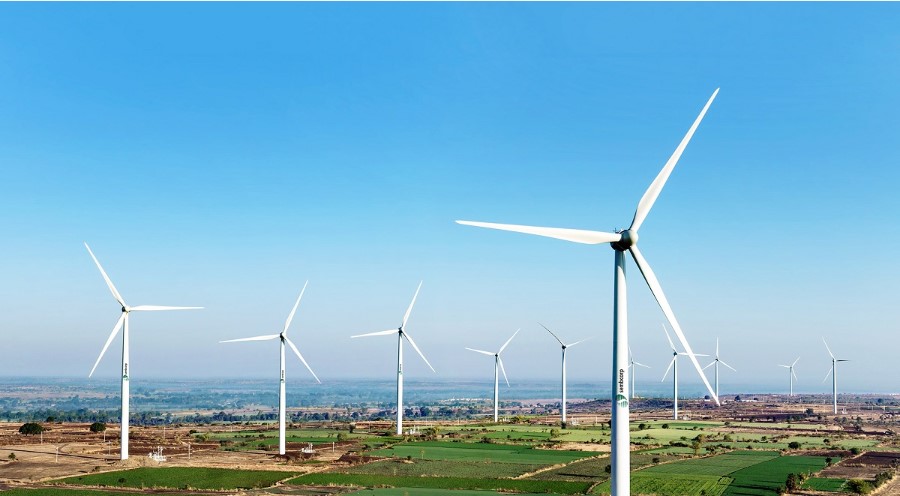
In India’s journey towards a green energy transition, 2025 marked not just declarations but also on-the-ground results. India crossed a threshold that experts doubted if it could achieve ahead of schedule. Total installed power capacity moved beyond 500 GW, with more than half now coming from non-fossil sources. The milestone has been achieved five years ahead of the 2030 commitment, and it quietly reset global assumptions about India’s energy trajectory.
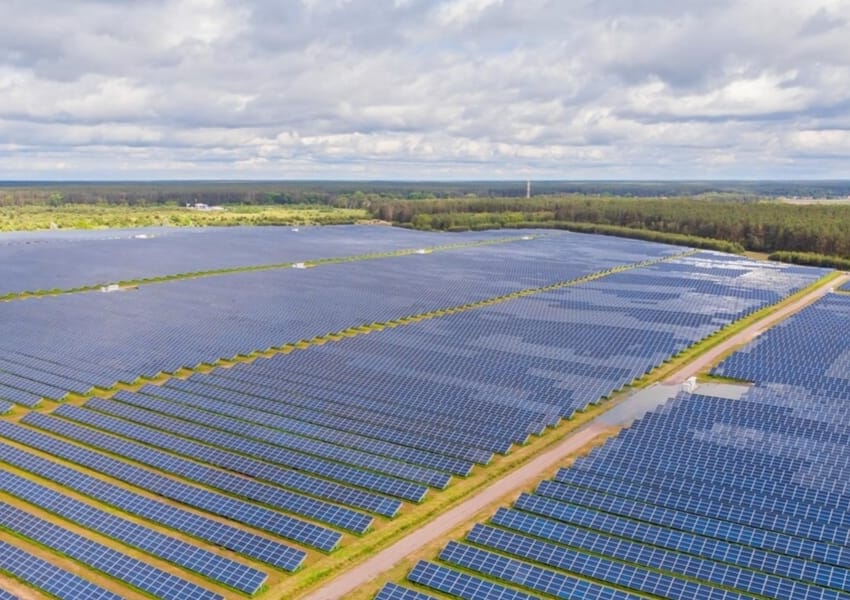
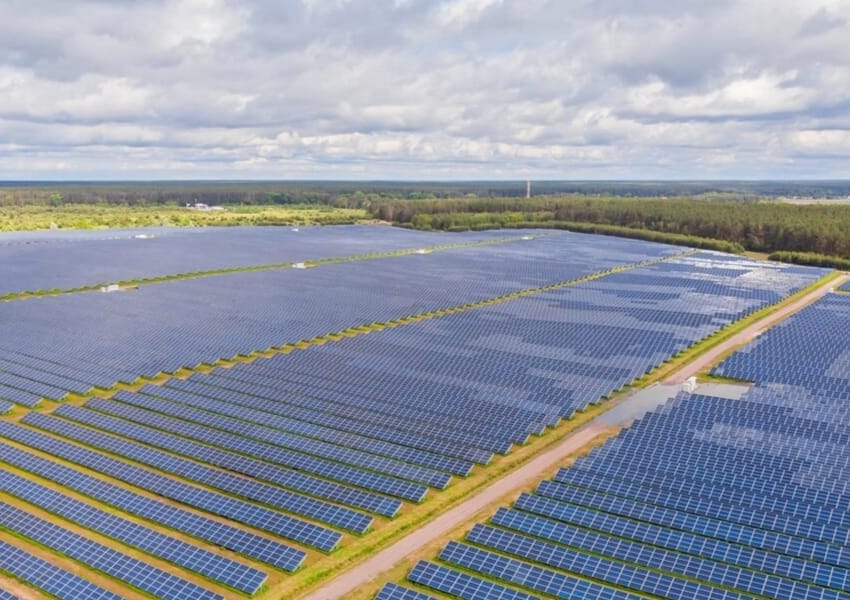
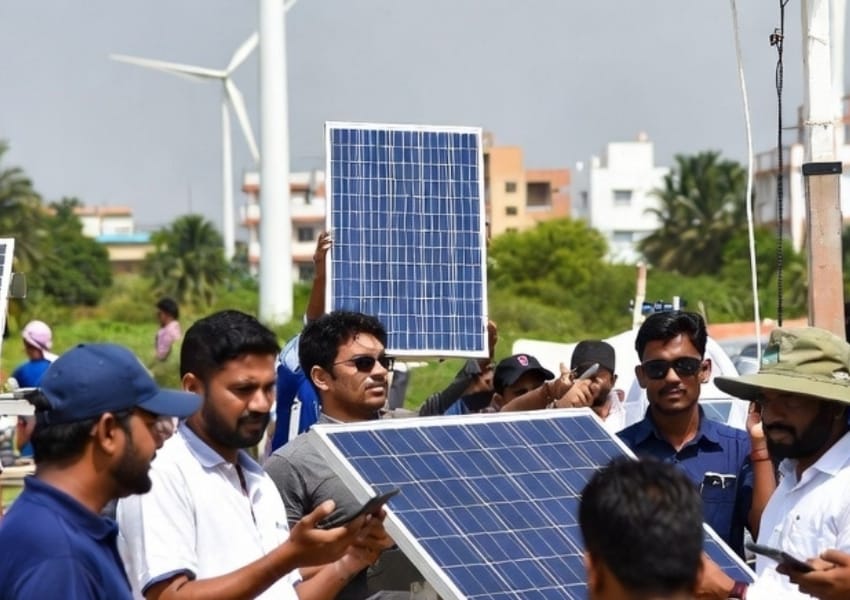
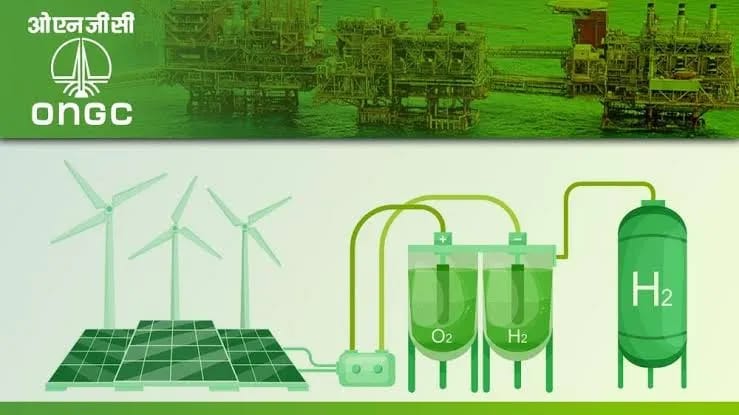
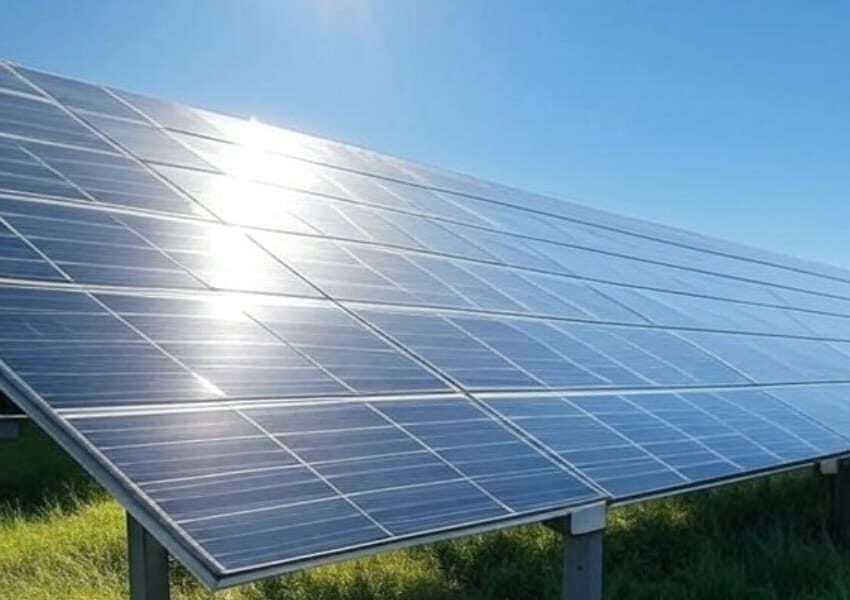
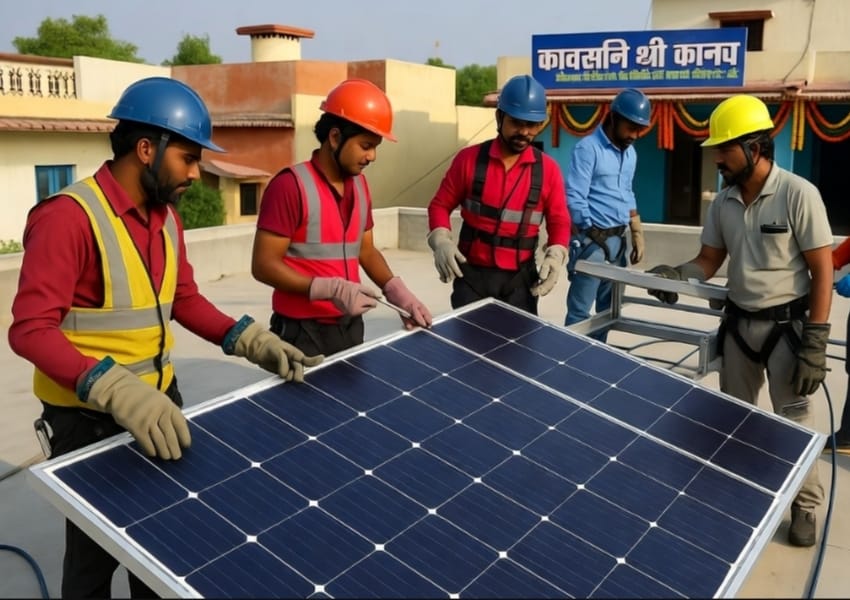
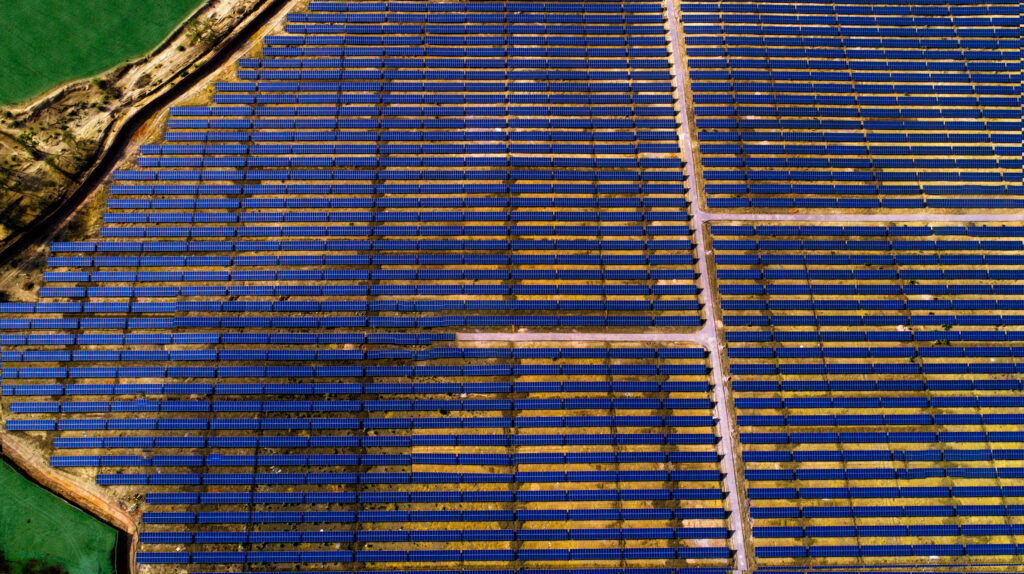
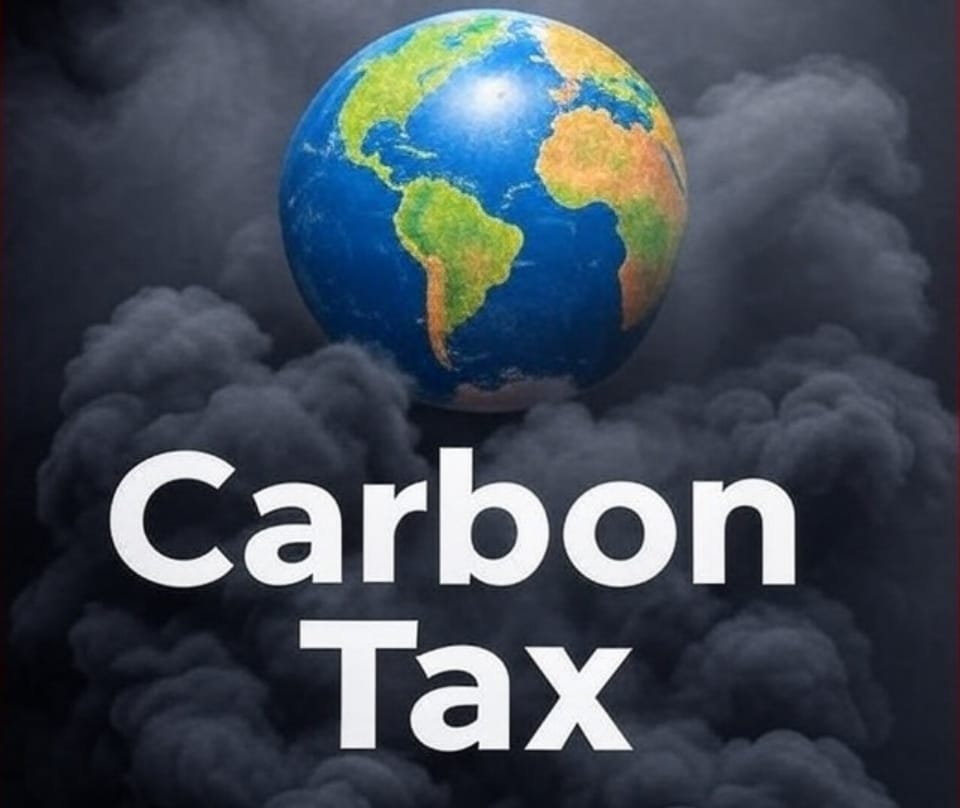
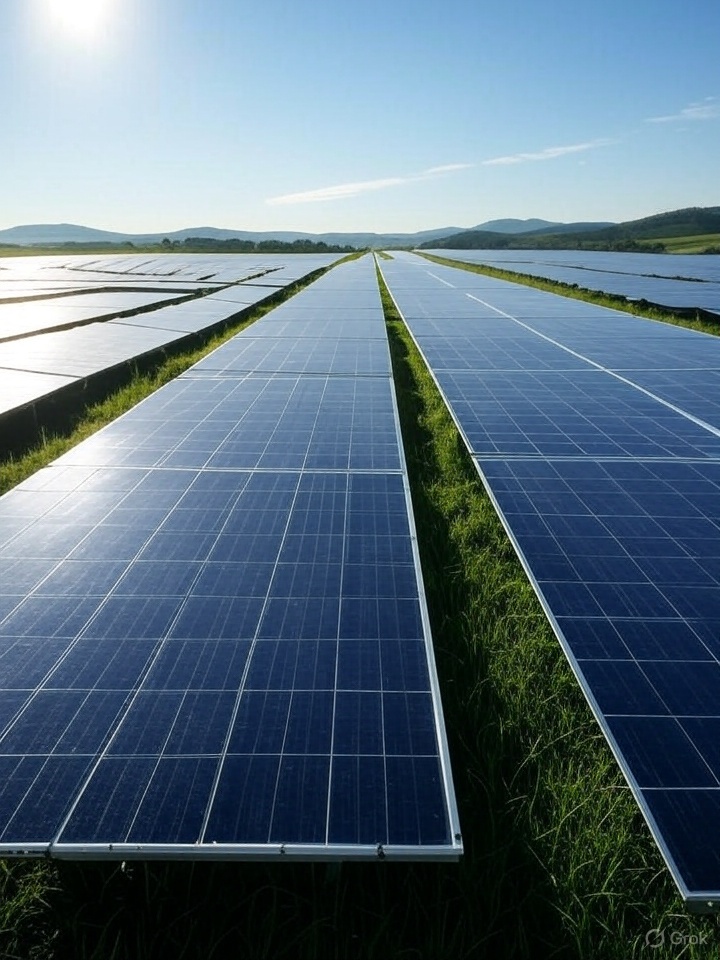
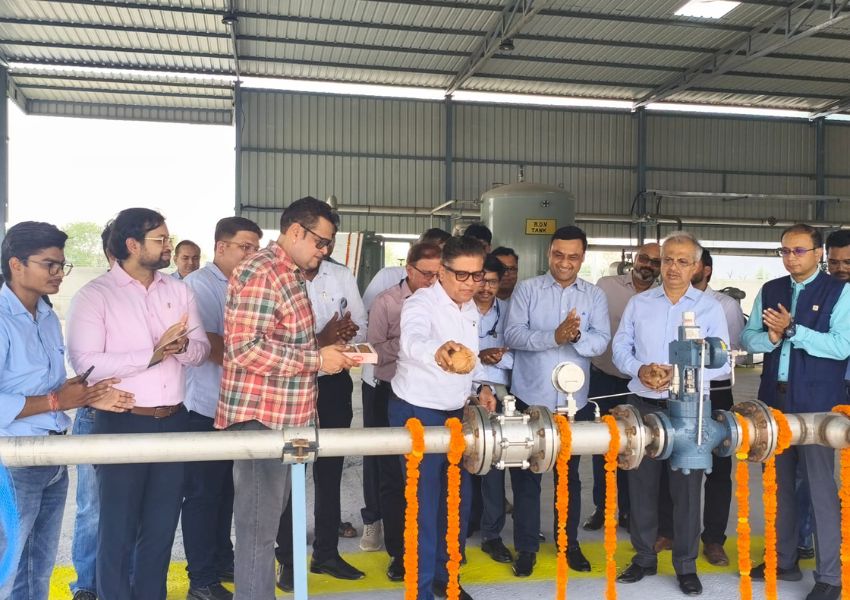
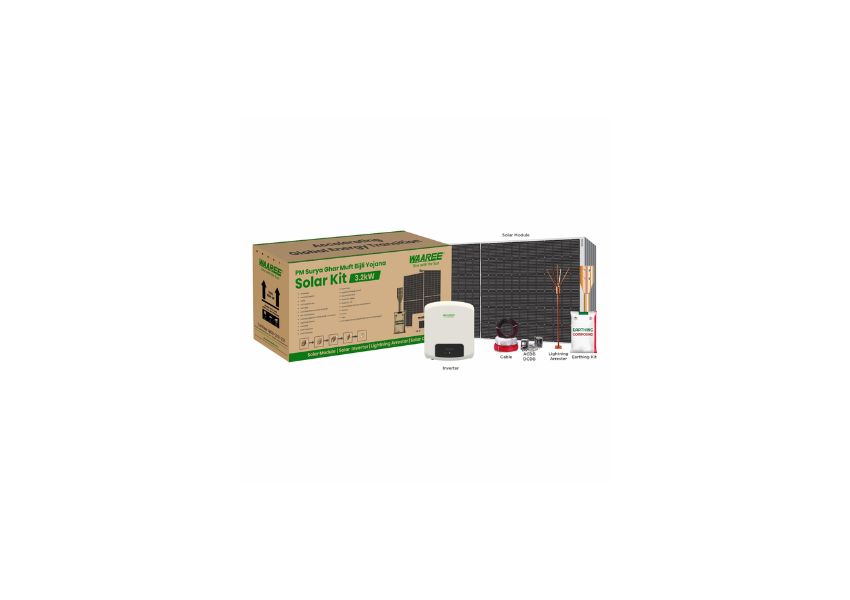
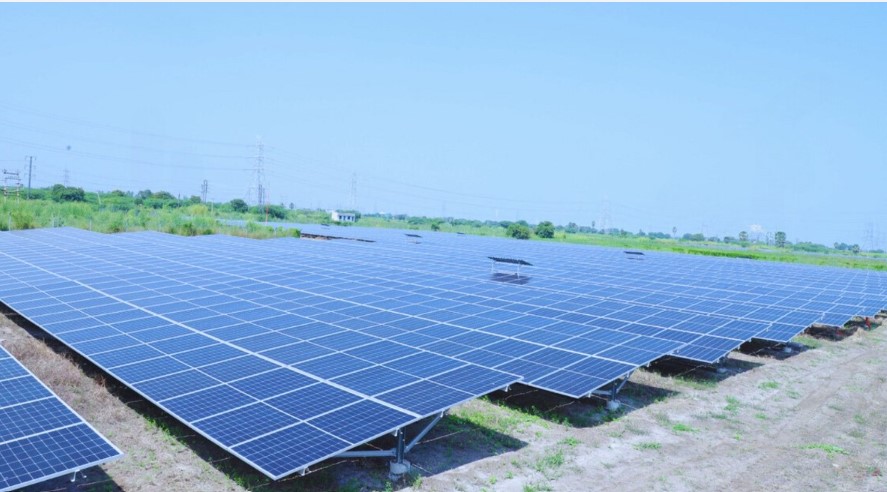
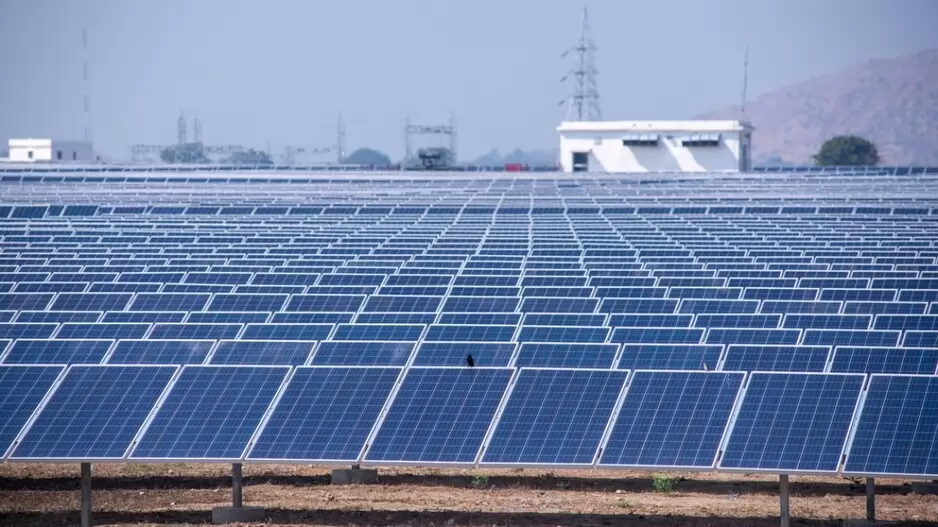
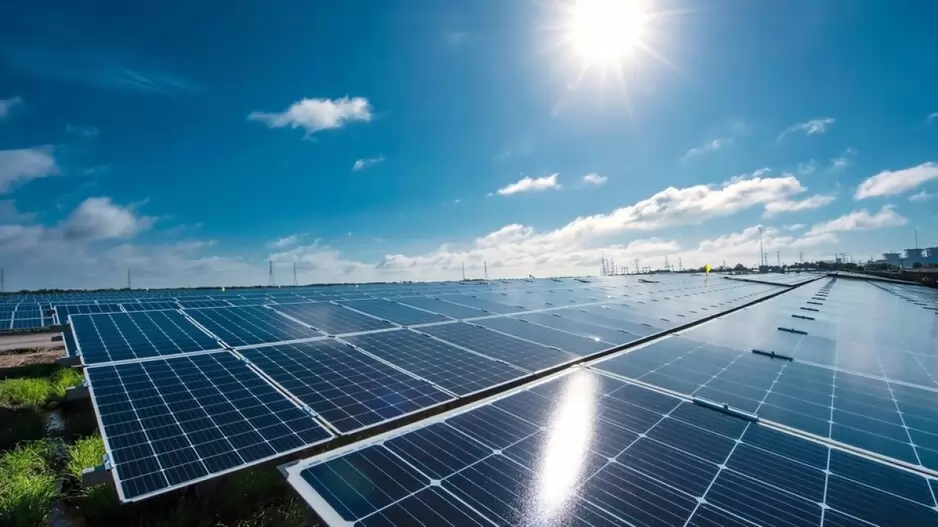
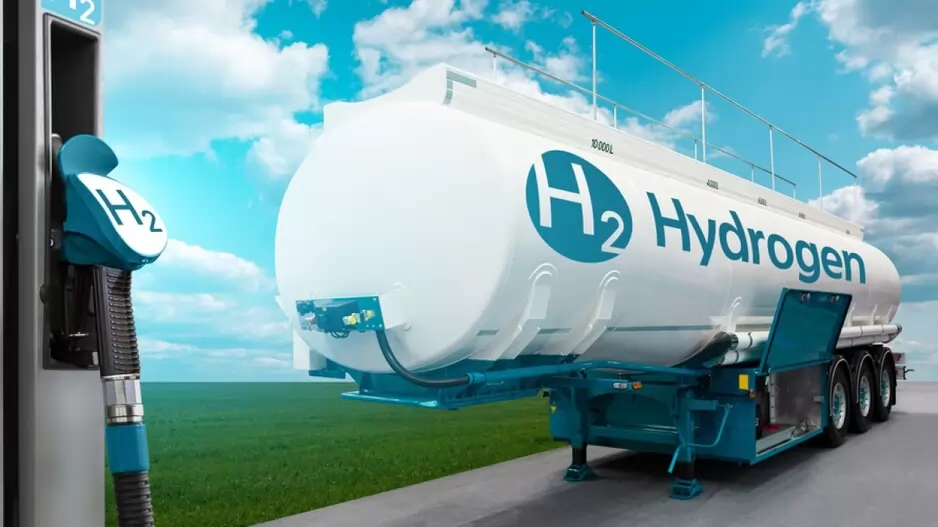
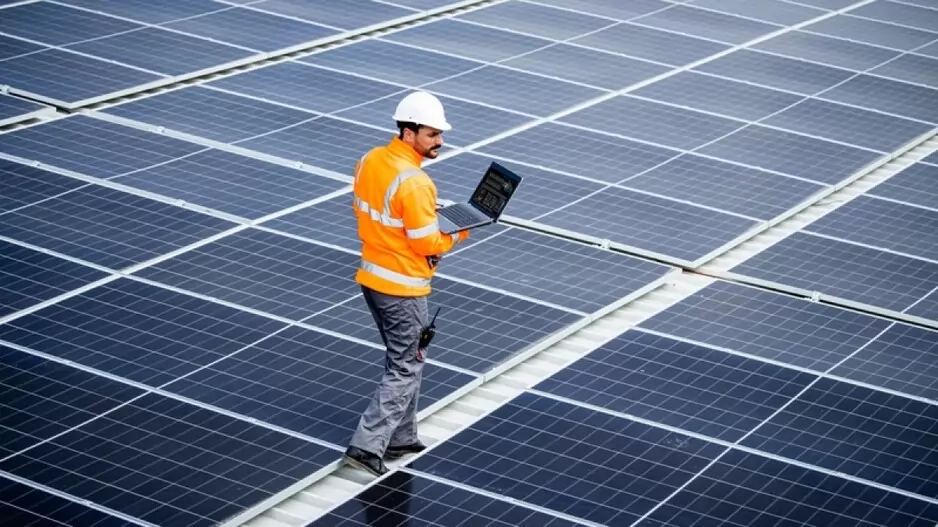
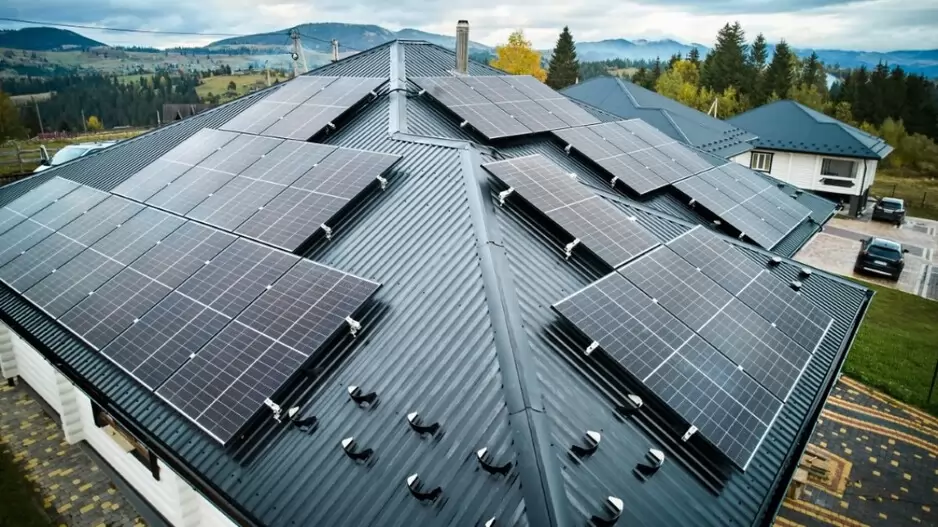
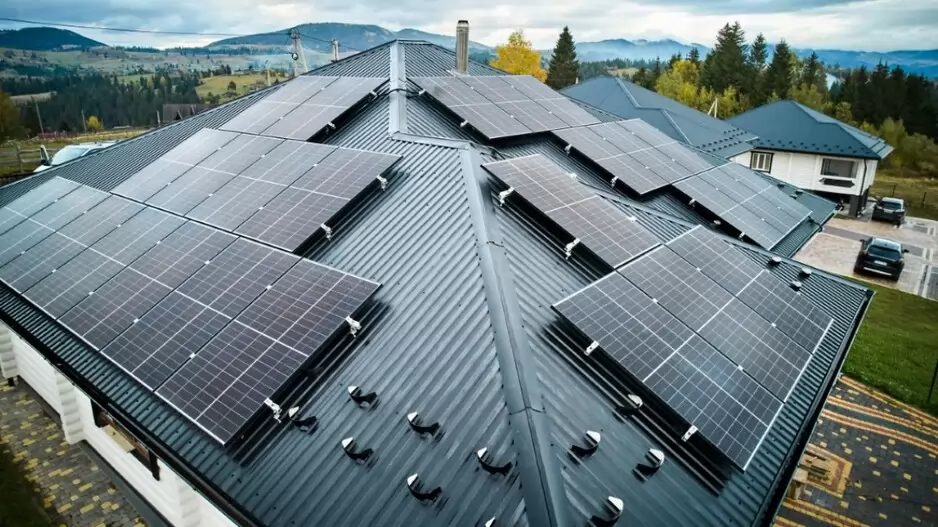
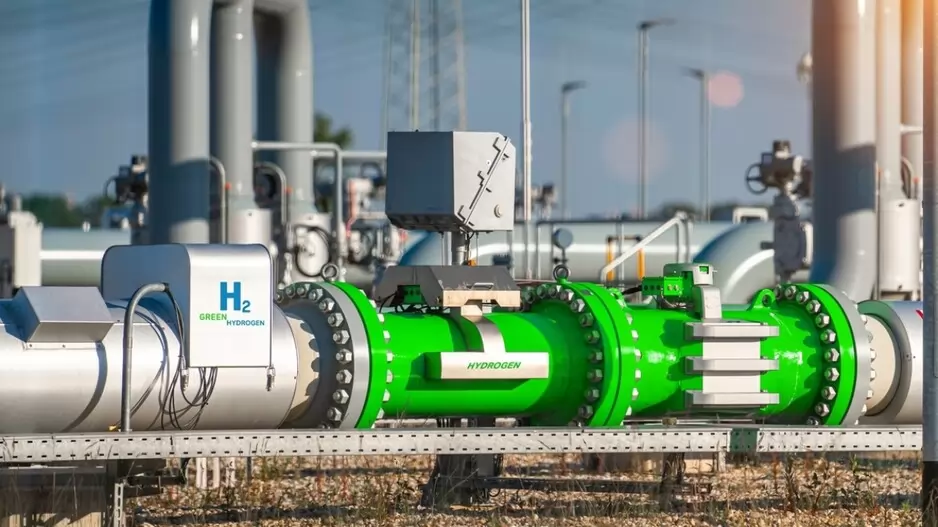
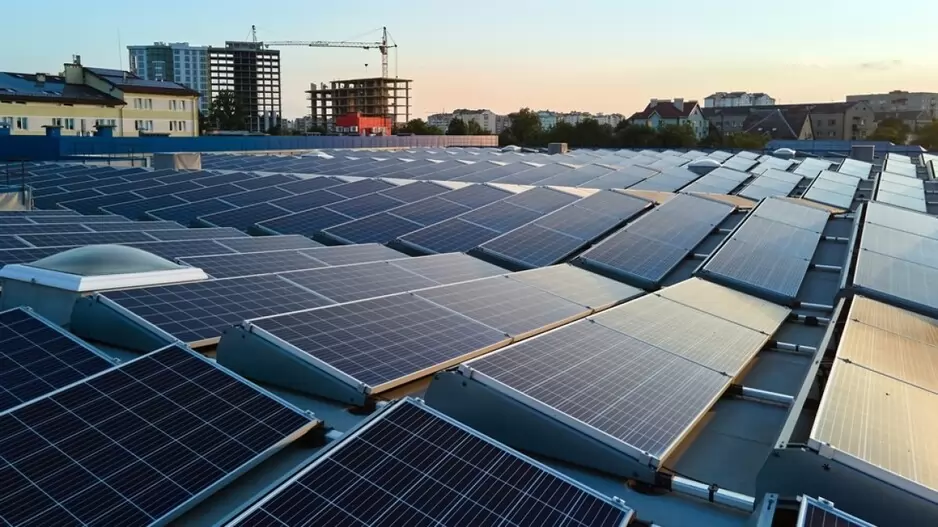
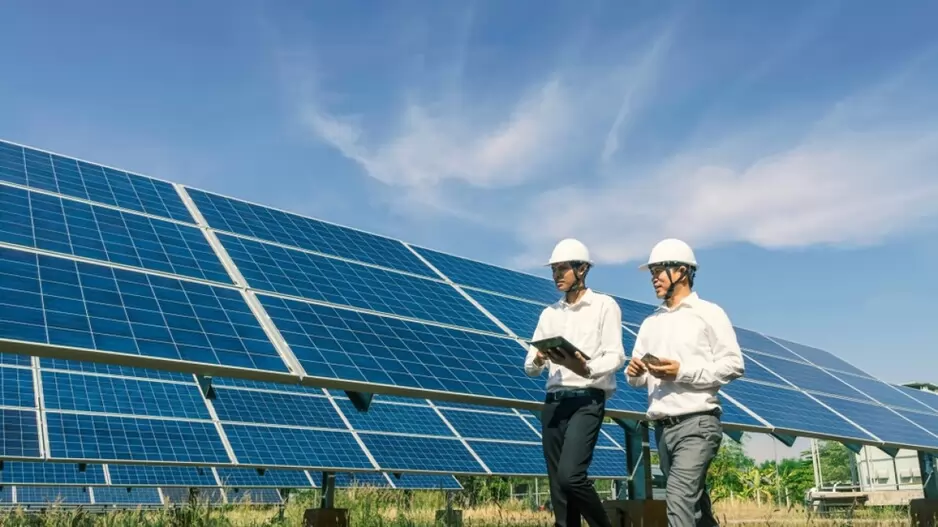
Solar energy led this shift. Installed solar capacity crossed 127 GW, supported not just by utility-scale projects but by households becoming producers of power. 2025 also witnessed a shift in India’s sustainability architecture for the good. There was significant momentum in the Indian Carbon Market wherein nine industrial sectors were notified, while full-operations and trading are set to begin by mid-2026. Several ports were identified as Green Hydrogen hubs, anchoring decarbonisation directly into trade and logistics. Sustainability eventually began to function as a compliance framework rather than a moral aspiration.
Manufacturing And Execution Reset
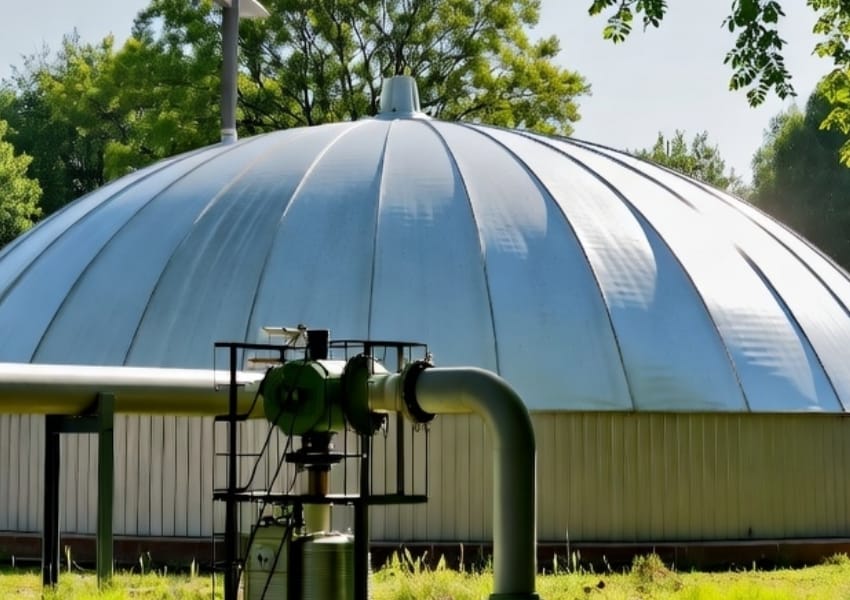
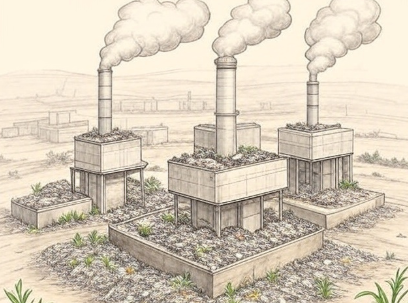
This trend extended to sectors long seen as policy heavy and investor shy. Waste-to-Energy is a case in point. The restructuring of Central Financial Assistance by MNRE corrected a structural flaw. Subsidies were no longer hostage to perfection. Early disbursal on Consent to Operate, combined with pro rata incentives for partial capacity utilisation, acknowledged operational reality. By designating WtE as an essential environmental service and standardising technical norms, regulatory risk lowered and financial credibility restored.
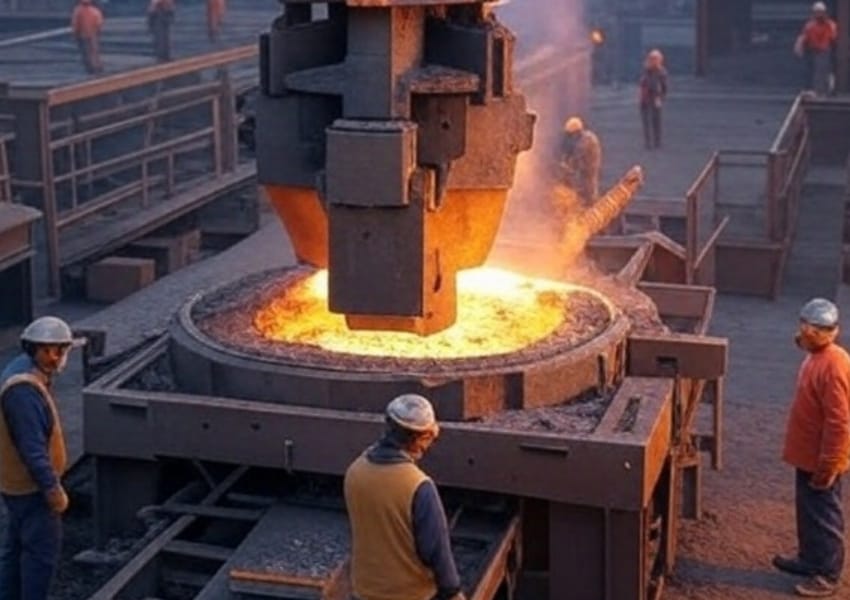
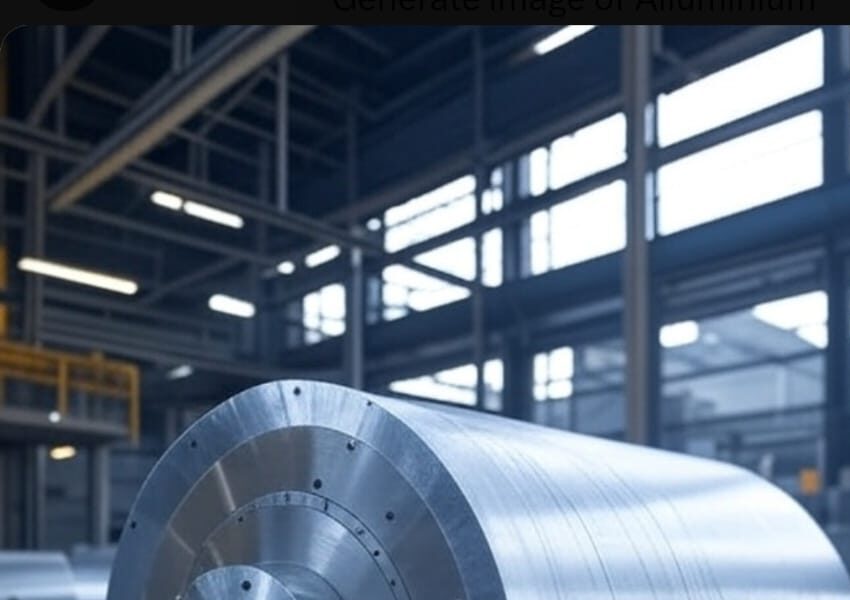
The most consequential shift of 2025 lay in solar manufacturing. For years, India spoke of scale while importing the core of its technology. This contradiction began to close. The focus moved decisively upstream. Indigenous manufacturing of silicon ingots and wafers commenced at commercial scale, addressing the single most critical gap in the photovoltaic value chain. A two-year extension to PLI commissioning timelines was not a concession, but a strategic choice, allowing manufacturers to build integrated capacity that would endure rather than rush incomplete execution.
Economic Signals And System Strength
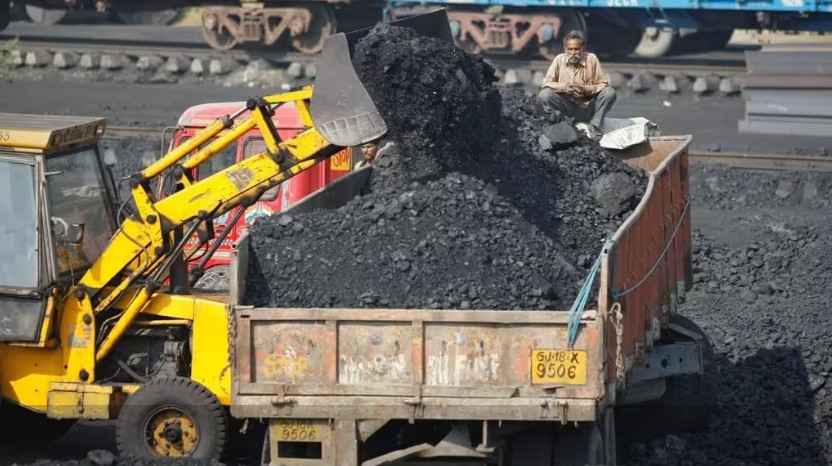
Policy coherence reached the balance sheet in September 2025. GST rationalisation reduced taxes on renewable equipment to 5 per cent while raising coal and lignite to 18 per cent. The signal was unmistakable. Clean energy had to become economically superior. Lower project costs translated into more competitive tariffs, directly benefiting residential adoption and industrial offtake alike.
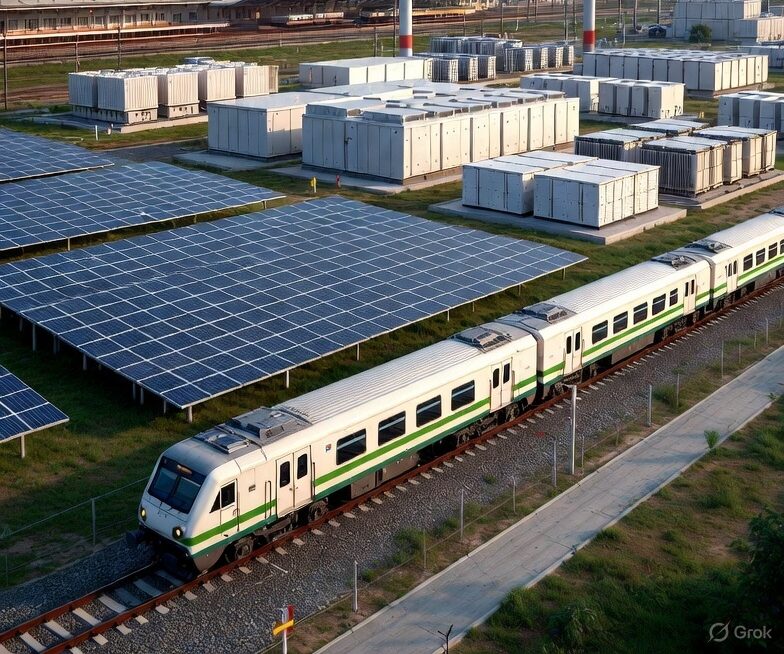
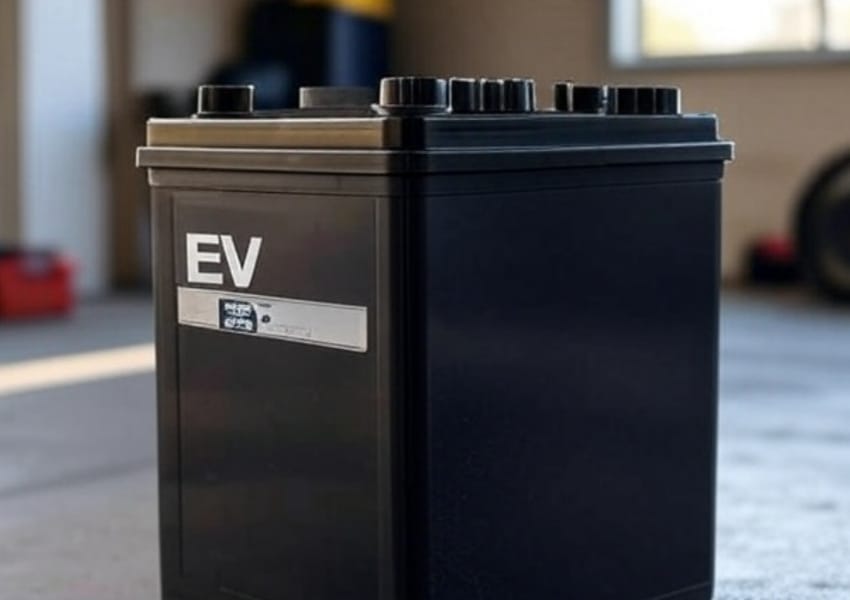
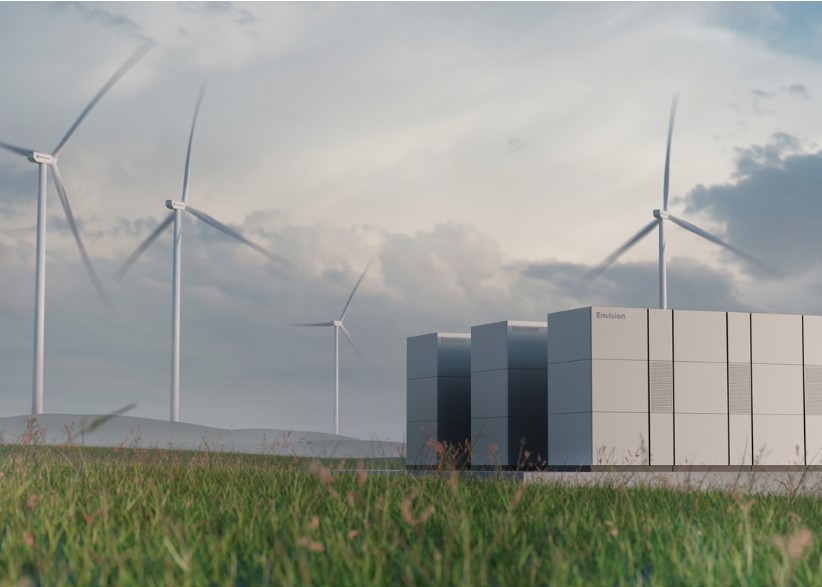
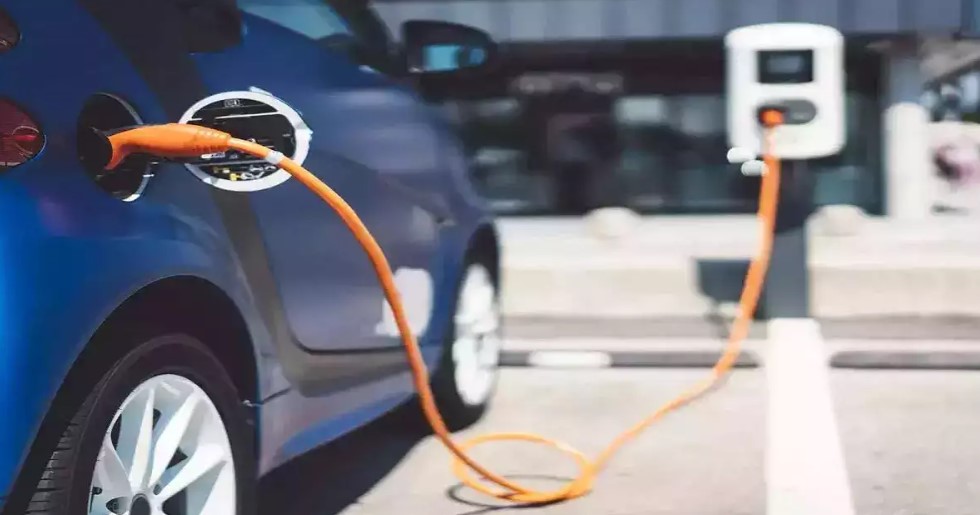
Reliability remained the final test. Intermittent power cannot run a modern economy. Here again, intent met execution. Viability Gap Funding for battery energy storage expanded to 30 GWh, unlocking over Rs 33,000 crore in investment. Parallelly, ACC battery PLI projects moved from paper to ground, with gigafactories under construction to anchor long term storage and mobility needs within the country.
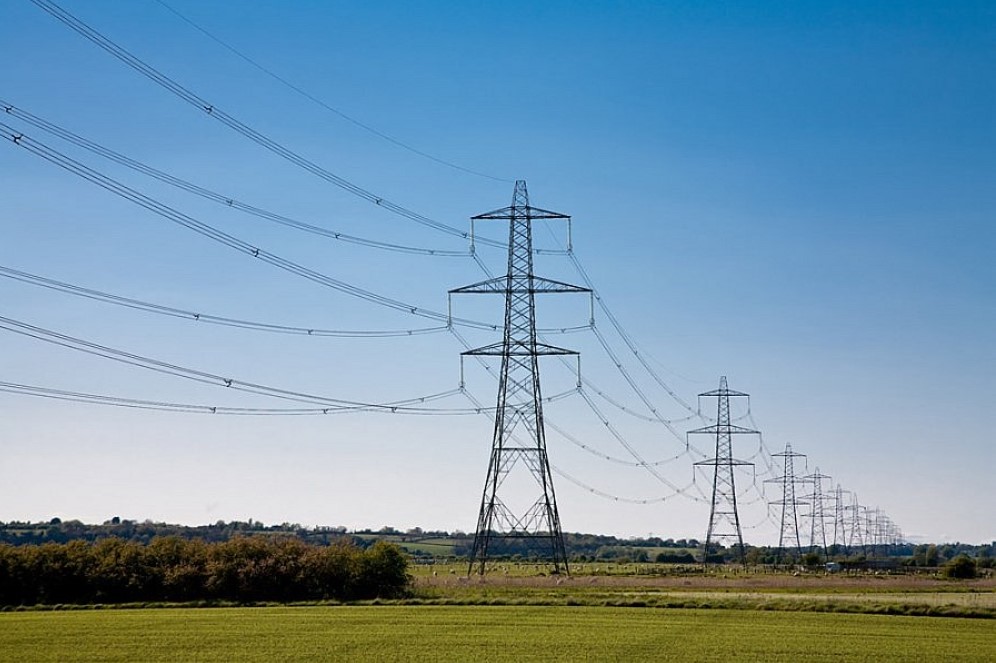
Despite these developments, challenges did not disappear. Grid congestion, curtailment, and manufacturing cost pressures surfaced precisely because scale accelerated. They are forcing investment into storage, flexible power, and deeper integration, compelling Indian manufacturers to compete globally, not behind tariff walls but through technology and efficiency.
2025 marked a turning point. Finance, manufacturing and technology began moving in alignment. Tax policy reduced costs. Industrial policy secured supply chains. Energy policy ensured stability. Together, they formed a strategic architecture rather than a collection of schemes. The message is clear. India’s green transition is no longer a future narrative. It is an operating reality. The opportunity now lies in shaping its depth, durability, and direction.
The views expressed in this article are the author’s own and do not necessarily reflect the position of any organisation they are affiliated with.

