























































































































































































































































































































































































































































































































































































































































































































































































UN Warns World Losing $5 Bn An Hour To Fossil Fuels, Food Production

Global assessment links unsustainable food systems and fossil fuels to rising economic, health and climate risks.
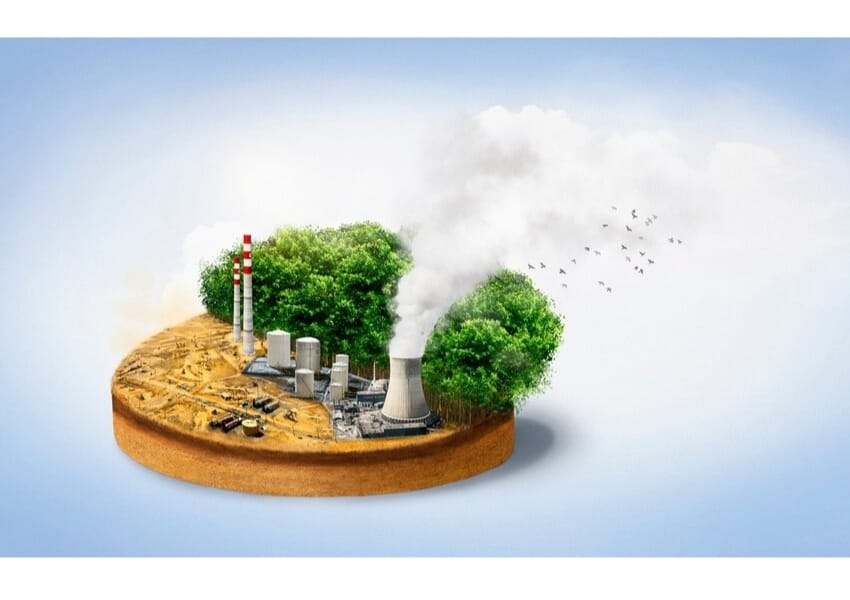
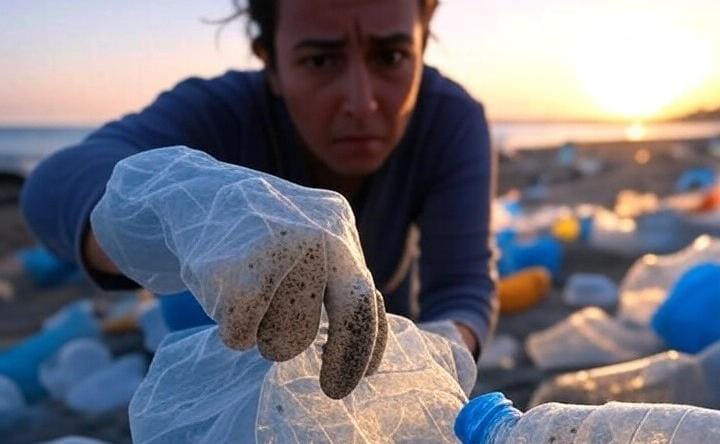
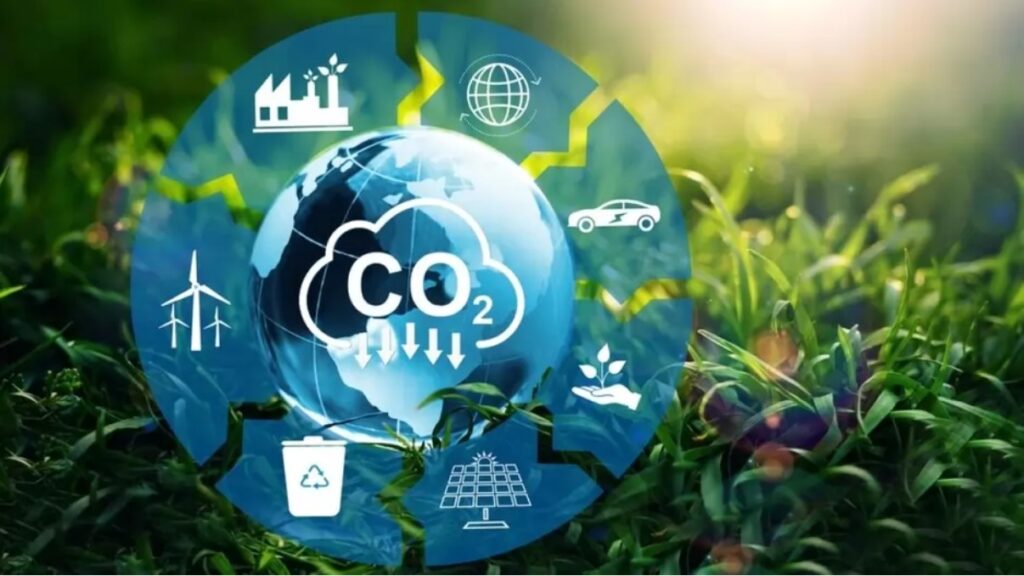
The United Nations has issued a stark warning that humanity is incurring environmental losses worth nearly USD 5 billion every hour as a result of unsustainable food production and continued reliance on fossil fuels.
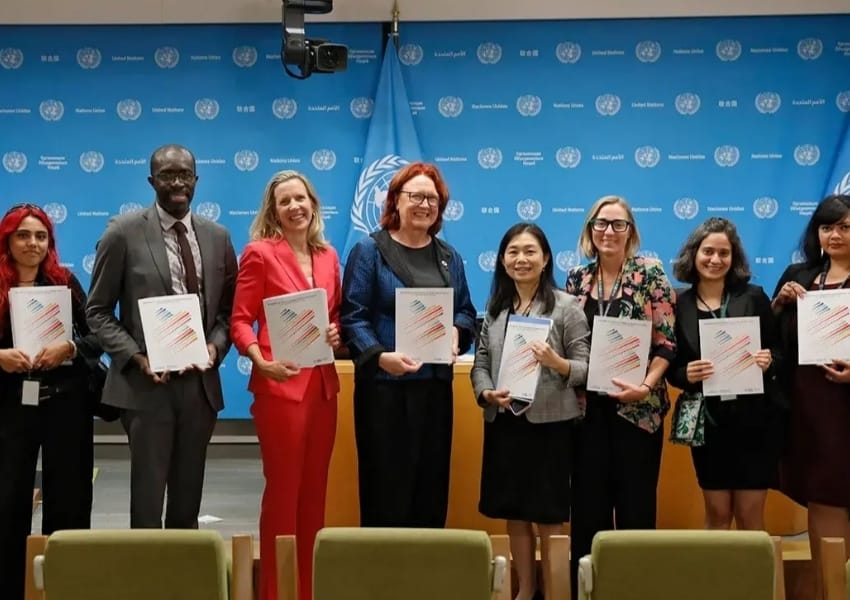
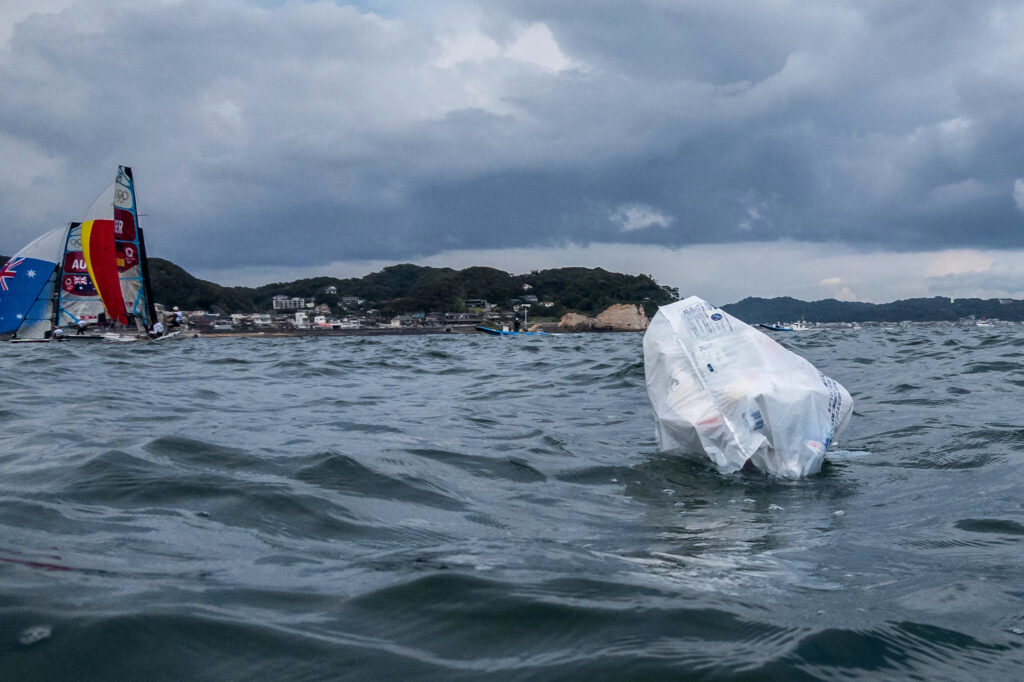
The finding comes from the latest Global Environment Outlook report prepared by around 200 researchers under the United Nations Environment Programme. The assessment argues that the combined impacts of climate change, nature loss and pollution are pushing the global system towards irreversible breakdown unless governments act together and rapidly reshape economic models.
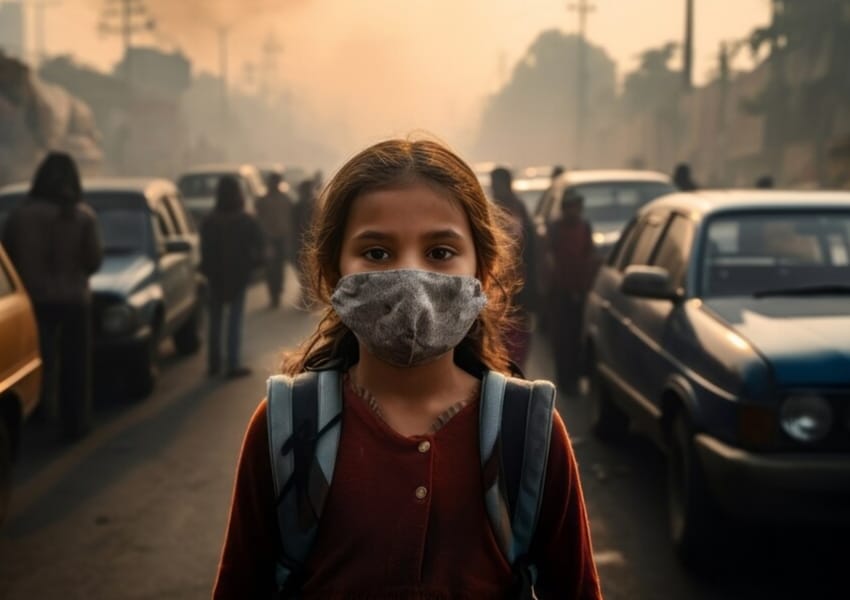
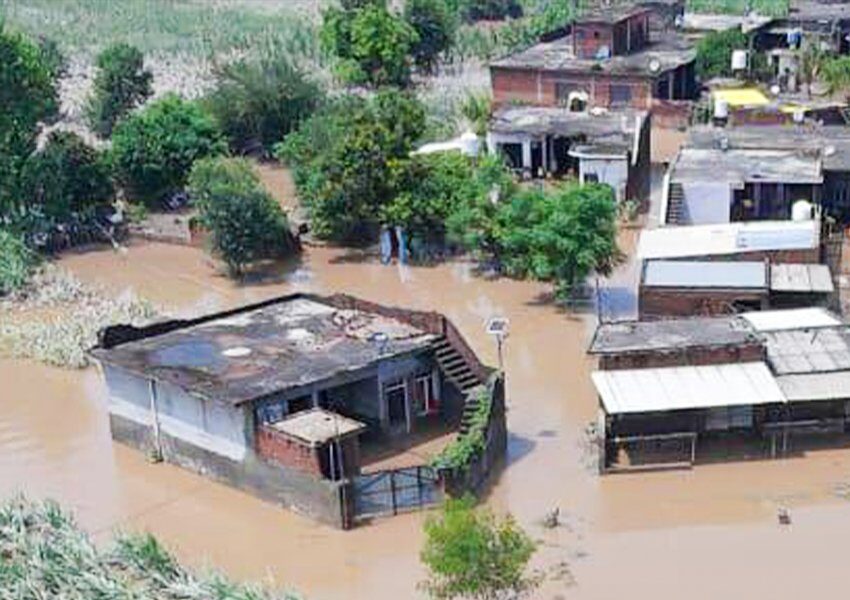
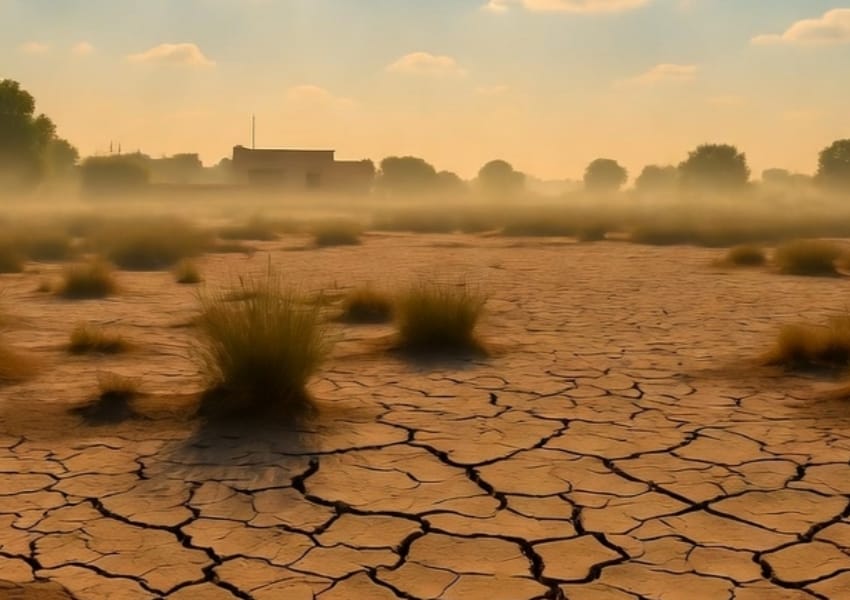
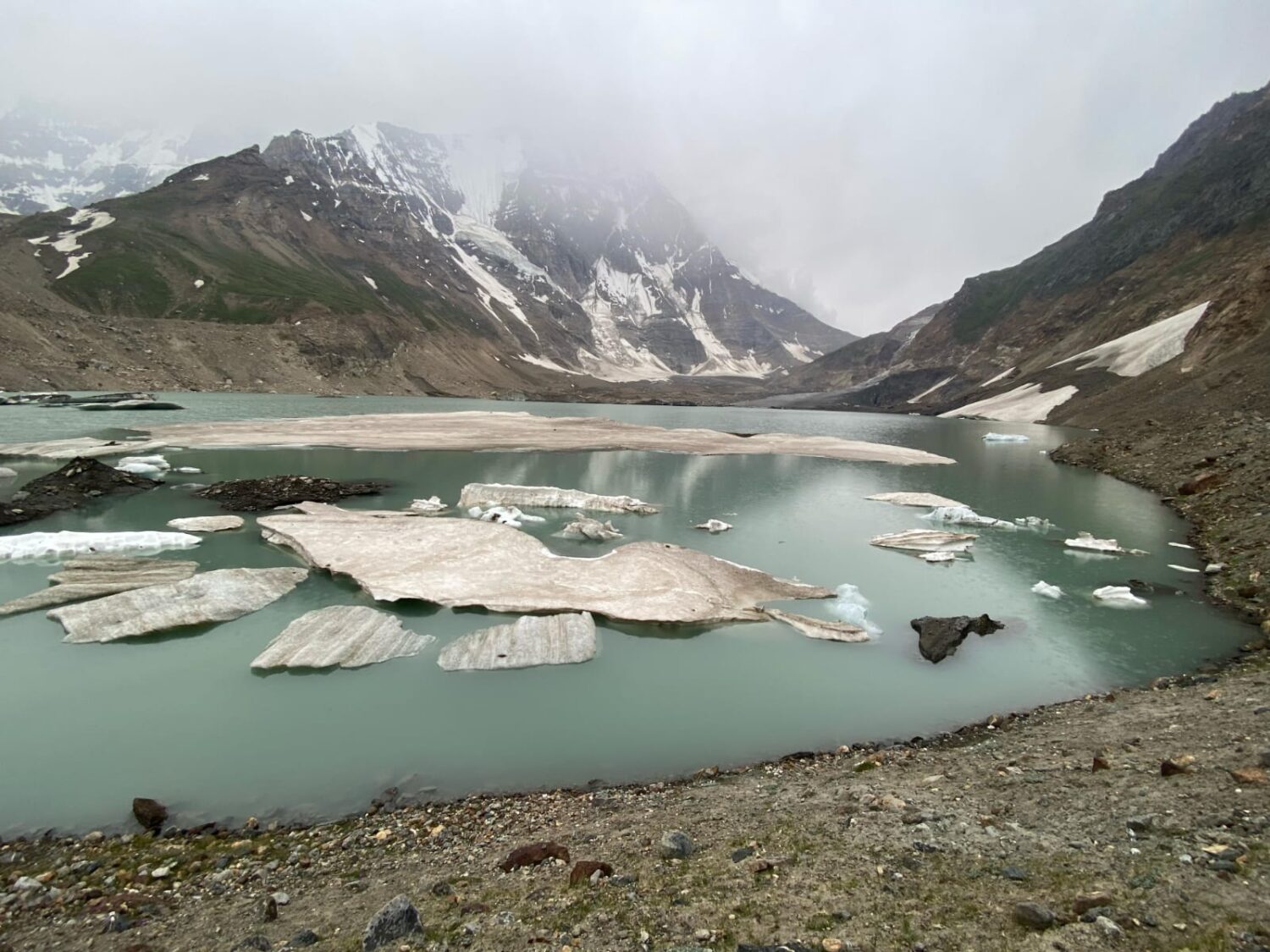
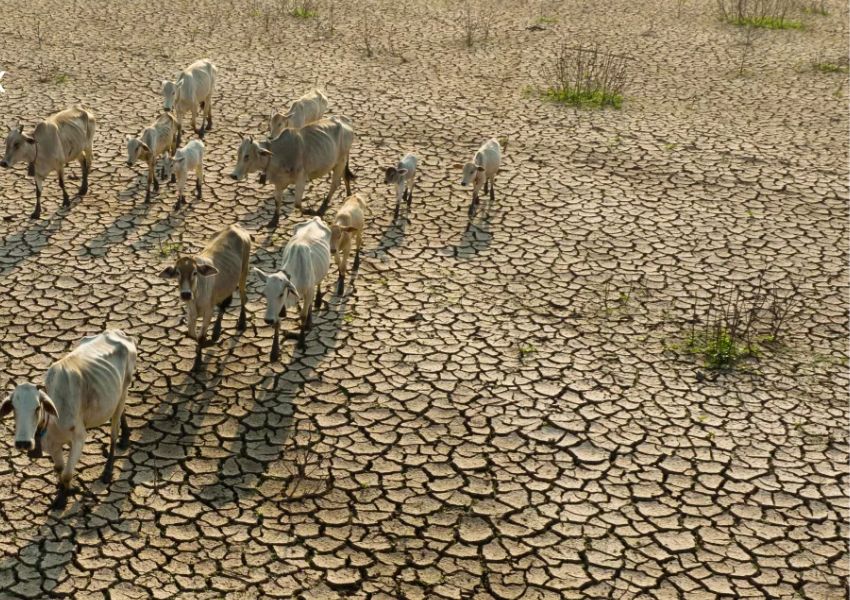
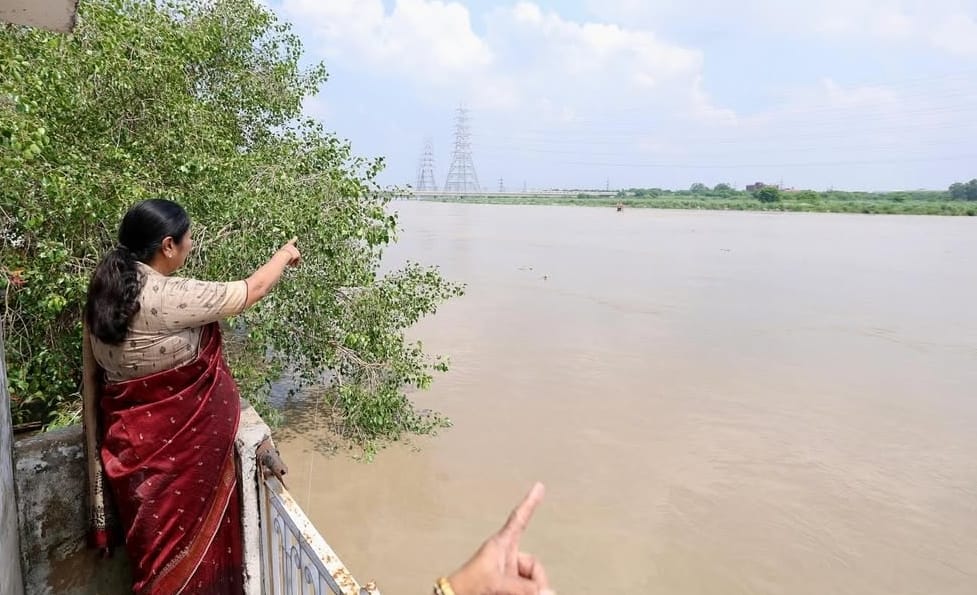
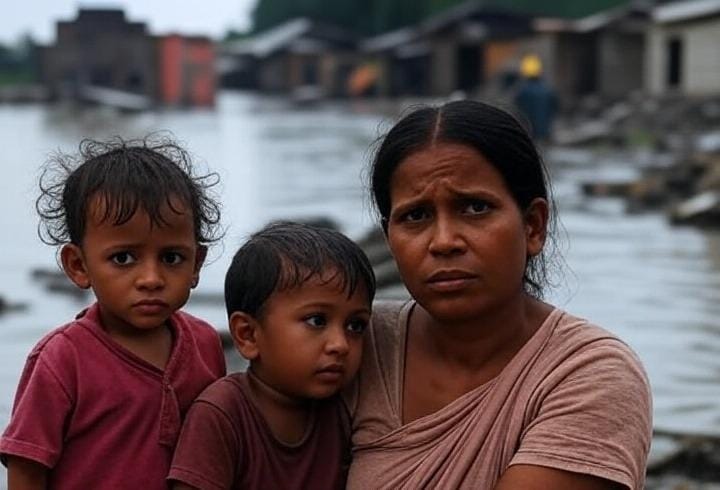
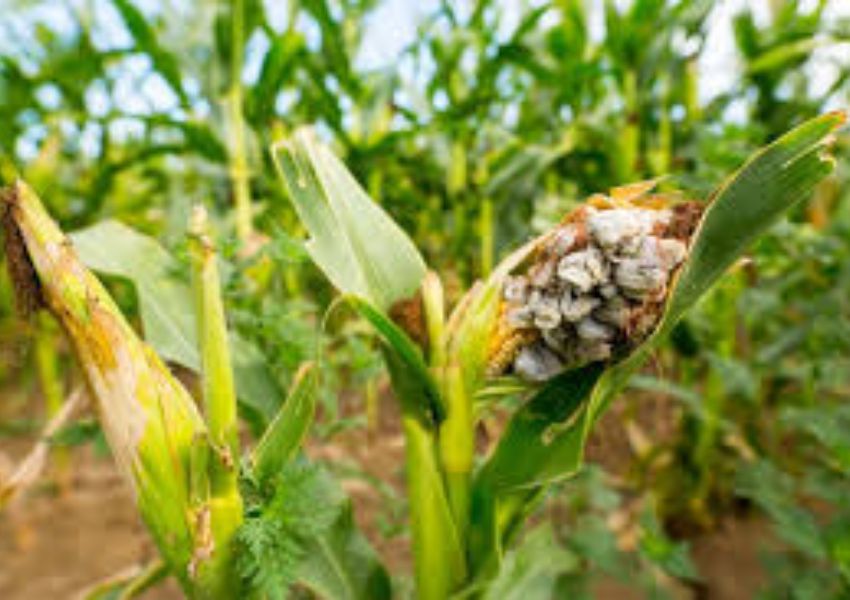
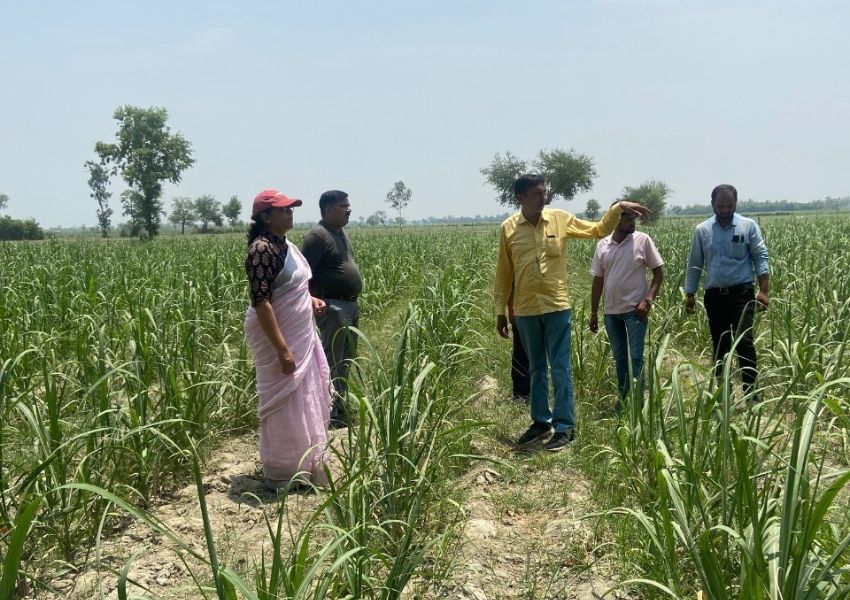
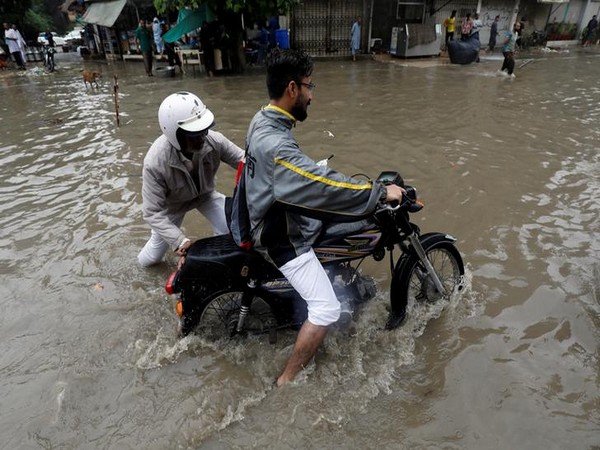
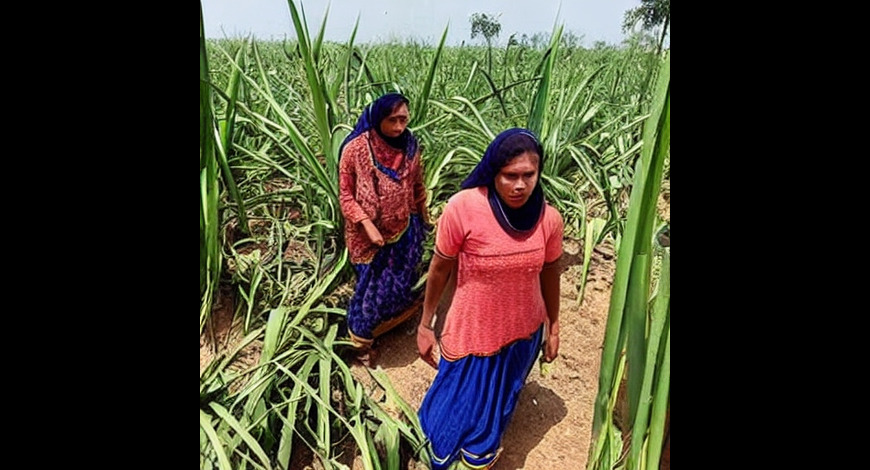
The report stresses that environmental degradation can no longer be treated as a separate ecological concern. It is directly weakening economic stability, food and water security and public health across regions. Climate driven extremes such as heatwaves, floods and erratic rainfall are already affecting agricultural output and disease patterns, with India cited as one of several countries facing growing risks.
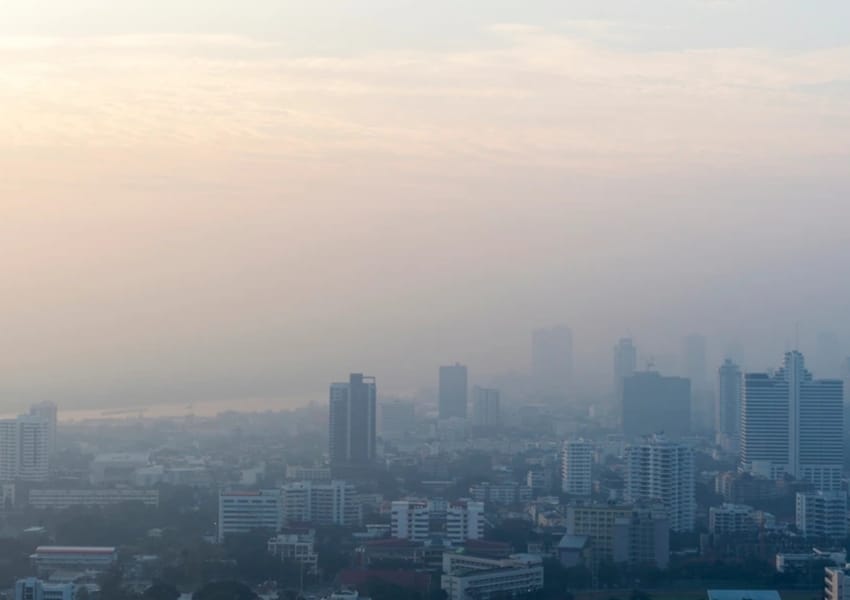
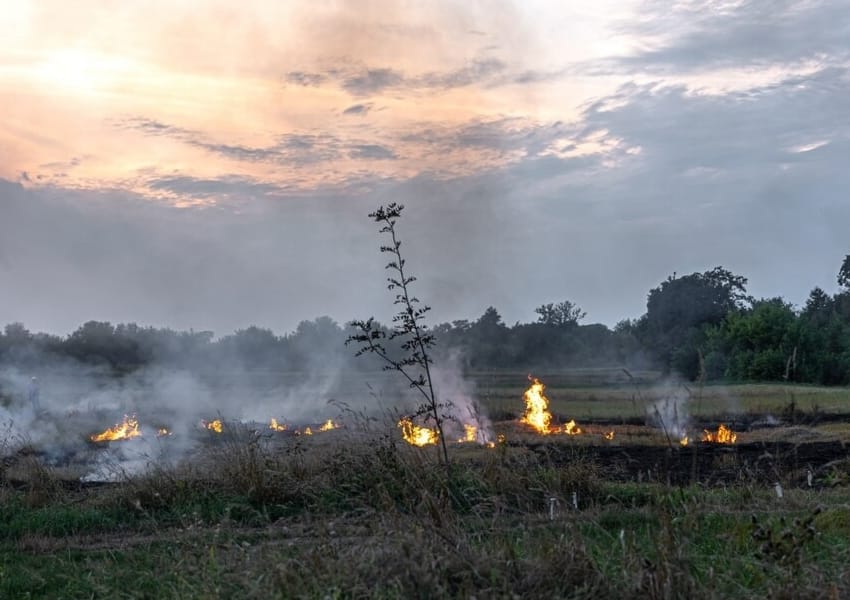
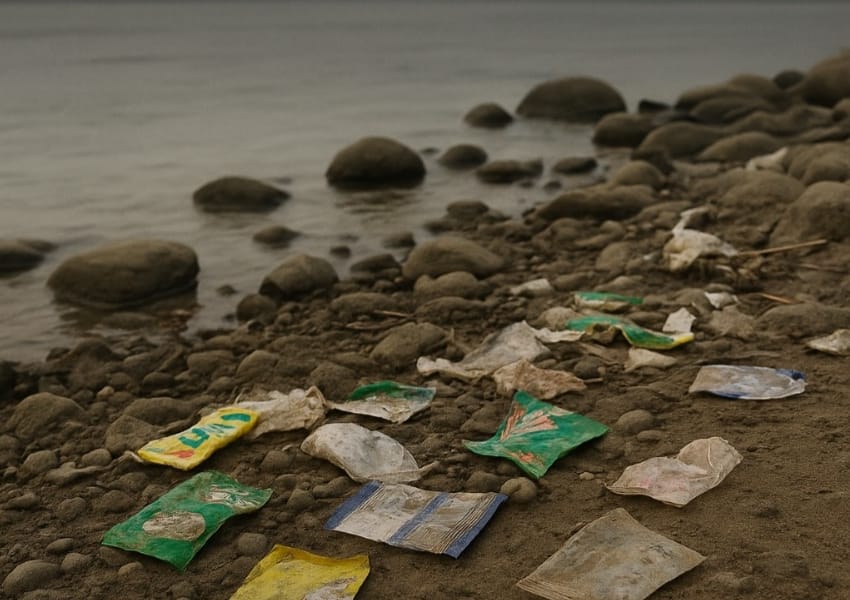
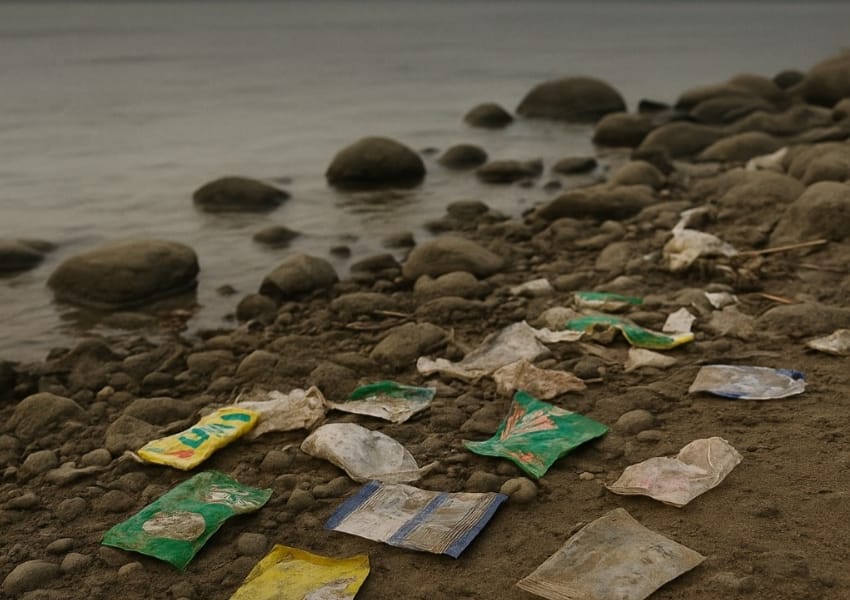
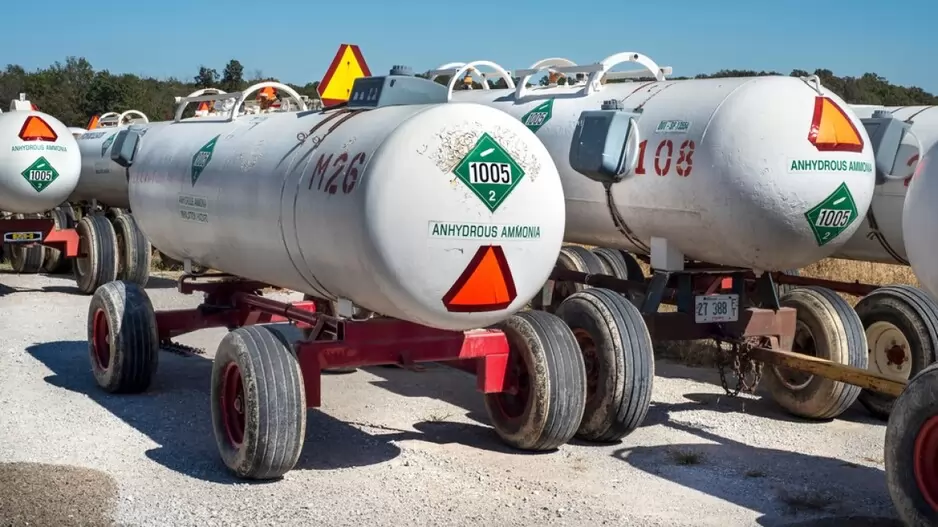
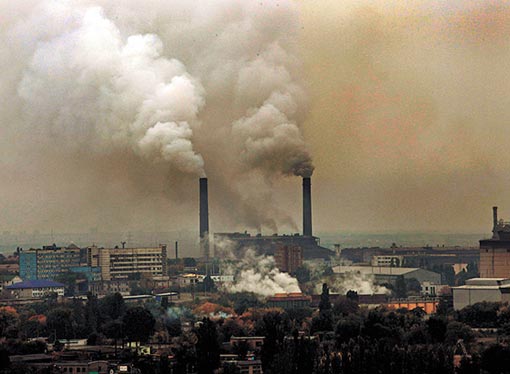
According to the assessment, rising global demand for food and energy is intensifying pressure on ecosystems, as production remains heavily dependent on practices that degrade land, pollute air and water and increase greenhouse gas emissions.
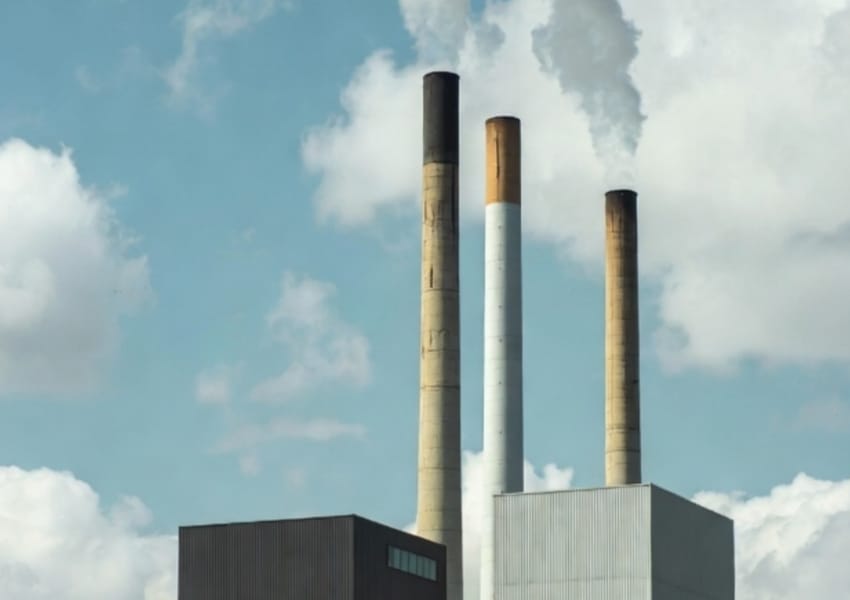
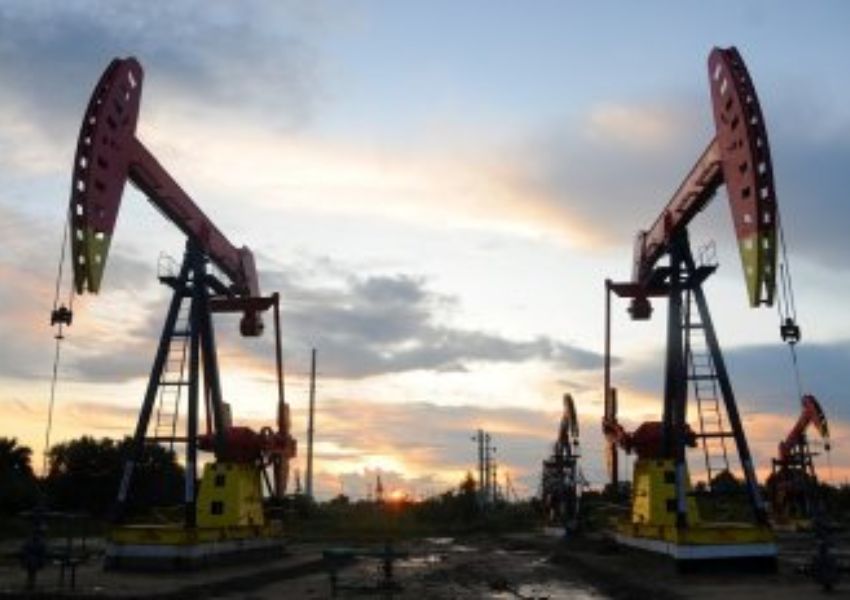
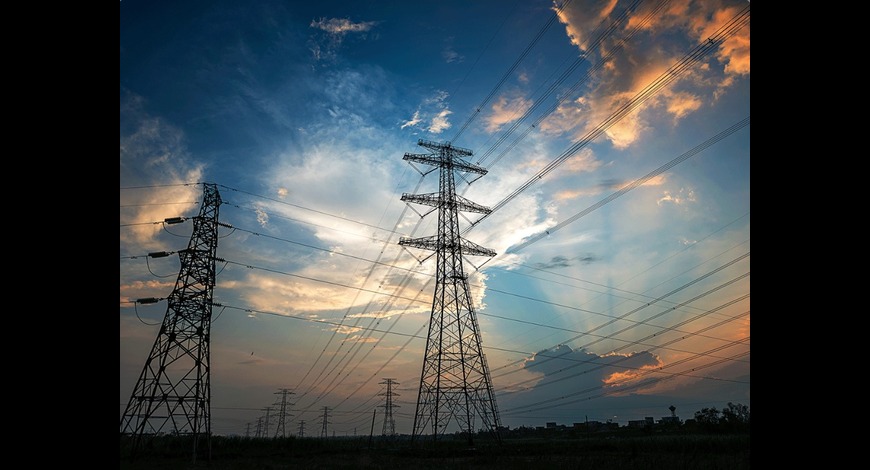
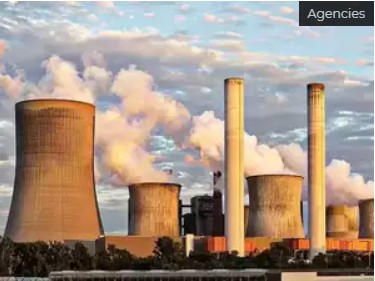
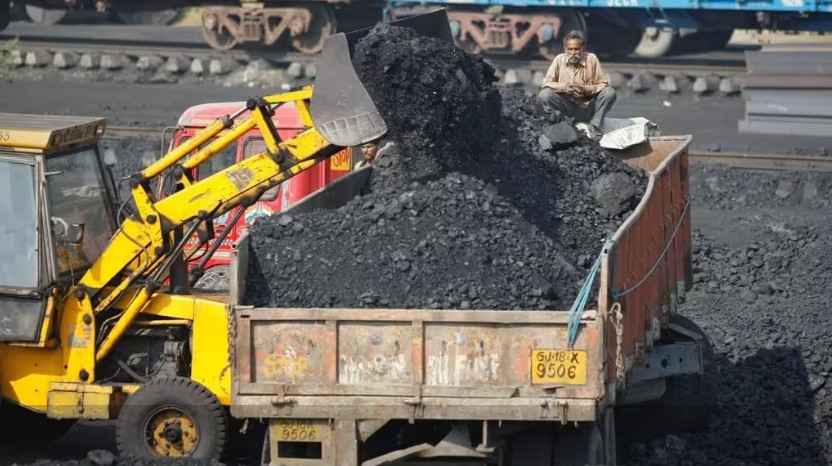
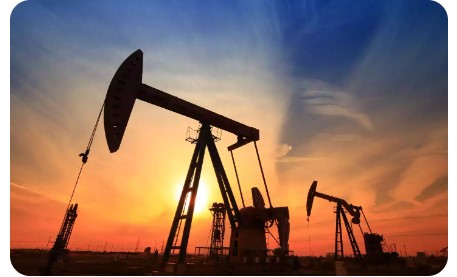
One of the report’s most significant estimates places the annual cost of environmental damage from coal, oil, gas and industrial agriculture at USD 45 trillion. Food systems account for the largest share at around USD 20 trillion a year, followed by transport at USD 13 trillion and fossil fuel-based electricity at USD 12 trillion.
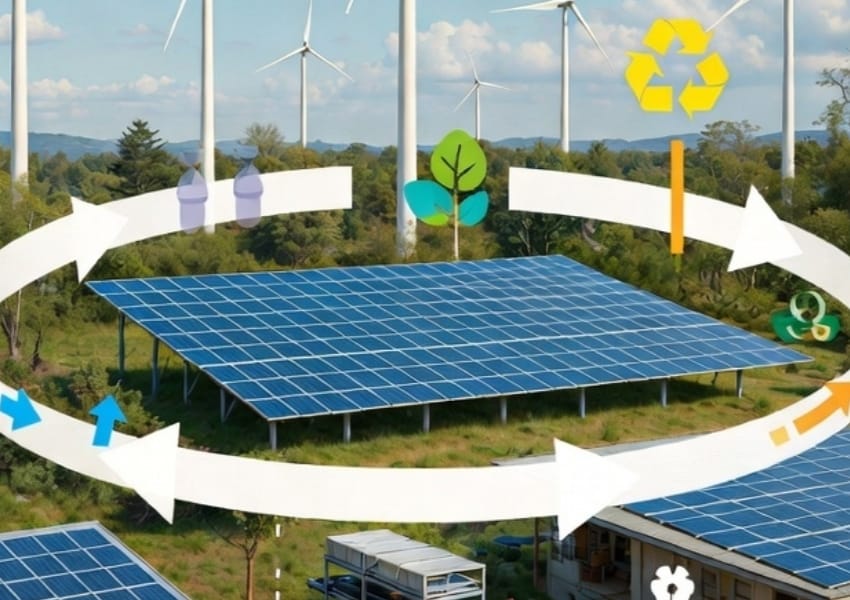
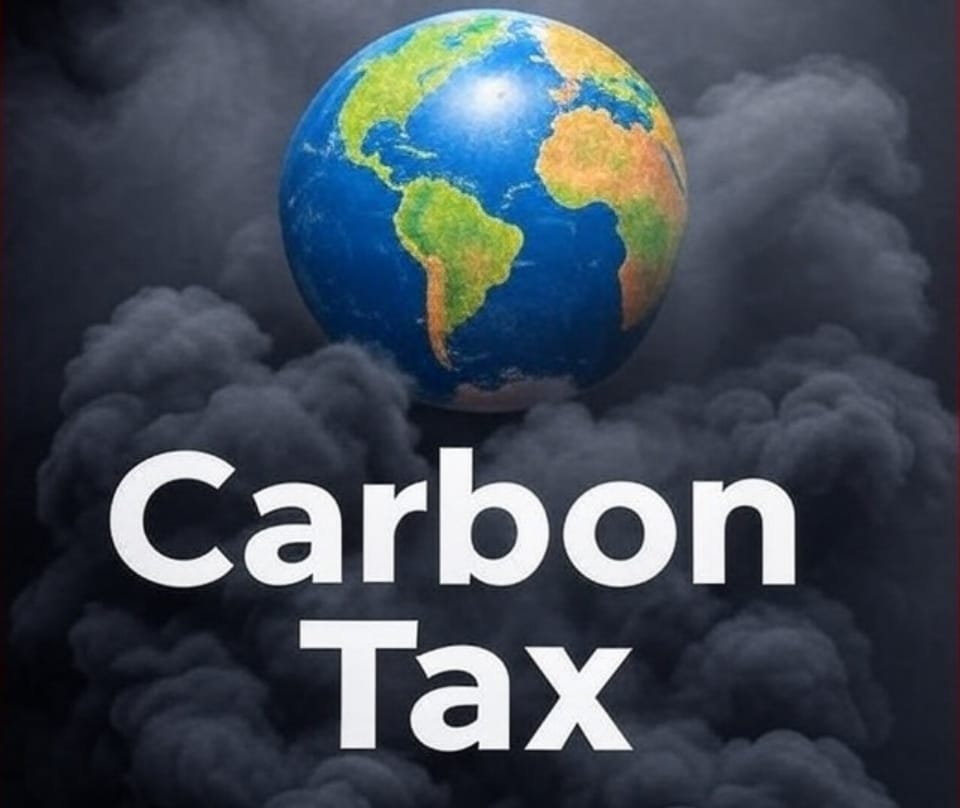
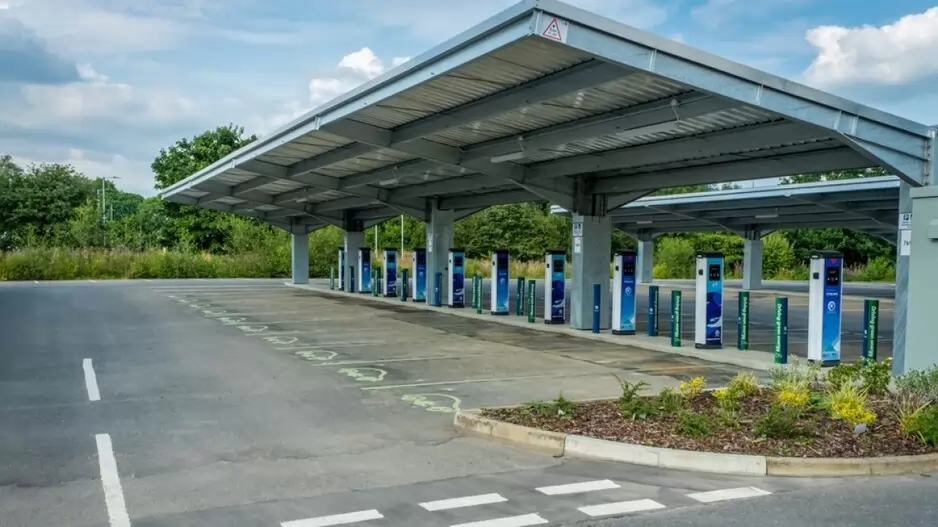
The authors argue that these hidden costs must be reflected in market prices to accelerate a shift towards cleaner and more sustainable choices. At the same time, they caution that higher prices should be offset by strong social protection measures to shield low-income households. Suggested policy tools include targeted subsidies for healthy diets, taxes on high impact foods and income support mechanisms.
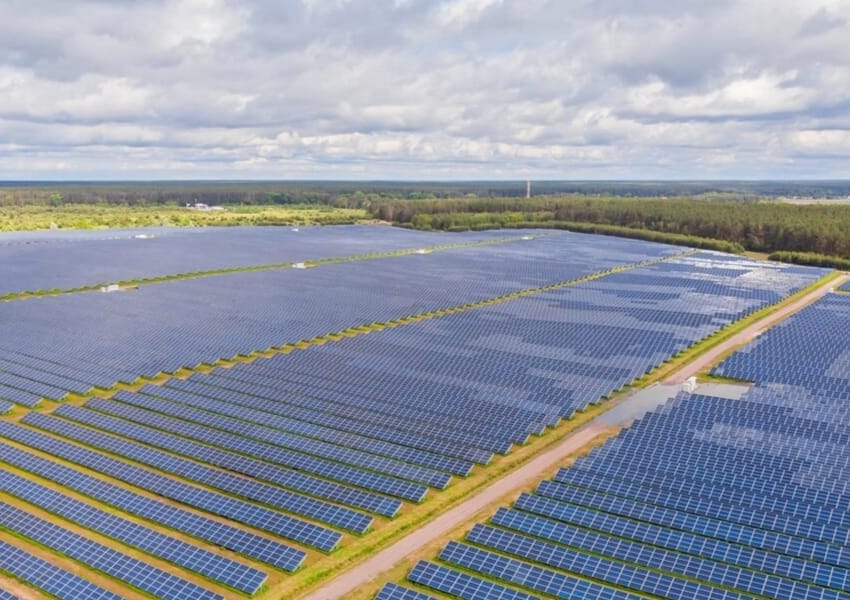
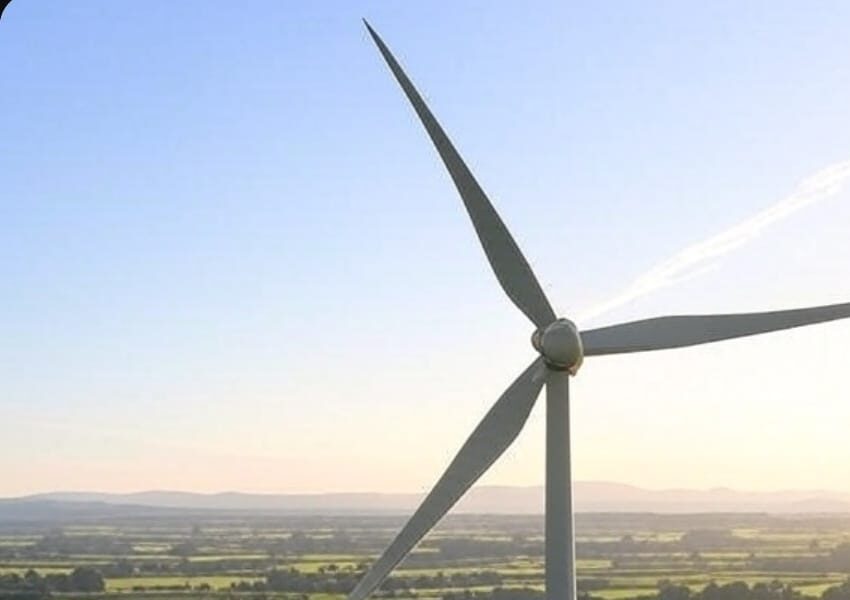
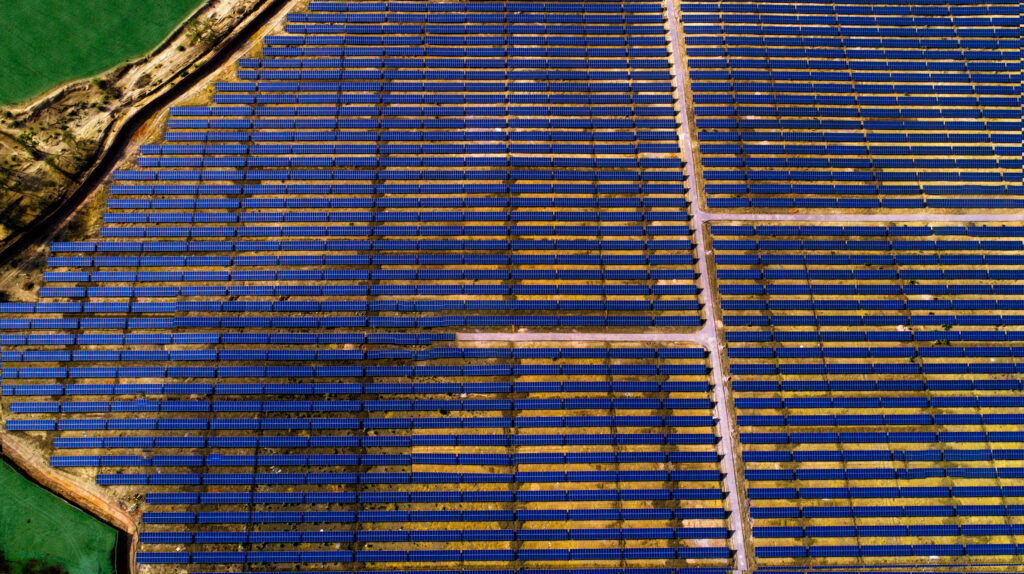
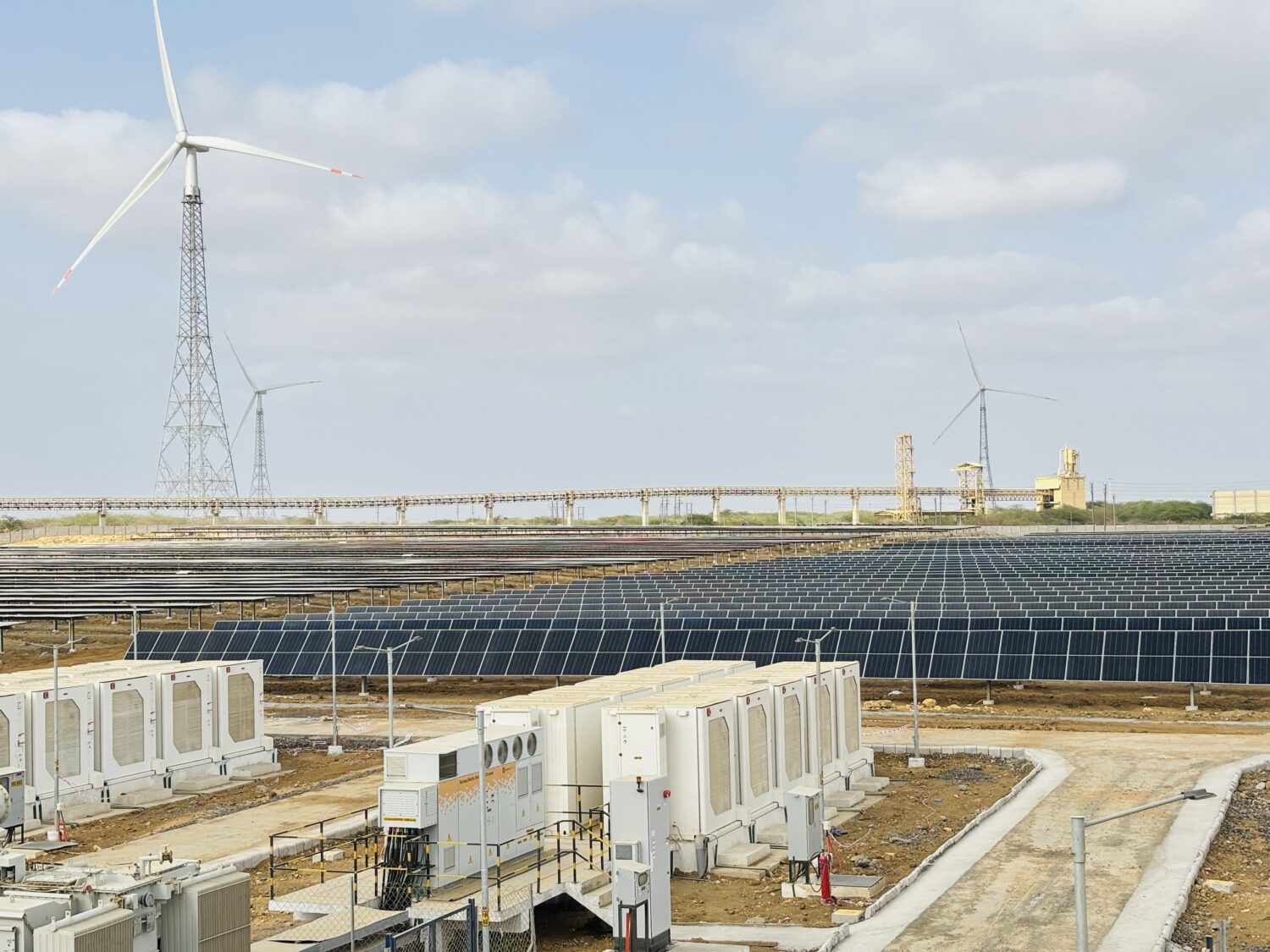
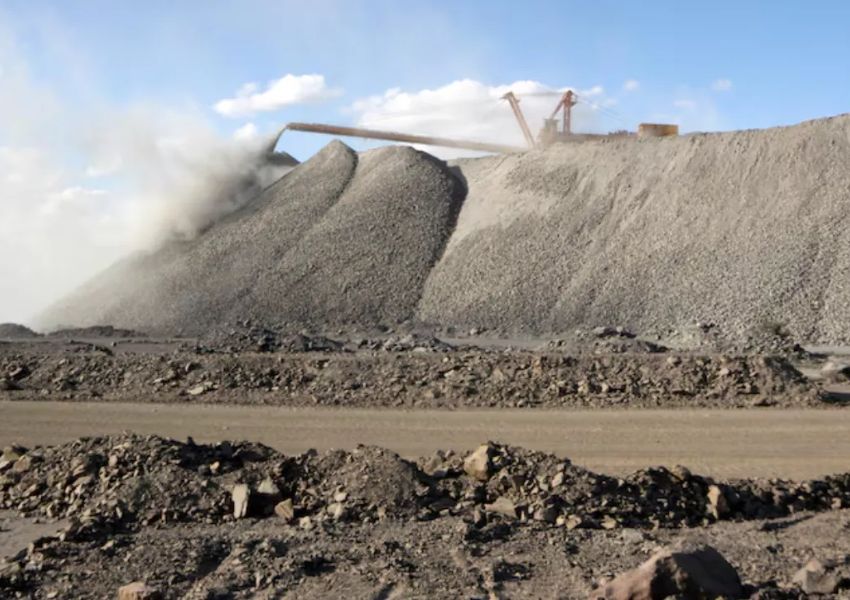
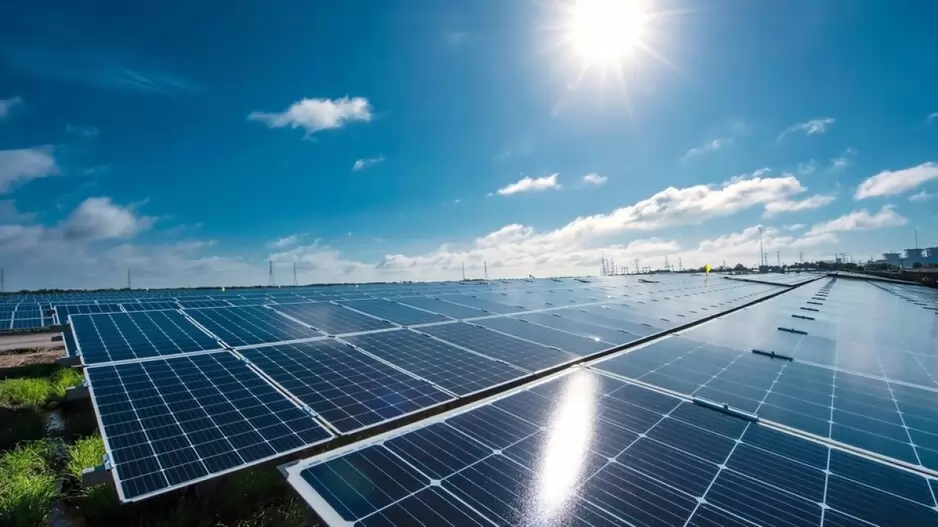
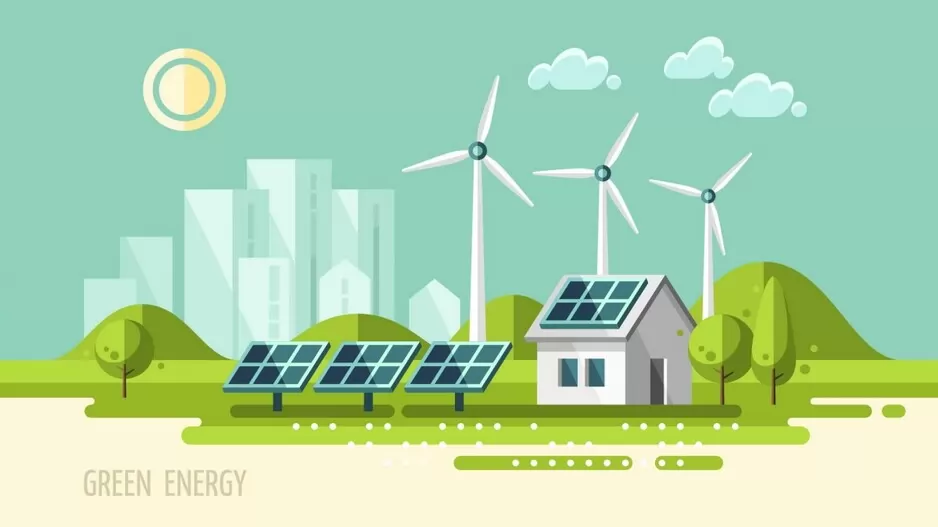
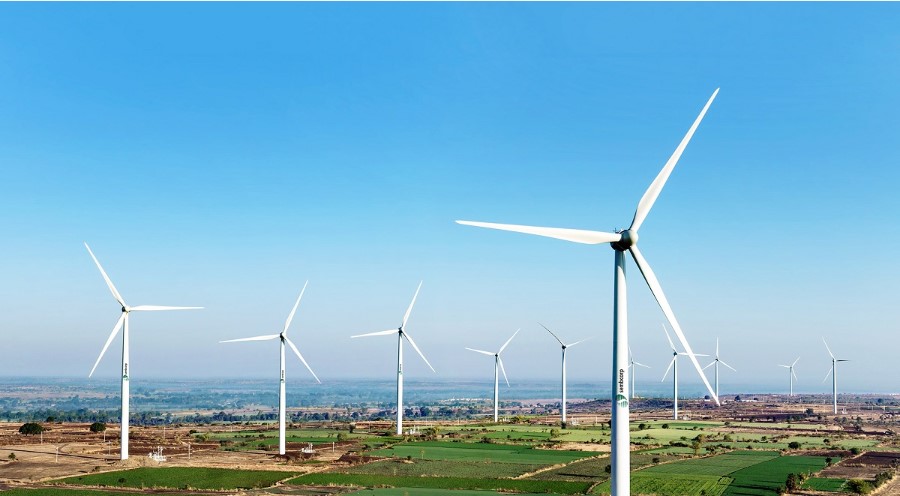
The report also highlights USD 1.5 trillion in subsidies that support environmentally harmful activities across energy, food and mining sectors. It says these incentives continue to prop up polluting industries even as renewable energy becomes cheaper and more competitive in many parts of the world.
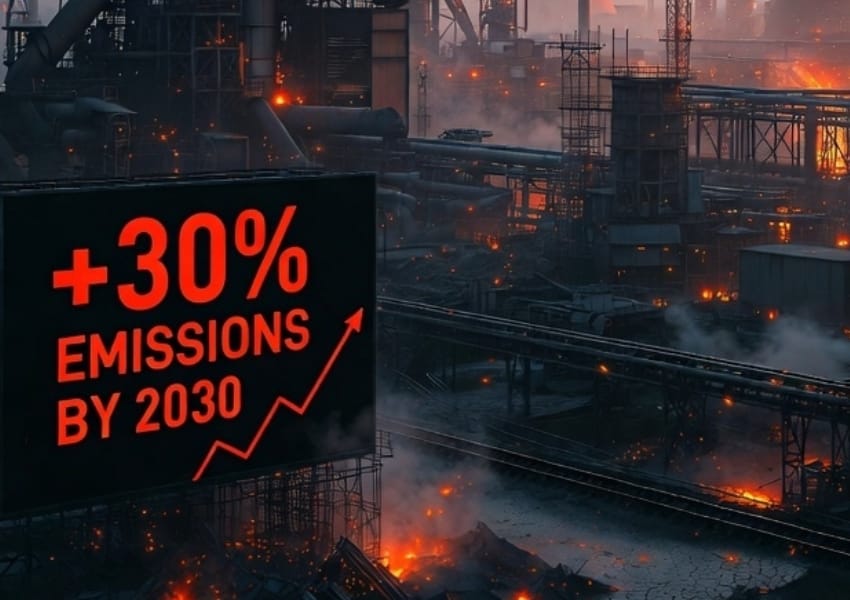
The assessment warns that the climate crisis may be advancing faster than many models suggest, with global warming tracking towards the upper range of projections outlined by the Intergovernmental Panel on Climate Change. It estimates that removing fossil fuel subsidies alone could cut global emissions by nearly one third.
Described as an urgent call to action, the 1,100-page report concludes that scientific solutions are already available but political will remains insufficient. It notes that geopolitical tensions and resistance from powerful economic interests are slowing progress, making public pressure a critical driver for change.
The authors warn that the window for meaningful action is narrowing, and that failure to act decisively could lock the world into a future of escalating economic and environmental instability.