




























































































































































































































































































































































































































































Water Scarcity May Emerge As India’s Biggest Economic Constraint, Says Former CWC Chairman

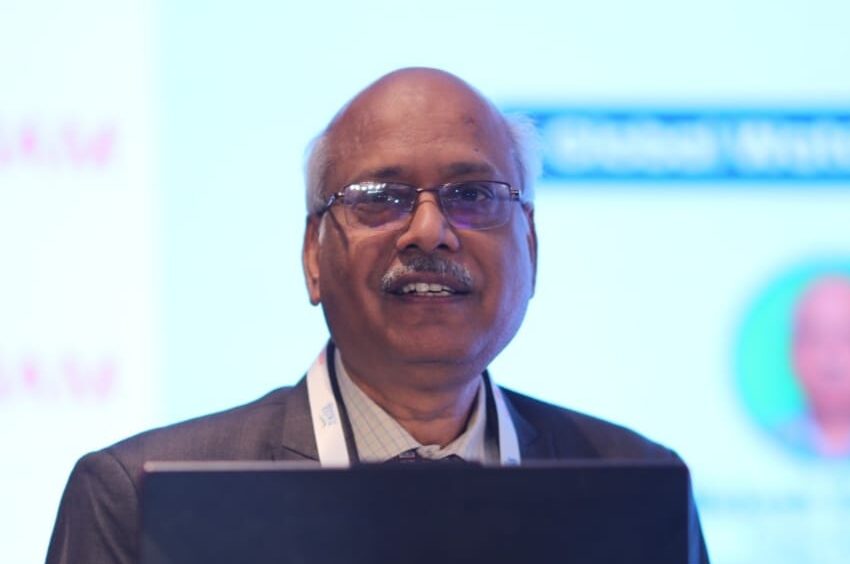
Former CWC chairman urges reforms in pricing, storage and irrigation efficiency to prevent scarcity from weakening food security, energy access and long-term growth
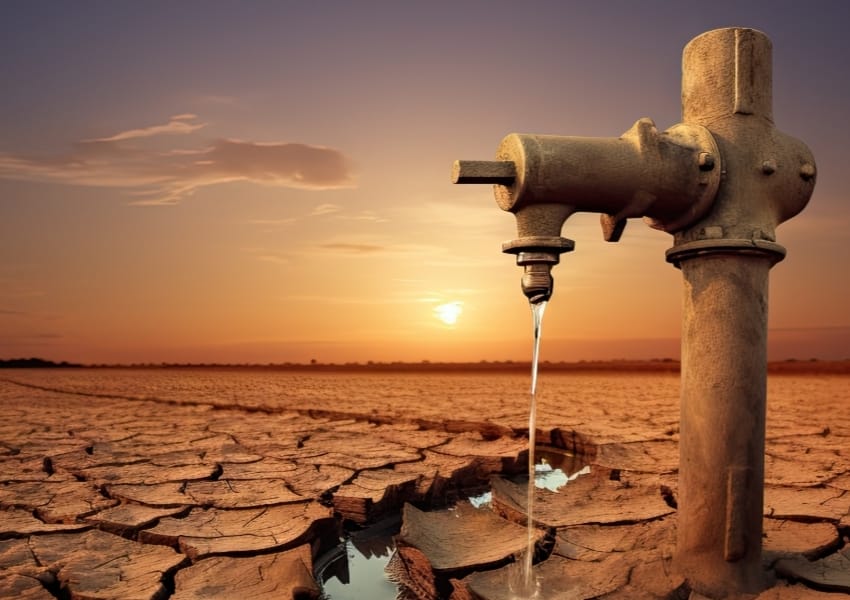
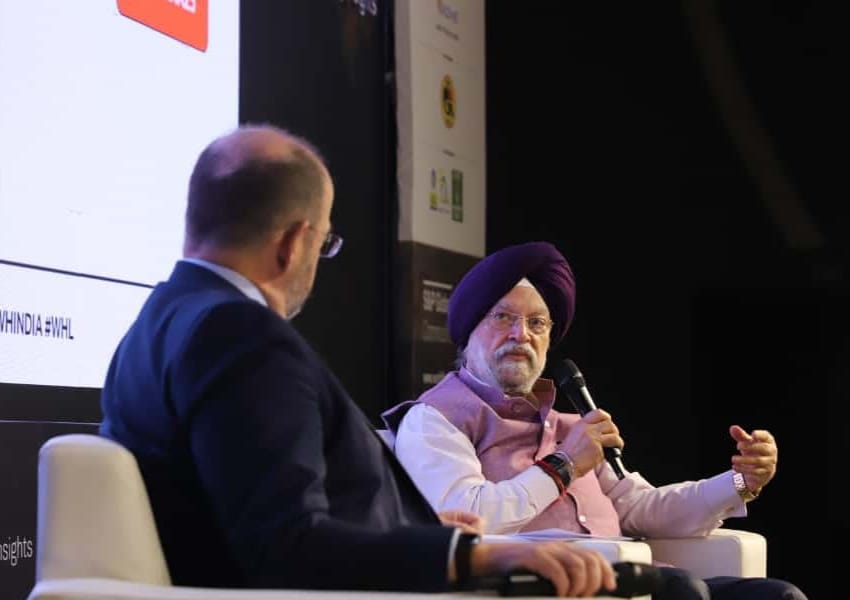
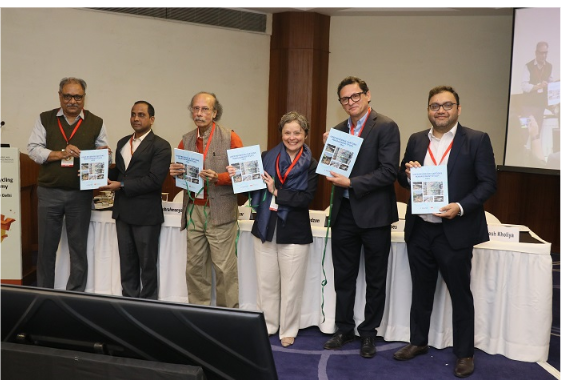
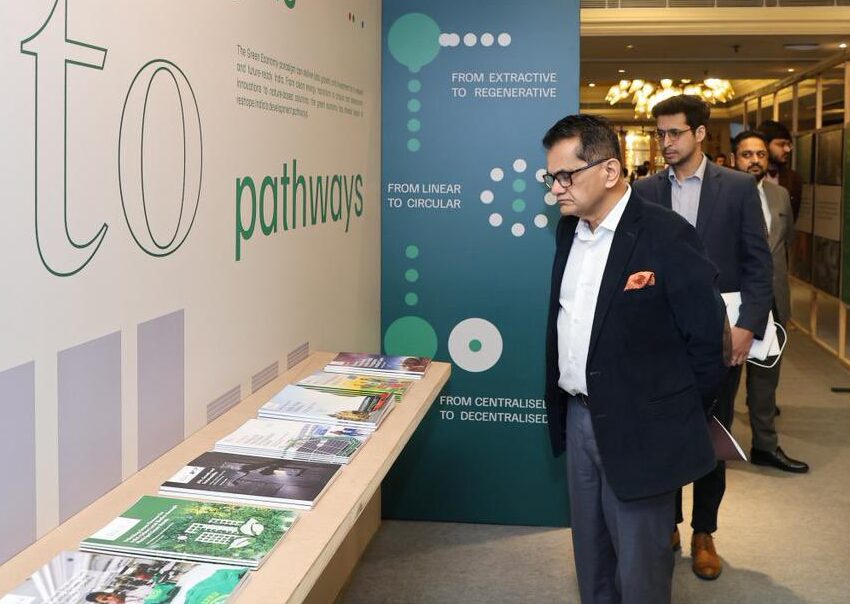
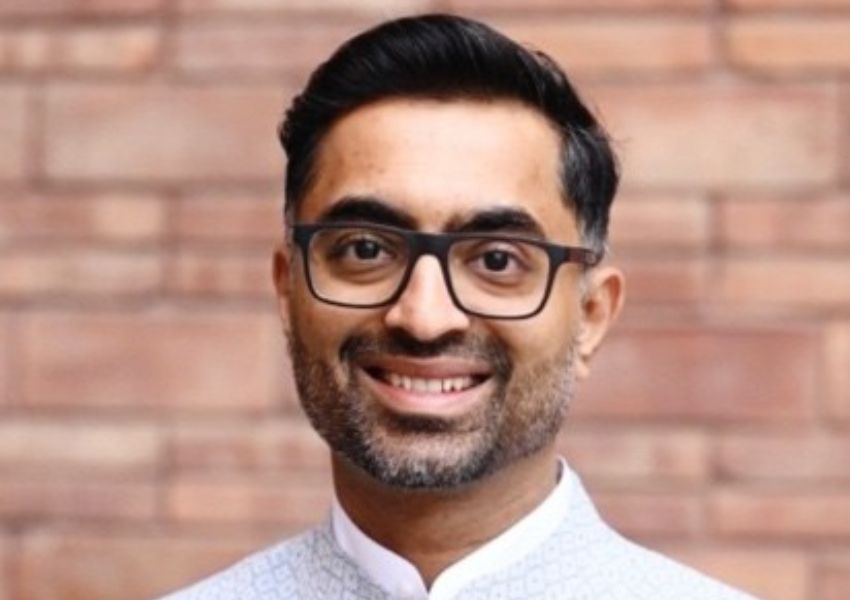
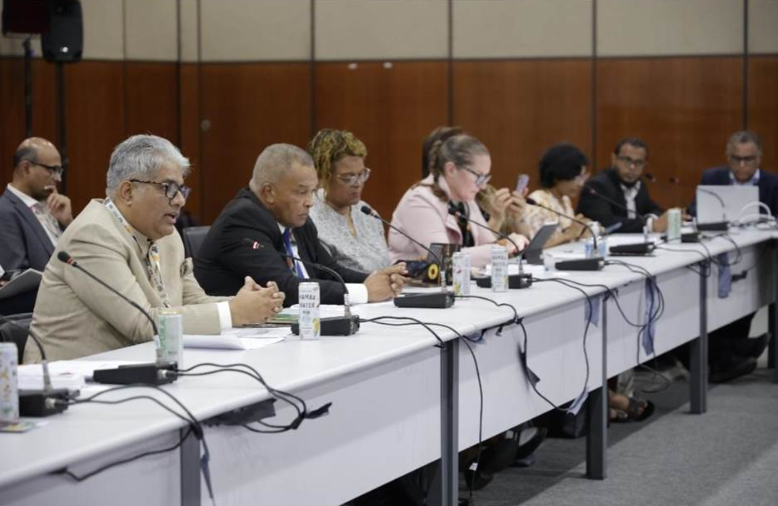
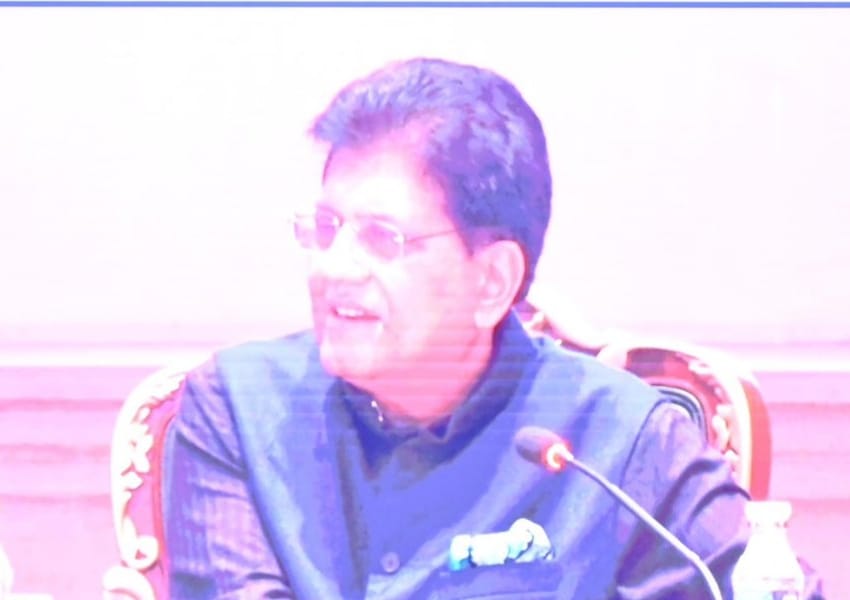
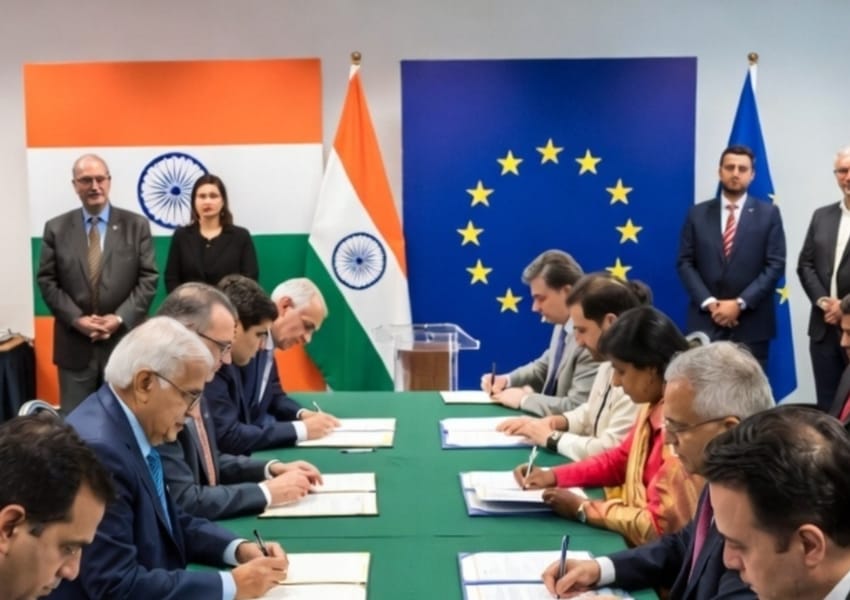
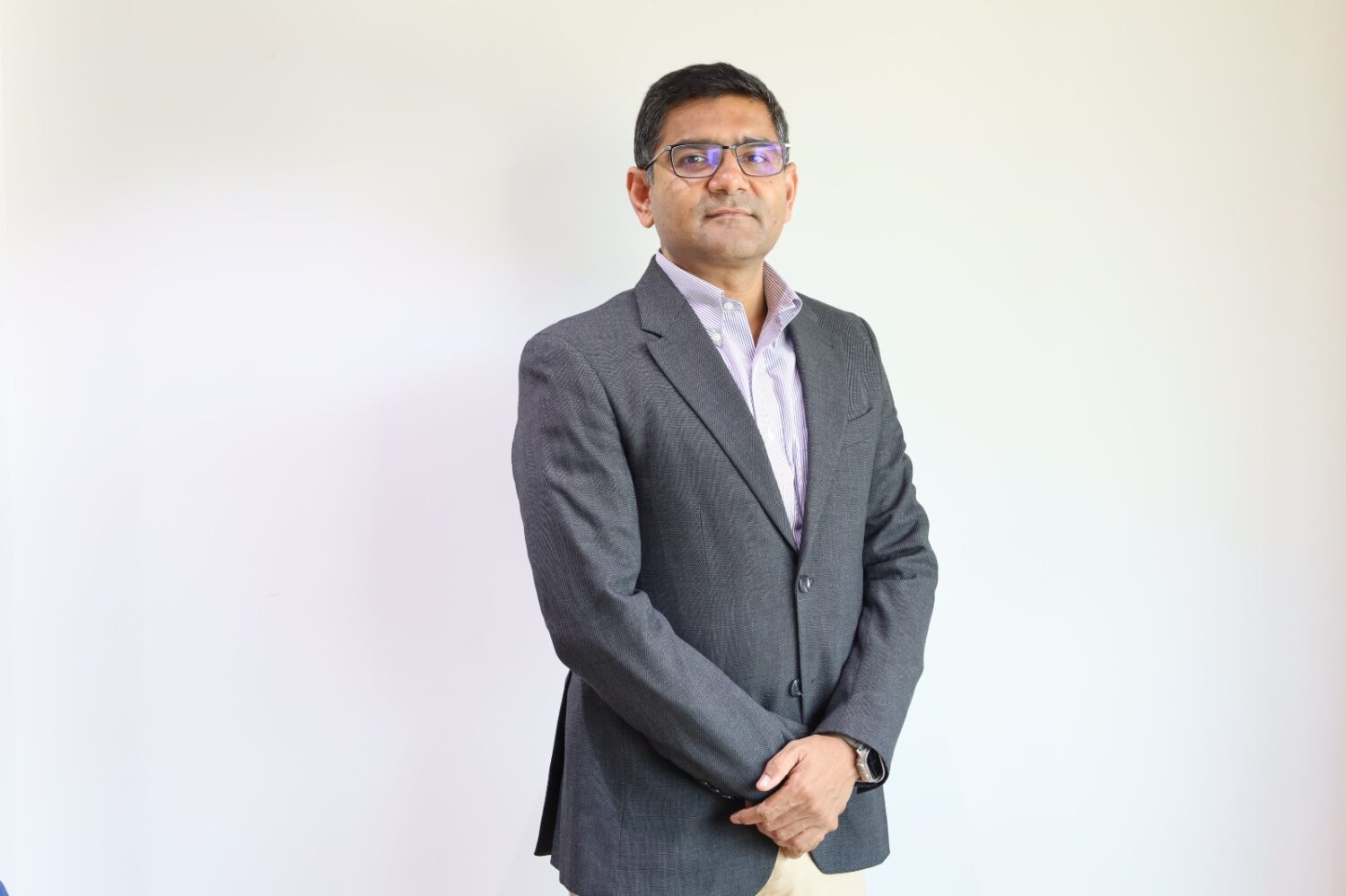
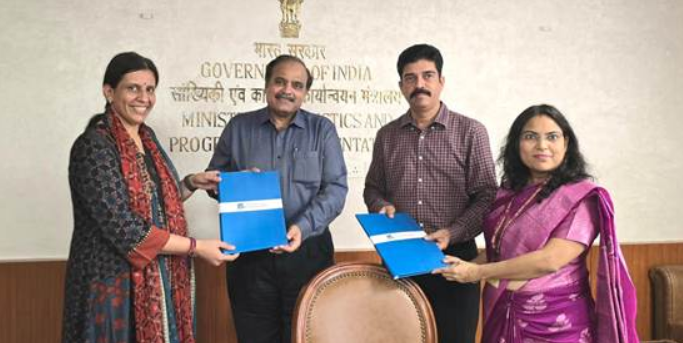
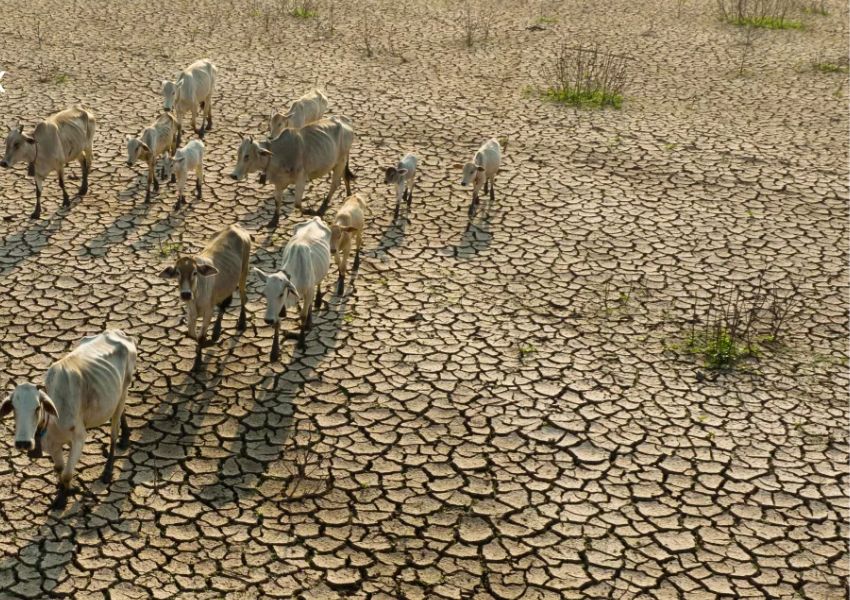
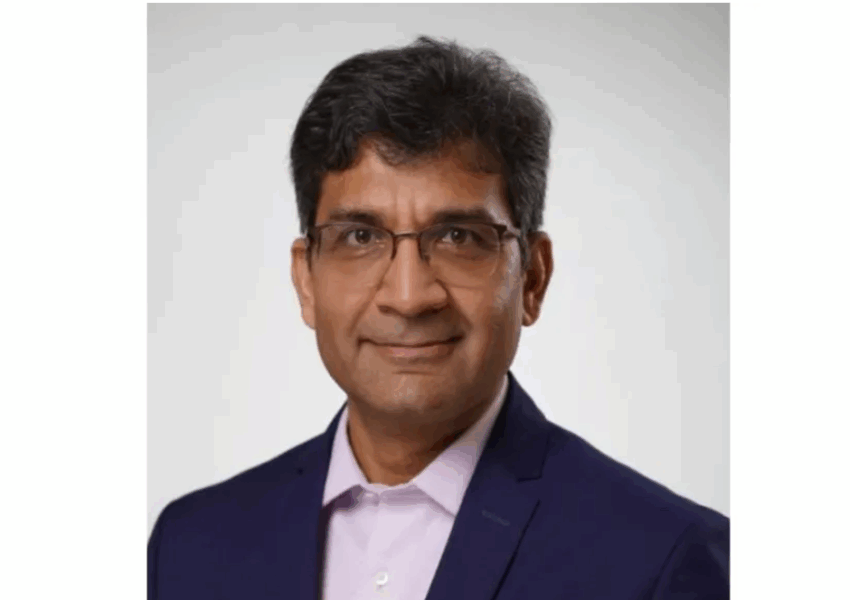
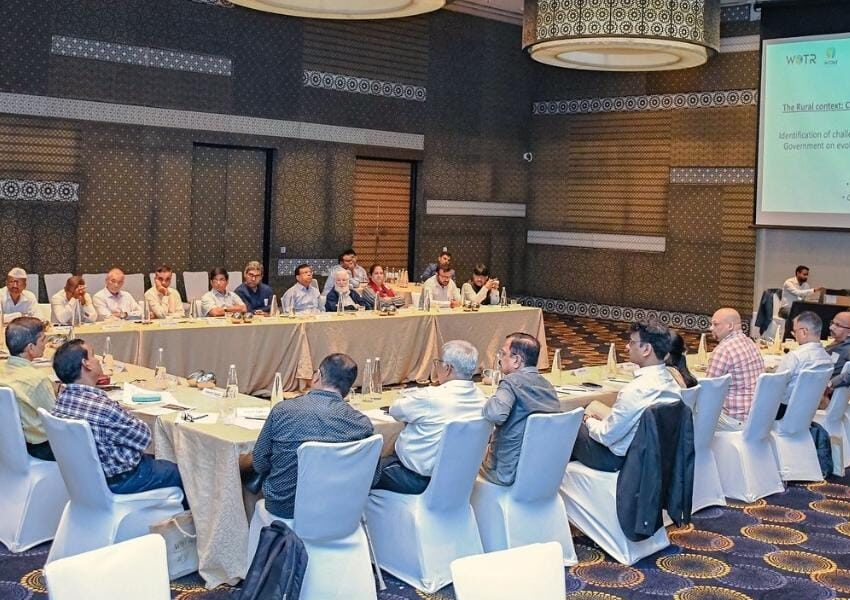
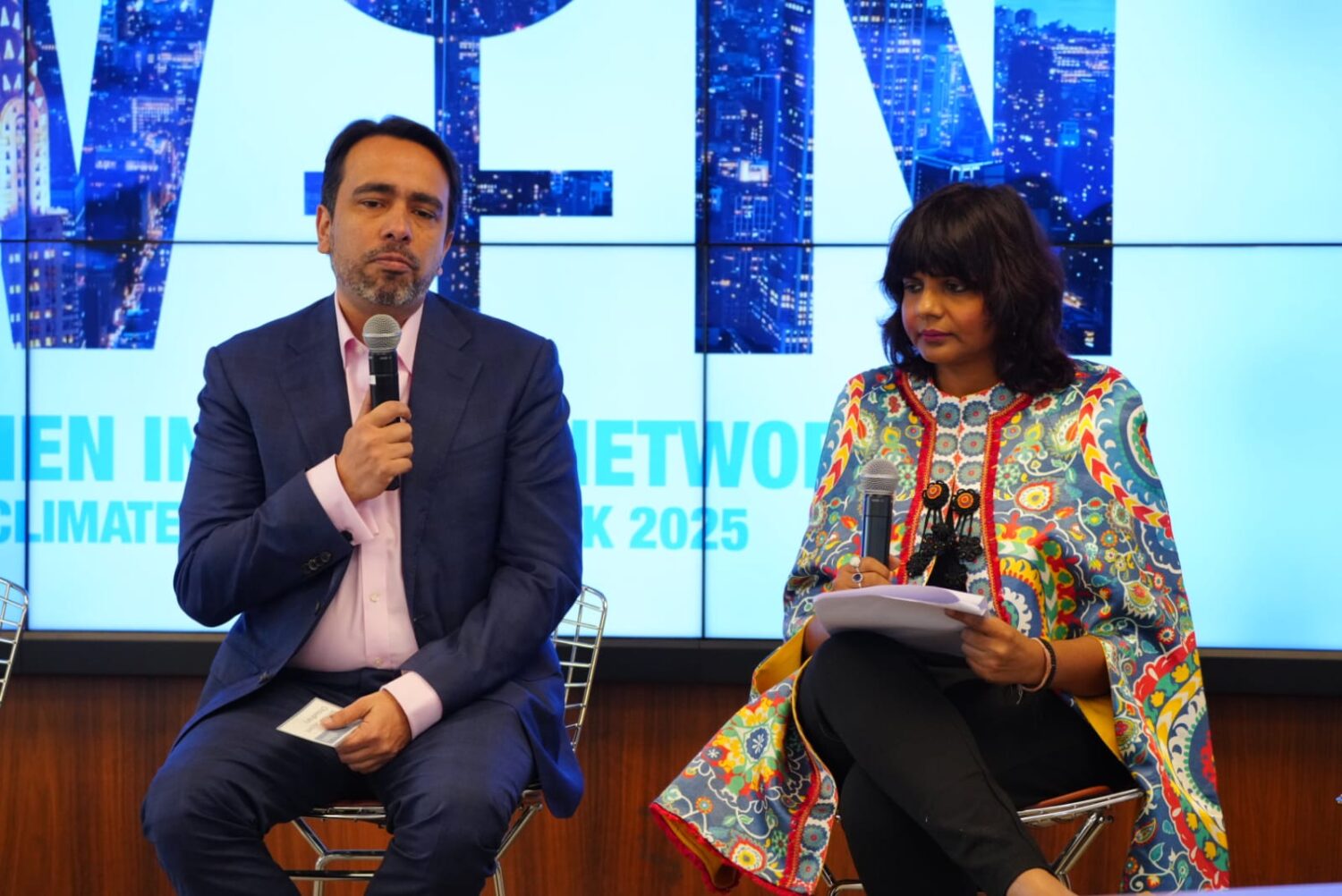
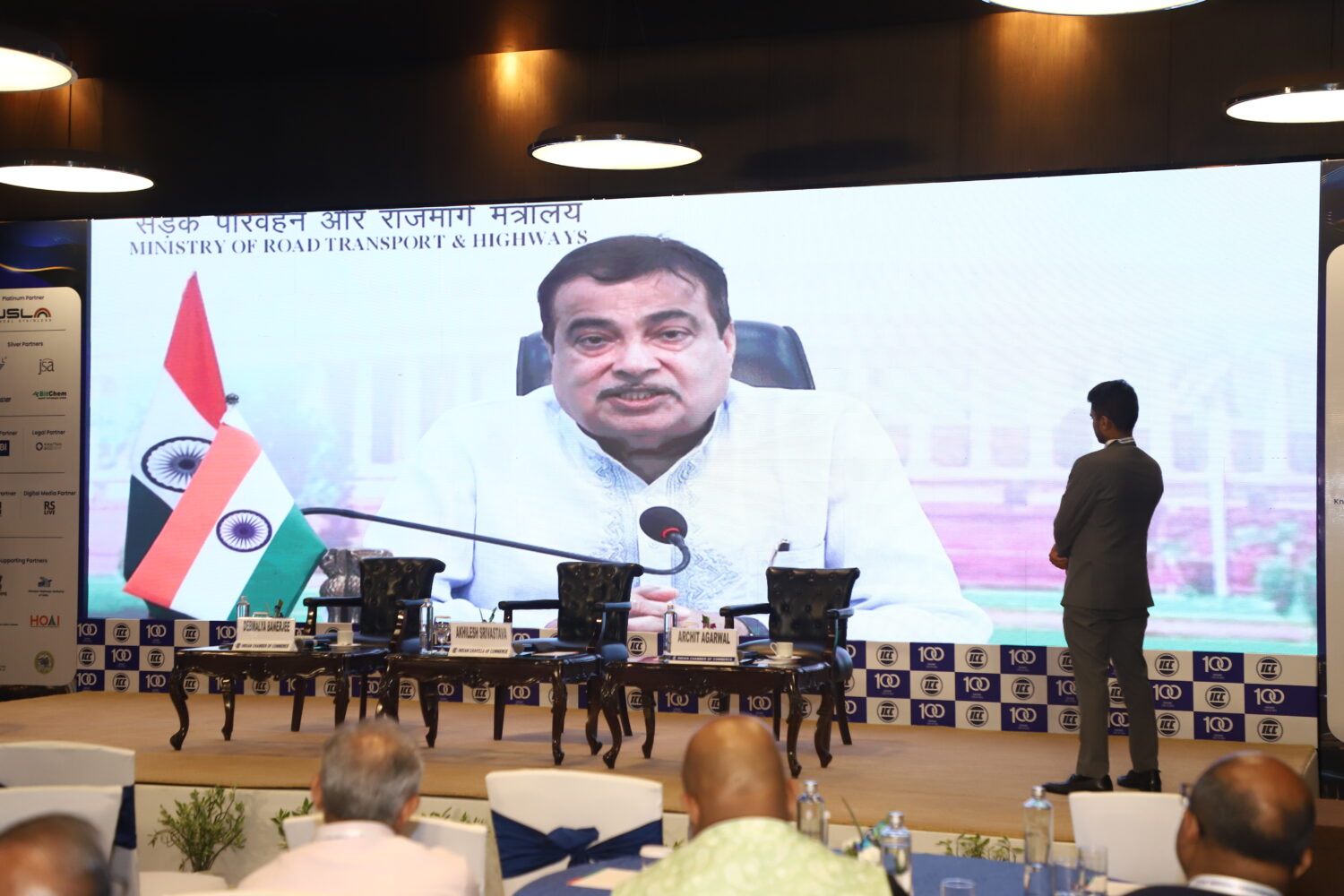
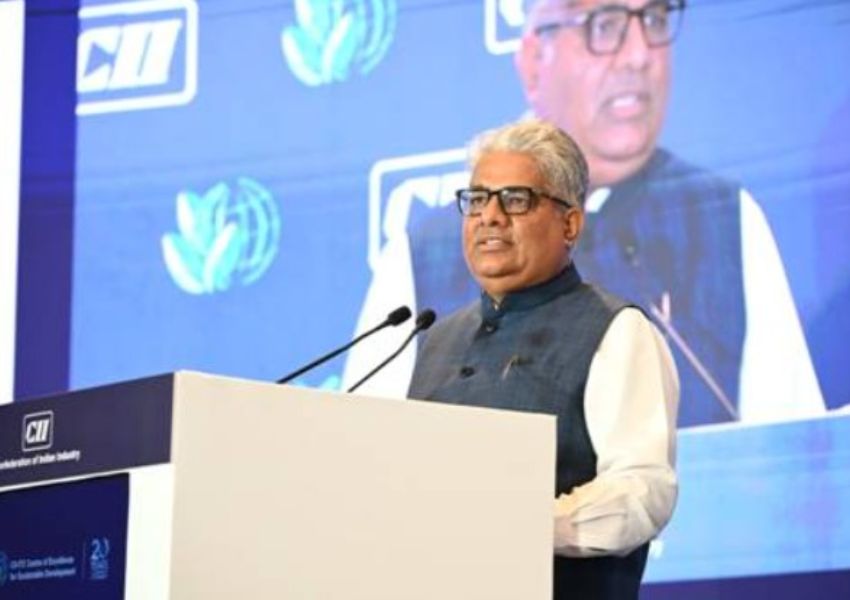
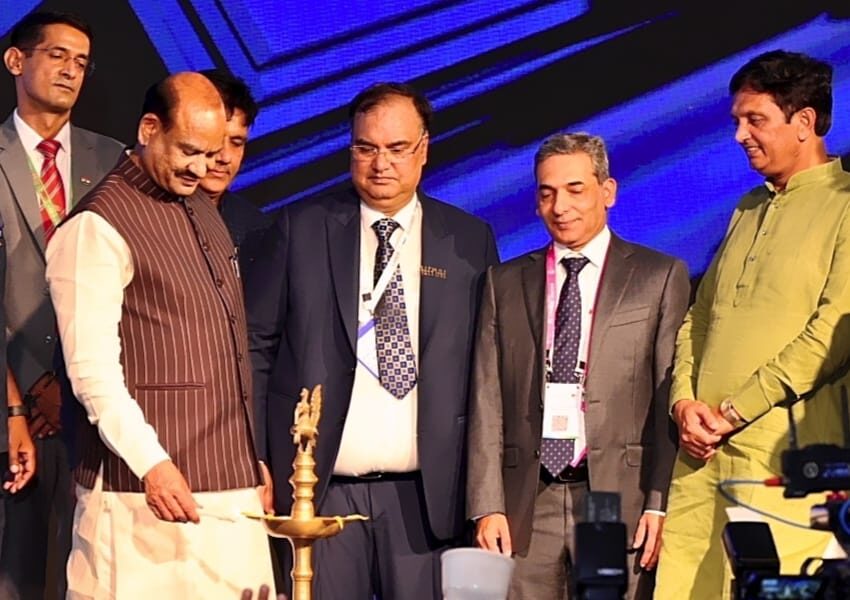
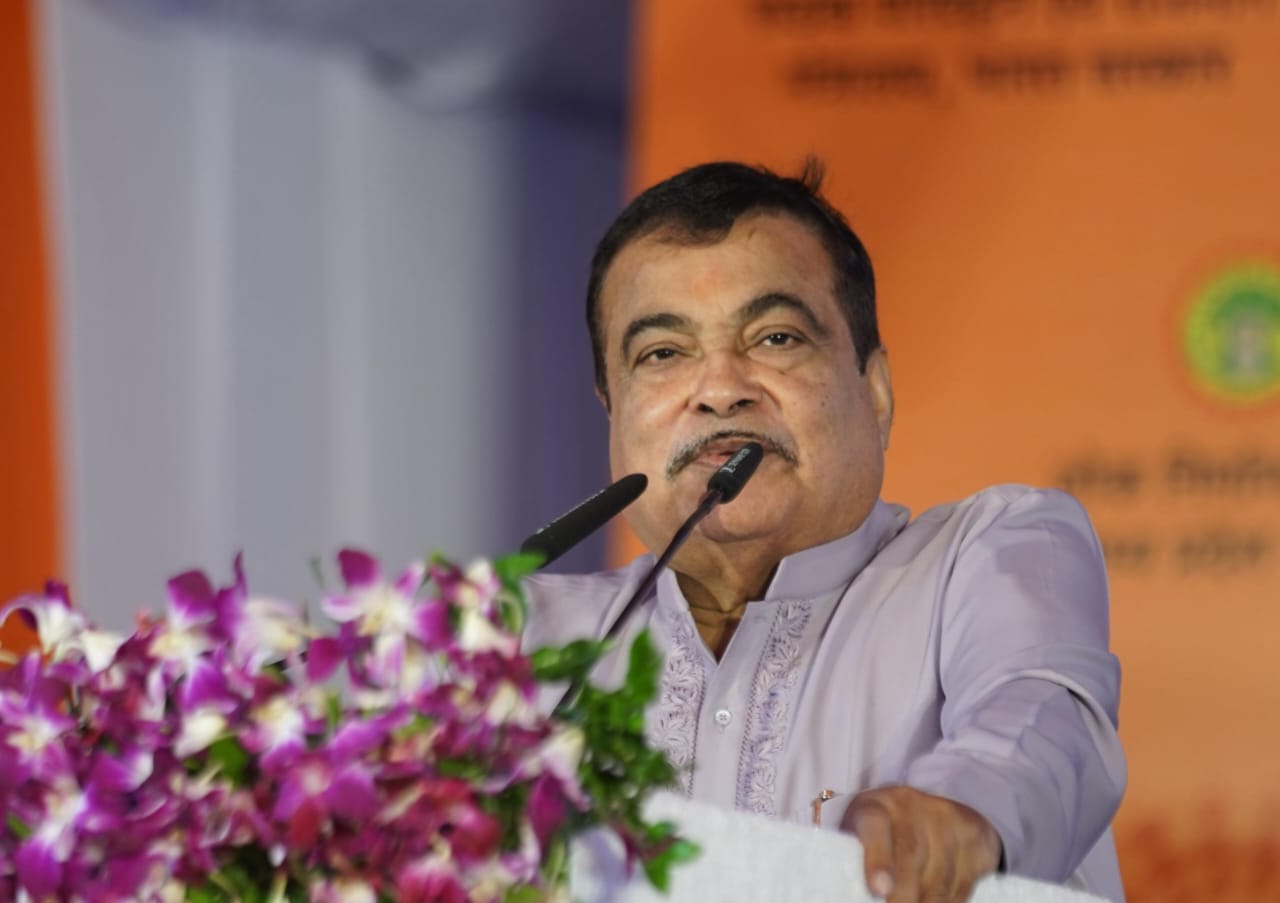
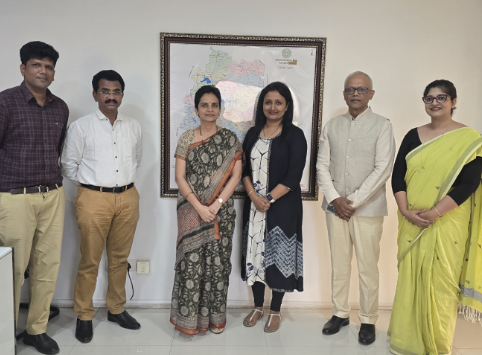
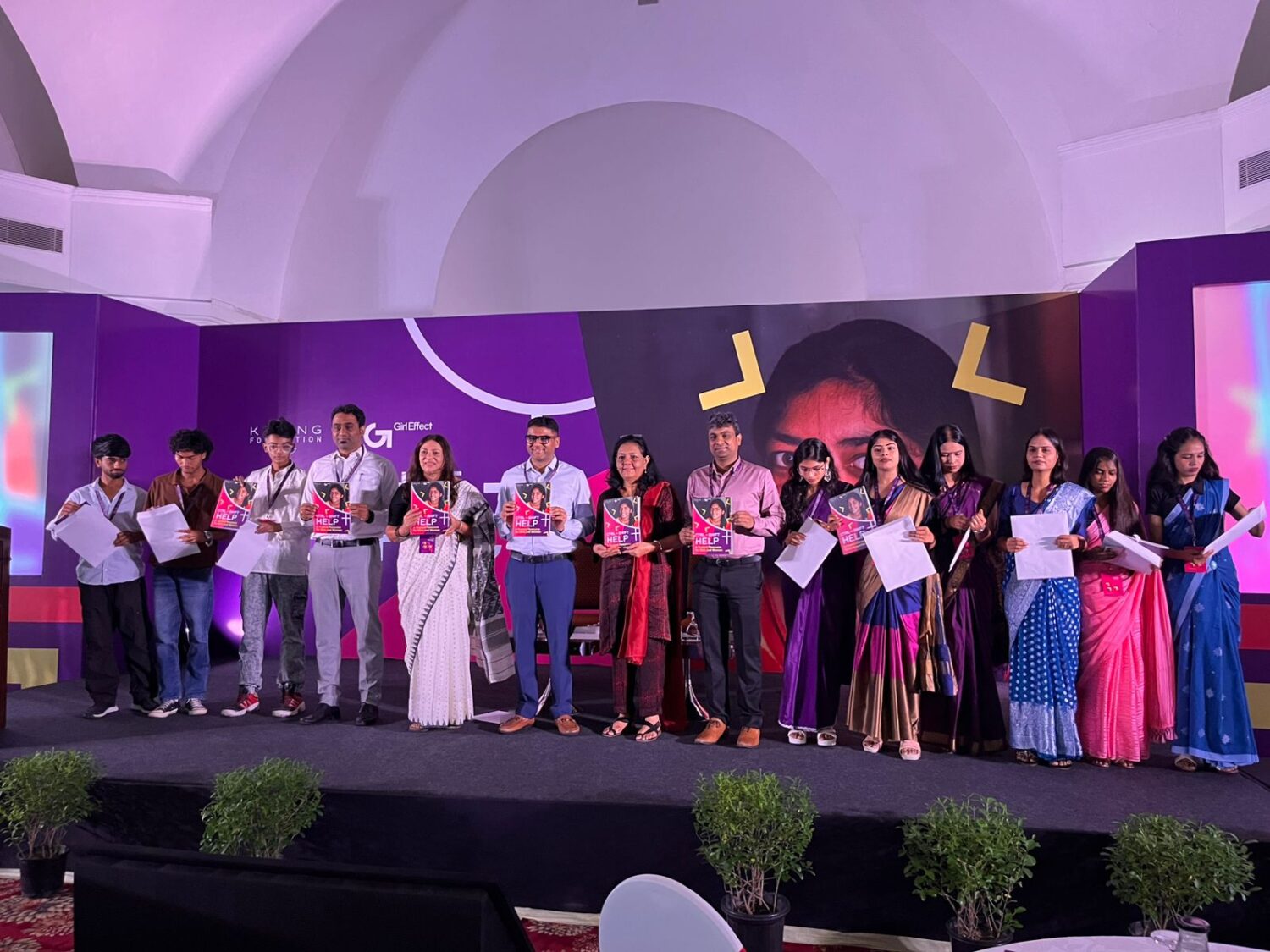
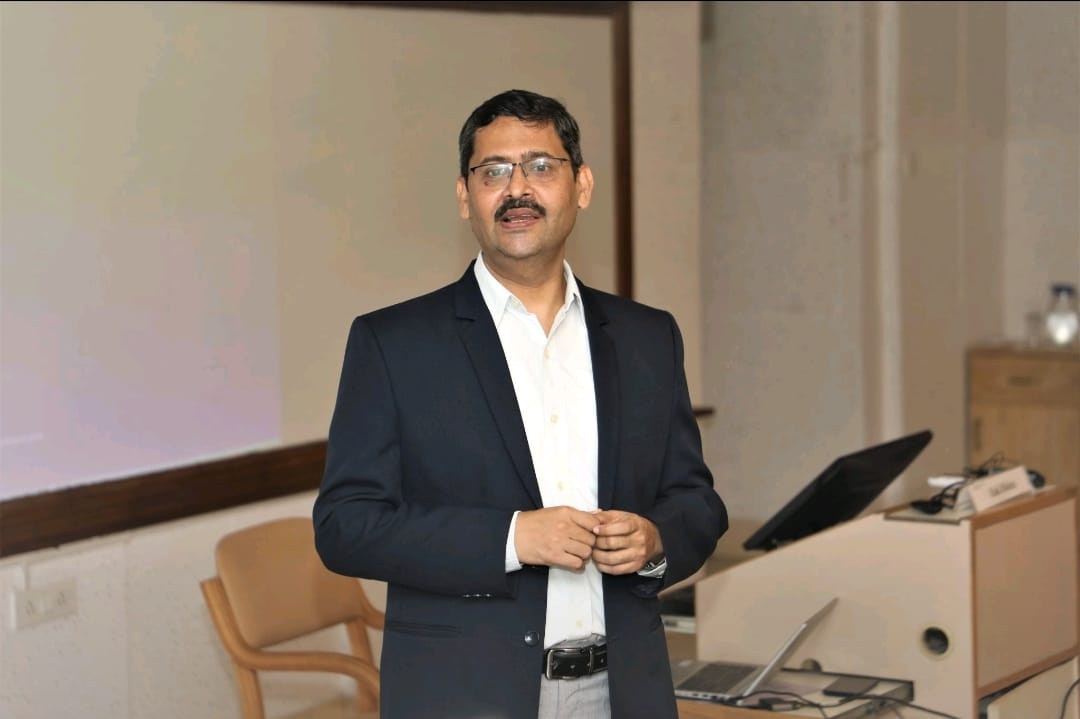
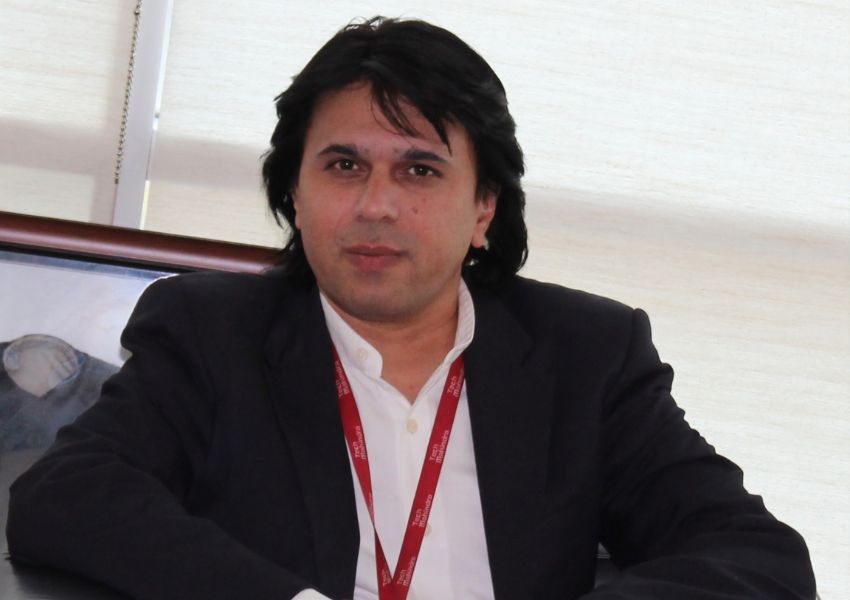
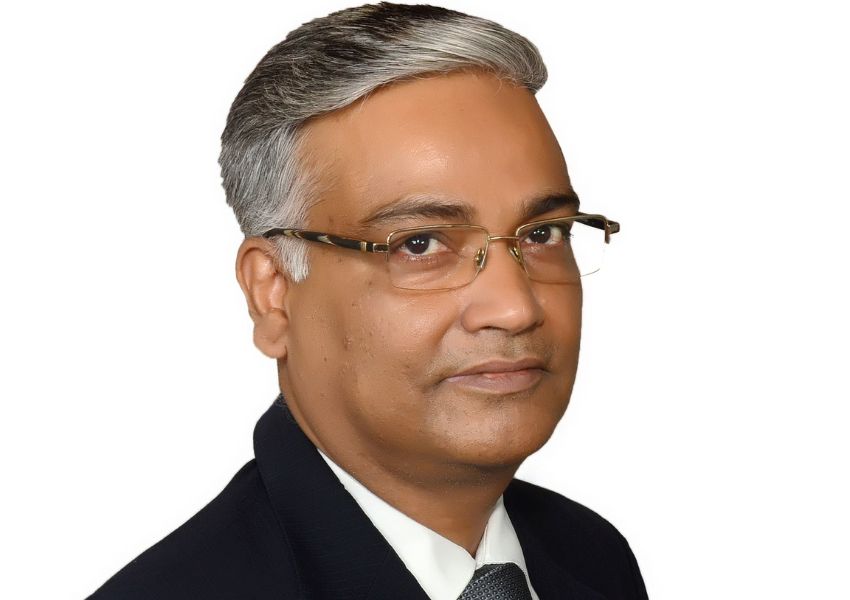
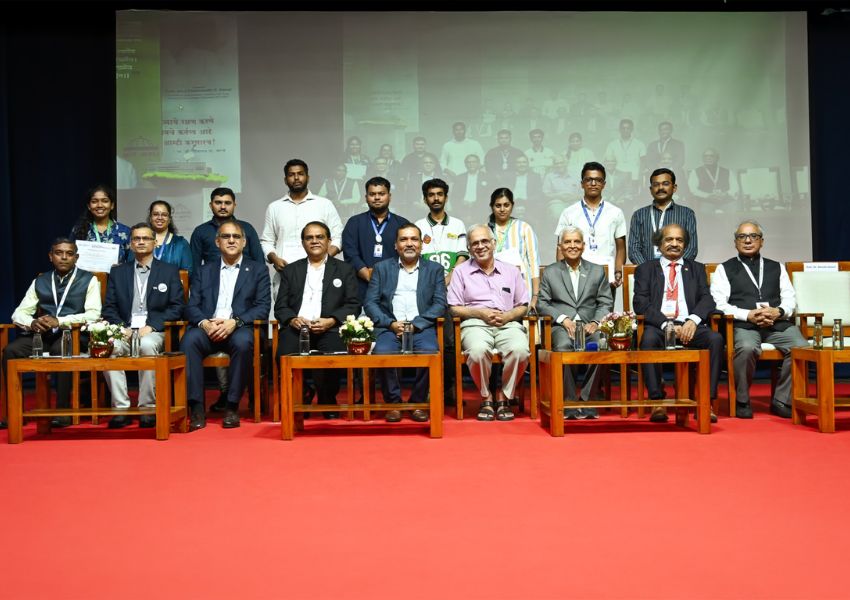
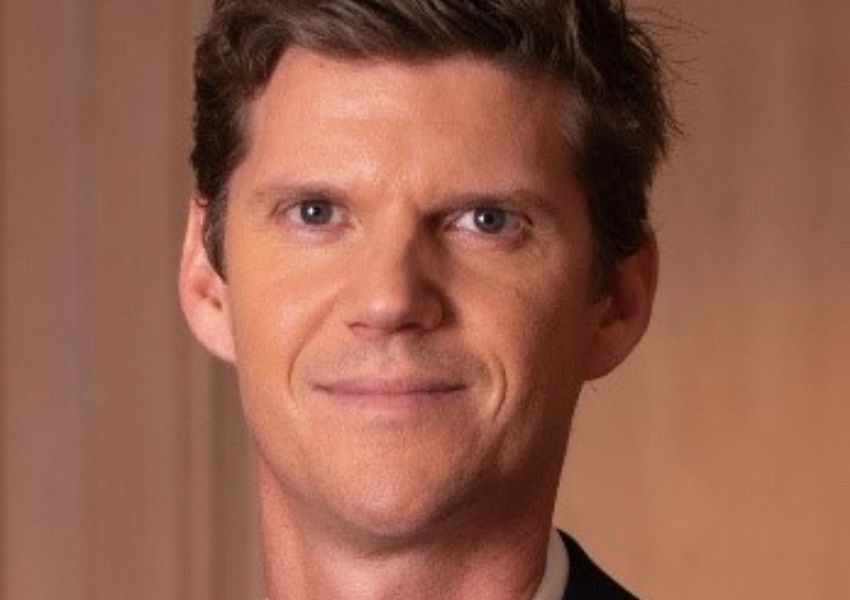
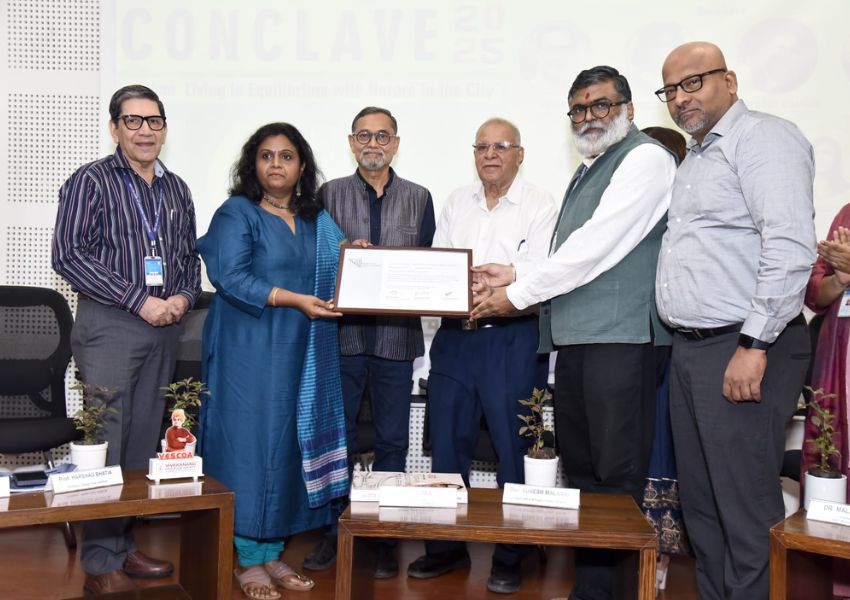
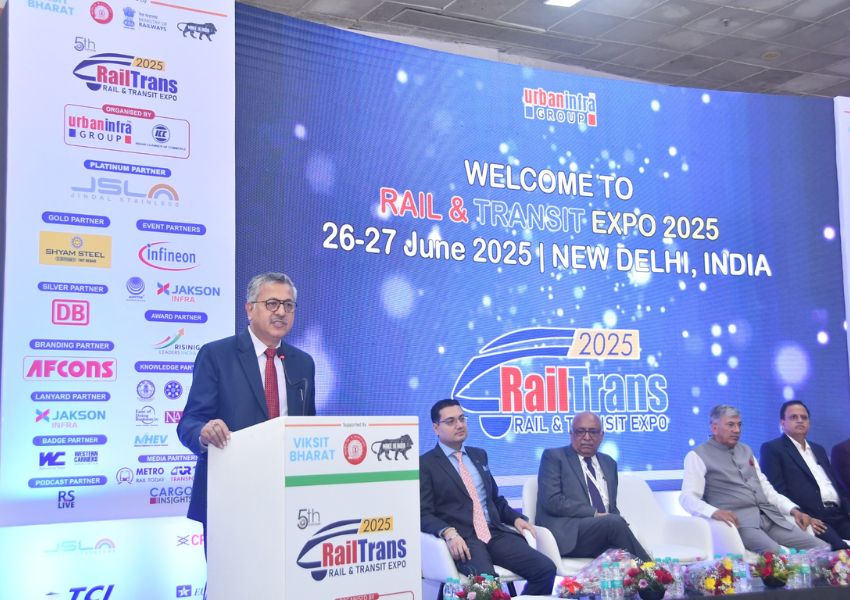
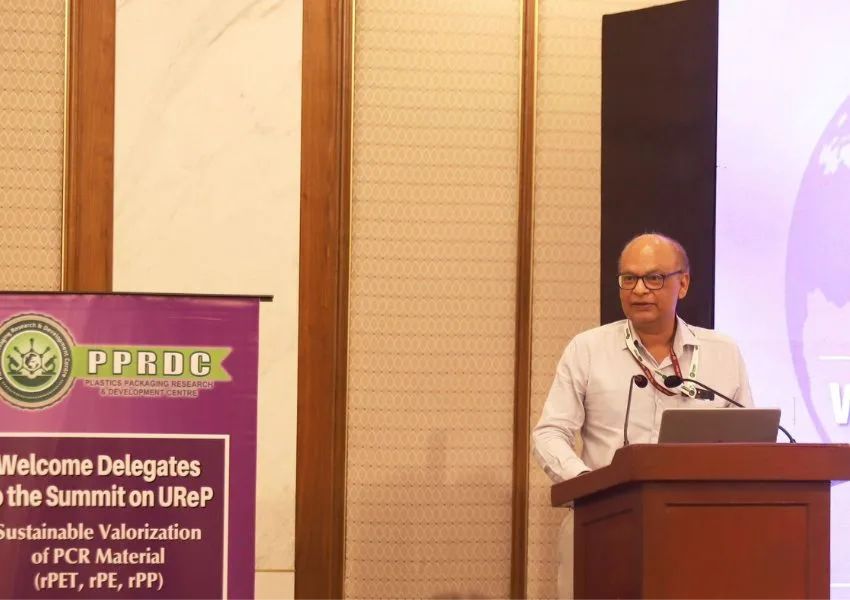
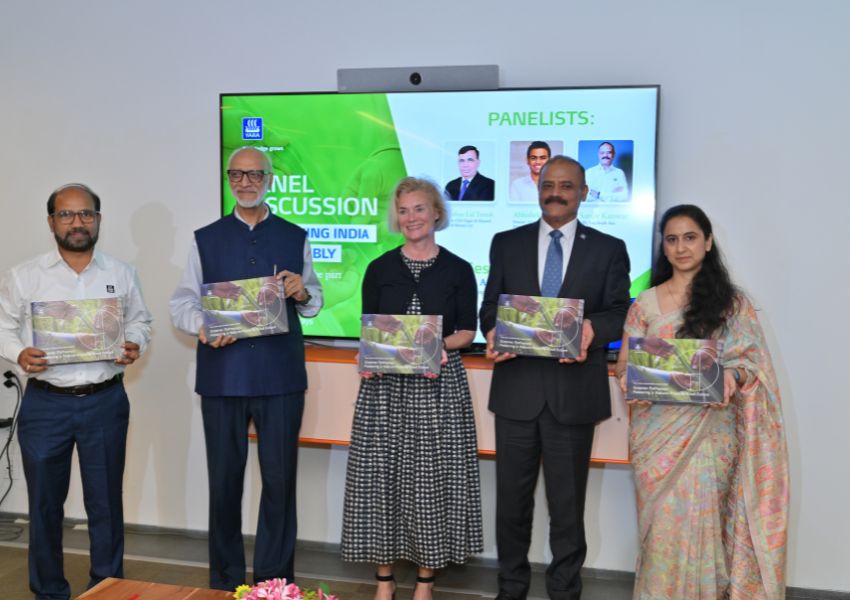
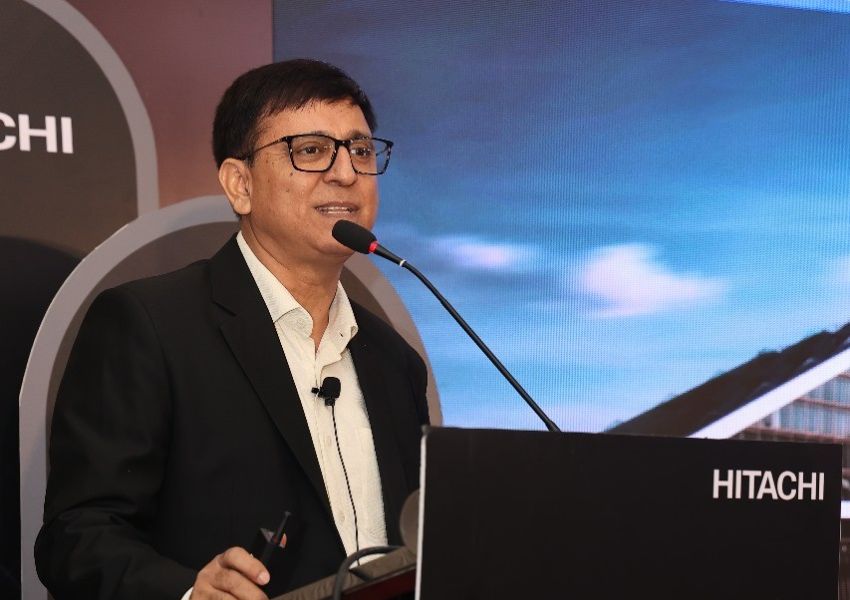
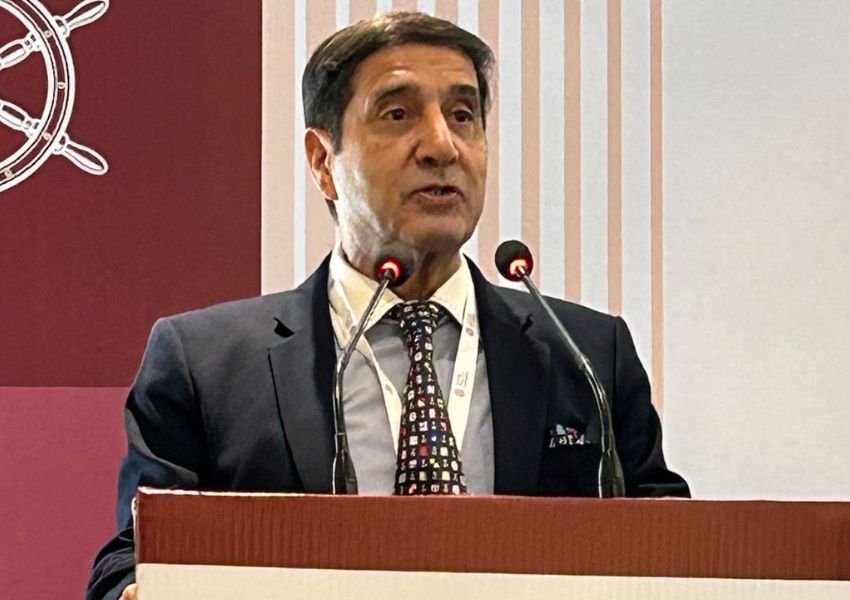
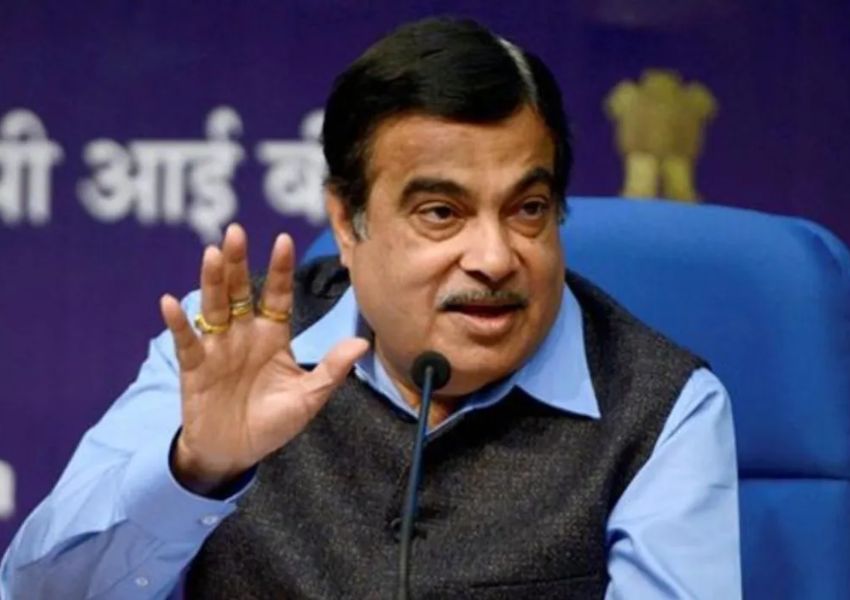
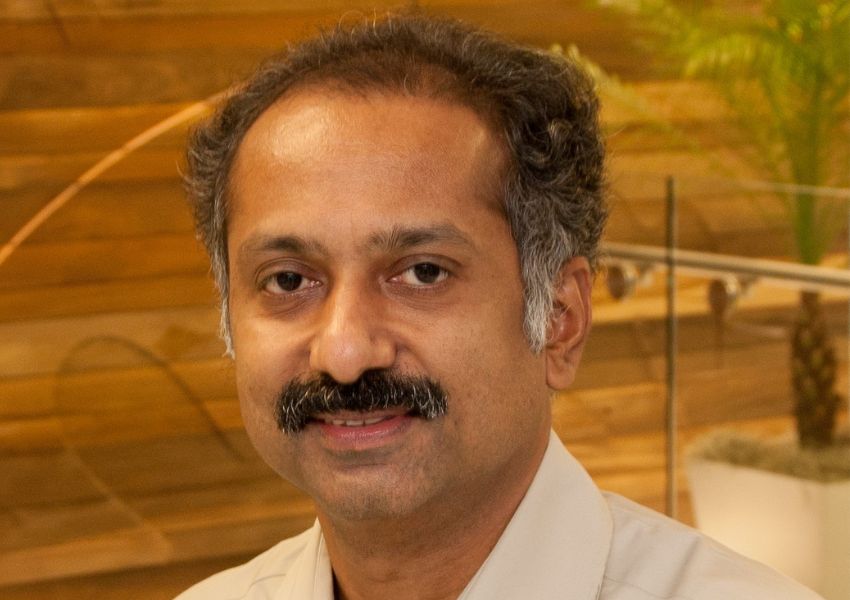
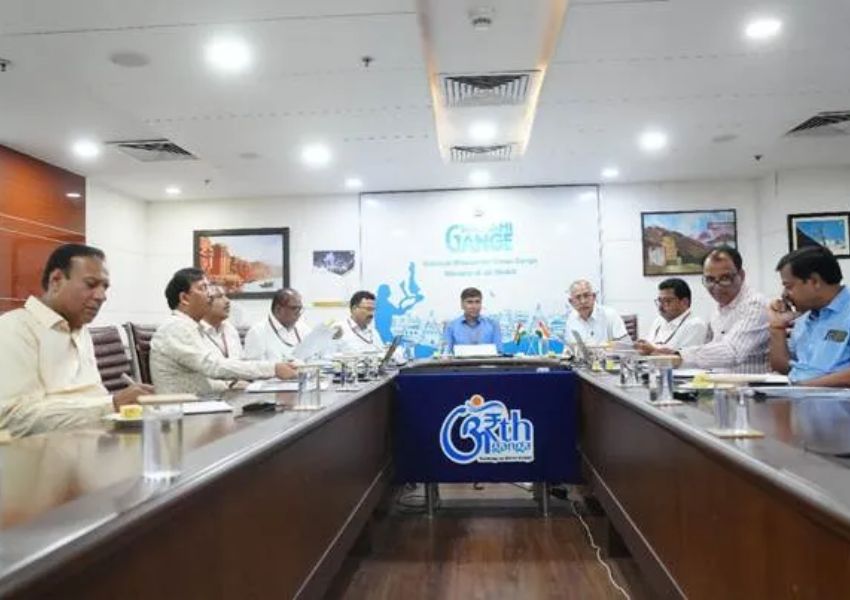
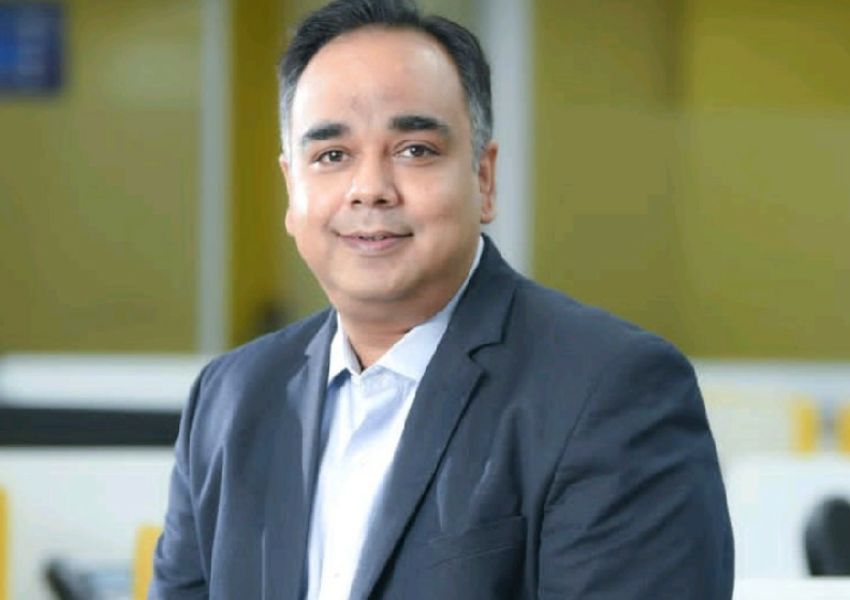
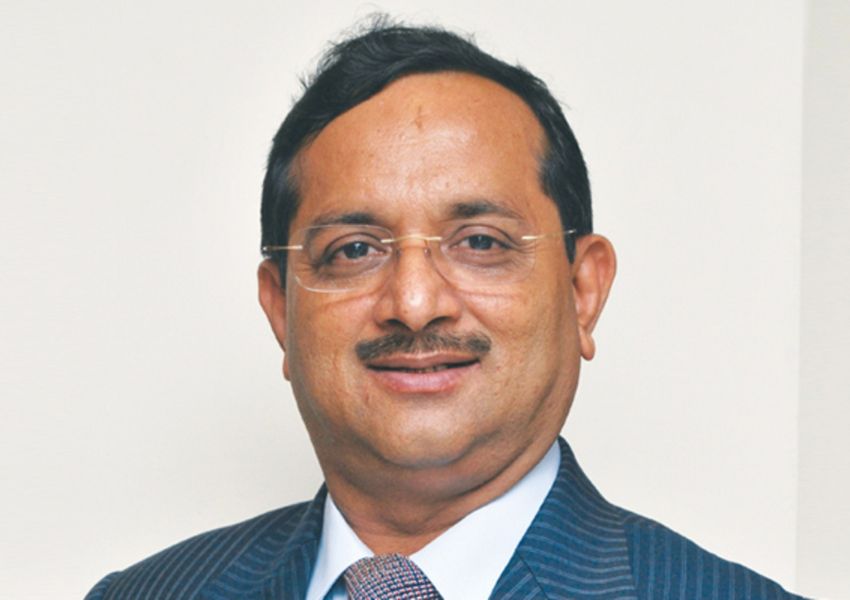
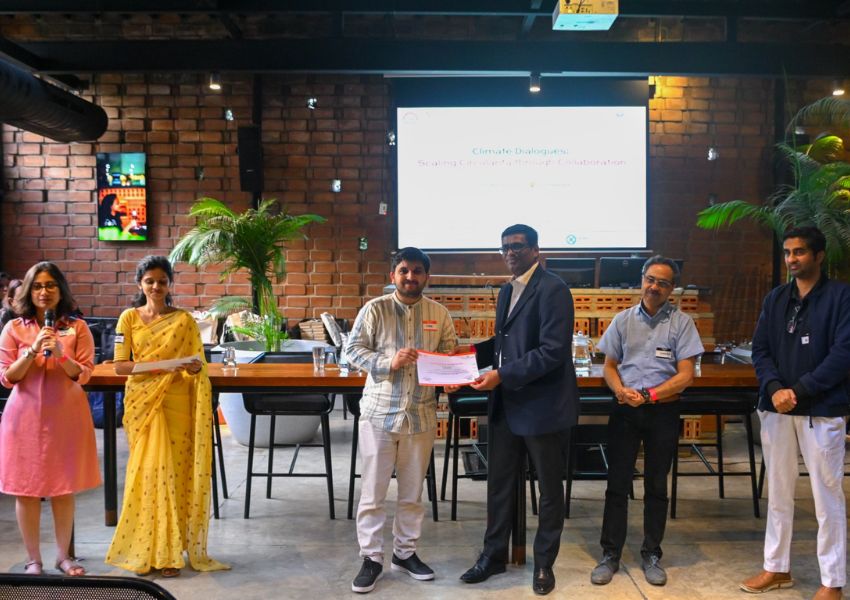
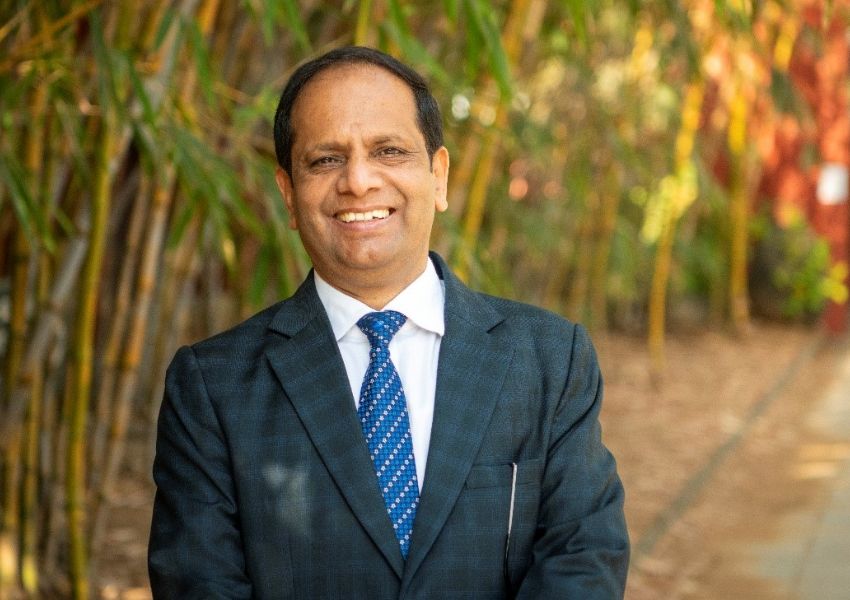
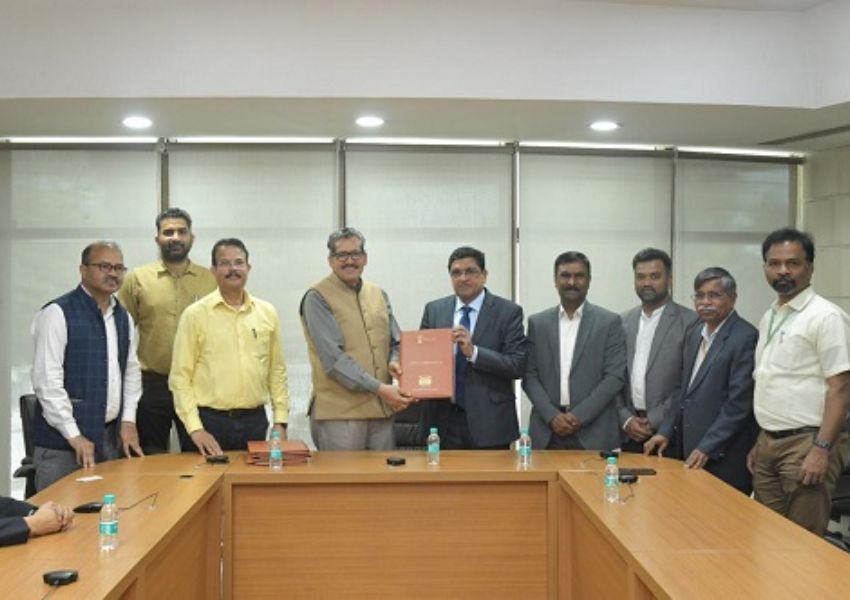
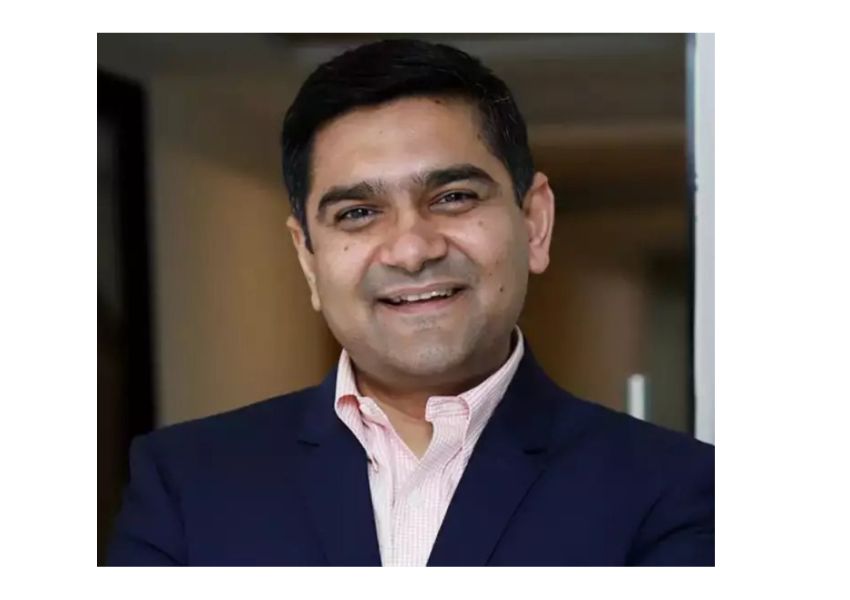
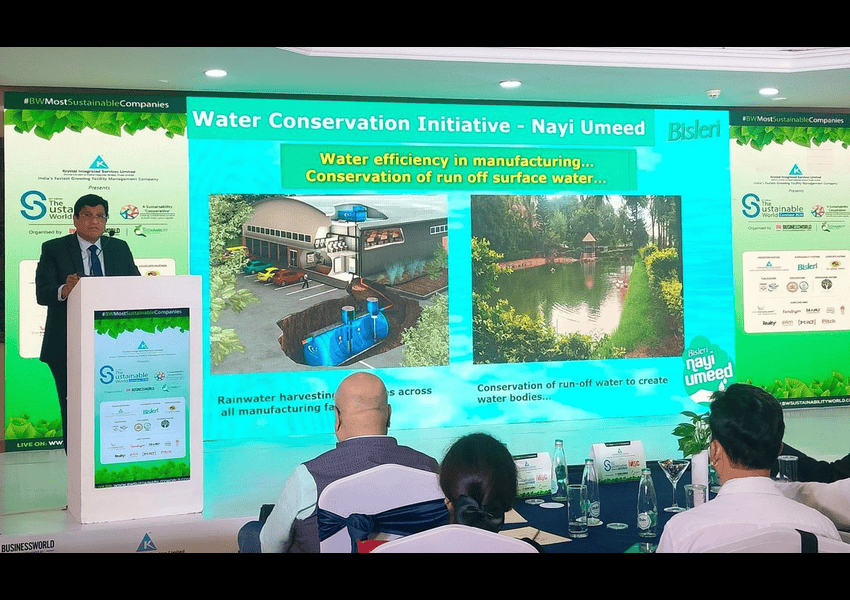
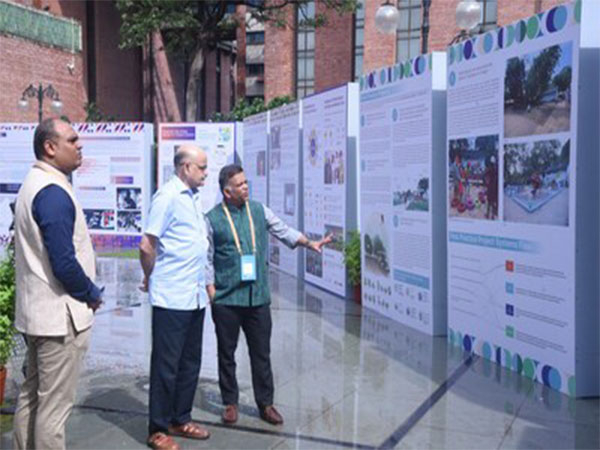
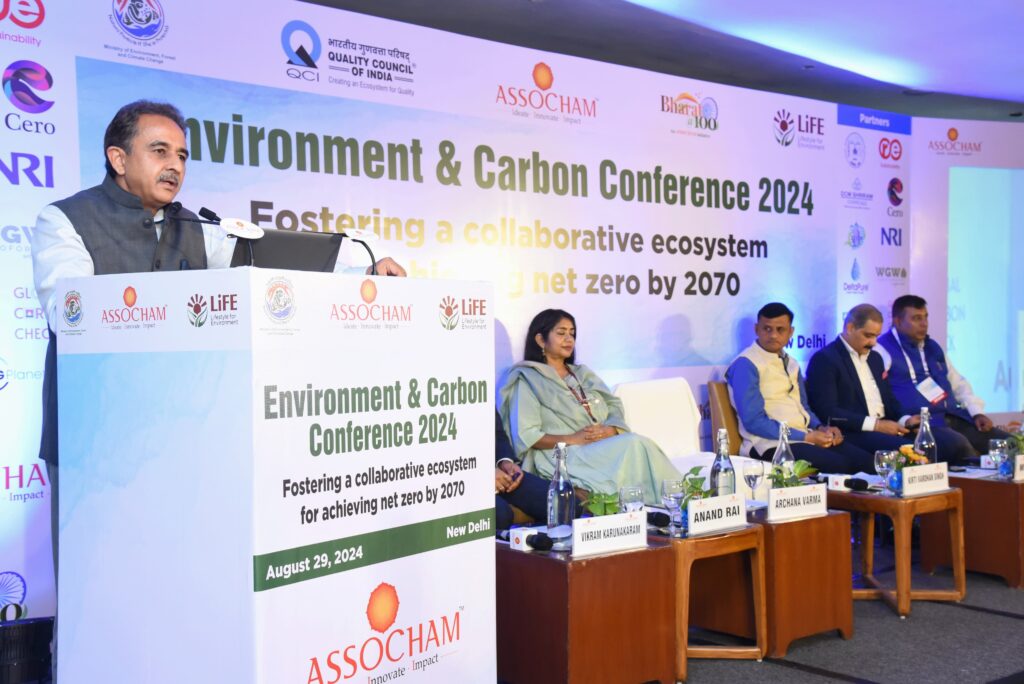
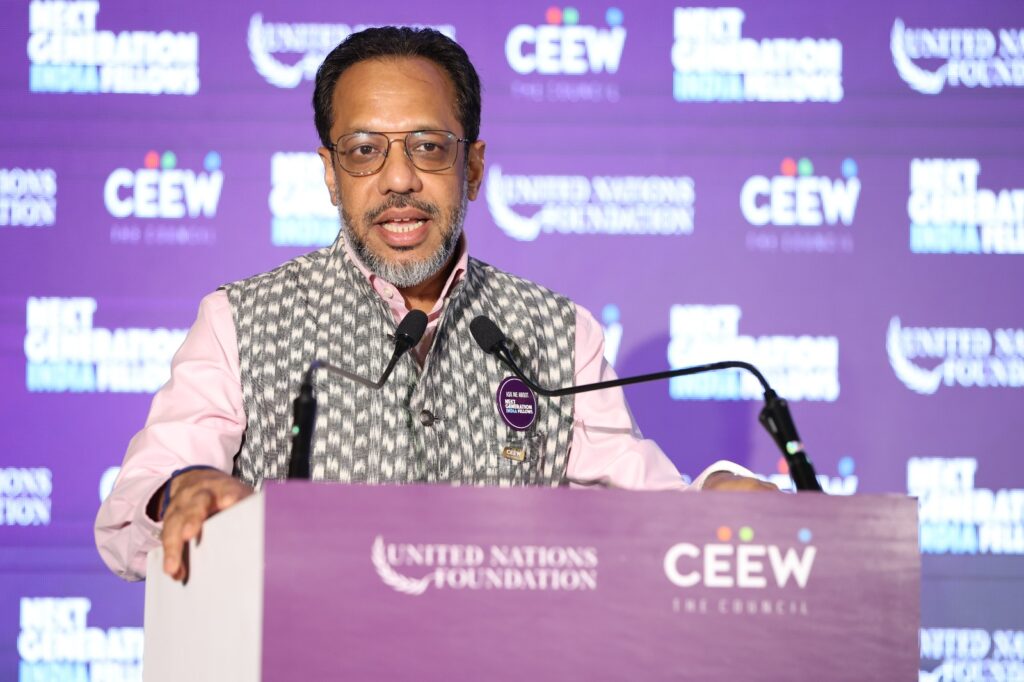
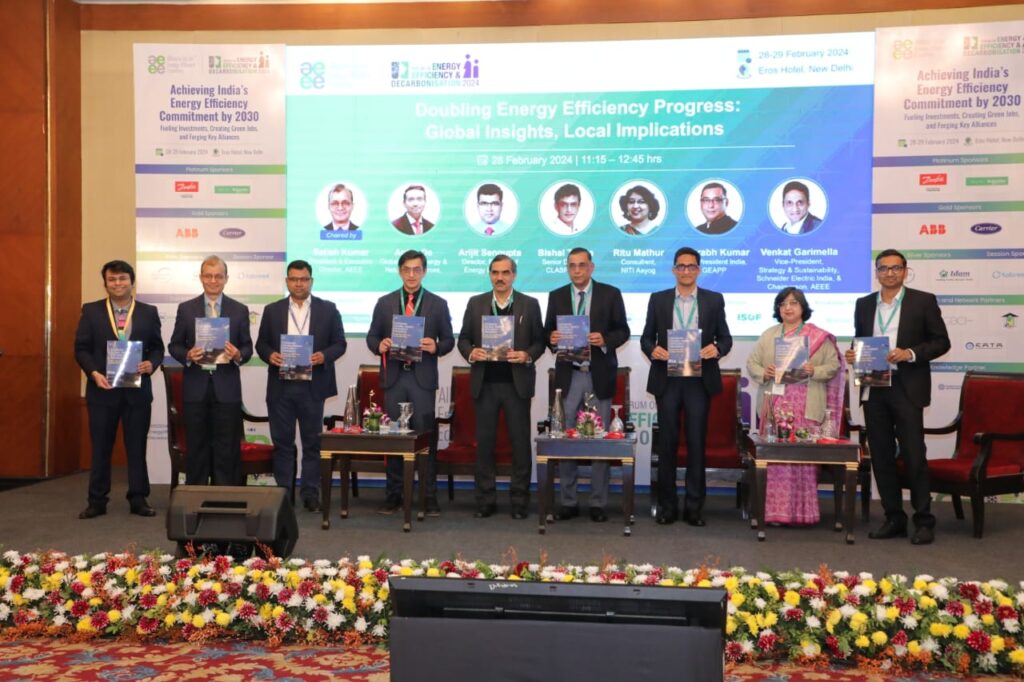
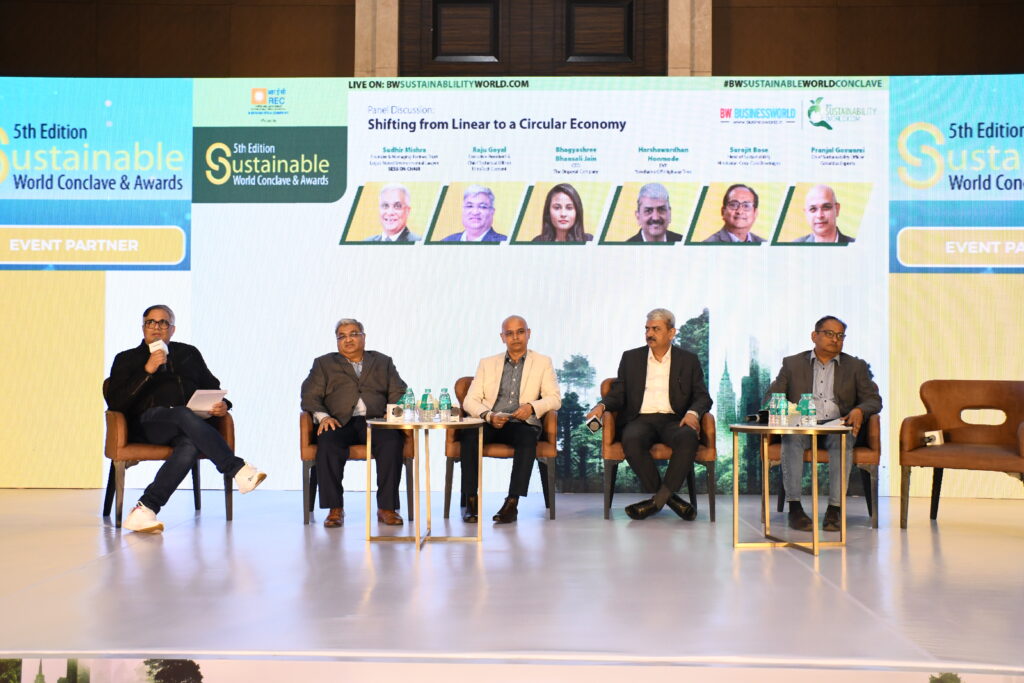
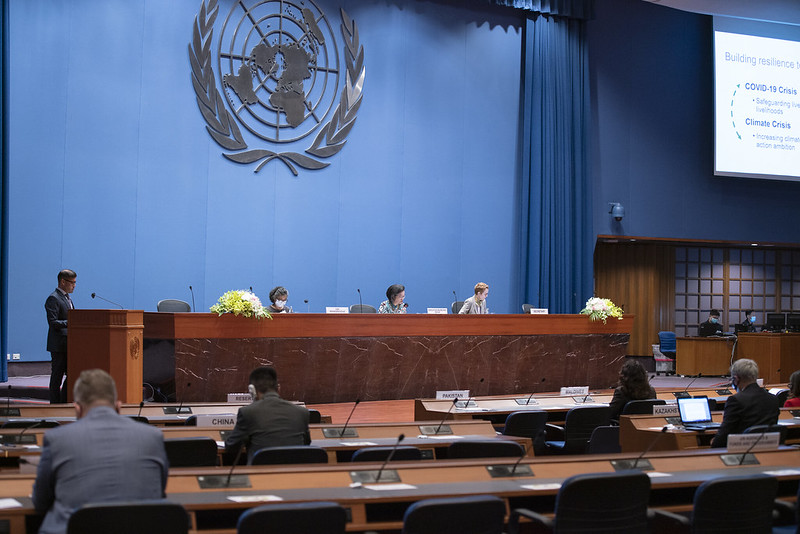
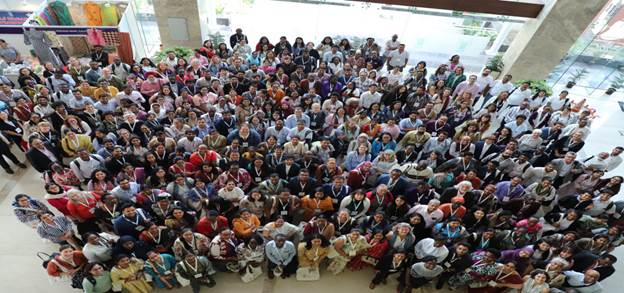
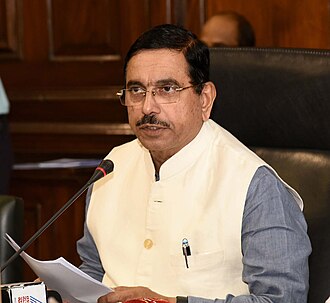
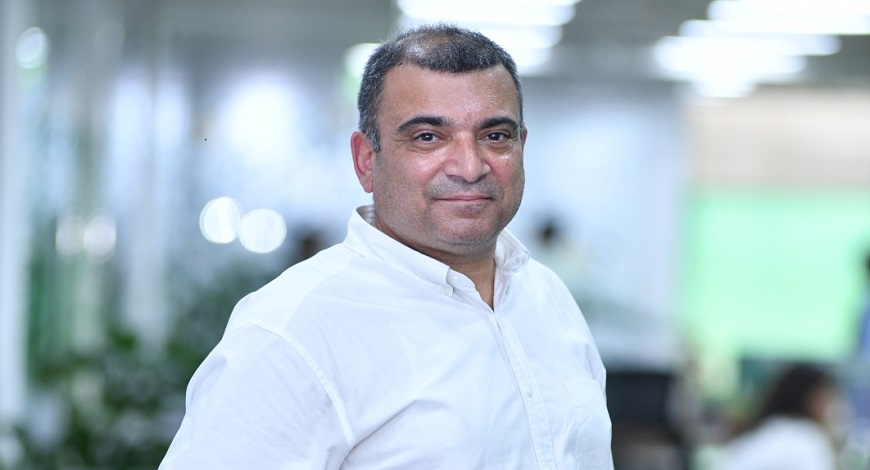
India is approaching a point where the lack of water could restrict national development, former Central Water Commission chairman Mukesh Kumar Sinha said in Delhi on Monday at the India Water Leadership Conclave 2025. Sinha described water security as the most critical factor for economic and human progress and outlined the structural weaknesses that must be addressed to secure the country’s long-term water future.
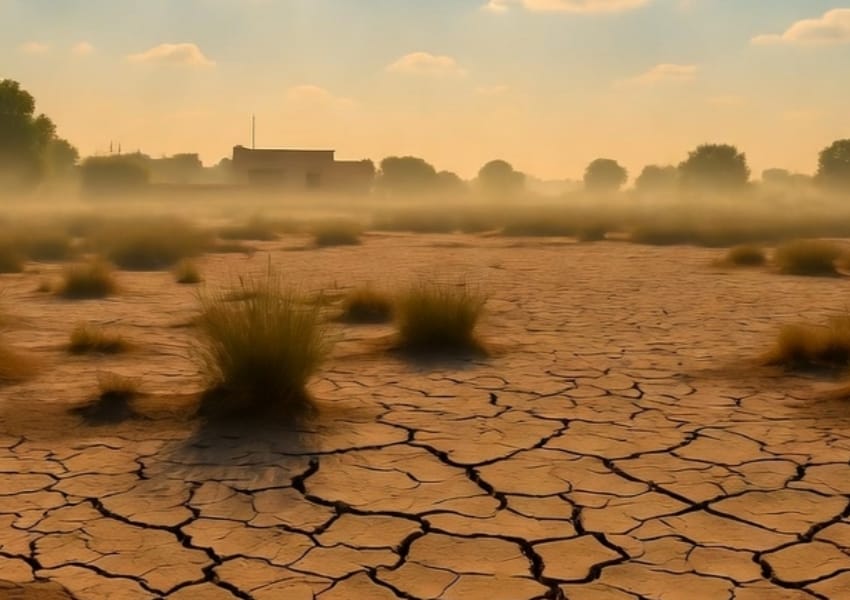
Sinha said water supports food security, energy access and national security, yet India’s resource base remains uneven. The country receives about 4,000 cubic kilometre of annual precipitation, but only a limited share is usable because the monsoon is short and rainfall is uneven across regions. Usable surface water stands at about 690 cubic kilometre and groundwater at about 435 cubic kilometre. With demand expected to exceed these supplies, Sinha said timely intervention is essential.
He said research shows that higher sustainable water-use levels are linked with stronger economic growth and improved human development outcomes. India’s per-capita water availability has fallen from about 5,000 cubic metre at Independence to levels close to the global water-stress threshold. Population growth and climate change are adding further pressure.
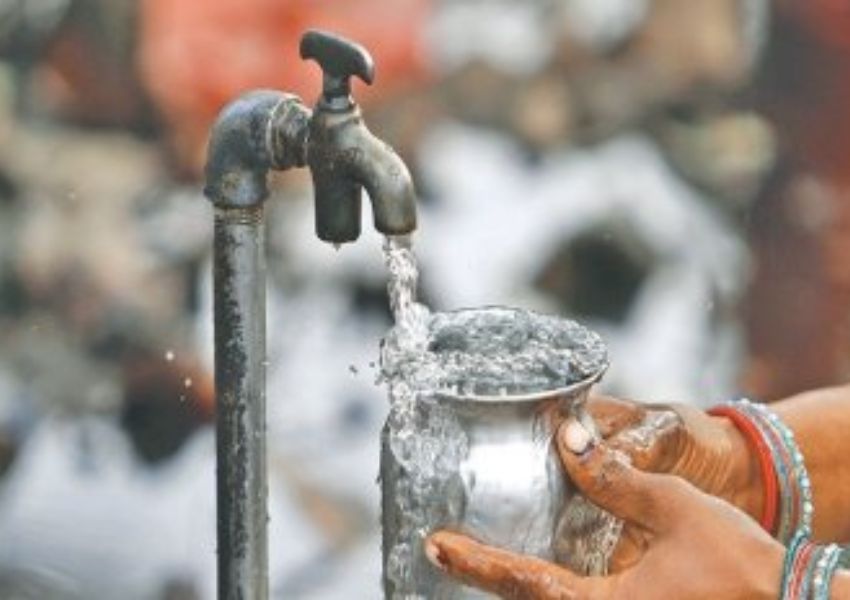
Sinha said a low level of public awareness remains a major challenge. Water supplied free or at low cost is often treated as an unlimited resource, leading to significant wastage. He said water must be recognised as an economic good, with pricing reforms supported by targeted protection for vulnerable households.
Urgent Water Reforms
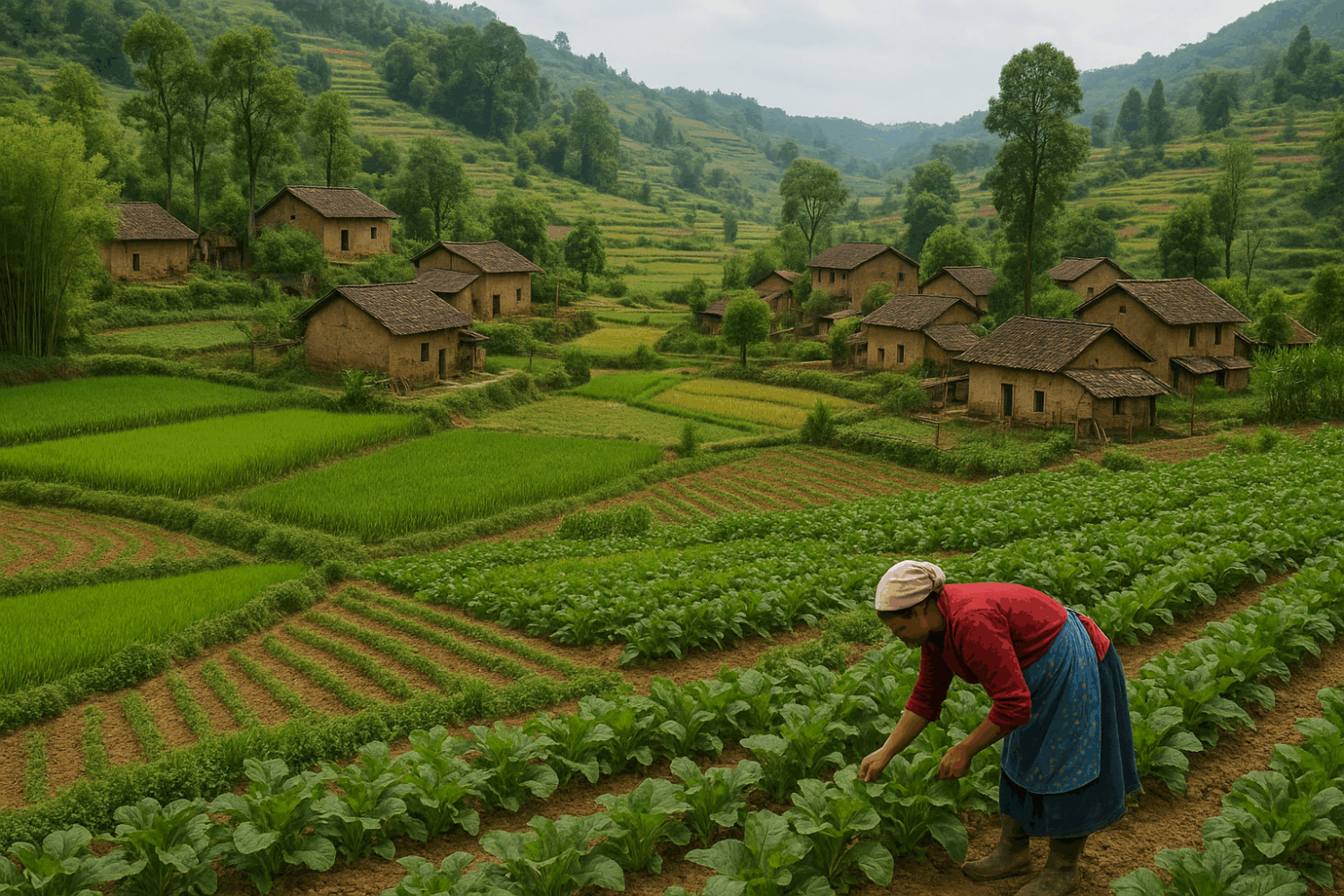
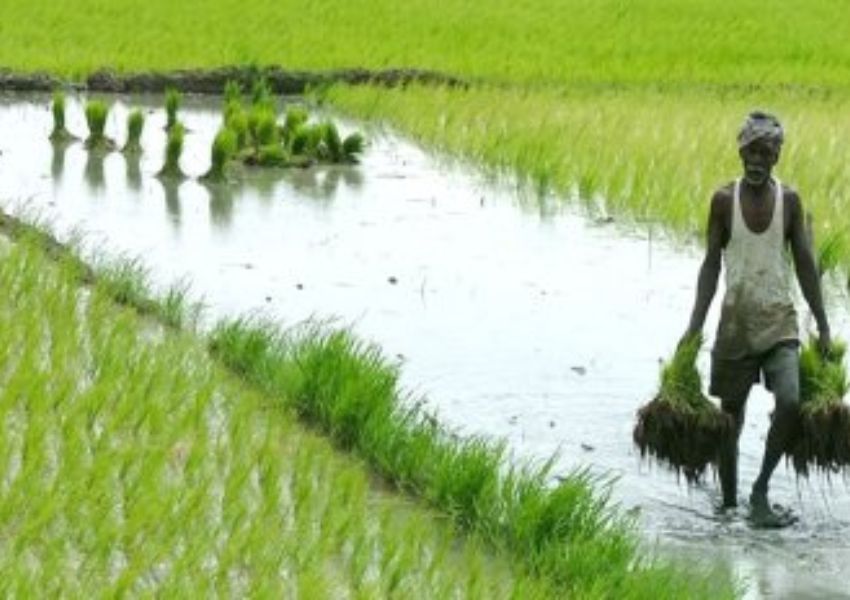
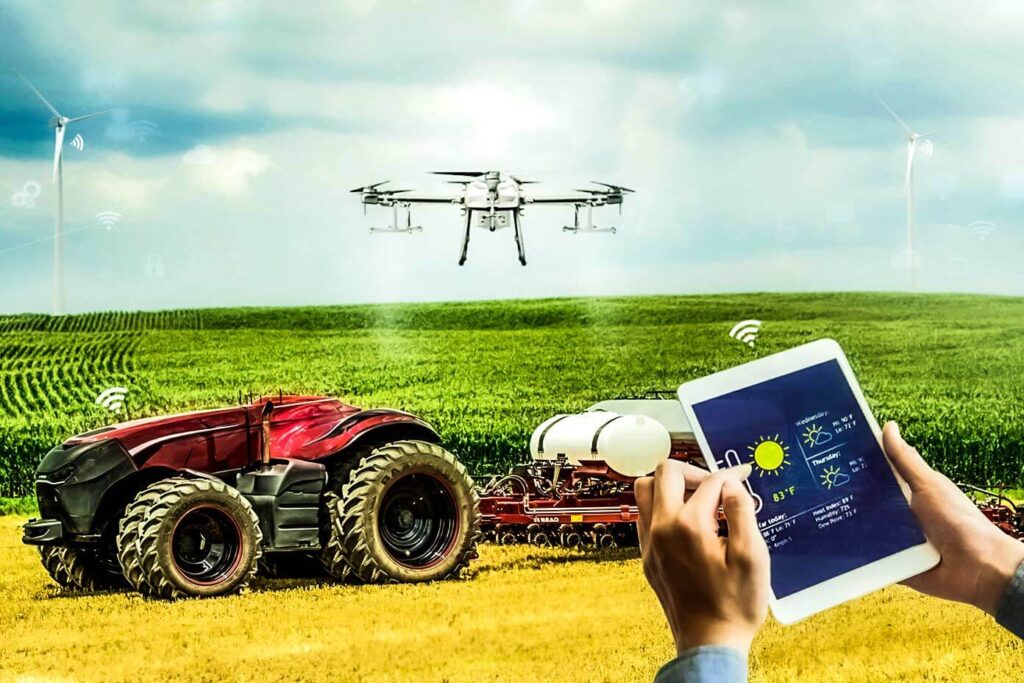
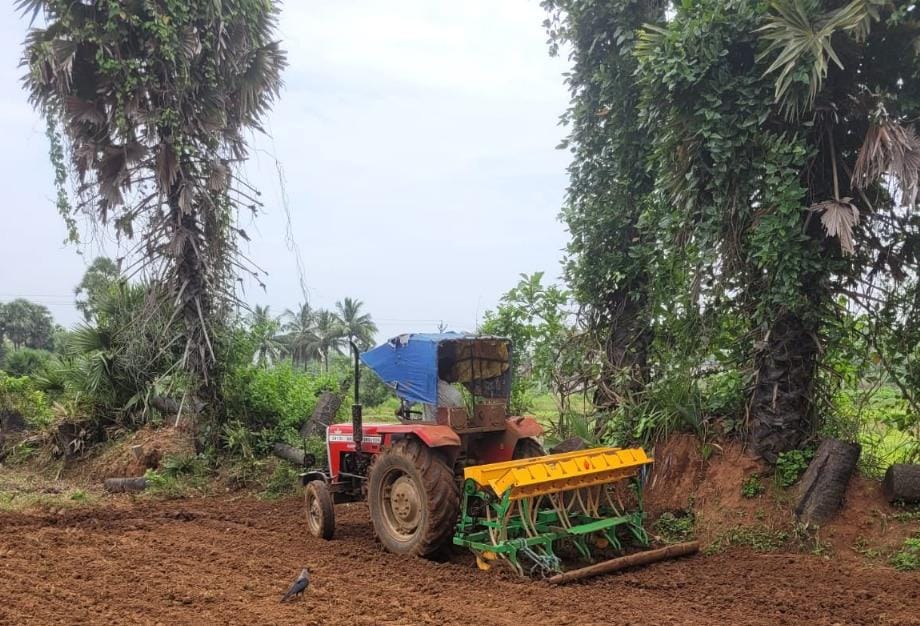
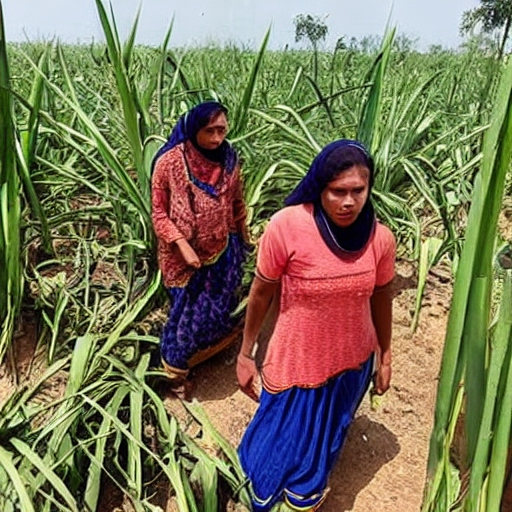
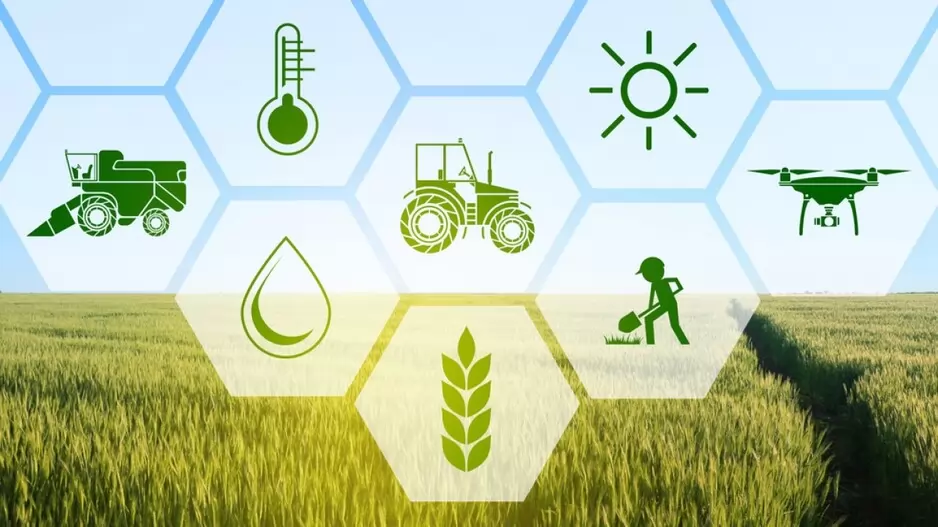
Irrigation accounts for nearly 80 per cent of India’s water use, and inefficiencies in this sector drive large losses. Sinha said improved farm-level water-use efficiency could release water for urban, industrial and environmental needs. He pointed to national programmes such as the National Water Mission and the wider adoption of piped distribution systems that reduce seepage.
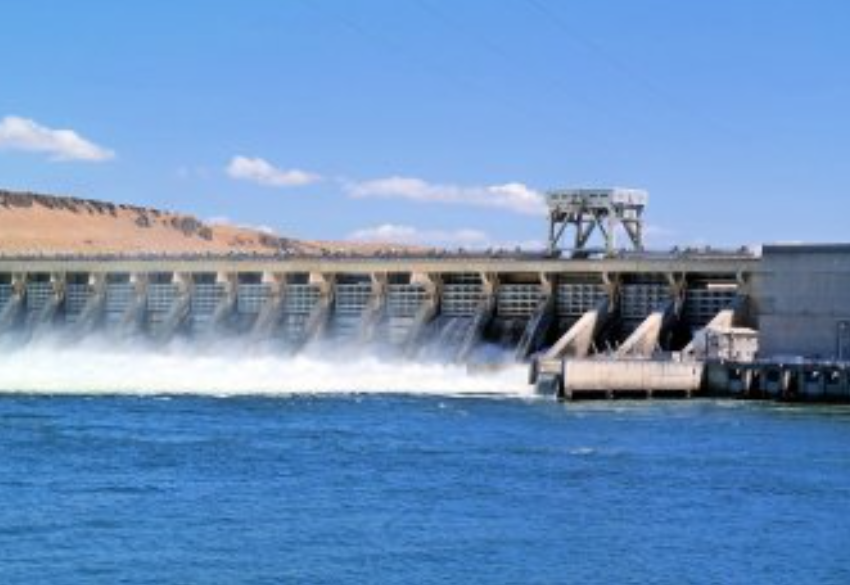
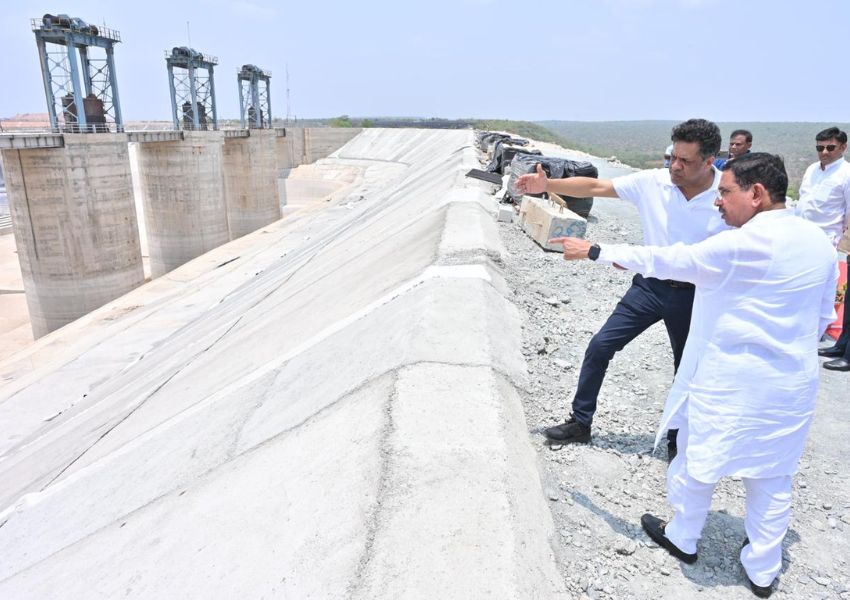
India also needs stronger storage systems. The country has about 258 billion cubic metre of reservoir capacity but could reach nearly 450 billion cubic metre. Renovation of existing structures, backed by better technology and updated dam-safety rules, should be prioritised.
Sinha said schemes such as the Jal Jeevan Mission and dam-safety initiatives mark progress, but the next decade will require deeper reforms in pricing, efficiency and public understanding. Without these, he said, water scarcity could become the single largest constraint on India’s economic aspirations.