















































































































































































































































































































































































































































































































































































































































































































































































































































































Why Climate Competence Will Define India’s Boardrooms In 2026


Climate and ESG competence moves from optional oversight to core director responsibility as regulation, capital, and risk converge at the board level
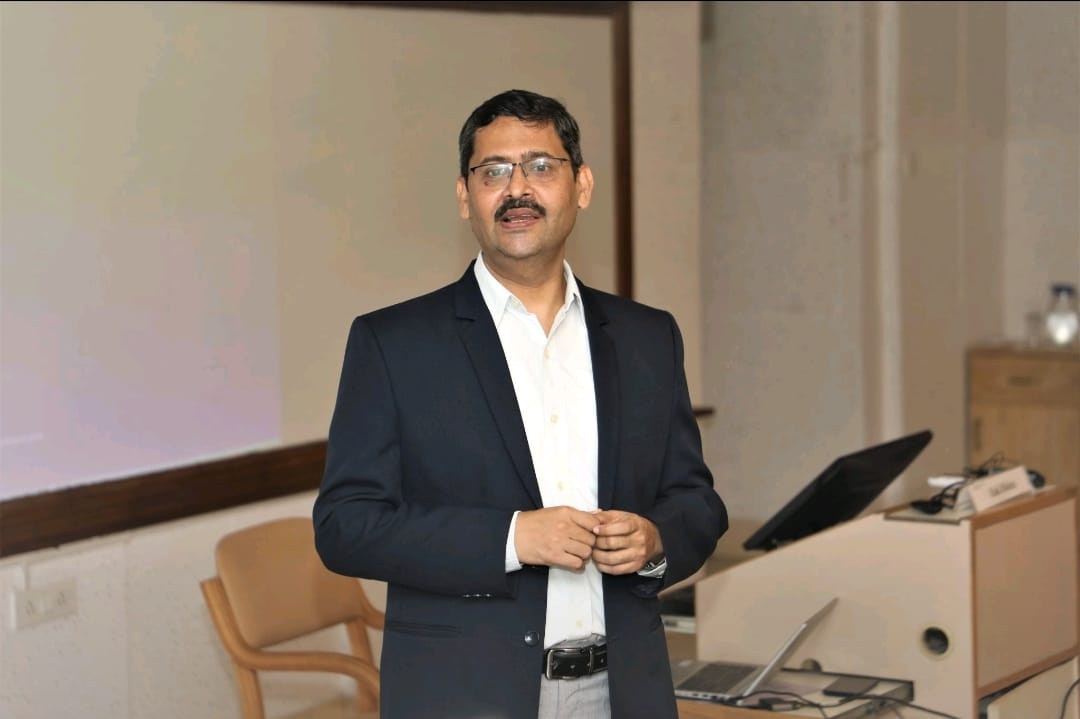
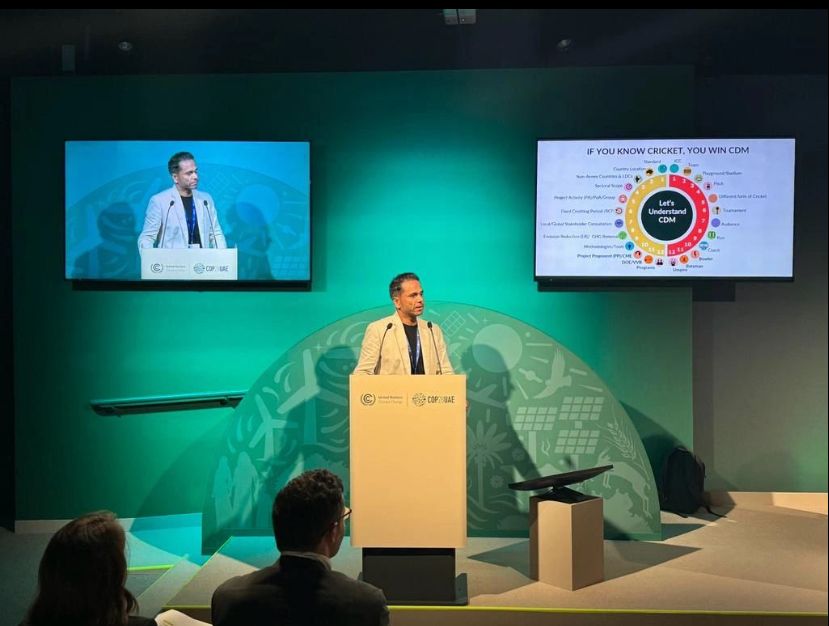
By: Nirbhay Lumde, Head of Sustainability & ESG, Prestige Group
As we look ahead to 2026, the narrative for Indian business is undergoing a profound shift. The conversation around climate, Environmental, Social, and Governance (ESG) factors is moving decisively from the periphery of corporate social responsibility to the very heart of strategic governance and risk oversight. It is no longer a question of ‘if’ or ‘when’ but of ‘how well’ and ‘how swiftly.’ In this decisive era, the most critical transformation will occur around the boardroom table.
The year ahead will cement a fundamental reset: climate and ESG competence is transitioning from a desirable skill to a non-negotiable, director-level requirement.
For years, sustainability was often siloed, championed by dedicated teams reporting to operational leadership. Boards provided oversight, relying on management summaries and high-level risk registers. The accelerating climate crisis, coupled with tectonic shifts in the global regulatory and financial landscape, makes climate-related issues existential strategic matters. They dictate capital allocation, define competitive advantage, attract or repel talent, and determine long-term viability. A board without the intrinsic competence to interrogate, guide, and govern these issues is effectively navigating a complex, volatile future with an incomplete map.
The Imperatives Driving the Reset
Several converging forces are making this boardroom reset inevitable for India Inc.:
The Regulatory Tsunami: From the Securities and Exchange Board of India’s (SEBI) Business Responsibility and Sustainability Report (BRSR) Core’s enhanced disclosures to the European Union’s Carbon Border Adjustment Mechanism (CBAM) and the International Sustainability Standards Board (ISSB) standards, compliance is becoming intricately complex. It is no longer about publishing a standalone report. Boards must now ensure the robustness of data, the integrity of forward-looking climate scenarios, and the authenticity of transition plans. Understanding the financial implications of carbon pricing, the compliance risks of greenwashing, and the opportunity in green taxonomy requires directors to move beyond superficial awareness to functional literacy.
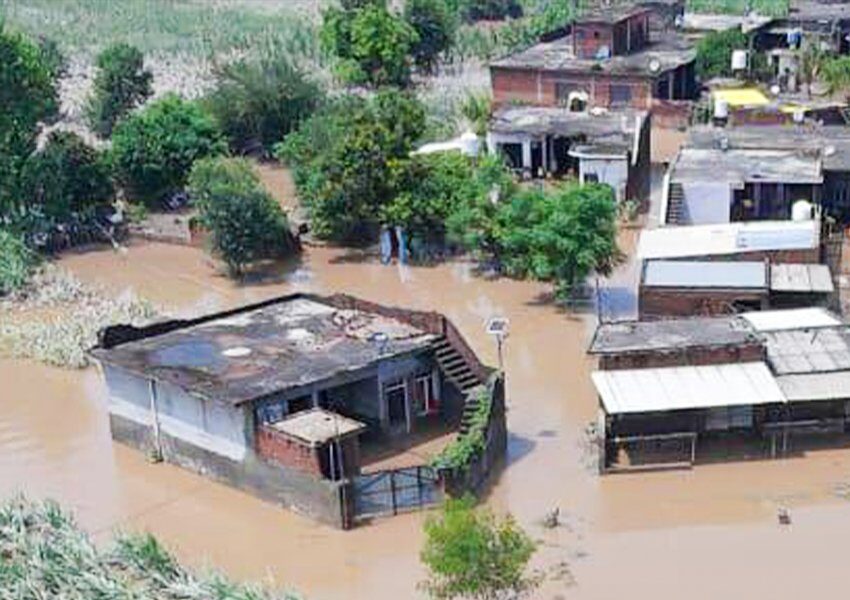
Capital and Risk Reallocation: The financial world is fundamentally rewiring its risk models. Climate-related physical risks (extreme weather disrupting operations) and transition risks (stranded assets, shifting consumer preferences) are being priced into investment decisions and loan covenants. Institutional investors are increasingly voting against directors at companies perceived to have poor climate oversight. A competent board must be able to engage with investors in their language, translating climate strategy into financial resilience and value creation.
ESG as the Core of Modern Enterprise Risk Management (ERM): The most pragmatic evolution is the seamless integration of ESG into the ERM framework. Boards are familiar with ERM. It’s their primary tool for navigating uncertainty. In 2026, a company’s ERM is incomplete if it does not explicitly quantify water stress in its supply chain, model the workforce impact of a green transition, or assess governance failures associated with misleading sustainability claims. Climate and ESG competence enable the board to require that these non-financial risks be translated into financial terms, ensuring they are weighed alongside traditional market or operational risks in every major decision.
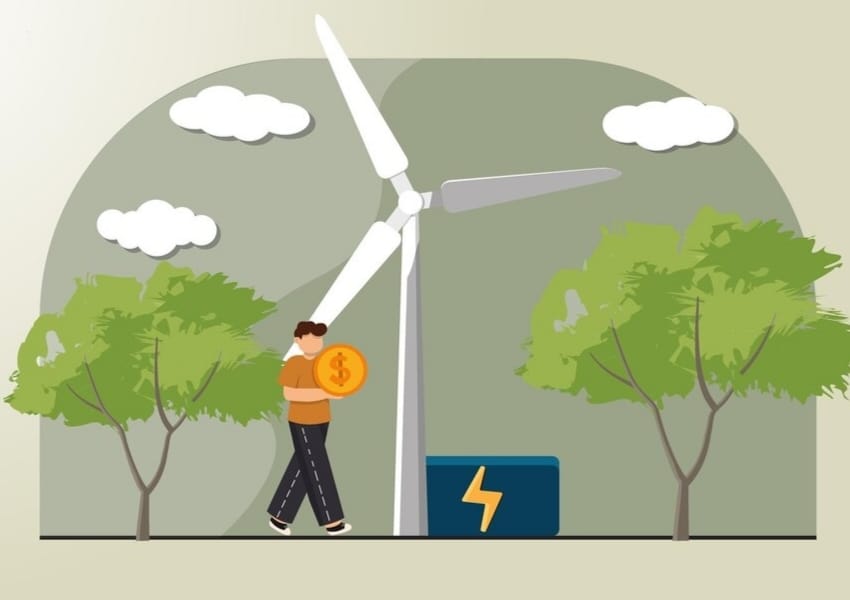
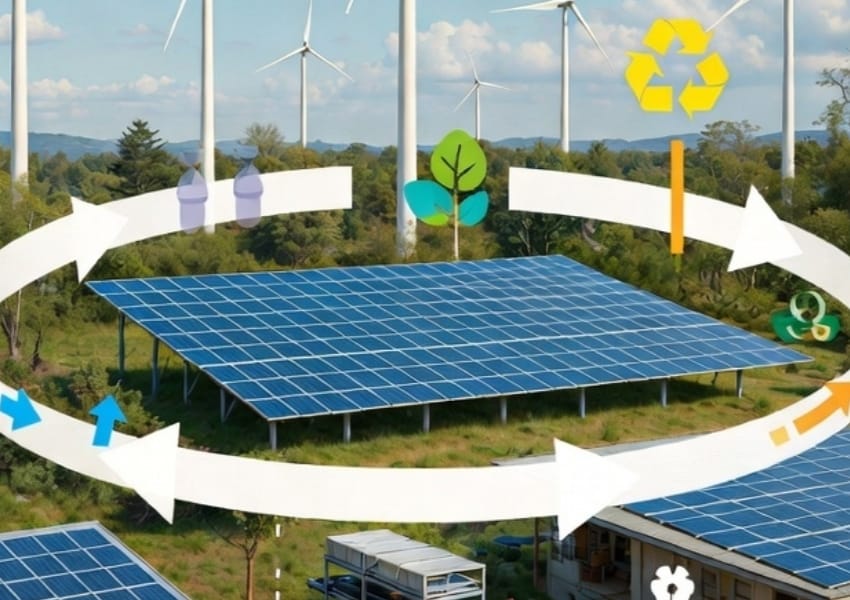
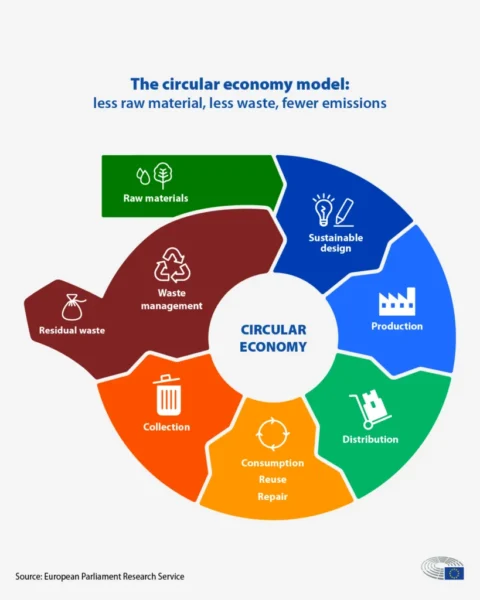
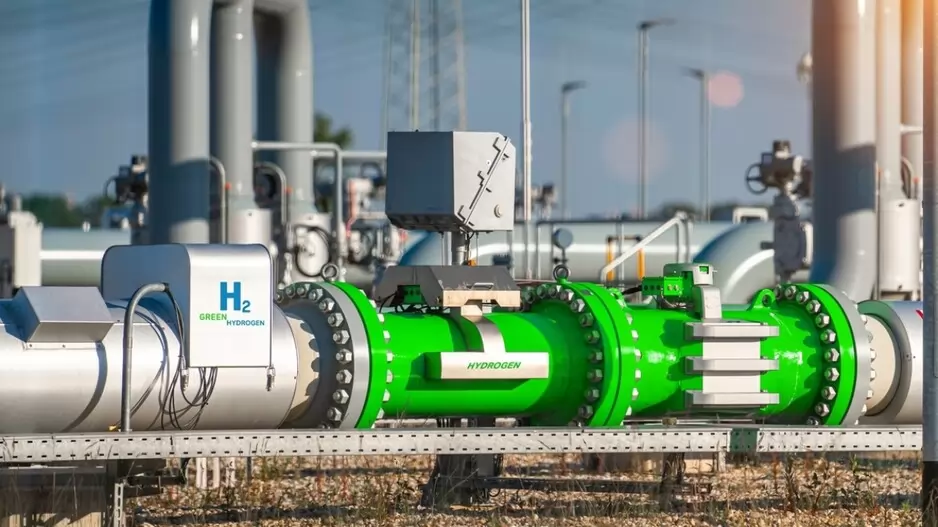
Strategic Opportunity and Innovation: The transition to a low-carbon economy is the greatest innovation and market-creation opportunity of our lifetime. Boards that see climate solely through a risk-mitigation lens will miss the horizon. Competence here means guiding management to capitalise on India’s green hydrogen ambitions, circular economy models, renewable energy ecosystems, and sustainable agriculture. It involves overseeing R&D investments and M&A strategies that future-proof the business.
What Does “Climate & ESG Competence” in the Boardroom Actually Mean?
It is crucial to define this competence. It does not necessitate that every director be a climate scientist. Instead, it demands a baseline understanding and the presence of specific, deep expertise within the board’s collective skill matrix.
For All Directors: A firm grasp of climate-related financial disclosures (Task Force on Climate-related Financial Disclosures (TCFD)/ISSB framework), the ability to assess how ESG factors are embedded in the ERM process, and an understanding of how decarbonization targets align with the company’s long-term strategy. Their questions are: Is our net-zero roadmap credible and funded? How does our ERM model treat biodiversity loss as a supply chain risk?
For the Collective Board: The inclusion of at least one director with substantive, professional expertise in climate science, sustainable finance, or ESG-integrated strategy. This individual acts as a catalyst, elevating discussions, challenging assumptions, and ensuring that material ESG factors are integrated into every major decision, from capex and executive compensation to audit committee reports and succession planning.
A Pragmatic Action Plan for Time-Strapped Boards (2026 Focus)
For Indian boards, the mandate is clear: efficiently integrate competence. Here is a phased approach:
Mandate a Focused ERM-ESG Integration Review: Direct the Chief Risk Officer and the sustainability lead to present a single, board-level briefing. The agenda: “How are our top five material ESG risks quantified and integrated into our existing ERM framework and financial planning?” This moves the discussion from abstract theory to concrete business risk.
Commit to One Deep-Dive Board Education Session: Instead of generic training, commission a custom 90-minute workshop on the financial implications of your specific top climate risk. Use a respected third-party expert to facilitate. This builds relevant literacy where it matters most.
Refresh the Board Matrix with Intent: At the next natural succession cycle, make “ESG” an explicit criterion for new independent directors. You need not find a pure-play scientist; a former CFO with deep experience in green infrastructure, or a senior strategy leader from a sector that has undergone a mandatory ESG transition, can deliver immediate, pragmatic value.
Formalise Oversight via an Existing Committee: Immediately task the Audit Committee or the Risk Management Committee (whichever is more robust) with explicit oversight of the assurance and financial integrity of ESG disclosures and the ESG-integrated ERM. This leverages existing governance structures without creating new bureaucracy. A clear, time-bound charter addition is key.
Link a Metric to Compensation: Start with one. For 2026, integrate one critical, measurable ESG Key Performance Indicator (KPI) linked directly to your highest-priority transition risk or opportunity into the long-term incentive plan of the CEO and maybe the top 5 leaders. This signals serious strategic intent more powerfully than any policy document.
The year 2026 will be a watershed. It will separate companies being shaped by the climate transition from those actively shaping it. The boardroom is the cockpit where this direction is set. A board equipped with climate and ESG competence moves from passive oversight to active stewardship. It transforms these paramount challenges into a blueprint for innovation, resilience, and enduring growth.
For India Inc., this reset is an opportunity to redefine corporate leadership for the 21st century. The boards that embrace this competence will play a pivotal role in steering India towards its ambitious climate goals and securing its sustainable economic future. The reset begins now. The question for every chairperson is: Does our board have the competence to govern the future?
The views expressed in this article are the author’s own and do not necessarily reflect the position of any organisation they are affiliated with.

