

































































































































































































































































































































































































































































































































































































World Bank Clears $305 Mn For Haryana’s Clean Air Mission

The loan-backed programme will fund electric buses, cleaner industries and advanced monitoring as the state targets major air-quality gains by 2030
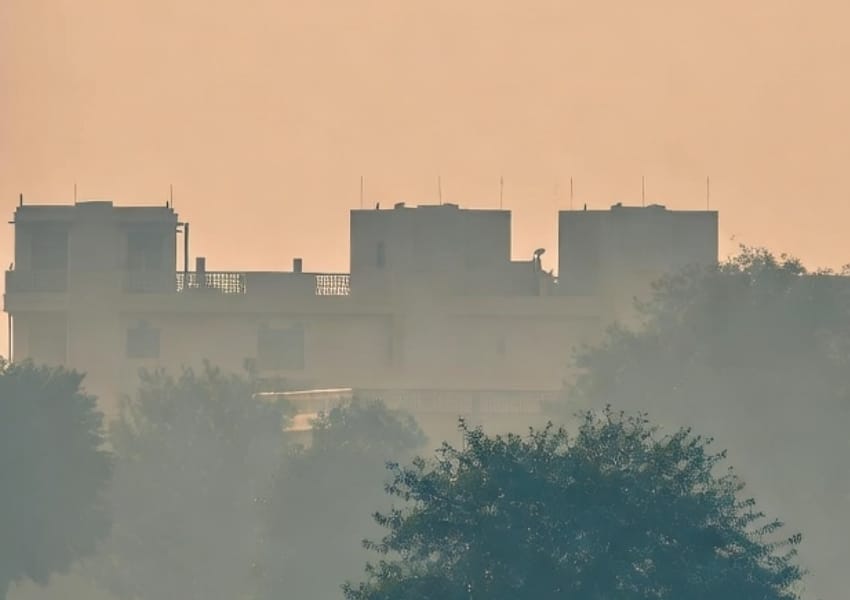
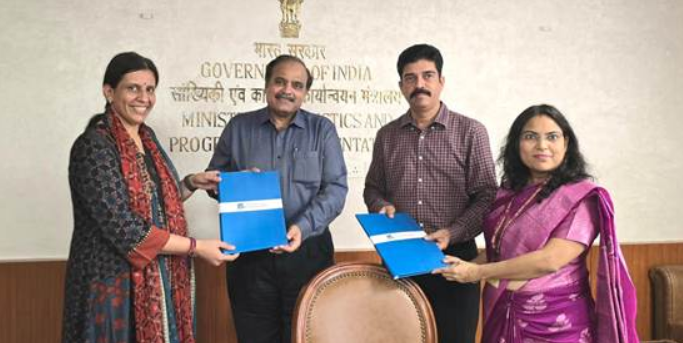
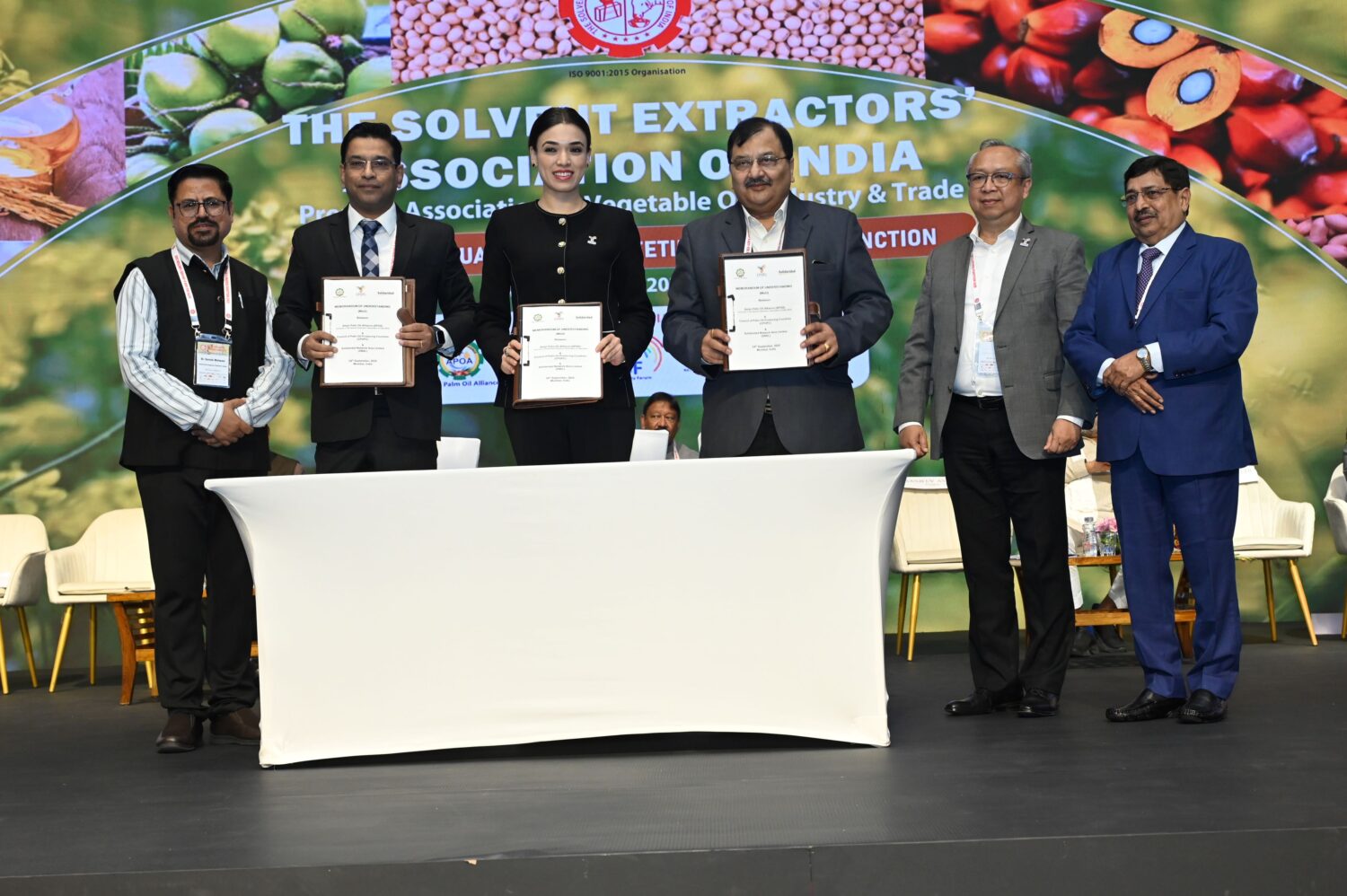
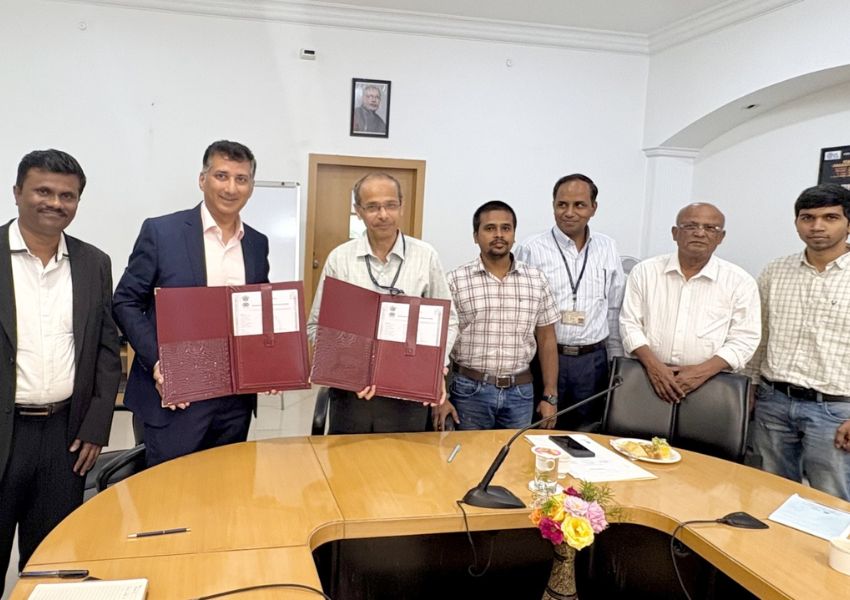
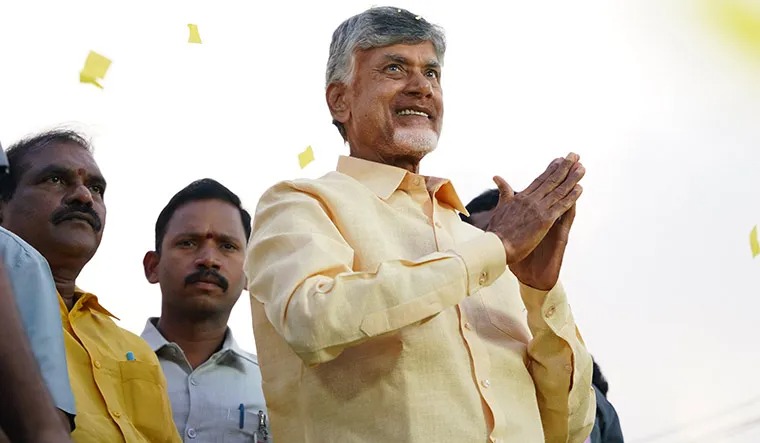
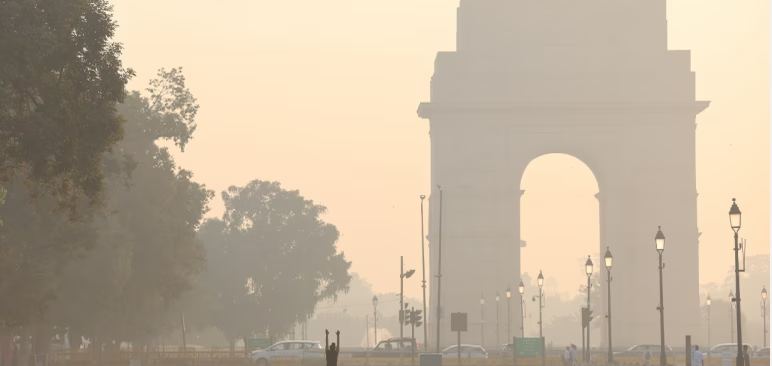
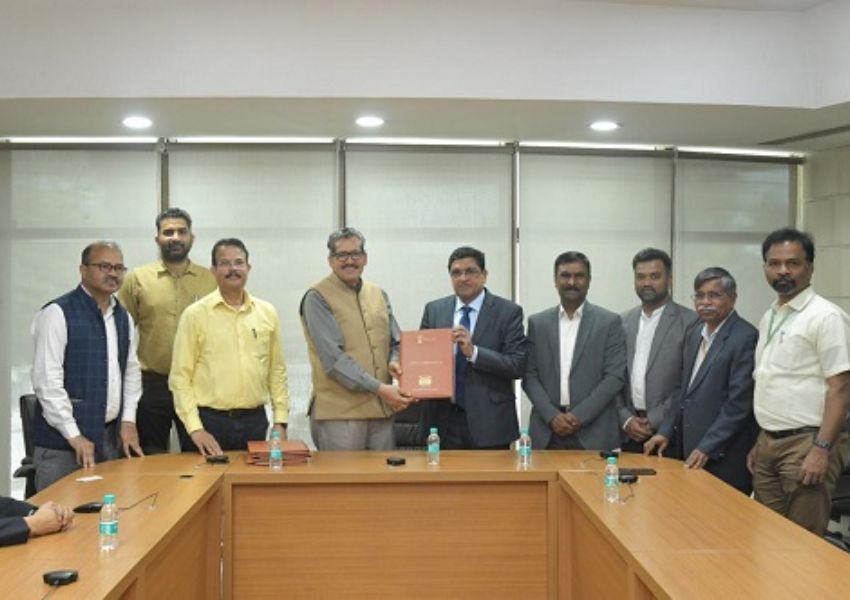
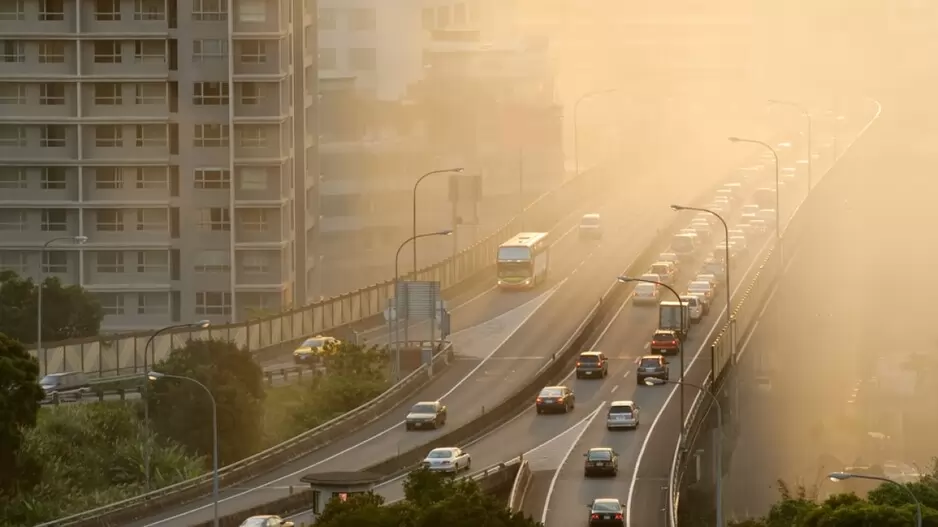
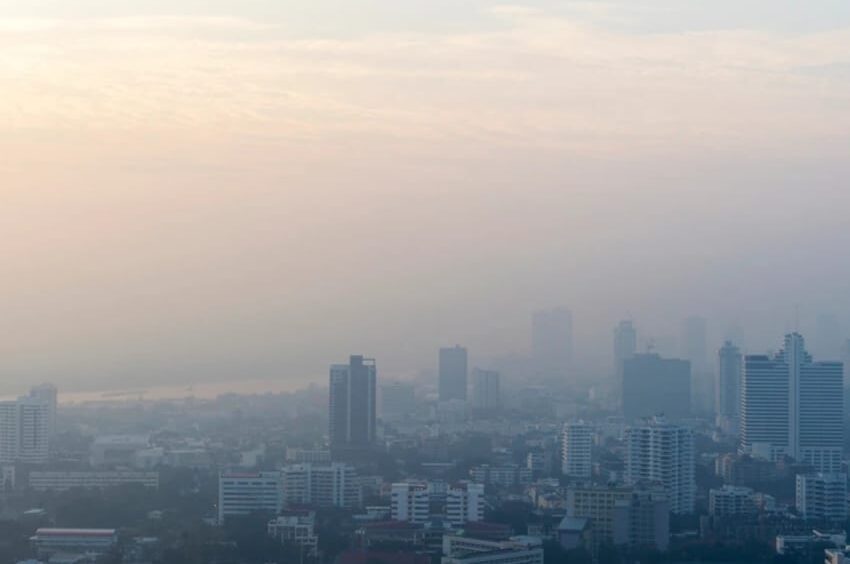
The World Bank has approved USD 305 million for the Haryana Clean Air Project for Sustainable Development, a flagship programme aimed at achieving measurable gains in air quality across the state by 2030. The approval follows a meeting in November last year between Haryana Chief Minister Nayab Singh Saini and senior representatives of the World Bank.
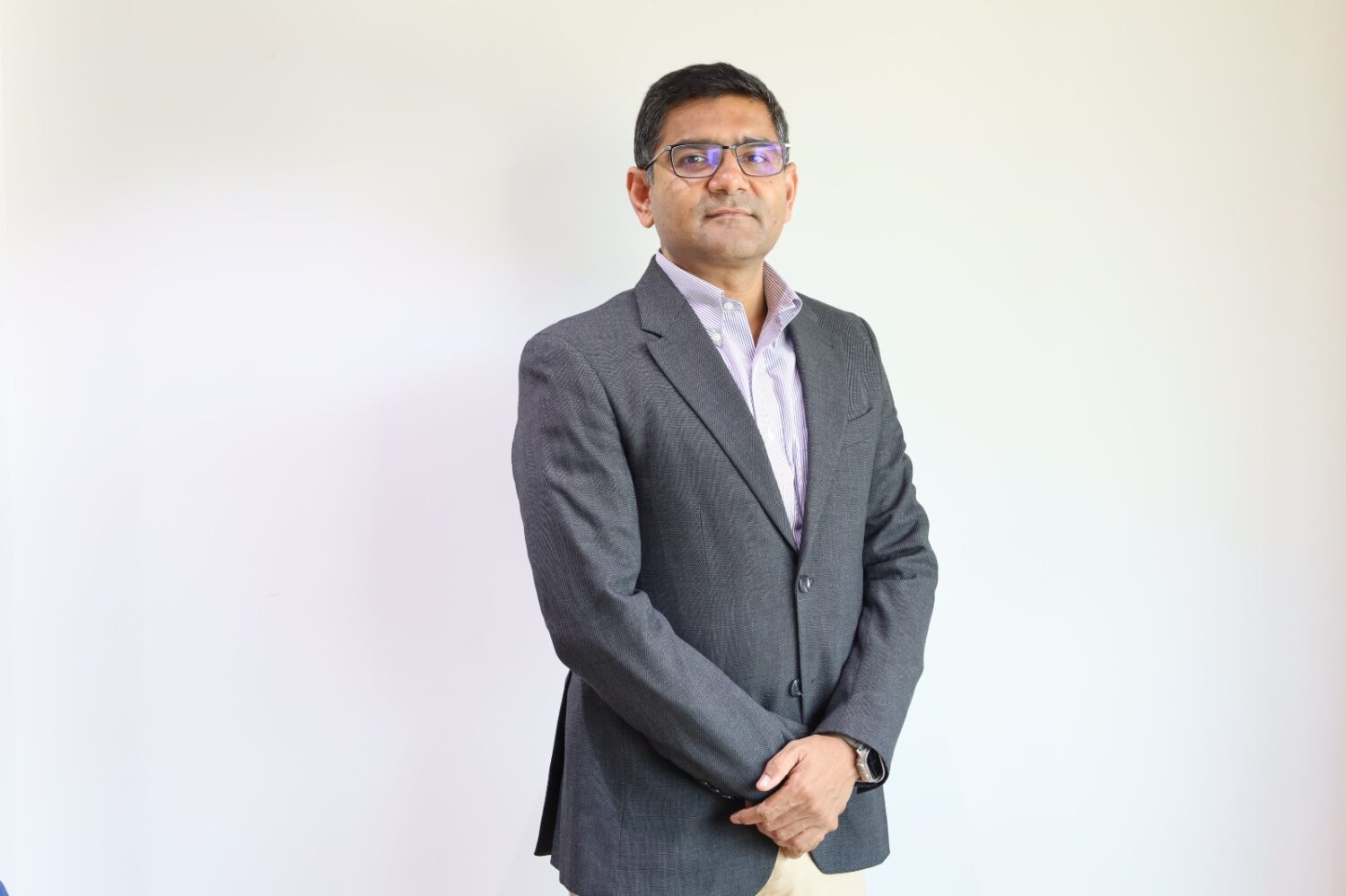
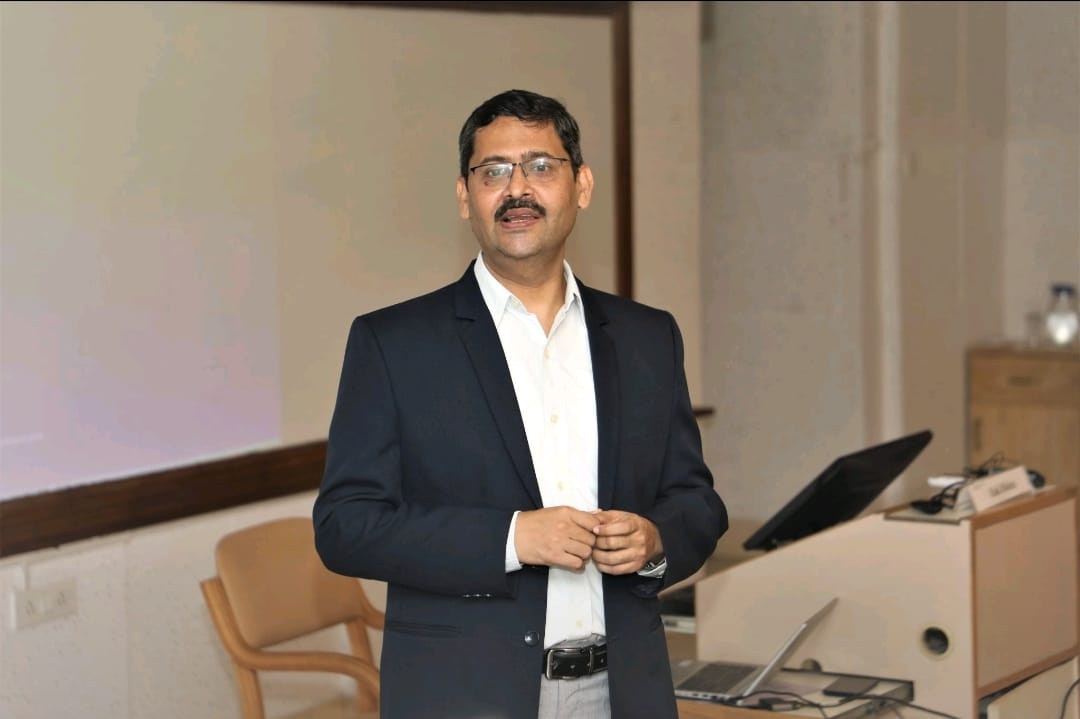
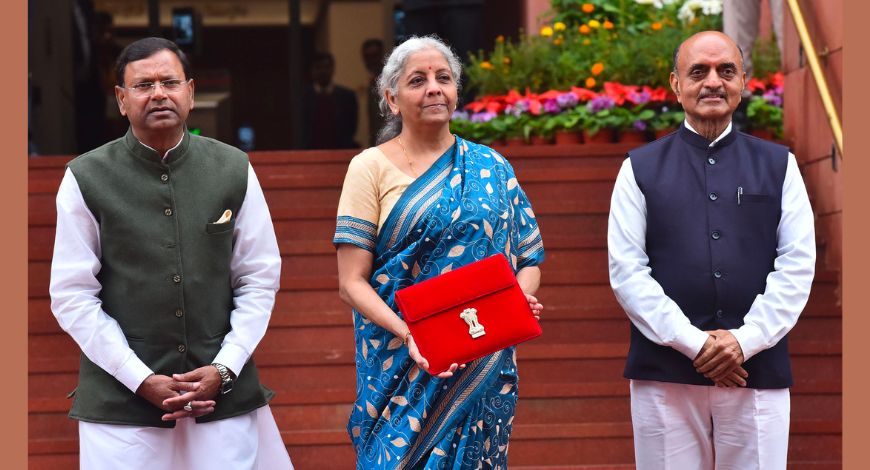
The financing structure includes a loan of Rs 2,498 crore from the World Bank against a total project cost of Rs 3,646 crore. The state government will contribute Rs 1,065 crore, with an additional Rs 83 crore allocated as a grant. The programme will be implemented through a dedicated Special Purpose Vehicle named ARJUN (AI for Resilient Jobs, Urban Air Quality and Next-Gen Skills Council), which will oversee planning, execution and real-time monitoring. ARJUN is chaired by Rajesh Khullar, Chief Principal Secretary to the Chief Minister, who earlier served as India’s representative on the World Bank Board.
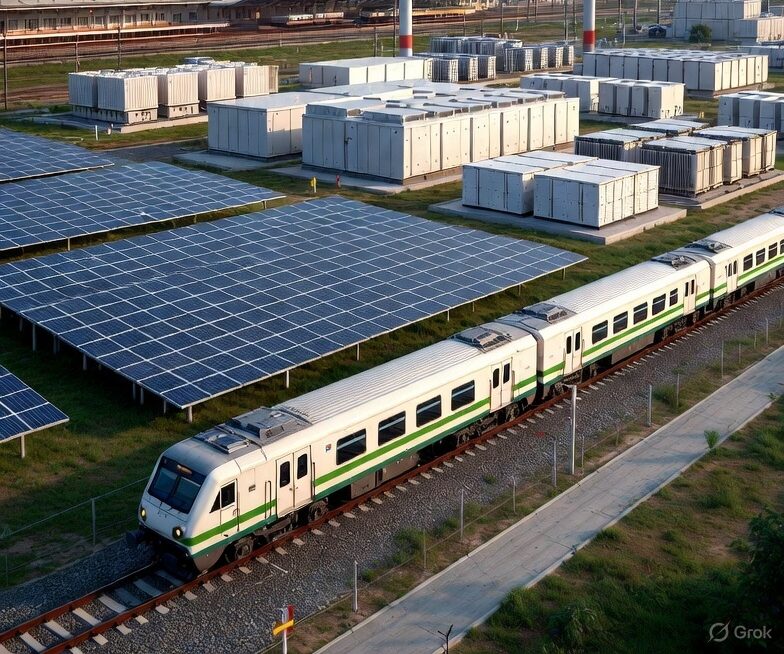
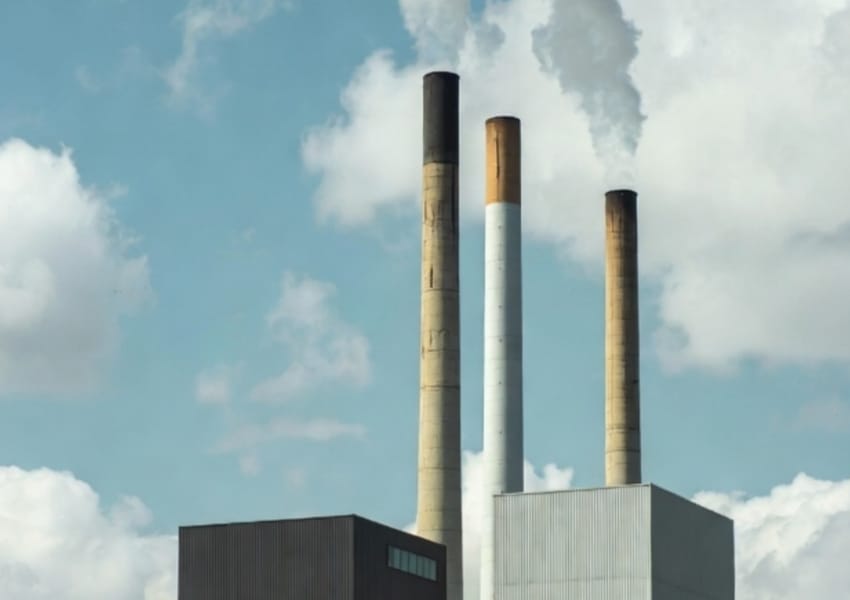
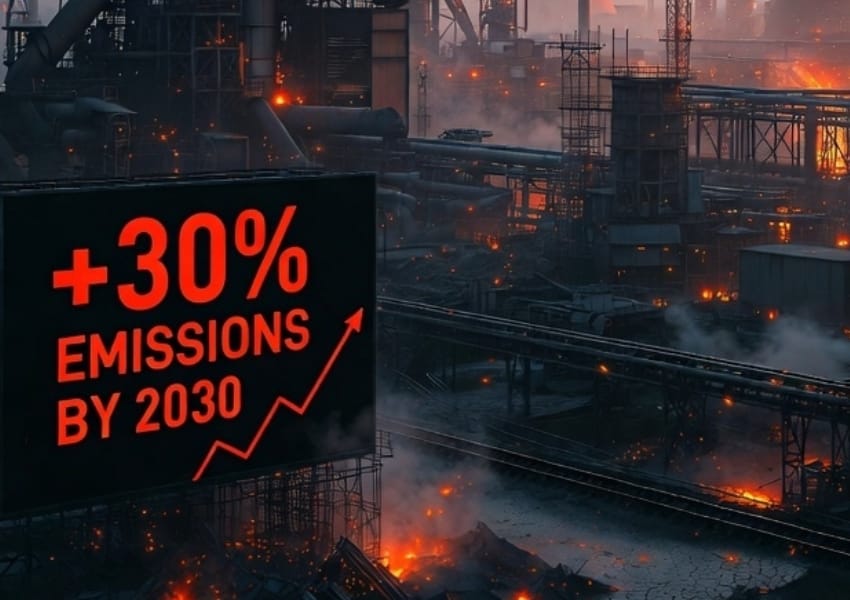
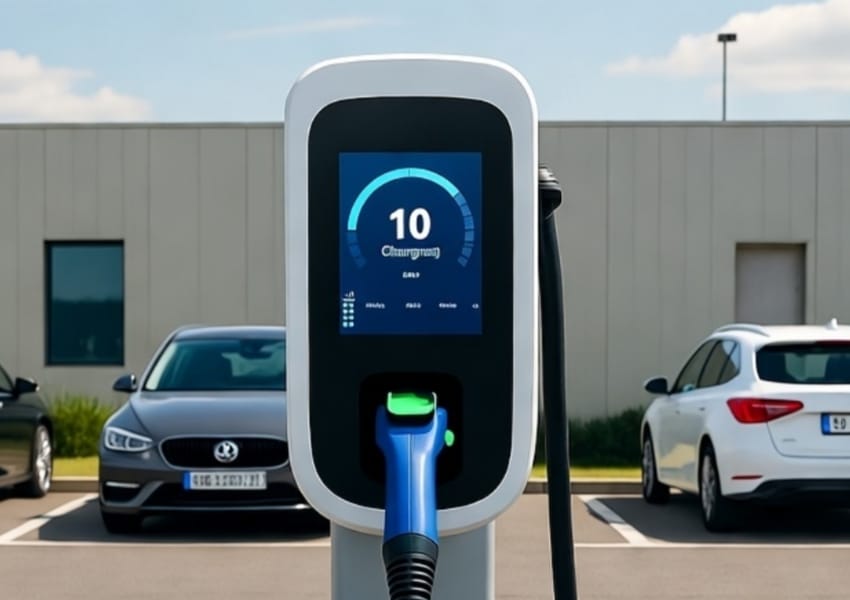
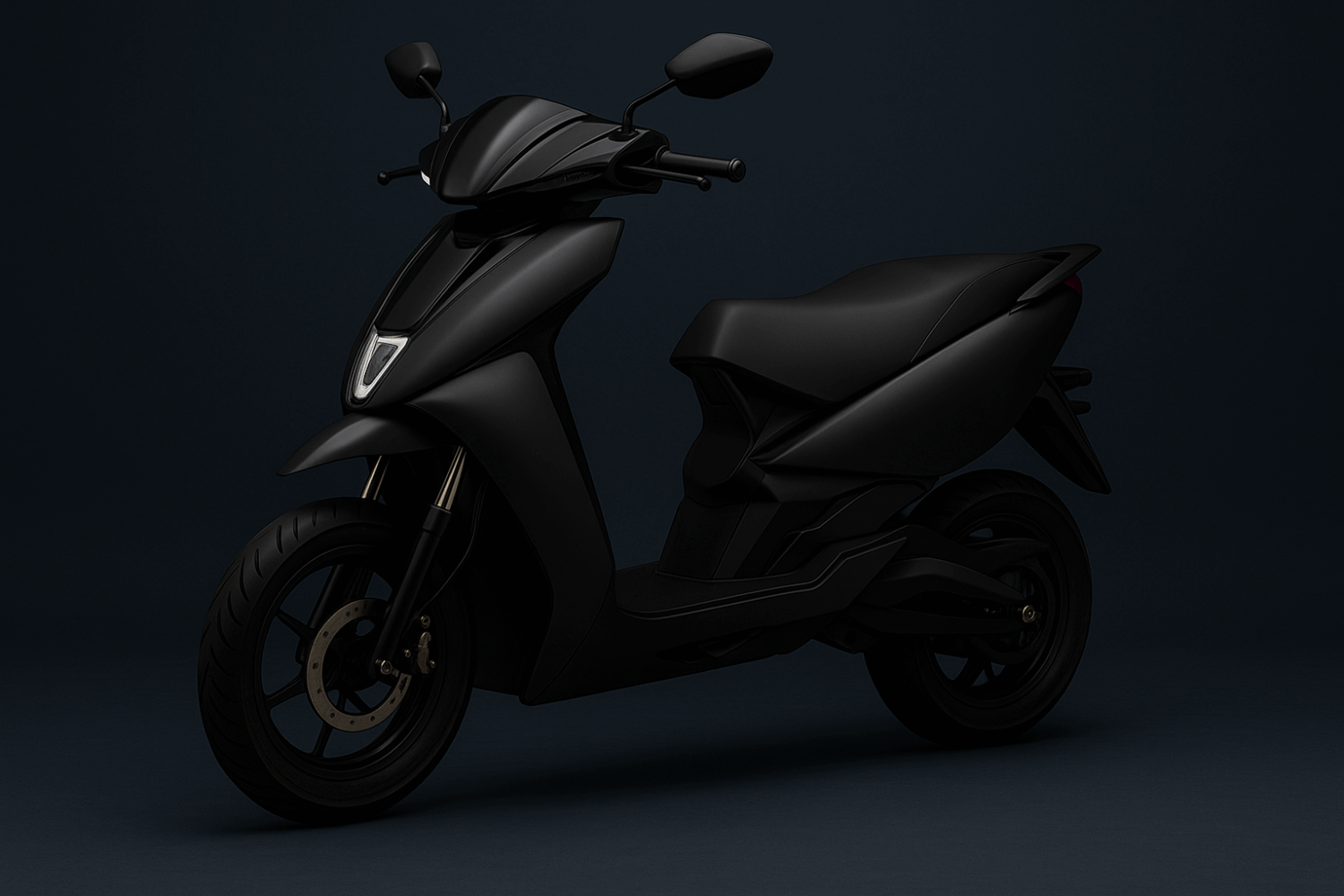
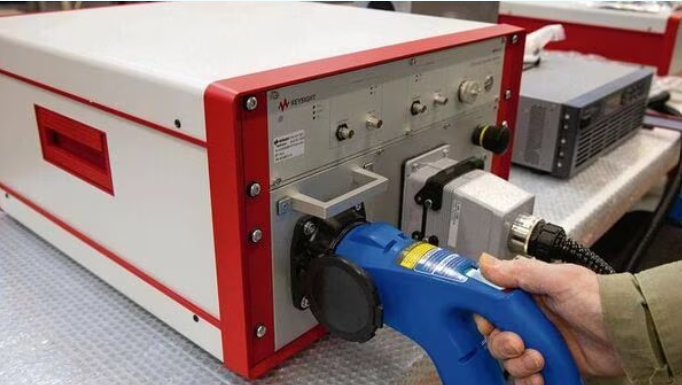
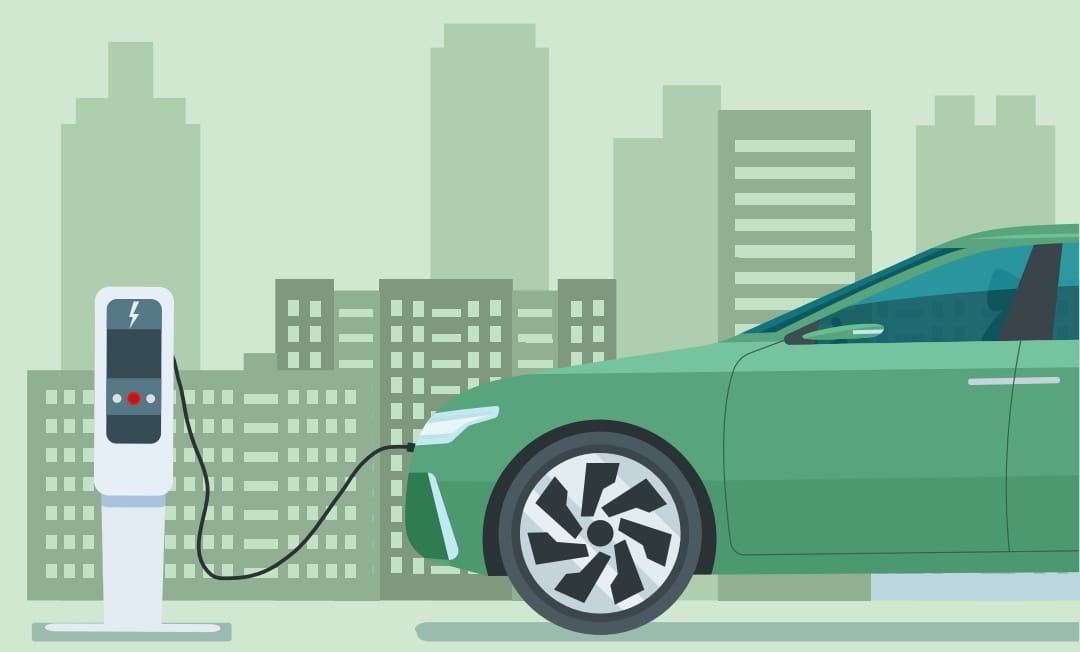
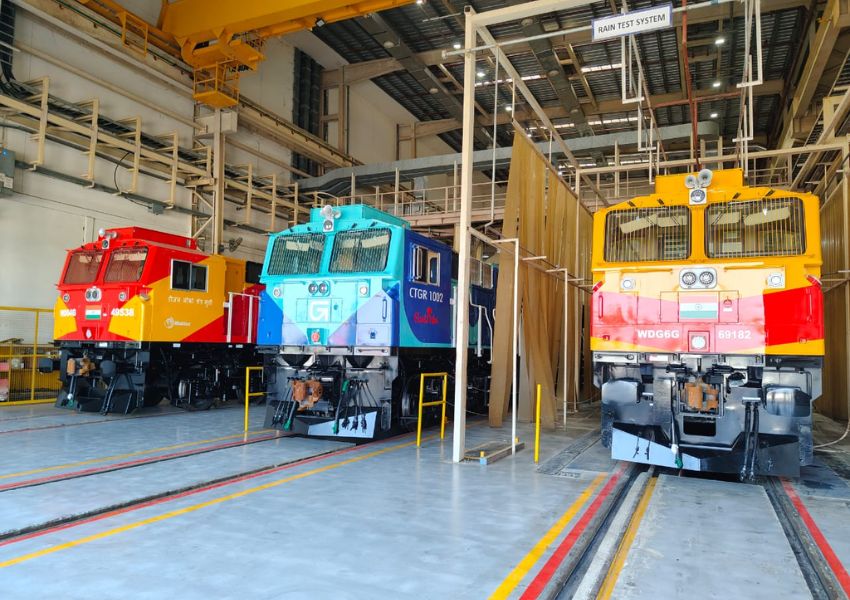
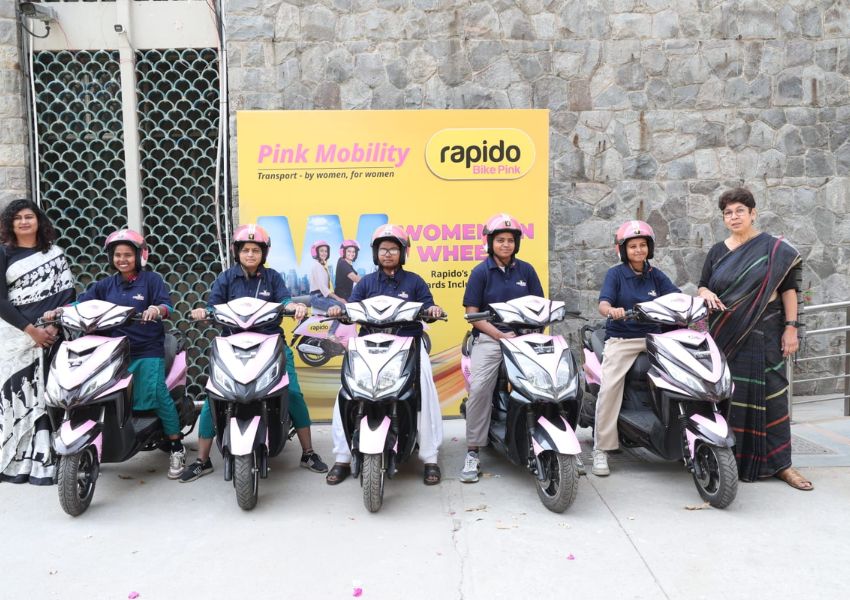
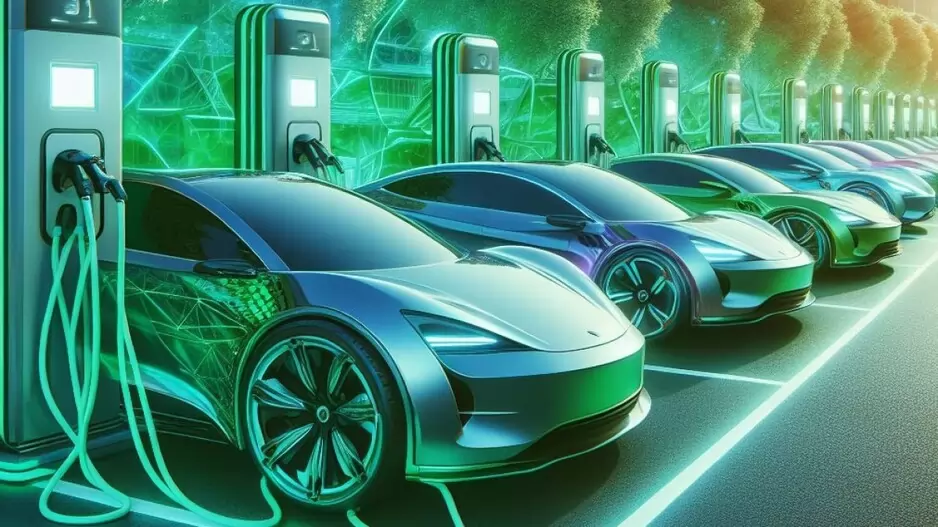
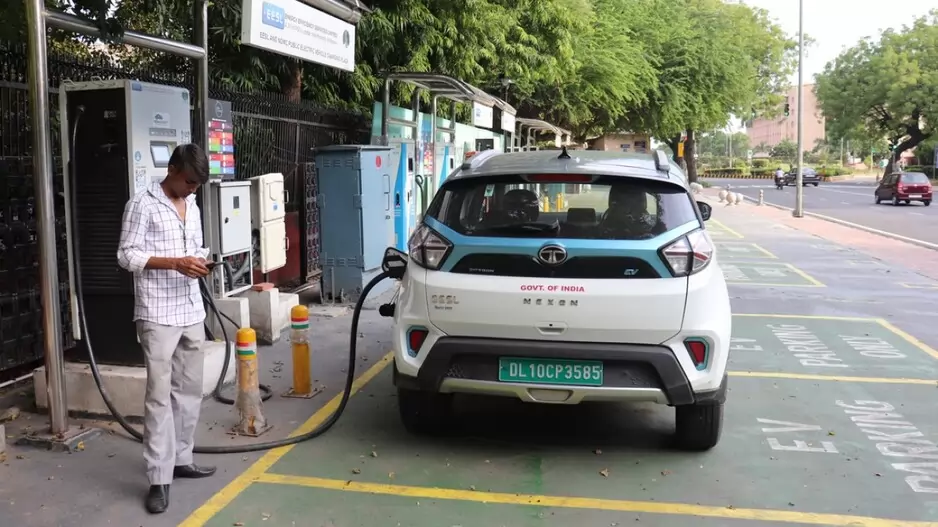
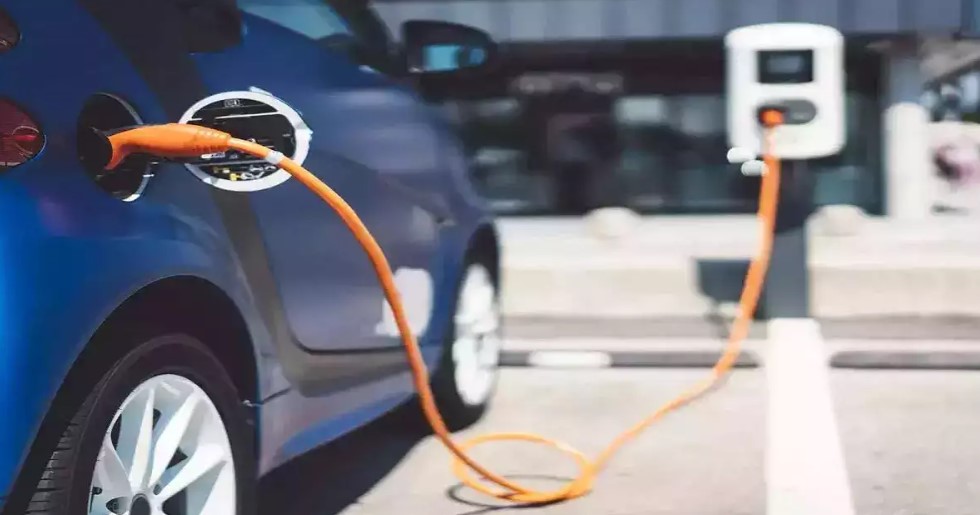
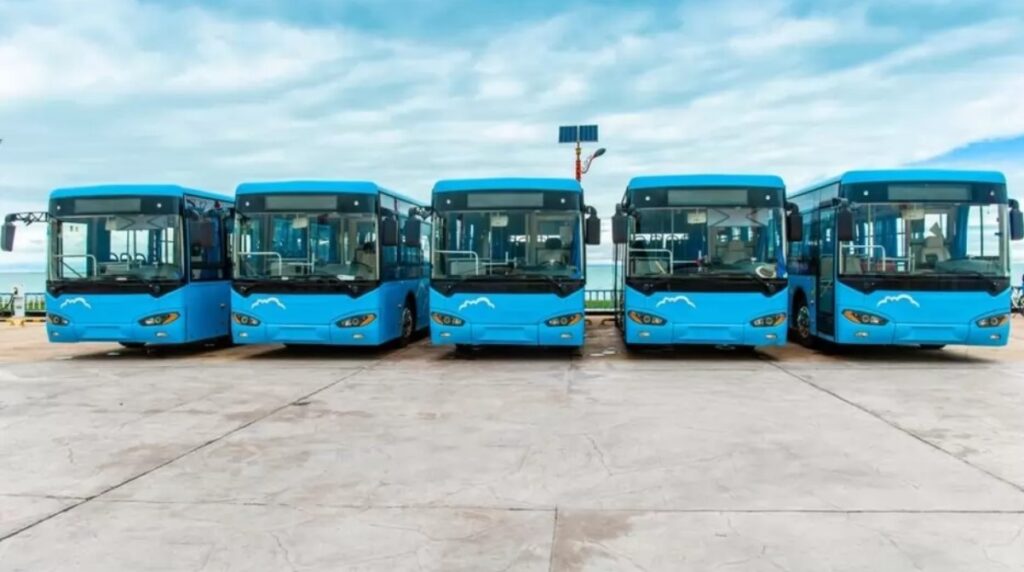
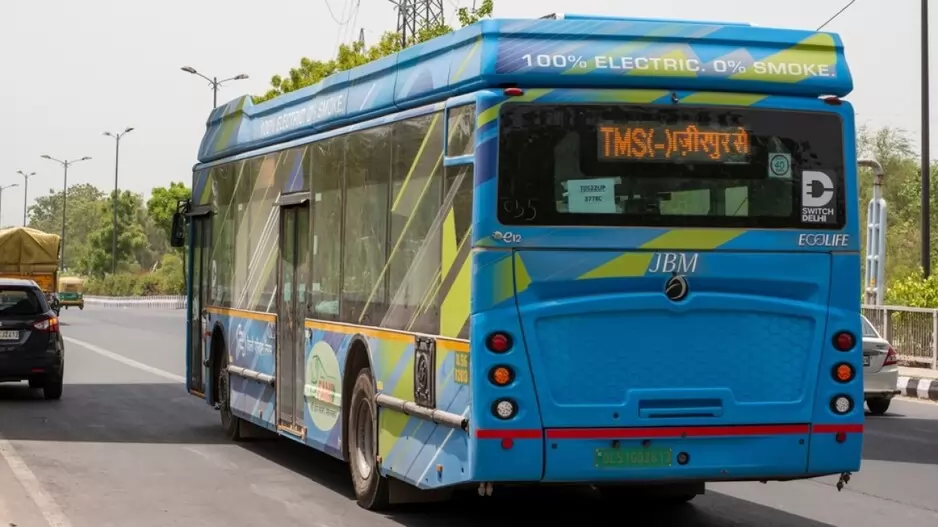
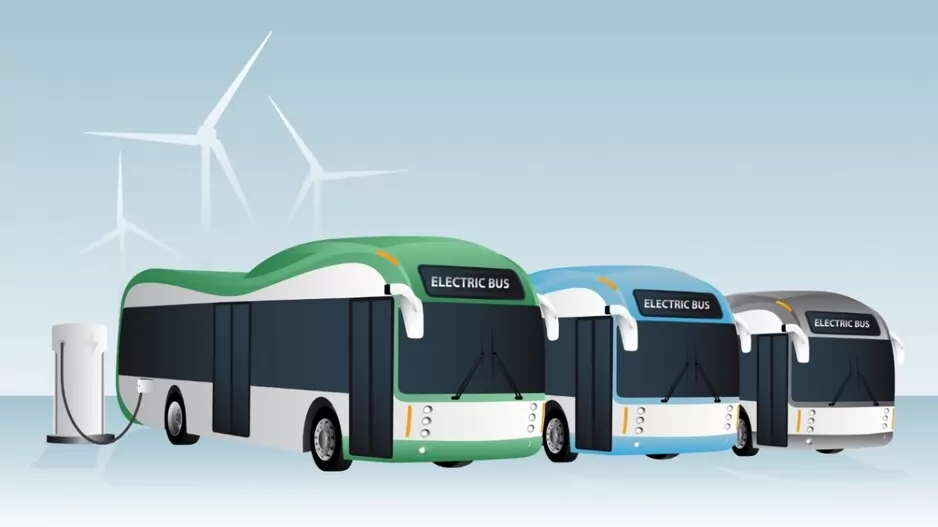
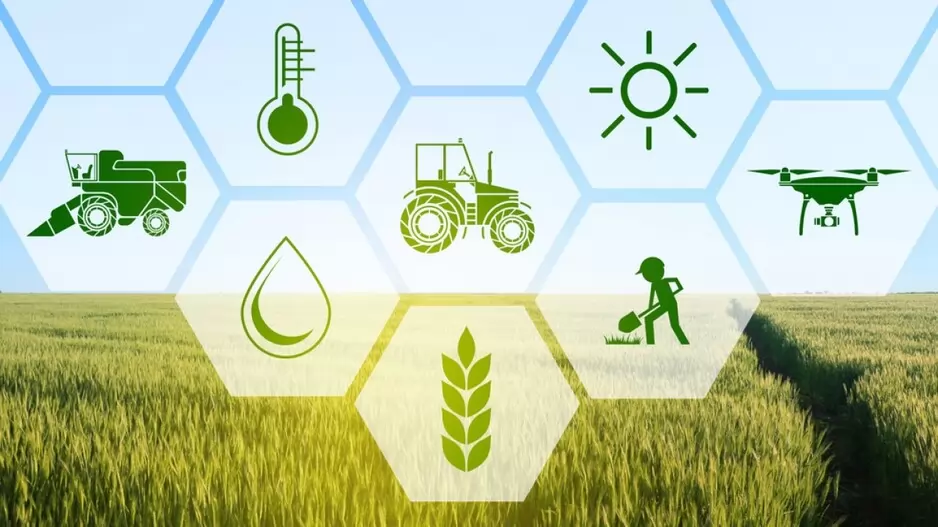
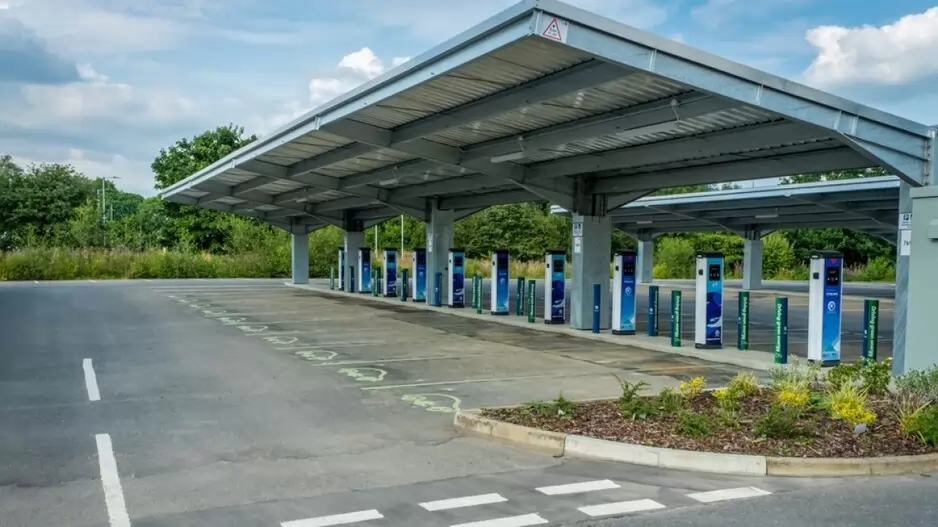
The project covers key sectors including transport, industry, agriculture, urban management and scientific monitoring. It aims to reduce emissions through integrated interventions and stronger compliance systems. A major share of expenditure, Rs 1,688 crore, has been assigned to transport-sector measures intended to cut urban emissions and expand clean mobility. Under this component, 500 electric buses will be deployed in Gurugram, Faridabad, Sonipat and Jhajjar at a cost of Rs 1,513 crore. The plan also includes phasing out high-polluting vehicles, supporting vehicle scrappage, installing 200 electric vehicle charging stations, and providing incentives for electric three-wheelers and fleet replacement.
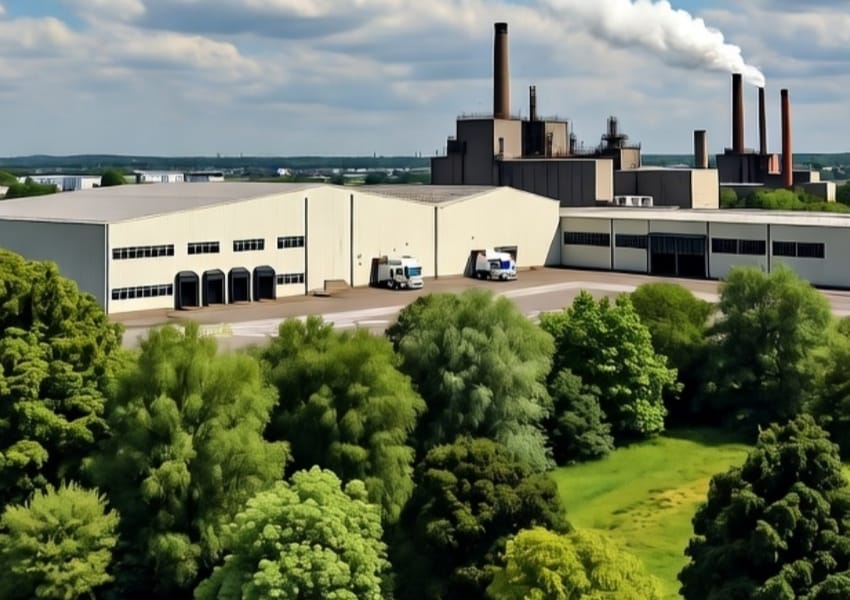
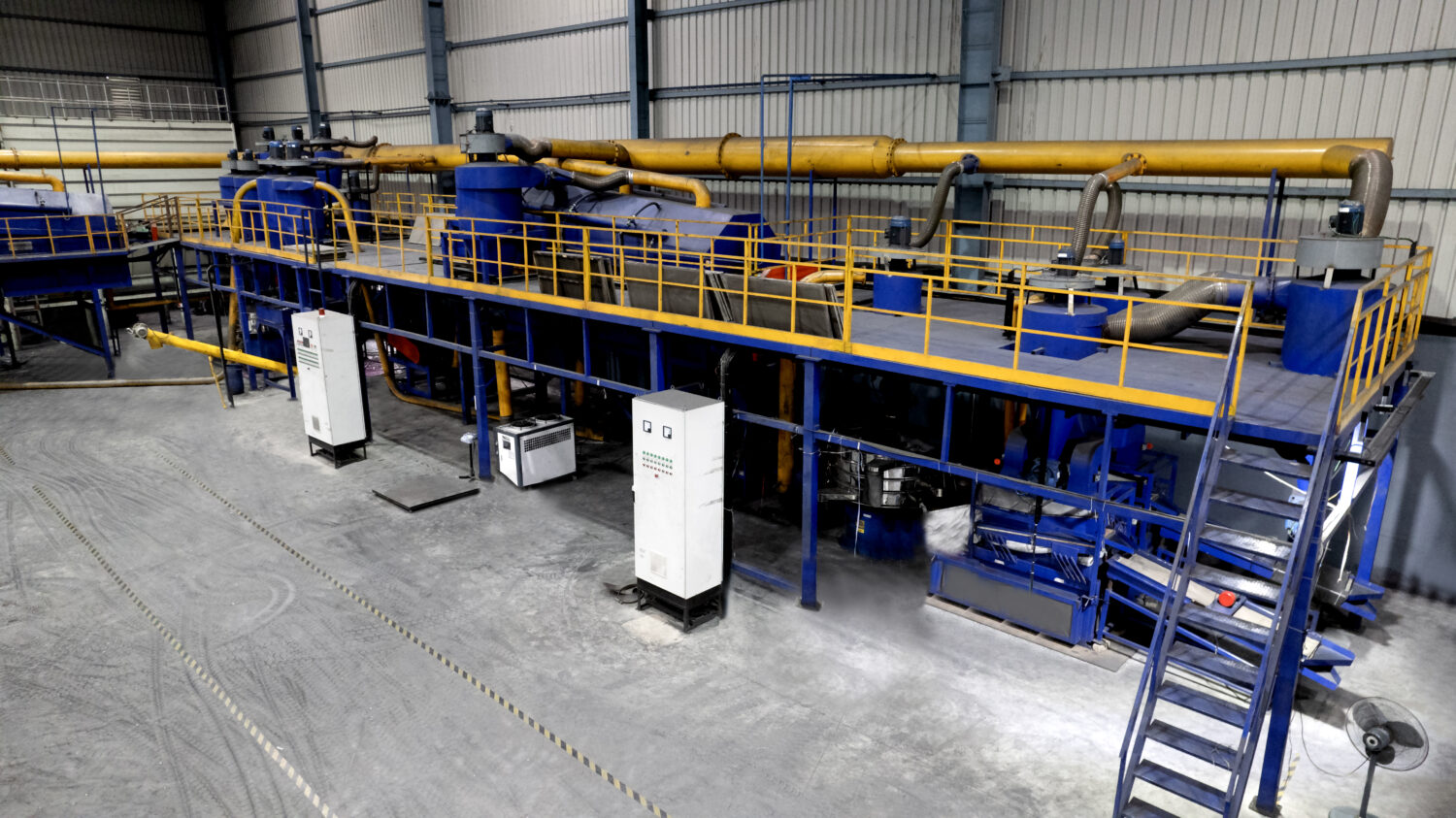
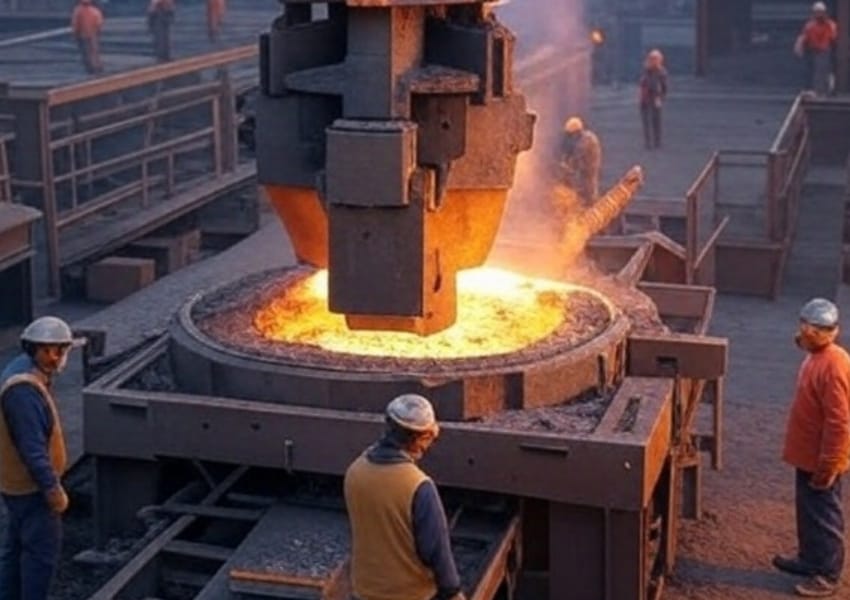
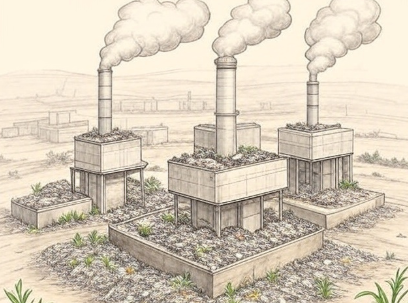
Cleaner industrial operations form another part of the programme, with Rs 563 crore allocated to the Department of Industries and Commerce. This includes incentives for switching industrial boilers to piped natural gas, replacing high-emission diesel generator sets, and installing continuous emission monitoring systems across priority units.
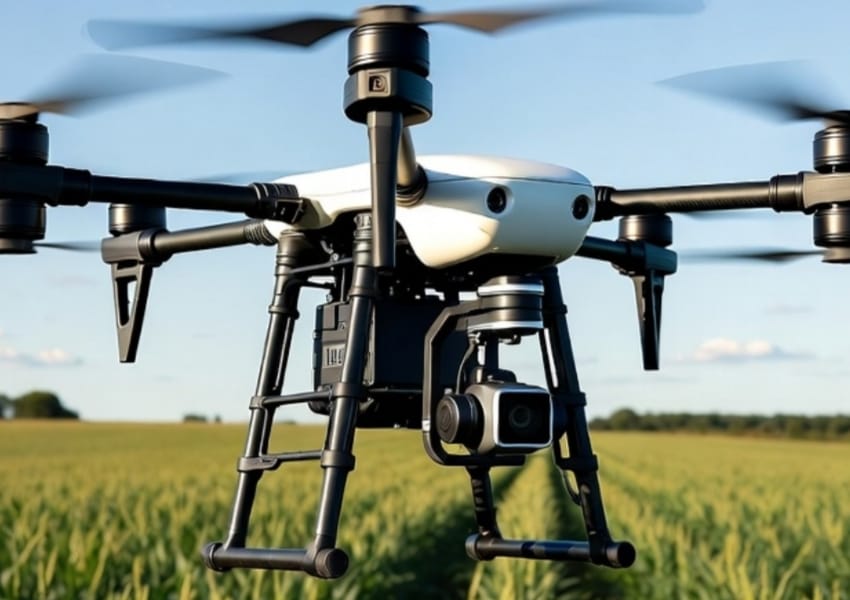
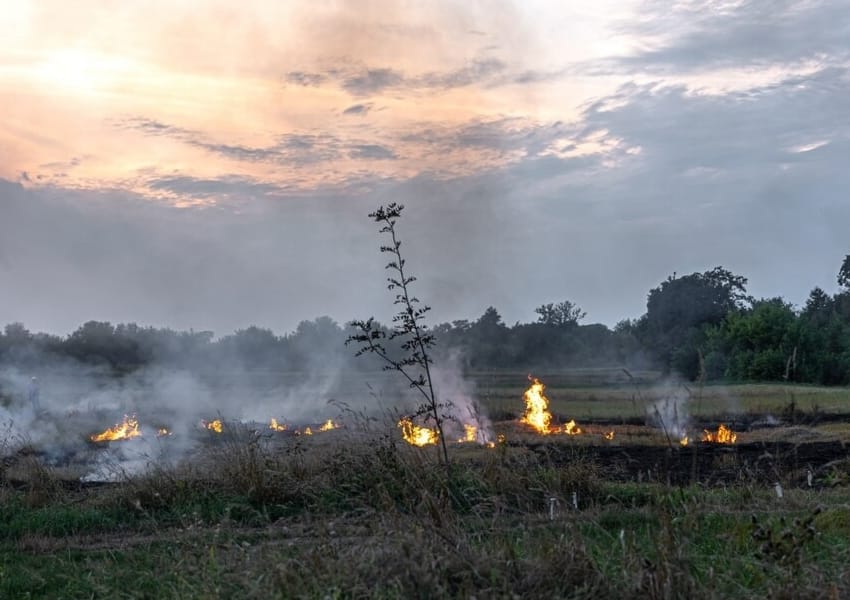
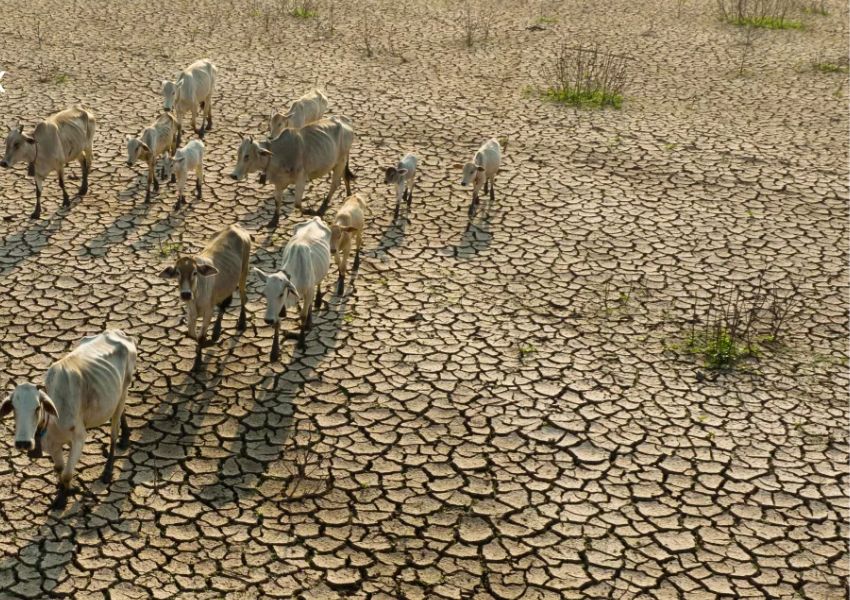
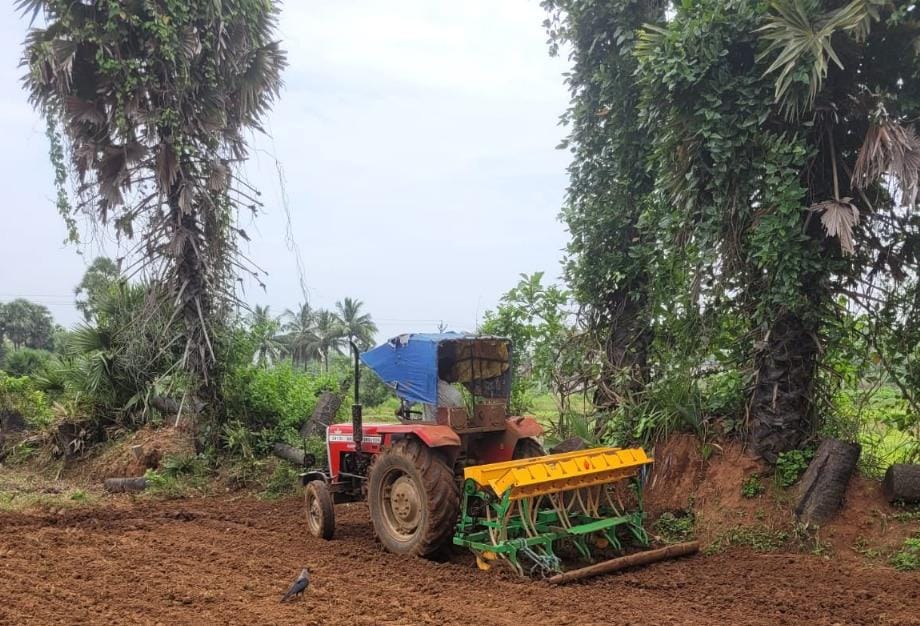
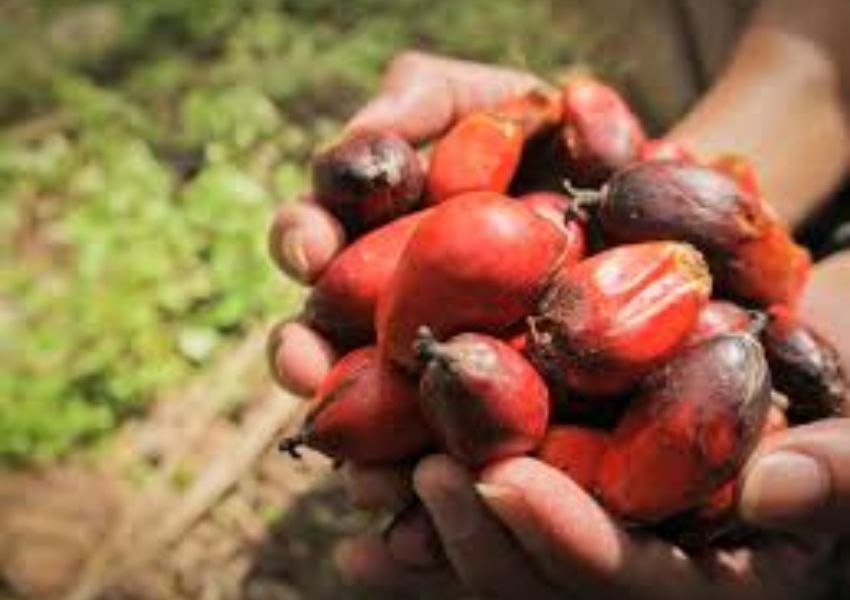
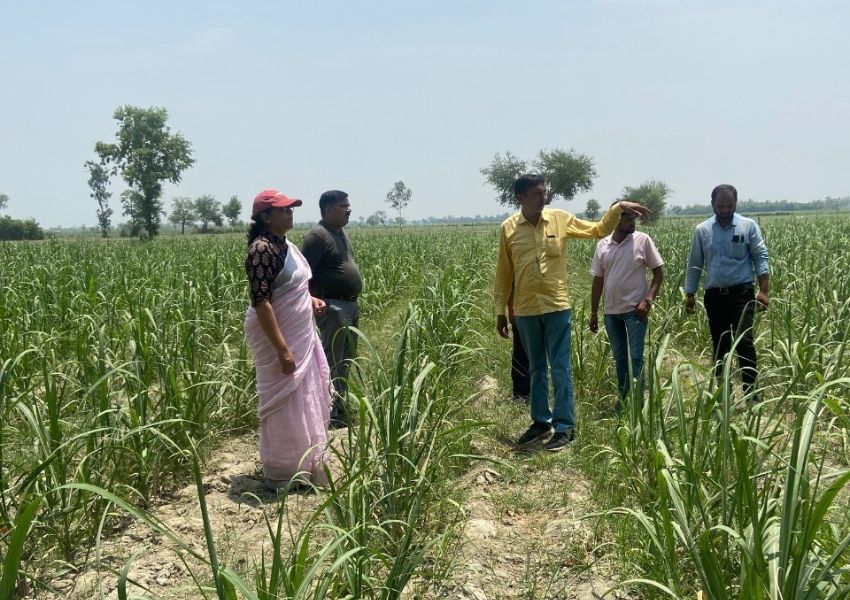
A further Rs 746 crore will be channelled through the agriculture and panchayat departments for crop-related interventions and improved soil and residue management, aimed at curbing agricultural emissions.
The Haryana Clean Air Project is expected to provide the state with strengthened monitoring systems, multisectoral coordination and a structured pathway towards sustainable air-quality improvements.